
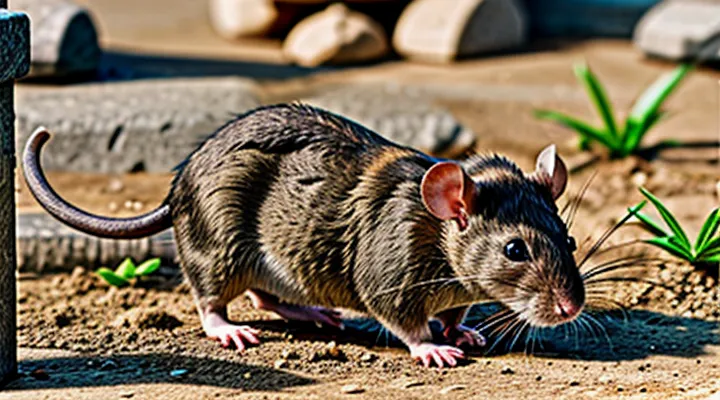
«Preparing for the Burial»
«Emotional Considerations»
«Grieving the Loss»
The loss of a pet rat often triggers a sudden wave of sadness that can feel overwhelming. Recognizing the intensity of this reaction is the first step toward managing it effectively.
Emotions may include sorrow, guilt, or disbelief. These feelings arise because rats, despite their small size, form strong bonds with their owners. Allowing yourself to experience the full range of emotions prevents the buildup of unresolved tension.
Practical actions that support healthy grieving:
- Write a brief note describing the rat’s personality and the moments you cherished; keep it in a place you can revisit.
- Create a simple memorial at the burial site, such as a stone or a planted seed, to provide a tangible focal point for remembrance.
- Share the story of your rat with friends or online communities that specialize in rodent care; external validation can reduce isolation.
- Maintain a routine that includes regular physical activity, adequate sleep, and balanced nutrition; physiological stability aids emotional recovery.
- If grief persists beyond a few weeks, consider consulting a mental‑health professional familiar with pet loss.
Over time, the acute pain typically diminishes, leaving a quieter appreciation of the companionship you shared. Revisiting the burial location on anniversaries or during reflective moments can reinforce a sense of closure while honoring the rat’s place in your life.
«Coping with Pet Loss»
Coping with the loss of a small pet such as a rat requires both emotional acknowledgment and practical steps. Recognizing grief as a normal response allows the owner to allocate time for mourning without suppressing feelings.
Begin by arranging a respectful interment. Choose a location that meets local regulations, offers privacy, and provides a stable environment for the remains. Dig a hole at least 12 inches deep to prevent disturbance by wildlife. Wrap the body in a breathable fabric, then place it gently into the grave. Cover the soil gradually, pressing down to eliminate air pockets. Mark the site with a simple stone or plant, creating a focal point for remembrance.
Maintain a routine that incorporates remembrance. Options include:
- Writing a brief note describing the rat’s personality and placing it under the marker.
- Scheduling a moment each week to sit at the site, reflect, and acknowledge the bond.
- Sharing memories with fellow pet owners or support groups, fostering communal understanding.
Physical care of the burial area contributes to emotional closure. Periodically clear debris, water any planted marker, and ensure the ground remains undisturbed. This ongoing attention reinforces the significance of the loss and supports the healing process.
If grief intensifies, seek professional guidance. Counselors specializing in animal bereavement provide structured techniques for processing loss, preventing prolonged emotional stagnation.
«Gathering Supplies»
«Choosing a Container»
Choosing a suitable container is a critical step when interring a small pet. The container protects the body from scavengers, prevents soil contamination, and facilitates a respectful burial.
Materials that meet these requirements include:
- Untreated, solid wood boxes (e.g., pine or cedar) that decompose naturally.
- Biodegradable cardboard containers with reinforced seams.
- Compostable plant-based plastics certified for burial use.
Avoid metal cans, glass jars, or non‑degradable plastics, as they hinder decomposition and may leach substances into the ground.
Size and shape must accommodate the animal without excess space. Recommended dimensions range from 8 × 8 × 12 inches to 10 × 10 × 14 inches, depending on the rat’s size. A rectangular or square shape simplifies placement in a shallow grave; a tapered design can reduce soil displacement.
Seal the container securely with biodegradable tape or natural twine. Label the exterior with the animal’s name and date of burial; this aids identification if the site is revisited for maintenance or memorial purposes.
Confirm that the chosen container complies with local regulations regarding animal disposal. Some jurisdictions require specific burial depths, distance from water sources, or the use of certified biodegradable materials. Adhering to these rules ensures legal compliance and environmental stewardship.
«Selecting a Burial Site»
Choosing an appropriate burial location ensures compliance with regulations, protects the environment, and respects personal preferences. The site must be legally permissible, free from contamination risks, and suitable for natural decomposition.
- Verify local ordinances; many jurisdictions restrict animal interment to private property or designated pet cemeteries.
- Select ground with good drainage to prevent water pooling and odor buildup.
- Prefer soil that is loose, aerated, and rich in organic matter, which accelerates breakdown.
- Ensure the spot is away from vegetable gardens, water sources, and high‑traffic areas to avoid accidental disturbance.
- Consider accessibility for future visits or maintenance, such as a modest marker or plaque.
- Evaluate potential for wildlife interaction; a concealed, fenced area reduces scavenger activity.
A well‑chosen burial spot balances legal obligations, ecological considerations, and emotional closure, providing a dignified final resting place for the rodent.
«Necessary Tools»
A successful interment of a rat requires a limited set of reliable equipment. Each item serves a specific function, ensuring the process remains respectful, sanitary, and environmentally sound.
- Sturdy shovel or spade: cuts through soil, creates a burial depth of at least twelve inches to prevent scavenging.
- Disposable nitrile or latex gloves: protect hands from pathogens and maintain hygiene.
- Biodegradable burial bag or muslin wrap: encloses the carcass, prevents direct contact with soil and speeds decomposition.
- Marking device (stone, tag, or biodegradable marker): identifies the site for future reference or remembrance.
- Soil amendment (optional): a small amount of compost or leaf litter can aid natural breakdown and mask odor.
- Water-resistant container for tools: keeps equipment dry and ready for repeated use.
Additional considerations include selecting a location free from water runoff and away from food preparation areas. Proper use of the listed tools guarantees a dignified and clean burial.
«The Burial Process»
«Digging the Grave»
«Appropriate Depth and Size»
Proper burial of a rat requires a pit deep enough to prevent scavenger access and to protect the remains from environmental exposure. Depth must accommodate local soil conditions and seasonal temperature changes.
- Minimum depth: 2 feet (60 cm) in loose, well‑draining soil.
- Increase to 3 feet (90 cm) where frost penetrates deeper or where larger predators roam.
- Adjust downward in compacted clay; dig until the soil feels loose enough to collapse around the body.
The size of the pit should comfortably contain the animal while allowing a margin for back‑filling. A pit measuring 6 inches (15 cm) in diameter and 8 inches (20 cm) deep suits an average adult rat. Larger specimens require proportionally wider and deeper excavations; add at least 2 inches (5 cm) of clearance on each side and extend depth accordingly.
After placement, refill the hole with the original soil, tamping gently to eliminate air pockets. Cover the surface with natural debris—leaves, grass clippings, or mulch—to blend the site with the surrounding environment and further discourage disturbance.
«Location Considerations»
Select a site that complies with local ordinances; many jurisdictions prohibit burial on public land or within a certain distance of water bodies. Verify that the chosen plot is on private property or in an area designated for animal disposal.
Choose soil that drains efficiently. Sandy or loamy earth allows decomposition without water pooling, which can attract insects or create odor problems. Avoid compacted clay that retains moisture and slows breakdown.
Determine burial depth. A minimum of 12‑18 inches prevents scavengers from uncovering the remains and reduces surface contamination. Use a sturdy shovel to create a vertical shaft, then backfill with native soil, tamping gently to eliminate voids.
Consider proximity to structures and pathways. Locate the grave at least 10 feet from buildings, fences, and foot traffic to limit accidental disturbance. Ensure the spot is accessible for future checks or removal, if required by regulations.
Account for seasonal conditions. In frozen ground, dig before the first frost or wait until thaw to achieve proper depth. During heavy rains, select higher ground to prevent runoff into the burial site.
Maintain records. Note the exact location, date, and any identifying markers. A discreet, weather‑resistant marker can aid in future reference without attracting attention.
«Preparing the Rat's Body»
«Cleaning the Body»
When preparing a rat for interment, begin by placing the carcass on a clean, disposable surface. Use disposable gloves to protect hands from pathogens.
- Remove excess fur by gently pulling away hair with a pair of tweezers; this reduces the amount of debris that will cling to the burial site.
- Rinse the body with cool, running water to eliminate soil, blood, and other contaminants. Direct the flow toward the head to prevent pooling in the abdominal cavity.
- Apply a mild, unscented antiseptic solution (e.g., diluted hydrogen peroxide) to the skin. Allow the liquid to contact the surface for 30 seconds, then blot dry with a sterile cloth.
- Inspect the body for remaining debris. Use a soft brush to dislodge any particles lodged in fur or around the paws and tail.
- Pat the carcass dry with a clean towel. Ensure the surface is free of moisture before placing the rat in a biodegradable burial container or shroud.
After cleaning, the body is ready for placement in the chosen burial location. The process minimizes odor, reduces the risk of attracting scavengers, and respects sanitary considerations.
«Wrapping or Placing in a Container»
When preparing a small rodent for interment, the first step is to contain the body securely. Choose a material that resists tearing and is biodegradable, such as a cotton muslin pouch, a paper bag, or a small wooden box. The container should be large enough to accommodate the animal without compression, yet compact enough to fit within the burial site.
- Clean the surface of the carcass with a damp cloth to remove excess debris.
- Place the rat in the chosen container, ensuring the limbs are positioned naturally.
- If using fabric, fold the edges over the body and tie a simple knot; for a box, close the lid and seal with a strip of tape or a biodegradable ribbon.
- Add a thin layer of natural material—dry leaves, straw, or shredded paper—inside the container to absorb moisture and reduce odor.
- Label the container discreetly if desired, using a small, weather‑resistant tag.
The container protects the remains from scavengers, facilitates handling, and maintains dignity during the burial process. Once sealed, lower the package into the prepared grave and cover with soil, compacting gently to prevent settlement. This method ensures a respectful and hygienic conclusion.
«Placing the Rat in the Grave»
«Gentle Placement»
Gentle placement ensures the body rests undisturbed, preserving dignity during a respectful rat interment. The technique minimizes stress on surrounding soil and prevents damage to delicate skeletal structures.
- Choose a location free of roots, rocks, or debris that could shift the body.
- Dig a shallow trench, 6–8 inches deep, wide enough to accommodate the rat without compression.
- Position the animal with its head facing east or toward a chosen direction, aligning the spine vertically.
- Cover the body with a thin layer of soil, tamp gently to eliminate air pockets while avoiding excessive pressure.
- Add a final layer of loose earth, shaping a small mound to mark the site.
Finalize the burial by smoothing the surface and, if desired, placing a modest marker. The result provides a calm, stable resting place that respects the animal’s memory.
«Adding Personal Touches»
When concluding the interment of a rat, personalized elements transform a routine act into a meaningful farewell. Selecting items that reflect the animal’s personality reinforces the significance of the ceremony and provides comfort to the bereaved.
Consider incorporating the following touches:
- A small, weather‑resistant tag engraved with the rat’s name and dates, attached to the burial container.
- A handful of the pet’s favorite treats placed beside the casket, symbolizing shared moments.
- A piece of fabric or a knitted cloth matching the rat’s cage bedding, used to line the burial site.
- A handwritten note or short poem placed in a biodegradable envelope, offering a final expression of affection.
Placement of these items should respect the depth of the grave, ensuring that the primary purpose—securely returning the animal to the earth—remains uncompromised. Use a soft, natural soil cover to preserve the integrity of the personal objects while allowing them to decompose gracefully.
Finalize the ceremony by marking the spot with a modest stone or a planted seed, creating a living reminder that honors the rat’s presence and supports the healing process.
«Covering the Grave»
«Backfilling with Soil»
When the animal has been placed in the prepared grave, the soil that returns the body to the earth must be managed carefully. Choose loose, well‑draining earth rather than compacted clay; this encourages natural decomposition and reduces the risk of soil collapse. Before adding the first layer, moisten the soil to a damp crumbly consistency—excess water creates anaerobic conditions, while dryness hinders microbial activity.
Proceed with backfilling in incremental stages:
- Add soil in 2‑ to 3‑inch layers.
- Gently tamp each layer with a hand‑held tamper or the flat side of a shovel; avoid heavy compaction that could crush the remains.
- Inspect the surface after each step to ensure the grave retains its shape and does not develop depressions.
- Continue until the original ground level is restored, leaving a slight mound if the soil settles over time.
After the final layer, lightly press the surface to blend with surrounding terrain. Mark the spot discreetly if future reference is needed, but avoid conspicuous markers that may attract scavengers. Proper backfilling stabilizes the site, supports decomposition, and minimizes disturbance to the environment.
«Mounding the Soil»
Mounding the soil creates a protective barrier that safeguards the remains from scavengers and weather. Begin by excavating a hole at least twelve inches deep, ensuring the bottom is level. After placing the carcass, backfill with the original earth, packing it firmly to eliminate voids. A compacted mound prevents collapse and reduces the chance of surface exposure.
Key actions when forming the mound:
- Add a layer of coarse material (e.g., sand or small stones) before the final soil to improve drainage.
- Place the backfilled soil in three increments, tamping each layer with a sturdy tool such as a tamping rod or a flat board.
- Shape the surface into a low, rounded hill, approximately six inches above ground level, to direct runoff away from the burial site.
- Cover the mound with a thin layer of leaf litter or mulch to blend with the surrounding environment and provide additional camouflage.
These steps produce a stable, concealed burial that respects both sanitary considerations and ecological balance.
«After the Burial»
«Marking the Grave»
«Temporary Markers»
When a small rodent is interred, the burial site must be identifiable until a permanent marker can be installed. Temporary markers serve this purpose by providing a clear, short‑term reference point that can be removed or replaced without disturbing the grave.
Select markers that are weather‑resistant and easily visible. Common options include:
- Plastic stakes painted in bright colors
- Small wooden dowels with reflective tape
- Metal rods with attached flagging
Place the marker directly above the shallow excavation before covering the soil. Ensure the marker stands upright and is anchored securely to prevent displacement by wind or animals. Record the marker’s exact location using a garden map or GPS coordinates for future reference.
After the burial site has been visited and a permanent headstone is ready, remove the temporary marker. Preserve any reusable components for subsequent use. This process maintains site integrity while allowing flexibility during the interim period.
«Permanent Memorials»
Creating a lasting tribute for a pet rat requires durable materials and a clear plan. Choose a memorial that can withstand weather and time, such as a granite marker, a bronze plaque, or a sealed metal urn. Secure the chosen item in the burial site before covering the grave, ensuring it remains visible and protected.
Consider the following permanent options:
- Engraved stone: inscribe the rat’s name, dates, and a brief message; place it at the surface of the grave.
- Metal plaque: attach to a wooden post or a stone cairn; resistant to corrosion when coated.
- Sealed urn: store ashes inside a waterproof container; bury the urn in a concrete vault or place it on a raised pedestal.
- Memorial garden stone: embed in a dedicated planting area; combine with a perennial shrub or tree to create a living reminder.
When installing the memorial, follow these steps:
- Dig a burial pit deep enough to meet local regulations (typically 2–3 feet).
- Lay a compacted base of sand or fine gravel to promote drainage.
- Position the memorial item on the base, aligning it with the grave’s orientation.
- Backfill with soil, tamping gently to avoid shifting.
- Mark the location with a discreet flag or a small stone to aid future visits.
Maintain the site by cleaning the surface periodically and checking for erosion. A permanent memorial not only honors the animal’s life but also provides a stable focal point for remembrance.
«Maintaining the Burial Site»
«Landscaping and Decoration»
When interring a rat, the surrounding landscape determines both aesthetic appeal and long‑term concealment. Selecting a discreet spot away from high‑traffic areas reduces disturbance; soil that drains well prevents water accumulation around the burial site.
Begin by excavating a hole at least twelve inches deep, ensuring the bottom rests on compacted earth to stabilize the remains. After placing the animal, backfill with a mixture of native soil and a thin layer of coarse sand; the sand promotes drainage while the native soil blends with the existing garden profile.
Decoration enhances the site’s visual integration. Options include:
- Arranging river stones in a circular pattern around the mound, creating a natural border.
- Planting low‑growth groundcover such as thyme or sedum to soften edges and deter erosion.
- Installing a modest wooden marker, treated for weather resistance, to identify the location without attracting attention.
- Embedding a small, weather‑proof plaque with a brief dedication, positioned flush with the ground to avoid tripping hazards.
Finalize by lightly tamping the surface, then sowing a seed blend suited to the local climate. Water the area gently to encourage germination, and monitor for at least two weeks to confirm that vegetation establishes and the burial remains concealed. Regular maintenance—removing weeds, replenishing mulch, and checking marker stability—preserves the site’s dignity and prevents accidental exposure.
«Preventing Disturbance»
When a rat is interred, the grave must be protected from animals, weather, and human activity. Choose a site away from foot traffic, pets, and predators. Dig a hole at least twelve inches deep; this depth prevents scavengers from reaching the remains and reduces the likelihood of surface erosion.
Secure the burial area with a durable cover. Options include:
- A layer of compacted soil followed by a thin sheet of hardware cloth or sturdy mesh, anchored with stakes.
- A shallow concrete slab or stone slab placed over the topsoil, providing a physical barrier while allowing water to drain.
Mark the location discreetly. Use a small, weather‑resistant marker or a buried, labeled stone to locate the spot without attracting attention. Record coordinates or GPS data in a personal log, keeping the information private.
Maintain the site after burial. Periodically inspect the cover for cracks, loosened soil, or signs of disturbance. Repair any damage promptly to preserve the integrity of the grave. If the ground shifts due to frost or heavy rain, re‑fill to the original depth and re‑secure the barrier.
By selecting an isolated spot, digging to sufficient depth, shielding the grave, and monitoring the area, disturbance can be minimized, ensuring a respectful and lasting interment.
«Remembering Your Pet»
«Creating a Memorial Space»
Creating a lasting memorial for a pet rat supports emotional closure and honors the animal’s life.
Select a site that offers privacy, protection from weather, and easy access for future visits. Ensure the ground is stable, free from flooding risk, and complies with local regulations regarding burial.
Incorporate physical elements that mark the spot:
- A durable stone, metal plate, or wooden slab engraved with the rat’s name and dates.
- A small plant or shrub that can thrive in the chosen environment, symbolizing growth.
- A simple fence or low border to delineate the area without obstructing natural surroundings.
Personalize the space with items that reflect the rat’s personality:
- A framed photograph placed under a protective cover.
- A favorite toy, chew stick, or piece of bedding positioned near the marker.
- A handwritten note or short poem sealed in a weather‑proof container.
Maintain the memorial regularly:
- Inspect the marker for wear and replace or reseal as needed.
- Prune plants to keep the area tidy and prevent overgrowth.
- Refresh any decorative items that deteriorate over time.
A thoughtfully designed memorial provides a tangible place for remembrance, allowing caretakers to reflect on the bond shared with their pet.
«Coping Strategies»
Coping with the emotional impact of interring a small pet requires deliberate actions that address grief, guilt, and practical concerns. A structured approach minimizes distress and ensures respectful handling of the animal’s remains.
- Identify a private, undisturbed location for the burial site. Choose soil that drains well and is free from contaminants.
- Prepare the ground by digging a depth of at least twelve inches, sufficient to prevent scavenger access and to comply with local regulations.
- Place the body in a biodegradable container, such as a cardboard box or a natural fabric sack, to protect the remains while allowing decomposition.
- Cover the burial site with soil, gently tamping to eliminate air pockets and to create a stable mound.
- Mark the spot with a simple stone, plant, or engraved marker. The marker provides a focal point for remembrance and helps prevent accidental disturbance.
After the burial, implement emotional coping techniques to process loss:
- Allow a moment of silence at the site, acknowledging the animal’s role in your life.
- Write a brief note or letter expressing thoughts and gratitude; keep it in a personal journal or attach it to the marker.
- Share the experience with a trusted friend, family member, or support group familiar with pet loss; verbalizing feelings reduces isolation.
- Engage in a calming activity—such as a short walk, deep‑breathing exercise, or gentle stretching—to lower physiological stress responses.
- Consider creating a small memorial, like a photo collage or a dedicated shelf, to preserve positive memories without lingering on the burial process.
Consistently applying these steps fosters a balanced response, honoring the animal while supporting personal well‑being.