
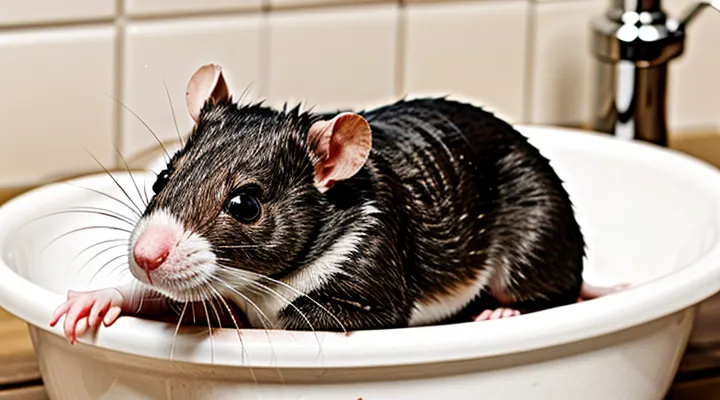
Understanding Your Rat's Bathing Needs
Is Bathing Always Necessary?
Signs Your Rat Needs a Bath
Recognizing when a pet rat requires a bath prevents discomfort and promotes health before the initial grooming session.
- Persistent, musky odor that does not disappear after routine cage cleaning.
- Fur that appears greasy, clumped, or unusually dull.
- Visible dirt, debris, or discoloration on the coat, especially around the tail and hindquarters.
- Skin irritation evident as redness, scabbing, or flaky patches.
- Excessive shedding accompanied by matted fur.
- Sticky or oily residue on paws or whiskers after eating.
These indicators signal that a bath is necessary. Prepare a shallow container with lukewarm water, a rat‑specific shampoo, and a soft towel. Handle the animal gently, keep the session brief, and dry thoroughly to avoid chilling. Addressing the need promptly ensures a clean, healthy coat and a smoother first bathing experience.
When to Avoid Bathing Your Rat
Bathing a pet rat should be avoided under specific conditions to protect the animal’s health and well‑being.
- The rat shows signs of illness such as sneezing, coughing, nasal discharge, or lethargy. Moisture can exacerbate respiratory infections common in rodents.
- The animal is pregnant or nursing. Stress from water exposure may disrupt gestation or milk production.
- The coat is excessively dirty due to a spill or oil. Spot cleaning with a damp cloth or pet‑safe wipe is safer than a full immersion.
- The rat is very young, under four weeks old. Their thermoregulation is immature, and they cannot maintain body temperature in water.
- The environment lacks a warm, draft‑free recovery area. Without a heat source, the rat can become hypothermic quickly.
- The water temperature is below body temperature (approximately 98‑100 °F / 37‑38 °C). Cold water induces shock and can lead to organ stress.
In these scenarios, defer bathing until the rat’s condition improves, a suitable environment is prepared, or an alternative cleaning method is applied. Regular grooming, cage cleaning, and a balanced diet reduce the need for full baths.
The Importance of a Stress-Free Experience
Building Trust with Your Pet
Establishing confidence before the first wash is the foundation of a calm experience for both rat and owner. Begin with gentle handling sessions that last only a few minutes, allowing the animal to become accustomed to human touch. Offer a favorite treat immediately after each contact; the positive association reinforces willingness to stay close.
Gradually introduce the bathing environment. Place a shallow tray of lukewarm water near the cage, let the rat explore without pressure, and reward any curiosity. When the animal shows comfort near the water, add a soft cloth to the rim, allowing the rat to sniff and touch it. Consistent exposure reduces fear of the unfamiliar surface.
Maintain a predictable routine. Use the same voice tone, hand movements, and timing each day. Predictability signals safety, enabling the rat to anticipate the process rather than react with alarm. Keep the bathing area quiet; sudden noises increase stress and undermine trust.
Key actions for trust building:
- Short, frequent handling sessions.
- Immediate, high-value treats after each interaction.
- Controlled exposure to water and bathing tools.
- Consistent verbal cues and motions.
- Quiet, low‑stimulus environment during the wash.
Once the rat exhibits relaxed behavior—steady breathing, exploratory sniffing, and willingness to stay near the owner—the actual bath can proceed with minimal resistance. The established trust ensures the cleaning procedure remains brief, effective, and stress‑free.
Choosing the Right Time
Choosing the optimal moment for a first bath reduces stress and improves safety.
Rats tolerate water better when they are fully weaned, typically after four weeks of age. Younger pups lack the body temperature regulation needed for a warm soak and may become hypothermic quickly.
Health status must be confirmed before any immersion. A quick visual inspection for skin lesions, respiratory issues, or signs of illness prevents complications. If the animal shows any abnormal behavior, postpone the bath and consult a veterinarian.
Environmental conditions influence comfort. Aim for a quiet room with a stable temperature between 24 °C and 27 °C (75 °F–80 °F). Eliminate drafts, loud noises, and sudden movements that could startle the rat.
Timing within the daily routine matters. Schedule the bath after the rat has eaten and rested, but not immediately after a vigorous play session. A calm period of 15–20 minutes before handling allows the animal to settle.
Practical checklist for selecting the right time:
- Age ≥ 4 weeks, fully furred
- No visible health concerns
- Room temperature 24‑27 °C (75‑80 °F)
- Quiet, low‑traffic environment
- Post‑meal, pre‑sleep interval of 30 minutes
Following these criteria ensures the first bathing experience is as safe and stress‑free as possible.
Preparation is Key
Gathering Your Supplies
Appropriate Shampoo Options
Choosing the correct shampoo is essential for a safe, stress‑free first bath for a pet rat. Rats have sensitive skin and a delicate coat; products designed for humans or large animals can cause irritation, dryness, or toxicity.
- Unscented, hypoallergenic rodent shampoo – formulated without fragrances, dyes, or harsh preservatives; pH balanced for small mammals; rinse thoroughly to prevent residue buildup.
- Mild baby shampoo – free of parabens and sulfates; low‑foam formula minimizes inhalation risk; suitable for occasional use when rodent‑specific options are unavailable.
- Oatmeal‑based cleanser – contains colloidal oatmeal to soothe itching and maintain moisture; appropriate for rats with dry or irritated skin.
- Diluted neem oil solution – natural insect‑repellent properties; mix 1 ml neem oil with 250 ml warm water; use sparingly to avoid strong odor that may stress the animal.
Avoid any product containing alcohol, essential oils, or strong fragrances, as these can damage the skin barrier and cause respiratory distress. Before applying, test a small area of the coat for adverse reactions, and always rinse with lukewarm water until no suds remain.
Towels and Drying Aids
Towels and drying aids are indispensable for preventing a damp rat from becoming chilled after a bath. Use a soft, lint‑free towel that fully covers the animal; cotton terry or microfiber pads work best because they absorb quickly without irritating the skin. Gently wrap the rat, pressing lightly to remove excess water, then hold the towel for a few seconds to allow residual moisture to evaporate.
- Cotton terry: high absorbency, easy to wash.
- Microfiber: ultra‑thin, rapid drying, minimal bulk.
- Flannel: softer texture, suitable for sensitive skin.
When towels alone are insufficient, incorporate a low‑temperature hair dryer or a pet‑specific drying blower. Set the device to the coolest setting, maintain a distance of at least six inches, and keep the airflow moving across the body rather than concentrating on one spot. This method accelerates moisture loss while avoiding burns.
- Hair dryer (cool or warm, never hot): short bursts, constant motion.
- Pet drying blower: designed for small animals, low noise, adjustable speed.
- Warm, dry environment: place the rat in a draft‑free area with ambient temperature around 22 °C (72 °F) while drying continues.
Finish the process by checking the fur for damp patches; repeat towel presses or brief airflow as needed until the coat feels dry to the touch. Immediate and thorough drying reduces the risk of hypothermia and supports a comfortable recovery after the first wash.
A Safe Bathing Environment
Create a dedicated bathing area that limits the rat’s ability to slip, escape, or become chilled. Choose a shallow, non‑slippery container such as a plastic tub with a textured bottom. Fill the tub with lukewarm water (approximately 30–32 °C) to a depth no higher than the rat’s belly; excess water increases the risk of drowning and stress.
Place a soft towel or silicone mat under the tub to prevent the surface from becoming slick. Keep the room temperature stable, ideally between 22–24 °C, to avoid rapid body‑heat loss. Ensure the space is quiet, free of drafts, and away from loud appliances that could startle the animal.
Prepare all supplies before introducing the rat: pet‑safe shampoo, a small cup for gentle rinsing, and a clean, dry towel for immediate drying. Having these items within arm’s reach eliminates unnecessary movements that could destabilize the rat.
Key elements of a secure environment:
- Non‑slipping container with a textured base
- Water temperature at 30–32 °C, depth limited to belly level
- Ambient room temperature maintained at 22–24 °C
- Soft surface beneath the tub to increase traction
- Quiet, draft‑free location away from disturbances
- All grooming tools positioned within easy reach
After bathing, wrap the rat in the dry towel, gently pat to remove excess moisture, and place it in a warm, enclosed area until completely dry. This sequence minimizes exposure to cold and reduces the chance of injury.
Setting Up the Bath Area
Water Temperature Considerations
When bathing a small rodent for the first time, the water must be warm but not hot. Aim for a temperature between 95 °F (35 °C) and 100 °F (38 °C). Use a digital thermometer or a temperature‑controlled faucet to verify the range before introducing the animal.
- Water below 90 °F (32 °C) can cause shock and rapid cooling of the rat’s body.
- Water above 105 °F (40 °C) risks burns and stress, leading to rapid breathing or attempts to escape.
- The surface should feel comfortably warm to a human fingertip; if it feels hot, let it cool for a minute before testing again.
- Keep the bath brief (1–2 minutes) to limit exposure to temperature fluctuations.
Prepare the bath by filling a shallow container with the measured water, ensuring the depth does not exceed the rat’s belly height. Constantly monitor the temperature during the session, adding lukewarm water if it drops or removing water and reheating if it rises. After the bath, dry the animal with a soft towel and keep it in a warm, draft‑free area until completely dry.
Minimizing Distractions
When introducing a rat to its first wash, the surrounding environment determines how quickly the animal adapts. A calm setting reduces stress, prevents sudden movements, and allows the caregiver to focus on technique rather than reacting to unexpected stimuli.
- Remove loud appliances, televisions, and music before beginning.
- Close doors and windows to block sudden noises from outside.
- Place a soft towel or non‑slip mat on the sink or basin to keep the rat steady and prevent slipping.
- Keep only the necessary tools within arm’s reach: mild rodent‑safe shampoo, a small cup for rinsing, and a clean cloth for drying.
- Turn off mobile phone notifications or place the device in silent mode to avoid interruptions.
By limiting auditory and visual disturbances, the rat remains calmer, the caregiver maintains concentration, and the bathing process proceeds smoothly. This controlled approach minimizes the risk of injury and establishes a positive association with grooming.
The Bathing Process
Introducing Your Rat to the Water
Gentle Handling Techniques
Gentle handling begins before the water is introduced. Approach the rat calmly, allowing it to sniff your hand. Support the animal’s body with both palms, avoiding pressure on the spine or limbs. Keep the grip loose enough to prevent panic but firm enough to prevent slipping.
Maintain a stable environment during the bath. Use a shallow container with lukewarm water no deeper than the rat’s belly. Place a non‑slip mat at the bottom to give the animal footing. When submerging, lower the rat slowly, keeping its head above water. Use a soft washcloth or fingertips to apply cleanser, moving in short, smooth strokes that follow the direction of the fur.
Key handling actions:
- Pre‑bath acclimation – let the rat explore the bathing area for a few minutes.
- Secure yet gentle hold – cup the torso with both hands, fingers under the chest, thumbs supporting the hindquarters.
- Controlled immersion – lower the animal gradually, supporting its body throughout.
- Minimal restraint – release pressure as soon as the cleaning motion is complete.
- Post‑bath support – wrap the rat in a warm, dry towel, keeping it snug but not constricted.
These techniques reduce stress, protect delicate skin, and create a predictable routine that the rat can tolerate during its inaugural wash.
Encouraging Calmness
A relaxed animal tolerates handling and water better, reducing stress and preventing injury during the first wash.
- Prepare a warm, shallow basin before the rat enters the room; the temperature should feel like skin‑warm water.
- Dim ambient lighting and silence sudden noises; a calm environment lowers the animal’s alertness.
- Offer a favorite treat or a piece of soft bedding in the basin; positive association encourages voluntary entry.
- Gently cradle the rat with both hands, supporting the torso and hindquarters; firm yet soothing pressure prevents frantic movements.
- Speak in a low, steady voice while moving; consistent tone reinforces a sense of safety.
- Limit the bath to two minutes; a brief exposure prevents overwhelm and maintains composure.
After the rinse, wrap the rat in a soft towel, continue gentle petting, and reward with a treat. Maintaining calm throughout the process establishes trust for future grooming sessions.
Washing Your Rat
Applying Shampoo Carefully
When bathing a pet rat for the first time, the shampoo must be applied with precision to prevent irritation and stress.
Begin by selecting a rodent‑specific, unscented shampoo. Dilute the product according to the label, typically one part shampoo to ten parts lukewarm water. Test the temperature on your wrist; it should feel comfortably warm, not hot.
Apply the diluted solution using a soft, disposable cup or a small squeeze bottle. Follow these steps:
- Gently tilt the rat’s head back, keeping the ears protected with a cotton ball if needed.
- Pour a thin stream over the back, avoiding the face and eyes.
- Use a fingertip or a soft brush to work the lather into the fur, moving from the neck toward the tail.
- Concentrate on the hindquarters and underbelly, where oils accumulate, but limit contact with sensitive areas.
Rinse immediately with clean, lukewarm water. Hold the rat over a sink or basin, allowing the water to flow from head to tail, ensuring no residue remains. Pat the animal dry with a low‑lint towel; avoid vigorous rubbing that could damage the delicate coat.
Complete the process by placing the rat in a warm, draft‑free environment until fully dry. This method minimizes skin irritation and promotes a calm experience for the animal.
Focusing on Dirty Areas
When cleaning a pet rat for the first bath, concentrate on the regions that accumulate the most grime. These zones retain urine, feces, and food residue, creating odors and skin irritation if left untreated.
Typical problem spots include the underside of the tail, the ventral surface, the paws, the ears, and the facial whisker area. Each area requires gentle, targeted attention to remove buildup without damaging delicate skin.
Prepare a shallow container with lukewarm water (approximately 30 °C). Use a mild, unscented rodent shampoo diluted according to the manufacturer’s instructions. Gather soft cotton swabs, a small soft brush, and a lint‑free towel for drying.
- Submerge the rat briefly, allowing it to become accustomed to the water.
- Hold the tail base, apply a few drops of shampoo to the tail underside, and rub lightly with a cotton swab.
- Tilt the rat gently to expose the belly; use the soft brush to sweep away debris, rinsing with a cup of water to avoid excess soaking.
- Clean each paw by inserting a fingertip into the pad, working shampoo into the fur, then rinsing.
- Swipe the ears with a damp cotton swab, taking care not to insert anything into the ear canal.
- Finish with a brief wash of the facial area, avoiding the eyes and nose.
After rinsing, wrap the rat in the lint‑free towel and pat dry. Keep the animal in a warm, draft‑free space until the fur is completely dry. Observe for signs of skin irritation; address any issues promptly.
Rinsing Thoroughly
Ensuring No Soap Residue
When cleaning a pet rat for the first time, eliminating soap traces is critical for skin health and respiratory safety. Follow these precise steps to guarantee a residue‑free finish.
- Use a mild, unscented laboratory‑grade detergent diluted to no more than one teaspoon per liter of warm water (approximately 37 °C). Stronger soaps increase the risk of lingering chemicals.
- Submerge the rat briefly, allowing the solution to coat the fur without soaking the face. Avoid direct contact with the eyes and nostrils.
- Rinse repeatedly with clean, lukewarm water. Hold the rat over a sink and pour water over the body until the water runs clear; visual confirmation of foam absence is required.
- Perform a tactile check: run a fingertip through the fur. If any slickness remains, repeat the rinse cycle.
- Dry the animal with a low‑heat hair dryer set to a gentle airflow. After drying, brush the coat to separate hairs and expose any hidden soap pockets.
- Observe the rat for signs of irritation—excess scratching, sneezing, or watery eyes—within the next hour. Persistent symptoms may indicate residual detergent and warrant an additional rinse.
By adhering strictly to the rinse‑until‑clear protocol and confirming the absence of foam by sight and touch, you eliminate soap residues that could compromise the rat’s delicate integumentary and respiratory systems.
Maintaining Comfort
Maintaining the rat’s comfort throughout its inaugural wash prevents stress and reduces the risk of injury. A calm animal responds better to handling, allowing a thorough cleaning without unnecessary struggle.
Prepare a warm, shallow basin with water no hotter than body temperature. Place a soft towel at the bottom to cushion the animal’s paws. Gather a gentle, fragrance‑free shampoo formulated for small mammals, a cup for rinsing, and a separate towel for drying. Keep all items within arm’s reach before introducing the rat to the water.
- Gently lower the rat into the water, supporting its hindquarters to avoid slipping.
- Apply a thin layer of shampoo to the fur, avoiding the eyes and ears.
- Massage the coat briefly to loosen dirt, watching for signs of agitation.
- Rinse with lukewarm water using the cup, ensuring no soap residue remains.
- Lift the rat promptly, place it on the dry towel, and pat the fur until moisture subsides.
After the bath, keep the rat in a warm, draft‑free enclosure until fully dry. Offer a familiar treat to reinforce a positive association with the experience. Regularly monitor the animal for signs of overheating or skin irritation, adjusting water temperature or drying time as needed.
Post-Bath Care
Drying Your Rat
Towel Drying Methods
When a rat emerges from a warm water bath, rapid moisture removal prevents hypothermia and skin irritation. Selecting the appropriate towel and technique is critical for a safe drying process.
- Use a soft, lint‑free microfiber towel; its high absorbency reduces drying time without leaving fibers on the fur.
- Gently press the towel against the body, starting with the back and moving toward the limbs. Avoid vigorous rubbing, which can damage the delicate coat and cause stress.
- For the head and facial area, employ a smaller corner of the towel, supporting the skull while lightly blotting. This protects the eyes and ears from accidental contact.
- If the rat shivers, wrap the animal loosely in the towel, covering the torso while leaving the tail exposed to prevent overheating.
- After the initial blot, allow the rat to sit on a warm, dry surface for a few minutes. Monitor body temperature by feeling the ear base; if it feels cool, repeat a brief press with the towel.
The final step is to inspect the fur for remaining damp spots. Any residual moisture should be addressed promptly with a gentle press, ensuring the rat remains warm and comfortable before returning it to its cage.
Avoiding Cold Drafts
When cleaning a rat for the first time, the environment must stay free of cold air currents. A draft can lower the animal’s body temperature, cause stress, and prolong recovery after the bath.
- Choose a room with stable temperature, ideally between 68‑74 °F (20‑23 °C).
- Close windows, doors, and vents; turn off ceiling fans and air‑conditioning units that circulate cool air.
- Position the bathing area away from external walls or poorly insulated sections of the room.
- Use a portable heater or a warm water bath mat to maintain surface warmth, but keep it at a safe distance to avoid overheating.
- Cover the work surface with a towel or non‑slip pad that retains heat, then place a lightweight blanket over the rat after rinsing to trap warmth.
After the bath, monitor the rat for shivering or lethargy. If signs of chill appear, increase ambient warmth gradually and dry the animal thoroughly before returning it to its cage. Maintaining a draft‑free zone ensures a comfortable experience and supports rapid recovery.
Ensuring Warmth and Comfort
Providing a Clean, Dry Environment
A dry, sanitary area is essential when introducing a rat to its first wash. Prepare a surface that will not retain moisture, such as a non‑slip mat placed on a countertop or a shallow plastic tray lined with paper towels. The material should be easy to replace and disinfect after use.
Before the bath, gather clean towels, a low‑heat hair dryer with a diffuser attachment, and a disinfectant safe for rodents. Lay the towels flat, leaving extra sheets for immediate drying. Position the dryer on the lowest setting, directing airflow away from the animal to avoid overheating.
After rinsing, gently pat the rat with a towel, absorbing as much water as possible. Transfer the pet to the pre‑arranged dry zone and use the low‑heat dryer to finish drying, keeping the device moving to prevent hot spots. Continue until fur feels cool to the touch.
Finally, discard the used towels, clean the mat or tray with a mild bleach solution (1 % concentration), rinse thoroughly, and allow it to air‑dry before the next use. Maintaining this routine ensures the rat remains comfortable and reduces the risk of skin irritation or infection.
Monitoring for Stress Signs
Monitoring a rat’s stress response during the initial wash is essential for a safe and effective grooming session. The animal’s behavior provides immediate feedback on comfort levels, allowing the caretaker to adjust technique before the situation escalates.
Typical stress indicators include:
- Rapid, shallow breathing
- Trembling or shivering
- Vocalizations such as squeaks or chirps
- Attempts to flee or excessive struggling
- Flattened ears, dilated pupils, or a glossy coat
When any of these signs appear, pause the bath immediately. Gently remove the rat from water, dry it with a soft towel, and place it in a quiet, warm area. Allow several minutes for the animal to recover before deciding whether to continue or postpone the session.
Preventive measures reduce the likelihood of stress:
- Use lukewarm water (approximately 30 °C/86 °F) to avoid thermal shock.
- Keep the bathing area quiet and free of sudden movements.
- Limit exposure time to under two minutes for the first encounter.
- Handle the rat with a calm, steady grip, supporting the body without restricting breathing.
Document each session’s observations. Recording stress responses and the actions taken creates a reference for future grooming, enabling progressive desensitization and a more relaxed experience for both caretaker and pet.
Rewarding Good Behavior
Offering Treats and Affection
Offering treats and affection creates a positive association with the bath, reduces stress, and improves cooperation.
Provide a high‑value treat immediately before the session to signal a rewarding experience. Use small, easily chewable pieces such as dried mealworms or a dab of soft fruit puree; avoid sugary or salty snacks that could affect health.
During the bath, keep a treat within reach and dispense it intermittently. The rat will focus on the reward, making it more tolerant of water and handling.
After the rinse, present a final treat and engage in gentle petting. Light strokes along the back and a calm voice reinforce safety and trust.
Practical steps:
- Prepare a treat container with a few pieces ready.
- Offer a treat while placing the rat in the shallow water.
- Every 30‑45 seconds, give another small treat, pausing to speak softly.
- Upon completion, dry the rat with a low‑heat towel, then give the last treat while stroking its neck and sides.
Consistent use of treats and soothing contact builds confidence, making future baths smoother and less stressful for both pet and owner.