
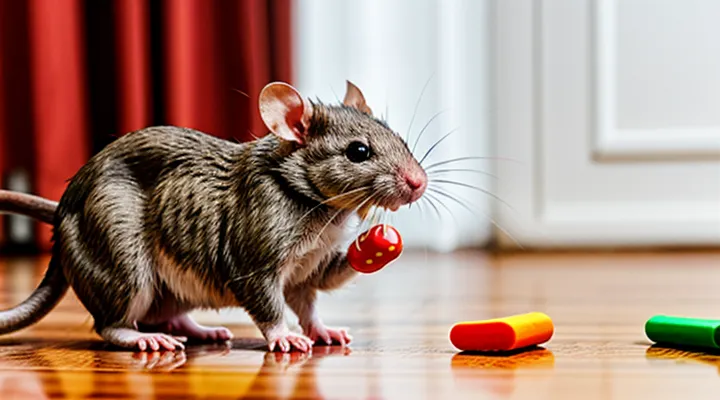
Understanding Rat Behavior and Needs
Recognizing Play Signals
Rats display distinct cues when they are ready to engage in play. Recognizing these cues prevents misunderstandings and encourages safe interaction.
Typical play signals include:
- Pouncing posture – crouched stance with forepaws lifted, indicating intent to chase.
- Darting movements – rapid, short bursts of running followed by sudden stops.
- Play bows – front legs extended forward while hindquarters remain raised.
- Gentle nipping – light, brief bites that do not cause injury.
- High‑pitched chirps – short vocalizations emitted during active bouts.
- Tail flicking – rapid side‑to‑side motion, often synchronized with other signals.
When a rat exhibits several of these behaviors simultaneously, it is highly likely that it is seeking play. Conversely, prolonged freezing, aggressive lunges, or deep growls suggest discomfort or aggression, and interaction should cease immediately.
To respond appropriately, mirror the rat’s energy level, use soft hand movements, and maintain a calm voice. Adjust the duration of play based on the rat’s fatigue cues, such as reduced darting or a return to grooming behavior. This approach maximizes enjoyment for both the animal and the handler while preserving the rat’s welfare.
Creating a Safe Play Environment
Rodent-Proofing the Play Area
Creating a secure play environment for a rat is essential for both safety and enrichment. The area must prevent escape, limit chewing damage, and eliminate hazards that could harm the animal.
Secure the enclosure with sturdy materials such as metal mesh or thick acrylic. Ensure all seams are tightly sealed and that doors latch with a one‑hand operation. Inspect the structure daily for signs of wear, especially at corners and attachment points.
Eliminate potential chew targets. Replace wooden toys with chew‑resistant items made of hard plastic, silicone, or untreated natural wood. Cover any exposed wiring or plastic tubing with protective tubing to deter gnawing.
Control access to small openings. Use mesh screens on ventilation slots, and verify that cable glands or feed ports are no larger than ¼ inch. Install a removable tray that can be lifted for cleaning without exposing the interior.
Maintain a clean surface. Sweep debris, remove food scraps, and regularly change bedding to reduce the risk of ingestion of foreign objects. Keep water bottles and food dishes securely fastened to the platform.
Implement a routine inspection checklist:
- Verify latch integrity on all doors and panels.
- Check mesh for tears or loose strands.
- Confirm chew‑resistant toys are intact.
- Ensure protective tubing covers all exposed cords.
- Clean and replace bedding weekly.
By following these measures, the play area remains safe, durable, and conducive to healthy interaction with the rat.
Essential Play Accessories
Choosing the right accessories enhances interaction, encourages natural behaviors, and reduces stress for pet rats.
- Chew‑friendly toys: untreated wood blocks, natural pine or apple sticks, and safe cardboard tunnels.
- Climbing structures: woven rope ladders, plastic mesh cages, and low‑profile platforms.
- Puzzle feeders: treat‑dispensing tubes, maze tubes, and weighted containers that require manipulation.
- Sensory objects: fabric strips, sisal ropes, and textured mats for tactile exploration.
Materials must be non‑toxic, free of paint or varnish, and sized to prevent choking. Items should be sturdy enough to withstand vigorous gnawing yet light enough for the animal to move independently.
Clean accessories regularly with warm water and mild detergent; avoid harsh chemicals that could linger on surfaces. Replace worn or splintered pieces promptly to maintain a safe environment.
Interactive Play Ideas
Foraging and Puzzle Games
DIY Foraging Toys
DIY foraging toys give rats mental stimulation, encourage natural searching behavior, and reduce boredom. Choose safe, non‑toxic materials such as untreated wood, cardboard, and food‑grade silicone. Clean all components before first use and inspect regularly for wear.
- Cardboard tunnel maze – cut a series of interlocking tubes, hide small treats inside each section, and arrange them on the floor. Rats must navigate the maze to locate the rewards.
- Wooden block puzzle – drill shallow cavities into a solid block, insert nuts, seeds, or dried fruit pieces, then cover with a removable lid. The rat learns to lift the lid and retrieve the food.
- Silicone egg shell – fill a flexible silicone egg with a mixture of rolled oats and pea sprouts, seal, and place in the cage. The rat chews through the shell, exposing the edible interior.
- PVC pipe forager – cut a short length of PVC, drill several holes of varying sizes, and fill with millet or small pellets. The rat pushes the food out through the openings.
- Paper roll treat dispenser – insert a paper towel roll into a small box, add a handful of dried insects, and seal the ends with tape. The rat must roll the tube to release the contents.
Maintain hygiene by washing toys with warm water and mild soap after each use. Replace any item that shows splintering, sharp edges, or lingering odor. Rotate toys weekly to keep the environment novel and to prevent habituation. Monitoring the rat’s interaction provides insight into preferences and can guide future DIY projects.
Store-Bought Puzzle Feeders
Store‑bought puzzle feeders provide mental stimulation and physical activity for pet rats. The devices are designed with compartments, sliding doors, or rotating elements that release treats only when the animal manipulates the mechanism. This encourages problem‑solving behavior and reduces boredom.
When selecting a feeder, consider material durability, size of openings, and the difficulty level. Plastic models with reinforced hinges withstand frequent chewing. Metal cages with integrated puzzles prevent escape of small parts. Adjustable difficulty settings allow gradual progression as the rat’s skills improve.
Practical tips for using puzzle feeders:
- Begin with a low‑complexity setting; place a favorite treat in the most accessible compartment.
- Observe the rat’s approach; adjust the challenge if the animal solves the puzzle too quickly or shows frustration.
- Rotate between different feeder models to keep novelty and prevent habituation.
- Clean the device after each use to prevent mold growth and maintain hygiene.
- Combine the feeder with short play sessions; after solving the puzzle, engage the rat with gentle handling or a tunnel run.
Integrating commercial puzzle feeders into regular interaction routines supports healthy weight management, sharpens cognitive abilities, and strengthens the bond between owner and rat.
Agility and Training
Teaching Simple Tricks
Teaching simple tricks to a pet rat strengthens the human‑animal bond and keeps the animal mentally active. Begin each session in a quiet area free of hazards. Use small, high‑value treats such as pieces of fruit or seed mix; reserve them exclusively for training to maintain motivation.
- Target training: Hold a fingertip or a small stick, reward the rat when it touches the tip with its nose, then gradually increase distance.
- Spin: Guide the rat’s head with a treat in a circular motion, reward each complete turn, and shorten the cue over successive repetitions.
- Fetch: Toss a lightweight ball or tube, encourage the rat to pick it up, and reward when it returns the object to the hand.
- Climb: Place a short ladder or rung, lure the rat upward with a treat, and reinforce each successful step.
- Name recognition: Say a distinct name before offering a treat, repeat consistently, and later present the name alone to elicit a response.
Structure training into brief sessions of 5–10 minutes, repeating each cue 5–8 times before ending. Record progress, adjust cue length, and maintain a steady rhythm to prevent confusion. If the rat shows hesitation, pause, reduce the difficulty, or switch to a different trick before returning to the original task. Consistent, positive reinforcement yields reliable performance of basic commands.
Building Obstacle Courses
Creating an obstacle course for a rat provides mental stimulation, physical exercise, and an outlet for natural curiosity. Design the layout to accommodate the animal’s size, climbing ability, and preference for enclosed spaces.
- Use non‑toxic, sturdy materials such as untreated wood, PVC pipe, and acrylic sheets. Secure all connections with pet‑safe adhesives or screws to prevent collapse.
- Incorporate tunnels of varying diameters; rats favor narrow passages that mimic burrows. Connect tunnels to open platforms for brief exposure to the environment.
- Add vertical elements like low ladders, rope bridges, and textured ramps. Ensure each ascent is no higher than 6 inches to avoid strain.
- Place removable obstacles (e.g., small boxes, chew toys) that can be rearranged to keep the course novel. Rotate items every few days.
- Include a safe hiding spot at the end of the course, such as a small nest box lined with soft bedding, to give the rat a sense of security after exploration.
Monitor the rat during initial runs to confirm that all components are stable and that the animal moves confidently. Adjust heights, angles, or spacing if hesitation occurs. Regularly inspect for wear, splinters, or loose parts and replace them promptly. A well‑maintained course encourages repeated engagement and supports overall health.
Cuddling and Gentle Interaction
Lap Time and Petting
When a rat sits on your lap, the duration of that contact influences its comfort and trust. Short sessions of 5–10 minutes allow a cautious animal to acclimate without stress. Extending the lap time gradually—adding a few minutes each day—encourages the rat to view the lap as a safe resting place rather than a fleeting perch.
Petting should follow a consistent pattern to reinforce positive association. Apply gentle pressure with the fingertips, moving from the head toward the back, then pause before repeating. Avoid rapid strokes or pressure on the tail, which can trigger defensive reactions.
Practical steps:
- Begin with a 5‑minute lap session, observe the rat’s posture; relaxed limbs indicate readiness for more time.
- Increase lap duration by 2–3 minutes after each successful session, watching for signs of agitation.
- Use light, rhythmic petting for 10–15 seconds, then pause 5 seconds before the next stroke.
- End each interaction with a brief pause, allowing the rat to withdraw voluntarily.
Consistent timing and measured petting build a predictable routine, fostering confidence and deeper engagement during play.
Gentle Grooming
Gentle grooming strengthens the bond with a pet rat while keeping its coat, skin, and nails healthy. Regular handling reduces stress, prevents matting, and allows early detection of injuries or parasites.
Use a soft, pet‑safe brush or a fingertip comb. Begin with short sessions of one to two minutes, gradually extending as the rat becomes comfortable. Hold the animal gently but securely, supporting its body to avoid sudden movements. Stroke in the direction of hair growth, starting at the neck and moving toward the tail. Pay special attention to the hindquarters, where fur tends to tangle.
Key steps for safe grooming:
- Inspect the coat for debris, mats, or signs of irritation.
- Lightly brush each area, using slow, steady motions.
- Trim overgrown nails only with rat‑specific clippers; avoid cutting too close to the quick.
- Clean the face and ears with a damp cotton ball; do not insert objects into the ear canal.
- Reward the rat with a treat immediately after the session to reinforce positive association.
Maintain a clean grooming area, disinfect tools after each use, and store them in a dry container. Schedule grooming at least twice weekly for young rats and once weekly for adults, adjusting frequency based on coat condition and activity level.
Solo Play and Enrichment
Chewing and Gnawing Toys
Safe Chewing Materials
Rats require durable, non‑toxic chewing options to maintain dental health and prevent destructive behavior. Selecting appropriate materials reduces the risk of injury and supports enrichment during interactive sessions.
- Unfinished, untreated hardwoods such as apple, pear, or willow. These woods are soft enough for gnawing yet strong enough to resist splintering.
- Natural mineral blocks (e.g., calcium carbonate). Provide calcium and encourage dental wear without chemicals.
- Food‑grade silicone chew toys. Flexible, dishwasher‑safe, and free of harmful additives.
- Untreated cardboard tubes or paper rolls. Offer variety and can be rotated to keep interest high.
- Safe, untreated wicker or seagrass baskets. Sturdy structures that can double as climbing and chewing elements.
Materials to avoid include:
- Soft plastics that may melt or break into sharp fragments.
- Treated or painted wood, which can release toxic solvents.
- Citrus‑scented or nicotine‑flavored products, both harmful to rodents.
- Rubber items with strong odors or synthetic oils.
Maintain hygiene by cleaning reusable toys with mild soap and hot water after each use. Replace natural items when they become worn or develop cracks. Rotating a selection of the listed materials ensures continuous stimulation and promotes healthy tooth wear during play sessions.
Promoting Dental Health
Playing with a rat provides natural opportunities to maintain healthy teeth. Rats continuously grow incisors; without sufficient wear, malocclusion and dental disease develop quickly.
- Offer chew toys made of untreated wood, mineral blocks, or safe acrylic. Hard surfaces create the necessary abrasion.
- Rotate objects daily. Variety prevents overuse of a single tooth surface and encourages full‑mouth activity.
- Incorporate foraging puzzles that require gnawing to access food. The effort promotes regular grinding motions.
- Use tunnels and PVC pipes with rough interiors. Rats navigate by nibbling edges, adding supplemental wear.
Observe the animal during sessions. Signs of discomfort, uneven chewing, or reduced interest in objects indicate potential dental issues. Prompt veterinary examination and adjustment of the play environment prevent progression. Regular cleaning of toys removes buildup that could soften material and reduce effective wear.
Digging and Burrowing Opportunities
Dig Boxes and Tunnels
Dig boxes and tunnels provide a confined, three‑dimensional environment that stimulates a rat’s natural foraging and burrowing instincts. The structures encourage exploration, improve spatial awareness, and reduce stress by offering a safe space for hiding and nesting.
Use non‑toxic, chew‑resistant materials such as untreated hardwood, solid plastic, or stainless‑steel tubing. Ensure all connections are smooth, without sharp edges, and secure them with pet‑safe adhesives or bolts. Incorporate varying diameters—larger passages for movement, smaller chambers for nesting—to mimic natural burrow complexity.
Introduce the enclosure gradually: place the rat in the box for short intervals, then extend the duration as confidence grows. Monitor for signs of injury or excessive chewing; replace worn sections promptly. Clean the interior weekly with warm water and a mild, fragrance‑free detergent, rinsing thoroughly to avoid residues.
Benefits observed in well‑maintained systems include:
- Increased activity levels and reduced idle time
- Enhanced problem‑solving behavior when navigating junctions
- Improved muscle tone from climbing and squeezing through passages
- Lower incidence of stereotypic behaviors such as bar‑chewing
Regular rotation of tunnel layouts prevents habituation. Combine dig boxes with other enrichment items—climbing ropes, chew toys, and foraging puzzles—to create a balanced, engaging environment for the rat.
Materials for Digging
Materials for digging are essential for safe, stimulating rat play. They provide tactile feedback, encourage natural foraging behavior, and prevent boredom. Selecting appropriate substrates enhances interaction while protecting health.
- Untreated, shredded paper (e.g., plain newspaper or tissue) – soft, easy to manipulate, low dust.
- Coconut coir blocks – absorb moisture, retain shape, biodegradable.
- Plain wood shavings (non‑aromatic, kiln‑dried) – fine texture, quick to disperse.
- Cardboard corrugation – sturdy, offers tunnels, readily available.
- Natural soil (sterilized, pesticide‑free) – authentic scent, supports digging depth.
Safety considerations include avoiding aromatic or chemically treated products, such as scented pine shavings or cedar, which can irritate respiratory passages. Materials must be free of ink, glue, or plastic fragments that could be ingested.
Maintenance requires daily removal of soiled substrate, periodic replacement of damp sections, and thorough cleaning of reusable items with mild soap and hot water. Rotating different digging media every few weeks maintains novelty and reduces habituation.
Exploration and New Experiences
Introducing New Scents
Introducing new scents expands a rat’s sensory environment, encourages exploration, and can reinforce desired behaviors.
Select aromas that are safe for rodents, avoid chemicals that may irritate the respiratory system, and prefer natural, pet‑approved options.
- Essential oils: a few drops of lavender, chamomile, or citrus, diluted 1 % in water.
- Food‑derived scents: vanilla extract, unsweetened apple juice, or fresh herbs such as mint.
- Commercial rodent‑friendly fragrances: products labeled specifically for small mammals.
Apply scents using low‑risk methods that prevent direct ingestion.
- Soak a small piece of cloth, place it in a corner of the cage, and replace every 48 hours.
- Dab a cotton ball with diluted oil, attach it to a chew toy, and monitor for wear.
- Lightly mist a tunnel interior, allowing the surface to dry before the rat enters.
Observe the rat’s behavior after each introduction. Increased sniffing, gentle nibbling, or navigating toward the scented area indicates acceptance. Rapid retreat, excessive grooming, or signs of respiratory distress require immediate removal of the source and a pause in scent exposure.
Maintain hygiene by rotating scents every few days, washing reusable items with mild soap, and storing liquids in sealed containers away from heat. Consistent, controlled exposure prevents olfactory fatigue and supports a balanced enrichment program.
Rotating Play Objects
Rotating play objects provide dynamic stimulation that encourages a rat’s natural curiosity and agility. The motion engages muscular coordination, promotes mental alertness, and mimics environmental variations a rat would encounter in the wild. Selecting safe, sturdy items prevents injury while delivering the desired kinetic challenge.
When introducing rotating elements, follow these steps:
- Choose materials free of toxic chemicals and sharp edges; plastic tubes, wooden wheels, and metal discs with smooth finishes work well.
- Secure the object to a stable platform—use a chew‑resistant bracket or a reinforced cage bar to avoid wobble.
- Adjust rotation speed manually or with a low‑voltage motor; start at a slow pace and increase gradually as the rat shows confidence.
- Observe the rat’s interaction for signs of stress or fatigue; discontinue use if the animal appears overwhelmed.
- Rotate the object intermittently, mixing static toys to maintain novelty and prevent habituation.
Integrating rotating toys alongside tunnels, ladders, and chew items creates a varied enrichment schedule. Regularly rotate the set of objects themselves, swapping positions or introducing new shapes, to sustain engagement and encourage exploratory behavior.
Common Play Mistakes to Avoid
Overstimulation and Stress
When a rat becomes overstimulated, its behavior shifts dramatically. Signs include frantic running, excessive squeaking, sudden aggression, and rapid breathing. Physical indicators such as dilated pupils, trembling whiskers, or a glossy coat may also appear. Recognizing these cues early prevents escalation into chronic stress.
To reduce overstimulation, apply the following measures:
- Limit play sessions to 5‑10 minutes for inexperienced rats; increase duration gradually as tolerance improves.
- Provide a calm environment: dim lighting, minimal loud noises, and a stable temperature.
- Rotate toys and obstacles to avoid monotony while preventing sensory overload.
- Offer regular rest periods on a soft, familiar surface between activity bursts.
If stress signs emerge, intervene immediately:
- Cease the activity and remove the rat from the stimulus source.
- Allow the animal to retreat to a secure hideaway without disturbance.
- Offer fresh water and a small portion of a favorite treat to encourage relaxation.
- Observe for lingering symptoms; persistent agitation may require veterinary assessment.
Consistent monitoring of behavior patterns, combined with controlled play environments, maintains the rat’s wellbeing while preserving the enjoyment of interactive sessions.
Rough Handling
Rough handling refers to any interaction that applies excessive force, sudden jerks, or constrictive grips to a rat during play. This approach can cause bruises, broken bones, or heightened anxiety, reducing the animal’s willingness to engage.
Potential consequences include:
- Physical injury such as tail fractures or paw sprains.
- Elevated cortisol levels leading to chronic stress.
- Development of defensive aggression or avoidance behavior.
To prevent these outcomes, follow a disciplined technique:
- Approach the rat from the side, allowing it to see your hand.
- Use a two‑hand grip: one hand supports the chest, the other secures the hindquarters without squeezing.
- Keep movements smooth; avoid rapid lifts or drops.
- Limit play sessions to five‑minute intervals, observing the rat’s posture and vocalizations.
- Release the animal immediately if it exhibits signs of distress, such as rapid breathing or frantic scurrying.
Replace aggressive actions with enriching activities that encourage voluntary participation:
- Tunnel exploration with safe, chew‑proof tubes.
- Puzzle feeders that require problem‑solving.
- Gentle rolling of lightweight balls across the cage floor.
Consistent application of these practices builds trust, promotes healthy exercise, and enhances the overall quality of interaction with the pet rat.
Neglecting Individual Preferences
When engaging a rat in play, assuming a uniform set of likes and dislikes leads to stress, reduced cooperation, and potential injury. Each animal displays distinct sensory thresholds, activity cycles, and motivational cues; overlooking these differences undermines effective interaction.
Observe the rat’s reactions during initial contact. Signs of discomfort—freezing, rapid breathing, or rapid retreat—indicate a mismatch between the offered stimulus and the animal’s preference. Adjust the environment promptly: modify lighting, adjust noise levels, or change the type of toy.
Implement a systematic approach:
- Record preferred textures (e.g., rope, paper, plush) after short trial sessions.
- Note favored times of day; schedule play when the rat shows natural alertness.
- Test various treat types to identify rewarding incentives without overfeeding.
- Rotate activities to prevent habituation and maintain engagement.
Tailor each session to the documented preferences. Consistent alignment with the rat’s individual profile strengthens trust, encourages exploration, and enhances the overall quality of interaction. Ignoring these personal cues compromises both safety and enjoyment for the animal and the handler.