
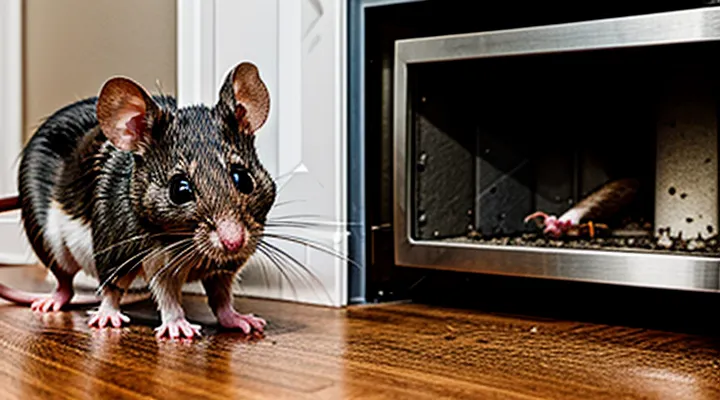
Understanding the Mouse Problem
Why Mice Invade Homes
Factors Attracting Mice
Mice invade homes when conditions satisfy their basic needs. Recognizing the specific elements that draw them allows any lasting, folk‑based control program to target the root of the problem rather than merely reacting to sightings.
- Accessible food – unsecured pantry items, crumbs on countertops, pet food left out overnight, and improperly sealed garbage provide a reliable energy source.
- Shelter opportunities – piles of cardboard, stored clothing, and cluttered basements create hidden nesting sites protected from predators and temperature fluctuations.
- Fresh water – dripping faucets, pet water bowls, and condensation on pipes supply the moisture mice require for survival.
- Structural gaps – cracks around foundations, gaps under doors, and openings around utility lines serve as entry points; even gaps as small as ¼ inch admit rodents.
- Warmth – insulated attics, heated crawl spaces, and areas near radiators offer a comfortable microclimate, especially during colder months.
- Proximity to other rodents – neighboring infestations increase the likelihood of migration, as mice follow established scent trails.
Eliminating these attractants removes the incentive for mice to colonize a dwelling. When food, water, shelter, and access are denied, traditional deterrents—such as herbal repellents, natural predators, and homemade traps—operate with markedly higher effectiveness, leading to permanent exclusion.
Common Entry Points
Mice gain access to homes through a limited set of structural weaknesses. Identifying and sealing these openings is the first step in any traditional rodent‑control strategy.
- Gaps around exterior doors, especially at the bottom of the frame, often exceed ¼ inch; install door sweeps and weather‑stripping.
- Cracks in foundation walls and crawl‑space vents provide direct routes; fill with cement, steel wool, or a mixture of sand and lime.
- Openings around utility penetrations—pipes, cables, and vent pipes—must be wrapped with copper mesh before applying a sealant.
- Roof eaves, soffits, and attic vents that lack proper screening allow rodents to descend from the roof; fit fine‑mesh hardware cloth over all openings.
- Windows with damaged screens or missing weather seals constitute entry points; replace screens and apply caulk around frames.
- Chimney flues without a properly fitted cap permit mice to climb; install a chimney guard with a tight‑fitting lid.
- Basement and garage doors that sit on uneven thresholds create gaps; level thresholds and add a brush seal.
Each identified opening should be measured, cleaned of debris, and sealed with materials resistant to gnawing, such as steel wool combined with expanding foam or concrete. Regular inspection of these sites prevents re‑entry and supports long‑term success of folk‑based mouse eradication methods.
Risks Associated with Mice Infestations
Health Hazards
Mice carry pathogens that can contaminate food, surfaces, and air. Direct contact with droppings, urine, or saliva introduces bacteria such as Salmonella and Leptospira, increasing the risk of gastro‑intestinal infection and leptospirosis. Inhalation of dried droppings or nesting material releases hantavirus particles, which may cause severe respiratory illness.
Traditional deterrents—such as peppermint oil, dried herbs, or homemade traps—do not eliminate the biological threat if mice persist in hidden areas. Continued presence allows ongoing exposure to allergens that exacerbate asthma and trigger allergic rhinitis. Moreover, rodent‑borne parasites, including fleas and mites, can transfer to humans, leading to secondary skin infections and vector‑borne diseases.
Key health risks associated with inadequate mouse control:
- Bacterial infections (Salmonella, E. coli) from contaminated food.
- Viral illnesses (hantavirus, lymphocytic choriomeningitis) via aerosolized particles.
- Parasitic infestations (fleas, mites) causing dermatitis and secondary infections.
- Allergic reactions and asthma attacks triggered by rodent allergens.
- Toxic exposure from decay of rodent carcasses producing harmful gases such as ammonia.
Property Damage
Mice create significant property damage that undermines long‑term pest control efforts. Their gnawing habit compromises structural components, such as wooden beams, drywall, and insulation. Damage to electrical wiring creates fire hazards and costly repairs. Contamination of stored food and pantry items leads to waste and potential health risks. Small holes and burrows in foundation walls allow moisture intrusion, accelerating decay. Nesting material—shredded paper, fabric, and insulation—reduces the effectiveness of thermal insulation, increasing heating and cooling expenses.
Traditional, non‑chemical strategies address these issues by preventing access and discouraging activity:
- Seal entry points with steel wool, copper mesh, or natural clay mixtures.
- Deploy homemade traps using peanut butter and cotton balls to reduce populations without poison.
- Apply strong scents such as peppermint oil, crushed garlic, or dried herbs around vulnerable areas to deter rodents.
- Place dried chili flakes or ground cayenne in corners where gnawing occurs; the irritant discourages chewing.
- Use ultrasonic sound devices powered by simple wind‑up mechanisms to create an uncomfortable environment for mice.
By eliminating the source of damage through these folk methods, homeowners preserve structural integrity, maintain safe electrical systems, protect food stores, and avoid the expense of extensive repairs.
Prevention: The First Line of Defense
Sealing Entry Points
Identifying Gaps and Cracks
A thorough inspection of the building envelope reveals the entry points most exploited by mice. Examine the foundation, exterior walls, and roof for openings larger than a quarter‑inch; rodents can squeeze through spaces as small as 0.25 in. Pay special attention to:
- Gaps around utility penetrations (pipes, cables, vents)
- Cracks at the intersection of walls and floors or ceilings
- Unsealed seams in siding, brickwork, or stucco
- Openings beneath doors and windows, including weather‑stripping defects
- Holes in the attic floor, crawl‑space walls, and basement perimeter
Use a bright flashlight and a thin probe (e.g., a bent coat hanger) to test the size of each opening. Any gap that allows the probe to pass indicates a potential mouse passage. Seal identified gaps with appropriate folk‑friendly materials: a mixture of clay, sand, and straw for small cracks, or a thick paste of lime and rice flour for larger voids. For structural seams, apply a natural sealant made from boiled wheat paste combined with fine ash, which hardens into a durable barrier.
After sealing, conduct a secondary sweep to confirm that no new openings have emerged during the repair process. Document each location, the method used, and the date of completion to maintain a record for future inspections. Continuous monitoring of these sealed areas ensures that the barrier remains effective over time, preventing mice from re‑entering the home.
Recommended Materials for Sealing
Effective sealing eliminates entry points, prevents re‑infestation, and protects structural integrity. Choose materials that resist gnawing, adhere reliably, and remain durable under household conditions.
- Steel wool – tightly packed; mice cannot chew through metal fibers; compress into cracks before covering with caulk.
- Copper mesh – similar to steel wool but more pliable; suitable for irregular openings around pipes and vents.
- Silicone caulk – flexible sealant; fills gaps around windows, doors, and baseboards; remains intact despite temperature changes.
- Expanding polyurethane foam – expands to fill large voids; cures into a solid barrier that resists chewing when mixed with steel wool.
- Weatherstripping – adhesive strips for door and window frames; blocks small gaps that rodents exploit.
- Concrete or mortar – fills foundation cracks; creates a permanent, hard barrier in basement walls and floor joints.
- Plaster or drywall compound – repairs interior holes; apply over steel wool or mesh for a smooth, chew‑proof surface.
- Self‑adhesive metal flashing – covers larger openings around vents, chimneys, and utility penetrations; provides a rigid, long‑lasting seal.
Apply each material directly to the identified entry point, ensuring complete coverage. Test for residual gaps after installation and reinforce any weak spots promptly. Consistent use of these sealing agents forms the core of a folk‑based strategy for lasting rodent exclusion.
Maintaining a Clean Environment
Proper Food Storage
Storing food correctly removes one of the most attractive resources for house mice, making it harder for rodents to settle. Seal all containers with tight‑fitting lids; glass jars, metal tins, and heavy‑wall plastic bins provide barriers that rodents cannot gnaw through. Keep pantry shelves clear of crumbs and spills; wipe surfaces after each use and inspect for hidden residues.
- Use airtight containers for grains, cereals, nuts, and dried fruit.
- Transfer opened bags of pet food into sealed containers within 24 hours.
- Store bulk items in a separate, elevated cabinet to prevent ground‑level access.
- Place spices, sugar, and coffee in small, lockable jars to limit exposure.
Rotate stock regularly; consume older supplies first to avoid stale food that emits stronger odors. Position storage units away from walls and corners, leaving a gap of at least two inches for inspection and cleaning. Regularly check for signs of damage, such as cracked lids or torn seals, and replace compromised containers promptly.
Implementing these measures eliminates a primary food source, reduces the likelihood of mouse infestation, and supports the broader goal of lasting rodent control through traditional, non‑chemical tactics.
Regular Cleaning Practices
Consistent cleaning removes food residues and shelter that attract rodents. Eliminating crumbs, spills, and open food containers denies mice the sustenance needed for survival. Regularly sweep floors, vacuum upholstery, and mop surfaces to eradicate scent trails left by pests.
- Store grains, cereals, and pet food in airtight containers made of glass or heavy‑wall plastic.
- Dispose of kitchen waste daily; use bins with tight‑fitting lids and line them with biodegradable bags that seal securely.
- Clean under appliances, behind cabinets, and inside pantry shelves; these hidden areas often accumulate debris unnoticed.
- Wash dishes immediately after use; avoid leaving dishes soaked overnight, which can release odors.
- Dry wet areas promptly; moisture encourages rodents to nest in damp corners or basements.
In addition to routine chores, incorporate traditional deterrents during cleaning cycles. Sprinkle dried lavender, mint, or powdered cayenne pepper along baseboards and entry points; the strong aromas repel mice without chemicals. After each thorough sweep, wipe surfaces with a solution of white vinegar and water; the acidic scent disrupts rodent scent markers.
By maintaining a spotless environment and integrating folk repellents into the cleaning regimen, the household becomes inhospitable to mice, supporting long‑term exclusion without reliance on industrial products.
Eliminating Water Sources
Fixing Leaks
Fixing water leaks is a crucial element in traditional mouse control. Moisture attracts rodents, and even small drips create pathways for entry and nesting. Eliminating these sources reduces the habitat that encourages infestation.
Identify all plumbing fixtures, roof seams, and foundation cracks where water escapes. Use a flashlight and dry‑cloth test to confirm active leaks. Seal each point with materials recommended in folk practices, such as lime‑based mortar, clay plaster, or natural oil‑based sealants. Apply the sealant while the surface is clean and dry to ensure adhesion.
Steps for leak elimination:
- Turn off water supply to the affected area.
- Remove damaged material (e.g., plaster, wood) exposing the defect.
- Prepare a mixture of lime, sand, and a few drops of linseed oil; blend until smooth.
- Pack the mixture into cracks or holes, smoothing the surface.
- Allow the patch to cure for at least 24 hours before re‑wetting the area.
After sealing, monitor the repaired zones for at least a week. Persistent moisture indicates incomplete work; repeat the process until dryness is achieved. Consistent maintenance of leak‑free conditions supports long‑term, folk‑based mouse eradication.
Drying Damp Areas
Dry environments discourage mice, which prefer moist shelter for nesting and food storage. When a house contains damp basements, crawl spaces, or leaky walls, the humidity creates a favorable microclimate that supports rodent activity. Eliminating excess moisture removes this advantage and forces mice to seek drier, less accessible locations.
Effective folk techniques for drying damp areas include:
- Ventilation enhancement – Open windows, install wind catchers, or use simple wooden louvers to increase airflow. Natural breezes lower surface moisture without electricity.
- Sun exposure – Remove interior panels or floorboards during daylight and allow sunlight to reach hidden corners. Ultraviolet heat evaporates water and dries wood fibers.
- Absorbent materials – Lay layers of dry straw, sawdust, or shredded newspaper on wet surfaces. These materials draw moisture through capillary action and can be replaced regularly.
- Charcoal and ash – Spread a thin blanket of charcoal briquettes or wood ash on damp floors. Both substances absorb humidity and emit a faint desiccating scent that repels rodents.
- Herbal dehumidants – Place bundles of dried lavender, rosemary, or mint in corners. The herbs release volatile oils that reduce moisture levels and deter mice simultaneously.
Implementation steps:
- Identify all moisture sources: leaks, condensation, standing water.
- Repair structural faults: seal cracks, replace damaged gutters, improve drainage.
- Apply the chosen folk drying method, ensuring coverage of each affected area.
- Monitor humidity with a simple hygrometer; target levels below 50 % relative humidity.
- Repeat the process after heavy rain or seasonal changes to maintain dryness.
Consistent control of dampness deprives mice of essential shelter, making folk-based eradication strategies more reliable and long‑lasting.
Folk Methods for Mouse Control
Natural Repellents
Peppermint Oil and Other Essential Oils
Peppermint oil is widely recognized in traditional rodent control for its strong menthol scent, which mice find intolerable. When applied correctly, the oil creates a barrier that discourages entry and prompts existing pests to vacate the area.
- Dilute 10–15 ml of peppermint essential oil in one liter of water; add a few drops of dish‑soap to act as an emulsifier.
- Soak cotton balls or small fabric squares in the mixture and place them in gaps, behind appliances, and along baseboards.
- Refresh the cotton every 3–4 days, or whenever the scent fades.
Other essential oils with comparable repellent properties include:
- Eucalyptus – high cineole content interferes with rodents’ olfactory receptors.
- Clove – eugenol component produces a sharp, irritating odor.
- Cinnamon – cinnamaldehyde creates an uncomfortable environment for mice.
- Citronella – limonene and citronellal act as natural deterrents.
Application guidelines for these oils mirror those for peppermint: dilute, saturate absorbent material, position in likely pathways, and replace regularly. For larger spaces, a spray bottle can distribute the solution onto curtains, floor seams, and shelving. Ensure ventilation to prevent buildup of strong aromas that may affect occupants.
Safety considerations:
- Test a small area for material compatibility before widespread use.
- Keep solutions out of reach of children and pets; some oils can cause skin irritation.
- Store sealed containers in a cool, dark place to preserve potency.
Combining multiple oils in a single blend can enhance effectiveness, provided total concentration does not exceed 2 % to avoid residue. Consistent placement and routine renewal constitute the core of a sustainable, folk‑based mouse deterrent strategy.
Vinegar and Ammonia Solutions
Vinegar and ammonia solutions are traditional repellents that exploit rodents’ sensitivity to strong odors. When applied correctly, they create an environment that mice find inhospitable, reducing the likelihood of entry and nesting.
Vinegar (5 % acetic acid) works best as a spray diluted with water in a 1:1 ratio. Apply the mixture along baseboards, entry points, and near food storage areas. The acidic vapor interferes with the mice’s scent trails, disrupting their navigation.
Ammonia (household concentration of 5–10 %) should be mixed with water at a 1:3 ratio. Soak cotton balls or cloth strips in the solution and place them in concealed locations such as under appliances, inside cabinets, and behind wall voids. The pungent fumes act as a deterrent, prompting rodents to vacate the treated zones.
Key considerations:
- Prepare fresh mixtures daily; the potency diminishes after several hours.
- Ensure adequate ventilation to avoid respiratory irritation for occupants.
- Keep solutions out of reach of children and pets; both substances are corrosive.
- Combine with physical barriers (seal cracks, install door sweeps) for maximal effect.
Repeated application over a two‑week period typically forces mice to relocate, especially when the scent is maintained consistently. This method aligns with low‑cost, non‑chemical strategies favored in folk pest control practices.
Cayenne Pepper and Other Spices
Cayenne pepper and a selection of aromatic spices serve as natural deterrents in traditional mouse‑control strategies. Their strong scents and irritant properties discourage rodents from entering treated areas, offering a chemical‑free alternative to conventional poisons.
Applying the spices requires preparation and strategic placement. Begin by grinding cayenne pepper to a fine powder; combine it with equal parts of black pepper, garlic powder, and dried mint. Mix the blend with a small quantity of powdered chalk or talc to improve adherence to surfaces.
- Sprinkle the mixture along baseboards, behind appliances, and in known entry points.
- Lightly dust the blend on wooden beams, attic joists, and pantry shelves.
- Reapply after cleaning or when the powder appears dislodged.
Effectiveness relies on maintaining potency. Replace the mixture every two weeks, or sooner if moisture reduces its aroma. For heightened results, pair the spice barrier with sealing cracks, removing food sources, and setting mechanical traps. The approach eliminates mice without toxic chemicals, aligns with folk practices, and preserves household safety.
Dryer Sheets
Dryer sheets emit strong fragrances that rodents find unpleasant. The scent, typically a blend of synthetic fragrances and fabric softeners, interferes with mice’s sensitive olfactory receptors, discouraging them from entering treated areas.
To employ dryer sheets effectively, follow these steps:
- Choose unscented or lightly scented sheets if the household includes individuals with fragrance sensitivities.
- Place a sheet in each known entry point, such as gaps under doors, behind appliances, and inside cabinets where food is stored.
- Replace sheets every two weeks to maintain potency.
- Combine with other traditional deterrents—like peppermint oil or steel wool—when infestations are severe.
Dryer sheets are inexpensive, readily available, and safe for use around children and pets when applied as described. They do not kill mice; rather, they create an environment that mice avoid, contributing to long‑term exclusion when integrated into a comprehensive folk‑based pest‑management plan.
Ultrasonic Devices: A Folk or Modern Approach?
Ultrasonic emitters generate high‑frequency sound waves that rodents cannot hear but humans and pets do not detect. The devices claim to create an uncomfortable acoustic environment, prompting mice to vacate the area. Production standards, power output, and frequency range vary among models, influencing the intensity of the deterrent field.
From a folk perspective, ultrasonic units are often presented as a modern analog to traditional repellents such as strong herbs, oils, or noise‑making traps. The comparison highlights several points:
- Ease of installation: Plug‑in models require minimal setup, unlike manual placement of plant‑based deterrents.
- Maintenance: Devices operate continuously without the need for replenishing natural substances.
- Effectiveness: Field reports show mixed results; some users observe reduced activity, while others detect no change after weeks of exposure.
- Safety: No chemicals are introduced, reducing risk to food surfaces and children, but the sound may affect sensitive pets.
Traditional folk methods rely on scent, taste, or physical barriers—examples include peppermint oil, dried chilies, and copper mesh. These approaches exploit mice’s aversion to strong aromas or uncomfortable textures, providing a tangible, observable barrier. In contrast, ultrasonic technology offers a non‑contact, invisible deterrent that aligns with contemporary preferences for low‑maintenance solutions, yet its reliability remains debated among practitioners.
DIY Traps
Bucket Traps
Bucket traps are a traditional solution for controlling house mice without chemicals. The device consists of a sturdy bucket, a ramp, and a bait station that guides rodents toward a fatal drop.
The construction is simple. A 5‑gallon plastic bucket is placed on the floor near known mouse activity. A wooden plank or sturdy cardboard forms a ramp that leads to the bucket’s rim. The ramp angle should be gentle enough for mice to climb but steep enough to prevent escape once inside. Bait—such as peanut butter, cheese, or grain—covers a small platform at the far end of the ramp. When a mouse reaches the bait, its weight pushes the platform, causing the animal to fall into the bucket.
To ensure effectiveness, follow these steps:
- Position the bucket in a low‑traffic area, away from pets and children.
- Secure the ramp with nails or strong adhesive; test stability before use.
- Apply a thin layer of bait on the platform; refresh daily to maintain attraction.
- Check the bucket each morning; remove captured mice and reset the bait.
- After several days of consistent captures, relocate the bucket to another hotspot or discard it if mouse activity ceases.
Maintenance includes emptying the bucket, cleaning with hot water and soap, and inspecting the ramp for wear. Using multiple traps simultaneously increases coverage and accelerates population decline. This folk method relies on the mouse’s natural tendency to seek food and avoid open spaces, delivering a permanent reduction in infestation when applied consistently.
Glue Traps: Ethical Considerations
Glue traps are frequently employed in traditional rodent control because they require no electricity, chemicals, or specialized equipment. Their simplicity makes them attractive for households seeking low‑tech solutions, yet the method raises several ethical questions that merit careful evaluation.
- Animal suffering: Mice caught in adhesive surfaces experience prolonged distress, inability to breathe, and severe injuries before death. The physical trauma contradicts humane treatment principles recognized by many animal‑welfare organizations.
- Non‑target capture: Adhesive devices do not discriminate between species; insects, small reptiles, or even domestic pets can become accidental victims, expanding the moral responsibility of the user.
- Disposal practices: Removing a live mouse from a glue trap often results in crushing or tearing, which intensifies suffering. Proper disposal requires killing the animal swiftly, a step many users avoid due to discomfort, leading to prolonged agony.
- Legal considerations: Certain jurisdictions classify glue traps as inhumane and restrict or ban their sale. Ignoring local regulations can result in fines or legal action, emphasizing the need for compliance.
- Alternative folk techniques: Methods such as natural repellents (e.g., peppermint oil, dried chilies), habitat modification, and live‑catch traps with immediate release present less painful options while preserving the low‑cost, low‑technology ethos of traditional pest management.
Evaluating glue traps through the lens of animal welfare, unintended captures, disposal ethics, and legal frameworks reveals significant moral drawbacks. Users seeking enduring rodent control should prioritize alternatives that align with humane standards and regional statutes.
Snap Traps: Traditional vs. Humane Options
Snap traps have been a staple of rural pest control for generations. Traditional models consist of a spring‑loaded bar that snaps shut when a mouse triggers a baited platform, delivering an instantaneous kill. Construction materials range from carved wood to molded plastic, and the design allows rapid placement along known runways. The lethal outcome aligns with the goal of immediate population reduction, and disposal of the dead rodent requires simple removal and sanitation.
Humane snap traps modify the classic mechanism to avoid fatal injury. These devices incorporate a cushioned strike plate or a reduced‑force spring that incapacitates the mouse without breaking bone. Once trapped, the animal can be released outdoors after a brief holding period. The humane version is reusable, reduces the need for chemical disinfectants, and conforms to community preferences for non‑lethal control.
Key differences:
- Force applied: traditional – full‑strength snap; humane – moderated impact.
- Outcome: traditional – death; humane – temporary capture.
- Reusability: traditional – single‑use; humane – multiple cycles.
- Maintenance: traditional – disposal of carcass; humane – cleaning and release.
- Cultural acceptance: traditional – widely recognized in folk practice; humane – gaining support among ethical households.
Choosing between the two depends on the desired speed of eradication and the household’s stance on animal welfare. Both options integrate into conventional rodent‑management routines without requiring commercial chemicals.
Utilizing Natural Predators
The Role of Cats in Mouse Control
Cats reduce mouse numbers through direct predation, a practice documented in rural households for centuries. A healthy, alert cat will hunt rodents that enter living spaces, interrupting breeding cycles and lowering overall infestation levels.
Effective use of cats requires attention to breed, temperament, and health. Cats with strong hunting instincts—such as domestic shorthairs, Maine Coons, or mixed‑breed felines—respond more consistently to rodent activity. Regular veterinary care ensures the animal remains capable of sustained hunting without illness or injury.
Integrating feline predation with other folk strategies enhances long‑term results. For example:
- Position cat‑friendly shelters near known entry points to encourage frequent patrols.
- Combine cat presence with natural repellents (e.g., peppermint oil or crushed garlic) to deter mice from areas beyond the cat’s reach.
- Use humane traps in zones where cats cannot access, then release captured rodents away from the home to prevent re‑entry.
Maintaining a clean environment supports the cat’s effectiveness. Eliminating food residues, sealing cracks, and storing grain in airtight containers remove attractants, allowing the cat to focus on residual rodent activity rather than scavenging.
When multiple cats share a household, monitor interactions to prevent territorial conflicts that could diminish hunting efficiency. Providing separate feeding stations and litter boxes preserves harmony and sustains each cat’s motivation to hunt.
In summary, felines serve as a biological control agent that, when managed alongside traditional deterrents and sanitation measures, contributes significantly to enduring mouse suppression in residential settings.
Other Animals That Deter Mice
Domestic cats are widely recognized for their predatory instincts, which naturally suppress mouse populations. Their presence alone can discourage rodent activity, as mice detect feline scent and movement.
Barn owls, when encouraged to nest in lofts or eaves, provide aerial predation that reduces mouse numbers. Installing simple nesting boxes creates an environment attractive to these birds, allowing them to hunt nocturnally.
Ferrets possess a high chase drive and can be trained to pursue mice in confined areas such as basements or crawl spaces. Their slender bodies enable access to tight passages where rodents hide.
Snakes, particularly non-venomous species like corn snakes, can be introduced into garden perimeters. Their periodic movement deters mice from approaching the house foundation.
Rats, though themselves pests, can be employed in controlled settings to outcompete house mice for food and shelter, thereby limiting mouse establishment.
- Domestic cat
- Barn owl (with nesting box)
- Ferret (trained for indoor pursuit)
- Non‑venomous snake (e.g., corn snake)
- Controlled rat presence for competitive exclusion
Integrating these animals with traditional folk practices—such as using natural repellents, sealing entry points, and maintaining cleanliness—creates a multi‑layered strategy that sustains long‑term rodent control without reliance on chemical agents.
Advanced Folk Strategies and Tips
Combining Multiple Methods
Layered Defense Strategies
A robust approach to eradicating house rodents relies on multiple, overlapping measures that reinforce each other. Each layer addresses a specific stage of the pest’s activity—access, attraction, and survival—so that failure of one element does not compromise the whole system.
Physical barriers form the first line of defense. Seal cracks larger than ¼ inch with steel wool and caulk; install copper mesh around vent openings; fit door sweeps on all exterior doors. These actions eliminate entry points that mice exploit during night-time foraging.
Environmental deterrents reduce the incentive to stay. Sprinkle dried peppermint leaves or place cotton balls soaked in clove oil near suspected pathways; distribute crushed dried chilies in pantry corners. The strong aromas interfere with rodents’ olfactory cues, discouraging habitation.
Sanitation removes food sources. Store grains, cereals, and pet food in airtight containers; clean crumbs and spills immediately; dispose of garbage in sealed bins. A well‑kept interior deprives mice of sustenance, weakening populations that manage to infiltrate.
Trapping provides a direct removal mechanism. Deploy snap traps or humane cages along wall lines, positioning bait such as peanut butter or sunflower seeds. Check traps daily, dispose of captured rodents, and reset devices to maintain pressure on any survivors.
Habitat modification outside the structure prevents re‑infestation. Trim vegetation away from foundation, remove debris piles, and keep firewood elevated. A clear perimeter reduces shelter opportunities and forces mice to seek alternative sites.
Layered defense checklist
- Seal all openings ≥ ¼ inch with steel wool and caulk.
- Install copper mesh on vents and exhaust fans.
- Apply peppermint, clove, or chili deterrents near entry points.
- Store food in sealed containers; maintain daily cleaning routine.
- Set snap or humane traps along walls; monitor and replace bait regularly.
- Clear exterior clutter; keep landscaping trimmed and firewood off the ground.
By integrating these tactics, homeowners create a self‑reinforcing system that blocks access, eliminates attractants, and actively removes any intruders, achieving lasting rodent control without reliance on chemical pesticides.
Monitoring for Effectiveness
Effective monitoring transforms folk‑based rodent control from guesswork into a measurable process. Begin by establishing a baseline: count visible droppings, gnaw marks, and any live or dead mice over a 48‑hour period before treatment. Record observations in a simple table, noting location, time, and type of evidence.
Implement a schedule of checks after each intervention. For herbal repellents, examine the treated area daily for fresh droppings or new gnawing. For homemade traps, inspect devices each morning; document captures, reset traps, and replace bait if necessary. A reduction of at least 70 % in signs within two weeks indicates substantial progress.
Maintain a log of environmental variables that may influence results—temperature, humidity, food storage practices, and entry point sealing. Correlating these factors with changes in rodent activity helps identify whether the folk method or ancillary measures drive improvement.
If monitoring shows stagnant or rising activity, adjust the approach:
- Rotate repellent herbs (e.g., peppermint, lavender, cloves) to prevent habituation.
- Increase trap density near identified pathways.
- Reinforce gaps in walls, floors, and foundations.
Periodic reassessment every month ensures long‑term success. Consistent data collection, clear thresholds for decline, and prompt adaptation form the backbone of reliable evaluation for traditional mouse‑elimination techniques.
Long-Term Solutions and Maintenance
Regular Inspections
Regular inspections are essential for maintaining a mouse‑free home when employing traditional control methods. Detecting entry points, nesting sites, and activity signs early prevents infestations from becoming entrenched and reduces reliance on chemical solutions.
- Examine foundation cracks, gaps around doors, windows, and utility penetrations weekly; seal openings with steel wool, caulk, or natural clay mixtures.
- Inspect attic beams, ceiling joists, and underfloor spaces for shredded material, droppings, and gnaw marks; remove debris and replace damaged insulation with untreated wool.
- Check kitchen cabinets, pantry shelves, and stored grain containers for tiny holes or food spillage; store dry goods in sealed glass jars or woven baskets lined with oil‑treated cloth.
- Monitor pet feeding areas and garbage bins daily; clean residues with vinegar‑water solution and use cedar chips or dried lavender as repellent layers.
- Record observations in a logbook, noting dates, locations, and remediation actions; review entries monthly to identify recurring problem zones.
Consistent documentation and prompt repair of identified weaknesses sustain the effectiveness of folk deterrents, ensuring long‑term exclusion of mice from the residence.
Seasonal Preparations
Seasonal adjustments are essential for maintaining a rodent‑free home when relying on traditional techniques. Each period presents specific conditions that either attract mice or facilitate their removal, and timely actions reinforce long‑term effectiveness.
-
Spring – Remove debris that accumulated during winter; sweep gutters and trim low branches that provide entry points. Apply powdered garlic or dried mint in cracks before new growth begins. Seal openings larger than a quarter‑inch with clay‑based plaster or tightly woven wire mesh.
-
Summer – Keep lawns trimmed to discourage shelter near foundations. Eliminate standing water by fixing leaks and using natural absorbents such as shredded corn husk. Prepare a spray of rosemary‑infused water and mist it around doorways and windows each evening.
-
Autumn – Clear fallen leaves and fruit that serve as food sources. Store harvested produce in airtight containers; line pantry shelves with bay leaves or dried lavender to repel foraging rodents. Reinforce attic insulation with hemp fiber, which deters nesting.
-
Winter – Inspect heating ducts for gaps; seal them with boiled wool. Place bundles of dried sage near vent openings to discourage entry while providing a pleasant aroma. Increase interior humidity slightly with a bowl of water and a few sprigs of thyme; moisture reduces the appeal of dry, warm walls that mice prefer for nesting.
When Folk Methods May Not Be Enough
Signs of a Severe Infestation
Mice infestations become critical when the population expands beyond isolated sightings. At that point, damage escalates and conventional deterrents lose effectiveness, prompting the need for traditional, long‑term solutions.
Typical indicators of a severe problem include:
- Abundant droppings: clusters of dark, pellet‑shaped feces on countertops, shelves, and near food containers.
- Extensive gnaw marks: fresh cuts on wires, furniture legs, and structural timber, often accompanied by powdery shavings.
- Persistent rustling: audible scurrying in walls, ceilings, or attics, especially during nighttime hours.
- Visible nests: compact piles of shredded paper, fabric, or insulation hidden in concealed corners, ducts, or behind appliances.
- Widespread urine stains: amber‑colored wet patches on surfaces that emit a strong, ammonia‑like odor.
- Significant food loss: chewed packaging, empty grain containers, and unexplained depletion of pantry items.
- Increased sightings: frequent encounters with live mice or carcasses throughout the interior, not limited to entry points.
When these signs appear together, the infestation has likely surpassed a threshold where simple traps or repellents are insufficient. Recognizing the severity enables the application of folk‑based eradication methods—such as herbal deterrent blends, natural predators, and home‑crafted barrier treatments—with a higher probability of lasting success.
When to Call Professional Exterminators
Mice infestations can often be managed with traditional deterrents, but certain conditions require the expertise of a licensed exterminator.
Professional intervention becomes necessary when:
- Activity persists after three separate attempts with traps, repellents, or natural barriers.
- Evidence of nesting in inaccessible areas such as wall cavities, attics, or crawl spaces.
- Signs of structural damage, including gnawed wiring, insulation, or wooden beams.
- Presence of disease‑carrying pathogens, indicated by droppings in food preparation zones.
- Large‑scale sightings, such as multiple mice observed simultaneously in different rooms.
- Homeowners with infants, elderly, or immunocompromised residents who cannot tolerate exposure to rodent‑borne hazards.
In these scenarios, a certified pest‑control service can perform comprehensive assessments, apply regulated baits, and seal entry points beyond the reach of DIY methods. Prompt escalation prevents escalation of damage and reduces health risks.