
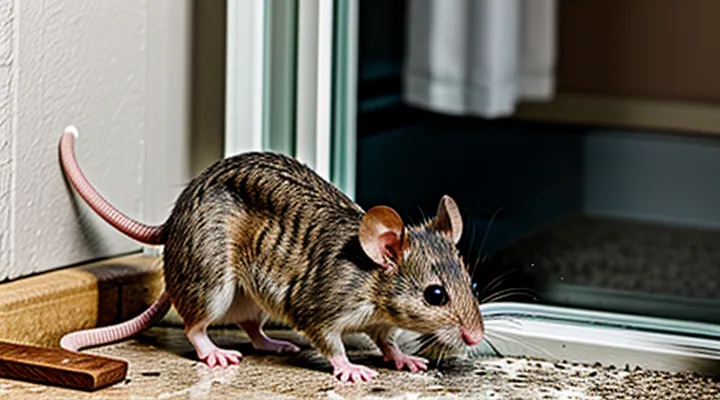
Understanding the Foe: Why Mice Invade
Common Entry Points for Mice
Gaps in Foundations and Walls
Structural openings in foundations and walls serve as the most reliable routes for mouse infiltration. Eliminating these passages stops the majority of new incursions and deprives existing colonies of easy access.
Locate gaps by walking the building’s perimeter, inspecting the base of exterior walls, and probing joints with a thin screwdriver or wire. Use a bright flashlight to reveal cracks hidden behind siding or under decking. Pay special attention to areas where utility lines, pipes, and vents intersect the foundation.
- Seal cracks wider than ¼ inch with hydraulic cement or concrete patch.
- Pack openings smaller than ¼ inch with steel wool, then cover with expanding polyurethane foam.
- Wrap pipe penetrations and vent openings with copper mesh, secure with stainless‑steel screws, and apply silicone sealant around the edges.
- Install metal flashing over foundation seams that abut the soil, anchoring it with masonry screws.
- Apply a continuous bead of high‑quality silicone or polyurethane caulk around window frames, door thresholds, and any recessed joints.
Choose materials that resist gnawing and moisture. Steel wool and copper mesh are impenetrable to rodent teeth; hydraulic cement expands as it cures, filling irregular voids; polyurethane foam adheres tightly and remains flexible under temperature shifts.
Schedule inspections twice a year, after heavy rain and before winter, to detect new fissures caused by settling or frost heave. Promptly repair any damage, reapply sealants where wear appears, and keep vegetation trimmed away from the foundation to reduce soil contact with the building envelope. Consistent maintenance of sealed gaps ensures long‑term exclusion of mice from the residence.
Unsealed Pipes and Utility Openings
Unsealed pipes and utility openings serve as primary pathways for mice to infiltrate a residence. Gaps around water, gas, and electrical conduits often measure less than a centimeter, yet they permit entry and provide concealed routes to nesting sites.
Inspect all exposed pipework in basements, crawl spaces, and exterior walls. Identify openings where the pipe penetrates the building envelope, including those hidden behind insulation or trim. Use a flashlight and a mirror to view hard‑to‑reach joints.
Seal identified gaps with materials that resist gnawing and moisture:
- Expandable foam sealant for irregular gaps up to 2 inches; trim excess after curing.
- Stainless‑steel mesh or copper flashing around larger penetrations; secure with corrosion‑resistant screws.
- Cement‑based pipe wrap for metal or PVC pipes; apply in overlapping layers to create a continuous barrier.
- Silicone caulk for small cracks around fixture housings; choose a formulation labeled “rodent‑proof.”
Replace damaged sleeves or conduit sections rather than merely covering them. Verify that vent caps, dryer exhausts, and HVAC ducts have tight, screened terminations. Install hardware cloth (½‑inch mesh) over all vent openings and secure with a metal strap.
After sealing, conduct a follow‑up inspection within 48 hours to confirm that no gaps reappear due to settling or temperature fluctuations. Maintain a schedule of quarterly checks, especially after seasonal weather changes, to ensure the integrity of all pipe and utility seals.
Damaged Screens and Vents
Damaged window screens, door screens, and ventilation openings create direct pathways for mice to enter a residence. Even small tears or gaps allow rodents to squeeze through, undermining any broader pest‑control measures.
Inspect each screen and vent regularly. Look for torn mesh, loose or missing sections, rusted frames, and gaps between the screen and its mounting surface. Pay special attention to areas near the foundation, attic vents, and utility penetrations where wear is common.
- Replace torn or missing mesh with stainless‑steel or heavy‑duty aluminum material.
- Secure loose frames using corrosion‑resistant screws; apply silicone sealant to fill gaps.
- Install vent covers that feature fine mesh and a locking mechanism to prevent forced entry.
- Apply expanding foam or weatherstripping around the perimeter of each screen to eliminate residual openings.
Maintain the integrity of all openings by conducting quarterly visual checks, cleaning debris that can conceal damage, and tightening fasteners after seasonal temperature shifts. Prompt repair of compromised screens and vents removes one of the most accessible routes for mice, supporting a permanent solution to rodent intrusion.
Attractants in Your Home
Food Sources and Storage Habits
Mice are drawn to accessible food, making proper storage the first line of defense against infestation. All edible items should be placed in containers made of metal, glass, or heavy‑wall plastic with airtight seals. Plastic bags that can be torn or punctured provide no protection; replace them with zip‑lock or sealed jars.
Keep pantry shelves free of crumbs and spills. After each use, wipe surfaces with a damp cloth and dispose of waste in a trash can equipped with a tight‑fitting lid. Empty the trash daily; a full bin creates a continuous food source.
Pet food warrants special attention. Store dry kibble in the same sealed containers used for human food, and remove any leftovers within two hours. Wet food should be discarded promptly, never left to sit on the floor.
Outdoor areas contribute to indoor problems when food waste is left unsecured. Use compost bins with secure lids, and place bird feeders at least ten feet from the house to discourage rodents from approaching.
A concise checklist for effective food management:
- Seal all dry goods in airtight containers.
- Clean countertops and floors after meals.
- Use trash cans with snap‑tight lids; empty regularly.
- Store pet food as securely as human food.
- Remove outdoor food sources and maintain distance from the building.
Implementing these practices eliminates the primary attraction for rodents, reducing the likelihood of a persistent mouse presence in a private residence.
Shelter and Nesting Materials
Mice persist where they can find safe shelter and abundant nesting material. Removing these resources cuts the incentive to occupy a residence.
Typical refuge sites include attic voids, wall cavities, crawl spaces, basement corners, and cluttered storage rooms. Each location offers protection from predators and weather, allowing rodents to establish a hidden base.
Actions to eliminate shelter:
- Inspect structural gaps; seal cracks, gaps around pipes, vents, and utility openings with steel wool and caulk.
- Install tight-fitting door sweeps and weatherstripping on exterior doors.
- Reduce clutter by storing boxes, seasonal items, and equipment on pallets away from walls.
- Elevate furniture and appliances to expose the floor surface for inspection.
- Install rodent‑proof screens on vents and chimneys.
Common nesting substrates are shredded paper, fabric scraps, insulation fibers, and pet bedding. These materials provide warmth and comfort for breeding colonies.
Measures to limit nesting material:
- Keep paper products (newspapers, magazines, cardboard) in sealed containers.
- Replace worn insulation with rodent‑resistant types or encase existing insulation in metal mesh.
- Store laundry, towels, and pet bedding in closed hampers or closets.
- Remove food‑spoilage debris promptly; clean crumbs from countertops and floors.
- Dispose of garbage in containers with secure lids, emptying them regularly.
Consistently applying structural sealing, decluttering, and material control deprives mice of the essential conditions needed to survive and reproduce, leading to a permanent reduction of infestation risk.
Water Availability
Controlling water sources directly limits the resources mice need to survive and reproduce, making it a fundamental component of any long‑term rodent‑exclusion strategy for a private dwelling.
Identify all interior and exterior locations where moisture accumulates. Typical sites include leaky pipes, dripping faucets, condensation on windows, pet water bowls, and basements with standing water. Each source must be inspected regularly and repaired promptly; even minor drips can sustain a small population.
Implement the following measures to deny mice access to water:
- Seal pipe joints and replace worn washers to stop leaks.
- Install splash guards on kitchen sinks and repair any faulty dishwasher hoses.
- Relocate pet drinking containers to areas without easy entry points and clean up spills immediately.
- Use a dehumidifier in damp rooms, especially basements and crawl spaces, maintaining humidity below 50 %.
- Ensure outdoor drainage directs water away from the foundation, preventing pooling near entry points.
By eliminating readily available water, the habitat becomes unsuitable for mice, reducing the likelihood of re‑infestation after other control actions have been applied. Continuous monitoring and prompt maintenance of these measures sustain a hostile environment for rodents, supporting permanent eradication in the home.
Immediate Action: Initial Rodent Control
Setting Up Traps Effectively
Types of Traps: Pros and Cons
Effective mouse control in a residence relies on selecting traps that match the infestation level, placement options, and homeowner preferences. Each trap type presents distinct advantages and drawbacks that influence long‑term results.
Snap traps deliver rapid kill, require minimal maintenance, and cost little per unit. Their speed reduces the chance of disease transmission. However, they demand precise placement, can cause accidental injury, and may be unsuitable where children or pets roam.
Live‑catch traps allow removal without killing, supporting humane approaches and enabling release far from the property. They provide visual confirmation of capture. The drawbacks include the need for frequent checking, risk of escaped rodents, and potential stress to captured animals, which may lead to injury.
Electronic traps emit a high‑voltage shock that kills instantly and contain the carcass for easy disposal. They operate silently, reduce exposure to poison, and often feature indicator lights confirming activation. Their higher purchase price, reliance on battery power, and occasional failure with larger specimens limit widespread adoption.
Glue boards immobilize rodents on adhesive surfaces, offering low cost and easy placement in concealed areas. They are effective for monitoring activity levels. The method causes prolonged suffering, poses hazards to non‑target species, and requires careful disposal of dead or injured mice.
When choosing a strategy, combine fast‑acting devices such as snap or electronic traps with monitoring tools like glue boards to assess infestation spread. Regular inspection, proper bait selection, and sealing entry points complement trap use, ensuring lasting elimination.
Strategic Placement of Traps
Effective rodent control hinges on positioning traps where mice are most likely to travel. Identify high‑traffic zones by inspecting for droppings, gnaw marks, and nesting material. Place traps along walls, behind appliances, and near entry points such as vents and door gaps.
- Position traps perpendicular to the wall, with the trigger end facing the wall; mice run close to surfaces.
- Install at least two traps per suspected pathway; spacing of 12–18 inches maximizes coverage.
- Use multiple trap types (snap, electronic, live‑catch) in the same area to address varying mouse behavior.
- Keep traps away from food preparation surfaces but within reach of mouse routes to prevent accidental contact with humans or pets.
- Replace bait daily; fresh attractant sustains effectiveness.
After initial deployment, monitor trap activity for 24‑hour intervals. Relocate inactive traps to adjacent zones where evidence of activity persists. Remove captured rodents promptly to maintain trap sensitivity.
Integrate trap placement with exclusion measures—seal cracks, install door sweeps, and eliminate clutter. Coordinated action reduces reinfestation risk and supports long‑term eradication of mice from the residence.
Baiting Techniques for Success
Baiting remains a primary component of any comprehensive mouse‑control program for a residence. Effective baiting depends on correct attractant selection, secure delivery mechanisms, and strategic placement that exploits rodent movement patterns while minimizing exposure to non‑target animals and humans.
- Select a high‑protein, low‑fat attractant such as peanut butter, dried fruit, or commercial rodent gel. Rotate flavors every two weeks to prevent bait shyness.
- Deploy tamper‑resistant stations made of heavy‑gauge plastic or metal; seal openings to restrict access to the bait.
- Position stations 1–2 feet from walls, behind appliances, in cabinets, and along known runways. Space stations 10–15 feet apart to create an overlapping coverage zone.
- Anchor stations to stable surfaces to prevent displacement by curious pets or children.
- Inspect stations daily; replace consumed or contaminated bait promptly. Record dates of placement and removal to identify activity trends.
Sustained success requires integrating baiting with sanitation measures: eliminate food residues, seal entry points, and maintain clutter‑free zones. Regular monitoring and data‑driven adjustments ensure the baiting system remains effective over the long term, ultimately eradicating the mouse population from the home.
Utilizing Baits and Poisons (with Caution)
Choosing the Right Bait Station
Selecting an effective bait station is essential for lasting mouse control in a residence. The device must combine durability, secure containment, and appropriate attractant delivery.
Key factors to evaluate:
- Material strength – Polycarbonate or heavy‑duty steel resists gnawing and prevents escape.
- Tamper‑resistant design – Locking mechanisms keep children and pets out while allowing easy access for service personnel.
- Bait compatibility – Internal chambers should accommodate both block and pellet formulations without degrading the poison.
- Placement flexibility – Small footprint and low profile enable positioning behind appliances, within wall voids, and along known travel routes.
- Weather resistance – Sealed construction protects contents from humidity and temperature fluctuations, preserving efficacy over time.
When deploying stations, follow a systematic pattern:
- Identify high‑traffic zones: near food storage, along walls, and close to entry points such as gaps around pipes.
- Install stations 1–2 feet from the wall, with the opening facing the expected direction of travel.
- Space units 15–20 feet apart to create overlapping coverage without redundancy.
- Replace bait every 30 days or when consumption reaches 75 percent of the initial load.
Safety considerations include labeling each station, recording placement maps, and using EPA‑approved rodenticides. Regular inspection confirms integrity of seals and detects any tampering. By adhering to these criteria, homeowners achieve a reliable, long‑term solution that minimizes re‑infestation risk.
Safety Precautions for Baits
When using rodent baits, protect occupants and pets by restricting access to the treated area. Place bait stations on walls, at least 12 inches above floor level, and out of reach of children and animals. Secure each station with a lockable cover that prevents accidental contact.
Wear disposable gloves and a mask while handling toxic bait. Avoid touching the product with bare skin; wash hands thoroughly after removal of gloves. If the bait contacts eyes or skin, rinse immediately with water and seek medical advice.
Store unused bait in its original, sealed container, away from food preparation surfaces and heat sources. Keep the container locked in a cabinet that children cannot open. Do not transfer bait to other containers, as this compromises labeling and safety information.
Dispose of spent bait stations according to local hazardous‑waste regulations. Do not discard them in regular trash or compost. If a station is damaged, place it in a sealed, puncture‑proof bag before disposal.
Maintain clear records of bait type, concentration, placement dates, and locations. Review the log before adding new stations to prevent overlapping applications that could increase toxicity risk.
By following these measures, bait use remains effective while minimizing health hazards for household members and non‑target wildlife.
Monitoring and Disposal of Carcasses
Effective rodent eradication requires systematic detection of dead mice and safe removal of their bodies. Undetected carcasses attract predators, spread disease, and undermine control efforts.
Detection methods include:
- Visual inspections of traps, bait stations, and known travel routes at least twice daily.
- Use of black‑light flashlights to reveal remains hidden in low‑light areas.
- Placement of motion‑activated cameras to record activity and identify mortality hotspots.
Disposal protocol:
- Wear disposable gloves and a mask; avoid direct skin contact.
- Seal each carcass in a double‑layered plastic bag, removing excess air before tying.
- Place sealed bags in a dedicated, locked container for municipal hazardous waste collection or arrange professional pest‑removal service.
- Disinfect tools and surfaces with a 1 % sodium hypochlorite solution after handling.
Documentation:
- Log date, location, and number of carcasses in a control ledger.
- Note any signs of secondary infestation or unusual mortality patterns.
- Review records weekly to adjust trap placement and bait density.
Adhering to these steps ensures that dead rodents do not compromise long‑term mouse suppression in a private residence.
Natural Deterrents and Repellents
Peppermint Oil and Other Essential Oils
Peppermint oil is widely cited as a natural mouse repellent because its strong menthol scent interferes with rodents’ olfactory receptors. Dilute 10‑15 ml of pure peppermint oil in one litre of water, add a few drops of dish‑soap to emulsify, and spray the mixture along baseboards, entry points, and behind appliances. Reapply every 48 hours, or after cleaning, to maintain potency. Direct application of undiluted oil on cotton balls placed in concealed locations provides a localized deterrent for up to one week.
Other essential oils demonstrate comparable repellent effects when used correctly:
- Eucalyptus: 5 ml per litre of water; spray in crawl spaces and attic corners.
- Clove: 8 ml per litre; apply to wooden structures where mice gnaw.
- Citronella: 12 ml per litre; target outdoor perimeters and vents.
- Lavender: 6 ml per litre; useful in rooms where food is stored, as the scent is less offensive to humans.
When deploying any oil, observe the following safety measures: test a small, hidden area for material compatibility; keep oils out of reach of children and pets; avoid excessive concentrations that may cause respiratory irritation. Essential oils do not eradicate established infestations; they reduce activity levels and discourage new entrants. For lasting control, combine oil treatment with sealing cracks, removing food sources, and, if necessary, trapping or professional extermination.
Ultrasonic Devices: Efficacy and Limitations
Ultrasonic emitters generate high‑frequency sound waves that rodents cannot hear. The devices are marketed as a non‑chemical method for long‑term mouse control in homes. Laboratory tests show that exposure to frequencies above 20 kHz can cause temporary discomfort and avoidance behavior in mice, but the effect diminishes as the animals habituate.
Effectiveness in real‑world settings varies. Field studies report success rates between 10 % and 40 % when devices are installed correctly and used as part of an integrated pest‑management plan. Isolated use rarely achieves complete eradication, and results are inconsistent across different housing structures.
Key limitations:
- Habituation – Mice quickly acclimate to constant ultrasonic output, reducing deterrent impact after a few days.
- Coverage gaps – Sound waves do not penetrate solid walls, furniture, or insulation; each unit protects only a limited radius, typically 15–20 ft.
- Interference – Household appliances, background noise, and open doors can disrupt the signal.
- Species specificity – Some rodent species, such as certain field mice, are less sensitive to the frequencies employed.
- Maintenance – Batteries or power supplies must be replaced regularly; a dead unit provides no protection.
For permanent mouse elimination, ultrasonic devices should complement sealing entry points, removing food sources, and, when necessary, professional trapping or baiting. Relying solely on sound emitters rarely yields lasting results.
Introducing Natural Predators (Outdoor Consideration)
Natural predators can reduce mouse activity around a home without chemicals. Selecting species that thrive outdoors yet coexist safely with humans is essential.
- Barn owls: Install a nesting box 10–15 feet above ground, away from bright lights. Barn owls hunt nocturnally and can consume dozens of rodents nightly.
- Red-tailed hawks: Place perches on eaves or tall poles. Hawks patrol open areas and deter mice by sight alone.
- Domestic cats: Outdoor access allows cats to patrol the perimeter. Provide shelter and regular veterinary care to maintain health and prevent stray behavior.
- Snakes: Non‑venomous species such as garter snakes naturally prey on small rodents. Encourage their presence by leaving stone piles and log stacks in a secluded corner of the yard.
Supporting habitats enhances predator effectiveness. Maintain low vegetation, avoid excessive mulch, and keep compost bins sealed to prevent attracting additional prey that could distract predators. Install water sources, such as shallow dishes, to sustain visiting raptors.
Legal considerations vary by region. Verify permits for installing owl boxes or attracting raptors, and ensure that any introduced animal complies with local wildlife regulations. Regular monitoring confirms predator activity and identifies potential conflicts, such as cat attacks on native birds.
Integrating these natural hunters with structural exclusion methods—sealed entry points, proper storage, and sanitation—creates a comprehensive outdoor strategy for lasting mouse control.
Long-Term Prevention: Sealing and Securing Your Home
Exterior Fortification
Inspecting and Sealing Foundation Cracks
Inspect foundation walls for gaps that allow rodents to enter. Use a flashlight and a mirror to view low‑lying sections, basements, and crawl spaces. Look for cracks wider than ¼ inch, holes around utility penetrations, and gaps where siding meets the foundation.
Seal identified openings promptly. Follow these steps:
- Clean each crack of debris, dust, and loose material.
- Apply a high‑quality, waterproof sealant (e.g., polyurethane caulk) to narrow fissures.
- For larger gaps, insert steel wool or copper mesh, then cover with expanding foam or concrete patch.
- Reinforce around pipes and vents with metal flashing and silicone sealant.
- Inspect the exterior grading; ensure soil slopes away from the house to keep moisture from widening cracks.
After sealing, re‑examine the foundation monthly for new openings. Maintaining a sealed perimeter blocks one of the primary entry routes, supporting long‑term mouse eradication in a private residence.
Repairing and Reinforcing Vents and Screens
Vents and screens provide easy access points for mice; sealing gaps and strengthening these openings removes a primary route of entry and supports long‑term exclusion.
Begin by inspecting every vent, attic hatch, dryer exhaust, and exterior screen. Look for rusted frames, torn mesh, loose screws, and any holes larger than a quarter‑inch. Use a flashlight to view hidden corners and a mirror to check behind fixtures.
Repair steps:
- Remove damaged mesh or rusted flashing.
- Cut new screen material to size, using a fine steel mesh that resists chewing.
- Secure the replacement with stainless‑steel screws and weather‑proof sealant.
- Apply expanding foam or caulk around the perimeter of each vent to fill gaps.
- Install a metal cover or louver where possible; metal defeats gnawing better than plastic.
Reinforcement measures:
- Fit a steel strip around the outer edge of each screen to prevent edge lifting.
- Attach a secondary, overlapping screen behind the primary one for double protection.
- Schedule quarterly checks to verify that sealant remains intact and that no new cracks have formed.
Consistent maintenance of repaired vents and reinforced screens eliminates a common entry route, contributing to permanent mouse control in a private residence.
Trimming Vegetation Away from the House
Keeping shrubs, trees, and groundcover at a safe distance from the house limits mouse access points and reduces shelter options near the foundation.
Maintain a clear zone of at least three feet between vegetation and the exterior walls. This space deprives mice of cover for climbing onto the roof, entering eaves, or nesting in wall cavities.
Steps for effective vegetation management
- Identify problem areas. Walk the perimeter and note any plants that touch or overhang the siding, roof, or foundation.
- Trim back foliage. Use pruning shears or a powered trimmer to cut branches and stems back to meet the three‑foot clearance rule. Remove any low‑lying vines that can reach the roofline.
- Reduce ground cover. Cut tall grass, remove dense mulches, and thin out leaf litter within the clearance zone. Replace with low‑maintenance groundcover that does not provide nesting material.
- Inspect regularly. Conduct a visual check every month during the growing season and after severe weather to ensure plants have not regrown into the clearance zone.
- Dispose of trimmed material properly. Bag or burn cut vegetation to prevent mice from using it as a food source or shelter.
Additional considerations
- Choose plant species with upright growth habits; avoid shrubs that naturally spread horizontally.
- Install physical barriers, such as metal or plastic edging, at the perimeter of the cleared zone to deter regrowth.
- Combine vegetation control with sealing of exterior gaps, proper storage of food, and removal of indoor clutter for comprehensive rodent management.
Consistent application of these practices limits the habitat available to mice around the residence, supporting long‑term rodent exclusion.
Interior Proofing Measures
Sealing Gaps Around Pipes and Wires
Sealing gaps around pipes and wires removes the primary entry points that allow rodents to infiltrate a residence.
Begin by conducting a systematic inspection of all interior and exterior walls, basements, crawl spaces, and attics. Identify openings larger than a quarter‑inch, focusing on where utility lines penetrate the structure.
Apply the following measures in sequence:
- Clean each opening to eliminate debris and nesting material.
- Insert steel wool or copper mesh into gaps that cannot be completely filled; these materials resist chewing.
- Cover the inserted filler with a sealant rated for pest control, such as silicone caulk or polyurethane sealant, ensuring a smooth, continuous barrier.
- For irregular or expanding voids, use low‑expansion spray foam, then trim excess and coat with a sealant to prevent future degradation.
- Replace deteriorated pipe sleeves, conduit, or vent collars with new, tightly fitting components designed for airtight sealing.
After sealing, re‑inspect the treated areas after a week to confirm integrity. Any newly discovered cracks should be repaired immediately using the same materials and methods. Consistent maintenance of sealed junctions eliminates re‑entry opportunities, supporting a long‑term solution to rodent infestation.
Installing Door Sweeps and Weatherstripping
Door sweeps and weatherstripping create a physical barrier that blocks the gaps through which mice enter a residence. By sealing the space beneath exterior doors and around frames, these components eliminate the primary access points that rodents exploit when seeking shelter and food.
Select products that match the door material and the size of the opening. Aluminum or stainless‑steel sweeps resist chewing, while flexible vinyl or silicone strips conform to irregular frames. Measure the door width and the clearance between the door bottom and the threshold; choose a sweep that extends at least ¼ inch beyond the gap. For weatherstripping, opt for compression or adhesive-backed profiles that compress when the door closes, ensuring continuous contact.
Installation proceeds as follows:
- Clean the door edge and threshold to remove dust and debris.
- Align the sweep so the brush or fin contacts the floor when the door is closed; mark the position.
- Secure the sweep with screws or adhesive, tightening screws evenly to avoid warping.
- Apply weatherstripping along the vertical jambs and the top frame, pressing the material firmly to achieve a tight seal.
- Test the door by closing it several times; verify that the sweep contacts the floor without dragging and that the weatherstripping compresses without gaps.
Regular inspection is essential. Check for wear, displacement, or damage after each season. Replace any compromised sections promptly to maintain an uninterrupted barrier. Combining sealed entry points with interior sanitation and trapping strategies provides a comprehensive, long‑term solution to mouse infestation.
Addressing Attic and Basement Vulnerabilities
The attic and basement are common entry points for rodents; sealing these areas is essential for lasting mouse control in a residence.
Inspect the attic for gaps around roof vents, eaves, and chimney flues. Use a flashlight to detect openings larger than a quarter‑inch. Apply steel wool followed by silicone caulk or install metal flashing to close each gap. Replace damaged soffit panels and ensure insulation is tightly packed to eliminate hiding places.
Examine the basement for cracks in foundation walls, gaps around utility pipes, and openings around sump pumps. Clean debris from the perimeter, then fill cracks with hydraulic cement. Fit expandable foam around pipe sleeves, and install a door sweep on any exterior access doors.
Control environmental factors that attract mice:
- Keep stored items off the floor and away from walls; use sealed plastic containers for any food or pet supplies.
- Reduce moisture by repairing leaks in pipes, roofs, and gutters; install a dehumidifier if humidity consistently exceeds 50 %.
- Ensure ventilation is adequate; install vent covers with fine mesh to prevent rodent entry while maintaining airflow.
Maintain a regular schedule: quarterly visual checks of sealed points, annual re‑application of sealants where wear is evident, and prompt repair of any new damage. Consistent monitoring and reinforcement of these barriers will prevent reinfestation and support a permanent solution to mouse problems in the home.
Maintaining a Mouse-Free Environment
Proper Food Storage and Sanitation
Storing Food in Airtight Containers
Storing food in airtight containers removes a primary attraction for rodents. Mice locate meals by scent; sealed containers prevent odor diffusion, reducing detection distance to near‑zero.
- Choose containers with lock‑tight lids made of polyethylene, glass, or stainless steel.
- Verify closure by pressing the lid; it should not shift under pressure.
- Label each container with purchase date to enforce rotation and avoid spoilage.
Place containers on shelves rather than on the floor. Elevation limits direct access and discourages gnawing. Keep containers away from walls and appliances where mice may travel.
Regularly inspect seals for cracks or worn gaskets. Replace damaged containers promptly; even a small breach reintroduces scent trails.
Combine airtight storage with routine cleaning: wipe crumbs, sweep beneath appliances, and empty trash daily. Eliminating accessible food sources forces mice to relocate, supporting long‑term exclusion from the residence.
Regular Cleaning and Crumb Control
Regular cleaning removes food residues that attract rodents. Persistent crumbs on countertops, floors, and appliances provide a reliable energy source for mice, encouraging repeated visits and eventual colonization. Eliminating these sources reduces the likelihood that mice will establish a nest inside the home.
Effective crumb control follows a systematic routine:
- Sweep or vacuum high‑traffic areas daily; pay special attention to corners, under appliances, and behind furniture.
- Wipe surfaces with a disinfectant after each meal preparation to remove microscopic particles.
- Store dry goods in airtight containers; avoid open boxes of cereal, flour, or pet food.
- Empty trash bins regularly; use bins with tight‑fitting lids and replace liners when full.
- Clean pet feeding stations each evening; rinse bowls with hot water and dry before refilling.
Deep cleaning should be scheduled weekly. This includes mopping hard floors, shampooing carpets, and scrubbing cabinet interiors. Use a vacuum equipped with a HEPA filter to capture fine debris and rodent droppings that may otherwise go unnoticed.
Maintaining a clutter‑free environment further limits hiding places. Remove stacks of newspapers, cardboard boxes, and unused items from floors and basements. Store necessary items on shelves, leaving clear pathways for inspection and sanitation.
Consistent implementation of these practices deprives mice of sustenance and shelter, creating conditions that discourage permanent infestation.
Managing Pet Food and Water
Proper handling of pet food and water is a critical factor in preventing mouse incursions in a residence. Food left uncovered or water sources that are easily accessed create attractive foraging sites, encouraging rodents to explore and establish pathways within the home.
- Store dry kibble in airtight containers made of metal or heavy‑wall plastic; seal each container after use.
- Place feeding dishes on elevated, non‑porous platforms that can be wiped clean daily; avoid bowls that sit on the floor.
- Use water dispensers with sealed lids; refill with fresh water each day and clean the reservoir weekly to eliminate residue.
- Remove uneaten food within 30 minutes of feeding; discard it in a trash bin equipped with a tight‑fitting lid.
- Keep pet feeding areas away from walls, cabinets, and other structural gaps where mice could hide.
Maintain a routine inspection of storage areas and feeding stations. Check for signs of gnaw marks, droppings, or nesting material and address any breach immediately by sealing gaps with steel wool and caulk. Regular cleaning of pet areas removes scent trails that guide rodents, reinforcing long‑term mouse control throughout the property.
Decluttering and Organization
Removing Potential Nesting Sites
Eliminating places where mice can build nests reduces the likelihood of colonization and makes other control measures more effective.
- Remove stored cardboard, paper piles, and unused fabric from closets, basements, and attics. These materials provide insulation and concealment.
- Trim back vegetation, firewood stacks, and debris that touch the exterior of the house. Direct contact creates a bridge for rodents to reach interior spaces.
- Store pet food, birdseed, and dry goods in sealed, airtight containers. Open packages attract mice and supply material for nesting.
- Clean under appliances, behind refrigerators, and in crawl spaces. Vacuum crumbs and discard discarded insulation or broken wiring that could serve as nesting material.
- Seal gaps larger than ¼ inch in walls, floors, and ceilings with steel wool, caulk, or metal flashing. Closed openings prevent mice from entering and establishing nests.
Regularly inspecting and maintaining these areas sustains a hostile environment for rodents, supporting long‑term exclusion.
Storing Seldom-Used Items Properly
Proper storage of infrequently used belongings reduces shelter opportunities for rodents, directly supporting long‑term mouse control in a private home. Items left on the floor, piled in basements, or stored in open containers provide nesting material and concealment, encouraging mice to establish colonies.
Effective storage follows three principles: sealability, elevation, and cleanliness. Containers must close tightly to prevent odor and scent leakage. Materials should rest on shelves or pallets, keeping them away from walls and floor contact. Regular removal of dust, debris, and food residues eliminates attractants.
- Choose plastic bins with snap‑tight lids; avoid cardboard boxes that tear easily.
- Line storage areas with metal or thick plastic sheeting to block gnawing.
- Place bins on sturdy shelves, leaving at least a six‑inch gap between the wall and the item.
- Label each container, then rotate stock quarterly to detect spoilage early.
- Inspect seals monthly; replace compromised lids immediately.
Implementing these measures removes hidden food sources and nesting sites, forcing mice to seek alternative habitats outside the dwelling. The result is a significant decline in rodent activity without reliance on chemical baits or traps.
Ongoing Monitoring and Inspection
Routine Checks for Signs of Mice
Routine inspections are essential for maintaining a mouse‑free residence. Conduct a visual sweep of each room weekly, focusing on corners, baseboards, and hidden recesses where rodents travel. Look for droppings, which appear as small, dark pellets; a few near food sources or in concealed areas indicate activity. Examine walls and ceilings for gnaw marks, especially around wiring, plumbing, and structural supports. Check stored food containers for torn seals or shredded packaging; any breach suggests intrusion. Inspect insulation and attic spaces for shredded fibers or nesting material such as shredded paper, fabric, or plant debris.
When evidence is found, document the location, type of sign, and date. Use this record to map infestation patterns and to prioritize treatment zones. Follow up each detection with immediate remediation: remove droppings with a disinfectant solution, seal entry points, and apply appropriate control measures. Repeat the inspection cycle to verify that signs disappear; persistent evidence after treatment signals a need for intensified action.
Key inspection points include:
- Floor edges and skirting boards
- Behind appliances and under sinks
- Inside cabinets and pantry shelves
- Exterior foundation and crawl‑space openings
- Ventilation ducts and utility penetrations
Consistent monitoring, precise documentation, and swift response form the backbone of a lasting mouse‑free environment.
Seasonal Prevention Strategies
Seasonal changes affect mouse activity, making targeted prevention essential throughout the year. In spring, seal gaps created by thawing foundations and repair any cracks in exterior walls. Replace worn weather‑stripping around doors and windows, and trim vegetation that contacts the house to eliminate bridge pathways.
During summer, focus on interior sanitation. Store food in airtight containers, clean crumbs promptly, and maintain a regular schedule for garbage removal. Inspect attic and roof spaces for openings left by nesting birds or insects; close them with steel wool and caulk.
Autumn introduces the risk of mice seeking shelter before cold weather. Install door sweeps, reinforce garage doors, and relocate firewood stacks at least two feet from the building. Apply non‑toxic repellents—such as peppermint oil‑infused cotton balls—near potential entry points, replacing them monthly.
Winter demands vigilance against indoor infestations. Check for condensation damage that may create new entry routes, and reinforce basement seals. Reduce indoor humidity to deter nesting, and conduct weekly visual inspections of hidden areas—behind appliances, under sinks, and within wall voids—to detect early signs of activity.
Key seasonal actions
- Spring: seal foundation cracks, repair weather‑stripping, trim exterior plants.
- Summer: secure food storage, eliminate interior crumbs, close attic openings.
- Autumn: add door sweeps, distance firewood, use peppermint repellents.
- Winter: inspect for condensation damage, reinforce basement seals, monitor hidden zones.
When to Call in the Professionals
Signs of a Persistent Infestation
Mice leave unmistakable evidence when they have established a lasting presence in a residence. Recognizing these indicators early prevents structural damage and health risks.
- Droppings: small, dark, rice‑shaped pellets scattered along walls, cabinets, and beneath appliances.
- Gnaw marks: fresh, clean cuts on wood, plastic, or wiring, often around entry points and food containers.
- Nests: compact piles of shredded paper, fabric, or insulation hidden in wall voids, attics, or under furniture.
- Odor: a strong, musky scent that intensifies in confined spaces, especially near nesting sites.
- Footprints: faint trails in dusty areas or along baseboards, sometimes accompanied by tail marks.
- Hearing: frequent scratching or scurrying sounds in ceilings, walls, or crawl spaces, especially at night.
Additional clues include damaged food packaging, unexplained holes in stored grains, and occasional sightings of live or dead rodents. The convergence of several of these signs confirms a persistent infestation that requires decisive, long‑term eradication measures.
Ineffectiveness of DIY Methods
Homeowners frequently rely on self‑help tactics, yet most of these measures provide only short‑term relief and rarely prevent a new mouse invasion.
Common do‑it‑yourself approaches include:
- Snap or glue traps placed without a systematic grid; rodents quickly learn to avoid isolated devices.
- Over‑the‑counter poison stations; limited bait range, rapid bait depletion, and high risk of secondary poisoning reduce effectiveness.
- Ultrasonic emitters; mice adapt to constant frequencies, and solid walls block sound propagation, leaving hidden pathways untreated.
- DIY sealing with caulk or steel wool; cracks larger than a quarter‑inch often remain uncovered, and material shrinks over time, recreating entry points.
- Homemade scent deterrents; volatile compounds dissipate quickly and do not alter the structural conditions that attract rodents.
The result of relying on these methods is recurrent activity, increased exposure to disease, and unnecessary expense on repeated purchases. Sustainable elimination requires comprehensive assessment, professional sealing of all ingress routes, and integrated pest‑management strategies that address population control, habitat modification, and ongoing monitoring.
Health Concerns and Safety Risks
Mice carry pathogens that can contaminate food, surfaces, and water. Common agents include Salmonella, Hantavirus, and Lymphocytic choriomeningitis virus. Direct contact with droppings, urine, or saliva introduces these microorganisms, increasing the risk of gastrointestinal illness, respiratory problems, and febrile infections. Inhalation of dried droppings or urine particles may trigger allergic reactions and asthma exacerbations, especially in children and individuals with pre‑existing sensitivities.
Control measures create additional safety considerations. Chemical rodenticides pose acute toxicity if ingested by humans or pets; improper placement can lead to accidental poisoning. Bait stations must be secured away from food preparation areas and out of reach of children. Snap traps and electric devices generate sharp or high‑voltage hazards; mishandling may cause lacerations or electric shock. Glue boards present a risk of prolonged entrapment, leading to secondary infections or severe stress for captured animals.
To minimize health and safety threats, follow these practices:
- Seal entry points using steel‑wool or metal mesh to prevent re‑infestation without chemical reliance.
- Store food in airtight containers; clean spills promptly to eliminate attractants.
- Deploy bait stations only in concealed locations, label them clearly, and monitor regularly.
- Choose traps with safety shields; dispose of captured rodents in sealed bags and wash hands afterward.
- Maintain ventilation during cleanup of droppings; wear N‑95 respirators and disposable gloves.
- Consult a licensed pest‑management professional for integrated approaches that combine exclusion, sanitation, and low‑toxicity controls.
Implementing these steps reduces exposure to disease agents and avoids accidental injury while achieving lasting mouse eradication in a private residence.