
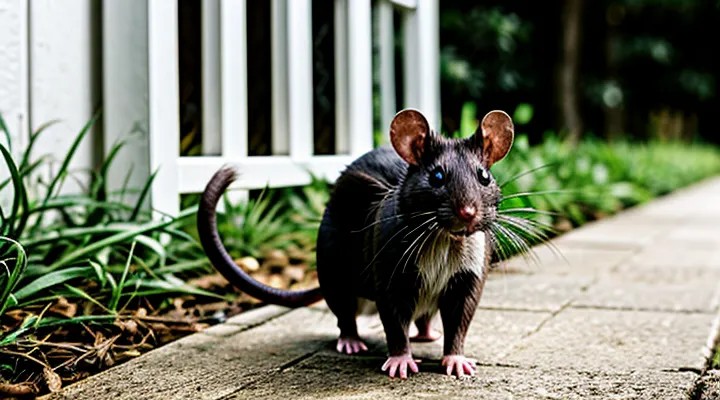
Understanding Musophobia: The Fear of Rats
What is Musophobia?
Musophobia, also known as rodent phobia, denotes an intense, irrational fear of mice and rats. It falls under the category of specific phobias, characterized by persistent anxiety when encountering, thinking about, or anticipating contact with these animals.
Typical manifestations include accelerated heart rate, sweating, trembling, shortness of breath, and an overwhelming urge to escape the perceived threat. Behavioral reactions often involve avoidance of spaces where rodents might appear, such as basements, attics, or sewer systems.
The condition affects a notable portion of the population, with higher incidence among individuals who have experienced traumatic encounters or possess a genetic predisposition to anxiety disorders. Triggers range from visual sight of a rodent to indirect cues like squeaking sounds or the presence of droppings.
Addressing musophobia is essential for anyone seeking to reduce anxiety related to rats. Practical measures include:
- Gradual exposure to harmless representations of rodents, starting with pictures and progressing to controlled live encounters.
- Cognitive‑behavioral techniques that challenge catastrophic thoughts and replace them with realistic assessments.
- Relaxation practices, such as diaphragmatic breathing or progressive muscle relaxation, applied during exposure sessions.
- Professional guidance from therapists specializing in anxiety disorders, ensuring structured and safe progression.
Implementing these strategies can diminish the fear response and improve daily functioning in environments where rodents may be present.
Common Symptoms of Musophobia
Musophobia, the specific anxiety triggered by rodents, manifests through distinct physiological and behavioral responses. Recognizing these symptoms is essential for implementing effective coping strategies.
- Elevated heart rate and rapid breathing indicate autonomic activation.
- Sweating, particularly on the palms or forehead, signals heightened stress.
- Trembling or shaking of the hands and limbs reflects muscular tension.
- Nausea, stomach discomfort, or a sensation of “butterflies” in the abdomen reveal gastrointestinal involvement.
- Visual fixation on the animal accompanied by an inability to look away demonstrates heightened vigilance.
- Avoidance behavior, such as fleeing the area or refusing to enter spaces where rodents may be present, shows a functional impact on daily activities.
- Cognitive disturbances, including intrusive thoughts about rats or persistent dread, illustrate the mental component of the phobia.
These signs collectively provide a clear profile of the fear response, guiding targeted interventions aimed at reducing rodent-related anxiety.
Psychological and Evolutionary Roots of Rat Phobia
Rat aversion originates from evolutionary mechanisms that prioritized survival by prompting avoidance of animals associated with disease. Ancestors who shunned rodents reduced exposure to pathogens such as hantavirus, leptospirosis, and plague, reinforcing a genetic bias toward heightened vigilance when encountering rats. This bias manifests as rapid amygdala activation, increased heart rate, and release of stress hormones, forming a physiological template for fear responses.
Psychological development of the phobia follows two primary pathways. First, direct conditioning occurs when an individual experiences a negative event involving a rat—such as a bite or sudden movement—creating an associative link between the animal and threat. Second, observational learning transmits fear through social cues; witnessing another’s alarmed reaction or hearing culturally transmitted warnings amplifies the perceived danger. Both routes converge on the same neural circuitry, strengthening the fear memory.
Key contributors to rat-related anxiety include:
- Innate disgust response triggered by the animal’s odor and droppings, which signals contamination.
- Hyper‑sensitive threat detection systems evolved for rapid identification of potential carriers of disease.
- Cultural narratives that portray rats as symbols of filth and ruin, reinforcing negative expectations.
Understanding these roots clarifies why rational reassurance often fails; the fear rests on deep‑seated survival strategies rather than purely logical assessment. Addressing the phobia therefore requires interventions that target both the conditioned associations and the underlying evolutionary predispositions.
Practical Strategies for Overcoming Fear of Rats
Exposure Therapy Techniques
Gradual Exposure: A Step-by-Step Approach
Gradual exposure reduces rat‑related anxiety by systematically desensitising the nervous system. Begin with a precise inventory of situations that provoke fear, ranging from viewing pictures of rodents to handling a live animal. Rank each scenario on a scale of perceived intensity; this hierarchy guides the progression of exposure.
- Initiate exposure at the lowest tier, such as observing a distant photograph for a brief interval. Maintain the encounter until physiological arousal declines to a manageable level.
- Advance to videos of rats moving in a controlled setting, extending duration incrementally.
- Introduce a sealed container with a rat inside, allowing visual contact without tactile interaction.
- Progress to touching the container, then gently handling the animal using protective gloves.
- Conclude with ungloved, direct contact, ensuring the subject remains calm throughout.
During each step, employ relaxation techniques—deep diaphragmatic breathing, progressive muscle relaxation—to counteract the stress response. Document frequency, duration, and subjective discomfort after every session; this record highlights trends and confirms readiness for the subsequent level. If distress persists beyond mild discomfort, consult a qualified therapist experienced in phobia treatment.
Consistent practice, adherence to the hierarchy, and objective self‑monitoring collectively foster lasting confidence when encountering rats. The methodical nature of this approach ensures that fear diminishes without overwhelming the individual.
Virtual Reality and Media Exposure
Virtual reality (VR) offers controlled, repeatable encounters with rats, allowing gradual desensitization without physical contact. Simulated environments can adjust distance, movement speed, and visual detail, enabling users to progress from observing a static model to interacting with a moving animal. Real‑time feedback on physiological responses, such as heart rate, supports adaptive pacing and reinforces coping strategies.
Media exposure complements VR by presenting rats in diverse contexts—documentaries, educational videos, and animated narratives. Repeated viewing of non‑threatening portrayals reduces negative associations and builds familiarity. Structured media schedules, for example:
- Watch a short factual segment on rat behavior (2 minutes).
- View a neutral animated clip featuring rats in everyday scenes (3 minutes).
- Observe a documentary segment on rat intelligence (5 minutes).
Each step increases exposure duration while maintaining a low threat perception.
Combining VR and media creates a multimodal protocol. Initial VR sessions establish baseline tolerance; subsequent media sessions consolidate learning by reinforcing neutral representations. Regular assessment of anxiety levels—using standardized scales—guides adjustments in stimulus intensity. The integrated approach accelerates habituation, lowers avoidance, and promotes functional interaction with rats in real settings.
Controlled Interaction with Safe Rodents
Controlled interaction with safe rodents offers a systematic approach to diminish anxiety toward rats. Selecting animals that are accustomed to human contact—such as domesticated laboratory strains—provides predictable behavior and reduces risk of unexpected reactions. Preparing a neutral enclosure, free of sharp objects and with ample hiding spaces, creates a setting where the rodent can retreat without alarming the participant.
- Begin with observation from a distance of at least one meter; note movement patterns and vocalizations.
- Reduce distance by ten centimeters after each calm observation period, maintaining a steady breathing rhythm.
- Introduce a gloved hand for brief, gentle contact; withdraw immediately if the rodent shows signs of stress.
- Extend hand‑holding duration by five seconds per session, ensuring the animal remains relaxed.
- Incorporate simple tasks, such as offering a treat from a fingertip, to associate proximity with positive outcomes.
Progress monitoring relies on physiological cues—steady heart rate, relaxed posture, and absence of avoidance behaviors. Recording these indicators after each session enables adjustment of exposure speed. If stress signals appear, revert to the previous comfortable distance before proceeding.
Consistent, measured exposure builds tolerance and reshapes the fear response. Over time, the individual develops confidence in handling rodents, facilitating broader strategies for managing rat‑related apprehension.
Cognitive Behavioral Therapy (CBT) Approaches
Identifying and Challenging Irrational Thoughts
Rational analysis of fear begins with recognizing thoughts that exaggerate danger. When a rat appears, the mind may generate statements such as «I will be bitten and die», which lack factual support. Identifying these distortions requires systematic observation of internal dialogue during encounters.
A practical approach involves recording each automatic thought, the situation that triggered it, and the emotional intensity. The record reveals patterns, such as overgeneralization (“All rats are aggressive”) or catastrophizing (“A single bite will ruin my life”).
Challenging irrational thoughts follows a structured process:
- Examine evidence: ask whether past experience or reliable sources confirm the feared outcome.
- Consider alternatives: generate realistic statements, for example «Most rats avoid humans and pose minimal risk».
- Assess probability: compare the likelihood of the feared event with statistical data on rat behavior.
- Test predictions: gradually expose oneself to controlled rat-related situations and observe actual results.
Consistent application of these steps reduces the emotional grip of fear, replacing exaggerated beliefs with balanced judgments. This cognitive restructuring forms a core component of effective strategies for managing rat‑related anxiety.
Relaxation Techniques for Anxiety Reduction
Relaxation techniques provide measurable reduction of physiological arousal that often fuels the fear response to rodents. By lowering heart rate, muscle tension, and cortisol levels, these methods create a mental environment where rational assessment of the animal becomes possible.
Effective practices include:
- «Deep breathing»: inhale slowly through the nose for a count of four, hold for four, exhale through the mouth for six; repeat five times.
- «Progressive muscle relaxation»: tense each muscle group for three seconds, then release, moving from feet to head.
- «Guided imagery»: visualize a safe, calm setting while maintaining steady breathing; focus on sensory details to distract from intrusive thoughts about rats.
- «Mindful meditation»: observe thoughts about rodents without judgment, returning attention to the breath each time a fear‑related image arises.
- «Autogenic training»: repeat phrases such as «my arms are heavy» or «my heartbeat is calm» to induce a sense of bodily control.
Regular application of these techniques, ideally in short sessions three times daily, builds a physiological baseline that diminishes the intensity of panic when a rat is encountered. Consistency reinforces neural pathways associated with calmness, making spontaneous fear responses less likely.
Mindfulness and Grounding Exercises
Mindfulness and grounding exercises target the physiological response that fuels rat‑related anxiety. By directing attention to the present moment, these practices interrupt the fight‑or‑flight cycle and restore a sense of safety.
- Focused breathing: inhale slowly for four counts, hold for two, exhale for six. Repeat until heart rate steadies.
- Body scan: shift awareness sequentially from the toes to the crown, noting sensations without judgment.
- 5‑4‑3‑2‑1 grounding: identify five visual elements, four tactile sensations, three sounds, two smells, and one taste present in the environment.
- Progressive muscle relaxation: tense each muscle group for five seconds, then release, moving upward from feet to face.
Consistent application cultivates emotional distance from rodent triggers, reduces avoidance behavior, and builds resilience. Regular sessions, even brief, reinforce neural pathways that favor calm over panic.
Professional Help and Support
When to Seek Professional Guidance
Overcoming a fear of rats can progress independently, yet certain signs indicate that professional assistance is advisable. Persistent anxiety that escalates into panic attacks, especially when exposure to rodents is unavoidable, signals a need for expert intervention. When the fear restricts essential activities—such as entering basements, kitchens, or public spaces where rodents may appear—daily functioning becomes compromised. Physical manifestations, including rapid heartbeat, shortness of breath, or trembling that arise merely from thoughts of rats, further justify seeking specialized help. If self‑guided techniques, such as gradual exposure or relaxation exercises, fail to reduce distress after several weeks, professional guidance should be considered.
Typical circumstances warranting professional support include:
- Recurrent panic episodes triggered by rodent sightings or even imagery.
- Inability to perform work‑related or household tasks due to anticipatory dread.
- Persistent somatic symptoms (e.g., sweating, nausea) linked to rat‑related thoughts.
- Unsuccessful attempts at self‑help methods over a sustained period.
- Co‑occurring mental health conditions (e.g., generalized anxiety, obsessive‑compulsive disorder) that amplify the phobia.
Consulting a licensed therapist, psychologist, or psychiatrist provides access to evidence‑based treatments such as cognitive‑behavioral therapy, systematic desensitization, or medication when appropriate. Early engagement with professionals reduces the risk of chronic avoidance patterns and promotes a faster return to normal activities.
Types of Therapy and Counseling
Rodent‑related phobias respond well to structured therapeutic interventions. Professionals assess severity, then apply evidence‑based methods to modify fear responses.
- Cognitive‑behavioral therapy (CBT) restructures irrational thoughts about rats, replacing catastrophic predictions with realistic appraisals.
- Exposure therapy schedules progressive contact with rats, starting with images and advancing to live interaction, thereby weakening avoidance patterns.
- Systematic desensitization pairs relaxation techniques with gradual exposure, creating a physiological counter‑balance to anxiety.
- Acceptance and Commitment Therapy (ACT) encourages observation of fear without judgment, fostering willingness to act despite discomfort.
- Psychodynamic therapy explores underlying conflicts that may amplify the phobic reaction, offering insight into unconscious triggers.
- Individual counseling provides personalized coping strategies; group counseling adds peer support, normalizing the experience.
- Virtual‑reality exposure replicates realistic rat encounters in a controlled digital environment, allowing safe repetition.
- Pharmacological adjuncts, such as short‑term anxiolytics, may be prescribed to facilitate participation in exposure sessions.
«Effective exposure reduces anxiety by gradually diminishing the fear response.» Professional supervision ensures that each technique aligns with the client’s readiness, maintains safety, and tracks progress through measurable benchmarks.
Support Groups and Community Resources
Support groups create a structured environment where individuals confronting rodent phobia can share experiences, receive feedback, and practice coping techniques under professional guidance. Regular meetings foster accountability and normalize emotional responses, reducing isolation that often accompanies intense fear.
Key characteristics of effective groups include:
- Facilitated sessions led by licensed therapists or certified counselors.
- Confidential setting that encourages honest discussion.
- Structured exposure exercises gradually increasing contact with rats.
- Peer‑reviewed coping strategies such as breathing control and cognitive reframing.
Community resources complement group work by providing additional avenues for education and practical assistance. Typical offerings comprise:
- Local animal shelters that organize supervised interactions with rats, allowing participants to observe calm behavior in a controlled environment.
- Public health clinics that distribute informational brochures on phobia management and refer clients to specialist services.
- Online forums moderated by mental‑health professionals, delivering real‑time advice and sharing success stories.
- Educational workshops hosted by universities or nonprofit organizations, presenting evidence‑based methods for fear reduction.
Integrating group participation with community programs enhances progress. Individuals can apply techniques practiced in meetings during shelter visits, reinforce learning through workshop materials, and maintain momentum via online support. Consistent engagement across these platforms builds resilience and accelerates mastery over rat‑related anxiety. «Community support can reduce anxiety».
Creating a Rat-Free Environment
Prevention and Deterrence Methods
Securing Your Home Against Rodents
Securing a residence against rodents requires a systematic approach that eliminates entry points, removes attractants, and maintains vigilance.
Identify and seal all potential openings. Inspect foundations, walls, and roof for gaps larger than a quarter‑inch. Apply steel wool or metal flashing to cracks around pipes, vents, and utility lines. Install door sweeps on exterior doors and weather‑stripping on windows.
Implement sanitation measures that deny food sources. Store groceries in airtight containers, promptly clean crumbs from countertops, and dispose of waste in sealed bins. Eliminate standing water by fixing leaks and draining containers that collect moisture.
Deploy monitoring tools to detect activity early. Place snap traps or live‑catch traps in concealed locations along walls, behind appliances, and near suspected pathways. Check traps daily and record findings to assess infestation patterns.
Schedule regular inspections of the property’s exterior and interior. Examine attic insulation, basement walls, and crawl spaces for droppings, gnaw marks, or nesting material. Conduct seasonal maintenance, such as clearing vegetation away from the building’s perimeter and trimming tree branches that provide roof access.
When infestations persist despite preventive actions, engage licensed pest‑control professionals. Request an integrated pest‑management plan that combines exclusion techniques, targeted baiting, and ongoing monitoring to achieve long‑term rodent control.
Effective Trapping and Removal Techniques
Effective trapping reduces the visibility of rodents, which directly lessens anxiety associated with their presence. Begin by identifying activity zones through droppings, gnaw marks, and nesting material. Focus traps in these hotspots to maximize capture rates and minimize exposure.
Key trapping methods include:
- Snap traps positioned along walls, set with the trigger end facing the wall to align with natural rodent pathways.
- Live‑capture cages baited with peanut butter, oatmeal, or dried fruit; check cages at least twice daily to prevent prolonged confinement.
- Glue boards placed in concealed corners; reserve for low‑traffic areas where snap traps are impractical.
- Electronic traps delivering a rapid, humane shock; ensure power sources are protected from moisture.
After capture, follow a strict removal protocol: release live‑capture subjects at least one mile from the residence, adhering to local wildlife regulations; dispose of dead rodents in sealed bags, then place in a trash container with a tight‑fitting lid. Clean all trap surfaces with a diluted bleach solution (1 part bleach to 9 parts water) to eliminate scent cues that may attract additional rats. Finally, seal entry points using steel wool and caulking, and maintain a clutter‑free environment to deter future infestations.
Consistent application of these techniques creates a controlled environment, diminishing the psychological impact of rodent encounters and supporting long‑term confidence in managing rat‑related fears.
Maintaining Hygiene to Discourage Rats
Maintaining a clean environment removes food sources and nesting materials that attract rats, thereby reducing the likelihood of encounters.
- Store food in sealed containers; discard leftovers promptly.
- Clean countertops, floors, and appliances after each use; remove crumbs and spills.
- Empty trash bins daily; use lids that close tightly.
- Keep pet feeding areas tidy; remove uneaten portions within 30 minutes.
- Repair leaks and eliminate standing water; moisture draws rodents.
- Seal gaps around pipes, vents, and doors; block entry points with steel wool or caulk.
- Declutter storage spaces; stack boxes away from walls and elevate items off the floor.
- Rotate and wash bedding, curtains, and upholstery regularly; remove droppings and urine stains immediately.
Consistent application of these practices creates an inhospitable setting for rats, supporting confidence and safety without direct confrontation.
Managing Rat Sightings
Staying Calm During an Encounter
When a rat appears unexpectedly, maintaining composure reduces physiological stress and improves decision‑making. A steady mindset prevents the fight‑or‑flight response from escalating into panic.
- Control breathing: inhale slowly for four counts, hold briefly, exhale for six counts; repeat until heart rate steadies.
- Focus vision: fix gaze on a neutral point rather than the animal’s movements; this limits visual overload.
- Adopt a grounded posture: feet shoulder‑width apart, weight evenly distributed, shoulders relaxed; physical stability reinforces mental steadiness.
- Employ mental labeling: silently identify sensations (“fast heartbeat”, “tight chest”) without judgment, which detaches emotion from the experience.
After the encounter, assess the environment for potential attractants such as food residues or clutter, and remove them to lower future risks. Regular practice of the outlined techniques in low‑stress situations strengthens the ability to stay calm when a rat reappears.
Safe Practices for Dealing with Rats
Dealing with rats safely reduces anxiety and minimizes health risks. Begin by securing the environment: seal gaps around doors, windows, and utility lines; install tight-fitting lids on trash containers; and eliminate standing water. Regular sanitation removes food sources that attract rodents.
When a rat presence is suspected, use protective gear: thick gloves, long‑sleeved clothing, and a face mask rated for particulate matter. Handle traps or capture devices with gloves to prevent bites and exposure to saliva. After each interaction, disinfect tools with a solution containing at least 0.5 % bleach, then rinse and dry.
Maintain a routine inspection schedule. Check for droppings, gnaw marks, and nesting material weekly. Record findings to identify patterns and adjust preventive measures promptly.
Practical steps for immediate control:
- Deploy snap traps or electronic traps in concealed locations near activity signs.
- Place bait stations only after sealing entry points to avoid accidental poisoning of non‑target animals.
- Use live‑capture cages when relocation is required; release captured rats at least 5 km from the original site to prevent return.
- Apply rodent‑resistant sealants to gaps larger than ¼ inch.
If an infestation persists despite these measures, consult a licensed pest‑management professional. Ensure the contractor follows integrated pest management principles, prioritizing non‑chemical interventions before resorting to rodenticides.
Consistent application of these practices creates a controlled environment, diminishes the likelihood of encounters, and supports confidence when handling rats.
Debunking Myths About Rats
Fear of rats frequently originates from inaccurate beliefs rather than direct experience. Correcting those beliefs removes a major psychological barrier and creates a foundation for effective anxiety‑reduction techniques.
Common misconceptions and factual corrections:
-
Myth: Rats habitually spread plague.
Fact: Modern epidemiology shows plague transmission requires specific flea vectors; domestic rats rarely carry infected fleas. -
Myth: All rats are aggressive and will bite unprovoked.
Fact: Wild rats may defend territory, but laboratory and pet rats display docile behavior when approached calmly. -
Myth: Rats are filthy and contaminate food indiscriminately.
Fact: Rats possess meticulous grooming habits; contamination occurs only when they infiltrate unsecured storage. -
Myth: Presence of a single rat guarantees an infestation.
Fact: A solitary sighting often reflects a stray individual; infestations develop after sustained access to food and shelter. -
Myth: Poison is the safest method to eliminate rats.
Fact: Rodenticides pose secondary poisoning risks to pets and wildlife; integrated pest management emphasizes exclusion and sanitation.
Dispelling these myths enables practical steps to reduce fear:
- Observe rats from a safe distance to recognize their non‑threatening behavior.
- Implement structural barriers—sealed entry points, proper waste storage—to limit encounters.
- Replace lethal control with humane traps, minimizing stress for both humans and rodents.
- Educate household members about rat biology, reinforcing a realistic perspective.
By replacing myth with evidence, anxiety diminishes, allowing rational coping strategies to take root. «Rats are not inherently disease carriers» exemplifies the shift from superstition to fact, supporting lasting confidence in shared environments.