
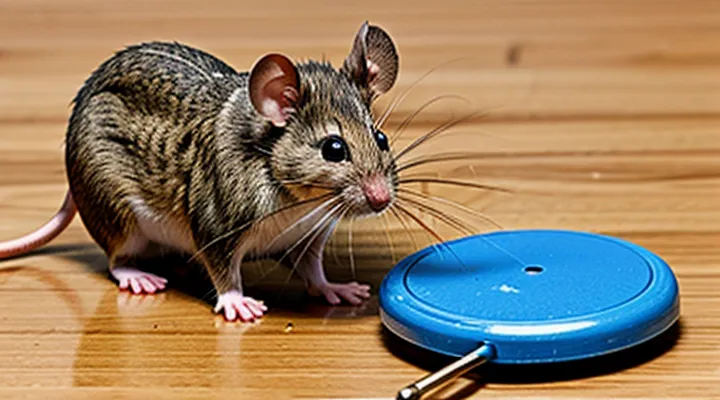
Understanding Mouse Behavior
Common Mouse Habits
Mice are primarily nocturnal; they forage and move about during the dark hours when human activity is minimal. Their activity peaks shortly after sunset and continues until dawn, so traps positioned for nighttime operation capture the greatest number of individuals.
Food drives mouse behavior. They are attracted to grains, seeds, sweets, and any source of high carbohydrate content. Scavenging rodents will travel up to 30 feet from a food source, often following walls and baseboards to remain concealed. Placing bait within this foraging radius maximizes encounter rates.
Nest construction follows a predictable pattern. Mice gather soft materials such as shredded paper, fabric fibers, and insulation to build nests in concealed locations: wall voids, attics, crawl spaces, and behind appliances. When a nest is established, the surrounding area becomes a high‑traffic zone for the colony, making it an optimal placement point for traps.
Movement paths are linear and narrow. Mice prefer to travel along edges, using parallel walls, pipe runs, and the underside of cabinets as guide rails. Their bodies can squeeze through openings as small as 0.25 in (6 mm). Identifying these travel corridors allows precise trap alignment with the natural flow of traffic.
Mice exhibit strong aversion to open spaces and bright light. They retreat to shadows and tight crevices when exposed. Traps that present a concealed entry point, such as a tunnel or a covered platform, reduce hesitation and increase capture likelihood.
Scent marking informs social behavior. Mice deposit pheromones along their routes to signal territory and food sources to other rodents. Reusing a trap in an area with established scent trails reinforces its attractiveness to subsequent visitors.
Chewing is a constant activity. Mice gnaw continuously to wear down ever‑growing incisors. Materials that resist gnawing—metal, thick plastic, or hardened wood—extend trap longevity and prevent premature failure.
Key habits influencing trap placement
- Nocturnal foraging cycles
- Attraction to high‑carb food sources within a 30‑foot radius
- Nest proximity to concealed structural cavities
- Linear travel along walls, pipes, and cabinet undersides
- Preference for darkness and narrow passages
- Use of pheromone‑laden trails for colony communication
- Persistent gnawing behavior
Understanding these behaviors enables the design of a trap that aligns with mouse instincts, ensuring higher capture efficiency and reduced bait wastage.
Identifying Mouse Infestations
Signs of Presence
Identifying mouse activity is essential before deploying any capture device. Accurate detection allows precise trap placement, reduces wasted effort, and increases catch rates.
Key indicators of mouse presence include:
- Fresh droppings, typically 3‑5 mm long, dark, and found along walls, behind appliances, or near food sources.
- Gnaw marks on wood, plastic, or wiring; bite holes are usually 2‑3 mm in diameter and appear in clusters.
- Grease or urine trails, visible as darkened lines on surfaces where mice travel.
- Nests constructed from shredded paper, fabric, or insulation, often located in concealed corners or under clutter.
- Scratching sounds heard at night, especially near walls or ceilings.
Additional evidence:
- Odor of ammonia from concentrated urine, detectable when confined spaces are opened.
- Presence of live or dead insects attracted to mouse waste, indicating a growing infestation.
Documenting these signs before setting a trap ensures the device targets active pathways, maximizing effectiveness while minimizing unnecessary placement.
Entry Points
Mice enter structures through openings that provide unobstructed passage and concealment. Common entry points include gaps around utility pipes, cracks in foundation walls, spaces beneath doors, and openings at the base of cabinets or appliances. Any aperture larger than a quarter‑inch can accommodate a mouse, so even seemingly minor gaps warrant attention.
Locating these access routes requires systematic inspection. Look for gnaw marks, droppings, or a faint scent trail near walls, floors, and ceilings. Use a flashlight to reveal dark crevices, and press a piece of paper against suspected openings; movement indicates airflow and potential entry.
To optimize a rodent trap, address entry points as follows:
- Seal gaps with steel wool combined with caulk or expanding foam; steel wool prevents chewing.
- Install door sweeps that contact the floor when the door closes, eliminating under‑door space.
- Fit pipe sleeves or metal collars around plumbing and wiring penetrations.
- Apply weatherstripping around windows and movable panels to block gaps.
- Position traps directly adjacent to sealed openings, ensuring the mouse encounters the device when attempting to re‑enter.
By eliminating or controlling access routes, the trap becomes the most viable path for the mouse, increasing capture efficiency.
Essential Components of an Effective Mouse Trap
Trap Types Explained
Snap Traps
Snap traps provide a rapid, humane method for eliminating mice. Their design relies on a spring‑loaded steel bar that delivers an instantaneous strike when the trigger plate is disturbed, ensuring immediate incapacitation.
The core components consist of a wooden or plastic base, a metal spring, a lever‑type trigger, and a padded striking surface. The spring tension must be calibrated to generate sufficient force without causing the trap to snap shut prematurely. A reliable trap maintains consistent tension over repeated uses and resists corrosion from moisture.
Effective bait choices include:
- Peanut butter
- Sunflower or pumpkin seeds
- Small pieces of cheese
- Commercial rodent attractants
Bait should be applied in a thin layer on the trigger plate to encourage the mouse to apply enough pressure to activate the mechanism. Avoid over‑loading, which can prevent proper release.
Placement guidelines:
- Align the trap parallel to the wall, with the trigger facing the expected travel path.
- Position near known activity zones: behind appliances, inside cabinets, or along baseboards.
- Set traps at a distance of 1–2 inches from the wall to match the mouse’s natural edge‑following behavior.
- Deploy multiple traps in a line, spacing them 6–12 inches apart to increase capture probability.
Safety measures:
- Wear disposable gloves when handling traps to prevent scent transfer.
- Keep traps out of reach of children and pets; consider using protective covers if necessary.
- After a catch, immobilize the trap before disposal to avoid accidental injury.
Maintenance routine:
- Inspect traps daily; reset any triggered devices promptly.
- Replace worn springs or damaged components to preserve striking force.
- Clean the base with mild detergent to remove residual bait and prevent mold growth.
By adhering to precise construction, strategic baiting, proper placement, and diligent upkeep, snap traps become a dependable element of any rodent‑control program.
Live-Catch Traps
Live‑catch traps provide a humane alternative to lethal devices by containing rodents without injury. Their design typically includes a spring‑loaded door, a transparent or mesh enclosure, and a trigger mechanism that releases the door when the mouse enters.
Key considerations for selecting an effective live‑catch trap:
- Size: interior dimensions must accommodate adult mice (approximately 3–4 inches long) while preventing escape.
- Trigger sensitivity: calibrated to react to the light weight of a mouse, avoiding false releases caused by wind or vibrations.
- Material durability: stainless steel or heavy‑gauge plastic resists chewing and corrosion.
- Ease of cleaning: smooth surfaces allow rapid sanitation between uses.
Placement determines capture success. Position traps along walls, behind appliances, or near known droppings, aligning the entry point with natural mouse pathways. Avoid open spaces where rodents can bypass the device.
Bait selection influences attraction. Preferred options include:
- Peanut butter – strong odor, high fat content.
- Sunflower seeds – small size, easy to grasp.
- Soft cheese – aromatic, readily consumed.
Apply a thin layer of bait to the trigger plate to ensure the mouse contacts the mechanism while feeding.
After deployment, inspect traps at least twice daily. Remove captured mice promptly to reduce stress and prevent scent buildup, which can deter further activity. Release animals at least one mile from the original location, preferably in a wooded or agricultural area where they can find shelter and food.
Maintenance includes washing the enclosure with mild detergent, drying thoroughly, and checking the spring tension before each reuse. Regular inspection of the trigger mechanism prevents malfunctions that could allow escape or cause injury.
By adhering to these specifications—appropriate sizing, sensitive triggering, strategic placement, effective baiting, and diligent upkeep—live‑catch traps become a reliable component of a comprehensive rodent‑control strategy.
Electronic Traps
Electronic traps capture rodents with a high‑voltage shock that instantly kills the animal. The device consists of a metal plate, a power source (battery or mains), and a sensor that detects contact. When a mouse steps onto the plate, the circuit closes, delivering a brief pulse of electricity. The result is a humane, rapid kill without the mess associated with traditional snap or glue traps.
Key advantages include:
- Immediate lethality reduces suffering and prevents escape.
- Enclosed design keeps the dead mouse hidden, limiting odor and visual exposure.
- Reusable construction eliminates the need for disposable components.
- Low noise operation does not disturb household occupants.
When selecting an electronic trap, consider the following criteria:
- Voltage rating: 2,000–3,000 V is sufficient for small rodents while remaining safe for humans when handled properly.
- Power supply: Battery‑operated units offer portability; mains‑connected models provide continuous operation.
- Sensor sensitivity: Adjustable thresholds prevent false triggers from debris or larger animals.
- Capacity: Models with larger chambers hold multiple kills, reducing the frequency of emptying.
Placement determines effectiveness. Position traps along walls, behind appliances, and near known gnawing sites, as mice travel close to surfaces. Ensure the trap’s sensor faces the expected entry point. Avoid locations with high moisture, which can interfere with the electrical circuit.
Maintenance involves regular inspection of the sensor plate for residue, cleaning the interior with a mild disinfectant, and replacing batteries or checking the power cord for damage. After each kill, remove the carcass promptly and reset the device to maintain readiness.
Cost considerations: initial purchase price ranges from $30 for basic units to $150 for advanced models with adjustable settings and larger capacities. The long‑term expense is lower than disposable traps because the device can be used for years with minimal consumables.
In summary, electronic traps provide a fast, clean, and reusable solution for controlling mouse infestations. Proper selection, strategic placement, and routine upkeep maximize their contribution to an overall pest‑management strategy.
Choosing the Right Bait
Popular Bait Options
Choosing the right attractant determines whether a mouse trap will capture its target quickly and reliably. Food items that emit strong, sweet or protein‑rich odors are most effective because they trigger a rodent’s natural foraging instincts. Below are the most widely used baits, each paired with brief justification for its performance.
- Peanut butter – dense, aromatic, and difficult for mice to remove without triggering the trigger mechanism.
- Chocolate – high sugar content creates a powerful scent plume; mice cannot resist the sweet taste.
- Sunflower seeds – rich in fat and protein, they produce a persistent odor that lingers on the trap surface.
- Dried fruit (e.g., raisins, apricots) – concentrated sugars release a strong fragrance, especially in cooler environments where fresh produce loses potency.
- Cheese (hard varieties such as cheddar) – traditional protein source, retains scent longer than soft cheeses and resists rapid spoilage.
- Bacon or cooked meat scraps – intense, savory aroma that appeals to omnivorous rodents; best used sparingly to avoid excessive mess.
When applying bait, place a small amount directly on the trigger plate or behind the catch mechanism. Too much material can prevent the mouse from activating the device, while insufficient quantity may fail to attract. Combining two complementary baits—such as peanut butter with a piece of dried fruit—can increase capture rates by offering both protein and sugar cues. Selecting the appropriate attractant and applying it correctly enhances the overall efficiency of any rodent‑control apparatus.
Bait Placement Strategies
Effective bait placement determines whether a mouse trap captures its target or remains unused. Position the bait where rodents naturally forage, typically along walls, near food sources, and in concealed corners. Avoid open spaces that expose the trap to predators or human traffic.
- Attach bait directly to the trigger mechanism, ensuring the mouse must disturb the lure to activate the device.
- Use a small amount of bait; excess material can be chewed without triggering the trap.
- Secure bait with a thin wire or dental floss to prevent removal while allowing easy access for the rodent’s nose and whiskers.
- Place the trap perpendicular to the wall, with the bait facing the baseboard, as mice travel close to surfaces for safety.
Select bait based on the mouse’s dietary preferences. Nut butter, dried fruit, and small pieces of cheese provide strong olfactory cues. For environments with limited scent retention, apply a light coating of petroleum jelly to the bait to prolong aroma release.
Monitor trap performance for 24‑48 hours. If captures are low, relocate the trap a few inches along the wall or replace the bait with a different scent. Consistent adjustment refines placement until the trap consistently engages.
Safety Considerations
Protecting Children and Pets
When a mouse trap is placed in a home where children or pets are present, safety must be built into the design and deployment. Choose a trap that encloses the bait and the capture mechanism, eliminating exposed springs or snapping jaws that could cause injury. Position the device out of reach, such as behind appliances, under cabinets, or inside sealed containers with a small entry hole sized for rodents only. Secure the trap to a stable surface to prevent tipping or accidental displacement.
- Use bait that is unattractive to pets, for example, non‑edible scents or low‑odor attractants.
- Install a protective cover or box that allows mouse entry but blocks larger animals.
- Verify that the trap’s activation force is calibrated to capture only small rodents.
- Label the area with a clear, durable warning sign indicating the presence of a trap.
- Inspect the trap daily; remove captured mice promptly to avoid decomposition and secondary hazards.
- Store unused traps in a locked drawer or cabinet inaccessible to children.
Regularly assess the placement and condition of each trap. Replace damaged or worn components immediately. By integrating these precautions, the mouse‑control system remains effective while minimizing risk to vulnerable household members.
Handling Trapped Mice
When a mouse is secured, act promptly to prevent stress and contamination.
Wear disposable nitrile gloves, keep the trap upright, and avoid direct contact with the animal.
Select the appropriate outcome:
- Release: Transfer the mouse into a pre‑prepared release container, transport it at least 100 meters from the building, and set it down in a sheltered outdoor area.
- Euthanasia: Apply a rapid, approved method such as CO₂ exposure or a commercial rodent‑kill agent, following local regulations.
After the mouse is dealt with, dispose of the carcass in a sealed bag and place it in an outdoor trash receptacle. Clean the trap with hot, soapy water, rinse thoroughly, and disinfect with a diluted bleach solution (1 % sodium hypochlorite). Allow the trap to dry completely before reuse.
Maintain a log of each capture, noting date, location, and disposal method. This record supports monitoring of rodent activity and informs adjustments to trap placement and bait selection.
Designing and Building Your Own Trap
DIY Trap Concepts
Bucket Traps
Bucket traps provide a practical solution for reducing mouse activity in kitchens, basements, or storage areas. The design relies on a vertical drop that prevents escape, allowing continuous capture without frequent human intervention.
Materials needed:
- 5‑gallon plastic bucket with secure lid
- Wooden or metal ramp, 12–18 inches long, 2 inches wide
- Small piece of cardboard or Plexiglas for a trigger platform
- Adhesive tape or zip ties
- Peanut butter, cheese, or commercial bait
- Optional: fine mesh screen for the bucket opening
Construction steps:
- Cut a circular opening near the bucket’s rim, large enough for a mouse to pass but small enough to keep larger animals out.
- Attach the ramp to the bucket’s exterior so it slopes toward the opening, securing with tape or zip ties.
- Position the trigger platform at the ramp’s end, just above the opening; the platform should tilt when a mouse steps on it.
- Apply bait to the trigger platform, ensuring it does not obstruct the mouse’s movement.
- Place the mesh screen over the opening if non‑target species must be excluded.
Placement guidelines:
- Locate the trap along established mouse pathways, such as walls or behind appliances.
- Keep the bucket on a stable surface to prevent wobbling.
- Ensure the ramp remains dry; moisture can reduce effectiveness.
Maintenance procedures:
- Check the bucket daily; remove captured mice and replace bait as needed.
- Clean the interior with mild detergent and rinse thoroughly before resetting.
- Dispose of captured rodents according to local regulations, using sealed bags or containers.
Bottle Traps
A bottle trap uses a simple container to lure and confine a mouse without lethal force. The design relies on a narrow entry that prevents escape once the rodent steps onto the baited surface.
The essential components are:
- A clear plastic or glass bottle with a mouth diameter of 5–7 cm.
- A sturdy base, such as a shallow dish or a piece of cardboard, to support the bottle.
- Bait, typically peanut butter, cheese, or dried fruit.
- A cutting tool to create an entry slit.
- Adhesive tape or a rubber band to secure the bottle to the base.
Construction steps:
- Clean the bottle and remove any labels.
- Cut a 2‑cm opening near the bottle’s top, ensuring the cut edges are smooth to avoid injury.
- Attach the base to the bottle’s rim with tape or a rubber band, forming a stable platform.
- Apply a thin layer of bait to the interior lip of the opening.
- Position the trap along walls or near known mouse pathways, with the opening facing the wall.
Placement guidelines:
- Locate traps where mice travel, typically within 30 cm of walls.
- Avoid areas with strong air currents that could disperse scent cues.
- Use multiple traps to increase capture probability.
Advantages:
- Low cost; most materials are household items.
- Transparent container allows visual confirmation of capture.
- Reusable after cleaning and replenishing bait.
Limitations:
- Requires regular monitoring to prevent prolonged confinement.
- Ineffective if the entry is too wide, allowing escape.
- May attract non‑target insects if bait is overly sweet.
Maintenance involves emptying captured mice, sanitizing the bottle with warm, soapy water, and inspecting the entry cut for wear. Reapply bait before each deployment to maintain attractant potency.
Materials and Tools Required
Reusable Materials
Reusable materials provide a practical foundation for constructing a reliable rodent capture device. Common items such as sturdy cardboard, plastic containers, and metal wire can be repurposed without compromising performance.
- Cardboard: Cut to form a hinged door that snaps shut when a mouse triggers a lever. Reinforce edges with tape to maintain shape after repeated use.
- Plastic bottle: Invert a 2‑liter bottle, create a small entrance hole, and attach a bait platform inside. The bottle’s smooth interior prevents escape once the animal falls in.
- Metal wire: Shape into a spring‑loaded latch that releases when pressure on a trigger rod is applied. Wire retains tension after many cycles, eliminating the need for replacement.
Additional options include wooden dowels for support beams and rubber bands as tension sources. All components can be disassembled, cleaned, and reassembled, extending the trap’s service life while minimizing waste.
Basic Workshop Tools
A functional rodent capture device cannot be assembled without a set of reliable hand tools. The following items constitute the minimum inventory for a workshop focused on constructing such traps.
- Claw hammer – drives nails and positions wood components.
- Flat‑head and Phillips screwdrivers – secure screws that hold trigger mechanisms in place.
- Needle‑nose pliers – bend, cut, and manipulate small wires for latch assemblies.
- Utility knife – trims excess material and creates precise openings for bait chambers.
- Handsaw or coping saw – cuts lumber or plastic sheets to the required dimensions.
- Measuring tape and combination square – verify lengths and ensure right‑angle joints.
- Power drill with assorted bits – bores holes for bolts, fasteners, and adjustable tension springs.
Safety gear completes the toolkit. Protective eyewear shields against flying debris; cut‑resistant gloves prevent hand injuries while handling sharp components. Each tool serves a specific role in shaping, joining, and fine‑tuning the trap, enabling consistent performance and repeatable results.
Step-by-Step Assembly Instructions
Setting Up the Mechanism
Setting up the mechanism determines whether a rodent capture device will function reliably. Begin by gathering all required parts: base platform, trigger arm, spring or elastic tension element, bait holder, and release latch. Verify that each component is free of rust, cracks, or deformation before assembly.
- Attach the trigger arm to the base platform using the provided hinge pins, ensuring smooth pivot movement.
- Connect the spring or elastic element to the trigger arm, calibrating tension so the arm snaps back quickly when released.
- Position the bait holder at the end of the trigger arm, securing it with the locking screw; the holder must allow easy bait placement and removal.
- Install the release latch on the base, aligning it with the trigger arm so that the arm stays in a cocked position until the latch is disturbed by a mouse.
- Test the mechanism by gently pulling the trigger arm back, engaging the latch, and releasing it to confirm a swift, decisive snap.
After assembly, inspect the alignment of moving parts. Adjust tension or pivot points if the arm hesitates or fails to close fully. Conduct several trial releases without bait to ensure consistent operation before deploying the trap in the target area.
Optimizing for Success
Effective mouse control depends on precise adjustments that increase capture rates while minimizing waste.
Select bait that matches local rodent preferences; fresh grains, peanut butter, or dried fruit outperform stale alternatives. Rotate bait types weekly to prevent habituation.
Adjust trigger sensitivity to match mouse weight. Use a spring mechanism calibrated to release at 15–20 g force; test with a calibrated weight before deployment.
Position traps along established rodent pathways. Identify walls, baseboards, and concealed corners where droppings or gnaw marks appear. Place traps perpendicular to the wall, with the entry side facing the wall, to guide mice directly into the device.
Maintain a clean environment around each trap. Remove debris that could obstruct the trigger and regularly sanitize surfaces to eliminate competing scents.
Monitor trap performance daily. Record captures, replace bait after each success, and relocate any trap that remains inactive for more than 48 hours.
Review results weekly, adjust placement, bait, and trigger settings based on observed patterns, and repeat the cycle until capture rates stabilize at the desired level.
Strategic Trap Placement
High-Activity Areas
When constructing an efficient rodent trap, identifying high-activity zones is essential. Mice concentrate their movement along predictable paths: near food supplies, along walls, beneath appliances, and within concealed gaps. Placement of the trap within these zones maximizes encounter probability and reduces the number of devices required.
Key locations to inspect:
- Adjacent to pantry shelves, trash cans, or pet feeding stations.
- Along baseboards and behind cabinets where mice use the wall edge as a guide.
- Underneath refrigerators, stoves, and dishwashers where heat and shelter attract activity.
- Inside crawl spaces, attics, and garage corners that provide darkness and safety.
- Near entry points such as cracks, vents, and gaps around pipes.
After pinpointing these spots, position the trap so that the bait faces the wall, ensuring the mouse approaches from its natural route. Secure the device firmly to prevent displacement by other animals or household traffic. Regularly monitor the selected zones; a decline in activity indicates successful capture, while persistent movement suggests relocation of the trap to a different high-activity area.
Concealed Locations
Choosing discreet placements maximizes a trap’s success by exploiting a mouse’s natural tendency to travel along walls and avoid open exposure. Effective hidden spots are close to entry points, food sources, and established runways while remaining out of the rodent’s direct line of sight.
Selection criteria include: proximity to wall edges, distance of 1‑2 feet from known gnawing marks, location within 12 inches of a wall, and placement behind objects that do not interfere with trigger mechanisms. The area should receive minimal human traffic to prevent disturbance of the bait.
Typical concealed locations:
- Behind refrigerator or pantry doors, where gaps allow mouse movement.
- Inside cabinet corners, especially beneath stacked containers.
- Beneath sink cabinets, hidden by plumbing fixtures.
- In the space between baseboard and wall, using a thin platform to support the trap.
- Within wall voids accessed through a small inspection panel.
- Under a piece of furniture that rests against a wall, such as a dresser or desk.
Maintain camouflage by covering the trap with a thin layer of cardboard or fabric that matches the surrounding surface, ensuring the trigger remains exposed. Align the trap so the bait faces the wall, forcing the mouse to approach from the side. Secure the device to prevent accidental displacement.
Implementing these concealed placements reduces detection, increases capture rates, and limits the need for frequent repositioning, thereby delivering a reliable solution for rodent control.
Environmental Factors
Temperature influences bait attractiveness and the mechanical components of a trap. Warm conditions increase the scent emission of food lures, while cold environments can reduce mouse activity and cause spring mechanisms to stiffen. Select a bait that remains aromatic across the expected temperature range, and test the trigger spring for smooth operation at the lowest anticipated temperature.
Humidity affects both bait durability and trap integrity. High moisture accelerates spoilage of perishable baits and promotes rust on metal parts. Use dry, low‑moisture attractants such as peanut butter or dried grain, and apply a corrosion‑resistant coating to metal components. Store traps in a dry area before deployment to preserve functionality.
Placement determines exposure to environmental variables. Position traps near walls, behind appliances, or within concealed pathways where mice travel, avoiding direct sunlight, drafts, or areas prone to flooding. Ensure the trap rests on a stable surface; uneven ground can misalign the trigger and reduce capture rates.
Lighting conditions alter mouse behavior. Mice prefer dim or dark zones; bright illumination can deter them from approaching a trap. Install traps in low‑light areas or use opaque covers to block external light sources.
Seasonal changes modify rodent activity patterns. During colder months, mice seek shelter and may congregate near heat sources, while in warmer periods they explore more extensively. Adjust trap density and bait type according to seasonal behavior: increase trap numbers near heating vents in winter and near food storage areas in summer.
Key environmental factors to monitor include:
- Temperature range
- Humidity level
- Placement relative to walls and moisture sources
- Ambient light intensity
- Seasonal activity trends
Addressing each factor enhances the reliability of a rodent capture device across diverse settings.
Maintenance and Monitoring
Regular Inspection Schedule
A reliable rodent-catching system depends on consistent monitoring. Establishing a fixed inspection routine ensures traps remain functional, bait stays attractive, and any damage or displacement is addressed promptly.
- Inspect traps daily during the first week; reduce to every 48 hours once capture rates stabilize.
- Verify trap placement: confirm each unit is positioned near known activity paths and not obstructed.
- Check bait condition: replace stale or contaminated bait, replenish fresh portions as needed.
- Examine mechanical components: look for broken springs, misaligned triggers, or corrosion; repair or replace defective parts immediately.
- Record observations: note capture counts, trap status, and any environmental changes in a log to identify patterns and adjust placement.
- Clean traps weekly: remove debris, disinfect surfaces, and dry thoroughly to prevent mold or odor buildup.
Adhering to this schedule maintains trap effectiveness, minimizes downtime, and supports long‑term pest control success.
Bait Refreshment
Effective bait management determines trap performance. Fresh bait attracts rodents, while stale material reduces capture rates.
- Replace bait every 24–48 hours in warm environments; extend to 72 hours in cooler conditions.
- Store unused portions in airtight containers to prevent moisture loss and odor degradation.
- Choose foods with high fat or protein content; peanut butter, cheese, and boiled egg remain potent for longer periods than dry grains.
- Inspect bait before each placement. Discoloration, mold, or sour smell indicate spoilage and require immediate removal.
- Rotate bait types weekly to prevent habituation; alternate between sweet and savory options.
Consistent refreshment aligns bait potency with rodent feeding cycles, ensuring the trap remains effective throughout deployment.
Trap Resetting Procedures
Effective mouse‑trap operation ends with a reliable reset. A properly reset device captures additional rodents without losing sensitivity or safety. Follow the sequence below to restore functionality after each capture.
- Disarm the trigger – depress the spring arm or press the release lever until the latch clicks, ensuring the mechanism is fully disengaged.
- Remove the bait station – detach any food or lure, clean the surface with mild detergent, and dry thoroughly to prevent residue.
- Inspect the snap or glue surface – check for damage, rust, or debris; replace broken components immediately.
- Re‑tension the spring – pull the arm back to the calibrated tension point, usually indicated by a marked notch or audible snap.
- Reattach the bait platform – secure it in the original position, ensuring alignment with the trigger.
- Test the reset – gently lift the arm and release; the trap should snap shut within one second when triggered.
Regular maintenance extends trap life. After every reset, wipe the trigger mechanism with a cloth dampened in isopropyl alcohol to remove oils. Store the trap in a dry environment, away from direct sunlight, to preserve spring elasticity. Replace any worn parts according to the manufacturer’s schedule to maintain capture efficiency.
Troubleshooting Common Issues
Ineffective Trapping
Ineffective trapping occurs when a device fails to capture the target rodent, allowing the mouse to remain active and potentially spread disease or damage property. The failure usually results from a mismatch between trap design and mouse behavior, leading to repeated escape attempts and wasted effort.
Common sources of failure include:
- Inappropriate bait – using food that lacks strong scent or that the mouse has learned to avoid.
- Incorrect placement – positioning the trap in open areas rather than along walls, behind appliances, or near known pathways.
- Unsuitable trap type – employing a mechanism that does not trigger reliably under the mouse’s weight or movement.
- Improper timing – setting the trap during daylight when mice are less active, or leaving it unchecked for extended periods.
These issues create a feedback loop: mice learn to recognize non‑lethal devices, become wary of bait, and develop avoidance strategies that render future attempts even less successful.
To convert an ineffective setup into a reliable one, focus on the following adjustments:
- Select high‑odor bait such as peanut butter or dried fruit and refresh it regularly.
- Place traps perpendicular to walls, with the entry side facing the rodent’s travel route.
- Choose a snap or electronic trap calibrated for the average weight of a house mouse.
- Check and reset traps at least twice daily, especially during nighttime hours.
Addressing each flaw directly eliminates the primary reasons for failure and increases capture rates dramatically.
Bait Theft
Bait theft undermines trap efficiency by removing the attractant before a mouse can trigger the mechanism. Mice are attracted to sweet, protein‑rich, or oily substances; when they discover the bait, they may gnaw it away and leave the trap inactive.
Effective mitigation requires selecting bait that resists removal and positioning it to limit access. Use hardened bait blocks, such as compressed peanut butter or cheese compressed with wax, which maintain shape under chewing. Coat the bait with a thin layer of adhesive, like petroleum jelly, to increase grip on the mouse’s mouth and discourage removal.
Placement strategy reduces theft risk. Position the bait at the rear of the trap, behind the trigger plate, so the mouse must contact the trigger before reaching the bait. Align the trap along walls or in corners where mice travel, limiting alternative routes that allow them to sample bait without engaging the trap.
Preventive measures:
- Apply a small amount of non‑toxic deterrent (e.g., cinnamon oil) around the bait to discourage excessive chewing.
- Rotate bait types every few days to prevent mice from learning to avoid a specific texture.
- Inspect traps daily; replace compromised bait promptly to maintain lure potency.
- Secure traps in enclosed housings with a narrow entry slot that forces the mouse to contact the trigger while reaching the bait.
By combining resistant bait formulations, strategic placement, and regular maintenance, bait theft is minimized, ensuring consistent trap activation and higher capture rates.
Escaping Mice
Mice that avoid capture undermine any effort to construct a reliable rodent control device. Understanding the factors that drive escape behavior is essential for improving trap performance.
Mice flee traps for several reasons. Natural wariness makes them reluctant to enter confined spaces, especially when the entrance feels unstable. Inadequate or unappealing bait reduces motivation to approach. Improper placement near high‑traffic pathways or in areas with strong scents can alert rodents to danger. Repeated exposure to the same trap design allows mice to learn escape routes, leading to habituation.
Effective countermeasures include:
- Selecting fresh, aromatic bait that matches the species’ dietary preferences.
- Using snap or live‑capture traps with a spring tension calibrated to close quickly upon contact.
- Positioning traps perpendicular to walls, with the entry point aligned with known runways.
- Rotating trap locations every few days to prevent pattern recognition.
- Deploying multiple traps to increase encounter probability and reduce reliance on a single device.
- Inspecting traps at least twice daily to remove captured mice before they can trigger a release mechanism.
By addressing the underlying causes of evasion, the likelihood of successful capture rises dramatically, resulting in a more efficient and humane rodent management solution.
Ethical Considerations
Humane Trapping Practices
Humane trapping focuses on capturing rodents without inflicting injury, allowing safe release away from human habitation. Selecting a live‑capture device that features a smooth interior, a secure latch, and sufficient size for adult mice ensures the animal remains unharmed during confinement.
Placement determines capture efficiency. Position traps along established runways, near walls, and close to food sources. Avoid high‑traffic areas where disturbance could cause panic. Secure the trap on a stable surface to prevent tipping.
- Check traps at least twice daily; prolonged confinement raises stress levels.
- Use breathable bedding (e.g., shredded paper) to keep the interior comfortable.
- Release captured mice at least 2 kilometers from the property, preferably in a natural habitat with shelter and water.
- Clean and disinfect traps after each use to prevent disease transmission.
Integrating these practices into a mouse‑capture system improves success rates while adhering to ethical standards and minimizing ecological impact.
Release Guidelines for Live Traps
When employing a live trap, the release phase determines both humane treatment of the captured mouse and the likelihood that it will not return to the same premises. Proper execution of this step integrates seamlessly with an overall strategy for effective rodent control.
- Relocate the mouse at least 150 meters (500 feet) from the building to reduce the chance of re‑entry.
- Choose a natural habitat with adequate cover, such as a wooded area, field, or garden that offers shelter and food sources.
- Release the animal during daylight hours when predators are less active, and avoid extreme weather conditions.
- Wear thick gloves or use a trap release tool to prevent bites and minimize stress on the animal.
- Open the trap gently, tilt it forward, and allow the mouse to exit on its own; do not shake or force the creature.
- After release, clean the trap with mild detergent and disinfectant to remove scent trails that could deter future captures.
- Store the trap in a dry, secure location until the next use, checking for wear or damage that could compromise performance.
Disposal of Deceased Mice
When constructing a reliable mouse trap, plan for the safe removal of captured rodents. Proper disposal prevents odor, disease transmission, and secondary infestations.
Handle each dead mouse with disposable gloves. Keep gloves on until the body is discarded. Wash hands thoroughly with soap and water after removal.
Effective disposal methods include:
- Placing the carcass in a sealable plastic bag, then sealing tightly and discarding in an outdoor trash container.
- Using a small, purpose‑designed animal waste bin with a lid; empty the bin into a sealed bag before disposal.
- Submerging the body in a solution of diluted bleach (1 % sodium hypochlorite) for ten minutes, then disposing as above.
After removal, clean the trap with hot, soapy water. Rinse, dry, and apply a mild disinfectant (e.g., 70 % isopropyl alcohol). Store the trap in a sealed container until the next use.
Maintain hygiene by regularly emptying trash bins, sweeping the area, and inspecting for additional signs of activity. Prompt disposal of deceased mice reduces the risk of bacterial growth and discourages surviving rodents from returning.