
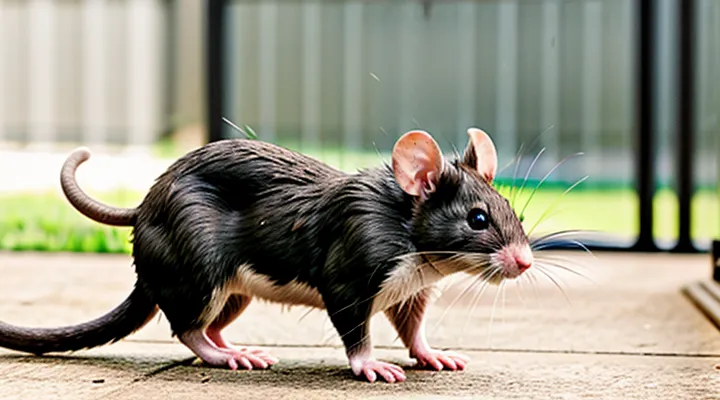
Understanding Rat Behavior and Temperament
Why Tame a Rat?
Taming a rat transforms a typically shy animal into a cooperative partner, enabling reliable interaction and practical advantages.
- Rats become predictable companions, reducing stress for both animal and handler.
- Trained rats allow early detection of health issues through observable behavior changes.
- Tamed individuals engage more readily in enrichment activities, promoting mental and physical well‑being.
- Domestic rats serve as effective models in scientific research, where consistent responses are essential.
- Controlled behavior simplifies cage maintenance, minimizing accidental escapes and damage.
Common Misconceptions About Rats
Rats are often judged by inaccurate beliefs that hinder effective taming. Recognizing these errors allows owners to apply proper training techniques and improve the bond with their pet.
- Rats are not inherently aggressive; they display aggression only when threatened or stressed. Proper handling reduces defensive reactions.
- Rats do not carry disease at levels that pose a public‑health risk when kept in a clean, indoor environment. Regular cage cleaning and veterinary care keep health issues minimal.
- Rats are not solitary animals; they thrive on social interaction. Isolating a rat can lead to depression and resistance to training.
- Rats are not unintelligent. They can learn to navigate mazes, solve puzzles, and respond to clicker cues within weeks of consistent practice.
Misconceptions about diet also affect behavior. Many assume rats can subsist on seeds and nuts alone; a balanced diet of grains, proteins, and fresh vegetables supports neurological function and responsiveness to training.
Understanding the true nature of rats eliminates fear‑based assumptions, enabling owners to employ positive reinforcement, routine handling, and enrichment that foster tameness.
Recognizing a Rat's Body Language
Rats communicate primarily through posture, movement, and facial cues; interpreting these signals is essential for effective taming.
When a rat arches its back, flattens its ears against the head, and freezes, it signals fear or distrust. A relaxed animal displays a low, level spine, ears forward, and occasional whisker twitching, indicating curiosity and willingness to engage. Sudden, rapid tail flicks accompany agitation, while a gently swaying tail often accompanies contentment.
Eye and whisker behavior provide additional context. Dilated pupils and wide‑open eyes suggest heightened alertness, whereas half‑closed eyes and slow blinking denote relaxation. Whiskers positioned forward point toward interest; whiskers pressed flat against the snout signal defensive posture.
Recognizable vocalizations reinforce body language. High‑pitched squeaks accompany distress, while soft chirps accompany exploration. Combining auditory cues with visual signals yields a more accurate assessment of the rat’s emotional state.
Practical steps for observers:
- Approach slowly; monitor ear orientation and spine curvature.
- Note tail position: rigid and upright = tension; loose and low = ease.
- Observe whisker direction and eye size; adjust handling intensity accordingly.
- Listen for squeaks; pause interaction if high‑pitched sounds increase.
Accurate reading of these cues allows the trainer to modulate proximity, touch, and reward timing, fostering trust and accelerating the taming process.
Essential Preparations for Taming
Creating a Safe and Comfortable Environment
Cage Setup
A suitable cage is the foundation of any rat taming program. Size matters: a minimum of 18 × 12 × 12 inches per adult provides enough space for movement, exploration, and the placement of enrichment items. Choose a solid‑bottom enclosure rather than a wire floor to prevent foot injuries and to facilitate cleaning.
Material selection influences durability and hygiene. Stainless steel or powder‑coated metal frames resist corrosion and withstand chewing. Wire mesh for the sides should have openings no larger than ¼ inch to prevent escapes while allowing ventilation. Transparent panels enable observation without disturbing the animal.
Essential accessories should be arranged to encourage voluntary interaction:
- A secure hide box positioned in a corner; rats retreat there when stressed.
- A climbing platform or rope ladder to satisfy natural arboreal behavior.
- A chewable object such as untreated wood or mineral block to promote dental health.
- A water bottle with a stainless steel nozzle to prevent leakage.
- A food dish placed at the opposite end from the hide box to encourage movement across the cage.
Lighting must follow a consistent day‑night cycle, ideally 12 hours of light followed by 12 hours of darkness. Use a low‑intensity LED source to reduce glare and heat. Maintain ambient temperature between 68–75 °F; extreme temperatures impair both health and learning capacity.
Regular maintenance supports tameness. Clean the cage weekly, replace soiled bedding, and inspect all fittings for wear. A predictable environment reduces anxiety, allowing the rat to focus on training exercises and develop trust.
Hiding Spots and Enrichment
Providing secure retreats and stimulating objects is essential for building trust with a pet rat. A concealed area offers a sense of safety, reduces stress, and encourages the animal to explore the surrounding environment on its own terms.
Effective hiding spots include:
- Small wooden boxes with ventilation holes
- Ceramic or plastic tunnels that mimic burrows
- Fabric pouches stitched closed at one end
- Stacked paper towel rolls arranged horizontally
Each option should be sized to allow the rat to enter and turn comfortably, while remaining stable enough to prevent collapse under weight.
Enrichment complements refuges by engaging the rat’s natural curiosity and problem‑solving abilities. Items such as chewable wood blocks, puzzle feeders, and textured climbing ropes provide mental stimulation and reinforce positive interaction with the caretaker.
Key principles for integrating hiding places and enrichment:
- Position retreats near the cage’s lower corner, away from direct light, to mimic natural shelter zones.
- Rotate enrichment objects weekly to maintain novelty and prevent habituation.
- Observe the rat’s preferences; retain favored hides and replace unused ones with alternative designs.
Consistent use of secure shelters and varied stimulants accelerates habituation, resulting in a calmer, more cooperative companion.
Gathering Necessary Supplies
Treats
Treats serve as the primary reinforcement when conditioning a rat to respond to human cues. Positive reinforcement creates a clear association between the desired behavior and a rewarding outcome, accelerating the learning process.
- Small pieces of fresh fruit (apple, banana, berries)
- Low‑fat cheese cubes
- Unsalted nuts, finely chopped
- Commercial rodent treats formulated without added sugars or artificial flavors
The chosen treat must be bite‑size, allowing the rat to consume it within a few seconds. Present the reward immediately after the target behavior to preserve the connection between action and incentive. Limit sessions to five minutes and restrict treat delivery to no more than three rewards per minute to prevent overstimulation and maintain motivation.
In practice, pair the treat with a consistent cue such as a gentle hand tap or a soft verbal prompt. Begin with simple actions—approaching the hand, sitting, or following a short line. Once the rat reliably performs the behavior, gradually increase the interval between cue and reward, reinforcing only occasional correct responses to strengthen independent compliance.
Avoid treats that contain high fat, salt, or sugar, as they can cause digestive upset and reduce long‑term health. Store all edible items in a cool, dry environment to prevent spoilage. Monitor the rat’s weight and adjust treat frequency if growth exceeds recommended limits.
Toys
Toys serve as essential tools for encouraging interaction and building trust during rat taming. They stimulate natural behaviors, provide positive reinforcement, and create opportunities for gentle handling.
- Chew toys made of untreated wood or safe plastics satisfy gnawing instincts and keep teeth healthy.
- Puzzle feeders that require manipulation release treats, promoting problem‑solving and focus.
- Tunnels and hideaways mimic burrow environments, allowing the rat to explore while remaining visible.
- Small balls or rolling objects motivate movement and can be used to guide the rat toward the handler’s hand.
When choosing toys, consider the following criteria:
- Material safety: non‑toxic, free of sharp edges, and easy to clean.
- Size appropriateness: large enough to prevent swallowing, small enough for the rat to manipulate comfortably.
- Activity relevance: aligns with the specific behavior you aim to reinforce, such as chewing, foraging, or climbing.
Integrate toys into training sessions by following a structured approach:
- Introduce a single toy during a short, calm period to avoid overwhelming the rat.
- Pair the toy with a gentle hand presence, allowing the rat to approach voluntarily.
- Reward successful interaction with a treat or verbal praise, reinforcing the desired response.
- Rotate toys regularly to maintain novelty and prevent habituation.
Maintain toy hygiene to ensure health and longevity. Clean washable items with mild soap and water after each use; replace damaged or worn pieces promptly. Regular inspection prevents the accumulation of bacteria and reduces the risk of injury.
Initial Steps Towards Trust
Acclimating Your New Rat
Giving Space and Time
Giving a rat ample space and sufficient time to adjust is a foundational component of successful taming. Rats perceive confinement and rushed interaction as threats, which can trigger defensive behaviors. Allowing the animal to explore its environment at its own pace reduces stress and encourages voluntary engagement.
- Place the cage in a quiet area, away from sudden noises and heavy foot traffic.
- Ensure the enclosure includes multiple levels, tunnels, and hiding spots to satisfy the rat’s natural curiosity.
- Introduce new objects gradually; add one item per week and observe the rat’s reaction before adding another.
- Schedule handling sessions no more than five minutes each, spaced by at least several hours. Extend the interval if the rat shows signs of agitation.
- Monitor the rat’s body language: relaxed posture, grooming, and exploratory sniffing indicate comfort, while rapid breathing, freezing, or aggressive bites signal the need for additional distance.
Patience is essential. Consistent, low‑pressure exposure over weeks builds trust faster than intensive training attempts. Once the rat demonstrates calm exploration, increase interaction duration incrementally, always respecting the animal’s cues. This measured approach lays the groundwork for more advanced taming techniques.
Gentle Talk and Scent Introduction
Gentle vocal interaction builds trust by exposing the rat to a calm, consistent sound environment. Speak in a low, steady tone whenever you approach the cage or hold the animal. Limit volume to avoid startling the rodent; a soft murmur signals safety and encourages the rat to associate your presence with a non‑threatening stimulus.
Scent introduction complements vocal work by providing a familiar, non‑visual cue. Begin with a neutral cloth or cotton ball infused with a mild, natural odor such as unscented baby oil or a diluted solution of the rat’s own bedding. Place the scented item near the cage entrance for several minutes each session, then gradually move it closer to the handling area. After the rat shows no avoidance, rub a small amount of the same scent onto your hands before contact. This practice creates a consistent olfactory link between the caretaker and the animal, reducing fear responses during direct interaction.
Key steps for integrating gentle talk and scent cues:
- Speak softly for 2–3 minutes before each handling attempt.
- Introduce a scented object for 5 minutes, then relocate it nearer to the rat each day.
- Apply the same scent to your fingertips before touching the rat.
- Observe the rat’s body language; pause if signs of stress appear, then resume after a brief calm period.
Consistent application of these auditory and olfactory techniques accelerates habituation, allowing the rat to remain relaxed during subsequent training exercises.
Hand-Feeding Techniques
Starting with Cage Bars
Begin the taming process by using the cage bars as the first point of contact. Rats naturally explore vertical surfaces, so the bars provide a safe, controlled environment for initial interaction.
Place a treat on a bar within easy reach. Allow the rat to climb, retrieve the treat, and return to its nest. Repeat this sequence several times a day, gradually increasing the distance between the treat and the rat’s starting position. Consistency reinforces the association between the bars and positive outcomes.
Introduce gentle hand exposure while the rat is on the bars. Extend a finger slowly, keeping movements steady and avoiding sudden gestures. If the rat approaches or sniffs, reward with a small morsel. Over successive sessions, the rat will learn that human presence near the bars predicts food and safety.
Progress to brief hand‑on contact. While the rat remains on a bar, lightly stroke the back or head. Keep contact brief—no more than a few seconds—then reward immediately. Increase the duration incrementally, ensuring the rat remains calm throughout.
Maintain a routine of 5–10 minute sessions, twice daily. Record the rat’s response to each step; adjust the pace if signs of stress appear. By anchoring the training to the cage bars, the rat gains confidence in the environment and develops a reliable pathway toward full tameness.
Progressing to Open Hand Feeding
Open‑hand feeding marks the transition from hand‑tolerant to hand‑trusted rats. At this stage the animal accepts food directly from the handler’s palm, indicating reduced fear and increased willingness to interact.
Begin by confirming consistent hand‑tolerant behavior: the rat should approach, allow gentle touches, and take treats from a fingertip without retreating. If any hesitation appears, reinforce basic hand exposure before proceeding.
Introduce the open hand gradually:
- Place a small piece of preferred food (e.g., a pea or seed) on the center of the palm.
- Keep the hand steady, fingers relaxed, and avoid sudden movements.
- Allow the rat to sniff, then nibble at its own pace.
- If the rat withdraws, lower the hand slightly and repeat the offering; avoid pulling the food away.
Repeat the exercise several times per session, limiting each session to 5‑10 minutes to prevent stress. Increase frequency as the rat consistently takes food from the palm without hesitation.
Monitor body language for signs of comfort: relaxed ears, slow whisker movement, and steady breathing. Once the rat reliably feeds from the open hand, extend the practice to brief handling, such as gentle lifting onto the palm, reinforcing the association between the hand and positive outcomes.
Gradual escalation from fingertip treats to open‑hand feeding consolidates trust, prepares the rat for more advanced handling, and lays the foundation for a cooperative relationship.
Building a Strong Bond: Training Methods
Positive Reinforcement Principles
Reward-Based Training
Reward‑based training uses a desirable outcome to increase the likelihood that a rat repeats a specific behavior. The method relies on delivering a treat or praise immediately after the correct action, creating a clear association between the behavior and the reward.
Positive reinforcement strengthens desired responses because rats, like other rodents, are motivated by food and social interaction. When the reward follows the behavior without delay, the animal learns to anticipate the benefit and performs the action more reliably.
Effective implementation requires three elements: precise timing, appropriate reward, and consistent application. The reward must be presented within one to two seconds of the behavior; otherwise the connection weakens. Preferred rewards include small pieces of fruit, seed mix, or brief petting. Consistency means applying the same criterion each session and avoiding accidental reinforcement of unwanted actions.
- Identify a simple target behavior (e.g., approaching a hand, stepping onto a platform).
- Present the cue that signals the expected action.
- Observe the rat perform the behavior.
- Deliver the chosen reward immediately.
- Repeat the cycle 5–10 times per session, several sessions per day.
- Gradually increase the difficulty by adding distance, new objects, or longer hold times while maintaining the reward schedule.
If the rat stops responding, check for delayed reward delivery, inappropriate treat size, or inconsistent cues. Adjust timing, switch to a higher‑value reward, or simplify the task until the animal resumes the desired response. Continued practice builds a reliable pattern, enabling the rat to cooperate during handling and routine care.
Consistency is Key
Consistency determines the success of any rat‑taming program. Repeated actions create predictable patterns that the animal can interpret as safe signals, reducing stress and encouraging cooperation. When a caretaker follows the same schedule, tone of voice, and handling technique, the rat learns to anticipate outcomes, which accelerates trust building.
To implement consistency, follow these steps:
- Choose a fixed training time each day; keep the interval between sessions identical.
- Use the same cue word or sound before offering food or initiating contact.
- Apply identical hand placement and pressure when petting or guiding the rat.
- Record each session’s duration and progress; adjust only after multiple observations confirm a trend.
Regular application of these practices eliminates ambiguity, reinforces desired behavior, and transforms the rat’s response from reflexive avoidance to voluntary engagement.
Handling and Socialization
Gradual Touch Introduction
Begin by placing the rat in a familiar cage with food and water readily available. Allow the animal to settle for several minutes before any contact is attempted.
- Observe the rat’s behavior from a distance. Note signs of curiosity such as sniffing the enclosure or approaching the front of the cage.
- Extend a hand slowly toward the cage, keeping the palm open and fingers relaxed. Do not make sudden movements.
- Pause when the rat shows interest, such as turning its head toward the hand or moving closer. Maintain the position for a few seconds.
- If the rat retreats, withdraw the hand immediately and wait until the animal returns to a neutral state before trying again.
- After several successful observations, gently place a fingertip on the rat’s back for a brief moment—no longer than one second. Reward the rat with a small treat immediately after contact.
- Increase the duration of touch by one second each session, ensuring the rat remains calm. Continue rewarding after each touch.
- Progress to light strokes along the dorsal surface, using the same incremental timing. Keep sessions short, typically five to ten minutes, to prevent stress.
- Once the rat tolerates consistent stroking, introduce brief hand placements on the head and sides, following the same gradual timing and reward pattern.
Throughout the process maintain a quiet environment, avoid loud noises, and keep lighting dim enough to prevent startling the animal. Consistency in timing, gentle pressure, and immediate positive reinforcement are the core elements that enable the rat to accept human touch without fear.
Lap Time and Play
Effective rat taming relies on structured interaction periods and purposeful play. Consistent lap time establishes trust, while varied play reinforces positive associations with the handler.
- Schedule sessions of 5–10 minutes, two to three times daily. Short, frequent exposure prevents stress and encourages gradual habituation.
- Begin each lap with calm hands, allowing the rat to climb onto the forearm or lap voluntarily. Avoid forcing movement; reward any approach with a gentle voice and a treat.
- Maintain a steady rhythm: gentle strokes along the dorsal line, followed by brief pauses for the rat to sniff and explore the handler’s scent.
Play activities complement lap time by stimulating mental engagement and strengthening the bond.
- Introduce safe chew toys (e.g., untreated wood blocks) during the session. Rotate objects every few days to sustain curiosity.
- Use a lightweight tunnel or tube to encourage the rat to navigate toward the handler’s hand, reinforcing cooperative behavior.
- Incorporate brief “fetch” drills with lightweight balls, rewarding successful retrieval with a small seed. Keep repetitions brief to avoid fatigue.
Monitoring progress is essential. Record the duration of each lap, the rat’s willingness to approach, and the frequency of play‑initiated behaviors. Incrementally extend lap time by 1–2 minutes once the rat reliably seeks contact, and introduce new play challenges to maintain engagement. This systematic approach accelerates tameness while preserving the animal’s well‑being.
Desensitization to Handling
Picking Up and Holding
Effective rat handling begins with a calm environment and a consistent routine. The animal should be accustomed to the handler’s scent and voice before any physical contact. Begin each session by allowing the rat to explore the hand without pressure; this reduces stress and encourages voluntary approach.
- Approach the cage from the side, avoiding direct overhead movement that may trigger a flight response.
- Extend a flat palm, fingers together, and wait for the rat to climb onto the hand voluntarily.
- Once the rat is on the palm, gently slide the other hand underneath the torso, supporting the chest and hindquarters. The grip should be firm enough to prevent slipping but loose enough to avoid constriction.
- Maintain the rat’s body alignment parallel to the floor; do not lift by the tail or limbs, as this can cause injury.
- Keep the lift low and steady, bringing the rat to chest level for eye contact, then lower it back onto a secure surface.
Consistent practice of these steps builds trust, reinforces calm behavior, and establishes a reliable foundation for more advanced training tasks. Regular short handling sessions, spaced throughout the day, prevent habituation fatigue and sustain the rat’s willingness to cooperate.
Grooming
Regular grooming builds trust between a rat and its caretaker. Physical contact during brushing or coat inspection signals safety, reduces fear, and encourages the animal to accept human presence.
Effective grooming includes brushing, nail trimming, ear cleaning, and periodic health checks. Gentle brushing removes loose fur and stimulates circulation, while short, clean nails prevent accidental scratches that could damage the bond. Cleaning ears with a damp cotton swab eliminates debris that might cause discomfort, reinforcing the rat’s willingness to stay still.
- Choose a soft-bristled brush sized for small rodents.
- Brush in short, calm strokes, starting at the head and moving toward the tail.
- Inspect the coat for bald patches, parasites, or skin irritation.
- Trim nails only when they extend beyond the paw pad; use pet‑grade clippers.
- Clean each ear with a single swipe of a damp cotton tip; avoid deep insertion.
- Offer a treat immediately after each grooming session to associate the activity with positive reinforcement.
Handle the rat over a soft surface, supporting the body with both hands to prevent stress. Keep sessions brief—no longer than five minutes for inexperienced animals—and gradually increase duration as the rat shows calm behavior. Regular grooming, performed consistently, accelerates the taming process by establishing predictable, low‑stress interactions.
Addressing Challenges and Common Issues
Dealing with Nipping and Biting
Understanding the Cause
Rats exhibit resistance to handling when underlying motivations remain unidentified. Recognizing the root causes enables targeted interventions that reduce stress and increase compliance.
- Fear of unfamiliar humans
- Prior negative encounters (e.g., rough handling, loud noises)
- Absence of early socialization
- Overstimulation from bright lights, strong scents, or abrupt movements
- Undiagnosed health problems (pain, infection, dental issues)
- Strong territorial instincts in newly introduced environments
Fear arises from perceived threat; gentle, consistent exposure lowers the threat assessment. Negative experiences condition avoidance responses; replacing harsh contact with calm, predictable interactions rewires associations. Early socialization builds familiarity, establishing a baseline of trust that persists into adulthood. Sensory overload triggers defensive behaviors; dimming lights, minimizing sudden sounds, and using neutral scents create a calmer setting. Health issues generate discomfort that masks willingness to cooperate; routine veterinary checks eliminate pain as a factor. Territorial drives cause aggression toward intruders; providing a stable enclosure and gradual introduction of handlers respects the rat’s need for a secure domain. Addressing each element directly creates the conditions necessary for successful taming.
Correction Techniques
Correction techniques are essential tools for shaping a rat’s behavior during the taming process. They provide clear signals that a specific action is undesirable, allowing the animal to adjust its responses quickly.
Effective correction relies on immediacy and consistency. The moment an unwanted behavior occurs, the trainer must apply the chosen corrective signal. Delayed responses create confusion and reduce learning efficiency.
Common corrective methods include:
- A brief, firm verbal cue such as “no” delivered at the exact moment of the infraction.
- A gentle tap on the back or side to interrupt the behavior without causing injury.
- Immediate withdrawal of a previously offered treat when the rat performs the prohibited action.
- A short “time‑out” in a neutral area, removing the rat from the training environment for a few seconds.
- Repositioning the rat onto a preferred surface or into a designated spot, reinforcing the correct location.
Consistency across sessions prevents mixed messages. Apply the same cue each time the behavior appears, and pair correction with immediate reinforcement of the desired action. Avoid harsh punishment; the goal is to guide the rat toward acceptable conduct while maintaining trust. Regular practice of these techniques accelerates the development of a cooperative, tame companion.
Overcoming Shyness and Fear
Patience and Persistence
Patience allows the rat to adjust to human presence at its own speed. Begin each encounter with brief, calm contact; withdraw before signs of stress appear. Repeating this pattern over days builds trust without overwhelming the animal.
Persistence ensures that training progresses despite occasional setbacks. Schedule short sessions daily, maintain the same cues, and reward any forward movement toward cooperation. When a rat resists, continue the routine without altering the core approach; consistency reinforces the learning pathway.
Practical guidelines:
- Offer food treats only after the rat approaches voluntarily.
- Use a gentle voice and slow hand motions throughout every interaction.
- Limit each session to 5–10 minutes to prevent fatigue.
- Record the rat’s responses; adjust timing, not the overall method, based on observed behavior.
- Maintain the same schedule each day to create predictable expectations.
By combining steady, low‑pressure exposure with unwavering routine, the rat gradually accepts handling, leading to reliable tameness.
Creating Positive Associations
Creating positive associations is essential for encouraging a rat to accept handling and respond reliably to cues. Pair each interaction with a rewarding stimulus—typically a small portion of a favorite food such as sunflower seeds, mealworms, or a piece of fruit. Offer the treat immediately before, during, and after the contact to link the human presence with a pleasant outcome.
Consistent timing strengthens the link. Present the reward at the same moment each time the rat is approached, then gradually reduce the treat frequency while maintaining the behavior. This schedule prevents dependence on constant food while preserving the learned expectation of a favorable experience.
Use gentle tactile cues to reinforce the association. Lightly stroke the rat’s back or head while offering the treat, allowing the animal to associate the specific touch with a reward. Over successive sessions, increase the duration of the contact before delivering the treat, encouraging the rat to tolerate longer handling periods.
Maintain a calm environment. Low ambient noise and stable lighting reduce stress, making the rat more receptive to positive reinforcement. Avoid sudden movements or loud sounds that could interrupt the pairing process.
Key steps for establishing positive associations:
- Select a high‑value treat and keep it readily available.
- Initiate contact with a soft hand movement, then immediately present the treat.
- Repeat the sequence several times daily, spaced by at least one hour.
- Gradually extend the handling interval before offering the reward.
- Reduce treat frequency after the rat consistently displays calm behavior during contact.
By systematically linking handling with rewarding outcomes, the rat learns to view human interaction as a predictable source of pleasure, laying the groundwork for reliable cooperation in subsequent training exercises.
Maintaining Tamed Behavior
Regular Interaction
Regular interaction means scheduled, repeatable contact that encourages a rat to accept human presence. Consistency reduces uncertainty, allowing the animal to predict outcomes and develop confidence.
Daily sessions provide the most reliable progress. Begin with 5‑10 minutes of gentle handling, gradually extending the period as the rat shows calm behavior. Maintain the same time each day to reinforce the routine.
Typical activities during each session include:
- Softly cupping the rat and allowing it to climb onto the hand.
- Offering small food pieces directly from the fingers.
- Introducing a safe chew toy or tunnel for brief exploration.
- Speaking in a low, steady tone while maintaining eye contact.
Perform all interactions in a familiar enclosure to preserve environmental cues. Use the same hand position and grip throughout to avoid confusing the rat. Repeating identical motions trains the animal to associate the handler with safety.
Observe body language for signs of stress, such as rapid breathing, tail thumping, or attempts to escape. If these appear, shorten the session and resume once the rat relaxes. Adjust frequency only after consistent calm responses are recorded.
Regular interaction complements reward‑based training. The predictable presence of the handler makes subsequent conditioning exercises, such as clicker training, more effective because the rat already trusts the source of reinforcement.
Continuing Training Sessions
Consistent practice solidifies the bond between a rat and its caretaker. After an initial habituation period, schedule short sessions—five to ten minutes—several times a day. Repetition teaches the animal to anticipate cues and reduces stress responses.
During each session, focus on a single behavior such as target touching, hand‑entry, or gentle handling. Begin with a clear cue (e.g., a clicker or verbal marker), reward the correct response immediately, and repeat the pattern until the rat performs the action reliably. Gradually increase the distance between cue and reward to strengthen memory.
Maintain a predictable routine. Conduct sessions at the same times each day, using identical equipment and environment. Predictability lowers anxiety and encourages the rat to engage willingly.
Track progress with a simple log:
- Date and time of session
- Target behavior practiced
- Number of successful attempts
- Observations of hesitation or stress
Review the log weekly to identify trends, adjust difficulty, and ensure the training remains challenging but achievable.
Introduce variety only after mastery. Once the rat consistently executes a behavior, add a secondary cue or combine two behaviors in a short chain. This prevents stagnation and keeps the animal mentally stimulated.
End each session on a positive note. Offer a favorite treat, gentle petting, or a brief free‑play period. Positive closure reinforces the association between training and reward, making the rat more eager to return for future sessions.
Advanced Taming and Tricks
Teaching Simple Commands
«Come» and «Stay»
Training a rat to respond reliably to the cue “come” requires consistent signaling and positive reinforcement. Begin each session by selecting a distinct verbal cue, such as a short, sharp word, and pair it with a high‑value treat. Present the treat within the rat’s line of sight, then release the cue. When the animal moves toward you, immediately deliver the treat and a brief click or verbal marker to confirm the correct response. Repeat the sequence several times per session, gradually increasing the distance between you and the rat.
Once the “come” command is solid, introduce the “stay” cue to build control over the animal’s position. Position the rat on a stable surface, give the “stay” word, and simultaneously raise a hand in a neutral gesture. Maintain a short pause (2–3 seconds) before offering a treat, reinforcing the stationary behavior. Extend the pause incrementally, ensuring the rat remains motionless before rewarding. If the rat moves, reset the cue without reward and restart the timing.
A concise training protocol may be organized as follows:
- Cue selection – Choose clear, distinct words for “come” and “stay.”
- Treat pairing – Use high‑value food items to create a strong association.
- Distance escalation – Increase the gap between trainer and rat after consistent responses.
- Duration extension – Lengthen the hold time for “stay” in 2‑second increments.
- Generalization – Practice in varied locations and with mild distractions to ensure reliability.
Consistency across daily short sessions (5–10 minutes) accelerates learning. Record progress, noting distance achieved and duration held, to adjust the difficulty level systematically. Over time, the rat will respond to “come” and maintain “stay” without hesitation, providing a foundation for more complex behaviors.
Name Recognition
Name recognition is a fundamental component of rat taming because it provides a reliable cue for attention and response. When a rat associates a specific sound with itself, the animal becomes more likely to pause, look toward the trainer, and engage in subsequent training tasks.
Effective name recognition training follows a clear sequence:
- Choose a short, distinct name that does not resemble household noises.
- Introduce the name during calm moments, repeating it in a gentle, steady tone.
- Pair the spoken name with an immediate, positive reward such as a small food treat or a brief petting session.
- Deliver the reward only when the rat stops moving or turns its head toward the source of the sound.
- Conduct short sessions (2–3 minutes) several times a day, maintaining consistent volume and cadence.
- Gradually increase the distance between the trainer and the rat while preserving the same reward pattern.
Consistency in timing and tone prevents confusion. Use the same word each session; avoid variations that could dilute the association. Record the exact phrase and playback it during occasional off‑hand moments to reinforce the link without overfeeding.
Progress indicators include:
- Immediate head turn or ear twitch upon hearing the name.
- Sustained pause for at least one second before resuming activity.
- Increased willingness to approach the trainer after the name is spoken.
Common errors impede learning: speaking too loudly, mixing the name with other commands, or rewarding the rat for unrelated behaviors. Correct these by resetting the cue, simplifying the environment, and ensuring rewards follow the precise response.
Once the rat reliably acknowledges its name, integrate the cue into broader taming routines. Use the name to signal the start of handling, grooming, or trick training, thereby streamlining the overall conditioning process.
Encouraging Play and Exploration
Building Obstacle Courses
Creating an obstacle course provides a controlled environment where a rat can develop confidence, problem‑solving skills, and trust in the handler. The design should balance challenge with safety, encouraging voluntary participation while minimizing stress.
- Select low‑height platforms (2–3 cm) and stable bridges; rats can climb and traverse without fear of falling.
- Incorporate tunnels and PVC tubes of varying diameters to stimulate natural exploratory behavior.
- Add small, removable barriers that require the rat to push or nudge objects to progress, reinforcing gentle manipulation.
- Place treats or a familiar scent at the end of each segment to create positive reinforcement for successful navigation.
Begin each session with a brief familiarization period. Allow the rat to sniff the materials and explore at its own pace. Gradually introduce the first obstacle, demonstrating the desired action by guiding the rat’s paws or whiskers if necessary. Reward immediately after the rat clears the element, using a consistent cue (e.g., a click or verbal marker) to link the behavior with the reward.
Progress the course by increasing complexity: raise platform height incrementally, lengthen tunnels, or introduce slight angles. Monitor the rat’s body language; hesitation or excessive freezing indicates a need to simplify the next step. Adjust the layout accordingly to maintain a steady learning curve.
Regularly rotate or replace sections of the course. Novel configurations prevent habituation and keep the rat engaged, reinforcing adaptability and reinforcing the bond between animal and trainer. Consistent, short sessions (5–10 minutes) performed several times a week yield the most reliable improvement in tameness and cooperative behavior.
Hide-and-Seek
Hide‑and‑seek engages a rat’s curiosity and reinforces the bond between animal and handler. The game turns exploration into a reward‑based exercise, encouraging the pet to seek out the owner while remaining calm.
Begin by securing a quiet room free of hazards. Allow the rat to roam briefly to become comfortable with the space. Choose a few simple hiding locations—under a cup, behind a cardboard box, or on a low shelf—each within easy reach. Place a small piece of favorite food at each spot to create a clear incentive.
- Call the rat’s name and pause a short distance away.
- Hide the treat in the first location while the rat watches.
- Release the rat and observe its approach.
- When the rat discovers the treat, praise softly and give the reward.
- Repeat with a new hiding place after the rat settles, gradually increasing distance and complexity.
Progression relies on extending the time between hiding and release, adding obstacles, and varying the height of hiding spots. If the rat hesitates, reduce the distance or simplify the concealment. Consistent short sessions—five minutes, two to three times daily—maintain motivation without causing stress. Over weeks, the rat learns to associate the owner’s voice with a predictable, rewarding search, resulting in a calmer, more cooperative companion.
Socializing with Other Pets (If Applicable)
Socializing a pet rat with other household animals can accelerate tameness when the process respects species‑specific behaviors and safety guidelines.
First, evaluate compatibility. Rats coexist best with small, non‑predatory pets such as rabbits, guinea‑pigs, or other rats. Cats, dogs, and birds may trigger stress or aggression; if they are present, maintain strict separation.
Second, introduce gradually. Place the rat’s cage within sight of the other pet for several days, allowing both animals to observe without direct contact. Monitor for signs of anxiety—flattened ears, rapid breathing, or excessive grooming.
Third, conduct supervised, neutral‑ground meetings. Use a sturdy, escape‑proof enclosure (e.g., a plastic playpen) where the rat can explore while the other pet remains on a leash or in a carrier. Keep sessions brief (5–10 minutes) and increase duration only if both animals remain calm.
Fourth, reinforce positive interactions. Offer a small treat to the rat each time it approaches the enclosure calmly; reward the other pet with praise or a treat when it remains gentle. Consistent reinforcement creates an association between the presence of the other animal and a pleasant outcome.
Fifth, maintain hygiene. Clean shared spaces after each interaction to prevent disease transmission. Rats are susceptible to parasites and respiratory infections that can spread from other species.
Finally, observe ongoing behavior. If the rat exhibits persistent fear—hiding, aggression, or loss of appetite—discontinue joint sessions and revert to solitary training methods. Successful socialization supports overall tameness, but the rat’s welfare remains the primary criterion.