
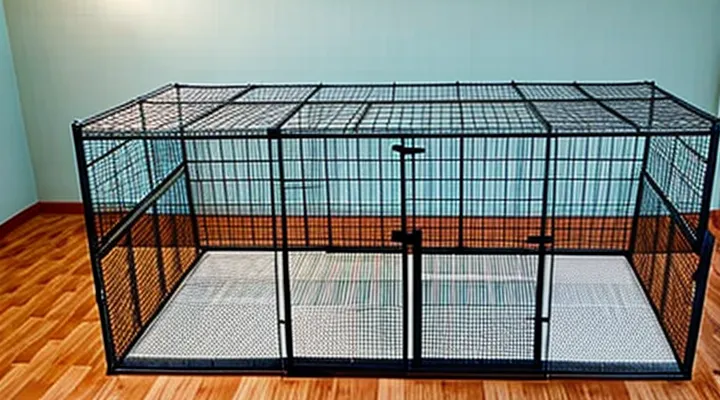
Why Build Your Own Rat Cage?
Benefits of DIY
Cost-Effectiveness
Creating a sizable rodent enclosure on a personal budget demands strategic material selection and efficient use of resources. Reclaimed wood, surplus PVC piping, and discarded hardware store panels provide structural strength at a fraction of retail costs. Prioritizing components with multiple functions—such as using lattice panels for both side walls and ventilation—reduces the total number of purchases.
Cost savings increase when measurements are planned precisely. Calculating the exact square footage of floor space eliminates excess material, while standardized dimensions for tubing and fasteners simplify ordering and prevent overstock. Bulk purchasing of screws and hinges further lowers unit prices.
Maintenance expenses diminish through durable construction choices. Selecting rust‑resistant metal brackets and sealed wood finishes extends the cage’s lifespan, decreasing the frequency of repairs. Incorporating removable trays for bedding allows quick cleaning without replacing the entire substrate, conserving supplies over time.
Overall, a disciplined approach to budgeting—leveraging reclaimed items, optimizing design for material efficiency, and investing in long‑lasting finishes—maximizes cost‑effectiveness while delivering a functional, spacious habitat for rodents.
Customization
Customization determines the functionality and comfort of a spacious rat enclosure. Selecting dimensions that exceed standard cage sizes provides ample exploration space and reduces territorial stress. Adjusting panel height accommodates climbing structures while preserving ventilation.
Key customization elements include:
- Modular frame sections that allow future expansion;
- interchangeable flooring types such as solid wood, wire mesh, or removable plastic trays;
- integrated climbing poles, ramps, and platforms positioned at varying angles;
- customizable lighting fixtures with timers for day‑night cycles;
- sealed access doors equipped with lock‑free latches for quick cleaning.
When implementing modifications, ensure all joints are reinforced with stainless‑steel brackets to prevent rust and maintain structural integrity. Apply non‑toxic sealants to wooden components to protect against chewing damage. Verify that any added accessories do not create gaps larger than ½ inch, preventing escape. Conduct periodic inspections to confirm that moving parts remain secure and that the enclosure continues to meet the rats’ evolving needs.
Health and Safety Considerations
When constructing a spacious rat enclosure, health and safety must dominate every decision.
Select materials that resist corrosion, are free of toxic chemicals, and can be easily cleaned. Stainless‑steel mesh, untreated hardwood, and non‑painted polycarbonate panels meet these criteria. Avoid reclaimed lumber treated with pressure‑preserved chemicals, as residues can harm rodents and the builder.
Ventilation prevents respiratory problems for both rats and humans. Provide a minimum of six air changes per hour through adjustable vents positioned opposite each other. Ensure vent openings are covered with fine mesh to stop escape.
Structural stability safeguards against collapse. Use corner brackets rated for the cage’s dimensions, and reinforce long spans with crossbars spaced no more than twelve inches apart. Verify that all fasteners are tightened to manufacturer specifications; loose screws create sharp edges and potential injury.
Electrical components, such as heating pads or lighting, require insulated wiring and ground‑fault circuit interrupters (GFCIs). Install all devices according to electrical codes, and keep cords away from chewable surfaces.
Personal protective equipment reduces exposure to dust, splinters, and chemicals. Wear safety glasses, gloves, and a dust mask while cutting or assembling. Dispose of waste material in sealed containers to prevent accidental ingestion.
Regular inspection identifies wear before hazards develop. Schedule weekly checks for rusted mesh, cracked panels, and frayed cords. Replace compromised parts immediately.
By adhering to these guidelines, the builder creates a secure environment that protects animal welfare and minimizes occupational risk.
Planning Your Large Rat Cage
Essential Design Principles
Dimensions and Space Requirements
When planning a sizable rat enclosure, precise dimensions determine health, activity, and social interaction. Space allocation must reflect the animal’s natural behavior, ensuring room for climbing, digging, and nesting.
A single adult rat requires a minimum floor area of 2 sq ft (≈0.19 m²). For a group of four, increase the floor space to at least 8 sq ft (≈0.74 m²). Height should not be less than 12 in (30 cm); taller structures encourage vertical exploration and reduce floor congestion. Provide multiple levels with ramps that maintain a gentle incline of 30–45° to prevent injury.
Key measurements:
- Floor area per rat: 2 sq ft (0.19 m²)
- Total floor area for N rats: 2 × N sq ft (0.19 × N m²)
- Minimum cage height: 12 in (30 cm)
- Ramp incline: 30–45°
- Clearance between levels: ≥4 in (10 cm) to allow free movement
Adequate ventilation, easy access for cleaning, and sturdy framing complement the dimensional guidelines, resulting in a functional and comfortable habitat for a large rat colony.
Ventilation Needs
Adequate airflow is essential for a healthy rat enclosure. Stagnant air encourages ammonia buildup, respiratory problems, and stress. Continuous exchange of fresh air maintains low humidity and dilutes waste gases.
Air exchange rate must meet or exceed 10 times the cage volume per hour. For a cage measuring 150 cm × 80 cm × 70 cm (≈ 84 000 cm³), a minimum of 840 L h⁻¹ of ventilation is required. Fans or passive vents should be sized accordingly.
Vent placement determines circulation efficiency. Recommended configuration:
- Upper vents on opposite walls to allow warm, moist air to escape.
- Lower vents directly opposite the upper openings to draw cool, fresh air inward.
- Openings positioned away from food and water stations to prevent contamination.
Materials for vents should resist corrosion and be easy to clean. Options include stainless‑steel mesh, PVC grilles, or acrylic panels with drilled holes. Mesh size of 1–2 mm prevents escape while permitting airflow.
Maintenance procedures ensure long‑term performance:
- Inspect vents weekly for blockages caused by bedding or droppings.
- Clean mesh surfaces with a mild detergent and rinse thoroughly.
- Verify fan operation (if used) by measuring airflow with a handheld anemometer.
Proper ventilation, combined with regular upkeep, creates a stable environment that supports the well‑being of large rat populations.
Accessibility for Cleaning and Interaction
Designing a large rodent enclosure requires deliberate planning of access points to facilitate routine sanitation and direct handling. Openings must allow swift removal of waste, quick replacement of bedding, and safe retrieval of animals without compromising structural integrity.
Key features that enhance accessibility include:
- Hinged side panels secured with quick‑release latches, providing full‑width entry for cleaning tools.
- Top hatch fitted with a sturdy handle, enabling overhead inspection and safe placement of feeding dishes.
- Removable floor sections mounted on sliding rails, allowing swift exposure of the substrate for thorough washing.
Material selection influences durability and ease of operation. Stainless‑steel hinges resist corrosion, while polymer latches offer lightweight strength. Handles fashioned from rounded stainless‑steel rods prevent injury during frequent use.
Effective cleaning protocols rely on modular components. Detachable flooring sections should rest on a raised frame that directs runoff toward a drainage outlet, minimizing water accumulation. Replaceable liners made of washable, non‑absorbent fabric simplify waste removal and reduce drying time.
Interaction zones must remain reachable without disrupting the enclosure’s environment. Install low‑profile feeding ports positioned near the front panel, allowing hand‑feeding without fully opening the cage. Enrichment devices such as climbing ladders and tunnels should be mounted on brackets that slide out for inspection and cleaning.
By integrating these accessibility measures, the constructed habitat supports regular maintenance, promotes animal welfare, and sustains a hygienic environment.
Material Selection
Safe Materials for Rats
When constructing a spacious rat enclosure, material safety directly influences animal health and cage durability. Select substrates that resist gnawing, resist corrosion, and contain no toxic compounds.
- Untreated hardwood such as maple, birch, or oak provides sturdy frames and platforms; avoid pressure‑treated lumber, which releases chemicals.
- Stainless steel mesh (gauge 18–20) offers ventilation and resists rust; ensure mesh spacing does not exceed ¼ inch to prevent escapes.
- Acrylic or polycarbonate panels deliver clear viewing areas; verify that panels are free of BPA and phthalates.
- Non‑toxic, water‑based paints or sealants labelled “pet‑safe” protect surfaces without emitting volatile organic compounds.
- Chew‑resistant plastics, for example HDPE or polypropylene, are suitable for tunnels and feeding stations; confirm that no additives are listed.
- Natural fibers such as hemp rope or sisal can be used for enrichment items, provided they are untreated and regularly inspected for fraying.
Materials to exclude from the build include cedar and pine, whose aromatic oils irritate respiratory systems; soft woods like pine that splinter easily; PVC products containing phthalates; and any painted surfaces lacking safety certification. By adhering to these material guidelines, the resulting cage will meet welfare standards while remaining robust and easy to maintain.
Structural Integrity
Structural integrity determines whether a large rodent enclosure can withstand daily use, cleaning, and accidental impacts without deformation or failure. The cage must retain its shape under the weight of bedding, food, and the animals themselves, while resisting stress at connection points.
Choosing appropriate materials is critical. Galvanized steel tubing of at least 2 mm wall thickness provides high tensile strength and corrosion resistance. Hardwood such as oak or maple, when used for panels, should be at least 18 mm thick to prevent warping. PVC sheets of 5 mm thickness serve as lightweight, water‑resistant dividers but require reinforcement at mounting edges.
Frame construction must incorporate secure joints. Welded corners eliminate reliance on bolts that can loosen over time. When bolts are necessary, use lock‑nuts and washers sized to distribute load across a larger area. Cross‑bracing with diagonal members reduces lateral flexing, especially on spans exceeding 100 cm. Corner brackets made of the same gauge metal as the main frame prevent stress concentration.
Safety aspects intersect with structural design. All edges should be filed smooth to avoid injury to the animals. Fasteners must be tightened to the manufacturer’s torque specifications; overtightening can strip threads and compromise strength. Regular inspection for rust, wood rot, or cracked PVC panels helps maintain overall stability.
Key verification steps:
- Verify material thickness meets or exceeds recommended values.
- Confirm all joints are welded or bolted with lock‑nuts.
- Check for the presence of diagonal bracing on long spans.
- Inspect surfaces for sharp edges, corrosion, or decay.
- Perform a load test by applying pressure equivalent to the combined weight of bedding and occupants.
Adhering to these guidelines ensures that the enclosure remains robust, safe, and functional for prolonged use.
Tools Required
A durable, spacious rat enclosure requires a specific set of tools to ensure structural integrity, precise measurements, and safe assembly. Selecting equipment designed for woodworking and metalwork eliminates the need for improvisation and reduces construction time.
- Power drill with variable speed control
- Set of drill bits for wood and metal
- Circular saw or table saw for cutting plywood and acrylic panels
- Jigsaw for shaping ventilation openings and door frames
- Orbital sander with assorted grit pads for smoothing edges
- Measuring tape, steel ruler, and carpenter’s square for accurate dimensions
- Clamps of various sizes to hold material during glue‑up or welding
- Impact driver for assembling screws and bolts quickly
- Hammer and rubber mallet for positioning components without damage
- Staple gun with heavy‑duty staples for securing wire mesh
- Safety gear: safety glasses, ear protection, dust mask, and cut‑resistant gloves
Additional accessories improve efficiency: a cordless screwdriver for final tightening, a cordless LED work light for illumination, and a portable workbench to maintain a stable work surface. Each tool contributes directly to the quality and longevity of the final cage, ensuring a safe habitat for the animals.
Step-by-Step Construction
Building the Frame
Measuring and Cutting Materials
Accurate measurement forms the foundation of a reliable rat enclosure. Begin by determining the overall dimensions required for a spacious habitat, factoring in the number of animals and desired activity zones. Record length, width, and height on a sketch, then add a margin of 2–3 cm to accommodate material tolerances.
Select sturdy, non‑toxic sheet material such as untreated plywood, acrylic, or polycarbonate. Verify thickness suitability: 12–15 mm for structural walls, 6 mm for removable panels. Use a steel ruler or measuring tape to mark cut lines precisely, aligning marks with the outer edges of the planned frame.
Cutting proceeds with appropriate tools:
- For wood: circular saw with fine‑tooth blade, set depth to material thickness, follow marked line slowly to prevent splintering.
- For acrylic or polycarbonate: fine‑toothed carbide blade, maintain low feed rate, apply water spray to reduce heat.
- For metal mesh: aviation shears or bolt cutters, ensure cuts are clean to avoid sharp edges.
After each cut, inspect edges for burrs or splinters. Smooth irregularities using a sanding block (wood) or a fine‑grit file (plastic, metal). Confirm that all components match recorded dimensions before assembly; discrepancies greater than 5 mm compromise structural integrity.
Finally, label each piece with its intended position using a permanent marker. Proper labeling streamlines the construction phase and reduces the risk of misplacement. «Measure twice, cut once» remains the most reliable principle for achieving a durable, safe cage.
Assembling the Basic Structure
Begin with a sturdy frame constructed from untreated pine or metal tubing. Cut each piece to the desired length, allowing for a rectangular footprint that accommodates the intended floor area. Secure joints with corner brackets and stainless‑steel screws; tighten until no movement is detectable. Reinforce the long sides with crossbars placed at regular intervals of 12‑18 inches to prevent sagging under the weight of bedding and accessories.
Next, attach a wire mesh panel to the frame. Select a mesh gauge of 1 mm or finer to prevent escape while ensuring ventilation. Align the mesh edges with the outer rails, then fasten using self‑drilling screws and washers. Overlap adjacent panels by at least 2 inches and seal the seam with metal zip ties to eliminate gaps.
Finally, install a removable top for easy cleaning. Construct the lid from the same material as the frame, fit it with hinges on one side, and add a latch on the opposite side. Verify that the latch engages securely when the lid is closed, yet releases without excessive force.
- Measure and cut all components accurately.
- Assemble frame with brackets and screws.
- Reinforce long sides with crossbars.
- Attach mesh, overlapping seams.
- Secure seams with zip ties.
- Fit hinged lid and latch.
Adding Walls and Flooring
Wire Mesh Installation
When installing wire mesh for a sizable rodent enclosure, begin with precise measurements of each panel. Cut the mesh to length, allowing an extra 2 cm on each side to accommodate fastening. Use a fine‑tooth bolt cutter or aviation shears to achieve clean edges; rough cuts create weak points that compromise durability.
Secure the mesh to the frame with stainless‑steel self‑tapping screws. Insert a screw every 5 cm along the perimeter, driving it perpendicular to the mesh to prevent bending. For corners, overlap the mesh by at least 10 cm and fasten both layers together, creating a reinforced joint that resists tearing under the animal’s activity.
After attachment, inspect the entire surface for gaps larger than 3 mm. Fill any openings with additional mesh strips or apply a pet‑safe silicone sealant. Verify that the mesh is taut; sagging sections reduce ventilation and increase the risk of escape.
Maintain the enclosure by periodically checking screw heads for loosening and cleaning the mesh with a mild detergent solution. Replace sections showing signs of corrosion or damage to preserve structural integrity.
Key points for successful wire mesh installation:
- Measure accurately; cut with a margin.
- Use stainless‑steel self‑tapping screws spaced 5 cm apart.
- Overlap and fasten corners for reinforced joints.
- Inspect for gaps ≤ 3 mm; seal as needed.
- Perform regular maintenance checks.
«Use a stainless steel mesh to resist corrosion and ensure long‑term safety».
Solid Base Options
A solid base is essential for a large rodent enclosure because it supports the structure, prevents sagging, and facilitates cleaning. Selecting the appropriate material depends on durability, weight, cost, and resistance to moisture.
Common options include:
- Plywood, ¾‑inch thickness, marine‑grade for water resistance; provides strong support and can be cut to any size.
- Medium‑density fibreboard (MDF), 1‑inch thickness; smooth surface simplifies sealing but requires a protective coating to avoid swelling.
- Oriented strand board (OSB), 1‑inch thickness; inexpensive and sturdy, yet more vulnerable to moisture without a waterproof barrier.
- Solid hardwood panels, such as pine or birch; natural durability and aesthetic appeal, though heavier and pricier.
- Concrete slab, 2‑inch thickness; ultimate stability and moisture resistance, but adds significant weight and requires a reinforced floor.
Key considerations when choosing a base:
- Load‑bearing capacity must exceed the combined weight of the cage frame, substrate, accessories, and animals.
- Surface should be sealed with a non‑toxic waterproof sealant to protect against urine and cleaning solutions.
- Edge protection, such as silicone trim or metal brackets, prevents splintering and extends the lifespan of the base.
- Compatibility with the cage’s frame material ensures secure attachment; pre‑drilled holes and stainless‑steel screws reduce corrosion risk.
Implementing a well‑chosen solid foundation simplifies maintenance, enhances structural integrity, and contributes to a safe environment for the rodents.
Incorporating Features
Doors and Latches
When constructing a spacious rat enclosure, the access portal determines safety and maintenance efficiency. A sturdy door must resist gnawing, prevent escape, and allow quick cleaning. Use solid wood or metal panels at least ¼ inch thick; reinforce edges with stainless‑steel brackets to avoid deformation under repeated use.
Key components of an effective latch system include:
- A latch bar of stainless steel, 2–3 mm thick, that slides into a reinforced catch plate.
- A spring‑loaded keeper that holds the latch closed without constant manual pressure.
- A quick‑release mechanism, such as a push‑button or lever, enabling rapid opening for cleaning while maintaining a secure seal.
Installation steps:
- Cut the door opening to a size that provides at least 4 inches of clearance on each side of the latch assembly.
- Attach the latch bar to the door edge with corrosion‑resistant screws, aligning it flush with the frame.
- Mount the catch plate on the frame, ensuring the bar engages fully when the door is closed.
- Install the spring‑loaded keeper on the opposite side of the catch plate; adjust tension so the door remains closed under normal rat activity but releases easily when the lever is actuated.
- Test the mechanism repeatedly, checking for gaps larger than ¼ inch and confirming that the latch holds under a 5‑pound pull force.
For added security, incorporate a secondary lock, such as a padlock‑compatible hasp, to prevent accidental opening during transport. Regularly inspect hinges and latch components for signs of wear; replace any part showing rust or deformation to maintain enclosure integrity.
Shelves and Platforms
Shelves and platforms provide vertical space, essential for enriching the habitat of a large rodent enclosure. Installing multiple levels maximizes usable area without expanding the footprint, allowing the animal to explore, climb, and rest in varied positions.
Durable materials such as untreated pine, plywood of at least 12 mm thickness, or metal brackets ensure structural integrity. All surfaces should be sanded smooth and sealed with non‑toxic, water‑based varnish to prevent splinters and deter chewing. When selecting supports, choose stainless‑steel angle brackets or galvanized steel rods, both resistant to corrosion and safe for small mammals.
Key construction steps:
- Measure cage interior dimensions; allocate at least 30 % of vertical space for platforms.
- Cut shelving panels to fit, leaving a 2‑cm clearance from walls to allow airflow.
- Attach brackets to the cage frame with self‑drilling screws, spacing supports every 15 cm to prevent sagging.
- Secure platforms with lockable bolts, enabling easy removal for cleaning.
- Add non‑slip surface material, such as natural cork tiles or textured silicone mats, to each level.
Safety considerations include verifying that all fasteners are tightened, edges are rounded, and no sharp points protrude. Load capacity should not exceed 2 kg per platform, calculated by multiplying the surface area by the recommended pressure of 0.5 kg per 100 cm². Regular inspection for wear, rust, or damage prevents hazards and prolongs the lifespan of the structure.
Ramp Construction
A ramp provides a safe, inclined pathway that connects multiple levels of a spacious rat enclosure, allowing easy movement and exercise while preventing injury from jumps.
Materials suitable for a sturdy, rodent‑friendly ramp include:
- Untreated pine or birch planks, thickness ≥ ½ inch, free of splinters
- Non‑slip surface material such as natural cork sheet or textured silicone mat
- Stainless‑steel brackets or wooden dowels for support
- Small, self‑tapping screws designed for wood, preferably washer‑head to distribute pressure
- Non‑toxic, water‑based sealant for protecting wood against moisture
Construction steps:
- Measure the vertical distance between the two cage levels; calculate the desired slope, aiming for a gradient of 30–45 degrees to ensure comfortable ascent.
- Cut the plank to the required length, allowing a 2‑inch overhang on each side for secure attachment.
- Apply the non‑slip surface to the top side of the plank, securing it with adhesive suitable for both wood and the chosen material.
- Position the plank against the lower level, align the overhangs with the upper platform, and attach brackets or dowels at each end.
- Insert screws through the brackets into pre‑drilled pilot holes, tightening until the ramp is immobile but without crushing the wood fibers.
- Seal all exposed wood surfaces with the water‑based sealant; allow curing according to manufacturer instructions before introducing the rats.
Final considerations:
- Verify that the ramp surface remains dry and free of debris; regular inspection prevents slip hazards.
- Ensure all fasteners are flush with the wood to avoid protrusions that could cause injury.
- Replace the non‑slip material if it shows signs of wear, maintaining a consistent texture throughout the ramp’s lifespan.
Properly constructed, the ramp integrates seamlessly into a large, DIY rat cage, promoting natural climbing behavior and enhancing overall habitat enrichment.
Furnishing and Final Touches
Interior Setup
Bedding and Substrate
Choosing appropriate bedding and substrate is essential for maintaining hygiene, odor control, and natural digging behavior in a large rat enclosure.
Key selection criteria include absorbency, low dust production, non‑toxicity, durability, and cost‑effectiveness.
Recommended options:
- «Aspen shavings» – high absorbency, minimal aromatic oils.
- «Paper‑based bedding» – dust‑free, easy to replace.
- «Coconut fiber» – encourages burrowing, moderate absorbency.
- «Hemp bedding» – natural, low allergen potential.
Layering strategy: place a 2–3 cm base of highly absorbent material, add a 1 cm top layer of softer, dust‑free substrate to provide comfort. Ensure the surface remains dry; replace wet sections promptly to prevent mold growth.
Cleaning protocol: spot‑clean daily by removing soiled portions, replace with fresh material. Conduct a complete substrate change weekly, washing the cage floor with mild, unscented detergent and rinsing thoroughly before re‑adding bedding.
Consistent application of these guidelines supports healthy respiration, reduces waste buildup, and promotes natural activity within the self‑constructed rat habitat.
Water Bottles and Food Dishes
Water provision in a large rat enclosure requires durable, leak‑proof bottles that attach securely to the cage frame. Plastic bottles with stainless‑steel sipper tubes resist chewing and can be cleaned in a dishwasher; glass bottles offer clarity but must be fitted with reinforced brackets to prevent breakage. Position bottles at mid‑height to allow easy access without obstructing movement, and mount them on opposite sides to encourage balanced drinking habits.
Food dishes must accommodate the species’ tendency to hoard and scatter feed. Shallow ceramic or stainless‑steel dishes prevent tipping and are easy to sanitize. Deep, weighted dishes reduce spillage for larger feed portions. Separate dishes for dry pellets, fresh vegetables, and treats help maintain nutritional balance and simplify cleaning routines.
Key considerations for selection and installation:
- Material: non‑porous, corrosion‑resistant, chew‑proof.
- Size: sufficient surface area for daily intake, proportionate to cage dimensions.
- Mounting: brackets or clips that distribute weight evenly across the cage structure.
- Cleaning: dishwasher‑safe components or designs that allow disassembly without tools.
- Placement: avoid corners where waste accumulates; ensure visibility from multiple angles.
Regular inspection of bottles and dishes for wear, cracks, or residue prevents health hazards. Replace damaged items promptly to maintain a hygienic environment for the rodents.
Enrichment Items
Enrichment items are essential for promoting natural behaviors and preventing boredom in a spacious rat enclosure. Proper selection enhances physical activity, mental stimulation, and dental health.
- Climbing structures: wooden branches, rope ladders, and PVC pipes provide vertical space for exploration.
- Foraging toys: treat-dispensing balls, cardboard tunnels, and hidden seed containers encourage problem‑solving and food‑searching instincts.
- Nesting materials: shredded paper, straw, and fleece strips allow construction of comfortable nests.
- Chewable objects: natural wood blocks, pumice stones, and sisal rope satisfy the constant need to gnaw, protecting cage components.
- Sensory stimuli: safe herbs (e.g., mint, catnip), scented pads, and mirrors introduce novel scents and visual interest.
Materials must be non‑toxic, free of sharp edges, and easily cleaned. Items should be anchored securely to prevent collapse and positioned to create varied zones without obstructing airflow. Rotate toys regularly to maintain novelty and reduce habituation.
Routine inspection identifies wear, splintering, or mold. Replace damaged pieces promptly, sterilize reusable items with mild soap and hot water, and discard items that cannot be thoroughly cleaned. Consistent maintenance preserves a safe, engaging environment for the rodents.
Safety Checks and Maintenance Tips
Inspecting for Hazards
When constructing a spacious rodent habitat, a systematic hazard inspection is indispensable. Identify every component that could endanger the occupants or compromise the structure’s integrity.
- Sharp edges on metal frames or cut‑away wood must be filed smooth or covered with protective caps.
- Toxic substances, such as untreated pressure‑treated lumber, paints containing lead, or sealants with volatile organic compounds, require substitution with pet‑safe alternatives.
- Structural instability, including loose bolts, warped panels, or insufficient support brackets, must be corrected before assembly.
- Entrapment risks, like narrow gaps or improperly sized openings, should be measured to guarantee free movement without the possibility of injury.
- Electrical hazards arise from exposed wiring, poorly insulated lights, or water‑nearby outlets; all connections need grounding and waterproofing.
Conduct the inspection in three phases. First, perform a visual sweep of all materials, noting imperfections and potential contaminants. Second, apply mechanical tests: tighten every fastener, press on panels to assess flex, and verify that the frame supports the intended weight load. Third, validate material safety by consulting supplier data sheets for toxicity and by performing a simple odor test for off‑gassing chemicals.
Document each finding, label corrective actions, and re‑evaluate after remediation. A completed hazard assessment ensures a durable, safe enclosure that promotes the health and well‑being of its inhabitants.
Regular Cleaning Schedule
Maintaining a healthy environment for a large rat enclosure relies on a consistent cleaning routine. Neglecting waste removal or substrate replacement can quickly lead to odor buildup and disease risk. Implement a schedule that separates daily, weekly, and monthly tasks.
• Daily: remove visible droppings, wet food, and soiled bedding; spot‑clean corners where moisture accumulates; replenish fresh water and check for damaged equipment.
• Weekly: replace all bedding material; scrub cage walls, ramps, and toys with a mild detergent solution; rinse thoroughly and dry before reinstalling.
• Monthly: disassemble the cage for deep cleaning; soak metal bars in a diluted bleach solution (1 % concentration) for ten minutes, then rinse to eliminate lingering pathogens; inspect structural joints for wear and reinforce as needed.
Document each cleaning session in a log to track dates and any observed issues. Adjust frequency during seasonal temperature changes, as higher humidity may accelerate bacterial growth. Consistent adherence to the outlined timetable preserves rodent welfare and extends the lifespan of the enclosure.