
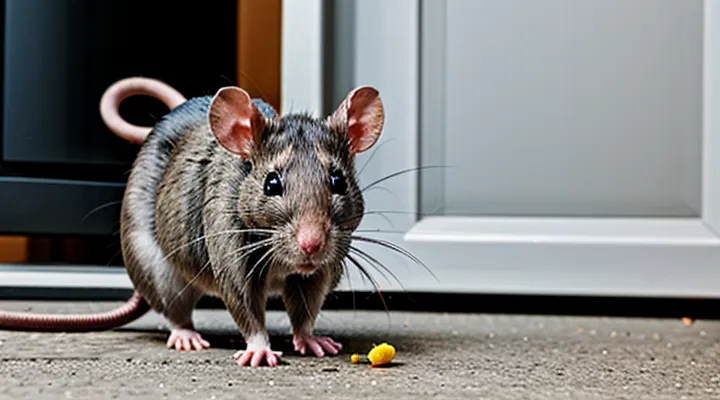
Understanding Rat Behavior
The Senses of a Rat
Olfactory Appeal
Olfactory appeal directly influences rat behavior, making scent the most reliable trigger for successful luring operations.
Effective attractants include:
- Natural foods: peanut butter, cheese, grain, dried fruit, meat scraps.
- Commercial baits: rodent‑specific pellets, flavored wax blocks.
- Synthetic cues: pheromone blends that mimic conspecific urine or glandular secretions.
Preparation guidelines:
- Use fresh ingredients; decomposition reduces potency.
- Combine attractants in a 2‑to‑1 ratio of fat‑based to protein‑based components for balanced odor profile.
- Store mixtures in airtight containers at 4 °C to preserve volatile compounds.
Application methods:
- Apply a thin layer of bait to a cotton pad, then position the pad inside a trap or near suspected pathways.
- Soak a small piece of fabric in the attractant solution, place it in a concealed corner, and replace every 48 hours.
- For larger areas, spray a diluted solution (1 % by volume) onto surfaces where rats travel, ensuring even coverage without oversaturation.
Safety and environmental notes:
- Avoid attractants containing toxic substances that could harm non‑target wildlife.
- Use gloves during handling to prevent cross‑contamination of human scent.
- Dispose of used bait according to local regulations to prevent accidental ingestion by pets or children.
Auditory Responses
Rats possess acute hearing that extends from roughly 200 Hz to 80 kHz, with peak sensitivity around 8–12 kHz. This auditory range allows them to detect subtle environmental cues, making sound an effective stimulus for attraction. When designing a lure, select frequencies that align with natural foraging or social signals, such as the high‑pitched chirps of conspecifics or the rustling of grain.
Effective auditory lures incorporate the following elements:
- Frequency selection – Use tones between 5 kHz and 12 kHz to match rat auditory peaks; avoid low‑frequency noises that may be masked by ambient sounds.
- Temporal pattern – Implement irregular intervals of 2–5 seconds to mimic natural activity and prevent habituation.
- Amplitude control – Maintain sound pressure levels between 50–70 dB SPL at the source; higher levels risk startling the animal, while lower levels may be inaudible.
- Source placement – Position speakers near potential shelter sites, such as burrow entrances or concealed corners, to direct the rat’s attention toward the target area.
- Sound type – Combine broadband rustling noises with brief conspecific vocalizations; the mixture enhances relevance and draws curiosity.
Playback devices must deliver consistent output and withstand field conditions. Battery‑operated ultrasonic emitters provide portability, while wired speakers ensure stable power for prolonged sessions. Calibrate each unit before deployment to verify frequency accuracy and volume. Record observations of rat responses—approach latency, investigation duration, and entry into the lure zone—to refine parameters and improve success rates.
Visual Cues
Visual cues serve as the primary stimulus for a rat’s exploratory behavior. Rats possess acute vision for detecting movement, contrast, and shape, especially in low‑light environments. Effective luring strategies therefore incorporate easily discernible objects that trigger curiosity and foraging instincts.
Key visual elements include:
- High‑contrast colors such as black on white or vice versa, which stand out against typical flooring and bedding.
- Simple geometric shapes (triangles, circles) that suggest food containers or nesting sites.
- Motion devices like rotating beads or gently swaying strips that mimic insect activity.
- Reflective surfaces positioned to catch ambient light, creating brief flashes that attract attention.
Placement of these cues should align with natural rat pathways. Position items near walls, behind furniture, or along established runways to increase the likelihood of detection. Ensure that visual stimuli are unobstructed and stable enough to avoid premature decay, which could reduce effectiveness.
Integrating visual cues with complementary sensory signals—such as scent baits or auditory rustles—enhances overall lure performance. The visual component remains the initial hook, drawing the rat into the targeted area where additional attractants can take effect.
Rat Habitats and Hiding Spots
Indoor Locations
Identify areas where rats naturally seek food, water, and shelter. These zones provide the highest probability of contact with bait or traps and should be the primary focus when setting up an indoor lure.
Typical indoor sites include:
- Kitchen countertops and under appliances where crumbs accumulate.
- Pantries or cabinets storing dry goods, especially those with openings.
- Basement corners near plumbing fixtures or drainage pipes.
- Utility rooms containing heating equipment, insulation, or electrical panels.
- Attic spaces with exposed wiring and stored materials.
- Indoor garages adjacent to trash bins or pet food containers.
Prepare each location by clearing excess debris, sealing large entry points, and placing bait or trap within one to two feet of anticipated rodent pathways. Maintain consistent placement for several days to allow rats to recognize the site as a reliable food source. Adjust positioning if activity does not appear within 48 hours, focusing on darker, less trafficked sections of the selected area.
Outdoor Locations
Effective rat-attracting strategies require careful selection of outdoor sites where rodents naturally seek food, shelter, and water. Identify areas with abundant refuse, such as dumpster zones, compost piles, and discarded produce. These locations provide a constant odor profile that draws rats from surrounding habitats.
Locate structural features that offer concealment and easy access. Underneath decks, within garden tool sheds, and along building foundations create safe pathways for rats to approach bait without exposure to predators. Ensure that these micro‑habitats remain undisturbed during the lure operation.
Consider environmental conditions that enhance bait potency. Moist ground near irrigation lines, low‑lying vegetation, and shaded patches retain scent longer than exposed surfaces. Position bait in these cooler, damp spots to maximize olfactory detection.
Key outdoor locations for rat luring:
- Dumpster perimeters and collection points
- Compost heaps with mixed organic material
- Garden edges adjacent to dense shrubbery
- Under‑deck spaces and utility sheds
- Low‑lying, shaded ground near water sources
Maintain regular inspection of each site, replace bait as needed, and monitor for rat activity to adjust placement and improve capture efficiency.
Preparing for Luring
Safety Measures
Personal Protection
When attempting to attract a rodent for capture or observation, personal safety must precede any baiting strategy. Direct contact with rats carries a risk of bites, scratches, and exposure to pathogens such as leptospirosis, hantavirus, and salmonella. Protective measures reduce these hazards and increase the likelihood of a successful operation.
Wear thick, puncture‑resistant gloves made of nitrile or leather to prevent skin breaches. Secure eye protection—safety glasses or goggles—to shield against sudden movements. A disposable, high‑visibility apron adds a barrier against droplet contamination and makes cleanup easier. If the environment is enclosed or poorly ventilated, employ a respirator or mask rated for particulate and aerosol protection; this limits inhalation of dust, urine, or fecal particles.
Prepare the lure area before introducing bait. Clear debris that could conceal the animal and create tripping hazards. Use a sturdy, anchored trap or enclosure to contain the rodent once it approaches. Position bait on a platform that minimizes direct handling; a small dish or tray reduces the need to touch the lure.
Maintain hygiene throughout the process. After each session, remove gloves and apron, place them in a sealed bag, and dispose of them according to local biohazard regulations. Wash hands thoroughly with antibacterial soap, even if gloves were worn. Disinfect surfaces that contacted the bait or the animal with a solution containing at least 0.5 % sodium hypochlorite or an EPA‑approved disinfectant.
Key safety steps:
- Dress in gloves, eye protection, and a disposable apron.
- Ensure adequate ventilation; use a respirator if needed.
- Clear the work area of obstacles and potential escape routes.
- Deploy bait on a non‑contact platform within a secure trap.
- Follow strict decontamination and waste disposal procedures after each encounter.
Adhering to these protocols protects the operator from injury and disease while supporting effective rodent attraction techniques.
Pet and Child Safety
When employing rat‑attracting methods in a household, protect pets and children by eliminating access to bait stations. Store all attractants in sealed containers placed out of reach of non‑target species. Use bait stations that lock securely, preventing accidental ingestion.
Identify areas where rodents travel and confine bait to those zones. Install physical barriers such as mesh screens or child‑proof locks on doors leading to infested spaces. Keep pets on leashes or in separate rooms while setting traps, and supervise any interaction with the environment.
Safety checklist:
- Keep all rat lures in locked cabinets.
- Choose tamper‑resistant bait stations.
- Position stations at least 3 feet above floor level.
- Verify that children cannot open or move the stations.
- Remove any leftover bait after the operation is complete.
- Inspect pets for signs of exposure and seek veterinary care immediately if ingestion is suspected.
Essential Tools and Materials
Traps
Effective rat capture begins with selecting a trap that matches the environment and target behavior. Choose devices that provide immediate immobilization, minimize escape risk, and allow easy disposal.
Common trap categories include:
- Snap traps: spring‑loaded jaws deliver lethal force within milliseconds.
- Live‑catch cages: hinged doors close once the rodent enters, preserving the animal for relocation.
- Glue boards: adhesive surfaces immobilize the rat, requiring prompt removal to prevent suffering.
- Electronic traps: voltage pulses incapacitate and kill instantly, reducing mess.
Bait choice directly influences lure success. Preferred attractants contain high protein or fat content, such as peanut butter, dried meat, or canned fish. Apply a pea‑sized amount to the trigger mechanism, ensuring the scent remains potent but does not obstruct operation.
Placement determines capture rate. Position traps along established runways, near walls, behind appliances, and close to food sources. Align the trigger side perpendicular to the wall to force the rat to encounter the mechanism while traveling. Secure traps to prevent displacement by other animals or human activity.
Safety precautions protect handlers and non‑target species. Wear gloves to avoid contaminating bait with human scent. Inspect each trap before deployment to confirm proper function. Remove captured rodents promptly, following local regulations for disposal or release.
Regular maintenance sustains effectiveness. Replace worn springs, refresh bait every 24–48 hours, and rotate trap locations to prevent habituation. Monitoring activity patterns allows adjustments to trap density and positioning, optimizing overall capture efficiency.
Bait Options
Effective bait selections determine success in rat attraction. Choose items that appeal to a rat’s strong sense of smell and preference for high‑calorie foods.
- Peanut butter: strong odor, sticky texture prevents quick removal.
- Soft cheese: aromatic, easily consumed, works well in cooler climates.
- Sunflower seeds or nuts: high fat content, attractive to foraging rodents.
- Fresh fruit pieces (apple, banana): sweet scent, suitable for short‑term setups.
- Commercial rodent bait blocks: formulated with attractants and, when needed, toxicants.
- Coconut or vegetable oil: slick surface discourages escape, enhances scent diffusion.
- Aromatic oils (e.g., peppermint, anise): potent volatile compounds trigger investigative behavior.
Match bait type to environment: indoor settings favor low‑mess, high‑odor options; outdoor areas benefit from weather‑resistant, durable baits. Rotate selections regularly to prevent habituation. Proper placement—along walls, near burrows, and in concealed stations—maximizes exposure and increases capture probability.
Luring Agents
Effective rat attraction relies on chemical and sensory cues that trigger foraging behavior. Selecting appropriate luring agents determines placement success, reduces non‑target exposure, and maximizes capture rates.
- Peanut butter – strong odor, high fat content; adheres to bait stations, resists spoilage for several days.
- Cereal grains – wheat, oats, corn; provide carbohydrate scent, easy to disperse in powder form.
- Fruit extracts – apple, banana, grape; emit volatile esters appealing to omnivorous rodents.
- Protein paste – canned fish or meat emulsions; supply nitrogen signal, useful when rats exhibit heightened protein demand.
- Synthetic pheromones – commercially prepared rat‑derived attractants; mimic natural urinary cues, enhance detection distance.
- Sugar‑based gels – glucose or sucrose matrices; maintain moisture, prolong scent release.
Application guidelines:
- Combine a primary attractant (e.g., peanut butter) with a secondary cue (e.g., fruit extract) to broaden sensory appeal.
- Apply a thin layer on the bait platform; excess material can deter exploration by creating barrier texture.
- Refresh luring agents every 48 hours in warm climates; colder conditions permit longer intervals.
- Store unused agents in airtight containers at low temperature to preserve volatile compounds and prevent mold growth.
Safety considerations:
- Keep protein pastes refrigerated until use; avoid leaving them at ambient temperature beyond recommended exposure time.
- Use synthetic pheromones according to manufacturer instructions; over‑application may cause habituation.
- Prevent access by pets or wildlife by sealing bait stations with lockable lids.
By matching agent selection to environmental conditions and rat activity patterns, practitioners achieve consistent attraction while minimizing waste and collateral interference.
Executing the Lure
Strategic Placement of Traps
High-Traffic Areas
Identify zones where rodents move regularly and concentrate bait placement there. High-traffic locations include:
- Kitchen countertops and pantry shelves where food residues accumulate.
- Under and behind appliances such as refrigerators, stoves, and dishwashers.
- Garbage disposal areas, especially near outdoor bins and indoor trash cans.
- Utility rooms containing water heaters, boiler units, and plumbing fixtures.
- Basement corners and crawl spaces with limited disturbance.
- Entry points near doors, windows, and ventilation ducts that rats use for access.
Place attractants directly on surfaces that rats traverse during foraging. Secure bait in shallow containers or attach it to cardboard strips to prevent spillage and maintain visibility. Rotate placement weekly to avoid bait aversion and to map movement patterns.
Maintain cleanliness in identified zones: remove crumbs, seal food containers, and eliminate standing water. Consistent sanitation reduces competition from alternative food sources, compelling rats to focus on the offered lure.
Monitor each high-traffic area with motion-activated cameras or sticky traps. Record capture rates, adjust bait type, and refine placement based on observed activity. Continuous data collection ensures the technique remains effective as rodent behavior adapts.
Hidden Pathways
Hidden pathways refer to concealed routes that rats naturally exploit when searching for food, shelter, or escape. Identifying these routes requires observing rodent movement patterns, noting cracks, gaps, and ventilation shafts that connect concealed areas to visible spaces. Mapping each passage reveals the most direct connection between the bait location and the rat’s preferred travel corridor.
Effective use of hidden pathways involves three steps:
- Locate entry points by inspecting walls, floors, and ceilings for openings larger than ½ inch.
- Trace the continuity of each opening to determine whether it leads to a known nesting zone or a high‑traffic corridor.
- Position bait within the pathway’s terminal zone, ensuring the scent travels outward along the same concealed route.
By aligning the lure with the rat’s innate navigation habits, the bait becomes an unobtrusive extension of the animal’s environment, prompting rapid discovery and engagement. This approach maximizes capture efficiency while minimizing disturbance to surrounding areas.
Baiting the Trap
Effective bait selection is the cornerstone of any rat‑capture operation. Choose attractants that match the rodent’s dietary preferences and local availability. Fresh foods such as peanut butter, dried fruit, or cooked meat release strong odors that stimulate foraging behavior. Synthetic lures containing rodent pheromones enhance detection when natural options are scarce.
Placement determines whether the bait will trigger an approach. Position the lure inside the trap’s trigger zone, ensuring it does not obstruct the mechanism. Align the trap with established runways or near walls, where rats habitually travel. Secure the bait to prevent displacement by wind or non‑target animals.
Timing influences bait efficacy. Replace perishable items every 24 hours to maintain scent potency. For cold climates, use insulated containers to preserve aroma. Monitor traps nightly; remove uneaten bait promptly to avoid contamination.
Typical bait choices:
- Peanut butter mixed with oats
- Dried fruit pieces (apricot, raisin)
- Cooked chicken or fish fragments
- Commercial rodent attractant gels
- Pheromone‑based synthetic lures
Implementing these practices maximizes the likelihood that a rat will engage the trap, leading to reliable capture results.
Effective Baiting Techniques
Scent Spreading
Scent spreading is a core component of any effective rodent-attraction strategy. The method relies on dispersing odor cues that trigger a rat’s foraging instincts, drawing the animal toward the baited area.
To prepare a scent solution, follow these steps:
- Select a strong, natural attractant such as peanut butter, anise oil, or dried cornmeal.
- Mix the attractant with a carrier medium (e.g., water, mineral oil) to achieve a thin, evenly distributed paste.
- Add a small amount of a volatile enhancer, like yeast or a commercial pheromone concentrate, to increase diffusion rate.
Application guidelines:
- Apply the mixture to a porous substrate (cloth, paper, or wood shavings) placed near the target entry point.
- Spread a thin layer across the surface, ensuring no clumps that could impede odor release.
- Reapply every 24 hours or after rain to maintain scent intensity.
Monitoring the spread pattern reveals the most active pathways. Adjust placement based on observed tracks, focusing on high‑traffic zones to maximize lure efficiency.
Quantity and Freshness
When setting bait for a rat, the amount and condition of the material directly affect capture success. Use a measured portion that saturates the target area without creating excess waste. Over‑loading the trap can deter a cautious rodent; under‑loading may fail to provide a detectable scent. A practical rule is to apply 0.5–1 gram of food per trap, adjusting for trap size and placement density.
Freshness of bait determines olfactory potency. Replace bait every 24 hours in warm environments; in cooler conditions, a 48‑hour interval suffices. Store unused portions in airtight containers to prevent desiccation and microbial growth, which diminish attractant strength. When possible, select perishable items such as fresh cheese, fruit, or meat, and avoid stale or dried alternatives.
Key considerations:
- Quantity: 0.5–1 g per trap; scale up proportionally with trap count.
- Freshness: Replace daily (warm) or every two days (cool); keep sealed when not in use.
- Selection: Prefer high‑protein, moist foods; discard any that show signs of spoilage.
Adhering to these guidelines maximizes the lure’s effectiveness while minimizing waste and non‑target interference.
Monitoring and Follow-Up
Regular Inspections
Regular inspections are a cornerstone of any effective rat-attraction strategy. Systematic monitoring of placement sites, bait condition, and environmental factors ensures that the lure remains viable and that the target species responds as intended. Neglecting these checks can result in bait degradation, reduced scent potency, and missed opportunities to adjust tactics based on observed activity.
Key elements of a disciplined inspection routine include:
- Visual assessment of bait stations for signs of tampering, weather damage, or contamination.
- Measurement of bait temperature and moisture levels to confirm optimal freshness.
- Documentation of rat tracks, droppings, or gnaw marks to gauge population response.
- Adjustment of bait type or placement density based on recorded activity patterns.
Conducting inspections at consistent intervals—ideally every 24 to 48 hours—provides timely data that informs immediate refinements. Recording observations in a standardized log facilitates trend analysis, enabling practitioners to predict peak activity periods and allocate resources efficiently. This disciplined approach maximizes lure effectiveness while minimizing waste and operational risk.
Re-baiting
Re‑baiting refers to the practice of replacing or augmenting bait after an initial placement has become ineffective. In rat attraction strategies, bait loses potency when it is partially consumed, contaminated by droppings, or when rats develop aversion after repeated exposure.
Effective re‑baiting addresses three primary conditions:
- Bait depletion: visible reduction in bait mass indicates the need for fresh material.
- Bait contamination: presence of urine, feces, or mold compromises scent strength.
- Rat avoidance: reduced capture rates over consecutive nights suggest learned avoidance.
Timing guidelines: replace bait every 24–48 hours in high‑traffic areas; extend intervals to 72 hours where activity is low. Conduct inspections at consistent times to detect early signs of bait failure.
Bait selection influences re‑baiting frequency. Use high‑fat, protein‑rich options such as peanut butter, bacon grease, or commercial rodent attractants. Position bait on the underside of the trap or in a shallow dish to limit spillage. Rotate flavors weekly to prevent habituation.
Safety and monitoring: wear gloves when handling bait to avoid contaminating scent trails. Record placement dates, bait type, and capture outcomes in a log. Adjust re‑baiting schedule based on documented trends rather than anecdotal observations.
Post-Lure Actions
After the bait has attracted the rodent, immediate actions determine whether the encounter ends in successful capture, humane removal, or persistent infestation. Prompt, systematic measures secure the animal, minimize health risks, and eliminate future attraction.
- Contain the area – close doors and windows, turn off ventilation, and block alternative escape routes.
- Observe without disturbance – maintain visual contact from a safe distance to confirm the rat’s position and behavior.
- Apply the capture method – engage the trap, net, or enclosure precisely when the rodent contacts the bait, ensuring a quick, humane restraint.
- Handle the captured animal – wear disposable gloves, place the rat in a sealed container, and label for disposal or relocation according to local regulations.
- Sanitize the site – remove residual bait, clean surfaces with a disinfectant, and discard contaminated materials in sealed bags.
- Inspect for signs of additional activity – look for droppings, gnaw marks, or fresh pathways; repeat the lure‑capture cycle if needed.
- Implement preventive measures – seal entry points, store food in airtight containers, and maintain regular cleaning schedules to deter re‑infestation.