
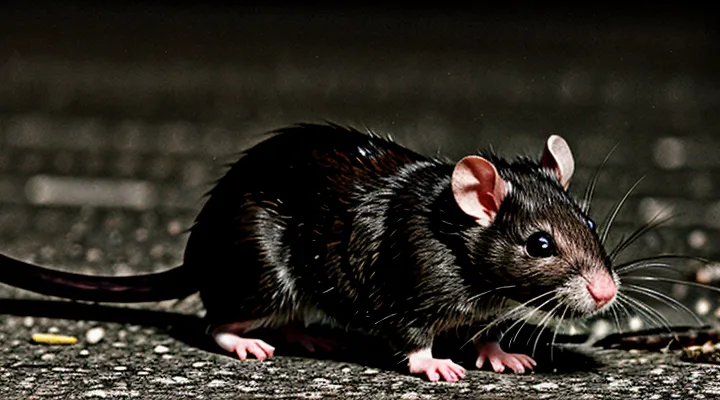
Understanding Rat Eye Anatomy and Health
Normal Rat Eye Appearance
A typical laboratory rat eye exhibits a compact globe measuring approximately 5–6 mm in horizontal diameter. The cornea is transparent, smooth, and lightly convex, permitting clear passage of light. Directly behind the cornea lies the avascular lens, which appears pale‑white and maintains a spherical shape essential for focusing. The iris is pigmented, ranging from dark brown to black, and encircles a centrally positioned pupil that dilates to a diameter of 1–2 mm under low‑light conditions. The sclera is thin and whitish, covered by a thin, loosely attached conjunctival membrane that presents a pinkish hue due to underlying vasculature. Upper and lower eyelids are short, equipped with fine, tactile vibrissae that aid in protection and environmental sensing. A thin tear film coats the ocular surface, providing lubrication and antimicrobial activity.
Key visual characteristics of a healthy rat eye include:
- Transparent cornea without edema or opacities
- Clear, intact lens with no cataract formation
- Uniformly pigmented iris and responsive pupil
- Thin, whitish sclera with smooth conjunctival covering
- Absence of blood vessels on the corneal surface
- Balanced tear film maintaining a glossy appearance
Deviation from these parameters—such as conjunctival redness, corneal clouding, or intra‑ocular hemorrhage—signals pathological processes that may culminate in ocular bleeding. Recognizing the baseline appearance is essential for diagnosing and managing such conditions.
Common Rat Eye Problems
Redness and Irritation
Redness and irritation often accompany ocular hemorrhage in rats, indicating inflammation, vascular disruption, or secondary infection. The appearance of a bright, swollen conjunctiva, coupled with tearing or discharge, signals an acute response that can progress to tissue damage if untreated.
Common etiologies include:
- Traumatic injury to the cornea or sclera, causing capillary rupture.
- Chemical exposure, particularly irritants such as ammonia or phenol, which compromise epithelial integrity.
- Infectious agents (e.g., Staphylococcus spp., Pseudomonas spp.) that provoke inflammatory exudate.
- Systemic disorders like hypertension or coagulopathies that predispose to spontaneous bleeding.
- Allergic reactions to bedding material, feed additives, or environmental dust.
Effective management follows a three‑step protocol:
- Immediate decontamination – flush the eye with sterile isotonic saline to remove irritants and reduce bacterial load.
- Anti‑inflammatory therapy – apply topical corticosteroids (e.g., dexamethasone 0.1 %) or non‑steroidal agents to suppress edema and vascular leakage; dosage must be calibrated to avoid delayed wound healing.
- Antimicrobial coverage – use broad‑spectrum ophthalmic antibiotics (e.g., ofloxacin 0.3 %) for at least five days, adjusting based on culture results.
Supportive care includes maintaining a humidified environment, providing analgesics such as meloxicam to alleviate discomfort, and monitoring intra‑ocular pressure to detect secondary glaucoma. Early intervention limits permanent scarring and preserves visual function in affected rodents.
Discharge and Swelling
Discharge and swelling around the eyes are common clinical signs accompanying ocular hemorrhage in rodents. They may appear as clear, mucoid, or purulent exudate and are frequently accompanied by periorbital edema. The presence of these signs often indicates an underlying inflammatory or infectious process that can exacerbate retinal bleeding.
Typical etiologies include:
- Traumatic injury – blunt force or penetrating wounds disrupt vascular integrity, leading to blood leakage and secondary inflammation.
- Bacterial or fungal infection – pathogens invade the conjunctiva or sclera, producing purulent discharge and edema.
- Allergic reaction – hypersensitivity to environmental agents triggers vasodilation and exudation.
- Systemic disease – coagulopathies, hypertension, or hepatic dysfunction increase bleeding tendency and fluid accumulation.
- Foreign bodies – lodged particles irritate ocular tissues, prompting inflammatory discharge.
Accurate assessment requires:
- Visual inspection of discharge color, consistency, and volume.
- Palpation of periorbital tissue to gauge edema severity.
- Cytological analysis of exudate for microbial identification.
- Complete blood count and coagulation profile to detect systemic contributors.
Therapeutic measures focus on eliminating the source of inflammation and controlling hemorrhage:
- Topical broad‑spectrum antibiotics applied twice daily for bacterial infections.
- Antifungal eye drops when fungal elements are identified.
- Non‑steroidal anti‑inflammatory eye drops to reduce swelling without impairing clot formation.
- Systemic analgesics and anti‑edematous agents for severe periorbital swelling.
- Surgical debridement or drainage for persistent purulent collections.
- Supportive care, including ocular lubricants and environmental humidity control, to prevent secondary drying and further irritation.
Prompt intervention based on these guidelines limits progression of ocular bleeding, minimizes tissue damage, and promotes recovery of visual function.
Identifying Blood in a Rat’s Eye
What Blood in the Eye Looks Like
Bright Red Blood
Bright red blood observed in the ocular region of laboratory rats signals active hemorrhage within the eye. The coloration indicates arterial flow, suggesting that the source is a ruptured vessel rather than a slow venous leak.
Common causes
- Traumatic injury to the globe or surrounding tissues
- Hypertensive spikes induced by anesthesia or stress
- Coagulopathy caused by genetic mutations or anticoagulant exposure
- Infectious agents that damage vascular endothelium, such as Streptococcus spp. or Pseudomonas aeruginosa
- Neoplastic growths infiltrating the retinal or choroidal vasculature
Diagnostic approach
- Visual inspection with a stereomicroscope to assess hemorrhage extent
- Fundoscopic examination to locate intra‑retinal or sub‑retinal bleeding
- Blood pressure monitoring to detect systemic hypertension
- Laboratory analysis of clotting parameters (PT, aPTT, platelet count)
- Microbial culture of ocular secretions when infection is suspected
Treatment protocol
- Immediate application of a sterile ocular compress to reduce swelling
- Systemic antihypertensive agents (e.g., labetalol) if blood pressure exceeds normal ranges
- Intravenous vitamin K or plasma transfusion for confirmed coagulopathy
- Topical broad‑spectrum antibiotics administered every 4 hours for bacterial involvement
- Surgical intervention (vitrectomy or laser photocoagulation) for persistent or sight‑threatening hemorrhage
Monitoring includes daily ocular photography, repeat fundus imaging after 48 hours, and continuous assessment of systemic parameters. Prompt identification of the underlying cause and targeted therapy markedly improve ocular recovery and reduce mortality risk in affected rodents.
Dark Red or Clotted Blood
Dark red or clotted blood observed in a rat’s ocular region signals an acute hemorrhagic event. Common origins include blunt trauma, intra‑orbital vessel rupture, severe hypertension, coagulopathy, and infectious agents that compromise vascular integrity. In laboratory settings, accidental cage injury or handling stress often precipitates the condition, while in wild populations, predator encounters or environmental toxins are frequent triggers.
Diagnostic assessment begins with a thorough visual inspection, followed by slit‑lamp examination to determine the extent of intra‑ocular versus peri‑ocular accumulation. Hematological analysis—complete blood count, coagulation profile, and serum biochemistry—identifies systemic abnormalities. Imaging, such as high‑resolution ultrasound or micro‑CT, clarifies the presence of retinal detachment or orbital hematoma.
Treatment protocol comprises immediate stabilization and targeted therapy:
- Apply gentle ocular compression with sterile gauze to limit further blood spread.
- Administer analgesics (e.g., buprenorphine) to manage pain.
- Use anti‑inflammatory agents (e.g., dexamethasone) to reduce edema and limit secondary damage.
- If coagulopathy is detected, correct with vitamin K, plasma transfusion, or specific clotting factor concentrates.
- Treat underlying infections with appropriate antibiotics after culture results.
- Monitor intra‑ocular pressure regularly; intervene with topical or systemic agents if pressure rises.
Prognosis depends on hemorrhage volume, location, and timeliness of intervention. Prompt, systematic care maximizes visual preservation and overall survival.
Differentiating from Porphyrin Staining
Characteristics of Porphyrin
Porphyrins are tetrapyrrolic macrocycles that bind metal ions to form biologically active complexes. The core consists of four pyrrole rings linked by methine bridges, creating a planar, conjugated system that absorbs strongly in the visible spectrum.
Key physicochemical traits include:
- Deep red or brown coloration in solid form, caused by extensive delocalized π‑electron cloud.
- High fluorescence, with excitation peaks near 400 nm and emission around 630 nm, useful for analytical detection.
- Limited solubility in water, but readily soluble in organic solvents such as dimethyl sulfoxide, ethanol, and acetone.
- Strong affinity for metal cations; iron insertion yields heme, while magnesium produces chlorophyll.
Biologically, porphyrins serve as prosthetic groups in hemoglobin, myoglobin, cytochromes, and catalases. In rodents, excess porphyrin is excreted through the Harderian gland, accumulating in tear fluid. The resulting secretion appears as a reddish-brown film around the eyes, often mistaken for hemorrhage.
Diagnostic relevance stems from the ability to differentiate porphyrin staining from true ocular bleeding. Spectrophotometric or fluorometric assays detect the characteristic absorption and emission signatures, confirming porphyrin presence without invasive sampling.
Therapeutic considerations focus on eliminating the source of porphyrin overproduction. Strategies include:
- Reducing environmental stressors that stimulate Harderian gland activity.
- Treating underlying infections or metabolic disorders that elevate porphyrin synthesis.
- Applying gentle ocular lavage with sterile saline to remove existing pigment deposits.
Accurate identification of porphyrin staining prevents unnecessary interventions aimed at hemorrhagic conditions and guides appropriate management of the animal’s health.
Location of Porphyrin Stains
Porphyrin, a reddish‑brown pigment secreted by the lacrimal glands, accumulates on the fur and skin of rodents when ocular discharge intensifies. The stain’s distribution provides clues about the underlying cause of the red‑eye condition and guides therapeutic decisions.
Typical deposition sites include:
- The periorbital region, where the pigment coats the whisker pads and the skin surrounding the eyes.
- The ventral surface of the nose and the upper lip, reflecting the flow of tear fluid along the facial contour.
- The forepaws and hind‑paws, especially the pads, where rats groom and spread the pigment.
- The dorsal coat near the shoulders and neck, indicating extensive self‑grooming.
- The tail base, where residual fluid can collect during prolonged distress.
The concentration of porphyrin varies with the severity of the ocular irritation. Light‑colored rats display more conspicuous stains, while dark‑fur strains may conceal them, requiring close visual inspection under adequate lighting. The presence of stains on the paws or tail often signals chronic stress or systemic illness, whereas confinement to the periorbital area suggests a localized ocular pathology such as conjunctivitis or trauma.
Accurate identification of these locations assists in differentiating between physiological tear production, stress‑induced over‑secretion, and pathological hemorrhage. Targeted treatment—ranging from environmental enrichment to antimicrobial eye drops—should be directed according to the pattern and extent of porphyrin deposition.
Causes of Blood in a Rat’s Eye
Trauma and Injury
Direct Impact
Blood accumulation in a rat’s ocular chambers produces immediate visual obstruction. The presence of hemoglobin within the anterior or posterior segment blocks light transmission, resulting in reduced visual acuity or complete blindness. This impairment compromises the animal’s ability to navigate its environment, locate food, and avoid hazards, leading to rapid weight loss and heightened stress levels.
The direct physiological consequences extend to intra‑ocular pressure. Hemorrhage elevates pressure by occupying space within the vitreous body, which can damage retinal vessels and optic nerve fibers. Persistent pressure elevation accelerates retinal detachment and may cause irreversible optic neuropathy.
In experimental settings, ocular bleeding introduces confounding variables. Studies relying on visual cues, behavioral assays, or neurological assessments become unreliable because the animal’s sensory input is altered. Data on learning, memory, or motor coordination may be skewed, rendering results invalid without corrective measures.
Immediate intervention mitigates these effects. Effective treatment includes:
- Prompt ocular drainage to relieve pressure.
- Administration of anti‑inflammatory agents to reduce edema.
- Use of vasoconstrictive eye drops to limit further bleeding.
- Post‑procedure monitoring of intra‑ocular pressure and visual response.
Timely management restores visual function, stabilizes physiological parameters, and preserves the integrity of experimental data. Failure to address the condition results in progressive tissue damage, loss of experimental validity, and ethical concerns regarding animal welfare.
Scratches from Cagemates
Scratches inflicted by cage‑mate rats are a frequent source of ocular bleeding. The trauma creates superficial lacerations of the cornea or conjunctiva, rupturing small vessels and producing a red or hemorrhagic appearance in the eye. Immediate signs include localized swelling, tearing, and a darkening of the scleral surface. If untreated, inflammation can progress, leading to secondary infection or impaired vision.
Accurate assessment requires gentle restraint, illumination of the eye, and inspection for linear marks or abrasions. A veterinary ophthalmic exam may reveal epithelial disruption and pinpoint the origin of the bleed. Differentiating scratch‑induced hemorrhage from systemic causes—such as hypertension or coagulopathy—prevents unnecessary interventions.
Treatment protocol:
- Flush the ocular surface with sterile saline to remove debris.
- Apply a topical antibiotic ointment to reduce bacterial colonization.
- Use a short‑acting corticosteroid eye drop, if inflammation is pronounced, under veterinary supervision.
- Monitor for resolution of discoloration and reduction of swelling over 24‑48 hours.
- Re‑examine after three days; if bleeding persists, consider a referral for corneal suturing or deeper ocular assessment.
Preventive measures include providing adequate space, enrichment items, and regular health checks to minimize aggressive encounters. Housing compatible strains and monitoring social hierarchies further reduce the risk of scratch‑related eye injuries.
Foreign Objects
Ocular hemorrhage in rats often results from the intrusion of foreign material into the eye. Small particles such as dust, seed fragments, or fragments of cage hardware can penetrate the cornea or conjunctiva, damaging delicate blood vessels and producing visible blood in the ocular region. Rapid identification of the offending object is essential for preventing secondary infection and minimizing tissue damage.
Typical sources of intruding material include:
- Environmental debris (dry bedding, pollen)
- Mechanical fragments (plastic cage components, metal wires)
- Biological remnants (hair, fur clumps)
Effective management follows a structured protocol:
- Perform a thorough ocular examination using magnification to locate the object.
- Remove the foreign body with sterile forceps or a micro‑suction device, taking care to avoid further vascular injury.
- Irrigate the eye with sterile saline to clear residual particles and reduce inflammation.
- Apply a broad‑spectrum topical antibiotic to prevent bacterial colonization.
- Monitor for signs of persistent bleeding or infection; if hemorrhage continues, consider systemic anti‑inflammatory medication or referral to a veterinary ophthalmologist for advanced intervention.
Prompt removal and appropriate post‑procedural care typically restore normal ocular appearance and function, reducing the risk of chronic complications.
Infections
Bacterial Infections
Bacterial infections are a frequent cause of ocular hemorrhage in laboratory rats. Pathogens invade the conjunctival, corneal, or intra‑orbital tissues, disrupt vascular integrity, and produce visible blood in the eyes. The most commonly isolated bacteria include:
- Streptococcus pneumoniae – induces severe conjunctivitis and capillary rupture.
- Staphylococcus aureus – penetrates corneal epithelium, leading to ulceration and hemorrhage.
- Pseudomonas aeruginosa – thrives in moist environments, causing rapid tissue necrosis and bleeding.
- Klebsiella pneumoniae – associated with suppurative keratitis and intra‑ocular bleeding.
Infection typically follows breaches in the ocular surface, such as scratches, contaminated bedding, or aerosol exposure. Bacterial toxins trigger inflammation, increase vascular permeability, and damage retinal vessels, resulting in blood accumulation within the anterior chamber or subconjunctival space.
Accurate diagnosis requires:
- Clinical examination to document hemorrhagic patterns and accompanying discharge.
- Microbiological culture of ocular swabs to identify the causative organism.
- Histopathology when systemic spread is suspected.
Effective treatment combines antimicrobial therapy with supportive measures. Recommended protocols involve:
- Systemic administration of a broad‑spectrum antibiotic (e.g., enrofloxacin 10 mg/kg subcutaneously every 24 h) until culture results permit de‑escalation.
- Topical antibiotic eye drops (e.g., gentamicin 0.3 % drops, q6h) to achieve high local concentrations.
- Anti‑inflammatory agents (e.g., dexamethasone eye ointment) applied cautiously to reduce edema without impairing bacterial clearance.
- Maintenance of a sterile environment, regular bedding changes, and monitoring of water quality to prevent reinfection.
Prompt intervention limits tissue damage, reduces the risk of permanent visual impairment, and prevents dissemination to other organ systems. Continuous observation of ocular status and periodic re‑culturing ensure therapeutic success and guide adjustments in antimicrobial selection.
Viral Infections
Viral infections are a frequent cause of ocular hemorrhage in laboratory rats. Certain rodent‑specific viruses, such as Sendai virus, rat coronavirus (RCV), and rat parvovirus, infect the conjunctival and retinal vasculature, leading to endothelial damage, increased permeability, and subsequent blood leakage into the anterior chamber or vitreous humor.
Clinical presentation includes sudden onset of red or blood‑filled eyes, reduced visual response, and possible discharge. Laboratory evaluation should combine:
- Polymerase chain reaction (PCR) targeting viral genomes in ocular swabs or tissue samples.
- Histopathological examination of eye sections for necrotizing vasculitis and hemorrhagic foci.
- Serological assays detecting virus‑specific antibodies to confirm exposure.
Therapeutic strategies focus on controlling viral replication and supporting ocular health:
- Antiviral agents: Ribavirin or favipiravir administered systemically have demonstrated efficacy against several rodent viruses, reducing viral load and limiting vascular injury.
- Anti‑inflammatory medication: Topical corticosteroids mitigate secondary inflammation but must be balanced against potential immunosuppression.
- Supportive care: Isotonic ocular lubricants and, when necessary, intra‑ocular pressure‑lowering drops prevent secondary complications such as glaucoma.
Preventive measures include strict quarantine of new arrivals, regular PCR screening of colony animals, and maintenance of barrier housing to limit viral spread. Prompt identification and targeted treatment reduce morbidity and preserve experimental integrity in research facilities.
Fungal Infections
Fungal pathogens are a recognized cause of ocular hemorrhage in laboratory rats. Species such as Aspergillus fumigatus, Candida albicans, and Cryptococcus neoformans can invade the orbital tissues, breach the retinal vessels, and produce blood accumulation in the anterior chamber. Infection typically follows exposure to contaminated bedding, feed, or aerosolized spores, and may be exacerbated by immunosuppression or poor husbandry conditions.
Clinical signs include unilateral or bilateral periocular swelling, reduced visual response, and visible blood in the cornea or vitreous body. Microscopic examination of ocular smears frequently reveals hyphal fragments or yeast cells, while culture on Sabouraud dextrose agar confirms the organism. Polymerase chain reaction assays provide rapid species identification, facilitating targeted therapy.
Effective management requires both antifungal medication and supportive care. Recommended interventions are:
- Systemic administration of itraconazole (5 mg/kg, orally, once daily) for 14 days.
- Intravitreal injection of amphotericin B (5 µg in 0.1 ml) if intraocular infection is confirmed.
- Topical natamycin eye drops (5 %, three times daily) to reduce surface colonization.
- Environmental decontamination: replace bedding, sterilize feed, and improve ventilation to prevent re‑exposure.
- Monitoring of renal and hepatic parameters throughout treatment to detect drug toxicity.
Prognosis improves markedly when therapy begins within 48 hours of symptom onset. Delayed intervention often results in irreversible retinal damage and permanent visual loss. Regular health surveillance and prompt diagnostic work‑up are essential to mitigate the impact of fungal ocular disease in rat colonies.
Underlying Health Conditions
Tumors and Growths
Tumor formation within the orbit or ocular tissues frequently produces intra‑ocular hemorrhage in laboratory rats. Neoplastic growths such as optic nerve gliomas, melanomas of the uveal tract, and metastatic sarcomas infiltrate vascular structures, disrupting endothelial integrity and leading to blood accumulation visible in the anterior chamber and vitreous body. Rapid expansion of a mass raises intratumoral pressure, compresses surrounding veins, and induces venous congestion, all of which contribute to hemorrhagic leakage.
Diagnostic evaluation begins with a thorough ophthalmic examination under sedation, followed by high‑resolution ultrasonography to identify solid lesions, cystic components, and fluid collections. Magnetic resonance imaging provides detailed soft‑tissue contrast, allowing differentiation between benign hyperplastic nodules and malignant neoplasms. Histopathological analysis of biopsy samples confirms tumor type, grade, and vascular involvement, guiding therapeutic decisions.
Treatment options include:
- Surgical excision: indicated for well‑circumscribed, accessible tumors; requires microsurgical techniques to preserve surrounding ocular structures.
- Radiation therapy: external beam or stereotactic radiosurgery targets infiltrative lesions while minimizing damage to healthy tissue.
- Chemotherapy: agents such as doxorubicin, vincristine, or temozolomide are employed for systemic or locally advanced neoplasms; dosing follows established rodent oncology protocols.
- Supportive care: topical anti‑inflammatory drops, systemic corticosteroids, and iron‑binding agents reduce secondary inflammation and limit further bleeding.
Prognosis depends on tumor histology, size, and location. Benign growths with complete resection often resolve hemorrhage within weeks, whereas high‑grade malignancies exhibit recurrent bleeding and may necessitate repeated interventions. Early detection and precise characterization of ocular tumors are essential for effective management of blood accumulation in rat eyes.
Hypertension
Hypertension elevates systemic arterial pressure, which directly stresses the delicate retinal and choroidal vessels of laboratory rats. Persistent pressure overload compromises endothelial integrity, leading to micro‑ruptures that manifest as blood accumulation in the ocular fundus.
Increased vascular resistance reduces perfusion efficiency, causing hypoxic stress that further weakens vessel walls. The resulting hemorrhagic lesions appear as dark spots in the retina and may extend into the vitreous cavity, impairing visual function and serving as a measurable indicator of cardiovascular strain in experimental models.
Diagnostic indicators
- Systolic blood pressure exceeding 150 mm Hg (tail‑cuff or telemetry readings)
- Fundoscopic observation of retinal dot or flame hemorrhages
- Optical coherence tomography showing sub‑retinal fluid pockets
- Histological confirmation of extravasated erythrocytes in ocular tissue
Therapeutic measures
- Administration of ACE inhibitors (e.g., enalapril) to lower systemic pressure
- Calcium‑channel blockers (e.g., amlodipine) to reduce vascular tone
- Diuretics (e.g., hydrochlorothiazide) for volume control
- Continuous monitoring of blood pressure with automated devices
- Adjustment of diet to limit sodium intake and provide omega‑3 fatty acids
- Regular ophthalmic examinations to track hemorrhage resolution
Effective blood‑pressure control reduces the incidence and severity of ocular bleeding, thereby improving both visual outcomes and the reliability of rat models used to study vascular pathology.
Coagulation Disorders
Ocular hemorrhage in rodents often signals underlying disturbances in the clotting cascade. Deficiencies in clotting factors, platelet dysfunction, or excessive fibrinolysis can compromise vascular integrity, allowing blood to accumulate in the retinal and anterior chamber compartments. Laboratory evaluation should include prothrombin time, activated partial thromboplastin time, platelet count, and assays for specific factor activities to differentiate between intrinsic and extrinsic pathway defects.
Genetic models of hemophilia A and B, as well as induced thrombocytopenia, reproduce the characteristic red discoloration of the eyes observed in experimental studies. These models demonstrate that reduced thrombin generation directly correlates with the severity of intra‑ocular bleeding, confirming the mechanistic link between coagulation impairment and ocular pathology.
Therapeutic intervention focuses on restoring hemostasis and limiting secondary tissue damage. Recommended measures are:
- Replacement therapy with plasma‑derived or recombinant clotting factor concentrates appropriate to the identified deficiency.
- Administration of antifibrinolytic agents such as tranexamic acid to stabilize formed clots.
- Platelet transfusion or thrombopoietic agents when platelet counts fall below functional thresholds.
- Supportive care including ocular lubrication, intra‑ocular pressure monitoring, and, if necessary, surgical evacuation of large hemorrhages.
Prompt correction of the coagulation abnormality, combined with vigilant ophthalmic monitoring, reduces the likelihood of permanent visual impairment and improves overall experimental outcomes.
Glaucoma
Glaucoma in laboratory rats is a progressive optic neuropathy characterized by elevated intra‑ocular pressure (IOP) that can compromise retinal vessels and produce intra‑ocular hemorrhage. Persistent IOP elevation disrupts the blood‑retinal barrier, allowing blood to accumulate in the anterior chamber and vitreous, which is frequently observed as red discoloration of the eye.
Common mechanisms that raise IOP and precipitate ocular bleeding include:
- Obstruction of the trabecular meshwork by inflammatory cells or debris.
- Congenital malformation of the drainage angle leading to impaired aqueous outflow.
- Chronic administration of corticosteroids that alter aqueous dynamics.
- Age‑related degeneration of ciliary body structures reducing fluid turnover.
Clinical assessment relies on tonometry to quantify IOP, slit‑lamp examination to detect hyphema or vitreous hemorrhage, and ophthalmoscopy for optic nerve head evaluation. Electroretinography may reveal functional loss before structural changes become apparent.
Therapeutic interventions aim to lower IOP and stabilize vascular integrity:
- Topical carbonic anhydrase inhibitors (e.g., dorzolamide) to reduce aqueous production.
- β‑adrenergic antagonists (e.g., timolol) for additional pressure control.
- Prostaglandin analogues to enhance uveoscleral outflow.
- Systemic carbonic anhydrase inhibitors (acetazolamide) when topical therapy is insufficient.
- Surgical procedures such as trabeculectomy or laser iridotomy for refractory cases.
Monitoring schedules should include weekly IOP measurements and periodic fundoscopic imaging to track disease progression and treatment efficacy. Prompt identification and management of glaucoma are essential to prevent irreversible visual loss and to mitigate ocular hemorrhage in rat models.
Diagnosis of Ocular Hemorrhage
Veterinary Examination
Visual Inspection
Visual inspection serves as the first diagnostic step when a rat presents with ocular hemorrhage. Direct observation of the eye reveals the location, extent, and character of the blood. Clear identification of subconjunctival, intra‑retinal, or anterior chamber bleeding guides subsequent interventions.
During examination, the observer should employ a magnifying lens or low‑power stereomicroscope to assess the following features:
- Color intensity (bright red versus dark clotted blood) indicating acute versus chronic bleeding.
- Distribution pattern (localized spot versus diffuse spread) suggesting trauma or systemic vascular rupture.
- Presence of accompanying signs such as swelling, discharge, or pupil irregularities that may signal infection or intraocular pressure changes.
The animal must be lightly restrained to minimize stress while maintaining a stable visual field. Adequate illumination, preferably using a fiber‑optic light source, prevents glare and enhances contrast. Photographic documentation under standardized lighting conditions provides a reference for monitoring progression and for communication with veterinary specialists.
Interpretation of visual findings integrates with laboratory data (e.g., coagulation profiles, blood pressure measurements) to pinpoint underlying causes—traumatic injury, hypertension, clotting disorders, or toxic exposure. When blood is confined to the conjunctiva and the rat remains otherwise healthy, conservative management, including topical antibiotics and anti‑inflammatory drops, may suffice. Conversely, intraocular hemorrhage accompanied by pupil distortion or reduced responsiveness warrants immediate ophthalmic consultation and possible surgical drainage.
In summary, meticulous visual inspection supplies essential information on the nature of ocular bleeding in rats, informs differential diagnosis, and determines the urgency and type of therapeutic action required.
Ophthalmoscopy
Ophthalmoscopy provides direct visualization of the retinal and choroidal vasculature, allowing clinicians to detect intra‑ocular bleeding in laboratory rats. The procedure employs a handheld or slit‑lamp ophthalmoscope equipped with a light source and a series‑of lenses that focus the image onto the examiner’s eye. Proper dilatation of the pupil with tropicamide or phenylephrine improves image clarity and expands the observable field.
During examination, the observer looks for the following signs:
- Red or dark patches on the retina indicating sub‑retinal or intraretinal hemorrhage.
- Vitreous opacity caused by blood infiltration.
- Altered optic disc coloration suggesting papilledema or vascular congestion.
- Presence of microaneurysms or neovascular tufts that may precede bleeding.
Interpretation of these findings guides the identification of underlying mechanisms, such as trauma, hypertension, coagulopathy, or infectious agents. When hemorrhage is confirmed, treatment decisions follow a hierarchy:
- Stabilize systemic parameters (blood pressure, coagulation profile).
- Apply local anti‑inflammatory or anti‑angiogenic agents if neovascularization is evident.
- Consider surgical evacuation of vitreous blood only when visual obstruction threatens experimental outcomes.
Repeated ophthalmoscopic assessments track the progression or resolution of bleeding, informing adjustments to therapeutic protocols. Proper technique, including sedation to minimize movement and the use of a high‑resolution device, ensures reliable data collection for research focused on ocular pathology in rats.
Tonometry
Tonometry measures intra‑ocular pressure (IOP) by applying a calibrated force to the cornea and recording the resulting deformation. The technique provides a quantitative index of ocular health that can differentiate between pressure‑related and hemorrhagic pathologies in laboratory rodents.
In rats presenting with anterior ocular bleeding, tonometric data help identify whether the hemorrhage is accompanied by secondary IOP elevation, which may indicate hyphema‑induced blockage of the trabecular meshwork or early glaucoma. Conversely, markedly reduced IOP can signal extensive retinal detachment or severe intra‑ocular fluid loss.
Suitable tonometric methods for small rodents include:
- Rebound tonometry – rapid, contact‑free, compatible with awake or lightly sedated animals.
- Applanation tonometry – requires a calibrated probe and topical anesthesia, yields high precision.
- Indentation tonometry – less common, useful for comparative studies with larger species.
Accurate measurements demand consistent anesthesia depth to avoid reflexive ocular changes, regular calibration of the probe against a known pressure standard, and careful alignment of the device with the central cornea. Repeated readings (minimum three per eye) should be averaged to minimize variability.
Interpretation follows established rodent IOP ranges (10–20 mm Hg). Values above this window suggest obstruction of aqueous outflow; values below may reflect compromised ocular integrity. Correlating tonometric results with ophthalmoscopic findings refines differential diagnosis.
Monitoring IOP before, during, and after therapeutic interventions—such as surgical evacuation of blood, topical anti‑inflammatory agents, or systemic pressure‑lowering drugs—provides objective evidence of treatment efficacy and guides dosage adjustments. Consistent tonometric tracking thus supports both acute management and long‑term outcome assessment in rats with ocular hemorrhage.
Diagnostic Tests
Blood Tests (CBC, Coagulation Profile)
Blood tests are essential for diagnosing the underlying mechanisms of ocular hemorrhage in laboratory rats and for directing therapeutic decisions. A complete blood count (CBC) provides quantitative data on red cells, white cells, and platelets. Red blood cell indices reveal anemia that may result from chronic bleeding, while leukocyte different‑turn counts indicate inflammatory or infectious processes that can compromise vascular integrity. Platelet numbers assess the capacity for primary hemostasis; thrombocytopenia suggests a reduced ability to form clots at the site of retinal or conjunctival bleeding.
The coagulation profile evaluates the secondary hemostatic cascade. Prothrombin time (PT) and activated partial thromboplastin time (aPTT) measure the functionality of extrinsic and intrinsic pathways, respectively. Prolonged values point to deficiencies in clotting factors or the presence of anticoagulant substances. Fibrinogen concentration reflects the availability of the final substrate for clot formation; low levels may accompany disseminated intravascular coagulation or severe liver dysfunction.
Interpretation of these results guides treatment selection:
- Normal CBC with isolated thrombocytopenia → platelet transfusion or thrombopoietic agents.
- Elevated white‑cell count with neutrophilia → antimicrobial therapy targeting suspected infection.
- Prolonged PT/aPTT → vitamin K administration, plasma transfusion, or specific factor concentrates.
- Low fibrinogen → cryoprecipitate or fibrinogen concentrate.
Serial testing monitors response to interventions, allowing dosage adjustments and early detection of complications such as secondary hemorrhage or coagulopathy.
Imaging (X-rays, Ultrasound)
Imaging techniques are indispensable for evaluating intra‑ocular bleeding in laboratory rats and guiding therapeutic decisions. Conventional radiography can detect dense hemorrhagic deposits when they cause sufficient attenuation, especially in cases of severe vitreous or retinal blood accumulation. Radiographic assessment offers rapid visualization, low equipment cost, and compatibility with routine animal housing setups. Limitations include poor soft‑tissue contrast and inability to resolve fine vascular structures.
Ultrasound provides real‑time, high‑resolution images of the anterior and posterior segments of the eye. B‑mode scanning identifies hypoechoic fluid collections, differentiates blood from other ocular fluids, and measures the extent of retinal detachment. Doppler modes assess blood flow in retinal vessels, revealing active hemorrhage or vascular occlusion. Advantages comprise non‑invasiveness, bedside applicability, and detailed morphological data; drawbacks involve operator dependency and limited penetration in heavily pigmented eyes.
- X‑ray: quick, inexpensive, suitable for gross hemorrhage detection; limited soft‑tissue detail.
- Ultrasound: high resolution, functional flow assessment; requires skilled operator, may be affected by pigmentation.
Biopsy
Biopsy provides definitive tissue analysis when a rat presents with ocular hemorrhage. The procedure isolates a small sample from the affected eye, allowing microscopic evaluation of vascular integrity, inflammatory infiltrates, and neoplastic cells. Accurate sampling distinguishes primary retinal bleeding from secondary lesions such as tumors or infectious vasculitis, guiding subsequent therapeutic decisions.
The standard approach involves:
- Anesthetizing the animal with an inhalant or injectable protocol that maintains stable physiological parameters.
- Using a microsurgical instrument to access the vitreous or retinal surface through a pars plana incision.
- Collecting a 1‑2 mm fragment of tissue with a fine‑gauge biopsy forceps, minimizing disruption of surrounding structures.
- Preserving the specimen in formalin or a frozen medium for histopathology, immunohistochemistry, or molecular assays.
Interpretation of biopsy results focuses on three categories:
- Vascular pathology – identification of ruptured capillaries, microaneurysms, or vasculitis confirms a hemorrhagic origin.
- Neoplastic involvement – detection of malignant cells indicates tumor‑induced bleeding, prompting oncologic treatment.
- Infectious agents – presence of bacterial, fungal, or viral elements directs antimicrobial therapy.
Therapeutic plans derived from biopsy findings may include targeted anti‑inflammatory drugs, surgical hemostasis, chemotherapy, or antimicrobial regimens. By delivering precise histological data, biopsy eliminates reliance on presumptive diagnoses and improves outcome predictability for rats with eye‑related bleeding.
Treatment Options for Blood in a Rat’s Eye
Emergency Care
Stopping Active Bleeding
Active hemorrhage in a rodent’s ocular region requires rapid intervention to prevent vision loss and systemic complications. Immediate measures include applying gentle pressure with a sterile gauze pad for 30–60 seconds while monitoring for cessation of blood flow. If bleeding persists, topical vasoconstrictors such as phenylephrine (2.5 %) can be administered directly onto the conjunctival surface to reduce capillary dilation.
Pharmacologic control of bleeding may involve:
- Intravitreal injection of anti‑vascular endothelial growth factor agents (e.g., bevacizumab) to inhibit neovascular leakage.
- Systemic administration of tranexamic acid (25 mg/kg, subcutaneously) to impede fibrinolysis and stabilize clots.
- Local infusion of a dilute epinephrine solution (0.01 %) to promote vasoconstriction without inducing retinal toxicity.
When medical therapy fails, surgical options include:
- Microsurgical cauterization of identified bleeding vessels using a diode laser set to 0.5 W continuous mode.
- Placement of a temporary tamponade with a silicone oil bubble to exert pressure on the hemorrhagic site.
- Excision of proliferative tissue causing persistent bleeding, followed by suturing with 10‑0 nylon.
Post‑procedure care should consist of:
- Administering broad‑spectrum antibiotics (e.g., enrofloxacin 10 mg/kg, intraperitoneally) to prevent infection.
- Providing analgesia with buprenorphine (0.05 mg/kg, subcutaneously) every 8 hours for 48 hours.
- Monitoring intra‑ocular pressure twice daily for at least 72 hours to detect secondary complications.
These steps constitute a comprehensive protocol for arresting active ocular bleeding in rats, aligning with best practices for veterinary ophthalmic emergencies.
Pain Management
Ocular hemorrhage in laboratory rats produces acute discomfort that can interfere with behavior, feeding, and experimental outcomes. Effective analgesia is essential to minimize stress and preserve the validity of study data.
Pain assessment relies on species‑specific indicators: reduced grooming, altered locomotion, facial grimace scales, and changes in weight or food intake. Baseline observations should be recorded before any intervention to quantify the impact of the hemorrhagic episode.
Analgesic protocols may include:
- Non‑steroidal anti‑inflammatory drugs (NSAIDs) such as meloxicam (0.2 mg/kg, subcutaneously, every 24 h) or carprofen (5 mg/kg, orally, every 12 h).
- Opioid agents for moderate to severe pain, e.g., buprenorphine (0.05 mg/kg, subcutaneously, every 8–12 h) or fentanyl patches adjusted to the animal’s weight.
- Local anesthetic drops (e.g., 0.5 % proparacaine) applied directly to the ocular surface to reduce corneal irritation.
- Adjunctive medications such as gabapentin (30 mg/kg, orally, twice daily) for neuropathic components that may arise from retinal damage.
Dosage adjustments should consider the rat’s age, weight, and comorbid conditions. Monitoring includes repeated evaluation of pain scores, eye swelling, and systemic signs such as lethargy or gastrointestinal upset. If adverse reactions occur, switch to an alternative class or modify the dosing interval.
Supportive care complements analgesia: maintain a humidified environment, provide soft bedding, and ensure easy access to nutritionally dense food. Regular ophthalmic examinations verify hemorrhage resolution and detect secondary complications that could reignite pain.
Document all interventions, dosages, and observations in the animal’s record to facilitate reproducibility and compliance with ethical standards.
Medical Treatments
Antibiotics and Antifungals
Ocular hemorrhage in laboratory rats frequently signals bacterial or fungal infection of the ocular tissues, systemic sepsis, or traumatic injury. When microbiological analysis confirms an infectious agent, antimicrobial therapy becomes the primary intervention.
Antibacterial agents are chosen based on culture results, Gram‑stain morphology, and known susceptibility patterns. Empirical regimens for Gram‑negative rods and Staphylococcus spp. commonly include:
- Enrofloxacin, 10 mg/kg subcutaneously every 12 h for 5–7 days.
- Gentamicin, 5 mg/kg intramuscularly once daily for 3–5 days.
- Amoxicillin‑clavulanate, 20 mg/kg orally every 12 h for 7 days.
Therapeutic adjustments follow susceptibility testing; dosage reduction is required in animals with renal impairment, and prolonged courses may be necessary for deep tissue involvement.
Fungal pathogens such as Aspergillus spp. or Candida spp. demand antifungal treatment after definitive identification. Preferred agents include:
- Itraconazole, 10 mg/kg orally once daily for 10–14 days.
- Voriconazole, 15 mg/kg intraperitoneally every 12 h for 7–10 days.
- Amphotericin B (liposomal), 1 mg/kg intravenously once daily for 5 days, reserved for severe systemic infection.
Selection criteria consider species‑specific toxicity, hepatic function, and the need for ocular penetration; therapeutic drug monitoring is advisable for azole compounds.
Effective management integrates prompt specimen collection, targeted antimicrobial selection, and regular ophthalmic examination to assess resolution of hemorrhage and prevent recurrence. Adjustments based on clinical response and laboratory data ensure optimal outcomes while minimizing resistance development.
Anti-inflammatory Medications
Anti‑inflammatory agents are essential components of therapeutic protocols for ocular hemorrhage in rodents. Their primary function is to suppress the inflammatory cascade that follows vascular rupture, thereby reducing edema, limiting secondary tissue damage, and facilitating clearance of extravasated blood.
Commonly employed drugs include:
- Non‑steroidal anti‑inflammatory drugs (NSAIDs) such as meloxicam and carprofen, administered orally or subcutaneously at 1–5 mg kg⁻¹ day⁻¹.
- Corticosteroids like dexamethasone, given intravitreal or systemic doses of 0.5–2 mg kg⁻¹ day⁻¹.
- Selective cyclo‑oxygenase‑2 inhibitors (e.g., celecoxib) at 10–30 mg kg⁻¹ day⁻¹ for prolonged anti‑inflammatory effect with reduced gastrointestinal risk.
Dosage selection must consider the rat’s weight, severity of hemorrhage, and concurrent medications. Systemic administration provides broad anti‑inflammatory coverage but may increase the risk of immunosuppression; intravitreal injection delivers high local concentrations but requires sterile technique to avoid infection.
Monitoring parameters include ocular opacity, intra‑ocular pressure, and behavioral signs of discomfort. Adjustments to therapy are made when adverse effects such as gastric ulceration, hyperglycemia, or delayed wound healing appear. Proper integration of anti‑inflammatory medication with hemostatic and supportive measures improves visual outcomes and reduces mortality in affected laboratory rats.
Eye Drops and Ointments
Eye drops formulated for rodents deliver anti‑inflammatory, vasoconstrictive, or hemostatic agents directly to the ocular surface, reducing hemorrhagic progression and promoting epithelial recovery. Commonly employed preparations include:
- Topical corticosteroid solutions (e.g., dexamethasone 0.1 %) to suppress inflammation and limit capillary leakage.
- Non‑steroidal anti‑inflammatory drops (e.g., flurbiprofen 0.03 %) for pain control and mild vasoconstriction.
- Vasoconstrictor agents (e.g., phenylephrine 2.5 %) to constrict conjunctival vessels and diminish visible bleeding.
Ointments provide prolonged contact with the cornea and conjunctiva, sustaining drug levels while protecting the eye from mechanical irritation. Typical rodent‑compatible ointments consist of:
- Broad‑spectrum antibiotic bases (e.g., bacitracin‑neomycin) to prevent secondary infection.
- Steroid‑containing ointments (e.g., prednisolone acetate 1 %) for extended anti‑inflammatory effect.
- Lubricating gels (e.g., hyaluronic acid) to maintain tear film stability and support epithelial migration.
Selection criteria prioritize sterility, appropriate viscosity for the rat’s small ocular cavity, and compatibility with systemic treatments. Application frequency ranges from four times daily for drops to twice daily for ointments, adjusted according to the severity of bleeding and observed response. Monitoring includes daily inspection for residual hemorrhage, corneal clarity, and signs of infection; adjustments are made promptly to avoid complications such as ulceration or intra‑ocular pressure elevation.
Medications for Underlying Conditions
Medications targeting the systemic or localized disorders that precipitate ocular hemorrhage in rats must address the primary pathology while minimizing additional toxicity. Anticoagulant‑induced bleeding responds to vitamin K antagonists such as phytonadione (5 mg/kg subcutaneously, repeated after 12 hours if coagulation parameters remain abnormal). Hypertensive crises are mitigated with calcium‑channel blockers (e.g., amlodipine, 0.5 mg/kg oral) or angiotensin‑converting‑enzyme inhibitors (e.g., enalapril, 1 mg/kg oral), dosed to achieve systolic pressure below 120 mm Hg. Inflammatory vasculitis benefits from corticosteroids (prednisolone, 2 mg/kg intraperitoneal daily) combined with immunosuppressants such as cyclosporine (10 mg/kg oral) for refractory cases. Infectious agents causing retinal hemorrhage require pathogen‑specific therapy: doxycycline (10 mg/kg oral twice daily) for Mycoplasma spp., and enrofloxacin (15 mg/kg subcutaneous) for bacterial sepsis. Coagulopathies linked to liver dysfunction improve with hepatoprotective agents (silymarin, 100 mg/kg oral) and plasma transfusion (0.5 ml/100 g body weight).
Key considerations for all regimens include:
- Baseline laboratory values (CBC, PT/INR, blood pressure) before initiation.
- Monitoring intervals (every 6–12 hours for acute conditions, weekly for chronic therapy).
- Adjustments for renal clearance (reduce dosage by 25 % if creatinine clearance <30 ml/min).
- Potential drug interactions (avoid simultaneous NSAIDs with anticoagulants).
Effective treatment hinges on rapid identification of the underlying disorder, precise dosing, and vigilant follow‑up to prevent recurrence of ocular bleeding.
Surgical Intervention
Removal of Foreign Objects
Ocular hemorrhage in laboratory rats frequently results from the intrusion of minute particles such as dust, hair, or surgical debris. The presence of a foreign object can damage conjunctival vessels, leading to visible blood in the eye and compromising visual function.
Accurate identification requires close inspection under magnification. Signs include localized redness, a visible speck, and bleeding confined to the affected area. Fluorescein staining highlights epithelial disruption, confirming the need for intervention.
Removal procedure:
- Induce brief anesthesia with isoflurane to prevent movement and reduce stress.
- Apply a sterile ophthalmic lubricant to the ocular surface.
- Use fine, blunt forceps or a micro‑spatula to grasp the object without exerting pressure on surrounding tissue.
- Gently lift the foreign body away from the cornea and conjunctiva, maintaining a steady hand to avoid additional trauma.
- Irrigate the eye with balanced salt solution to flush residual debris and reduce inflammation.
Post‑removal care includes topical antibiotic ointment applied twice daily for five days, and a single dose of a non‑steroidal anti‑inflammatory agent to control swelling. Observe the rat for recurrent bleeding or infection; any recurrence warrants repeat examination and possible adjustment of the treatment protocol.
Tumor Excision
Tumor excision is a definitive intervention for intra‑ocular neoplasms that precipitate hemorrhage in the rat’s eye. The procedure targets the source of bleeding, eliminates mass effect, and reduces the risk of secondary complications such as retinal detachment or optic nerve compression.
Indications for surgical removal include:
- Visible tumor causing anterior or posterior segment bleeding
- Progressive loss of visual function confirmed by electroretinography
- Failure of medical therapy to control hemorrhage
Pre‑operative preparation requires:
- Anesthetic protocol optimized for small rodents (e.g., isoflurane induction, maintenance with oxygen)
- Detailed ocular examination using slit‑lamp biomicroscopy and high‑resolution imaging to delineate tumor margins
- Hematologic assessment to ensure adequate clotting capacity
Surgical technique:
- Perform a sterile peritomy around the limbus to expose the sclera
- Apply a micro‑dissector to separate the tumor from surrounding tissue, preserving the retina when possible
- Use fine microsutures (10‑0 nylon) or tissue adhesive to close the scleral incision
- Administer intra‑ocular antibiotics and anti‑inflammatory agents directly into the vitreous cavity
Post‑operative management focuses on hemorrhage control and tissue healing:
- Topical corticosteroid drops every 4 hours for 5 days
- Systemic analgesia (e.g., buprenorphine) to minimize stress‑induced blood pressure spikes
- Daily fundoscopy to monitor for re‑bleeding or residual tumor tissue
Outcome data indicate that complete excision reduces ocular blood accumulation by up to 90 % within 48 hours and restores retinal function in the majority of cases when the lesion is confined to the anterior segment. Persistent bleeding after surgery typically signals incomplete removal or secondary vascular injury, necessitating re‑evaluation and possible adjunctive therapy.
Enucleation in Severe Cases
Enucleation is reserved for rats whose ocular hemorrhage has progressed to irreversible damage, uncontrolled intra‑orbital pressure, or secondary infection that threatens systemic health. The decision follows a thorough assessment that confirms loss of visual function, extensive necrosis of the globe, or failure of conservative measures such as topical hemostatics and systemic anticoagulant management.
The procedure begins with pre‑operative analgesia and a short‑acting anesthetic protocol tailored to rodent physiology. A circumferential incision isolates the conjunctiva and Tenon’s capsule, allowing careful dissection of the extraocular muscles. The optic nerve is transected as close to the orbital apex as possible to preserve surrounding tissues. Hemostasis is achieved with micro‑cautery or absorbable gelatin sponges; the orbital cavity is irrigated, and a biocompatible implant may be placed to maintain volume and prevent enophthalmos. The incision is closed with absorbable sutures, and the animal receives post‑operative analgesics and broad‑spectrum antibiotics for 3–5 days.
Post‑operative monitoring includes:
- Daily inspection of the surgical site for swelling, discharge, or dehiscence.
- Assessment of feeding behavior and weight to detect systemic complications.
- Administration of anti‑inflammatory agents to reduce orbital edema.
Long‑term outcomes show that enucleation eliminates the source of hemorrhagic spread and reduces mortality risk when ocular structures are beyond repair. Vision cannot be restored, but the animal typically adapts to monocular status without behavioral deficits. Early intervention, precise surgical technique, and diligent postoperative care are essential for minimizing morbidity and ensuring recovery.
Supportive Care
Clean Environment
Rats that develop ocular hemorrhage often experience worsening when housed in contaminated conditions. Pathogens, irritants, and toxic residues in the cage environment can directly damage ocular vessels or provoke inflammatory responses that lead to blood accumulation.
- Pathogenic bacteria or fungi present in bedding or water supply
- Chemical residues from disinfectants, solvents, or feed additives
- Dust, ammonia, and particulate matter that irritate the conjunctiva
- Inadequate ventilation allowing accumulation of airborne irritants
A sterile environment reduces secondary complications during therapeutic intervention. Lower microbial load minimizes infection risk after topical or systemic treatment, while absence of irritants prevents re‑bleeding and supports tissue repair.
- Perform daily cage cleaning and replace soiled bedding
- Use autoclaved or irradiated feed and water bottles
- Apply HEPA filtration and maintain appropriate airflow rates
- Disinfect surfaces with agents proven effective against rodent pathogens, then rinse thoroughly
- Monitor ammonia levels and adjust ventilation to keep concentrations below 25 ppm
Implementing these measures creates conditions that both prevent ocular bleeding and enhance the efficacy of medical management, leading to more reliable experimental outcomes and improved animal welfare.
Nutritional Support
Nutritional management can influence the incidence and severity of ocular hemorrhage in laboratory rats. Adequate intake of vitamins, minerals, and macronutrients supports vascular integrity, hemoglobin synthesis, and tissue repair, thereby reducing the risk of blood accumulation in the retinal and conjunctival vessels.
Key nutrients include:
- Vitamin C: collagen synthesis and antioxidant protection of capillary walls.
- Vitamin K: activation of clotting factors and prevention of spontaneous bleeding.
- Riboflavin and pyridoxine: enzymatic pathways in heme production.
- Iron and copper: essential cofactors for hemoglobin assembly and oxidative balance.
- Omega‑3 fatty acids: anti‑inflammatory effects that stabilize endothelial membranes.
Dietary protocols should provide these micronutrients at levels meeting or slightly exceeding the National Research Council recommendations for rodents. Formulations may incorporate fortified chow, liquid supplements, or targeted gavage doses when deficiencies are identified.
Monitoring involves regular blood sampling for hematocrit, serum iron, and vitamin levels, coupled with ophthalmic examinations to detect early hemorrhagic changes. Upon detection, immediate adjustment of the diet—such as increasing vitamin K to 2 mg/kg feed and supplementing iron to 150 ppm—has been shown to accelerate resolution of ocular bleeding.
Long‑term nutritional strategies focus on maintaining balanced macronutrient ratios (protein 15‑20 %, fat 5‑10 %, carbohydrate 70‑80 %) to ensure overall health and minimize stress‑induced vascular fragility. Consistent provision of a complete, high‑quality diet remains a primary preventive measure against eye‑related hemorrhagic disorders in rat colonies.
Stress Reduction
Stress directly influences ocular hemorrhage in laboratory rodents. Elevated glucocorticoids and sympathetic activity increase systemic blood pressure, compromising retinal vessels and precipitating blood accumulation in the eye. Reducing stress therefore mitigates one of the principal contributors to this condition.
Effective stress‑reduction measures include:
- Providing nesting material and shelters to allow natural burrowing behavior.
- Implementing a predictable handling schedule to habituate animals to human contact.
- Maintaining a stable light‑dark cycle and avoiding sudden illumination changes.
- Regulating ambient temperature and humidity within recommended ranges.
- Supplying a balanced diet enriched with omega‑3 fatty acids, which support vascular integrity.
- Administering low‑dose anxiolytic agents when behavioral signs indicate chronic anxiety.
Applying these interventions lowers physiological arousal, stabilizes vascular pressure, and reduces the incidence of blood accumulation in the eye. Consistent implementation across animal facilities improves overall health outcomes and enhances the reliability of experimental data involving ocular pathology.
Prevention of Ocular Bleeding in Rats
Safe Caging and Environment
Appropriate Substrate
Selecting a substrate that minimizes respiratory and ocular irritation is essential for managing the condition of blood appearing in rat eyes. Materials that generate little airborne particulate reduce the risk of microtrauma to the conjunctiva and cornea, which can exacerbate hemorrhage.
An appropriate substrate should meet several criteria: low dust production, high absorbency, chemical inertness, and compatibility with sterilization methods. These properties limit mechanical irritation and prevent the introduction of contaminants that may provoke inflammatory responses in the eye.
- Paper‑based bedding (e.g., shredded paper, cellulose pads)
- Aspen wood shavings, kiln‑dry and dust‑free
- Corncob granules with proven low‑dust specifications
These options satisfy the required characteristics while providing comfortable nesting conditions.
Routine cage cleaning must remove soiled substrate daily and replace it with fresh material to maintain a consistently low‑dust environment. Monitoring humidity and temperature helps preserve substrate integrity, preventing clumping that could increase particle release.
Consistent use of a suitable substrate supports therapeutic measures, reduces secondary ocular injury, and facilitates faster resolution of hemorrhagic episodes in laboratory rats.
Safe Toys and Accessories
Ocular hemorrhage in laboratory rats often results from mechanical irritation or trauma caused by inappropriate enrichment items. Improperly designed toys can scratch the cornea, puncture the conjunctiva, or introduce contaminants that exacerbate bleeding.
Safe toys and accessories must meet strict criteria:
- Constructed from non‑toxic, hypoallergenic polymers or untreated wood.
- Free of sharp edges, splintering surfaces, or protruding fasteners.
- Sized to prevent accidental ingestion or entanglement.
- Resistant to chewing, reducing the likelihood of fragment generation.
- Easily sterilizable to maintain a pathogen‑free environment.
Selecting items that satisfy these standards minimizes direct contact with the ocular region and reduces the probability of micro‑injuries that evolve into visible bleeding. Consistent monitoring of enrichment materials ensures early detection of wear that could compromise safety.
When hemorrhage is observed, immediate removal of the offending toy is required. Subsequent steps include gentle ocular flushing with sterile saline, application of a topical antiseptic, and observation for signs of infection. Documentation of the incident supports refinement of enrichment protocols to prevent recurrence.
Avoiding Sharp Objects
Ocular hemorrhage in laboratory rats often results from direct trauma caused by sharp instruments or equipment. When a needle, scalpel, or broken glass contacts the cornea or sclera, blood vessels can rupture, producing visible blood in the eye. Immediate detection is essential because untreated bleeding may lead to infection, vision loss, or systemic complications.
Preventing such incidents requires strict control of the environment and handling techniques. Key practices include:
- Inspecting all tools for damage before use.
- Using blunt‑tipped instruments when possible for tissue manipulation.
- Securing cages and work surfaces to eliminate stray shards.
- Training personnel in proper restraint methods that minimize facial exposure.
- Implementing a “no‑sharp” zone around animal housing areas.
If trauma occurs, prompt treatment follows a defined protocol. First, apply a sterile ophthalmic lubricant to reduce irritation. Next, use a topical vasoconstrictor approved for rodents to limit bleeding. In cases of extensive hemorrhage, administer a sub‑conjunctival injection of a hemostatic agent and monitor intra‑ocular pressure for 24 hours. Antibiotic eye drops prevent secondary infection, and analgesics address pain.
Long‑term monitoring includes daily visual inspection and periodic slit‑lamp examination to assess healing. Documentation of any incident supports continuous improvement of safety measures and reduces recurrence of eye injuries in rat colonies.
Regular Health Checks
Daily Visual Inspections
Daily visual inspections provide the primary means of early detection of ocular hemorrhage in laboratory rats. Systematic observation reduces the latency between onset and therapeutic intervention, thereby improving outcomes for the affected animals.
Inspect each rat under consistent, bright illumination while it is gently restrained on a padded surface. Use a magnifying lens or low‑magnification stereomicroscope to evaluate the anterior segment. Ensure that the examiner’s eyes are positioned at a uniform distance to maintain comparable field of view for all subjects.
Key observations to record include:
- Red or brown discoloration of the sclera or cornea
- Presence of blood pooling in the anterior chamber
- Altered pupil diameter or asymmetry
- Visible blood on the eyelids or surrounding fur
- Behavioral signs such as excessive blinking, pawing at the eye, or reduced activity
Conduct examinations at least once per day for animals known to be at risk, and increase frequency to twice daily when early signs appear. Document findings in a standardized log, noting the date, time, and specific observations. Photographic documentation, when feasible, should accompany written records for longitudinal comparison.
Data gathered from daily inspections guide treatment decisions. Persistent or worsening hemorrhage warrants immediate veterinary assessment, possible topical hemostatic agents, or systemic therapy. Conversely, stable findings may allow continued monitoring without intervention, minimizing stress and exposure to pharmacologic agents.
Routine Veterinary Visits
Routine veterinary examinations are essential for early detection of ocular hemorrhage in laboratory and pet rats. During a standard check‑up, the veterinarian inspects the eyes for redness, swelling, discharge, and any visible blood. The clinician assesses pupil size, symmetry, and response to light, then palpates surrounding tissues to identify inflammation or trauma.
If blood is observed, the vet proceeds with diagnostic measures. Typical steps include:
- Slit‑lamp examination to evaluate vascular integrity.
- Fluorescein staining to reveal corneal lesions.
- Ophthalmic ultrasonography for intra‑ocular bleeding assessment.
- Complete blood count and coagulation profile to detect systemic disorders.
Treatment protocols depend on the underlying cause. For traumatic injury, topical antibiotics and anti‑inflammatory drops reduce infection risk and swelling. In cases linked to hypertension or clotting abnormalities, systemic medication such as antihypertensives or anticoagulants may be prescribed. Nutritional supplements rich in vitamin A and omega‑3 fatty acids support retinal health and accelerate recovery.
Follow‑up visits monitor healing progress. The veterinarian re‑examines ocular structures, adjusts medication dosage, and advises owners on environmental modifications to prevent recurrence, such as reducing cage hazards and maintaining stable temperature and humidity. Consistent preventive care during routine appointments lowers the incidence of eye‑related emergencies and promotes overall well‑being in rat populations.
Maintaining Overall Health
Balanced Diet
A balanced diet directly influences the integrity of retinal vessels and the coagulation system in laboratory rats, thereby affecting the incidence and resolution of ocular hemorrhage. Adequate protein supplies essential amino acids for tissue repair, while specific micronutrients modulate vascular stability and clotting efficiency.
Key dietary components:
- Vitamin C – enhances collagen synthesis, strengthening capillary walls.
- Vitamin K – activates clotting factors, reducing bleeding duration.
- Omega‑3 fatty acids – improve endothelial function and reduce inflammation.
- Zinc and copper – act as cofactors for antioxidant enzymes, protecting retinal cells from oxidative damage.
- Adequate calcium and magnesium – support muscular tone of vascular smooth muscle, preventing vessel rupture.
Implementing these nutrients at recommended levels (e.g., 500 mg kg⁻¹ of vitamin C, 10 mg kg⁻¹ of vitamin K, 1 % omega‑3 oil) in standard rodent chow reduces the frequency of eye bleeding events and accelerates recovery. Monitoring feed intake ensures that deficiencies do not develop during experimental protocols, which could otherwise exacerbate hemorrhagic symptoms.
When hemorrhage occurs, a short‑term dietary adjustment—supplementation with high‑bioavailability vitamin K and omega‑3—combined with standard veterinary care, shortens the period of blood presence in the eye. Continuous evaluation of nutritional status should accompany any therapeutic regimen to maintain vascular health and prevent recurrence.
Stress-Free Living Conditions
Laboratory rats that develop ocular hemorrhage often exhibit elevated cortisol levels, indicating that environmental stress directly influences the vascular integrity of the eye. Chronic agitation, irregular handling, and suboptimal housing conditions increase the likelihood of retinal or conjunctival bleeding, complicating diagnostic and therapeutic protocols.
Primary stressors include unpredictable light cycles, excessive cage noise, overcrowding, and abrupt temperature fluctuations. Each factor provokes sympathetic activation, which can impair retinal blood‑retina barrier function and precipitate hemorrhagic episodes.
Implementing stress‑free living conditions reduces the incidence of eye bleeding and enhances recovery after intervention. Effective measures are:
- Consistent 12‑hour light/dark schedule with dimmed illumination during the dark phase.
- Sound‑attenuated housing to maintain ambient noise below 50 dB.
- Temperature control within 20‑24 °C and humidity between 40‑60 %.
- Cage density that allows at least 0.5 ft² per animal, preventing social tension.
- Regular, gentle handling by trained personnel using habituation protocols.
- Enrichment items (nesting material, chew blocks, tunnels) that encourage natural behaviors and lower anxiety.
When rats reside in such conditions, baseline cortisol levels decline, vascular stability improves, and therapeutic agents—whether pharmacological or surgical—demonstrate higher efficacy. Consequently, maintaining a calm environment constitutes a preventive strategy and a supportive element of treatment for ocular hemorrhage in rodent models.
Addressing Underlying Illnesses Promptly
Ocular hemorrhage in rats frequently signals systemic pathology. Infections, coagulopathies, neoplasia, and toxic exposure generate vascular rupture within the eye, producing visible blood. When the symptom appears, the underlying disorder often progresses rapidly; delayed intervention increases morbidity and mortality.
Prompt identification of the primary disease eliminates the source of bleeding and prevents secondary complications such as retinal detachment or intra‑ocular pressure elevation. Early laboratory work—complete blood count, coagulation profile, microbial cultures, and imaging—provides the necessary diagnostic resolution.
Effective response consists of the following actions:
- Conduct immediate clinical examination to assess severity and rule out trauma.
- Order targeted diagnostics (CBC, PT/PTT, liver/kidney panels, PCR for common pathogens).
- Initiate empirical antimicrobial or antiparasitic therapy if infection is suspected, adjusting after culture results.
- Administer coagulation support (vitamin K, plasma transfusion) when clotting deficits are confirmed.
- Treat underlying toxic or neoplastic processes with appropriate chelation, chemotherapy, or surgical removal.
Timely treatment of the root cause typically resolves ocular bleeding within days and restores visual function. Failure to act promptly leaves the animal vulnerable to irreversible eye damage and systemic decline.
Prognosis and Long-Term Care
Recovery Expectations
Recovery from ocular hemorrhage in rats depends on the underlying cause, the severity of the bleed, and the timeliness of intervention. Prompt identification of the etiologic factor—such as trauma, hypertension, or coagulopathy—and immediate therapeutic measures, including topical hemostatics, systemic medication, or surgical drainage, markedly improve prognosis.
Key determinants of the healing process include:
- Extent of retinal and scleral involvement: Limited superficial bleeding resolves faster than deep retinal hemorrhages.
- Age and general health of the animal: Younger, healthy rats exhibit more rapid tissue regeneration.
- Effectiveness of the chosen treatment: Pharmacologic agents that stabilize vascular integrity accelerate clearance.
Typical recovery milestones are:
- First 24–48 hours: Reduction in visible blood, minimal swelling, and stabilization of intra‑ocular pressure.
- 3–7 days: Near‑complete clearance of superficial hemorrhage; visual behavior returns to baseline if retinal layers were not compromised.
- 2–4 weeks: Full structural restoration of the eye; electrophysiological testing shows normal responses in cases without permanent retinal damage.
When the bleed penetrates the retina or optic nerve, permanent visual deficits may persist despite successful hemostasis. In such scenarios, functional recovery is limited, and long‑term monitoring is required to detect secondary complications, such as cataract formation or neovascularization.
Potential Complications
Vision Impairment
Blood accumulation within the ocular structures of rodents directly compromises retinal function. Hemorrhagic infiltration into the vitreous chamber or subretinal space creates mechanical obstruction, disrupts photoreceptor alignment, and induces inflammatory cascades that degrade visual signal transduction. Consequently, affected rats exhibit reduced acuity, altered pupillary reflexes, and, in severe cases, complete blindness.
Key mechanisms linking ocular bleeding to vision loss include:
- Mechanical displacement of retinal layers by pooled blood, causing focal detachment and photoreceptor misalignment.
- Iron‑mediated oxidative stress generated by hemoglobin breakdown, leading to cellular apoptosis in the outer nuclear layer.
- Cytokine‑driven inflammation that promotes edema and secondary scarring within the retinal pigment epithelium.
Effective therapeutic strategies target both hemostasis and neuroprotection:
- Immediate administration of topical or systemic vasoconstrictors (e.g., phenylephrine) to limit further hemorrhage.
- Intravitreal injection of anti‑VEGF agents to suppress pathological neovascular leakage.
- Antioxidant supplementation (e.g., N‑acetylcysteine) to neutralize free radicals from hemoglobin degradation.
- Controlled corticosteroid dosing to reduce inflammatory edema without compromising immune defense.
Monitoring visual function through optokinetic tracking and electroretinography provides objective assessment of treatment efficacy. Early intervention, combined with precise modulation of vascular and oxidative pathways, restores retinal architecture and prevents permanent visual deficits in experimental rodent models.
Recurrence
Recurrence of ocular hemorrhage in laboratory rats indicates that initial therapeutic measures failed to address underlying pathology or that secondary insults re‑trigger bleeding. Persistent etiologies include chronic hypertension, coagulopathy, infectious agents, and repeated mechanical trauma from handling or experimental procedures. Failure to correct these conditions often results in repeated episodes despite prior intervention.
Key points for managing recurrence:
- Identify and eliminate persistent risk factors – monitor blood pressure, correct clotting abnormalities, treat infections, and refine handling techniques.
- Adjust pharmacologic protocols – use anticoagulant antagonists or hemostatic agents only after confirming stable hemostasis; avoid prolonged corticosteroid use that may weaken vascular integrity.
- Implement regular ophthalmic assessments – schedule fundoscopic examinations at defined intervals (e.g., 24 h, 72 h, and one week post‑treatment) to detect early signs of re‑bleeding.
- Document and analyze each episode – record hemorrhage volume, location, and associated systemic parameters to refine predictive models and improve preventive strategies.
Effective prevention of repeat bleeding requires comprehensive evaluation of systemic health, meticulous procedural control, and timely therapeutic adjustments. Continuous data collection and protocol refinement reduce the likelihood of recurrence and improve overall experimental outcomes.
Ongoing Monitoring
Ongoing monitoring is essential for evaluating the progression and therapeutic response of ocular hemorrhage in laboratory rats. Continuous observation provides quantitative data that guide clinical decisions and refine experimental protocols.
Key parameters to record during each observation session include:
- Visual inspection of the anterior chamber for the presence, size, and color of blood accumulation.
- Measurement of intra‑ocular pressure using a calibrated tonometer.
- Photographic documentation with standardized lighting and magnification.
- Behavioral assessment for signs of visual impairment, such as reduced exploration or altered grooming patterns.
- Hematological testing (e.g., complete blood count) to detect systemic coagulopathies that may affect ocular bleeding.
Data should be entered into a structured log at consistent intervals—preferably daily for the first week post‑injury, then every 48 hours until resolution. Statistical analysis of trends (e.g., reduction in hemorrhage area, normalization of pressure) enables objective evaluation of treatment efficacy.
When a therapeutic agent is administered, the monitoring schedule must align with its pharmacokinetic profile. For short‑acting drugs, observations should be performed at peak plasma concentrations; for long‑acting formulations, weekly assessments may suffice after the initial acute phase.
Any deviation from expected recovery patterns—such as persistent high pressure, expanding hemorrhage, or worsening behavior—requires immediate intervention, including adjustment of dosage, addition of adjunctive therapy, or referral to a veterinary ophthalmologist.