
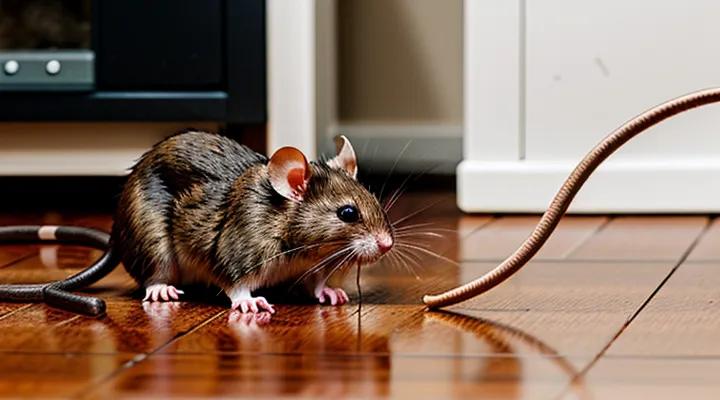
Understanding the Pest Problem
Identifying the Intruders
Rats vs. Mice: Key Differences
Rats and mice, though often grouped together, exhibit distinct biological and behavioral traits that influence control strategies. Recognizing these differences is essential for selecting the most effective rodent‑management approach.
- Size: Rats typically exceed 200 g, while mice range between 10–30 g. Larger body mass allows rats to consume greater quantities of bait and survive longer without food.
- Habitat preference: Rats favor sewers, basements, and outdoor burrows; mice prefer interior spaces such as wall voids, kitchen cabinets, and stored grain.
- Reproductive capacity: A single mouse can produce up to ten litters annually, each containing 5–6 pups; rats generate fewer litters, but each litter may contain 6–12 offspring.
- Gnawing strength: Rat incisors are capable of penetrating thicker materials, including concrete and metal, whereas mice are limited to softer substrates like wood and plastic.
- Disease vectors: Both species transmit pathogens, yet rats are more commonly associated with leptospirosis and hantavirus, while mice are primary carriers of salmonellosis and certain strains of hantavirus.
Effective rodent control programs must address these variances. Bait formulations should consider the larger dosage requirements of rats, while placement strategies need to target the concealed nesting sites favored by mice. Physical barriers, such as steel mesh of appropriate gauge, prevent rat intrusion, whereas fine‑mesh screens are sufficient to exclude mice. Monitoring devices—snap traps for rats and live‑capture traps for mice—provide species‑specific data that guide ongoing management decisions.
Signs of Infestation
Rats and mice leave unmistakable evidence that signals a growing problem. Early identification prevents damage, disease spread, and costly interventions.
Typical indicators include:
- Gnaw marks on wood, plastic, or wiring, especially near walls, cabinets, or stored food.
- Droppings resembling small black grains, often found along runways, in corners, or beneath appliances.
- Grease or urine trails that darken surfaces and emit a musky odor.
- Nests constructed from shredded paper, fabric, insulation, or dried vegetation, usually hidden in concealed spaces.
- Unexplained noises such as scratching, scurrying, or squeaking, most audible at night.
- Damage to stored goods, including chewed packaging, torn bags, or missing food items.
Each sign warrants immediate assessment. A systematic inspection of vulnerable areas—kitchens, basements, attics, and utility rooms—confirms the extent of intrusion and guides the selection of the most effective rodent control approach.
Health Risks and Damage Caused
Disease Transmission
Rodents serve as vectors for a wide range of pathogens that affect human health, livestock, and stored food. Salmonella, Leptospira, Hantavirus, and Lymphocytic Choriomeningitis virus are among the most frequently reported agents transmitted through rodent urine, feces, or bites. Contamination of surfaces and food supplies occurs when rodents infiltrate homes, warehouses, or agricultural facilities, leading to direct ingestion or inhalation of infectious particles.
Effective control of rodent‑borne disease relies on a comprehensive approach that eliminates sources of attraction, prevents entry, and reduces existing populations. Key components include:
- Securing all food storage areas with rodent‑proof containers.
- Sealing cracks, gaps, and utility openings to block access.
- Implementing regular monitoring using bait stations and snap traps.
- Applying targeted rodenticides in accordance with safety regulations.
By integrating these measures, the risk of pathogen transmission diminishes markedly, protecting public health and preserving product integrity.
Structural Damage and Contamination
Rats and mice compromise building integrity and create health hazards; preventing their presence eliminates the need for extensive repairs and decontamination.
- «Structural damage» includes gnawed timber, breached insulation, chewed electrical wiring, weakened support beams, and damaged plumbing.
- «Contamination» manifests as food spoilage, bacterial proliferation, disease transmission, and allergen accumulation.
Effective rodent mitigation combines thorough inspection, sealing of entry points, strategically placed traps, bait stations calibrated for low non‑target impact, and professional monitoring. This integrated approach addresses both physical deterioration and sanitary risks, delivering the most reliable solution for rodent control.
Effective Prevention Strategies
Sealing Entry Points
Inspecting Your Home
Inspecting a property provides the foundation for any effective rodent control strategy. The process begins with a systematic visual sweep of the exterior and interior, focusing on potential ingress routes and indicators of activity.
Key inspection points include:
- Gaps around doors, windows, and utility penetrations; seal openings larger than ¼ inch.
- Cracks in foundation walls, crawl‑space vents, and roof eaves; repair or cover with metal flashing.
- Unsecured vents, chimney flues, and attic access panels; install mesh or tight‑fitting covers.
- Accumulated debris, overgrown vegetation, and stored materials near the building envelope; remove or relocate to eliminate shelter.
- Signs of gnaw marks, droppings, urine stains, and nesting material; document locations for targeted treatment.
Inside the dwelling, examine food storage areas, pantry shelves, and waste receptacles. Ensure containers are airtight, and dispose of garbage regularly. Verify that plumbing fixtures are intact, as leaks create water sources that attract rodents.
A thorough inspection should be repeated seasonally, with particular attention after severe weather events that may create new entry points. Document findings in a log, noting date, location, and severity, to track progress and inform subsequent control measures.
Materials for Exclusion
Effective rodent exclusion relies on selecting materials that resist gnawing, withstand environmental stress, and seal potential entry points. Durable barriers prevent infestations by eliminating access routes to structures and stored goods.
Key exclusion materials include:
- «steel wool» packed tightly into gaps around pipes and vents; its fibrous composition frustrates chewing.
- «copper mesh» or «hardware cloth» with apertures no larger than ¼ inch; metal construction resists bite forces.
- «sheet metal» or galvanized steel flashing installed over foundation cracks and door thresholds; provides a rigid, long‑lasting seal.
- «concrete» and cement mortar used to fill larger voids in walls and floors; creates a solid, impenetrable barrier.
- «silicone sealant» applied to seams around windows, door frames, and utility penetrations; maintains flexibility while blocking entry.
- «polycarbonate panels» installed over attic vents and crawl‑space openings; offers strength and weather resistance.
Installation guidelines emphasize tight fitting, overlap of materials, and verification of complete coverage. Regular inspection of sealed areas ensures integrity, allowing prompt repair of any damage before rodents exploit weaknesses.
Eliminating Food and Water Sources
Proper Food Storage
Proper food storage is a critical element of any rodent‑prevention strategy. Secure containment eliminates accessible food sources, thereby reducing the attraction of rats and mice to residential or commercial environments.
Effective storage practices include:
- Use of sealed, airtight containers made of metal or heavy‑wall plastic for dry goods, grains, and pet food.
- Placement of containers on elevated surfaces, at least six inches above the floor, to prevent direct contact with rodent pathways.
- Routine cleaning of storage areas to remove spills, crumbs, and packaging debris that could serve as secondary food sources.
- Implementation of a first‑in‑first‑out inventory system, ensuring that older products are consumed before newer ones, reducing the likelihood of stale or spoiled items.
Consistent application of these measures deprives rodents of nutritional incentives, leading to a measurable decline in activity and infestation levels. The result is a healthier, safer environment with minimal reliance on chemical controls.
Waste Management Practices
Effective waste management constitutes a primary strategy for reducing rat and mouse populations. Proper handling of refuse eliminates food sources, obstructs shelter formation, and disrupts breeding cycles.
- Store waste in sealed, rodent‑proof containers; lids must close tightly and remain intact.
- Remove garbage from premises at least daily; temporary storage periods should not exceed 24 hours.
- Separate organic material from general waste; compost bins require secure lids and regular turning to prevent accumulation of edible debris.
- Position collection points away from building foundations, maintaining a minimum clearance of 3 meters to deter entry.
- Clean and disinfect disposal areas weekly; residues attract foraging rodents and should be eliminated promptly.
Consistent application of these measures reduces attractants, limits access points, and ultimately lowers infestation risk. Integrated with structural exclusion and monitoring, disciplined waste practices form a comprehensive, evidence‑based approach to rodent control.
Maintaining a Clean Environment
Decluttering and Organization
Decluttering eliminates shelter and food sources that attract rodents, thereby reducing the likelihood of infestation. Removing piles of cardboard, paper, and unused items cuts off nesting sites, while keeping storage areas tidy limits access to crumbs and waste.
Effective organization involves several practical steps:
- Store pantry goods in sealed containers made of glass, metal, or heavy‑wall plastic.
- Keep floors free of debris; sweep or vacuum daily in kitchens, basements, and garages.
- Dispose of garbage promptly in bins with tight‑fitting lids; empty them regularly.
- Arrange furniture and appliances to leave clear gaps for cleaning; avoid stacking boxes against walls.
- Conduct periodic inspections of hidden corners, attics, and crawl spaces for droppings or gnaw marks.
Continual maintenance sustains the protective effect. Schedule weekly checks of storage solutions, verify integrity of container seals, and promptly repair any structural gaps that could serve as entry points. Consistent organization creates an environment where rodent activity is unsustainable, serving as a primary component of effective pest management.
Yard Maintenance
Proper yard upkeep eliminates shelter and food sources that attract rodents, thereby supporting the most effective strategy for rodent control. Regular removal of debris, fallen fruit, and excess vegetation reduces hiding places and foraging opportunities.
Key maintenance actions include:
- Trimming grass and shrubs to a height of no more than six inches, preventing dense cover.
- Collecting and disposing of compost, animal feed, and garbage in sealed containers.
- Inspecting and sealing gaps around foundations, vents, and utility openings.
- Keeping storage sheds tidy, storing items on pallets or shelves away from the floor.
- Eliminating standing water by fixing leaks and ensuring proper drainage.
Implementing these measures creates an environment hostile to rats and mice, limiting population growth and discouraging intrusion into nearby structures. Continuous monitoring and prompt correction of emerging issues sustain long‑term effectiveness. «A well‑maintained yard serves as a natural barrier against rodent infestation».
Professional Extermination Methods
When to Call the Experts
Large-Scale Infestations
Large‑scale rodent invasions demand coordinated action that targets entire populations rather than isolated individuals. Effective control hinges on three core components: thorough inspection, decisive eradication, and sustained prevention.
- Conduct comprehensive surveys to map activity zones, entry points, and food sources across the affected area.
- Deploy professional-grade baiting systems calibrated for high‑density environments, ensuring placement at least 1 meter apart to maximize coverage.
- Integrate structural modifications—seal gaps larger than 6 mm, install rodent‑proof doors, and reinforce ventilation openings—to eliminate re‑entry pathways.
Chemical interventions must comply with regulatory standards and be applied by certified technicians to prevent resistance development. Rotation of active ingredients, combined with monitoring traps, maintains efficacy over extended periods.
Follow‑up inspections at two‑week intervals verify reduction metrics, while continuous sanitation—regular waste removal, proper storage, and exclusion of standing water—supports long‑term suppression. The coordinated approach described above represents the most reliable method for mitigating extensive rat and mouse infestations.
Persistent Pest Problems
Persistent pest problems arise when rodent populations establish long‑term footholds in residential or commercial structures. High reproductive rates, nocturnal habits, and ability to exploit minute entry points enable rats and mice to evade simple traps and persist despite intermittent control attempts.
Consequences include contamination of food supplies, transmission of pathogens, and structural damage caused by gnawing of wiring, insulation, and building materials. Economic losses accumulate quickly, especially in food‑handling facilities where regulatory compliance depends on strict rodent‑free environments.
Effective control requires a multi‑layered strategy that addresses attraction sources, access routes, and population monitoring. Key components are:
- Elimination of food and water sources through rigorous sanitation.
- Sealing of gaps, cracks, and utility penetrations to deny entry.
- Deployment of professionally formulated bait stations positioned along established runways.
- Regular inspection schedules to detect early activity and adjust interventions.
The optimal solution for rodent control integrates these measures into an ongoing management program. Professional assessment identifies infestation hotspots, recommends appropriate bait formulations, and ensures compliance with health and safety standards. Continuous monitoring validates effectiveness and prevents re‑infestation, delivering lasting relief from persistent rodent challenges.
Overview of Professional Services
Integrated Pest Management (IPM)
Integrated Pest Management (IPM) provides a systematic framework for controlling rats and mice while minimizing environmental impact. The approach combines cultural, mechanical, biological, and chemical tactics, emphasizing prevention and ongoing assessment.
Key components of IPM for rodent control include:
- Sanitation and waste management to eliminate food sources.
- Structural exclusion through sealing entry points and repairing damage.
- Habitat modification such as vegetation trimming and clutter reduction.
- Regular monitoring using bait stations, tracking plates, or motion‑sensitive devices.
- Mechanical control with snap traps, live‑catch traps, or electronic devices.
- Biological agents, for example, predatory birds or feral cats, where appropriate.
- Targeted chemical applications reserved for confirmed infestations, applied according to label instructions and safety guidelines.
Implementation follows a cyclical process:
- Conduct a site inspection to identify attractants and entry routes.
- Develop a prevention plan addressing sanitation and exclusion.
- Deploy monitoring tools to quantify activity levels.
- Apply selected control measures based on monitoring data.
- Evaluate outcomes, adjust tactics, and document results for future cycles.
Benefits of the IPM model include reduced reliance on rodenticides, lower risk of resistance development, protection of non‑target species, and compliance with regulatory standards. By integrating multiple control methods, IPM delivers a comprehensive, sustainable solution for managing rat and mouse populations.
Rodenticide Application
Rodenticide application remains a central component of an effective control program for rats and mice. Selecting an appropriate product requires understanding the active ingredient, formulation, and target species. Anticoagulant baits such as bromadiolone and difenacoum provide long‑lasting action, while acute toxins like zinc phosphide deliver rapid mortality. Formulations include block, pellet, and liquid bait, each suited to specific placement strategies.
Proper dosage calculation prevents sub‑lethal exposure that can foster resistance. Label instructions specify the amount of active ingredient per kilogram of bait; applying the recommended concentration ensures lethal intake after a single consumption. Bait stations should be positioned along walls, near food sources, and in concealed pathways. Stations must be tamper‑resistant to protect non‑target animals and children.
Safety measures include:
- Wearing protective gloves when handling baits.
- Storing products in locked containers away from food preparation areas.
- Conducting regular inspections of bait stations for depletion or contamination.
Monitoring after deployment involves tracking live‑capture rates, inspecting for fresh gnaw marks, and recording mortality signs. If activity persists, rotating to a different active ingredient can mitigate resistance development. Disposal of unused bait follows local hazardous waste regulations, preventing environmental contamination.
Integrating rodenticide use with sanitation, structural exclusion, and mechanical trapping creates a comprehensive approach that maximizes efficacy while minimizing risk to humans and domestic animals.
Trapping and Removal Techniques
Trapping and removal represent the most effective control for rodent infestations. Proper selection, placement, and disposal of traps reduce population levels quickly and prevent re‑infestation.
- Snap traps: instant kill, reusable, suitable for high‑traffic areas.
- Electronic traps: rapid electrocution, easy to clean, minimal odor.
- Live‑catch traps: capture without killing, allow relocation far from the property.
- Glue boards: passive capture, best for monitoring rather than primary control.
Placement follows predictable rodent pathways. Set devices along walls, behind appliances, near concealed food sources, and in dark corners. Bait choices such as peanut butter, dried fruit, or small pieces of meat increase capture rates. Ensure traps are secured to prevent accidental activation by children or pets.
Safety procedures include wearing disposable gloves, sealing captured rodents in airtight bags, and disposing of waste according to local regulations. Clean surfaces with disinfectant after each capture to eliminate scent trails.
After removal, seal cracks, gaps, and utility openings with steel wool, caulk, or metal mesh. Maintain a clutter‑free environment, store food in sealed containers, and conduct regular inspections to detect early signs of activity. Continuous monitoring with low‑profile bait stations confirms long‑term success.
DIY Solutions and Their Efficacy
Trapping Methods
Snap Traps
Snap traps provide immediate, lethal control of rats and mice. The mechanism relies on a spring‑loaded bar that releases when the baited trigger is disturbed, delivering a rapid strike to the animal’s neck or spine. This action eliminates the pest instantly, preventing suffering and reducing the chance of escape.
Effective deployment requires placement along established runways, near walls, and at points of entry. Position traps perpendicular to the wall, with the trigger end facing the anticipated travel direction. Bait options such as peanut butter, dried fruit, or small meat pieces increase attraction; a pea‑sized amount suffices to activate the trap without attracting non‑target species.
Safety considerations include securing traps out of reach of children and pets. Modern designs feature enclosed killing chambers that reduce the risk of accidental contact. After a capture, wear disposable gloves, dispose of the carcass in a sealed bag, and reset the trap with fresh bait.
Advantages of snap traps:
- Immediate mortality, no ongoing chemical exposure
- Low cost per unit, reusable after each catch
- No residual odor or contamination of food areas
- Simple operation without electricity or maintenance
Limitations to note:
- Requires regular inspection to remove dead rodents
- May be less effective in heavily infested environments where multiple devices are needed
- Potential for accidental triggering if not properly secured
Integrating snap traps with complementary measures—such as sealing entry points, maintaining cleanliness, and eliminating food sources—enhances overall rodent management and supports a durable solution for rat and mouse problems.
Live Traps
Live traps capture rodents without killing them, offering a humane alternative for controlling infestations. The devices consist of a cage or compartment that closes automatically when an animal enters, triggered by a pressure plate, lever, or door mechanism.
Key characteristics to consider when selecting a live trap:
- Construction material: stainless steel or heavy‑duty plastic ensures durability and resistance to gnawing.
- Size: interior dimensions must accommodate the target species; common sizes range from 12 × 6 × 6 inches for mice to 24 × 12 × 12 inches for rats.
- Trigger sensitivity: adjustable mechanisms allow fine‑tuning to prevent premature closures or missed captures.
- Escape prevention: smooth interior surfaces and secure latches eliminate the possibility of escape once the door shuts.
Effective placement enhances capture rates. Position traps along established runways, near walls, behind appliances, or close to food sources. Align the entrance with the direction of travel, typically parallel to the wall, and use bait such as peanut butter, cheese, or dried fruit. Replace bait regularly to maintain attractiveness.
Maintenance procedures are straightforward. After capture, relocate the animal at least 100 feet from the building to prevent re‑entry. Wear gloves, release the rodent into a suitable habitat, and clean the trap with hot, soapy water to remove scent traces. Inspect hinges and latches for wear before each deployment.
Advantages of live trapping include compliance with animal‑welfare regulations, reduced risk of secondary poisoning, and the ability to monitor population size through captured individuals. Limitations involve the need for frequent checking, potential stress to captured rodents, and the requirement for responsible disposal.
When integrated into a comprehensive pest‑management plan, live traps provide a viable, humane component for reducing rodent activity while minimizing reliance on lethal methods.
Glue Traps: Ethical Considerations
Glue traps serve as a low‑cost, passive method for reducing rodent populations in residential and commercial settings. Their adhesive surface immobilizes captured animals, allowing for subsequent disposal.
Ethical concerns associated with adhesive devices include:
- Prolonged suffering caused by inability to free limbs or breathe freely.
- High likelihood of non‑target capture, affecting birds, reptiles, and beneficial insects.
- Disposal challenges that may expose handlers to disease or cause additional distress.
- Absence of immediate death, contradicting humane‑kill standards.
Alternative control techniques provide rapid, humane outcomes. Snap mechanisms deliver instantaneous fatality, while electronic devices induce lethal shock without physical trauma. Integrated pest‑management programs combine sanitation, exclusion, and monitoring to reduce reliance on lethal devices.
Regulatory guidance in many jurisdictions restricts or bans adhesive traps for vertebrate pests. Compliance requires selecting methods that minimize pain, prevent accidental capture of non‑target species, and align with established animal‑welfare statutes.
Baits and Repellents
Commercial Rodenticides: Safety Precautions
Commercial rodenticides represent a core element of an effective strategy for controlling rat and mouse populations. Their rapid action and proven efficacy make them a preferred choice for many professional pest‑management programs.
Safety measures must be observed to protect humans, non‑target animals, and the environment. Recommended precautions include:
- Wear appropriate personal protective equipment (gloves, goggles, respirator) when handling or applying products.
- Store formulations in locked, clearly labeled containers away from food, feed, and water sources.
- Follow label‑specified application rates and methods; avoid excess or off‑target dispersal.
- Restrict access to treated areas until the product has dried or the required re‑entry interval has elapsed.
- Use bait stations or tamper‑resistant devices to limit accidental ingestion by children or pets.
- Maintain accurate records of product type, concentration, location, and date of application for regulatory compliance.
- Dispose of unused product and empty containers according to local hazardous‑waste regulations.
Training programs should emphasize correct mixing, placement, and disposal procedures. Regular inspections of bait stations detect damage, tampering, or depletion, allowing timely replenishment or removal. Environmental monitoring near water bodies or sensitive habitats ensures that runoff or drift does not compromise ecological safety.
Adhering to these protocols maximizes rodent‑control effectiveness while minimizing health risks and environmental impact.
Natural Repellents: Essential Oils and Other Remedies
Natural repellents provide an effective, chemical‑free option for controlling rats and mice. Essential oils disrupt the rodents’ scent trails and cause aversion, reducing the likelihood of infestation.
- Peppermint oil: strong menthol aroma, irritates nasal passages, deters entry.
- Eucalyptus oil: high cineole content, creates an unpleasant environment.
- Citronella oil: sharp citrus scent, interferes with foraging behavior.
- Clove oil: phenolic compounds act as a repellent and mild irritant.
- Lavender oil: soothing to humans, repellent to rodents when applied in concentrated form.
Additional non‑oil methods complement the oil strategy. Predator urine, typically from foxes or cats, mimics a natural threat and discourages nesting. Ultrasonic emitters generate frequencies beyond human hearing that disturb rodent communication. Diatomaceous earth, spread in crawl spaces, abrades exoskeletons, leading to dehydration. Plant‑based powders such as neem or mustard seed create a hostile surface for travel.
For optimal results, apply oils on cotton balls or rag strips placed near entry points, gaps, and food storage areas. Reapply every 48 hours to maintain potency. Combine oil treatment with sealing cracks, removing food sources, and regular sanitation to prevent re‑colonization. Safety measures include storing oils out of reach of children and pets, and using gloves when handling concentrated solutions.
Electronic Deterrents
Ultrasonic Devices
Ultrasonic devices generate high‑frequency sound waves that are inaudible to humans but disturb the nervous systems of rodents. The emitted frequencies typically range from 20 kHz to 65 kHz, creating an environment that rodents find uncomfortable and prompting them to vacate the area.
Key characteristics of ultrasonic pest‑control units include:
- Frequency spectrum: multiple channels covering a broad range of pitches increase the likelihood of affecting various species.
- Timer function: automatic shut‑off during daylight hours conserves energy and reduces noise exposure for pets.
- Coverage radius: manufacturers specify the effective area, often measured in square meters; placement should ensure overlapping zones to avoid blind spots.
- Power source: plug‑in models provide continuous operation, while battery‑powered units offer portability for temporary hotspots.
Effectiveness depends on several factors. Rodents quickly habituate to a single frequency; devices that rotate or cycle through frequencies mitigate this adaptation. Physical barriers such as walls, furniture, and insulation can attenuate sound, requiring strategic positioning near entry points, nesting sites, or food sources. Environmental conditions—high humidity or temperature extremes—may also diminish acoustic propagation.
Maintenance considerations are straightforward. Devices typically require periodic cleaning of speaker grills to prevent dust accumulation, which can impair sound output. Battery‑operated models benefit from regular charge cycles to maintain optimal power delivery. Replacement units should match the original specifications to preserve coverage consistency.
Safety aspects are notable. Ultrasonic emissions do not pose health risks to humans, but certain pets, especially small mammals and some bird species, may experience discomfort. Selecting models with adjustable intensity or dedicated “pet‑safe” settings helps avoid unintended distress.
Overall, ultrasonic devices represent a non‑chemical, low‑maintenance option within an integrated rodent‑management strategy. Their success is maximized when combined with sanitation, exclusion techniques, and regular monitoring of rodent activity.
Their Effectiveness and Limitations
Effective rodent control requires an assessment of each method’s capacity to reduce populations and the constraints that limit performance. Conventional snap traps deliver immediate mortality, eliminating individual pests with high precision. Their limitation lies in the need for strategic placement and regular inspection, without which capture rates decline sharply.
Poison baits provide sustained impact through secondary exposure, allowing reduction of hidden colonies. Toxicity risks non‑target species and demands strict regulatory compliance; resistance development further diminishes long‑term efficacy.
Ultrasonic emitters claim to repel rodents by emitting high‑frequency sounds. Field data show modest short‑term avoidance, yet habituation occurs rapidly, rendering devices ineffective after a few weeks. Installation costs and the need for continuous power supply add operational burdens.
Biological deterrents, such as predator‑derived scents, create an inhospitable environment. Their effectiveness is limited to confined spaces and diminishes when rodents become accustomed to the odor.
Integrated pest management (IPM) combines physical, chemical, and environmental strategies, maximizing overall success. Implementation complexity, required expertise, and ongoing monitoring represent significant challenges.
In practice, selecting an approach involves weighing immediate kill rates against sustainability, safety, regulatory constraints, and adaptability of rodent populations.
Long-Term Rodent Control and Monitoring
Regular Inspections
Seasonal Checks
Seasonal inspections form a critical component of an effective rodent control program. Regular assessment of entry points, food sources, and habitat conditions reduces the likelihood of infestation and supports the primary mitigation strategy.
Key actions for each season:
- Spring – Examine exterior walls for gaps created by temperature‑induced expansion, clear vegetation that contacts the building, and verify that drainage systems direct water away from foundations.
- Summer – Inspect attic and roof voids for nesting material, ensure screens on vents remain intact, and monitor outdoor trash containers for secure lids.
- Autumn – Check interior storage areas for accumulated debris, reinforce door sweeps before leaf fall, and seal cracks exposed by shrinking masonry.
- Winter – Verify that heating ducts are free of rodent access, reinforce insulation around pipes, and confirm that entry points remain sealed against cold‑weather burrowing.
Integrating these checks with the chosen rodent control solution maintains continuous protection. «Consistent seasonal monitoring prevents population spikes and enhances the efficacy of any treatment».
Vulnerable Areas
Identifying locations where rodents can gain entry is essential for any effective rodent‑control strategy. Weak points in a building’s envelope provide shelter, food, and pathways that facilitate infestation.
- Gaps around utility penetrations, such as pipes, cables and vents
- Openings at doors and windows lacking proper weather‑stripping
- Cracks in foundation walls, basement floors and crawl‑space ceilings
- Unsealed openings in attic insulation and roof eaves
- Poorly maintained garbage areas and compost bins
- Overgrown vegetation that contacts the structure
Each of these sites offers rodents shelter, easy access to food sources, and a route to interior spaces. Sealing gaps, repairing cracks, installing tight door sweeps and maintaining clear perimeters eliminate the conditions that attract rats and mice. Prompt remediation of vulnerable areas maximizes the efficacy of any chemical or mechanical control measure. «A sealed environment deprives rodents of the resources necessary for survival», reinforcing the principle that prevention precedes eradication.
Implementing a Monitoring Program
Bait Stations
Bait stations constitute a primary element of effective rodent management, providing a controlled delivery system for anticoagulant or non‑chemical attractants. Their sealed, tamper‑resistant housing isolates the bait from accidental contact, while a removable tray allows precise dosing and easy replenishment.
Placement determines efficacy. Install units along established travel routes, typically within 12–18 inches of walls, beneath cabinets, or in concealed corners. Position stations at least 6 inches above ground to avoid moisture accumulation, and secure them to fixed structures to prevent displacement by curious animals.
Safety considerations include child‑proof locks and lock‑out mechanisms that exclude non‑target species such as pets and wildlife. External surfaces are constructed from durable polymer or stainless steel, resistant to gnawing and weathering, ensuring long‑term integrity in indoor and outdoor environments.
Routine maintenance sustains performance. Inspect stations weekly for bait depletion, damage, or signs of tampering. Replace bait according to manufacturer recommendations, generally every 30 days, and document observations to track activity trends.
Key benefits of «bait stations»:
- Controlled exposure limits risk to humans and non‑target organisms.
- Concealed design reduces visual clutter and discourages vandalism.
- Standardized dosage enhances predictability of rodent mortality rates.
- Modular components simplify cleaning and disposal of contaminated material.
Implementing these practices maximizes the contribution of bait stations to comprehensive rodent control programs.
Trap Placement
Effective rodent control relies heavily on strategic placement of traps. Positioning devices where rodents travel maximizes capture rates and reduces the need for chemical interventions.
Key locations include:
- Along walls, within 2 inches of the baseboard, because rats and mice prefer to run close to surfaces.
- Near active burrow entrances, identified by fresh soil displacement or droppings.
- Adjacent to food storage areas, especially behind appliances, pantry shelves, and garbage bins.
- In dark, concealed spaces such as under sinks, behind cabinets, and within crawl spaces.
- At points where gnaw marks appear on structural elements or wiring.
When setting traps, follow these principles:
- Align the trigger mechanism perpendicular to the expected travel path to ensure immediate activation.
- Maintain a clear line of sight to the bait; obstacles diminish effectiveness.
- Use appropriate bait types—peanut butter, dried fruit, or small meat pieces—based on observed dietary preferences.
- Replace or reset traps daily to prevent loss of bait potency and to monitor activity.
- Secure traps on stable surfaces to avoid displacement by the animal’s forceful entry.
Optimal placement reduces escape opportunities and limits population growth, providing a reliable, non‑toxic solution for pest management.
Community-Wide Approaches
Local Pest Control Initiatives
Local authorities increasingly rely on coordinated community programs to reduce rodent populations in residential and commercial districts. These programs integrate surveillance, public education, and rapid response teams to target infestations before they spread.
Key components of municipal pest‑control strategies include:
- Regular inspection of high‑risk zones such as waste‑handling facilities, sewer systems, and abandoned structures.
- Distribution of sealed bait stations and tamper‑proof traps, placed in accordance with health‑safety regulations.
- Mandatory property‑owner compliance with sanitation standards, reinforced by fines for non‑conformance.
- Collaboration with licensed exterminators to conduct area‑wide treatments during peak breeding seasons.
- Public outreach campaigns that advise residents on proper waste storage, exclusion techniques, and reporting procedures.
Effective implementation of these measures curtails rodent activity, protects public health, and supports long‑term environmental management objectives. Continuous data collection and analysis enable authorities to adjust tactics, ensuring the chosen approach remains the most effective response to rat and mouse challenges.
Educating Neighbors
Educating neighbors forms a pivotal component of an effective rodent control strategy. Community awareness reduces food sources, eliminates shelter opportunities, and promotes coordinated action, thereby enhancing the overall efficacy of pest‑management measures.
Key elements of a neighbor‑education program include:
- Distribution of concise fact sheets detailing rodent behavior, signs of infestation, and preventive practices.
- Organization of brief workshops that demonstrate proper waste storage, sealing of entry points, and safe use of bait stations.
- Establishment of a shared communication platform for reporting sightings and coordinating treatment schedules.
- Promotion of regular property inspections, encouraging residents to document evidence and report promptly to pest‑control professionals.
Consistent messaging reinforces responsible habits, such as securing garbage, maintaining tidy gardens, and avoiding clutter. When residents understand the direct link between household practices and rodent population dynamics, they are more likely to adopt preventive actions, reducing the need for reactive interventions.
Long‑term success depends on sustained engagement. Periodic reminders, seasonal checklists, and visible signage in common areas keep the issue prominent without overwhelming residents. By fostering a collaborative environment, the community collectively minimizes rodent activity, supporting the overarching goal of effective pest eradication.