
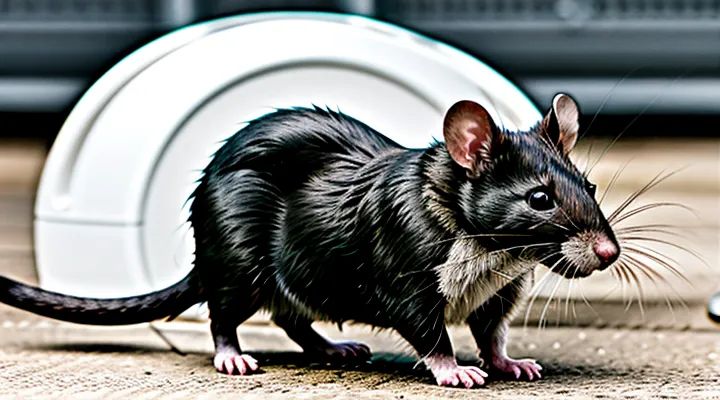
Understanding Enrofloxacin
What is Enrofloxacin?
Mechanism of Action
Enrofloxacin exerts its antibacterial effect by targeting two essential bacterial enzymes: DNA gyrase (topoisomerase II) and topoisomerase IV. Inhibition of DNA gyrase prevents the introduction of negative supercoils required for DNA replication and transcription, while blockade of topoisomerase IV interferes with chromosome segregation during cell division. The simultaneous disruption of these processes halts bacterial proliferation and leads to rapid cell death.
Key pharmacodynamic characteristics in rats include:
- Concentration‑dependent killing: Higher plasma concentrations produce greater bacterial reduction within a short time frame.
- Post‑antibiotic effect: Bacterial growth remains suppressed after drug levels fall below the minimum inhibitory concentration, extending therapeutic coverage.
- Broad tissue distribution: The molecule penetrates respiratory, urinary, and gastrointestinal tissues, achieving therapeutic concentrations at common infection sites.
The net result is a potent, bactericidal action against Gram‑negative and many Gram‑positive pathogens, making enrofloxacin a reliable option for treating systemic and localized infections in rodent models.
Drug Class
Enrofloxacin belongs to the fluoroquinolone class of antibiotics, a group of synthetic agents that interfere with bacterial DNA replication. Fluoroquinolones exhibit high oral bioavailability and penetrate a wide range of tissues, making them suitable for systemic treatment in laboratory rodents.
The drug acts by inhibiting bacterial DNA gyrase and topoisomerase IV, enzymes essential for supercoiling and separation of replicated DNA. This dual inhibition results in rapid bactericidal activity against susceptible organisms.
Typical characteristics of fluoroquinolones, including enrofloxacin, are:
- Broad-spectrum activity against Gram‑negative bacteria (e.g., Escherichia coli, Pseudomonas aeruginosa) and selected Gram‑positive species (e.g., Staphylococcus aureus).
- Concentration‑dependent killing; higher plasma concentrations increase efficacy.
- Low protein binding in rodent plasma, facilitating distribution to extracellular fluids.
- Primary renal excretion with a minor hepatic component, allowing predictable clearance in rats.
Pharmacokinetic parameters in rats show rapid absorption after oral administration, peak plasma levels within 30–60 minutes, and a half‑life of approximately 1–2 hours. These values support dosing intervals of 12–24 hours, depending on the therapeutic goal and infection severity.
Safety considerations for this drug class include potential for cartilage toxicity at high doses, emergence of resistance through target‑site mutations, and interactions with agents that affect renal elimination. Dosage formulations for rodents are commonly provided as aqueous solutions or suspensions, calibrated to deliver the precise milligram‑per‑kilogram dosage required for effective therapy.
Therapeutic Applications in Rats
Common Infections Treated
Respiratory Infections
Enrofloxacin, a fluoroquinolone antibiotic, is employed to treat bacterial respiratory infections in laboratory rats. It exhibits activity against common pathogens such as Streptococcus spp., Pasteurella spp., and Mycoplasma spp., which frequently cause pneumonia, bronchitis, and upper airway inflammation in this species.
Typical therapeutic regimens include:
- Oral or subcutaneous administration of 10 mg kg⁻¹ once daily.
- Intravenous injection of 5 mg kg⁻¹ every 12 hours for severe cases.
- Treatment duration of 5–7 days, extending to 10 days for chronic or relapsing infections.
Dose adjustments may be required for young, pregnant, or renal‑compromised animals. Monitoring for signs of neurotoxicity, gastrointestinal disturbance, or cartilage damage is essential, especially during prolonged therapy. Proper aseptic technique during injection and accurate weight measurement ensure consistent drug exposure and therapeutic success.
Urinary Tract Infections
Enrofloxacin is a fluoroquinolone antibiotic frequently employed to treat urinary tract infections in laboratory rats. The drug penetrates renal tissue and achieves bactericidal concentrations in urine, making it effective against common uropathogens such as Escherichia coli, Proteus spp., and Klebsiella spp. Clinical response is typically observed within 24–48 hours, with resolution of pyuria and bacteriuria confirmed by culture.
Dosage recommendations for managing rat urinary infections are as follows:
- Standard regimen: 10 mg/kg body weight, administered once daily by oral gavage.
- Alternative route: 5 mg/kg subcutaneously, divided into two daily injections for animals unable to tolerate oral dosing.
- Treatment duration: 5–7 days; extend to 10 days for infections involving resistant strains or complicated pyelonephritis.
- Dose adjustment: Reduce to 5 mg/kg for rats weighing less than 100 g or exhibiting renal impairment, as assessed by serum creatinine and blood urea nitrogen levels.
Therapeutic monitoring includes daily observation of urine output, color, and odor; periodic urine cultures to confirm bacterial clearance; and renal function tests to detect potential drug‑induced nephrotoxicity. Resistance surveillance is essential; isolate susceptibility should be confirmed before initiating therapy, and empirical use discouraged when local resistance rates exceed 10 %.
Skin Infections
Enrofloxacin is a fluoroquinolone antibiotic employed to treat bacterial skin infections in laboratory rats. The drug exhibits activity against Gram‑negative organisms such as Pseudomonas spp., Escherichia coli, and Klebsiella spp., as well as selected Gram‑positive bacteria including Staphylococcus aureus and Streptococcus spp. Its penetration into dermal tissue makes it suitable for cutaneous infections caused by these pathogens.
Indications for use include cellulitis, abscess formation, wound contamination, and dermatitis secondary to opportunistic bacterial invasion. Effective therapy requires confirmation of bacterial susceptibility, as resistance to fluoroquinolones can develop in strains with prior exposure.
Recommended dosage for skin infection treatment
- Dose: 10–20 mg/kg body weight
- Route: subcutaneous injection or intraperitoneal administration
- Frequency: every 24 hours
- Treatment duration: 5–7 days, extendable to 10 days for deep or chronic lesions
Preparation guidelines: dissolve enrofloxacin in sterile saline to achieve a concentration of 2.5 mg/mL; ensure the injection volume does not exceed 0.5 mL per 100 g of body weight to avoid tissue irritation. Use aseptic technique for each administration.
Monitoring includes daily assessment of lesion size, erythema, and exudate. Record body temperature and weight to detect systemic effects. Common adverse reactions are gastrointestinal upset and transient arthralgia; severe toxicity such as tendon rupture is rare in rodents but warrants immediate discontinuation.
Proper dosing, consistent administration, and vigilant observation together maximize therapeutic success against dermatologic bacterial infections in rats.
Other Bacterial Infections
Enrofloxacin, a fluoroquinolone antibiotic, is effective against a broad range of gram‑negative and some gram‑positive bacteria in laboratory rats. Beyond the primary indications for respiratory and urinary infections, the drug addresses several additional bacterial challenges.
Common secondary targets include:
- Pasteurella multocida – causes nasal discharge and conjunctivitis; enrofloxacin at 10 mg kg⁻¹ orally or subcutaneously for 5 days yields rapid clearance.
- Salmonella spp. – gastrointestinal colonization; 15 mg kg⁻¹ administered once daily for 7 days reduces fecal shedding.
- Pseudomonas aeruginosa – skin and wound infections; 20 mg kg⁻¹ subcutaneously every 12 hours for 3–5 days achieves therapeutic concentrations.
- Clostridium difficile – toxin‑mediated colitis; 5 mg kg⁻¹ orally twice daily for 4 days, combined with supportive care, mitigates disease progression.
Dosage recommendations must consider infection severity, route of administration, and the rat’s weight. Oral gavage provides systemic exposure comparable to subcutaneous injection, while intraperitoneal delivery is reserved for experimental protocols requiring rapid plasma peaks. Adjustments are necessary for neonates and aged animals, typically reducing the dose by 20 % to avoid toxicity.
Therapeutic monitoring includes:
- Culture and susceptibility testing before initiation whenever feasible.
- Observation of clinical signs (e.g., reduced appetite, lethargy) to assess response.
- Periodic blood sampling for drug concentration when treating persistent infections.
Potential adverse effects encompass gastrointestinal upset, transient arthropathy at high doses, and rare neurotoxicity. Contraindications involve concurrent use of other fluoroquinolones and known hypersensitivity. Resistance development underscores the importance of limiting treatment duration to the minimum effective period and rotating antimicrobial classes in long‑term studies.
In summary, enrofloxacin serves as a versatile option for managing diverse bacterial infections in rats, provided dosing is calibrated to the pathogen, infection site, and animal condition, while adhering to antimicrobial stewardship principles.
Dosage Guidelines
Standard Dosing
Enrofloxacin is administered to laboratory rats at a conventional dose of 10 mg per kilogram of body weight. The drug can be delivered orally via gavage or subcutaneously; both routes achieve comparable plasma concentrations. A single daily administration is standard, with treatment courses ranging from three to five days depending on the severity of the infection. For severe or deep‑tissue infections, the dose may be increased to 15 mg/kg, not exceeding 20 mg/kg per day. Repeated dosing should maintain a minimum 24‑hour interval to prevent accumulation. Monitoring for signs of toxicity, such as reduced feed intake or weight loss, is advisable throughout the regimen.
Frequency of Administration
Enrofloxacin, a fluoroquinolone antibiotic, is routinely employed in laboratory rats to treat bacterial infections. Its pharmacokinetic profile in this species supports specific dosing intervals.
- Oral administration: 10 mg kg⁻¹ once every 24 hours.
- Intraperitoneal injection: 5 mg kg⁻¹ every 12 hours.
- Subcutaneous injection: 7.5 mg kg⁻¹ every 24 hours.
The interval between doses depends on route of delivery, infection severity, and the drug’s elimination half‑life (approximately 2–3 hours in rats). Single‑daily dosing is sufficient for mild to moderate infections when administered orally; more aggressive infections often require twice‑daily dosing via injection to maintain therapeutic plasma concentrations.
Adjustments are made based on clinical response, serum drug levels, and tolerability. Over‑dosing or excessively frequent administration increases the risk of toxicity, particularly nephrotoxicity and gastrointestinal upset. Regular observation of weight, behavior, and renal function guides frequency modifications.
Duration of Treatment
Enrofloxacin therapy in rats is generally limited to the shortest interval that achieves clinical cure and microbiological eradication. Typical courses last 5–7 days for uncomplicated bacterial infections; extending treatment beyond 10 days is reserved for deep‑tissue involvement, osteomyelitis, or persistent bacteremia.
Factors influencing the chosen duration include:
- Pathogen susceptibility and minimum inhibitory concentration (MIC) values.
- Infection site; skin and soft‑tissue lesions often resolve faster than respiratory or abdominal infections.
- Animal weight and health status; immunocompromised or severely ill rats may require prolonged exposure.
- Response to therapy; lack of clinical improvement after 48–72 hours warrants reassessment and possible extension.
Monitoring should occur daily, with attention to signs of adverse effects such as gastrointestinal upset or neurotoxicity. If adverse reactions appear, discontinue the drug promptly and consider alternative antimicrobials.
When treatment is concluded, verify clearance through culture or PCR when feasible; residual infection may necessitate an additional 3–5 day course.
Administration Methods
Enrofloxacin can be delivered to laboratory rats through several proven routes, each requiring specific preparation and dosing precision. Oral gavage provides exact dose control, allowing administration of a single solution directly into the stomach. The drug may also be mixed into drinking water for continuous low‑dose exposure, but concentration must be calculated based on average daily water intake to avoid under‑ or overdosing. Subcutaneous injection offers rapid systemic absorption and is suitable for short‑term studies; the injection volume should not exceed 0.5 mL per 100 g body weight. Intramuscular delivery follows the same volume constraints and is useful when repeated dosing is required without repeated handling of the gastrointestinal tract. Intraperitoneal injection delivers the compound to the peritoneal cavity, achieving high bioavailability for experimental infection models.
Typical therapeutic regimens fall within 5–20 mg kg⁻¹ body weight per day, administered once or divided into two doses depending on the study design. For acute infection models, a single 10 mg kg⁻¹ dose may be sufficient, whereas chronic studies often employ 5 mg kg⁻¹ administered twice daily. Adjustments for renal or hepatic impairment are not routinely required in healthy rats but should be considered when pathology affects drug clearance.
Common administration methods and recommended dosage parameters
- Oral gavage: 5–20 mg kg⁻¹ per day; volume ≤ 0.2 mL g⁻¹.
- Drinking water: 10–30 ppm enrofloxacin; calculate based on 30–40 mL day⁻¹ intake per 100 g rat.
- Subcutaneous injection: 5–15 mg kg⁻¹ once daily; volume ≤ 0.5 mL 100 g⁻¹.
- Intramuscular injection: 5–15 mg kg⁻¹ once daily; same volume limits as subcutaneous.
- Intraperitoneal injection: 5–10 mg kg⁻¹ once daily; volume ≤ 0.5 mL 100 g⁻¹.
Potential Side Effects and Precautions
Adverse Reactions
Gastrointestinal Issues
Enrofloxacin administration in laboratory rats can provoke gastrointestinal disturbances that interfere with experimental outcomes. The drug’s antimicrobial activity may alter normal gut flora, leading to dysbiosis, reduced nutrient absorption, and irritation of the intestinal mucosa.
Common gastrointestinal manifestations include:
- Diarrhea ranging from soft stools to watery discharge
- Decreased food intake and weight loss
- Abdominal cramping or distension
- Occasional vomiting, particularly after high oral doses
Dosage selection should balance therapeutic efficacy against the risk of gut irritation. Recommended guidelines are:
- Oral administration: 5–10 mg/kg body weight, once daily; avoid exceeding 15 mg/kg to limit mucosal irritation.
- Subcutaneous injection: 2.5–5 mg/kg, once daily; preferred when oral tolerance is compromised.
- Adjust the interval to every 12 hours only for severe infections, monitoring for exacerbated diarrhea.
If gastrointestinal signs appear, immediate actions are:
- Reduce the dose by 25 % and reassess after 24 hours.
- Provide supportive care with electrolyte‑balanced fluids and a bland diet (e.g., low‑fat chow).
- Consider probiotic supplementation to restore microbial balance, using strains validated for rodent use.
Continuous observation of stool consistency, body weight, and food consumption is essential for early detection of adverse gut effects and for timely dose modification.
Neurological Effects
Enrofloxacin administration in rats can affect the central nervous system, especially at doses approaching or exceeding therapeutic levels. Neurotoxic manifestations include hyperexcitability, tremor, and convulsive activity. These signs appear within minutes to hours after intraperitoneal injection, correlating with peak plasma concentrations.
Key observations:
- Dose‑response relationship – Neurological signs intensify as the dose rises above the standard 10 mg/kg range; doses of 20 mg/kg and higher frequently produce seizures.
- Route of administration – Intravenous delivery yields faster onset of neuroexcitation compared with oral gavage, reflecting rapid systemic exposure.
- Time course – Behavioral abnormalities typically resolve within 24 h as the drug is metabolized and eliminated, but repeated high‑dose exposure may lead to cumulative neurotoxicity.
- Species specificity – Rats show greater susceptibility to enrofloxacin‑induced seizures than mice, suggesting rodent strain differences in blood‑brain barrier permeability or GABAergic modulation.
Mechanistic insights point to inhibition of GABA‑A receptor function and alteration of neuronal ion channel activity. Enrofloxacin and its metabolite ciprofloxacin can cross the blood‑brain barrier, achieving concentrations sufficient to disrupt inhibitory neurotransmission.
Safety recommendations:
- Maintain therapeutic dosing (5–10 mg/kg) with appropriate intervals to limit peak plasma levels.
- Monitor animals for early signs of hyperactivity, ataxia, or facial twitching during the first 6 h post‑administration.
- Reduce or discontinue treatment if convulsive activity occurs; consider alternative antibiotics with lower CNS penetration.
- Document neurological observations in study reports to support dose‑adjustment decisions and regulatory compliance.
Understanding these neurobehavioral effects enables precise dosing strategies that minimize adverse outcomes while preserving the antimicrobial efficacy of enrofloxacin in rat models.
Renal and Hepatic Considerations
Renal function markedly influences enrofloxacin clearance in rats; reduced glomerular filtration prolongs plasma half‑life and raises systemic exposure. Adjust dosing intervals when creatinine clearance falls below 0.5 mL/min, and consider a 25‑30 % reduction in dose for moderate renal impairment. Severe renal failure may require a 40‑50 % dose reduction or extended dosing intervals to avoid accumulation and potential nephrotoxicity.
Hepatic metabolism contributes to enrofloxacin biotransformation, producing the active metabolite ciprofloxacin. Elevations in liver enzymes indicate compromised hepatic capacity, which can slow metabolite formation and alter the parent‑drug to metabolite ratio. For rats with hepatic dysfunction, reduce the total dose by 20‑30 % and monitor plasma concentrations to maintain therapeutic levels without exceeding toxicity thresholds.
Key points for safe administration:
- Assess serum creatinine and alanine aminotransferase before initiating therapy.
- Re‑evaluate renal and hepatic parameters weekly during treatment.
- Adjust dose based on the severity of organ impairment rather than applying a uniform reduction.
- Document any signs of toxicity, such as reduced urine output or elevated bilirubin, and modify the regimen promptly.
These practices ensure effective antimicrobial action while minimizing the risk of organ‑related adverse effects.
Contraindications
Young or Growing Rats
Enrofloxacin is a fluoroquinolone antibiotic commonly administered to laboratory rats for bacterial infections. In juvenile and rapidly growing specimens, physiological differences affect drug distribution, metabolism, and elimination, requiring precise dosing to achieve therapeutic concentrations while avoiding toxicity.
Dose calculation for young rats should be based on body weight rather than age alone. Recommended oral or subcutaneous administration ranges from 5 to 10 mg kg⁻¹ day⁻¹, divided into two equal doses for continuous coverage. For example:
- 5 mg kg⁻¹ day⁻¹: 2.5 mg kg⁻¹ every 12 h
- 10 mg kg⁻¹ day⁻¹: 5 mg kg⁻¹ every 12 h
Adjustments may be necessary for animals under 30 g, where metabolic rate is higher; a lower end of the range (5 mg kg⁻¹ day⁻¹) is advisable. For rodents approaching adulthood (70–100 g), the upper limit (10 mg kg⁻¹ day⁻¹) aligns with standard adult dosing.
Renal maturation in young rats influences clearance. Monitoring of serum creatinine and urine output is essential during the first 48 h of therapy. Signs of nephrotoxicity—such as reduced urine volume or elevated creatinine—warrant immediate dose reduction or discontinuation.
Repeated dosing can provoke musculoskeletal effects, particularly in growing cartilage. Limit treatment duration to a maximum of 7 days unless a veterinarian authorizes extended use. If prolonged therapy is unavoidable, incorporate periodic radiographic assessments of joint integrity.
Enrofloxacin formulations for rodents often contain excipients that may affect palatability. Mixing the calculated dose with a small volume of flavored gelatin or sterile water ensures consistent intake. Verify the final concentration before administration to prevent dosing errors.
In summary, effective management of bacterial infections in young rats requires weight‑based dosing, vigilant renal and musculoskeletal monitoring, and careful formulation handling to maintain therapeutic efficacy and safety.
Pregnant or Lactating Rats
Enrofloxacin can be administered to pregnant or lactating rats, but dosage adjustments and safety considerations differ from those for non‑reproductive adults. The drug penetrates the placenta and is secreted in milk; therefore, fetal and neonatal exposure occurs after maternal treatment.
A standard therapeutic regimen for adult rats is 10 mg kg⁻¹ body weight given once daily by oral gavage or subcutaneous injection. For gestating females, the following modifications are recommended:
- Reduce the dose to 5–7 mg kg⁻¹ to limit fetal drug accumulation.
- Limit treatment duration to the minimum effective period, preferably not exceeding five consecutive days.
- Conduct a pre‑treatment health assessment, confirming absence of severe systemic infection that would require higher dosing.
During lactation, the drug appears in milk at concentrations approximately 30 % of maternal plasma levels. To avoid neonatal toxicity:
- Maintain the reduced dose of 5–7 mg kg⁻¹.
- Monitor pups for signs of gastrointestinal upset, altered weight gain, or behavioral changes.
- If clinical response is inadequate, consider alternative antibiotics with lower milk transfer.
Pharmacokinetic data indicate a plasma half‑life of 3–4 hours in rats, with rapid clearance. Adjust dosing intervals only when renal or hepatic impairment is documented, as impaired excretion can increase systemic exposure in both dam and offspring.
Veterinary guidelines advise that enrofloxacin should be used in pregnant or lactating rats only when the benefits outweigh potential risks to the fetus or neonates. Documentation of the indication, dose, route, and treatment duration is essential for regulatory compliance and scientific reproducibility.
Interactions with Other Medications
Enrofloxacin, a fluoroquinolone administered to laboratory rats, can alter the pharmacokinetics and efficacy of co‑administered drugs. Concurrent use of metal‑containing antacids (e.g., aluminum hydroxide, magnesium hydroxide) reduces oral absorption by chelation; separate dosing intervals of at least two hours are recommended. Multivitamin preparations that include calcium or iron salts produce a similar effect and should be withheld or staggered.
The antibiotic may interact with other antimicrobials. Co‑administration with aminoglycosides (e.g., gentamicin) can increase the risk of nephrotoxicity, while combination with β‑lactams may produce synergistic bactericidal activity but requires monitoring for additive QT‑prolongation. Tetracyclines compete for renal tubular secretion, potentially elevating plasma concentrations of both agents.
Non‑steroidal anti‑inflammatory drugs (NSAIDs) such as meloxicam can augment the likelihood of gastrointestinal ulceration when given together with enrofloxacin. Adjusting NSAID dosage or employing gastroprotective agents mitigates this risk.
Enzyme‑inducing compounds, including phenobarbital and carbamazepine, accelerate the metabolism of enrofloxacin via hepatic cytochrome P450 pathways, leading to lower systemic exposure. Dose escalation or therapeutic drug monitoring may be necessary under such conditions.
A concise interaction checklist:
- Antacids, calcium/iron supplements – separate dosing by ≥2 h.
- Aminoglycosides – monitor renal function.
- β‑lactams – assess for additive cardiac effects.
- Tetracyclines – watch for increased plasma levels.
- NSAIDs – consider gastrointestinal protection.
- Enzyme inducers (phenobarbital, carbamazepine) – evaluate need for dose adjustment.
When designing treatment protocols, incorporate these considerations to preserve therapeutic efficacy and minimize adverse outcomes.
Administration Best Practices
Proper Handling and Storage
Enrofloxacin intended for laboratory rats must be stored in a temperature‑controlled environment, preferably between 2 °C and 8 °C. Exposure to temperatures above 25 °C accelerates degradation and reduces potency. Light‑sensitive formulations require amber‑colored containers or opaque secondary packaging to prevent photolysis.
Shelf life is limited once the product is reconstituted. Use the solution within 24 hours if kept refrigerated; otherwise discard. Unopened vials retain their labeled expiration date when stored under the recommended conditions.
Handling procedures include the following precautions:
- Wear disposable gloves, lab coat, and eye protection when opening vials or preparing doses.
- Avoid aerosol generation; dispense the drug using a sterile syringe and discard the needle immediately after use.
- Label all prepared solutions with concentration, preparation date, and expiration time.
- Store prepared solutions in a sealed, light‑resistant container placed in a refrigerator.
Disposal must follow institutional biohazard protocols. Contaminated materials, such as syringes and gloves, are to be placed in designated sharps containers and incinerated or autoclaved according to safety guidelines. Unused bulk powder should be returned to the original sealed container, labeled as hazardous waste, and processed through the chemical waste system.
Monitoring Treatment Efficacy
Effective monitoring of enrofloxacin therapy in laboratory rats requires objective, repeatable measurements that reflect bacterial clearance and animal welfare. Baseline data should be collected before treatment initiation, including body weight, temperature, and any observable signs of infection such as lethargy, respiratory distress, or discharge. Subsequent assessments must be performed at regular intervals—typically every 24 hours for the first three days, then every 48 hours until the end of the prescribed course.
Key indicators of therapeutic success include:
- Clinical improvement: reduction or disappearance of overt symptoms, normalization of activity levels, and stable or increasing body weight.
- Microbiological evidence: negative culture or PCR results from previously infected sites, confirming eradication of the target pathogen.
- Hematological parameters: decline in leukocyte count and neutrophil percentage to baseline ranges, suggesting resolution of systemic inflammation.
- Serum chemistry: normalization of markers such as albumin, glucose, and renal function tests to exclude drug‑induced toxicity that could confound efficacy assessment.
Documentation of each parameter should be entered into a centralized log, enabling statistical comparison across time points. Deviations from expected trends—persistent fever, unchanged bacterial load, or worsening lab values—prompt immediate review of dosage, administration route, or potential resistance. Consistent application of these monitoring practices ensures reliable evaluation of enrofloxacin’s effectiveness and supports evidence‑based adjustments to dosing regimens.
When to Consult a Veterinarian
Enrofloxacin is commonly administered to laboratory rats for bacterial infections, and precise dosing is essential for therapeutic success. Veterinary oversight becomes critical whenever the treatment deviates from expected outcomes or poses health risks.
- Rapid onset of respiratory distress, seizures, or collapse after dosing.
- Persistent fever, lethargy, or weight loss beyond 48 hours despite therapy.
- Visible irritation at the injection site, swelling, or necrosis.
- Suspected overdose or administration error, including incorrect concentration or volume.
- Presence of underlying kidney or liver disease that could impair drug clearance.
- Concurrent use of other medications known to interact with fluoroquinolones.
- Pregnancy or breeding status that may alter drug metabolism.
- Unexpected mortality or abnormal behavior in the colony following treatment.
Immediate veterinary consultation ensures accurate assessment, possible adjustment of the therapeutic regimen, and compliance with animal welfare regulations.
Alternatives to Enrofloxacin
Enrofloxacin is a fluoroquinolone commonly employed to treat bacterial infections in laboratory rats. In situations where resistance, contraindications, or regulatory constraints limit its use, several other antimicrobials provide viable options.
- Ciprofloxacin – a fluoroquinolone with a spectrum similar to enrofloxacin; dosing for rats typically ranges from 10–15 mg/kg orally or subcutaneously once daily.
- Trimethoprim‑sulfamethoxazole – effective against many Gram‑negative and some Gram‑positive organisms; recommended dose is 30 mg/kg (trimethoprim component) administered orally every 12 hours.
- Gentamicin – an aminoglycoside targeting aerobic Gram‑negative bacteria; standard dose is 4–6 mg/kg intraperitoneally or subcutaneously once daily, with careful monitoring of renal function.
- Doxycycline – a tetracycline derivative active against intracellular pathogens; dosing guidelines suggest 5 mg/kg orally or subcutaneously every 24 hours.
- Amoxicillin‑clavulanate – broad‑spectrum β‑lactam; typical dose is 20 mg/kg orally or subcutaneously every 12 hours.
Selection of an alternative should consider the pathogen’s susceptibility profile, the rat’s health status, and any study‑specific constraints. Adjustments to dosage may be required based on pharmacokinetic data and observed therapeutic outcomes.