
«Understanding Rat Behavior»
«Common Rat Species and Their Habits»
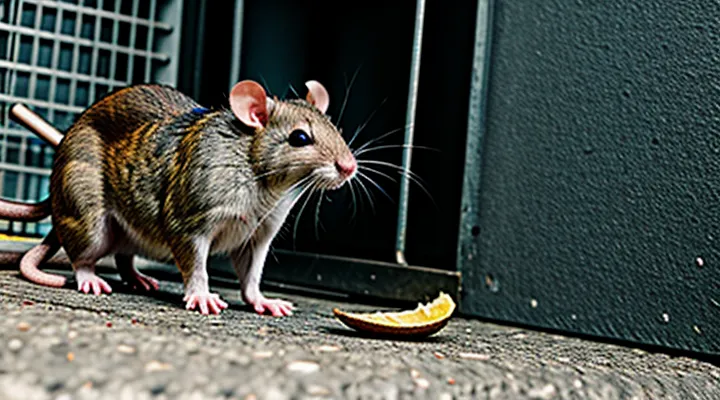
Understanding which rat species are present in an area determines bait selection, trap placement, and timing.
- Norway rat (Rattus norvegicus) – Ground‑dwelling, prefers sewers, basements, and low‑lying structures. Active at night, feeds on grains, meat scraps, and pet food. Constructs extensive burrow systems with multiple entrances.
- Roof rat (Rattus rattus) – Arboreal, occupies attics, roof spaces, and elevated vegetation. Primarily nocturnal, attracted to fruits, nuts, and sugary substances. Builds nests in insulation, ceiling joists, or dense foliage.
- Polynesian rat (Rattus exulans) – Smallest of the common rats, inhabits coastal regions and agricultural fields. Omnivorous, favors seeds, insects, and small fruits. Exhibits opportunistic foraging, often following human activity.
- Brown rat (Rattus brunneus) – Similar to Norway rat but favors open fields and outdoor compost piles. Highly adaptable, consumes plant material, carrion, and discarded waste. Shows crepuscular peaks in activity.
Applying species habits improves lure effectiveness. Place bait that matches dietary preferences near known runways: grain or meat for Norway rats, fruit or confectionery for roof rats, seeds for Polynesian rats. Position traps at ground level for burrowing rats and in wall voids or ceiling spaces for climbing species. Align trap checks with peak activity periods—generally after dusk for nocturnal species and during twilight for crepuscular individuals.
«Signs of a Rat Infestation»
Recognizing an active rat problem is essential before setting any capture device. Accurate identification of infestation cues allows you to place traps where rats are most likely to encounter them, increasing success rates.
- Dark, pellet‑shaped droppings near food sources, walls, or in hidden corners. Fresh droppings appear moist and dark; older ones dry and crumble.
- Gnaw marks on wood, plastic, wiring, or insulation. Rats leave characteristic V‑shaped bite patterns with clean edges.
- Nests constructed from shredded paper, fabric, insulation, or dried plant material. Nests are usually hidden in wall voids, attics, or under appliances.
- Visible tracks or smudge marks along walls, especially near baseboards or along horizontal surfaces.
- Scratching noises in ceilings, walls, or crawl spaces, often heard at night when rats are active.
- Strong, musky odor, especially in enclosed areas, resulting from urine and glandular secretions.
- Unexplained food loss, chewed packaging, or spillage near pantry shelves and trash cans.
- Burrows or holes in flooring, drywall, or exterior foundations, typically ½‑inch in diameter.
After spotting any of these indicators, confirm activity by setting a temporary monitoring trap or using a motion‑activated camera. Document locations with the highest evidence and prioritize them for bait placement. This systematic approach ensures traps are positioned in proven rat pathways, maximizing capture efficiency.
«Rat Preferences for Food and Shelter»
Rats select bait and nesting sites based on sensory cues, nutritional value, and safety. Recognizing these drivers improves the effectiveness of capture devices.
-
Food preferences
- High‑protein items such as cooked meat, fish, and eggs.
- Sweet, carbohydrate‑rich foods including peanut butter, chocolate, and dried fruit.
- Fatty substances like cheese, bacon, and sunflower seeds.
- Strong odors—garlic, cinnamon, and petroleum‑based scents—enhance attraction.
-
Shelter preferences
Integrating these insights into trap placement involves positioning bait that matches the listed food categories inside a concealed compartment resembling a nest. Use a substrate of shredded paper or cloth to simulate a comfortable resting spot. Place the assembly in low‑light zones adjacent to known rodent pathways, ensuring minimal human traffic. This combination of preferred nourishment and secure shelter maximizes the likelihood of entry and capture.
«Choosing the Right Trap»
«Types of Rat Traps»
«Snap Traps»
Snap traps provide rapid, lethal capture of rats with minimal maintenance. The mechanism consists of a spring‑loaded bar that releases when the trigger is activated, delivering a fatal blow to the animal’s neck or spine. Because the action is immediate, snap traps reduce the risk of disease transmission and eliminate the need for prolonged monitoring.
When selecting a snap trap, prioritize models with a sturdy metal construction, a calibrated spring for consistent force, and a secure trigger plate that resists accidental release. Adjustable jaw width accommodates varying rodent sizes, while a covered base prevents non‑target species from entering the device.
Effective baiting hinges on scent strength and accessibility. Preferred attractants include:
- Peanut butter, applied in a thin layer on the trigger plate
- Dried fruit or apple slices, placed directly under the trigger
- Small pieces of cooked meat, secured with a toothpick to avoid displacement
Bait should be fresh, sealed in a small cavity if possible, and positioned so the rat must step onto the trigger to reach it.
Optimal trap placement follows these principles:
- Identify active runways, near walls, behind appliances, or along sewer lines.
- Position traps perpendicular to the runway, with the trigger plate facing the expected direction of travel.
- Set traps at ground level, ensuring the trigger is flush with the surface to avoid detection.
- Use multiple traps spaced 1–2 feet apart in high‑traffic zones to increase capture probability.
Handle traps with gloves, check them daily, and dispose of captured rats according to local regulations. Proper setup and bait selection maximize the likelihood that rats will encounter the snap trap and be eliminated swiftly.
«Live Traps»
Live traps capture rats without killing them, allowing for humane removal and relocation. Effective use depends on proper placement, bait selection, and trap maintenance.
Place traps along established rat pathways: near walls, behind appliances, or close to food sources. Rats prefer concealed routes; positioning traps in low‑traffic corners increases encounter rates.
Choose bait that appeals to the target species. Common options include:
- Peanut butter mixed with oats
- Soft cheese cubes
- Small pieces of cooked meat
- Fruit pieces such as apple or banana
Apply a thin layer of bait to the trigger mechanism, ensuring the rat must fully enter the chamber to reach it. Secure the latch so that only a substantial weight releases it, preventing premature closure.
Inspect traps daily. Remove captured rats promptly, using gloves and a sealed container. Release the animal at least two miles from the original site to reduce the chance of return. Clean the trap with mild detergent and disinfectant before resetting, then re‑apply fresh bait.
Regularly rotate trap locations to prevent rats from learning to avoid them. Combining live traps with sanitation measures—sealing entry points, eliminating food debris, and reducing clutter—maximizes capture success.
«Electronic Traps»
Electronic traps attract rats with a rapid, humane shock that activates when the animal contacts a conductive plate. The device requires a reliable power source—usually a 9‑V battery or mains adapter—to deliver a consistent voltage. Position the trap along established runways, near walls, or adjacent to food sources; rats rarely cross open spaces, so placement within a concealed pathway maximizes encounters.
Key preparation steps:
- Clean the interior surface to remove debris that could interfere with the sensor.
- Insert fresh batteries or verify the adapter connection before deployment.
- Adjust the sensitivity dial (if available) to match the size of the target rodent, preventing false triggers from insects.
- Bait the trap with high‑protein items such as peanut butter, dried fruit, or small pieces of meat; apply a thin layer to the trigger plate to ensure contact.
Maintenance guidelines:
- After a capture, disconnect power to avoid accidental discharge.
- Dispose of the dead rat according to local regulations; wear gloves and use a sealed container.
- Wipe the interior with a mild disinfectant, rinse, and dry thoroughly before resetting.
- Inspect the electrode for corrosion; replace the unit if the shock voltage drops below the manufacturer’s specification.
Safety considerations:
- Keep the trap out of reach of children and pets; many models feature a lockable safety cover.
- Verify that the voltage complies with regional electrical standards to prevent legal issues.
By integrating a properly powered electronic trap, situating it within a rat’s travel corridor, and using appropriate bait, the likelihood of a successful capture increases dramatically while minimizing stress to the animal.
«Glue Traps»
Glue traps offer a rapid, passive method for securing rats when baited correctly. Their adhesive surface immobilizes the rodent within seconds, eliminating the need for manual handling.
Effective use begins with proper placement. Position traps along walls, behind appliances, or in dark corners where rats travel. Secure the trap flat against the surface to prevent shifting. Avoid areas with high foot traffic to reduce accidental contact.
Bait selection influences success. Apply a small amount of high‑protein attractant—such as peanut butter, canned cat food, or dried fruit—directly onto the glue. Concentrate the scent to the center of the trap, ensuring the rat must step onto the adhesive to reach it.
Safety considerations are essential. Wear disposable gloves when handling traps to avoid contaminating the adhesive. Keep traps out of reach of children and non‑target wildlife. If a non‑target animal becomes trapped, follow humane disposal guidelines promptly.
Advantages of glue traps include:
- Immediate immobilization without the need for lethal mechanisms
- Low cost and minimal maintenance
- Easy integration with other baiting strategies
Limitations to acknowledge:
- Potential for non‑target captures
- Requirement for frequent monitoring to prevent prolonged suffering
- Limited effectiveness in environments with abundant alternative food sources
Regular inspection—at least once daily—ensures timely removal of captured rats and replacement of bait. Proper disposal involves sealing the trap in a plastic bag before discarding it in a sealed waste container. By adhering to these practices, glue traps become a reliable component of a comprehensive rat‑capture program.
«Considerations for Trap Placement»
Effective trap placement determines capture success. Position devices where rats travel routinely, such as along walls, near entry points, or adjacent to food storage. Ensure the route aligns with the animal’s natural behavior, avoiding open spaces that discourage movement.
- Locate traps within 1–2 feet of active feeding stations; rodents favor short detours.
- Place devices perpendicular to walls, with the trigger side facing the expected direction of approach.
- Conceal traps using debris, cardboard, or vegetation to reduce suspicion while preserving accessibility.
- Position traps on stable, level surfaces to prevent tipping or premature activation.
- Keep traps away from areas frequented by pets or children to minimize accidental encounters.
- Adjust placement according to weather conditions; moisture and extreme temperatures can affect bait integrity and trap mechanics.
Inspect traps daily, resetting or relocating as activity patterns shift. Rotate positions if capture rates decline, ensuring continuous pressure on the rat population. By aligning placement with established pathways, proximity to food, and environmental factors, the likelihood of a successful catch increases markedly.
«Selecting the Best Bait»
«Effective Bait Options»
«Foods Rats Love»
Effective bait selection determines the success of any rat‑trapping effort. Rats are opportunistic feeders; they gravitate toward foods that offer high calories, strong aromas, and readily available moisture.
- Peanut butter – dense, aromatic, and difficult for rats to ignore.
- Bacon or cooked meat scraps – rich in fat and protein, emits a powerful scent when warm.
- Sunflower seeds – high‑fat seed with a crunchy texture that appeals to rodents.
- Dried fruit (e.g., raisins, apricots) – sweet, moist, and easily broken into small pieces.
- Cheese – strong odor and fatty content attract rats even in small quantities.
- Pet food (dry kibble) – formulated for high palatability, often contains meat and grain.
- Nuts (almonds, walnuts) – high in fat and protein, emit a distinctive smell when cracked.
Rats detect these foods through olfactory cues; the stronger the scent, the faster a rat will investigate the source. High‑fat and sugary items provide immediate energy, while protein‑rich foods satisfy nutritional needs, making them especially compelling as bait.
When applying bait, place a modest amount on the trigger mechanism to ensure the rat must manipulate the trap to access it. Use fresh bait to preserve volatile aromas; replace spoiled material every 24 hours. Combine two complementary items—such as a dab of peanut butter with a piece of bacon—to create a multi‑scent lure that increases the likelihood of capture. Position the baited trap along walls, near droppings, or in concealed corners where rats travel.
«Non-Food Bait Alternatives»
Non‑food baits exploit rats’ natural instincts and sensory preferences without relying on edible items. These alternatives can be placed in mechanical or snap traps to increase capture rates while reducing the risk of attracting non‑target wildlife.
- Strong odors such as peppermint oil, ammonia, or cat urine create a scent trail that rats follow out of curiosity or territorial pressure. Apply a few drops to cotton balls or small fabric swatches and position them near the trigger mechanism.
- Textured materials like shredded paper, cotton wool, or fine sand mimic nesting sites. Rats investigate and manipulate these substrates, providing a tactile lure that encourages contact with the trap.
- Warmth sources including a small heated pad or a piece of warmed metal generate a temperature gradient that rats seek for comfort. Ensure the heat source does not exceed safe levels for the trap’s components.
- Chemical pheromones derived from rat urine or glandular secretions trigger social behavior. Commercially available synthetic versions can be applied sparingly to the trap’s interior.
- Sound cues such as recorded squeaks or low‑frequency vibrations simulate the presence of conspecifics. A battery‑powered emitter placed adjacent to the trap can sustain the stimulus for several hours.
When deploying non‑food baits, consider placement height (rats prefer low, concealed routes), proximity to known pathways, and environmental conditions that may degrade the lure. Rotate bait types regularly to prevent habituation, and monitor trap performance to adjust the combination of scents, textures, and stimuli for optimal results.
«Baiting Techniques»
«Applying Bait Safely»
When using bait to attract rodents, safety begins with choosing a material that poses minimal risk to humans, pets, and non‑target wildlife. Opt for commercial rodent baits that list active ingredients, concentration, and toxicity levels; avoid homemade mixtures that lack standardized testing.
Select bait based on the target species’ diet preferences and the environment where the trap will sit. Grain‑based or protein‑rich baits work well for rats in indoor settings, while oily or fatty substances improve attraction outdoors. Verify that the product is approved by relevant pest‑control authorities and that the label specifies the maximum recommended amount per trap.
Handle bait with disposable gloves, and wash hands immediately after contact. Store sealed containers in a locked cabinet, away from food preparation areas and out of reach of children and animals. Keep the original packaging intact to preserve expiration dates and safety warnings.
When placing bait, apply only the amount indicated on the label—typically a pea‑sized pellet for a single trap. Position the bait on the trigger mechanism so the rat must interact with it to activate the trap, reducing accidental exposure. Avoid spreading bait on surfaces where it can be easily brushed onto footwear or fur.
Safety checklist
- Wear gloves during preparation and placement.
- Keep bait in original, sealed packaging until use.
- Use the exact dosage prescribed on the product label.
- Place bait inside the trap, not on surrounding surfaces.
- Store unexpired bait in a locked, child‑proof container.
- Record the date of bait application for future reference.
Following these procedures minimizes health hazards while maintaining the effectiveness of rat‑luring strategies.
«Refreshing Bait Regularly»
Refresh bait frequently to maintain scent potency and prevent contamination. Rat scent receptors adapt quickly; stale material loses attractant value and may develop mold, deterring the target. Replace the lure before visible deterioration, typically every 24–48 hours in warm environments, and every 72 hours in cooler conditions.
Implement a systematic schedule:
- Inspect traps at set intervals (e.g., every morning).
- Remove old bait, discard any residue.
- Apply fresh bait, ensuring full coverage of the trigger area.
- Record the replacement time for consistency.
Store spare bait in airtight containers, away from heat and moisture, to preserve aromatic compounds. Use small batches to minimize exposure; replenish only the amount needed for the next cycle. This routine sustains strong olfactory cues, increasing capture rates.
«Strategic Trap Placement»
«Identifying High-Traffic Areas»
Rats travel along predictable routes where food, water, and shelter intersect. Pinpointing these pathways maximizes trap placement efficiency.
Observe the environment for signs of activity: fresh droppings, gnaw marks, greasy footprints, and disturbed debris. Track these indicators to map the most frequented sections of a building or outdoor area.
Use the following steps to locate high‑traffic zones:
- Conduct a visual sweep during peak activity periods (dusk and early morning).
- Mark each sighting of droppings or gnaw evidence on a floor plan.
- Identify clusters of marks that form continuous lines or arcs; these represent primary travel corridors.
- Note locations of food sources, water containers, and waste receptacles; rats will congregate nearby.
- Verify suspected routes by placing temporary monitoring devices (e.g., motion‑activated cameras) to confirm repeated passage.
Place traps directly on the identified routes, positioning them perpendicular to the flow of movement. Ensure bait is within immediate reach and that the trap’s trigger aligns with the rat’s natural approach angle. Regularly inspect and adjust placement based on any shift in activity patterns.
«Optimal Placement for Different Trap Types»
Effective rat capture depends on positioning each trap type where rodents naturally travel or forage. Placement must align with the species’ nocturnal activity, preferred pathways, and food sources.
-
Snap traps: Install along walls, behind furniture, or near suspected burrow entrances. Position perpendicular to the wall, with the trigger end facing the rodent’s expected direction of movement. Secure at a height of 2–4 inches above the floor to match a rat’s typical travel line.
-
Live‑catch traps: Place in areas with visible droppings, gnaw marks, or recent sightings. Set the entrance facing a wall to encourage entry, and locate within 1 foot of a known food source. Ensure the trap is sheltered from direct sunlight and rain to maintain humane conditions.
-
Glue boards: Position on flat surfaces of runways, such as along baseboards, under cabinets, or on top of shelving where rats pause. Use multiple boards spaced 12–18 inches apart to cover a continuous corridor.
-
Electronic traps: Mount on the floor or low platform in high‑traffic zones, directly adjacent to walls. Align the sensor’s detection field with the expected path, and keep the device at least 6 inches from obstacles that could interfere with the electric circuit.
-
Bait stations: Locate near feeding stations, compost piles, or water sources. Place stations at least 2 feet from each other to prevent competition and to maximize coverage of the infestation area.
Consistent monitoring and periodic relocation based on capture data refine placement accuracy, enhancing overall trap efficiency.
«Securing Traps Safely»
Securing a rat trap properly prevents injury to humans, pets, and non‑target wildlife while maintaining trap effectiveness.
- Place the trap on a stable, level surface to avoid tipping or shifting when the animal triggers it.
- Use a protective barrier, such as a wooden board or metal grate, that allows the rat to enter but blocks larger animals and children.
- Anchor the trap to a fixed object (e.g., a wall or sturdy post) with zip ties or wire to stop accidental displacement.
- Inspect the trigger mechanism before each use; ensure springs or levers move freely and are not obstructed by debris.
- Position the trap away from high‑traffic areas, preferably near walls or corners where rats travel, but out of reach of children’s play zones.
- Wear thick gloves when handling the trap to avoid accidental pinches or bites.
- After a capture, deactivate the trap by disconnecting the spring or covering the trigger before removal.
Regularly clean and disinfect the trap after each use to eliminate odors that may attract other animals or cause disease transmission. Store the trap in a locked container when not in operation to prevent unauthorized access.
Following these precautions ensures that the trapping process remains humane, efficient, and safe for all occupants of the environment.
«Enhancing Lure Effectiveness»
«Creating an Inviting Environment»
Creating an inviting environment increases the likelihood that a rat will enter a trap. Rats are attracted to areas that provide food, shelter, and safety from predators. Adjusting these factors turns a neutral space into a target zone.
- Place bait that matches the rat’s natural diet, such as grain, nuts, or fruit, directly on the trigger mechanism.
- Use a small amount of nesting material (e.g., shredded paper) near the bait to suggest a secure hideout.
- Keep the trap area quiet and free of sudden movements; rats respond to vibrations and noise.
- Reduce lighting around the trap; low‑light conditions mimic the darkness of burrows.
- Ensure the surface beneath the trap is stable; uneven ground can discourage entry.
Select a location that aligns with the rodent’s established pathways, such as along walls, near concealed entry points, or adjacent to stored food. Position the trap perpendicular to these routes so the rat must pass directly over the trigger.
After setting the trap, monitor it regularly. Replace spoiled bait promptly, and relocate the device if no activity occurs after several days. Consistent maintenance maintains the inviting conditions that draw the rat into the trap.
«Minimizing Competing Food Sources»
Eliminating alternative food options increases a rat’s willingness to investigate a trap. When other sources are readily available, the bait’s attractiveness drops sharply, and the animal may ignore the device entirely.
- Remove spilled grains, crumbs, and pet food from floors and countertops.
- Store dry goods in sealed containers; discard opened packages that emit strong odors.
- Clean up waste promptly; use covered trash bins and empty them daily.
- Restrict access to compost piles, bird feeders, and outdoor garbage that can be reached from the building.
- Apply a thin layer of non‑edible material (e.g., sand or diatomaceous earth) around the trap to discourage foraging near the device.
After clearing the area, place the trap in a location where the rat has no other feeding opportunities. Monitor the site regularly and maintain strict sanitation to prevent new sources from appearing. Consistent control of competing food supplies keeps the bait as the most appealing option, driving the rat toward the trap.
«Using Scents and Odors to Attract Rats»
Rats rely heavily on their sense of smell to locate food, making odor bait a critical component of any effective capture strategy. Selecting the right scent enhances trap appeal and reduces the time required to secure a catch.
- Peanut butter: strong, greasy aroma that mimics natural foraging sources.
- Bacon or cooked meat drippings: high-protein scent that triggers feeding instincts.
- Fruit puree (banana, apple): sweet fragrance attracts opportunistic feeders.
- Commercial rodent attractants: synthetic pheromones formulated to imitate conspecific urine or glandular secretions.
- Grain mixtures (cornmeal, wheat germ): earthy odor aligns with staple rodent diet.
Prepare bait by applying a thin layer of the chosen attractant to the trap’s trigger mechanism, ensuring the scent remains concentrated and does not drip onto surrounding surfaces. Position the trap along established runways, near walls, or close to visible gnaw marks; rats prefer concealed pathways and will investigate any strong odor encountered there. Secure the trap to prevent displacement by non‑target animals or environmental factors.
Monitor traps at regular intervals, typically every 12–24 hours, to remove captured rodents and refresh bait before scent degradation occurs. Rotate attractants if capture rates decline, as rats may develop temporary aversion to a single odor. Maintain cleanliness around the trap area to avoid competing smells that could dilute the bait’s effectiveness.
«Post-Capture Procedures»
«Handling Captured Rats»
«Disposing of Deceased Rats»
After a trap captures a rat, immediate removal of the carcass eliminates health hazards and odor.
Wear disposable gloves, a mask, and an apron to avoid direct contact with bodily fluids. Dispose of gloves and mask in a sealed bag after use.
Select a disposal method that complies with local regulations:
- Place the dead rat in a heavy‑duty, sealed plastic bag; double‑bag for extra protection; discard in a trash container designated for animal waste.
- Bury the carcass at least 12 inches deep, away from water sources and property lines, using a biodegradable container.
- Incinerate the animal in a metal drum or fire pit, ensuring complete combustion and no smoke drift toward inhabited areas.
- Hire a licensed pest‑control service to handle removal and disposal, especially when large numbers of rodents are involved.
Check municipal codes for prohibited practices, such as dumping in public land or releasing carcasses into waterways.
After disposal, clean the trap with a disinfectant solution, rinse thoroughly, and allow it to dry before reuse. Sanitize the surrounding area with a bleach‑based cleaner to eradicate residual pathogens.
«Releasing Live Rats Humanely»
When a live rat is captured, immediate, humane release prevents unnecessary suffering and reduces the risk of the animal returning to the same location. Follow a systematic approach to ensure the release is safe for both the rodent and the handler.
- Choose a release site at least 200 meters away from the building where the rat was trapped, preferably in a wooded or agricultural area with natural cover.
- Wear thick gloves and, if possible, a disposable mask to avoid bites and limit exposure to pathogens.
- Place the trap on stable ground, open the latch slowly, and allow the rat to exit voluntarily. Do not force the animal out of the trap.
- Observe the rat for a brief period to confirm it has left the trap and is moving away. If the rat hesitates, give it a few minutes before gently encouraging it with a short, calm voice.
- After release, seal or dispose of the trap according to local regulations to prevent reuse by other pests.
Key considerations include avoiding release near food storage facilities, water sources, or residential neighborhoods, and complying with local wildlife regulations that may restrict the relocation of certain rodent species. Prompt, careful handling minimizes stress for the animal and supports effective pest management without resorting to lethal methods.
«Cleaning and Sanitizing Traps»
Effective trap hygiene prevents disease spread, prolongs device life, and ensures reliable performance when targeting rats. After each use, remove debris, dispose of captured rodents according to local regulations, and wash the trap with hot water and a mild detergent. Rinse thoroughly to eliminate soap residues that could deter future bait.
Sanitizing steps:
- Submerge the trap in a solution of 1 part bleach to 9 parts water for at least five minutes.
- Scrub all surfaces with a stiff brush, paying special attention to hinges and crevices where organic material may hide.
- Rinse with clean water until the odor of bleach disappears.
- Air‑dry completely or use a clean cloth to wipe dry before re‑baiting.
Regular maintenance, such as weekly inspection for rust or wear, and immediate cleaning after each capture, maintains trap efficacy and reduces the risk of secondary infestations.
«Prevention and Ongoing Management»
«Excluding Rats from Your Property»
Rats are attracted to food residues, shelter, and water sources. Removing these incentives eliminates the need for baited devices and reduces the likelihood of infestation.
- Seal cracks, gaps, and openings larger than ¼ inch with steel wool, caulk, or metal mesh.
- Install door sweeps on all exterior doors to block entry points.
- Store garbage in containers with tight‑fitting lids; empty them regularly.
- Keep compost piles away from the building and cover them with a solid lid.
- Eliminate standing water by fixing leaks, draining puddles, and using drip‑free hoses.
- Trim vegetation and remove debris within a two‑meter radius of the structure to deny hiding places.
Maintain a clean environment by sweeping floors, vacuuming crumbs, and wiping countertops after meals. Regular inspections of the property’s perimeter and interior should identify new entry points promptly. Prompt repair of damaged screens, vents, and utility openings prevents re‑entry.
Implementing these preventive measures creates an inhospitable habitat, discouraging rats from establishing residence and reducing reliance on trapping techniques.
«Maintaining a Clean Environment»
A spotless setting removes the primary attraction that draws rodents toward bait. Food residues, spilled grain, and unsealed containers provide scent trails that guide a rat to a trap. Regularly sweeping floors, wiping surfaces, and disposing of waste in sealed bags eliminate these cues.
Implement a schedule for cleaning:
- Sweep and mop areas where food is prepared or stored at least twice daily.
- Empty trash bins each evening; use lids that close tightly.
- Store dry goods in airtight containers; inspect for torn packaging.
- Inspect and clean behind appliances, under shelves, and in corners where crumbs accumulate.
Sanitation also reduces secondary signals. Removing water sources—fixing leaks, wiping up spills promptly, and storing water containers with lids—prevents rats from lingering near potential trap locations.
A disciplined cleaning routine enhances trap effectiveness by limiting alternative food options, forcing the rodent to investigate the offered bait. Consistency in these practices sustains a hostile environment for rats, increasing capture rates without reliance on excessive lure quantities.
«Monitoring for Future Activity»
Effective monitoring after setting a trap determines whether the bait remains attractive and whether rats continue to visit the area. Immediate observation of trap placement reveals if the device is being triggered, indicates the level of activity, and highlights any changes in rat behavior that may require adjustment of lure components.
Regular checks should follow a schedule that matches the expected activity pattern of the target species. For nocturnal rodents, inspections during early evening and pre‑dawn hours capture peak movement. Documentation of each inspection—time, trap status, and evidence of entry—creates a data set that informs future bait selection and placement refinement.
Key monitoring actions include:
- Inspecting traps at consistent intervals (e.g., every 2‑4 hours during active periods).
- Recording capture count, partial entries, and any signs of avoidance.
- Assessing bait condition for moisture, spoilage, or depletion.
- Adjusting lure scent or visual cues based on observed preferences.
- Mapping capture locations to identify high‑traffic zones and potential new trap sites.
Analyzing collected data enables predictive adjustments, ensuring that subsequent bait deployments remain effective and that the trapping program adapts to evolving rat activity patterns.