
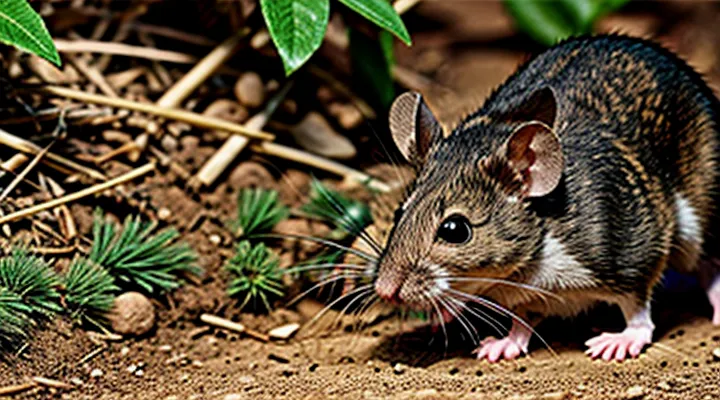
«Understanding Mouse Behavior»
«Identifying Mouse Burrows»
«Signs of a Mouse Presence»
Detecting mouse activity is essential before attempting to coax the animal from its hideout. Accurate identification of presence allows precise placement of bait and minimizes unnecessary disturbance.
- Small, dark droppings, typically 3–5 mm long, found along walls, cabinets, or near food sources.
- Gnaw marks on wood, plastic, or wiring, often at a 45‑degree angle and spaced 1–2 cm apart.
- Visible tracks in dust, flour, or soft soil, showing four‑toed footprints with a distinctive heel pad.
- Nests constructed from shredded paper, fabric, or insulation, usually hidden in corners, behind appliances, or within wall voids.
- Scratching or scurrying sounds emanating from walls, ceilings, or floor cavities, especially at night.
- Strong, musky odor resulting from urine deposits, detectable near entry points or feeding areas.
- Presence of live or dead mice, sometimes trapped in glue boards or found near bait stations.
Each indicator points to a specific zone of activity. Droppings and urine concentrate around feeding routes, while gnaw marks reveal structural entry points. Tracks and nests locate the core burrow area. Auditory cues help pinpoint concealed passages. By correlating these signs, one can position bait or traps directly within the mouse’s preferred pathway, increasing the likelihood of drawing the animal out of its shelter.
«Common Burrow Locations»
Mice select burrow sites that offer shelter, proximity to food, and easy entry points. Recognizing these environments is essential for any effort to draw the animal out.
- Garden beds and compost piles provide loose soil and abundant organic material.
- Spaces beneath foundations, especially where moisture accumulates, create stable tunnels.
- Wall cavities and floor joist gaps allow access to indoor areas while remaining concealed.
- Areas under appliances, refrigerators, and stoves offer warmth and protection from predators.
- Storage boxes, piles of firewood, and cluttered basements present dry, undisturbed soil pockets.
- Outdoor debris such as leaf litter, mulch, and fallen branches forms temporary shelter near food sources.
Each location shares characteristics: soft substrate for excavation, limited disturbance, and direct routes to food. Identifying these features enables precise placement of bait and safe removal strategies.
«Safety First: Precautions and Considerations»
«Protecting Your Home and Family»
When a mouse occupies a concealed tunnel beneath a structure, the risk to occupants includes contamination, structural damage, and disease transmission. Securing entry points eliminates further intrusion while preparing a safe removal environment. Seal cracks, gaps around pipes, and foundation seams with steel‑wool and caulking; install door sweeps and screen vent covers; maintain a clean perimeter free of food debris.
Effective extraction follows a controlled sequence:
- Identify the active tunnel by observing droppings, gnaw marks, or movement at dusk.
- Place a baited containment device at the tunnel opening; use high‑protein bait such as peanut butter or dried meat.
- Monitor the device until capture occurs; then relocate the mouse far from residential areas, preferably over a mile away.
- After removal, disinfect the tunnel interior with a mild bleach solution (1 part bleach to 9 parts water) and allow thorough drying before resealing the entry.
Implementing these measures safeguards the dwelling’s integrity and reduces health hazards for all residents. Regular inspections and prompt repair of any new openings sustain long‑term protection.
«Ethical Considerations»
When attempting to coax a rodent from its underground refuge, the primary responsibility lies in minimizing harm and respecting the animal’s welfare. The action must be justified by a clear, humane purpose, such as preventing property damage or protecting human health, rather than curiosity or entertainment.
- Avoid lethal or painful methods; prioritize non‑invasive techniques that rely on scent, food, or gentle disturbance.
- Ensure that any bait used does not contain toxic substances or allergens that could affect the mouse or other wildlife.
- Conduct the procedure quickly to reduce stress; prolonged exposure to unfamiliar stimuli can cause physiological distress.
- Provide a safe escape route that leads to a suitable habitat, preventing the animal from becoming trapped in an unsafe environment.
- Document the process and outcomes to support transparency and allow assessment of ethical compliance.
After the mouse has exited, verify that it regains normal activity and that the surrounding area remains free of hazards introduced during the intervention. Continuous evaluation of methods ensures alignment with humane standards and reinforces responsible stewardship of wildlife.
«Preparation for Luring»
«Gathering Necessary Supplies»
«Bait Options: Food-Based»
Effective food bait selection is essential for coaxing a mouse out of its burrow. Choose items that emit strong, natural aromas and are readily consumed by rodents.
- Seeds and grains – sunflower seeds, millet, wheat, and oats provide familiar nutrition and produce a persistent scent trail.
- Nuts – peanuts, almonds, and hazelnuts release oily odors that attract mice, especially when lightly crushed to increase surface area.
- Fruits – dried raisins, apple slices, or banana chips offer sweet notes that stimulate curiosity and feeding behavior.
- Protein sources – small pieces of cooked egg, canned tuna, or cheese emit potent smells that can override fear of exposure.
- Peanut butter – dense, aromatic, and adhesive; a thin layer on a trap or platform ensures the mouse contacts the bait while remaining stationary.
When deploying bait, place it directly at the burrow entrance or on a short, unobstructed path leading outward. Ensure the offering is fresh; stale food loses volatile compounds that trigger the mouse’s olfactory response. Avoid overly large pieces that may deter entry; size should allow quick ingestion.
Consider environmental factors: wind direction can disperse scent away from the target area, while humidity may diminish odor intensity. Position bait in a sheltered spot to preserve its aromatic profile.
By selecting high‑scent, easily ingestible foods and positioning them strategically, the likelihood of a mouse emerging from its tunnel increases markedly.
«Bait Options: Non-Food Attractants»
When food is unsuitable or unavailable, reliance on sensory cues can coax a mouse from its tunnel. Non‑edible lures exploit the animal’s innate drives for shelter, curiosity, and territorial signaling.
- Nesting material – Soft fibers such as cotton, shredded paper, or fine wool mimic the environment mice use to line nests. Placing a small bundle near the entrance encourages entry for comfort‑building behavior.
- Scented objects – Musky or earthy aromas, including fresh pine shavings, cedar chips, or lavender sachets, stimulate the rodent’s olfactory system. A few grams positioned at a strategic point create a detectable trail.
- Pheromone lures – Synthetic rodent‑derived pheromones, particularly those mimicking social or alarm signals, trigger investigative responses. Commercially prepared attractant sprays applied to a cotton pad produce a persistent scent plume.
- Vibrational stimuli – Low‑frequency vibrations generated by a small motor or tapping device simulate the movement of conspecifics. When attached to a lightweight platform near the burrow, the subtle tremor prompts exploratory activity.
- Visual cues – Dark, glossy surfaces or small reflective strips can attract nocturnal rodents that rely on limited vision. Positioning a piece of black acrylic or foil at the tunnel mouth draws attention without offering nourishment.
Effective deployment requires placement at the burrow’s primary exit, minimal disturbance of the surrounding substrate, and periodic repositioning to maintain stimulus potency. Combining two or more attractants often yields higher success rates, as mice respond to overlapping sensory inputs.
«Safe Trapping Mechanisms (If Applicable)»
When a mouse has retreated into its tunnel, humane capture devices allow removal without injury. Live‑catch cages, designed with smooth interiors and secure doors, contain the animal intact. Snap traps equipped with reduced force mechanisms kill instantly, minimizing suffering. Glue boards are unsuitable for safe extraction because they cause prolonged distress and tissue damage.
Effective safe‑capture guidelines
- Select a trap size that matches the target rodent; oversized devices reduce success rates.
- Position the device along established runways, near entry points, and close to food sources.
- Bait with high‑energy foods such as peanut butter, oat flakes, or dried fruit; use a small amount to avoid spillage.
- Inspect traps at two‑hour intervals; release captured mice promptly in an appropriate outdoor location, preferably far from the original site.
- Wear disposable gloves during handling to prevent disease transmission and to avoid leaving human scent on the trap.
- Clean and disinfect reusable traps after each use to maintain hygiene and functionality.
«Creating an Appealing Environment»
«Minimizing Disturbances»
When attempting to coax a mouse from its tunnel, the level of disturbance directly influences the animal’s willingness to emerge. Reducing vibrations, noise, and visual cues creates a calmer environment that encourages the mouse to investigate external stimuli rather than retreat deeper.
- Place bait at the entrance of the burrow rather than deep inside; this limits the need for the mouse to travel far in a disturbed area.
- Use low‑frequency sound sources (e.g., soft rustling) instead of sudden loud noises; abrupt sounds trigger flight responses.
- Keep foot traffic to a minimum; walking directly over the burrow generates soil vibrations that the mouse perceives as threat.
- Dim lighting around the opening; bright illumination heightens alertness and can cause the mouse to hide.
- Apply gentle, steady airflow with a fan set on low speed; a consistent breeze signals a safe external environment without startling the animal.
Maintain a stable temperature and humidity level near the entrance. Sudden changes in these conditions can be interpreted as environmental instability, prompting the mouse to stay concealed. By systematically controlling these variables, the likelihood of successful extraction increases without causing undue stress to the creature.
«Setting the Stage for Success»
Prepare the area before attempting to coax a mouse from its tunnel. Remove clutter that could obstruct movement, and ensure the floor is free of loose debris. A clean, well‑lit space increases the animal’s willingness to emerge.
- Choose a low‑odor bait that matches the mouse’s natural diet (e.g., sunflower seeds, peanut butter).
- Place a small, sturdy trap or enclosure at the burrow entrance, leaving a clear path to it.
- Keep the temperature stable; extreme cold or heat discourages activity.
- Limit human scent by wearing gloves and handling tools minimally.
Position the bait at a distance that forces the mouse to traverse the opening, then retreat to a quiet observation point. Monitor without sudden movements; any disturbance may cause the mouse to retreat deeper.
After the mouse exits, secure it gently and release it far from the original site, or transfer it to a prepared holding container if relocation is required. This systematic preparation maximizes the likelihood of successful retrieval while minimizing stress for the animal.
«Effective Luring Techniques»
«The Scent Trail Method»
«Strategic Placement of Bait»
Effective bait placement hinges on three factors: location, presentation, and timing.
Identify the burrow entrance and any secondary tunnels. Position bait directly at the primary opening, then add secondary points a few centimeters inside the tunnel to encourage movement deeper toward the trap. Avoid placing food on the ground surface where wind or other animals may remove it.
Select bait that aligns with the mouse’s dietary preferences and olfactory sensitivity. High‑protein items such as peanut butter, cooked egg, or small pieces of cheese release strong scent molecules that travel quickly through confined spaces. Combine a tiny amount of the chosen food with a non‑edible anchor (e.g., a cotton ball) to prevent displacement by moisture or other wildlife.
Implement a schedule that maximizes exposure while minimizing habituation. Place fresh bait in the early evening, when mice are most active, and remove any uneaten portions after two hours. Repeat the cycle nightly for three to five days to establish a reliable foraging pattern.
Key considerations for optimal results:
- Proximity to burrow entrance: no more than 2 cm from the opening.
- Depth of secondary bait: 1–2 cm inside the tunnel.
- Bait quantity: a pea‑sized amount per site.
- Refresh interval: every 12–14 hours, avoiding over‑saturation.
By adhering to these precise placement guidelines, the mouse is guided out of its refuge toward the intended capture mechanism with minimal trial and error.
«Gradual Bait Distribution»
Gradual bait distribution is a systematic method for coaxing a mouse out of its tunnel without causing panic or abandonment of the shelter. The approach relies on incremental placement of attractive food items along a predictable path, allowing the animal to become accustomed to the presence of food before reaching the exit point.
- Begin with a small amount of high‑value bait (e.g., peanut butter or sunflower seeds) placed near the entrance of the burrow but still within the interior.
- After 12–24 hours, add a second portion slightly farther toward the opening, maintaining the same bait type to reinforce scent familiarity.
- Continue the pattern, increasing distance by 10–15 cm each interval until the final bait rests just outside the exit.
Key considerations:
- Consistency – use the same scent throughout to prevent confusion.
- Timing – allow 12–24 hours between placements; shorter intervals may trigger avoidance behavior.
- Quantity – keep each portion modest; excessive food can attract predators or encourage hoarding inside the tunnel.
- Observation – monitor activity with a low‑light camera or motion sensor to confirm progression and adjust spacing if movement stalls.
When the mouse regularly visits the outermost bait, gently open the exit or introduce a capture device. The gradual buildup ensures the creature perceives the new route as a natural extension of its foraging pattern, increasing the likelihood of successful removal from the burrow.
«The Noise and Light Method»
«Gentle Stimulation Techniques»
Gentle stimulation encourages a mouse to leave its burrow without triggering a flight response. The method relies on subtle sensory cues that the animal perceives as non‑threatening, prompting natural exploratory behavior.
- Soft vibration: Place a low‑frequency, low‑amplitude device near the entrance; the faint tremor mimics distant activity and nudges the mouse toward the opening.
- Warm air flow: Direct a gentle stream of slightly warmed air across the burrow mouth; temperature rise signals a safe environment and reduces hesitancy.
- Quiet auditory signal: Emit a low‑volume, steady rustling sound using a piece of fabric; the consistent noise desensitizes the mouse to nearby disturbances.
- Light tactile brush: Gently sweep a soft brush along the tunnel entrance; the mild contact stimulates whisker receptors without causing alarm.
- Gradual scent introduction: Release a faint, familiar odor (e.g., grain or seed) in increasing concentration; the scent guides the mouse toward a food source outside the burrow.
Safety measures include observing the mouse’s posture for signs of stress, maintaining a clear escape route, and limiting each stimulus to a few seconds before pausing. Repeating the sequence with brief intervals allows the animal to adjust without becoming agitated.
When applied consistently, these techniques produce reliable emergence, enabling further handling or relocation while preserving the mouse’s welfare.
«Creating a Path to Safety»
Creating a path to safety guides a mouse from its burrow toward an exit without causing panic. The method relies on a clear, unobstructed route that leads to a secure release point.
First, identify the burrow entrance and assess surrounding obstacles. Remove debris, loose soil, and any objects that could block movement. Smooth the ground with a thin layer of sand or fine mulch to provide traction and reduce the risk of injury.
Second, establish a gradual incline that directs the mouse away from the burrow. Position a series of low, stable barriers—such as wooden slats or cardboard strips—spaced a few centimeters apart. The barriers create a visual cue, encouraging the mouse to follow the line toward the designated safe zone.
Third, place a food incentive at the far end of the path. Use a small amount of seed, nut, or cheese, positioned on a shallow dish to keep the offering visible but not obstructive. The scent of the food reinforces the direction of travel.
Fourth, monitor the mouse’s progress. If the animal hesitates, gently tap the barriers to produce a faint vibration that prompts movement. Avoid sudden noises or rapid motions that could trigger a defensive response.
Finally, once the mouse reaches the release point, open the enclosure or lift a removable cover to allow free exit. Ensure the area beyond the path is free of predators and hazards, providing a secure environment for the mouse to escape safely.
- Clear entrance and surrounding area
- Smooth ground with sand or mulch
- Install low, spaced barriers forming a visual line
- Place a small food lure at the path’s end
- Observe and gently encourage movement
- Release the mouse into a predator‑free zone
«Utilizing Live Traps (If Desired)»
«Proper Trap Setup»
A correctly configured trap maximizes the chance of coaxing a mouse from its underground hideout.
- Choose a location along known runways: near walls, behind appliances, or close to food sources.
- Use bait that matches the mouse’s diet: peanut butter, dried fruit, or small pieces of cheese.
- Select a trap type appropriate for the environment: snap traps for quick kill, live‑catch cages for relocation, or glue boards for containment.
- Position the trap with the trigger facing the mouse’s entry point; ensure the bait sits on the trigger plate without obstructing movement.
- Set the trigger mechanism firmly, testing for sensitivity before placement.
- Place the trap on a flat surface; avoid uneven flooring that can cause false triggers.
After installation, inspect the trap at regular intervals—every 12–24 hours—to remove captured mice and reset the device. Maintain cleanliness around the area to prevent secondary infestations.
Consistent application of these steps creates a reliable system for extracting a mouse from its burrow without unnecessary disturbance.
«Monitoring and Relocation»
Effective extraction of a mouse from its underground shelter begins with systematic observation. Continuous monitoring identifies activity patterns, entry points, and the animal’s preferred routes, enabling precise timing for intervention.
- Inspect soil surface for fresh mounds, droppings, or gnaw marks.
- Place low‑profile motion sensors or infrared cameras near suspected tunnels.
- Record peak movement hours over several days to determine when the mouse is most active.
- Use non‑lethal bait stations to confirm presence without causing distress.
Once activity is documented, relocation proceeds with minimal stress. Prepare a transport container with ventilation and a soft lining. Transfer the mouse during the identified active period, when it is likely to be near the entrance. Secure the container, then move the animal to a location at least 0.5 km away, featuring abundant cover and natural food sources. Release the mouse near a burrow entrance, allowing it to re‑establish without immediate threat.
Key relocation checklist:
- Verify distance from original site.
- Ensure release area has adequate shelter and forage.
- Confirm weather conditions are mild.
- Dispose of any bait or traps used during monitoring.
Consistent monitoring coupled with careful relocation maximizes the likelihood of successful removal while preserving the mouse’s welfare.
«Post-Luring Actions»
«Preventing Future Infestations»
«Sealing Entry Points»
Sealing entry points prevents a mouse from re‑entering its tunnel after it has been coaxed out, making any lure or trap more effective. By eliminating alternative routes, the rodent is forced to use the designated exit, increasing the likelihood of capture or relocation.
- Inspect the area for gaps around foundations, walls, vents, and utility penetrations.
- Measure each opening; even a ¼‑inch hole provides access.
- Apply steel wool or copper mesh to fill gaps, then cover with expanding foam or silicone caulk for durability.
- Install metal flashing over larger cracks before sealing with mortar or concrete.
- Secure door sweeps and weatherstripping to block entry beneath doors.
After sealing, observe the mouse’s movement for 24–48 hours. If the animal remains within the burrow, reposition bait or traps near the only remaining opening to guide it toward the exit. Continuous maintenance of sealed points ensures the rodent cannot revert to hidden pathways.
«Maintaining Cleanliness»
Maintaining a clean environment is essential when attempting to draw a mouse from its hideout. Residual food particles, droppings, and clutter provide both attraction and concealment, encouraging the rodent to stay. By eliminating these elements, you reduce the incentive for the mouse to remain underground and increase the likelihood that it will explore exposed areas.
Key actions for sanitation include:
- Removing all accessible food sources; store perishables in sealed containers and promptly clean up crumbs.
- Sweeping and vacuuming floors, especially behind appliances and under furniture, to eradicate hidden debris.
- Disinfecting surfaces with a mild bleach solution to eliminate scent trails that guide the mouse.
- Disposing of waste in sealed bags and taking it out regularly to prevent odor buildup.
- Inspecting and repairing any gaps or holes that allow entry of debris, thereby limiting shelter options.
A disciplined cleaning routine creates an uninviting habitat, prompting the mouse to seek alternative shelter and making it more susceptible to humane capture methods.
«Dealing with the Lured Mouse»
«Safe Relocation Practices»
Effective relocation of a mouse requires methods that protect both the animal and the environment. The process begins with assessment of the burrow’s location, entry points, and surrounding hazards. Identify obstacles such as sharp objects, chemicals, or predators that could harm the mouse during the operation.
- Seal all alternative exits with temporary barriers to direct movement toward the intended exit.
- Place a low‑profile trap or funnel at the primary opening; ensure the device is smooth‑sided to prevent injury.
- Use a mild, non‑toxic attractant (e.g., a small amount of grain or peanut butter) placed just beyond the trap to encourage the mouse to move outward.
- Maintain a quiet atmosphere; limit human traffic and loud noises around the burrow for at least 30 minutes before and during the procedure.
- Monitor temperature and humidity; extreme conditions can stress the animal and reduce compliance.
- Once the mouse reaches the exit, guide it gently into a transport container with ventilation holes; avoid handling directly to minimize stress.
After capture, relocate the mouse to a suitable habitat at least 200 meters away, ensuring the new site offers shelter, food sources, and absence of immediate threats. Release the animal during daylight hours when predators are less active. Clean the original area of any attractants and inspect for signs of reinfestation regularly.
Adhering to these practices minimizes injury risk, reduces stress, and supports humane removal of the rodent from its underground dwelling.
«When to Call a Professional»
When attempts to coax a mouse from its tunnel fail repeatedly, professional help becomes necessary. Persistent activity indicates that the animal has established a secure network of burrows, which can compromise structural integrity and increase the risk of disease transmission. If any of the following conditions are present, contact a licensed pest‑control specialist:
- Visible damage to insulation, wiring, or wood caused by gnawing.
- Evidence of droppings, urine, or nests in occupied spaces.
- Repeated trapping or baiting without a reduction in sightings.
- Presence of children, pets, or immunocompromised individuals in the household.
- Legal or insurance requirements that mandate professional eradication.
Engaging an expert ensures thorough assessment, safe removal, and implementation of preventive measures that exceed the capabilities of DIY methods. Delay can allow the infestation to expand, leading to higher remediation costs and greater health hazards.