
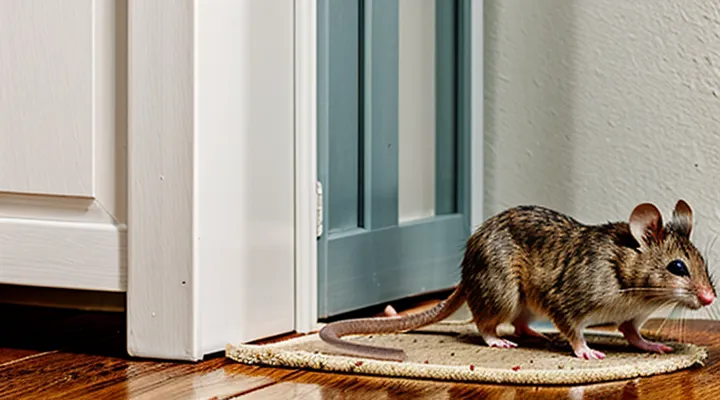
Recognizing the Signs of a Mouse Infestation
Visible Evidence
Droppings
Mouse droppings are a primary indicator of a rodent presence inside a residence. They differ from insect feces and pet waste in size, shape, and consistency. Typical characteristics include:
- Length of ¼ to ½ inch (6–12 mm) and a pointed tip.
- Dark brown to black color, sometimes with a white rim when dried.
- Smooth, firm texture that crumbles when pressed.
These traces appear in areas where mice travel or forage. Common locations are:
- Along baseboards, under appliances, and behind cabinets.
- Inside cupboards, especially near stored grain or cereal.
- In attic insulation, ceiling joists, and wall cavities.
- Near food sources such as pantry shelves, garbage containers, and pet feeding stations.
The volume of droppings can indicate infestation severity. A few isolated pellets suggest occasional activity, while clusters of dozens or more within a single day point to a breeding population. Continuous accumulation over several days confirms an active problem.
Health considerations are significant. Droppings contain pathogens such as Hantavirus, Salmonella, and Leptospira. Inhalation of dried particles or direct contact with skin can cause illness. Immediate precautions include wearing disposable gloves, a mask, and a protective gown when handling contaminated material.
To verify mouse activity, follow these steps:
- Inspect suspected zones with a bright flashlight, focusing on corners and concealed spaces.
- Use a disposable cotton swab to collect a sample of fresh droppings for laboratory identification if needed.
- Compare the sample against documented rodent feces images to rule out other pests.
- Record the number and distribution of pellets to assess the infestation level.
Removal and sanitation require thorough cleaning. Dispose of droppings in a sealed plastic bag, then disinfect the area with a bleach solution (1 part bleach to 10 parts water) or an EPA‑registered rodent disinfectant. Allow the surface to remain wet for at least ten minutes before wiping it away. After treatment, seal any entry points to prevent re‑infestation.
Gnaw Marks
Gnaw marks are a primary indicator of a rodent presence in residential spaces. Mice leave distinctive bite patterns: shallow, crescent‑shaped cuts with smooth, clean edges. The marks typically appear on wood, plastic, or soft insulation, and the width rarely exceeds a quarter of an inch. Repeated bites create a series of parallel or overlapping grooves that form a recognizable feeding trail.
Common locations for these signs include:
- Baseboards and trim where mice travel along walls.
- Cabinet doors and pantry shelves, especially near stored grains.
- Electrical wiring, where gnawing can expose copper and create fire hazards.
- Furniture legs and upholstered frames, often overlooked during routine cleaning.
Distinguishing mouse gnaw marks from those of other pests is essential. Rat bites are larger, with ragged edges and deeper penetration. Insect damage, such as from beetles, usually manifests as irregular holes rather than linear incisions. When gnaw marks are observed, inspect the surrounding area for droppings, urine stains, and nesting material to confirm an infestation and initiate appropriate control measures.
Nests
Mouse nests are a primary indicator of an active infestation. They consist of shredded material such as paper, fabric, insulation, and dried food particles, compacted into a cup‑shaped structure. Nests are typically located in hidden, protected areas where mice feel safe from predators and disturbances.
Common locations include:
- Behind baseboards and wall cavities
- Inside attics, especially near rafters or insulation
- Beneath appliances, such as refrigerators, stoves, and dishwashers
- In closets, especially where clothing or stored items provide soft material
- Within crawl spaces and under floor joists
The presence of a nest suggests that mice have established a permanent residence, not merely a transient foraging path. Nests are often accompanied by additional evidence: droppings clustered near the structure, gnaw marks on surrounding materials, and a distinctive musky odor from urine and pheromones.
When inspecting a property, follow a systematic approach:
- Conduct a visual sweep of all potential hiding spots listed above.
- Use a flashlight to illuminate dark corners and crevices.
- Look for tightly packed, irregularly shaped piles of soft debris.
- Verify the material composition; mice preferentially use readily available, fibrous items.
- Document each finding with photographs and notes to assess the infestation’s extent.
Identifying nests promptly enables targeted control measures. Removal of the nest, combined with sealing entry points and setting appropriate traps or bait stations, interrupts the mice’s breeding cycle and reduces the likelihood of recurrence. Regular monitoring of the identified sites ensures that any new nest construction is detected early, preventing a full‑scale infestation.
Tracks and Runways
Mice create distinct pathways that reveal their presence. These routes, often called tracks, consist of fine droppings, smears of urine, and shredded material. Droppings appear as small, dark, rice‑shaped pellets, typically found in lines along walls, under appliances, or near food sources. Urine stains leave a faint, oily sheen that may glow under a black‑light. Chewed fibers, paper, and insulation accumulate along the same corridor, indicating repeated traffic.
Runways develop where mice travel repeatedly, forming permanent passages. Look for the following evidence:
- Parallel rows of droppings spaced 6–12 inches apart.
- Smudged footprints in dusty corners or on smooth surfaces.
- Gnaw marks on wiring, baseboards, and cabinet edges aligned with droppings.
- Accumulated shredded paper, fabric, or insulation lining the route.
- Small, circular nests of shredded material positioned at the intersection of multiple pathways.
The orientation of tracks and runways helps locate entry points. Paths typically start near exterior cracks, gaps around pipes, or openings under doors, then extend toward food storage areas. Identifying the direction of movement allows targeted sealing of access points and focused placement of traps or bait stations.
Regular inspection of suspected routes, especially in low‑light areas such as basements, attics, and behind large appliances, provides reliable confirmation of an infestation. Prompt documentation of track patterns supports effective remediation planning.
Auditory and Olfactory Clues
Scratching Noises
Scratching sounds are a reliable indicator of rodent activity inside a dwelling. The noises typically originate from walls, ceilings, or attic spaces where mice travel along concealed routes. Characteristics that distinguish mouse scratching from other sources include:
- Rapid, light taps lasting a few seconds, repeated at irregular intervals.
- Occurrence during nighttime or early morning when mice are most active.
- Concentration near entry points such as gaps around pipes, vents, or foundation cracks.
- Accompaniment by faint rustling of nesting material or gnawing on insulation.
When evaluating these sounds, compare them with alternative explanations. Larger rodents, such as rats, produce deeper, heavier thuds, while insects generate continuous high‑pitched chirps. Structural settling yields occasional creaks but lacks the repetitive pattern of mouse movement. If the described scratching aligns with the listed traits, the likelihood of a mouse presence is high, prompting inspection of suspected pathways and implementation of control measures.
Squeaking Sounds
Squeaking sounds are a reliable indicator that rodents are present inside a residence. Mice produce high‑pitched vocalizations when moving through walls, ceilings, or floor cavities, especially during nighttime when they are most active. The noise is typically brief, intermittent, and may be heard through thin surfaces such as drywall or cabinetry.
Key characteristics of mouse squeaks include:
- Frequency: 5,000–10,000 Hz, audible to most adults but often mistaken for distant electronic hums.
- Timing: Occurs after sunset and before sunrise, aligning with the animal’s foraging schedule.
- Location: Concentrated near hidden entry points, pantry shelves, and insulation zones.
- Pattern: Repeats in short bursts of 1–3 seconds, followed by silent intervals of several minutes.
Distinguishing mouse squeaks from other household noises requires attention to these traits. Electrical appliances, HVAC systems, or pet sounds generally produce lower‑frequency, continuous tones. When squeaking is detected consistently in the same area, it suggests an active nest or travel route. Immediate inspection of nearby voids, sealing of openings, and placement of traps can prevent further infestation.
Distinctive Odor
Mice emit a sharp, musky scent that differs from typical household odors. The smell originates from urine, droppings, and the oily secretions on their fur. It is most noticeable in enclosed spaces such as closets, attics, and behind appliances where ventilation is limited.
Key characteristics of the mouse odor:
- Ammonia‑like sharpness – reminiscent of stale urine.
- Persistent presence – does not dissipate quickly, even after cleaning visible evidence.
- Localization – strongest near nesting sites, food storage areas, and entry points.
Detecting the odor can confirm an infestation when visual signs are absent. To assess the presence of the scent:
- Conduct a slow, systematic sniff test in each room, focusing on corners and hidden compartments.
- Use a cotton swab soaked in a neutral solution to capture odor particles from suspected surfaces; a lingering smell on the swab indicates mouse activity.
- Compare the detected scent with a known sample of mouse urine, if available, for verification.
If the distinctive musky odor is detected in multiple locations, it strongly suggests an active rodent problem that requires immediate remediation.
Indirect Indicators
Pet Behavior
Pets often reveal hidden rodent activity before visual signs appear. Observing animal reactions provides early detection of a mouse problem in a residence.
- Cats exhibit heightened stalking, sudden bursts of sprinting toward walls, and frequent attempts to capture unseen prey. They may also bring captured insects or small mammals to their owners as evidence of hunting activity.
- Dogs display persistent sniffing near baseboards, cabinets, and ceiling voids. They may bark or growl at concealed spaces, pace repeatedly along the same route, or show increased alertness when humans are absent.
- Small mammals, such as hamsters or guinea pigs, may become unusually nervous, retreating to enclosed areas or exhibiting rapid, repetitive movements in response to distant rodent sounds.
- Birds kept indoors often flutter or vocalize more loudly when detecting high‑frequency squeaks produced by mice traveling through ducts or insulation.
- Exotic pets, including reptiles, may show reduced appetite or increased stress behaviors if rodents occupy the same habitat.
Consistent observation of these patterns enables homeowners to confirm rodent presence promptly, allowing targeted remediation before damage escalates.
Food Contamination
Mice infiltrate kitchens and pantries, leaving food exposed to urine, feces, and saliva. These biological contaminants introduce pathogens such as Salmonella, Hantavirus, and Listeria, rendering stored items unsafe for consumption.
Typical signs of food contamination include:
- Small dark droppings scattered on or near food packages.
- Chewed or torn packaging, especially around grain, cereal, and pet food.
- Wet, oily streaks on surfaces where mice have urinated.
- Unusual odors resembling ammonia or decay emanating from pantry shelves.
- Presence of mouse nests constructed from shredded paper, fabric, or insulation within food storage areas.
When any of these indicators appear, immediate steps are required:
- Remove all affected food items; discard anything that shows signs of damage or contact with droppings.
- Clean and disinfect shelves, drawers, and countertops with a solution of bleach (1 part bleach to 10 parts water) or an EPA‑approved sanitizer.
- Seal remaining food in airtight containers made of glass or heavy‑wall plastic.
- Inspect the entire home for additional mouse activity, sealing entry points with steel wool or metal mesh.
- Engage a professional pest‑control service to eliminate the infestation and prevent recurrence.
Unexplained Damage to Property
Unexplained damage to property often signals a hidden rodent problem. Mice leave distinct traces that differ from normal wear and tear.
- Gnaw marks on wood, plastic, or wiring, especially near edges or corners.
- Small, irregular holes in insulation, drywall, or stored packaging.
- Chewed food containers, grain bags, or pantry items with torn seals.
- Scratches or fur deposits on surfaces where mice travel.
- Droppings resembling dark rice grains, found in concealed areas such as under appliances or behind cabinets.
These indicators appear without an obvious cause and should prompt a thorough inspection. Examine hidden spaces, attics, basements, and crawl spaces for the listed signs. Confirm the presence of live rodents by listening for nocturnal scurrying or detecting fresh droppings. Early identification of such damage prevents electrical hazards, structural weakening, and contamination of food supplies. Immediate remediation, including sealing entry points and setting appropriate traps, restores safety and protects the integrity of the home.
Taking Action After Detection
Confirming the Infestation
Mice leave unmistakable evidence that can be systematically examined to verify an infestation.
Visible signs include:
- Small, dark droppings, typically 3‑5 mm long, found along walls, behind appliances, and in pantry corners.
- Gnawed materials such as food packaging, wood, insulation, or electrical wiring; bite marks are cleanly cut and often appear near entry points.
- Nests constructed from shredded paper, fabric, or insulation, usually hidden in concealed spaces like attics, wall voids, or under appliances.
- Grease tracks: oily smears left on surfaces where mice travel, especially in low‑light areas.
Auditory clues:
- Scratching or scurrying sounds in ceilings, walls, or beneath floors, most active during nighttime.
Odor indicators:
- A sharp, musky smell, especially near nests or concentrated droppings, signals a growing population.
Physical inspection steps:
- Conduct a thorough visual sweep of potential harborages, focusing on the areas listed above.
- Use a flashlight to illuminate dark corners and ceiling joists; a handheld UV light can reveal urine stains invisible to the naked eye.
- Place sticky traps or snap traps along known pathways; capture confirms active movement.
- Monitor for fresh droppings by checking the same locations over 24‑48 hours; new deposits confirm ongoing activity.
Collecting and analyzing evidence in this manner provides a reliable confirmation of a mouse problem, enabling decisive remediation measures.
Locating Entry Points
Mice gain access through the smallest gaps; pinpointing these openings prevents further invasion. Begin by examining the building envelope while the interior is empty, allowing unobstructed observation of potential pathways.
Common entry locations include:
- Gaps around exterior doors and sliding windows, especially where weather‑stripping is worn or missing.
- Cracks in foundation walls, basement floors, and crawl‑space vents.
- Openings around utility penetrations such as pipes, cables, and vent pipes.
- Gaps behind kitchen appliances, particularly under refrigerators and stoves.
- Unsealed attic hatches, roof vents, and eaves.
- Holes in siding, soffits, and soffit vents.
Detect openings by using a bright flashlight to highlight shadows, a thin piece of cardboard or a flexible wire to probe suspicious seams, and a black light to reveal fresh droppings that indicate active routes. Pay attention to signs of gnawing, rusted metal, or displaced insulation, which often accompany entry points.
After identification, seal each gap with appropriate material: steel wool combined with caulk for small holes, copper mesh for larger cracks, and heavy‑duty weather‑stripping for doors and windows. Replace damaged vent covers with metal screens. Regularly inspect sealed areas to confirm integrity and reapply sealant as needed.
Implementing Control Measures
After confirming evidence of a rodent presence, immediate control actions prevent population growth and property damage.
- Eliminate food sources: store dry goods in airtight containers, clean crumbs and spills, and secure garbage in sealed bins.
- Reduce shelter: declutter storage areas, remove piles of cardboard or fabric, and keep vegetation trimmed away from the building’s exterior.
Seal all potential entry points. Inspect the foundation, walls, windows, and utility openings; use steel wool, caulk, or metal flashing to close gaps larger than a quarter inch.
Deploy trapping devices strategically. Place snap traps or multi-catch traps along walls, behind appliances, and near identified runways. Use bait such as peanut butter or dried fruit, and check traps daily.
If bait stations are preferred, choose tamper‑resistant units and position them in concealed locations, away from children and pets. Rotate active stations every two weeks to maintain efficacy.
When infestations persist or exceed a few individuals, engage a licensed pest‑management professional. Experts can apply rodenticides, conduct comprehensive inspections, and provide a long‑term management plan.
Maintain a monitoring routine. Record trap captures, inspect for fresh droppings, and re‑evaluate sealed openings monthly. Continuous observation ensures early detection of re‑infestation and allows prompt corrective measures.