
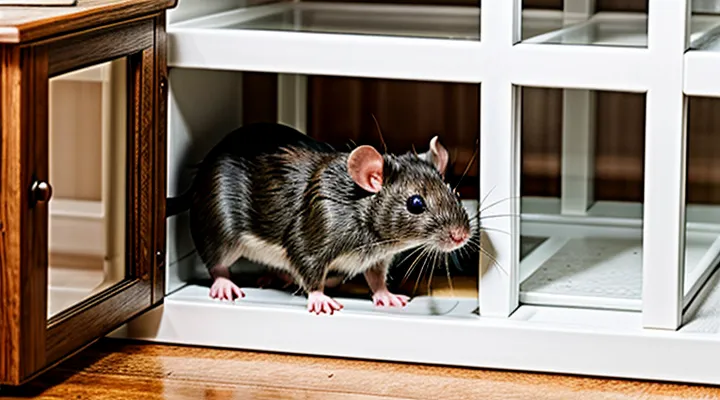
Choosing Your First Pet Rats
Why Rats Make Great Pets
Rats excel as companions for novice owners because they combine intelligence, sociability, and modest maintenance requirements.
- Cognitive ability – Rats learn tricks, navigate mazes, and respond to click‑train cues within days, providing interactive enrichment without extensive equipment.
- Social dynamics – They form strong bonds with humans and fellow rats, displaying affection through grooming and gentle nibbling, which reduces owner loneliness.
- Space efficiency – A standard cage occupies less than one square meter, fitting comfortably in apartments or small rooms while still allowing vertical climbing structures.
- Economic practicality – Food costs average $15–$20 per month; basic bedding and toys are inexpensive, making long‑term ownership affordable.
- Health considerations – Rats are hypoallergenic compared to many furred pets, produce minimal dander, and their short lifespan (2–3 years) limits long‑term commitment concerns.
- Hygiene – They produce low odor when cages are cleaned regularly; urine has a mild scent that dissipates quickly, and solid waste is easy to remove.
- Lifespan and turnover – The brief life cycle encourages responsible caretaking practices early, offering a manageable learning curve for first‑time pet keepers.
Collectively, these attributes create a low‑risk, high‑reward pet experience that aligns well with the needs of beginners seeking a responsive and manageable animal companion.
Where to Acquire Pet Rats
Reputable Breeders
When starting with pet rats, selecting a reputable breeder is essential for health, temperament, and legal compliance. Reputable breeders adhere to strict standards that protect both the animals and the owners.
- Provide health records, including vaccination dates and any genetic testing performed.
- Maintain clean, well‑ventilated facilities that meet local animal welfare regulations.
- Limit breeding pairs to prevent overpopulation and ensure proper socialization.
- Offer a guarantee or return policy for sick or unsuitable animals.
- Communicate openly about lineage, temperament traits, and care requirements.
Prospective owners should verify the breeder’s credentials before purchase. Request references from previous customers and check for membership in recognized rodent breeding associations. A legitimate breeder will welcome site visits, answer detailed questions, and avoid pressuring immediate decisions.
Documentation is another critical factor. Reliable breeders supply a written contract outlining the buyer’s responsibilities, the breeder’s obligations, and any post‑sale support. This contract typically includes a health warranty covering a specified period and instructions for quarantine or initial veterinary checks.
Finally, assess the breeder’s commitment to ethical practices. Ethical breeders prioritize the well‑being of each rat, avoid inbreeding, and provide enrichment items such as tunnels, chew toys, and nesting material. Their focus on responsible breeding reduces the risk of hereditary health problems and contributes to a smoother transition for new owners.
Rescues and Shelters
Rescue rats provide an immediate source of companionship for newcomers to rodent care, often arriving already accustomed to human interaction. Shelters typically screen animals for health issues, vaccinate when necessary, and quarantine to prevent disease spread. Selecting a reputable organization reduces the risk of inherited problems and ensures access to basic medical records.
When evaluating a rescue or shelter, consider the following criteria:
- Documentation of health checks, vaccinations, and any treatments administered.
- Availability of information about the rat’s age, sex, and temperament.
- Policies on quarantine, return, and ongoing support for adopters.
- Transparency regarding breeding practices and population control measures.
After adoption, introduce the rat to its new environment gradually. Prepare a secure cage with appropriate bedding, hideouts, and enrichment items before arrival. Monitor feeding habits, weight, and behavior for the first two weeks; contact the shelter if abnormalities appear. Consistent handling and a stable routine promote trust and reduce stress, laying the foundation for a healthy, long‑term partnership.
Essential Considerations Before Getting Rats
Time Commitment
Keeping rats as a first‑time pet demands a predictable allocation of time. Daily responsibilities include feeding, water replacement, cage cleaning, and brief interaction to maintain tameness. Each of these tasks typically requires 10–15 minutes.
- Feeding and water: 5 minutes, twice a day.
- Spot cleaning (removing soiled bedding, checking for injuries): 5 minutes.
- Social engagement (hand‑taming, play): 5–10 minutes.
Weekly duties expand to a deeper cage overhaul. Removing all bedding, washing the cage, sanitizing accessories, and inspecting health indicators generally take 30–45 minutes. Additional weekly tasks may involve grooming, nail trimming, and rotating toys, each adding 5–10 minutes.
Monthly commitments involve health monitoring and supply management. Scheduling a veterinary check‑up, updating vaccinations, and recording weight and behavior trends occupy 20–30 minutes. Restocking food, bedding, and enrichment items adds another 10–15 minutes. In total, a beginner can expect to devote roughly 1–1.5 hours per day, 2–3 hours per week, and 1 hour per month to maintain a healthy rat household.
Financial Aspects
Keeping pet rats involves measurable financial commitments that beginners must anticipate. Initial outlay includes a secure cage, bedding, food, water system, and basic enrichment items. These elements represent the core investment required before the animals arrive.
- Cage with lockable doors: $50‑$150
- Bedding (paper or wood shavings, 5 lb): $10‑$20 per month
- Commercial rat pellets: $8‑$12 per 5‑lb bag, lasting 2‑3 weeks
- Water bottle with sipper tube: $5‑$10
- Chew toys and tunnels: $5‑$15 each, replaceable as worn
Recurring expenses cover nutrition, health care, and replacement of consumables. A routine veterinary check‑up, typically $30‑$60, should be scheduled annually; emergencies can exceed $200. Additional costs arise from cleaning supplies, cage accessories, and occasional upgrades as the rats mature.
Effective budgeting requires tracking each category, setting aside a monthly reserve of $30‑$50 for unexpected veterinary needs, and purchasing bulk food to reduce per‑unit cost. Selecting reusable enrichment and opting for DIY cage accessories can further lower expenditures without compromising animal welfare.
Preparing for Your New Rats
The Ideal Cage Setup
Cage Size and Type
When selecting a habitat for pet rats, ensure ample space for movement, exercise, and enrichment. A minimum floor area of 24 × 18 inches (60 × 45 cm) accommodates two adult rats; each additional rat requires an extra 6 × 6 inches (15 × 15 cm). A height of at least 12 inches (30 cm) allows vertical climbing structures without crowding.
Recommended cage styles include:
- Wire cages with a solid base: Provide ventilation, prevent chewing through walls, and allow easy cleaning. Use a stainless‑steel or coated wire grid of ½‑inch (12 mm) spacing to prevent escape.
- Glass aquariums: Offer clear visibility and sturdy construction. Ensure a secure, ventilated lid and cover the top with a mesh screen to maintain airflow.
- Modular plastic cages: Feature interlocking panels and removable trays for quick maintenance. Choose models with reinforced corners to resist gnawing.
Materials should be non‑toxic, rust‑free, and easy to sanitize. Avoid cages with painted surfaces or untreated wood, as rats may ingest harmful substances. Regularly inspect for wear, replace damaged components, and maintain a clean environment to support health and longevity.
Bedding and Substrate Options
Choosing the right bedding is essential for rat health and cage hygiene. Natural fibers such as paper-based products, kiln‑dried pine shavings, and hardwood pellets each have distinct characteristics. Paper bedding absorbs moisture quickly, reduces dust, and is easy to replace. Kiln‑dried pine shavings provide good ventilation but may contain aromatic oils that irritate sensitive respiratory systems; only select low‑oil varieties are suitable. Hardwood pellets compress into a compact layer, allowing rats to dig and nest while minimizing waste volume, though they require regular fluffing to maintain softness.
- Paper pulp (e.g., recycled newspaper, shredded tissue): low dust, high absorbency, biodegradable, inexpensive.
- Aspen shavings: low aromatic content, moderate dust, supports digging behavior, readily available.
- Hemp or straw: natural nesting material, low toxicity, occasional mold risk if damp.
- Coconut fiber (coir): moisture‑wicking, encourages burrowing, may develop odor if not changed frequently.
Safety considerations include avoiding cedar, untreated pine, and scented litters, all of which can cause respiratory irritation or liver stress. Substrate depth should allow rats to construct nests—approximately 2–3 inches (5–7 cm) suffices. Regular spot cleaning removes soiled sections, while a full substrate change every two weeks prevents bacterial buildup.
For beginners, a combination of aspen shavings for base coverage and a separate nest box filled with paper pulp offers a balanced environment. This setup supports natural behaviors, simplifies maintenance, and minimizes health risks.
Food and Water Essentials
Providing balanced nutrition and reliable hydration is fundamental for healthy pet rats. Rats thrive on a diet that combines commercial pellets, fresh vegetables, and occasional protein treats. Commercial pellets must constitute the primary portion, delivering consistent nutrients and preventing dietary deficiencies. Fresh vegetables such as broccoli, carrots, and spinach add vitamins and fiber; introduce them gradually to monitor tolerance. Protein sources—hard‑boiled egg, cooked chicken, or mealworm—should be offered in small amounts no more than twice weekly.
- Commercial rat pellets: 80–90 % of daily intake, refreshed weekly.
- Fresh vegetables: 5–10 % of daily intake, washed and chopped.
- Protein treats: ≤5 % of daily intake, limited to 1–2 g per rat.
- Fruit: occasional, ≤2 % of daily intake, seed‑free.
Water must be clean, accessible, and available at all times. Use stainless‑steel or glass bottles with sipper tubes to prevent contamination; plastic containers can harbor bacteria. Replace water daily and inspect the bottle for leaks or blockages. In warm environments, increase monitoring frequency to ensure the supply remains adequate.
- Bottle type: stainless steel or glass with sipper.
- Daily routine: refill, clean, and inspect.
- Temperature check: ensure water does not become warm or stagnant.
- Backup: maintain an extra bottle in case of malfunction.
Enrichment and Toys
Providing a stimulating environment is essential for healthy pet rats. Enrichment satisfies natural instincts, reduces stress, and prevents repetitive behaviors that can lead to injury. When selecting items, prioritize safety: avoid sharp edges, loose strings, and toxic materials.
Effective enrichment falls into three categories:
- Foraging devices: cardboard tubes, paper rolls, and treat-dispensing puzzles encourage exploration and problem‑solving.
- Physical activity tools: climbing ladders, tunnels, and hammocks support muscular development and agility.
- Sensory stimulants: chewable wood blocks, textured fabrics, and scent‑infused pads engage tactile and olfactory senses.
Rotate toys regularly to maintain novelty. A schedule of weekly changes prevents habituation and sustains curiosity. Monitor each item for wear; replace damaged pieces promptly to avoid hazards.
DIY projects expand options without high cost. Simple constructions—such as a PVC pipe maze or a folded paper fort—offer customizable challenges. Ensure all homemade items are smooth, stable, and free of toxic adhesives. By integrating diverse, safe toys and consistently updating the environment, novice rat keepers foster robust physical health and mental well‑being in their companions.
Rat-Proofing Your Home
Rat-proofing a home is essential for anyone beginning to care for rats. Effective prevention starts with eliminating access points, controlling food sources, and maintaining a clean environment.
- Inspect walls, floors, and ceilings for gaps larger than ¼ inch; seal openings with steel wool, caulk, or metal mesh.
- Install door sweeps on all exterior doors; verify that windows close tightly and use screen mesh where needed.
- Cover all pet food and water dishes when not in use; store dry feed in airtight containers made of glass or heavy‑duty plastic.
- Keep trash bins sealed; dispose of waste daily and use bins with tight‑fitting lids.
- Remove clutter such as piles of cardboard, wood, or fabric that can serve as nesting material.
- Maintain landscaping: trim branches away from the house, keep grass short, and eliminate debris near foundations.
- Conduct regular inspections of the roof, attic, and crawl spaces; repair damaged insulation or vent covers promptly.
By following these steps, a beginner can create a secure habitat that minimizes the risk of unwanted rodents entering the living space while providing a safe environment for the pet rats.
Initial Supplies Checklist
A reliable start with pet rats requires a well‑defined set of items. The following checklist covers everything a novice keeper should acquire before bringing a rat home.
- Sturdy cage with secure wire mesh and a solid base (minimum 2 sq ft floor space per rat).
- Appropriate bedding such as paper‑based or aspen shavings; avoid pine or cedar.
- Water bottle with stainless‑steel spout; ensure a secure latch to prevent leaks.
- Nutritionally balanced rat pellets; supplement with a small amount of fresh vegetables.
- Hideaway shelter or tunnel to provide privacy and reduce stress.
- Chewable toys (wood blocks, untreated cardboard, mineral chews) to support dental health.
- Litter tray with low‑dust, absorbent material for bathroom training.
- Cleaning supplies: non‑toxic disinfectant, scrub brush, and paper towels.
- Health kit containing a small first‑aid set, nail clippers, and a digital thermometer.
- Carrier or transport box for vet visits and safe relocation.
Acquiring these essentials before the first day ensures a safe, comfortable environment and minimizes the need for urgent purchases later.
Daily Care and Routine
Feeding Your Rats
Commercial Rat Food
Commercial rat food offers a complete, balanced diet formulated to meet the specific nutritional requirements of pet rats. It eliminates the guesswork of assembling homemade mixes and reduces the risk of nutrient deficiencies that can develop when owners rely solely on kitchen scraps.
The typical composition includes protein sources (e.g., soy, fish meal, or meat meal) ranging from 15 % to 20 % of the formula, moderate levels of fat (3 %–5 %), complex carbohydrates, fiber, vitamins, and minerals. These ingredients support growth, reproduction, and overall health, while the added fiber aids digestion and prevents gastrointestinal blockages.
When choosing a product, consider the following criteria:
- Protein content appropriate for the rat’s life stage (higher for juveniles, lower for adults).
- Absence of artificial colors, flavors, or excessive fillers such as wheat or corn.
- Inclusion of essential vitamins (A, D, E, K) and minerals (calcium, phosphorus, zinc).
- Manufacturer reputation and compliance with pet food safety standards.
- Availability of a detailed ingredient list for allergy monitoring.
Feed the recommended portion size twice daily, adjusting amounts based on the rat’s weight and activity level. Store the food in an airtight container at room temperature to preserve freshness and prevent spoilage. Observe the animal’s consumption patterns; a sudden decline may indicate health issues that require veterinary attention.
Safe Fresh Foods and Treats
Rats thrive on a diet that combines high‑quality pellets with fresh vegetables, fruits, and occasional treats. Pellets should form the nutritional base; they provide essential protein, fat, and fiber in a balanced formula. Fresh foods supplement the diet, add variety, and encourage natural foraging behavior.
Safe fresh foods
- Leafy greens: romaine lettuce, kale, spinach, swiss chard (wash thoroughly)
- Root vegetables: carrots, sweet potatoes, beet greens (offer in small cubes)
- Cruciferous vegetables: broccoli florets, cauliflower, cabbage (moderate amounts)
- Fruits: apple slices (no seeds), berries, banana, melon, pear (remove cores)
- Herbs: parsley, cilantro, basil (fresh, unsprayed)
Treats that rats accept
- Unsalted nuts: almonds, peanuts, walnuts (limit to a few pieces per week)
- Cooked eggs: hard‑boiled, chopped into tiny pieces
- Plain yogurt: a teaspoon of low‑fat, unsweetened variety
- Small pieces of whole‑grain bread or crackers (no added salt or sugar)
Foods to avoid
- Citrus fruits (high acidity)
- Raw potatoes and nightshades (solanine)
- Processed meats, cheese, and dairy with high fat
- Sugary snacks, chocolate, caffeine, alcohol
- Foods with artificial sweeteners, especially xylitol
Preparation guidelines
- Rinse all produce under running water; peel if pesticide residue is a concern.
- Cut foods into bite‑size pieces to prevent choking.
- Introduce a new item in a single small piece; observe for 24 hours before adding more.
- Remove uneaten fresh foods after 24 hours to prevent spoilage and bacterial growth.
Feeding schedule
- Offer pellets daily in a clean dish; replenish as consumed.
- Provide fresh vegetables and fruits 3–4 times per week, rotating items to ensure nutritional balance.
- Use treats sparingly, not exceeding 5 % of total caloric intake.
Consistent monitoring of weight, coat condition, and stool consistency confirms that the diet meets the rat’s needs. Adjust portions and variety based on observed health indicators.
Foods to Avoid
Rats require a diet that excludes foods that can cause digestive upset, liver damage, or nutritional imbalances. Feeding inappropriate items compromises health and reduces lifespan.
- Chocolate and cocoa products – contain theobromine, toxic to rats.
- Caffeine‑containing beverages or foods – stimulate heart rate, can lead to seizures.
- Alcohol – depresses central nervous system, potentially fatal even in small amounts.
- Raw or undercooked beans – contain lectins that damage the intestinal lining.
- High‑fat processed snacks (chips, crackers, fried foods) – promote obesity and heart disease.
- Citrus fruits in large quantities – acidic content irritates stomach lining.
- Salty foods (pretzels, salted nuts) – cause electrolyte imbalance and kidney strain.
- Sugary sweets and candy – lead to dental decay and metabolic disorders.
- Dairy products – many rats are lactose intolerant, resulting in diarrhea.
- Onion, garlic, and related Allium species – can cause hemolytic anemia.
Avoid these items entirely; substitute with approved staples such as high‑quality rodent pellets, fresh vegetables, and limited fruit. Consistent adherence to a safe diet supports robust growth, active behavior, and long‑term well‑being.
Water Provision
Provide fresh, clean water at all times. Replace water daily to prevent bacterial growth and eliminate stale taste. Use a stainless‑steel or heavy‑glass bottle with a sipper tube; plastic containers can be chewed and develop scratches that harbor microbes.
- Choose a bottle that dispenses water in small drops, encouraging regular drinking without spillage.
- Position the bottle at a height accessible to the rat but out of reach of bedding, preventing contamination.
- Clean the bottle and sipper tip with hot, soapy water, rinse thoroughly, and sanitize weekly with a dilute bleach solution (1 % concentration) followed by a complete rinse.
- Monitor water level visually; a low‑water indicator or a daily check prevents accidental dehydration.
- Store extra bottles in a cool, dark place to maintain water quality before use.
Water temperature should match room temperature; excessively cold or warm water can deter intake. If the rat shows reduced drinking, assess the bottle for blockages, check for illness, and verify that the water source is fresh. Consistent access to safe water supports digestion, kidney function, and overall health.
Cage Cleaning and Maintenance
Daily Spot Cleaning
Daily spot cleaning keeps a rat’s environment hygienic and prevents odor buildup. Remove visible waste, food crumbs, and spilled water from the cage floor each evening. Use a small scoop or disposable paper towel to collect droppings, then discard them in a sealed bag.
- Sweep or shake loose bedding into a trash container.
- Wipe cage bars and accessories with a damp cloth; avoid harsh chemicals—mild dish soap diluted in water is sufficient.
- Replace any soiled bedding pieces with fresh material; retain the majority of clean substrate to maintain stable humidity.
- Inspect water bottles and food dishes; rinse and refill as needed.
Regular spot cleaning reduces the need for full cage changes, lowers stress on the animals, and supports a healthy microbiome. Perform the routine at the same time each day to establish consistency for both caretaker and rodents.
Weekly Deep Cleaning
Weekly deep cleaning is a critical component of responsible rat care for newcomers. Thorough sanitation reduces odor, curbs disease, and sustains a stable environment that supports healthy rodents.
Key tasks to perform each week:
- Remove all food, water bottles, and bedding from the cage.
- Disassemble cage components, including wheels, tunnels, and hideouts.
- Wash surfaces with hot water and a mild, non‑toxic detergent; rinse thoroughly.
- Scrub plastic and metal parts with a soft brush to eliminate residue.
- Replace bedding with a fresh, absorbent layer; select a low‑dust substrate.
- Reassemble the cage, ensuring all connections are secure.
- Refill water bottles with fresh, clean water; verify proper flow.
- Restock food dishes with measured portions of high‑quality rodent diet.
In addition to the list, follow a consistent schedule: designate a specific day for deep cleaning, allocate 30–45 minutes, and record completion in a simple log. Between deep cleanings, perform daily spot cleaning—remove soiled bedding, wipe spills, and refresh water—to prevent buildup and maintain hygiene standards.
Adhering to this routine establishes a predictable, healthy habitat, minimizes stress for the animals, and simplifies long‑term maintenance for novice owners.
Handling and Socialization
Building Trust
Establishing trust with a newly adopted rat requires consistent handling, predictable routines, and respect for the animal’s boundaries. Begin each interaction by offering a treat within reach of the cage; this creates a positive association with the caretaker’s presence. Allow the rat to approach voluntarily before attempting to pick it up.
When lifting, support the body with both hands, keeping the grip gentle yet secure. Avoid sudden movements; a calm demeanor reduces stress signals that the rat can detect.
Maintain a regular schedule for feeding, cleaning, and playtime. Predictability reinforces the notion that the caretaker is a reliable source of resources.
Key practices for trust development:
- Provide fresh water and nutritious food daily.
- Clean the enclosure on a set timetable, minimizing disruptions.
- Spend 10‑15 minutes each day outside the cage, allowing the rat to explore on a safe surface.
- Introduce new objects gradually, observing the rat’s response before adding additional stimuli.
- Respond to signs of discomfort—such as freezing, vocalization, or rapid breathing—by pausing the interaction and giving the rat space.
Progress is measurable through reduced flight responses, increased willingness to be handled, and more frequent grooming behaviors directed toward the caretaker. Continual observation and adaptation of handling techniques ensure the bond strengthens over time.
Playtime and Out-of-Cage Time
Rats require regular interaction outside their enclosure to maintain physical health and mental stimulation. Daily sessions prevent obesity, strengthen muscles, and reduce stress‑induced behaviors such as excessive grooming or chewing.
Schedule at least two 30‑minute periods each day. Begin with short intervals for new owners, gradually extending to one hour as the animals become accustomed to handling. Use a rat‑proofed area—secure wiring, block gaps, and remove small objects that could be swallowed. Supervision is mandatory; never leave rats unattended on hard surfaces where they might escape or injure themselves.
Enrichment items enhance exploration:
- Tubes and tunnels of varying diameters for climbing.
- Chewable wooden blocks to promote dental wear.
- Puzzle feeders that dispense treats when manipulated.
- Soft fabric hammocks for resting after activity.
Rotate toys weekly to sustain curiosity. Observe each rat’s response; signs of fatigue or aggression indicate the need for a break. After playtime, return the animals to a clean cage with fresh bedding, food, and water. Consistent routine reinforces trust and encourages natural behaviors, laying a solid foundation for responsible rat ownership.
Understanding Rat Behavior
Common Vocalizations
Rats communicate through a limited but distinct set of sounds that reveal their emotional state and needs. Recognizing these vocalizations helps novice caretakers respond appropriately and maintain a stable environment.
- Squeak – sharp, high‑pitched burst; signals alarm, pain, or sudden excitement. Immediate investigation is required if the sound appears abruptly.
- Chirrup – short, repetitive trill; indicates contentment, social bonding, or a request for interaction. Often heard when a rat approaches a familiar hand or cage mate.
- Whine – low, drawn‑out tone; expresses mild distress, frustration, or anticipation of food. Persistent whining may point to environmental stressors such as temperature fluctuations or overcrowding.
- Buzz – rapid, vibrating noise produced by rapid teeth grinding; associated with grooming, play, or a comfortable resting state. Typically accompanies relaxed body language.
- Growl – deep, rumbling sound; denotes territorial warning or aggressive intent, especially during encounters with unfamiliar rats or perceived threats.
Understanding the context of each sound allows caretakers to adjust handling techniques, cage layout, and enrichment. For example, a sudden squeak during cage cleaning suggests a need for gentler handling, while frequent chirrups indicate that the rat is ready for social interaction and may benefit from additional playtime.
Monitoring vocal patterns alongside body language provides a reliable method for assessing health. Sudden changes—such as a normally quiet rat beginning to whine continuously—should prompt a health check, as vocal distress often precedes observable symptoms.
Consistent attention to these vocal cues establishes trust, reduces stress, and promotes the well‑being of rats in a home setting.
Body Language Cues
Rats communicate primarily through posture, movement, and facial expressions. Recognizing these signals helps beginners create a safe, stress‑free environment.
When a rat stands on its hind legs and stretches forward, it signals curiosity and confidence. A relaxed body, with ears forward and whiskers spread, indicates comfort. Conversely, a hunched back, tucked tail, and pressed ears denote fear or pain; immediate intervention is required.
Tail position provides quick assessment:
- Tail raised and slightly curled: alert, investigating.
- Tail tucked against the body: submissive or frightened.
- Tail twitching rapidly: agitation or irritation.
Ear and whisker orientation also convey mood:
- Ears forward, whiskers forward: attentive, interested.
- Ears flattened, whiskers pulled back: defensive, ready to retreat.
Vocalizations complement visual cues:
- Soft chirps accompany grooming or contentment.
- Loud squeaks accompany distress or aggression.
Understanding these body language cues enables beginners to adjust handling techniques, cage enrichment, and social interaction, reducing stress and promoting healthy rat behavior.
Health and Wellness
Recognizing Common Health Issues
Respiratory Problems
Respiratory health determines a rat’s overall well‑being, especially for owners new to the species. Inadequate air quality or untreated infections can quickly lead to severe illness and reduce lifespan.
Common triggers include elevated ammonia from urine‑soaked bedding, insufficient ventilation, dusty chew toys, sudden temperature drops, and exposure to other sick animals. Viral agents such as Sendai virus and bacterial pathogens like Mycoplasma pulmonis thrive under these conditions.
Typical signs of a breathing disorder:
- Persistent sneezing or nasal discharge
- Open‑mouth breathing or audible wheezing
- Labored chest movements
- Lethargy combined with reduced appetite
- Red or swollen nasal passages visible upon close inspection
Preventive measures:
- Change bedding at least twice weekly; use low‑dust, absorbent substrate
- Maintain cage temperature between 68–74 °F (20–23 °C) and avoid drafts
- Provide adequate airflow; place cages away from direct heat sources and ensure room ventilation
- Limit exposure to other rodents showing illness; quarantine new arrivals for 30 days
- Clean food dishes and water bottles daily to reduce bacterial growth
If symptoms appear, follow these steps:
- Isolate the affected rat in a clean, well‑ventilated cage.
- Increase fresh air flow without creating drafts; consider a low‑speed fan positioned at a safe distance.
- Replace soiled bedding with fresh, low‑dust material.
- Monitor temperature and humidity; keep humidity below 60 % to inhibit bacterial proliferation.
- Record symptom progression for at least 48 hours.
Consult a veterinarian specializing in small mammals when:
- Breathing difficulty persists beyond 24 hours
- Nasal discharge becomes thick, colored, or foul‑smelling
- The rat shows weight loss or fails to eat
- Multiple rats in the same environment exhibit similar signs
Timely intervention and strict environmental control markedly reduce the risk of chronic respiratory disease in pet rats.
Skin Conditions
Rats kept as household pets require regular skin inspection to detect problems early. Healthy fur and intact skin indicate proper nutrition, hygiene, and environmental conditions; deviations often signal disease or husbandry issues.
- Mite infestation – visible as crusty patches, excessive scratching, or tiny moving specks on the coat.
- Dermatitis – redness, swelling, or ulceration caused by allergic reactions, irritants, or bacterial infection.
- Ringworm – circular, hair‑less lesions with raised edges; fungal spores spread through contact.
- Dry, flaky skin – may result from low humidity, dietary deficiencies, or over‑bathing.
Observation should include daily brief examinations, focusing on ears, tail base, and ventral surface. Look for changes in fur texture, discoloration, or discharge. Record any abnormal findings and note environmental factors such as bedding type, temperature, and humidity.
Preventive measures consist of maintaining a clean cage, using dust‑free, absorbent bedding, and providing a balanced diet rich in essential fatty acids. Limit exposure to harsh chemicals; avoid spraying disinfectants directly on the animal. Regular grooming with a soft brush helps distribute natural oils and reveals early lesions.
Consult a veterinarian experienced with rodents if lesions enlarge, bleed, or are accompanied by lethargy, loss of appetite, or respiratory signs. Prompt treatment—topical antifungals for ringworm, acaricides for mites, or prescribed antibiotics for bacterial dermatitis—reduces the risk of systemic infection and promotes recovery.
Tumors
Rats commonly develop benign and malignant growths that can affect longevity and quality of life. Recognizing tumor types, early signs, and preventive measures is essential for new caretakers.
Benign tumors such as mammary fibroadenomas and lipomas appear as smooth, movable masses under the skin. Malignant tumors, including lymphoma and sarcoma, may present as irregular, firm swellings that enlarge rapidly. Both categories can occur in any body region, but the mammary chain and abdomen are frequent sites.
Early detection relies on routine observation. Indicators include:
- Visible lump or swelling
- Asymmetry of body parts
- Unexplained weight loss
- Reduced activity or grooming
- Discomfort when handling the affected area
When any of these signs emerge, immediate veterinary consultation is required. Diagnostic procedures typically involve palpation, imaging (ultrasound or X‑ray), and fine‑needle aspiration to determine tumor nature.
Preventive strategies focus on environmental and nutritional control. Provide a low‑fat, balanced diet to reduce obesity, a known risk factor for mammary tumors. Maintain clean bedding to minimize chronic irritation that can trigger skin neoplasms. Avoid exposure to known carcinogens, such as tobacco smoke and certain household chemicals.
If a tumor is confirmed, treatment options vary. Surgical excision offers the best chance of cure for localized benign growths and some malignant lesions. Chemotherapy and radiation are reserved for advanced cancers and should be administered under professional guidance. Post‑treatment care includes regular follow‑up exams and monitoring for recurrence.
Overall, diligent health checks, appropriate husbandry, and prompt veterinary intervention form the cornerstone of effective tumor management for novice rat owners.
Finding a Rat-Savvy Veterinarian
Choosing a veterinarian with specific experience in small rodents is a priority for any new rat owner. A practitioner who regularly treats rats will recognize species‑specific health issues, interpret clinical signs accurately, and recommend appropriate preventive care.
- Verify credentials: Look for a veterinary license and additional certification in exotic animal medicine (e.g., AVMA‑recognized exotic animal specialist).
- Confirm experience: Ask how many rat patients the clinic has treated in the past year and request references from other rat owners.
- Assess facilities: Ensure the practice has a separate, quiet examination area and equipment sized for small mammals (e.g., micro‑syringes, appropriate cages for observation).
- Review emergency options: Confirm availability of after‑hours care or a referral network for urgent cases.
- Compare costs: Request a price list for routine examinations, vaccinations, and common procedures to avoid unexpected expenses.
After identifying potential clinics, contact each office to discuss their approach to rat health. Provide details about your pet’s age, breed, and any observed symptoms. Request a brief overview of their preventive protocol, including vaccination schedules, parasite control, and dental assessment. Schedule an initial wellness exam to establish a baseline health record and to evaluate the veterinarian’s communication style. Maintaining a reliable, rat‑savvy veterinary relationship reduces the risk of disease, supports proper nutrition, and contributes to a stable environment for your new companion.
Preventive Care
Diet and Exercise
A balanced diet is essential for healthy pet rats. Offer a commercial rodent block as the staple; it supplies protein, fat, fiber, vitamins, and minerals in calibrated amounts. Complement the block with fresh vegetables such as broccoli, carrots, and leafy greens; limit portions to 1‑2 tablespoons per day to avoid digestive upset. Small quantities of fruit—apple slices, berries, or banana—can be given as occasional treats, not exceeding a few cubes weekly. Protein sources like boiled egg, cooked chicken, or mealworms may be added once or twice a week, ensuring they are unseasoned and fully cooked.
Water must be fresh and accessible at all times. Use a sipper bottle with a stainless‑steel nozzle; replace the bottle daily and clean it weekly to prevent bacterial growth.
Exercise prevents obesity and promotes mental stimulation. Provide a spacious cage with multiple levels, tunnels, and climbing structures. Rotate accessories weekly to maintain novelty. A solid‑bottom wheel (diameter at least 8 inches) offers safe running; check for squeaks or sharp edges before each use. Schedule daily free‑play sessions outside the cage in a secure, escape‑proof area; a 20‑minute period allows the rats to explore, climb, and interact with safe toys such as wooden chew blocks, cardboard tubes, and paper rolls.
Monitor body condition by feeling the ribs and spine; a slight covering of fat is normal, but prominent ribs indicate undernutrition. Adjust food quantities and exercise duration based on observed weight changes, aiming for gradual growth in juveniles and stable weight in adults. Regular veterinary check‑ups confirm nutritional adequacy and detect health issues early.
Stress Reduction
Stress levels directly affect a rat’s health, behavior, and lifespan. Reducing anxiety creates a stable environment that encourages natural activity, improves appetite, and prevents disease.
- Provide a spacious cage with multiple levels, tunnels, and hiding places. Adequate space allows exploration and reduces territorial tension.
- Use consistent, gentle handling sessions of 5–10 minutes each day. Predictable contact builds trust and lowers fear responses.
- Maintain a quiet area away from loud appliances, doors, and foot traffic. Sound insulation or a separate room minimizes sudden disturbances.
- Offer a varied diet that includes fresh vegetables, high‑quality pellets, and occasional treats. Nutritional balance supports calmness and prevents irritability caused by hunger.
- Keep the cage clean with weekly full changes and daily spot cleaning. A tidy habitat prevents odor buildup, which can be a chronic stressor.
- Monitor health indicators such as grooming, weight, and activity patterns. Early detection of illness prevents prolonged discomfort and associated stress.
Implementing these practices establishes a calm routine, fostering a healthy, content rat for owners new to the hobby.
First Aid Basics
Providing first‑aid care for pet rats is a fundamental skill for anyone beginning to keep these rodents at home. Quick, appropriate responses reduce stress and prevent complications, ensuring the animal’s swift recovery.
Essential supplies include:
- Sterile gauze pads and cotton swabs
- Antiseptic solution (chlorhexidine or diluted povidone‑iodine)
- Small scissors or pet‑grade nail clippers
- Tweezers for foreign bodies
- Warm, clean towel for immobilization
- Low‑dose analgesic formulated for small mammals (e.g., meloxicam)
When a rat shows signs of injury, follow these steps:
- Isolate the animal in a quiet, warm area to minimize movement.
- Examine the wound with a flashlight; remove visible debris using tweezers.
- Rinse the affected area with a saline solution; apply antiseptic sparingly.
- Cover minor cuts with a small gauze pad, securing it with a light wrap if necessary.
- Administer analgesic according to the veterinarian’s dosage guidelines.
- Monitor for bleeding, swelling, or changes in behavior; record observations.
In case of severe trauma, respiratory distress, or uncontrolled bleeding, contact a veterinarian immediately. While awaiting professional help, keep the rat warm, apply gentle pressure to bleeding sites, and avoid giving food or water until a professional evaluation is completed.
Advanced Rat Keeping Tips
Introducing New Rats
When adding a rat to an established colony, begin with a health quarantine lasting at least two weeks. Keep the newcomer in a separate cage, provide fresh bedding, water, and a balanced diet. Observe for signs of illness such as nasal discharge, lethargy, or abnormal stool; consult a veterinarian if any appear.
During quarantine, acclimate the new rat to the scent of the resident group. Exchange a small amount of bedding between cages daily, allowing scent transfer without direct contact. After the quarantine period, introduce the animals in a neutral space—such as a clean playpen—where none of the rats claim territory. Supervise the interaction closely, watching for aggressive bites or excessive mounting.
If the existing colony contains both sexes, consider neutering to reduce territorial disputes and prevent unwanted litters. Introduce one new rat at a time; multiple simultaneous introductions increase stress and the likelihood of conflict.
Maintain a stable environment throughout the process. Keep temperature, lighting, and feeding schedules consistent. Provide multiple hiding spots and enrichment items in the main cage to disperse attention and reduce competition.
Key steps for successful integration
- Quarantine and health check (minimum 14 days)
- Daily scent swapping between cages
- Neutral‑area first meeting, under supervision
- Assess gender composition; neuter if needed
- Introduce one rat per cycle
- Preserve consistent cage conditions and enrichment
By following these procedures, beginners can expand their rat household with minimal stress and a higher probability of harmonious coexistence.
Training Your Rats
Litter Training
Litter training provides a clean environment for pet rats and simplifies household upkeep. Proper technique encourages rats to use a designated area, preventing accidents on furniture and flooring.
- Choose a shallow, non‑toxic container that fits the cage size.
- Fill the container with a dust‑free, absorbent material such as paper pellets or wood shavings.
- Position the litter box in a corner where rats naturally congregate, often near food or nesting zones.
- Observe each rat’s behavior; when a rat squats, gently guide it toward the box.
- Reinforce successful use with a brief, calm verbal cue and a small treat within seconds of the action.
- Maintain a consistent schedule for cleaning; replace soiled litter daily and sanitize the container weekly with mild, pet‑safe disinfectant.
Regular monitoring identifies reluctance or avoidance. If a rat repeatedly soils elsewhere, check for box size, placement, or litter type, and adjust accordingly. Ensure the cage remains quiet and free of strong odors that could deter use.
Consistent application of these steps results in reliable litter habits, reducing mess and promoting a healthier living space for both rats and owners.
Simple Tricks
Keeping pet rats requires reliable, low‑effort methods that work for newcomers. Begin with a stable cage environment: place a solid bottom liner, such as paper bedding, to absorb moisture and prevent odor buildup. Rotate the liner weekly to maintain hygiene and reduce the risk of respiratory issues.
- Offer fresh water daily in a sipper bottle; check the tip for clogs before each refill.
- Provide a balanced diet of commercial rat pellets, supplemented with small portions of fresh vegetables like carrots or broccoli.
- Introduce chewable toys made of untreated wood or cardboard to satisfy natural gnawing instincts and protect cage accessories.
Training simple habits improves both rat welfare and owner confidence. Establish a consistent feeding schedule, ideally the same times each day, to regulate digestion and encourage predictable behavior. When handling, support the rat’s body with both hands, allowing it to grip the fur on its back; this reduces stress and promotes trust.
Regular health checks are essential. Inspect the eyes, ears, and fur for signs of irritation or parasites during each cage cleaning. A quick tactile examination of the abdomen can reveal abnormal swelling; any concern warrants veterinary consultation.
By implementing these straightforward practices—clean bedding rotation, reliable water supply, balanced nutrition, appropriate enrichment, consistent handling, and routine health observation—beginners can create a stable, low‑maintenance habitat that supports healthy, content rats.
Enrichment Beyond Toys
DIY Activities
Keeping pet rats thriving in a domestic setting requires hands‑on projects that enhance safety, stimulation, and hygiene. DIY solutions allow newcomers to tailor the environment without costly purchases, while reinforcing the bond between caretaker and animal.
- Construct a cage divider from acrylic sheets and wooden frames; cut panels to fit the existing enclosure, secure with corner brackets, and seal edges with non‑toxic silicone. This creates separate zones for sleeping, eating, and play, reducing stress during introductions.
- Assemble enrichment toys using untreated cardboard tubes, wooden dowels, and natural fibers. Drill small holes in the tubes, thread dowels through, and tie fibers with cotton twine to form climbing ladders and chewable structures.
- Build a raised feeding platform from a shallow plastic tray, a piece of untreated pine, and stainless‑steel mesh. Attach the tray to the pine base with small screws, cover the mesh with a thin layer of paper bedding, and place food dishes on the surface to keep supplies clean and accessible.
- Create a tunnel system by joining PVC pipes of varying diameters with connector fittings. Seal joints with pet‑safe epoxy, then insert soft fleece lining to prevent abrasions. Arrange tunnels in a maze pattern to encourage exploration.
- Fabricate a grooming station using a low‑profile wooden box, a smooth stone slab, and a detachable brush holder. Secure the stone with silicone, mount the brush holder on the box side, and position the station near the cage’s resting area for regular coat maintenance.
Each project utilizes readily available materials, requires minimal tools, and can be completed within a few hours. Following these constructions ensures a functional, stimulating habitat that supports the health and behavior of novice rat owners.
Supervised Free-Roaming
Supervised free‑roaming allows pet rats to explore a designated area while a caretaker remains present to intervene if needed. This approach balances natural activity with safety, encouraging exercise and mental stimulation without exposing the animals to uncontrolled hazards.
The method reduces stress by offering a larger space than a cage, improves social interaction, and supports natural foraging behaviors. Rats retain the ability to retreat to a secure enclosure when supervision ends, preserving the benefits of a controlled habitat.
Safety checklist
- Seal gaps in walls, windows, and doors; rodents can squeeze through openings as small as 0.5 cm.
- Remove electrical cords, small objects, and toxic plants.
- Cover sharp edges with protective tubing or padding.
- Place heavy or immovable furniture to prevent climbing onto unstable surfaces.
- Keep food and water dishes within reach but away from potential spill zones.
During each supervised session, follow a consistent routine:
- Open the enclosure into the prepared space, allowing rats to exit voluntarily.
- Observe for signs of distress, aggression, or attempts to escape.
- Offer enrichment items—tunnels, climbing structures, chew toys—to direct activity.
- Handle gently for brief periods to reinforce trust and facilitate health checks.
- Close the enclosure after 30–45 minutes, returning rats to a secure cage for rest.
Gradual expansion of the free‑roaming zone builds confidence. Begin with a single room, then add adjacent areas once rats demonstrate reliable navigation and calm behavior under supervision. Monitoring throughout the process ensures that the environment remains secure and that the animals adapt without injury.
Understanding Rat Lifespan and End-of-Life Care
Rats typically live 2 to 3 years, though genetics, diet, and environment can extend or shorten this range. Males often reach the upper limit, while females may age slightly faster. Regular veterinary examinations, balanced nutrition, and enrichment reduce health risks and promote longevity.
Key factors influencing lifespan:
- Quality of housing: spacious cage, proper ventilation, safe wiring.
- Nutrition: commercial rat pellets supplemented with fresh vegetables, limited treats.
- Social interaction: same‑sex pairs or small groups lower stress.
- Preventive care: vaccinations (where available), parasite control, dental checks.
Recognizing the onset of senior age helps plan humane end‑of‑life care. Common indicators include:
- Reduced activity and grooming.
- Weight loss or fluctuating appetite.
- Cloudy eyes, cataracts, or vision decline.
- Labored breathing or irregular heart rhythm.
- Persistent limping or joint stiffness.
When these signs become severe, prioritize comfort:
- Adjust diet to soft, easily digestible foods.
- Provide warm, low‑stress bedding and quiet surroundings.
- Administer prescribed pain relievers or anti‑inflammatory medication under veterinary guidance.
- Maintain regular, gentle handling to preserve emotional well‑being.
- Monitor hydration; offer water via syringe if necessary.
If quality of life deteriorates despite supportive measures, consult a veterinarian about humane euthanasia. The procedure should be performed by a licensed professional using approved anesthetic protocols to ensure a painless transition.
After euthanasia, follow local regulations for disposal or consider cremation services that specialize in small animals. Preserve memories through photos or a keepsake, acknowledging the rat’s role as a companion throughout its brief but meaningful lifespan.