
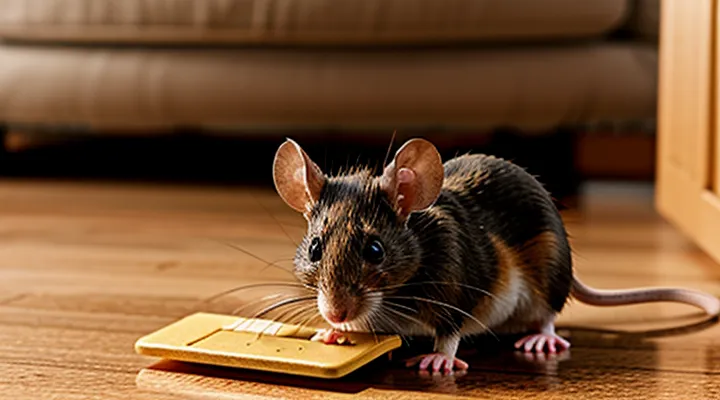
Understanding Mouse Traps
Types of Mouse Traps
Snap Traps
Snap traps provide a rapid, humane method for catching rodents. Their design consists of a spring‑loaded bar that releases with minimal force, delivering an instantaneous kill. The bait compartment holds attractants such as peanut butter, grain, or commercial rodent lures, ensuring the mouse contacts the trigger.
To install a snap trap correctly, follow these steps:
- Choose a location along walls, behind appliances, or near known activity; mice travel close to surfaces.
- Clean the area of debris; a clear surface improves trap stability.
- Wear disposable gloves to prevent scent transfer.
- Open the trap, pull the tension bar back until it clicks, securing the release mechanism.
- Apply a pea‑sized amount of bait to the designated spot on the trigger plate.
- Place the trap with the trigger facing the wall, ensuring the spring arm points outward.
- Press the safety latch down, then release it to set the trap.
- Check the trap daily; dispose of captured rodents in a sealed bag and reset with fresh bait.
Maintenance includes inspecting the spring for rust, replacing worn components, and storing unused traps in a dry container. Proper placement and regular monitoring maximize capture rates while minimizing exposure to non‑target animals.
Live Traps
Live traps provide a humane method for capturing mice without killing them. Choose a trap with a sturdy cage, a sensitive trigger mechanism, and a secure door that closes automatically. Plastic models are lightweight and easy to clean; metal versions offer durability for repeated use.
Placement determines success. Position the trap along established mouse pathways—behind appliances, near walls, or inside cabinets. Ensure the trap is flush with the wall so the mouse can enter without obstruction. Avoid high‑traffic human areas to reduce accidental closures.
Effective baiting increases capture rates. Use high‑protein foods such as peanut butter, cheese, or small pieces of cooked meat. Apply a thin layer to the trigger platform; excess bait may allow the mouse to escape. Replace bait daily to maintain freshness.
After setting the trap, monitor it at least twice daily. When a mouse is caught, wear disposable gloves, close the door securely, and transport the cage to a release site at least 100 meters from the home. Release the animal in a wooded or field area, allowing it to find shelter quickly.
Clean the trap after each use. Wash with warm, soapy water, rinse thoroughly, and dry completely before the next deployment. Regular maintenance prevents odor buildup and preserves the trap’s sensitivity.
Key steps for using live traps:
- Select an appropriate cage‑type trap.
- Position the trap along mouse travel routes.
- Bait with a small amount of high‑protein food.
- Check the trap twice daily.
- Release captured mice far from the residence.
- Clean and inspect the trap before reuse.
Electronic Traps
Electronic mouse traps use a high‑voltage shock to kill rodents instantly. The device consists of a battery‑powered circuit board, a spring‑loaded metal plate, and a sensor that detects the mouse’s presence. When the animal steps on the plate, the sensor closes the circuit, delivering a brief pulse of electricity that is lethal to the mouse.
Placement determines effectiveness. Install the trap along walls, behind appliances, or in dark corners where mice travel. Position the plate perpendicular to the wall, with the sensor facing the expected path. Ensure the surrounding area is clear of debris that could short‑circuit the unit.
Power sources include disposable batteries, rechargeable lithium cells, or an AC adapter. Verify the voltage rating matches the trap’s specifications; insufficient power reduces lethality, while excessive voltage may damage the device. Replace batteries promptly when the indicator light flashes or the trap fails to activate.
Safety precautions are mandatory. Keep the trap out of reach of children and pets. Use the built‑in safety lock or cover when the unit is not in operation. Wear insulated gloves when handling a live trap to avoid accidental shock.
Maintenance involves regular inspection. Remove dead rodents after each activation, clean the plate with a mild detergent, and dry thoroughly before resetting. Check the sensor and wiring for wear; replace any damaged components according to the manufacturer’s instructions.
Troubleshooting steps:
- No activation – confirm battery charge or power connection.
- Inconsistent shocks – clean the plate and sensor surface.
- False triggers – relocate the trap away from non‑target traffic.
Following these guidelines maximizes the reliability of electronic traps and supports a systematic approach to rodent control.
Glue Traps
Glue traps consist of a flat board coated with a strong adhesive that immobilizes rodents upon contact. They are compact, silent, and require no power source, making them suitable for confined spaces such as cabinets, wall voids, and under appliances.
When selecting a glue trap, consider the following criteria:
- Size appropriate for the target area
- Non‑toxic adhesive formulation
- Protective backing that can be removed without contaminating the surface
Installation proceeds in three steps:
- Remove the protective film from the adhesive surface using clean hands or disposable gloves.
- Position the trap with the sticky side facing outward, directly along mouse pathways identified by droppings, gnaw marks, or travel routes.
- Press the trap firmly against the substrate to ensure full contact; avoid placing it on uneven or dusty surfaces that could reduce adhesion.
Effective placement follows these guidelines:
- Near walls, where mice typically run
- Behind appliances and furniture
- In corners of rooms, especially where food is stored
After a mouse is caught, handle the trap with gloves, place it in a sealed plastic bag, and dispose of it according to local regulations. Clean the surrounding area with a disinfectant to prevent odor buildup.
Precautions include:
- Keeping traps out of reach of children and non‑target animals
- Using a protective cover when the trap is not actively baited
- Monitoring traps daily to reduce suffering and prevent secondary infestations
By adhering to these practices, glue traps become a reliable component of a comprehensive rodent‑control strategy.
Choosing the Right Trap
Factors to Consider
When installing a rodent capture device, several variables determine effectiveness.
- Placement – Position the trap along walls, behind appliances, and near known activity signs. Mice travel close to surfaces; a clear line of travel improves capture rates.
- Trap type – Choose between snap, live‑catch, or electronic models based on target outcome, household regulations, and disposal preferences. Each design requires specific setup steps.
- Bait – Select attractants with strong olfactory appeal, such as peanut butter, dried fruit, or commercial lures. Match bait size to trap mechanism to prevent premature triggering.
- Safety – Keep traps out of reach of children and pets. Use enclosed bait stations or place devices in concealed locations when risk of accidental contact exists.
- Sanitation – Eliminate clutter, seal food containers, and repair entry points before deployment. Reducing alternative food sources forces mice toward the trap.
- Monitoring – Inspect traps daily. Remove captured rodents promptly, reset the device, and rotate bait if activity declines.
- Environmental conditions – Avoid placement in damp or excessively hot areas that could degrade bait or impair trap functionality.
- Height – Install traps at the floor level or slightly above, aligning with typical mouse travel height (1–2 inches off the ground).
Considering these factors before deployment maximizes capture efficiency and minimizes unintended hazards.
Safety Precautions
When positioning a rodent trap, observe strict safety measures to protect people and pets.
- Wear disposable gloves before handling the device to prevent direct contact with bait or spring mechanisms.
- Keep the trap out of reach of children and non‑target animals; place it behind furniture, inside cabinets, or in concealed wall voids.
- Verify that the trigger is disengaged before transport; a live spring can cause accidental injury.
- Use bait that does not attract larger wildlife; avoid food items that may entice pets.
- Ensure adequate ventilation in enclosed spaces; some attractants emit strong odors that can cause respiratory irritation.
- Store unused traps in a sealed container away from moisture to preserve functionality and avoid corrosion.
After capture, immobilize the trap with a cloth or additional gloves before disposal. Seal the captured rodent in a plastic bag, then place it in an outdoor trash receptacle. Clean the trap with a mild disinfectant, rinse thoroughly, and allow it to dry before reuse. Regularly inspect the surrounding area for signs of damage or unintended activation, and replace worn components promptly.
Preparation for Installation
Identifying Mouse Activity
Signs of Mice
Identifying mouse activity is a prerequisite for successful trap placement. Accurate detection of infestation zones allows precise positioning of the device, reducing wasted effort and increasing capture rates.
- Small droppings, typically 1–2 mm long, dark brown and pellet‑shaped
- Gnaw marks on wood, plastic, or wiring, often at right angles
- Scratching noises in walls, ceilings, or attics, especially at night
- Grease trails left by the animal’s oily fur, visible along baseboards or cabinets
- Nests constructed from shredded paper, fabric, or insulation material
- Unexplained food contamination or nibble marks on stored items
Each indicator points to a specific travel corridor or feeding site. Place the trap directly adjacent to droppings, gnaw lines, or grease tracks, ensuring the bait aligns with the mouse’s natural route. Secure the device against walls or corners where mice habitually seek shelter, and verify that the trap remains undisturbed for several days to confirm activity before removal or replacement.
Common Mouse Locations
Effective trap placement depends on identifying typical mouse activity zones. Mice seek environments that provide food, shelter, and protection from predators. Recognizing these areas increases capture rates and reduces the need for multiple devices.
- Behind appliances such as refrigerators, dishwashers, and stoves
- Inside wall cavities and baseboard gaps
- Underneath cabinets, especially pantry and kitchen units
- In the corners of closets and storage rooms
- Near plumbing fixtures, including under sinks and around pipe chases
- Within attic insulation and roof joist spaces
- Along the edges of drywall where cracks or holes exist
- Around garbage bins, compost containers, and pet feeding stations
Mice favor these locations because they offer easy access to discarded food, nesting material, and stable temperatures. Positioning traps directly in or adjacent to these spots targets the pathways mice travel most frequently, ensuring the device intercepts their movement before they establish a permanent nest.
Essential Materials
Baits
Choosing the right bait determines the effectiveness of a mouse trap. Bait must attract mice quickly, remain stable in the trap, and pose minimal risk to humans and pets.
Common baits include:
- Peanut butter – strong scent, adheres to trigger mechanisms.
- Soft cheese – appealing aroma, works well in cooler environments.
- Sunflower seeds – natural food source, easy to attach with a small piece of cloth.
- Commercial rodent attractants – formulated for high palatability, often combined with a scent enhancer.
When selecting bait, consider the following criteria:
- Odor intensity – stronger smells increase detection distance.
- Texture – sticky or pliable substances prevent displacement by the mouse’s teeth.
- Shelf life – fresh bait maintains potency; avoid expired products.
- Safety – avoid toxic or allergenic items if children or pets share the area.
Placement of bait follows a simple pattern. Position the bait at the rear of the trap, directly on the trigger plate, ensuring the mouse must contact the release mechanism to reach it. Align the trap along established mouse pathways—behind appliances, near walls, or inside cabinets—so the bait appears as a natural food source.
If multiple traps are deployed, rotate bait types every few days to prevent habituation. Monitor captured traps, replace depleted bait promptly, and dispose of caught rodents according to local regulations. This systematic approach maximizes capture rates while maintaining a safe environment.
Protective Gear
When handling a rodent capture device, personal protection prevents injury and contamination. Protective equipment creates a barrier between the user and potential hazards such as sharp components, bait chemicals, and disease‑carrying rodents.
- Disposable nitrile gloves: resist punctures, chemicals, and biological fluids; replace after each trap placement.
- Safety goggles or face shield: guard eyes from splashes of bait, debris, or sudden releases.
- Dust‑mask or respirator (N95 or higher): filter airborne particles when cleaning droppings or applying powdered deterrents.
- Protective clothing: long‑sleeved shirt and pants made of tightly woven fabric; consider an apron for added coverage.
- Footwear with slip‑resistant soles: maintain stability on uneven surfaces and prevent accidental drops.
Apply gloves before touching any part of the trap, especially the spring mechanism. Secure goggles before positioning the device to avoid accidental contact with bait residues. Wear the mask when clearing old traps or disposing of captured rodents, as dust and odor can be irritating. Change clothing if it becomes soiled; wash reusable items after each use according to manufacturer instructions.
Consistent use of the listed gear reduces risk of cuts, allergic reactions, and exposure to pathogens, ensuring a safe and effective installation process.
Cleaning Supplies
Proper sanitation before positioning a rodent trap reduces the risk of disease transmission and improves trap performance.
Essential cleaning supplies include:
- Disposable nitrile or latex gloves
- Household disinfectant spray or wipes containing at least 70 % isopropyl alcohol
- Paper towels or disposable microfiber cloths
- Small bucket with warm soapy water
- Trash bag for waste disposal
First, clear the target area of debris and food residues. Wear gloves, then spray the surface with disinfectant and wipe it dry using a paper towel. If the floor is hard‑scored, mop with the soapy water, rinse, and allow it to air‑dry completely before placing the trap.
After the trap is set, inspect the surrounding zone for droppings or spilled bait. Apply disinfectant to any contaminated spots, remove used materials, and seal them in a trash bag. Dispose of the bag according to local waste‑management guidelines.
Final step: wash hands thoroughly with soap and water, even when gloves were used. Maintaining this cleaning protocol ensures a hygienic environment and maximizes the effectiveness of the mouse‑control device.
Installing Snap Traps
Baiting the Trap
Best Bait Choices
When selecting bait for a mouse trap, choose items that appeal to rodents’ natural preferences and that remain attractive over time.
- Peanut butter: strong scent, adheres to trap surfaces, resistant to drying.
- Cheese: high fat content, familiar to mice, works well in cooler environments.
- Sunflower seeds: small size, easy to grasp, maintains freshness.
- Chocolate: sweet aroma, effective for occasional infestations.
- Dried fruit pieces: sugary, durable, suitable for traps placed in pantry areas.
Avoid baits that crumble quickly or lose scent, such as fresh bread or soft pet food, because they may detach from the trap before a mouse contacts it. Match bait type to the trap’s location: oily or sticky baits for concealed traps, dry solids for open‑area placements. Proper bait placement—centered on the trigger mechanism—maximizes contact probability and improves capture rates.
Proper Bait Placement
Proper bait placement determines whether a mouse trap will attract its target or remain unused. Choose a bait that matches the rodents’ natural preferences, such as a small piece of peanut butter, cheese, or dried fruit. Ensure the bait is fresh, moist enough to emit scent, and sized to fit securely on the trigger mechanism without obstructing movement.
Follow these steps for optimal placement:
- Attach the bait to the trap’s hook or tray, pressing it firmly so the mouse must manipulate the trigger to access it.
- Position the trap along walls, behind appliances, or in corners where mouse activity has been observed; rodents travel close to surfaces.
- Align the bait side of the trap with the wall, leaving a narrow gap (approximately ¼ inch) between the trap and the surface to allow easy entry.
- Avoid placing multiple baits on a single trap; a single, well‑secured piece maximizes focus on the trigger.
- Replace the bait daily, or sooner if it becomes dry or contaminated, to maintain strong attraction.
Consistent application of these guidelines increases capture rates and reduces the likelihood of trap avoidance.
Setting the Trap
Safety First
When handling a mouse trap, prioritize personal protection to prevent injury and contamination. Wear disposable gloves to avoid direct contact with bait and potential pathogens. Ensure the trap’s spring mechanism is fully disengaged before positioning it; a locked or disabled state reduces the risk of accidental snap‑back. Place the device on a stable, flat surface away from high‑traffic areas to minimize unintended triggers. Verify that the trap is oriented correctly, with the trigger end facing the expected path of rodent activity, and that no loose objects can interfere with its operation.
Follow these safety actions:
- Inspect the trap for damage or corrosion before each use. Replace any compromised components.
- Keep children and pets out of the installation zone until the trap is set and secured.
- Use approved bait only; avoid toxic substances that could harm non‑target animals or humans.
- After placement, step back at least one meter to observe the trap’s readiness without disturbing it.
- When removing a captured mouse, do so with gloves, then seal the specimen in a disposable bag before disposal.
After a capture, clean the trap with a mild disinfectant, rinse thoroughly, and dry before storage. Store the trap in a locked container inaccessible to unauthorized persons. Maintaining these precautions ensures effective rodent control while safeguarding health and preventing accidental injury.
Step-by-Step Instructions
Installing a rodent capture device demands preparation, correct positioning, and safe handling.
- Choose a trap type—snap, glue, or electronic—that matches the infestation level and location constraints.
- Wear disposable gloves to prevent scent transfer that could deter target animals.
- Assemble the trap according to the manufacturer’s instructions; verify that the trigger mechanism moves freely and that safety locks are engaged.
- Attach a bait—peanut butter, dried fruit, or a small piece of cheese—directly to the trigger plate, ensuring a secure yet removable placement.
- Identify high‑traffic pathways: along walls, behind appliances, and near droppings. Mark these zones with a pencil for reference.
- Position the trap perpendicular to the wall, with the entry side facing the wall, so the rodent must run into the trigger.
- Press the trigger plate down until the safety latch clicks, then release it to set the mechanism.
- Place the trap in the pre‑marked location, keeping it at least six inches from any obstruction that could interfere with the trigger.
- Monitor the trap daily; dispose of captured rodents using sealed containers and replace bait as needed.
- After the infestation subsides, deactivate remaining traps, clean them with mild detergent, and store them in a dry environment for future use.
Strategic Trap Placement
High-Traffic Areas
Place traps where mice move most often. Positioning devices along established travel routes maximizes capture rates and reduces the time required for control.
Typical high‑traffic zones include:
- Along walls where rodents follow the edge of a room.
- Near food storage areas such as pantry shelves, cabinets, and countertops.
- Inside or behind appliances that generate heat, for example, refrigerators, stoves, and dishwashers.
- Underneath sinks and around plumbing fixtures, which provide moisture and shelter.
- In gaps between baseboards and floorboards, especially where evidence of gnaw marks or droppings appears.
Installation steps for these zones:
- Clean the surface to remove debris that could interfere with trap activation.
- Align the trap so that the trigger mechanism faces the wall; mice approach from the side, not head‑on.
- Secure the trap with the built‑in anchoring clips or a small amount of adhesive tape if the surface is smooth.
- Bait the device using a small quantity of high‑protein attractant; avoid excess, which can cause mice to eat without triggering the mechanism.
- Check the trap daily, dispose of captured rodents promptly, and relocate any unused traps to adjacent high‑traffic points if captures are low.
Maintain a clear path to each trap, ensuring that clutter does not block access. Regularly inspect walls and ceilings for new entry points; sealing these openings enhances the effectiveness of the placed devices.
Concealed Locations
When placing a rodent trap, hiding it from both mice and human traffic increases capture rates and preserves household aesthetics. Concealed positioning prevents curious pets and children from disturbing the device while allowing the pest to encounter it undetected.
- Behind appliances such as refrigerators, dishwashers, or washing machines where gaps exist.
- Inside cabinet doors, particularly in the upper shelves where mice travel along wall edges.
- Within baseboard voids that have been opened slightly to insert the trap.
- Underneath sinks, using a protective cover to keep the trap out of sight.
- In the crawl space or attic, secured to a joist or beam near known gnaw marks.
Secure the trap by anchoring it with a small nail or zip tie to prevent displacement. Ensure the bait is positioned toward the entry point of the concealed area, encouraging the mouse to approach from the most likely direction. Verify that the trap’s trigger mechanism remains unobstructed by debris or insulation material. Replace the trap promptly after a successful catch to maintain continuous pressure on the infestation.
Installing Live Traps
Baiting and Setting Live Traps
Humane Bait Options
When selecting bait for a humane mouse trap, choose attractants that appeal to the rodent’s natural diet while avoiding toxic substances. Opt for foods that are aromatic, high‑energy, and easy to secure on the trigger mechanism.
- Peanut butter – strong scent, adheres well, minimal mess.
- Sunflower or pumpkin seeds – natural grain preference, compact size.
- Dried fruit (e.g., raisins, apricots) – sweet flavor, simple to attach with a small piece of cloth.
- Oats or whole‑grain cereal – familiar carbohydrate source, can be placed in a shallow cavity.
- Commercial humane bait packets – pre‑measured, formulated for rodent attraction, often odor‑enhanced.
For each option, follow these steps: apply a thin layer of the chosen food to the trap’s bait holder, ensure the amount is sufficient to trigger interest but not so large that it interferes with the release mechanism, and position the trap along walls, behind appliances, or near known activity signs. Rotate bait types every few days to prevent habituation and maintain effectiveness.
Activating the Trap
After positioning the device, the next critical phase is to make the mechanism ready for capture. Proper activation ensures that the trap responds instantly when a mouse contacts the trigger.
- Remove any protective seal covering the spring or snap‑back bar.
- Pull the trigger arm back until it clicks into the locked position; this stores potential energy.
- Attach the bait holder, securing the lure firmly so it does not shift during operation.
- Test the release by gently applying pressure to the trigger arm; it should snap back sharply when released.
- Re‑engage the safety latch if the trap will remain unattended for an extended period; disengage only when you expect mouse activity.
Once these actions are completed, the trap is fully primed and will function reliably whenever a rodent interacts with the baited area.
Placement and Monitoring
Regular Checks
Regular checks are a critical component of any rodent‑control system. After positioning a trap, inspect it at consistent intervals to confirm functionality and to prevent loss of bait or damage to the device.
- Examine the trigger mechanism every 24 hours during the first week, then at least every 48 hours thereafter.
- Verify that the bait remains fresh; replace spoiled material immediately.
- Look for signs of tampering or blockage that could impede operation.
- Record the date, time, and condition of each inspection in a simple log.
If a trap fails to spring, reset the spring tension or replace the spring assembly. A jammed trigger often indicates debris accumulation; remove any material and clean the surrounding area. When a capture occurs, remove the mouse promptly, reset the trap, and restore fresh bait before the next scheduled check.
Consistent monitoring reduces the chance of undetected failures, ensures continuous coverage, and maximizes the overall efficacy of the pest‑control effort.
Release Guidelines
When a live‑catch mouse trap is set, the moment the rodent is secured marks the start of a controlled release. Follow these precise actions to ensure humane handling and prevent re‑infestation.
- Transport the trap to an outdoor area at least 100 meters from any building, garden, or food source.
- Open the trap gently, allowing the mouse to exit without sudden movements that could cause injury.
- Observe the animal for a few seconds to confirm it has left the trap and is moving freely.
- Place the trap on its side or lay it flat before returning it to storage; this prevents accidental closure.
After release, inspect the surrounding environment for signs of additional activity. Seal entry points, remove attractants, and reset traps if necessary. Document the date, location, and number of releases to track effectiveness and adjust future placement.
Installing Electronic Traps
Powering the Trap
Battery Installation
Installing the battery correctly ensures reliable operation of a rodent-catching device. Begin by selecting the appropriate battery type—most snap traps use a standard 9‑volt alkaline cell. Verify the voltage printed on the trap’s power compartment to avoid mismatches.
- Open the battery compartment. Most models feature a sliding cover or a small latch; press the release mechanism and slide the panel aside.
- Inspect the contacts. Clean any corrosion with a dry cotton swab; avoid liquids that could damage the circuitry.
- Align the battery. Insert the positive (+) terminal toward the marked “+” symbol inside the compartment, and the negative (–) terminal toward the “–” symbol. Incorrect polarity prevents the trap from activating.
- Secure the cover. Snap or slide the lid back into place until it locks firmly, confirming that no gaps remain.
- Test functionality. Press the trigger manually; the indicator light (if present) should illuminate, and the snap mechanism should release with a crisp sound.
Replace the battery promptly when the indicator dims or the trap fails to trigger. Store spare batteries in a cool, dry environment to preserve charge. Regular checks—once per week—extend the device’s effectiveness and reduce the risk of missed captures.
AC Adapter Use
When a mouse trap relies on electricity, the AC adapter supplies the necessary power for sensors, bait mechanisms, or illumination. Select an adapter that matches the trap’s voltage and current specifications; using a higher voltage can damage internal circuitry, while insufficient current reduces performance.
Before connecting the adapter, disconnect the trap from any power source and inspect the cord for cuts or exposed wires. Attach the plug firmly to the trap’s input socket, ensuring polarity aligns with the manufacturer’s diagram. Position the adapter in a location where the cord will not be chewed by rodents and where it remains out of reach of water sources.
Key considerations for reliable operation:
- Verify that the adapter’s output voltage (e.g., 12 V DC) matches the trap’s requirement.
- Confirm the current rating meets or exceeds the trap’s amperage demand.
- Use a grounded outlet to reduce risk of electrical faults.
- Employ a surge protector if the installation site experiences voltage fluctuations.
- Periodically test the connection by observing the trap’s indicator light or sensor response.
If the trap fails to activate, first check the adapter’s LED indicator (if present) or measure output with a multimeter. Replace the adapter only with a unit identical in voltage and equal or greater current capacity. Maintaining a secure, correctly rated AC adapter ensures the electronic mouse trap functions continuously and safely.
Baiting and Placement
Attracting Mice
Effective trapping begins with a reliable lure. Selecting bait that matches a mouse’s dietary preferences creates the initial attraction needed for the device to engage.
- Peanut butter – high-fat, strong scent, adheres to trap surface.
- Sunflower seeds – preferred grain, easy to portion.
- Dried fruit – sweet aroma, attracts when protein sources are scarce.
- Cheese fragments – traditional choice, works best when fresh.
- Commercial rodent attractants – formulated with pheromones and flavor enhancers.
Placement determines whether a mouse encounters the bait. Position the trap:
- Along baseboards where mice travel.
- Adjacent to known gnaw marks or droppings.
- Near entry points such as gaps around pipes or doors.
- In concealed corners, avoiding open, high-traffic areas that may frighten the rodent.
Environmental conditions influence bait effectiveness. Maintain a dry, clutter‑free zone around the trap to prevent alternative food sources from diverting attention. Remove competing crumbs and store pantry items in sealed containers.
Regular maintenance preserves lure potency. Replace bait every 2–3 days or when it becomes dried or contaminated. Inspect the trap for residual odor and clean with mild detergent before re‑baiting to avoid scent fatigue.
By aligning bait selection, strategic positioning, and consistent upkeep, the trap becomes a compelling focal point for mice, increasing capture rates without reliance on additional deterrents.
Optimizing Location
Positioning a mouse trap determines the likelihood of capture. Mice travel along established pathways, typically close to walls, behind appliances, and near food sources. Selecting sites that intersect these routes maximizes exposure to the baited device.
- Place traps perpendicular to the wall, with the trigger end facing the wall; rodents prefer to run along edges.
- Target areas where droppings, gnaw marks, or shredded material are evident; these signs indicate frequent traffic.
- Install traps within 12–18 inches of known entry points such as gaps under doors, vent openings, or cracks in the foundation.
- Position devices near stored grains, pantry shelves, or garbage containers, but keep them out of direct sight to avoid spooking the rodent.
- Avoid high‑traffic human zones; a calm environment encourages mice to investigate the bait.
After initial placement, monitor each trap daily. If a device remains untouched for 48 hours, relocate it to an adjacent spot that also shows rodent activity. Repeat adjustments until captures occur consistently, then maintain the established arrangement while replenishing bait as needed. This systematic approach refines trap location, ensuring sustained effectiveness.
Installing Glue Traps
Positioning Glue Traps
Avoiding Obstructions
When positioning a rodent capture device, any barrier that interferes with the animal’s pathway reduces effectiveness. Ensure the trap sits in a clear, unobstructed area where mice naturally travel.
- Identify high‑traffic zones such as along walls, behind appliances, or near food sources.
- Remove items that block the line of sight to the trap: cords, boxes, clutter, and loose carpeting.
- Keep the floor surface level; avoid placing the trap on uneven ground, raised platforms, or near heavy furniture that could impede movement.
- Verify that the trigger mechanism remains fully exposed; do not cover it with paper, fabric, or decorative objects.
- Maintain a minimum clearance of 2–3 inches on each side of the trap to allow free approach from any direction.
Additional considerations:
- Check for gaps behind the trap where a mouse could slip around the device; seal cracks or reposition the trap if needed.
- Avoid placing the trap too close to other traps or bait stations, which can create a congested area and discourage entry.
- Periodically inspect the surrounding area for new debris or objects that may have accumulated and adjust placement accordingly.
Maximizing Contact
Effective mouse control depends on ensuring the rodent physically engages the trap. Position the device where the animal’s movement patterns intersect, and present bait in a manner that compels direct contact.
- Identify primary pathways: observe droppings, gnaw marks, and wall damage to locate frequent travel routes. Place the trap directly on these routes, preferably along walls where mice prefer to run.
- Secure bait placement: attach a small amount of high‑fat food to the trigger mechanism rather than to a separate platform. This forces the mouse to touch the trigger while feeding.
- Optimize trap orientation: align the trigger side perpendicular to the wall, allowing the mouse to approach head‑first, increasing the likelihood of activating the spring.
- Reduce escape routes: block adjacent gaps with steel wool or caulk, channeling the mouse toward the trap’s contact zone.
- Maintain cleanliness: remove competing food sources within a three‑foot radius to concentrate foraging activity on the trap.
Regularly inspect the trap’s sensitivity; a dull spring or misaligned trigger diminishes contact efficiency. Replace worn components promptly to preserve consistent performance.
Considerations for Use
Humane Alternatives
Humane alternatives provide effective rodent control without lethal outcomes. Selecting a non‑lethal method reduces stress for both the animal and the household, and aligns with ethical pest‑management standards.
Common non‑lethal solutions include:
- Live‑catch traps that secure the mouse for later release at a safe distance.
- Ultrasonic emitters that generate frequencies uncomfortable to rodents, discouraging entry.
- Sealants and steel‑wool plugs applied to gaps, preventing access without chemicals.
- Natural repellents such as peppermint oil or dried herbs placed near potential entry points.
When integrating a live‑catch device, position it along established runways, use attractive bait (peanut butter or grain), and check daily to avoid dehydration. After capture, transport the mouse in a ventilated container, release it at least 100 meters from the residence, and immediately reinforce the entry point to prevent re‑entry.
Combining multiple humane tactics—physical barriers, sensory deterrents, and live‑catch devices—creates a comprehensive strategy that controls the infestation while respecting animal welfare.
Disposal Methods
When a mouse is caught, the method of disposal determines safety, hygiene, and compliance with local regulations. Choose a technique that matches the trap type and the intended outcome.
- Immediate killing: For snap traps, press the trap’s release lever to ensure a swift, humane death. Wear disposable gloves, place the dead mouse in a sealed plastic bag, and discard it in an outdoor trash container with a tight‑fitting lid.
- Live‑catch release: If a catch‑and‑release trap is used, transport the mouse in a ventilated container. Release it at least 100 meters from the building, preferably in a wooded or field area where natural predators exist. Clean the trap with a mild disinfectant before reuse.
- Biodegradable disposal: Some snap traps are designed for compostable disposal. After sealing the mouse in a biodegradable bag, add it to a certified compost bin that reaches temperatures above 55 °C to neutralize pathogens.
- Professional pest‑control removal: In high‑infestation scenarios, contact a licensed exterminator. They will collect, document, and dispose of specimens according to health‑department guidelines, reducing liability for the property owner.
After disposal, clean the trap surface with a solution of 1 part bleach to 9 parts water, rinse, and allow it to air‑dry. Store the cleaned trap in a sealed container to prevent contamination until the next deployment.
Post-Installation Actions
Monitoring Traps
Frequency of Checks
Regular monitoring of a mouse trap determines its effectiveness and prevents prolonged suffering of captured rodents. Check the device at intervals that match the trap type and placement:
- Snap traps: inspect every 2–4 hours during active periods (dusk to dawn).
- Live‑catch traps: inspect every 30–60 minutes; rodents can overheat or dehydrate quickly.
- Glue boards: examine every 1–2 hours; insects and debris can reduce adhesive strength.
If a trap remains untouched for longer than the recommended interval, relocate it to a higher‑traffic area or adjust bait placement. Signs that a trap requires more frequent checks include fresh droppings, gnaw marks near the device, or a noticeable decline in capture rates. Consistent inspection schedules maintain hygiene, allow timely disposal of caught mice, and ensure the trap continues to attract target pests.
Signs of a Catch
After a trap is set, verify its effectiveness by inspecting for concrete evidence of a capture.
- Whole or partial mouse carcass visible on the trigger plate or inside the cage.
- Blood smears or small droplets on the trap surface, indicating a recent kill.
- Fresh mouse droppings near the trap, typically 3‑5 mm long, dark, and pointed at one end.
- Gnawed bait or surrounding material, showing that a mouse accessed the device.
- Trigger mechanism displaced or spring compressed beyond its resting position.
- Distinct musky odor or faint metallic scent, a byproduct of decay.
- Presence of fur or hair tangled in the trap’s moving parts.
Each sign provides a reliable indicator that the device has performed its intended function. Absence of these cues suggests the trap remains unused and may require repositioning, fresh bait, or a different placement strategy.
Trap Maintenance and Disposal
Cleaning Reusable Traps
Cleaning reusable mouse traps is essential for maintaining their effectiveness and preventing disease transmission. After each capture, remove the trapped rodent with gloves, place it in a sealed container, and dispose of it according to local regulations. Rinse the trap under hot running water to eliminate residue, then scrub the interior surfaces with a non‑abrasive brush and a mild detergent. Rinse thoroughly to remove any soap remnants.
Disinfect the trap to eradicate pathogens. Apply a solution of one part bleach to nine parts water, ensuring full coverage of all contact points. Let the solution sit for at least five minutes, then rinse with clean water and allow the trap to air‑dry completely before reuse. Avoid using harsh chemicals that could corrode the trap’s mechanisms.
Maintain the trap’s mechanical components. After drying, inspect springs, hinges, and release mechanisms for wear or deformation. Lubricate moving parts with a thin layer of food‑grade silicone oil if the manufacturer recommends it. Replace any damaged components promptly to preserve reliable operation.
Routine cleaning schedule:
- After every catch: immediate cleaning and disinfection.
- Weekly: thorough inspection and lubrication.
- Monthly: replace worn parts or consider a new trap if performance declines.
Safe Disposal of Trapped Mice
When a mouse is caught, immediate, hygienic handling prevents disease transmission and eliminates odors that attract additional pests.
After confirming capture, wear disposable gloves, then follow one of the approved disposal methods:
- Euthanasia with CO₂ – Place the trap in a sealed container, introduce a calibrated CO₂ flow, and wait until the animal is unresponsive.
- Sealing for landfill – Transfer the trapped mouse into a heavy‑duty plastic bag, expel excess air, seal the bag tightly, and deposit it in a municipal waste bin designated for dead animals.
- Professional pest‑control service – Contact a licensed provider, hand over the sealed trap, and request certified disposal.
Once the mouse is removed, clean the trap and surrounding area with a disinfectant solution containing at least 70 % isopropyl alcohol or a bleach‑based cleaner. Rinse with water, dry thoroughly, and store the trap away from food preparation surfaces.
Finally, inspect the installation site for entry points. Seal cracks, gaps, and openings larger than ¼ inch with steel wool, caulk, or metal flashing to reduce future infestations. Regularly replace bait and reposition traps according to observed rodent activity.