
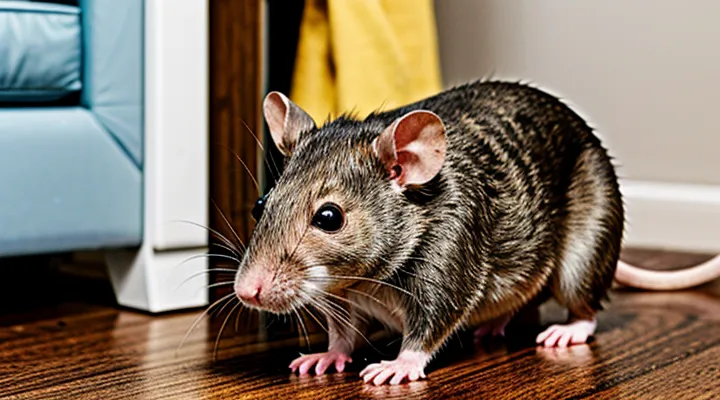
Understanding the Gravity of the Decision
When Euthanasia Becomes Necessary
«Recognizing Signs of Suffering in Your Rat»
Recognizing distress in a pet rat is a prerequisite for any compassionate end‑of‑life decision. Accurate observation prevents unnecessary prolongation of pain and ensures that the final procedure is truly humane.
Common indicators of suffering include:
- Persistent lethargy or inability to move normally.
- Noticeable weight loss or a thin, bony appearance.
- Labored breathing, audible wheezing, or rapid shallow breaths.
- Unusual vocalizations such as high‑pitched squeaks when touched.
- Visible sores, abscesses, or discharge from the eyes, nose, or mouth.
- Refusal to eat or drink for more than 24 hours.
- Aggressive or frightened behavior that deviates from the rat’s typical temperament.
Each sign must be evaluated in context. Isolated minor changes may reflect temporary illness; multiple concurrent symptoms usually signal severe discomfort. When several of the above are present, the likelihood of chronic pain rises sharply, justifying immediate humane intervention.
Before proceeding, consult a veterinarian to confirm the diagnosis and discuss appropriate methods for painless euthanasia at home. Professional guidance assures that the chosen technique complies with ethical standards and minimizes stress for both animal and caretaker.
«Consulting with a Veterinarian»
Consulting a veterinarian before performing euthanasia ensures that the procedure follows accepted animal welfare standards and complies with local regulations. A qualified professional can confirm that euthanasia is the most appropriate option, assess the rat’s health condition, and advise on the safest method to minimize distress.
When contacting the veterinarian, provide the animal’s age, weight, recent symptoms, and any previous medical treatments. Request specific guidance on the preferred euthanasia agent, dosage calculations, and the correct administration technique. Ask for a written protocol to follow, including post‑procedure disposal instructions that meet environmental and health guidelines.
If a home visit is unavailable, arrange a telemedicine appointment. During the virtual session, share clear photographs or a video of the rat to allow the veterinarian to evaluate its condition. Confirm that the recommended drug is legally obtainable for personal use and that you possess the necessary equipment, such as a calibrated syringe and appropriate containment device.
Prepare the environment in advance: select a quiet, low‑light area, gather all supplies, and ensure a second adult is present to assist and monitor the process. Review the veterinarian’s step‑by‑step instructions, practice handling the rat gently, and verify that the dosage matches the calculated amount for the animal’s weight.
After the procedure, follow the veterinarian’s disposal recommendations, which may include rendering the carcass in a sealed container for landfill or arranging cremation through a licensed service. Document the date, method, and veterinarian’s confirmation for future reference and compliance verification.
«Ethical Considerations and Responsibility»
When ending the life of a laboratory or pet rat in a private setting, the primary duty is to prevent unnecessary suffering. The operator must select a method that produces rapid loss of consciousness followed by swift cessation of vital functions, verified by the absence of reflexes and breathing. Any delay or misapplication that prolongs distress violates the principle of humane treatment.
Responsibility extends to preparation, execution, and post‑procedure care. Prior to the act, the individual should:
- Review the chosen technique, confirm availability of required equipment, and practice the procedure on a model if possible.
- Ensure a calm environment to reduce the animal’s stress.
- Have a clear plan for disposal of tissues and carcass in accordance with local regulations.
During the procedure, the operator must:
- Apply the method exactly as described in validated protocols, monitoring the rat’s response continuously.
- Cease the process immediately if signs of pain persist, and adjust the approach accordingly.
After completion, the caretaker should:
- Document the method, time, and observations for future reference.
- Provide proper sanitation of the area and tools to prevent contamination.
Adhering to these ethical guidelines safeguards the rat’s welfare, fulfills legal obligations, and maintains the integrity of the caretaker’s moral accountability.
Preparing for Home Euthanasia
Researching Acceptable Methods
«Overview of Safe and Humane Methods»
When a laboratory or pet rat requires euthanasia, the method must induce rapid loss of consciousness followed by immediate cessation of brain activity, minimizing distress. The procedure should be reproducible, require minimal handling, and allow the operator to protect personal safety.
Commonly accepted techniques include:
- Carbon dioxide exposure – Gradual fill of a sealed chamber with 100 % CO₂ at a flow rate of 30 % of the chamber volume per minute. Monitor the rat until it ceases breathing and shows no reflexes. Ensure proper ventilation after the procedure to avoid operator exposure.
- Inhalant anesthetic overdose – Use isoflurane or sevoflurane delivered via a calibrated vaporizer. Increase concentration to 5 % or higher until the animal is unresponsive, then maintain for at least five minutes to confirm death.
- Injectable barbiturate or pentobarbital – Administer a dose of 150 mg/kg intraperitoneally, using a sterile syringe. Verify absence of heartbeat and corneal reflex before disposal.
- Physical methods with specialized equipment – Immediate decapitation with a sharply honed guillotine or rapid cervical dislocation performed by a trained individual. These approaches demand precise technique to avoid prolonged suffering.
Safety considerations extend to the operator: wear protective gloves, eye protection, and a mask when handling gases or chemicals; work in a well‑ventilated area; and follow local regulations regarding controlled substances and animal disposal. Documentation of the method, dosage, and confirmation of death is essential for ethical accountability.
«Methods to Absolutely Avoid»
When attempting a humane rat euthanasia in a domestic setting, certain practices must be excluded entirely. They either cause unnecessary suffering, lack scientific validation, or pose health risks to the caretaker.
- Direct physical trauma such as blunt force or cervical dislocation without proper training. These techniques often result in prolonged distress and are unreliable without precise execution.
- Drowning or immersion in water. Rats possess reflexive breathing mechanisms that can sustain life for several minutes, leading to panic and severe discomfort.
- Freezing the animal. Exposure to extreme cold induces a slow, painful death and does not meet humane standards.
- Uncontrolled carbon dioxide exposure. Without calibrated flow‑rate equipment, CO₂ can cause severe breathlessness before loss of consciousness, violating the principle of rapid insensibility.
- Administration of over‑the‑counter rodenticides or household chemicals. These substances act slowly, cause internal organ damage, and may leave toxic residues for humans and pets.
- Inhalation of volatile anesthetics using improvised devices. Lack of proper scavenging systems results in hazardous fumes for the operator and unreliable dosing for the animal.
Each of these methods fails to achieve immediate loss of consciousness followed by rapid cessation of brain activity, the criteria required for a humane outcome. Selecting only validated, veterinary‑approved techniques ensures ethical responsibility and safety for both the animal and the caretaker.
Gathering Necessary Supplies
«Creating a Calm and Peaceful Environment»
A peaceful setting reduces stress for the animal and improves the reliability of the procedure. Begin by selecting a small, quiet room away from household traffic. Close windows and doors, turn off televisions, radios, and other sources of background noise. Dim the lights to a soft, steady level; avoid sudden changes in illumination.
Prepare the surface with familiar bedding or a soft towel that the rat recognises from its cage. Ensure the temperature remains within the normal range for the species, typically 20‑22 °C, to prevent discomfort. Remove strong odors; clean the area with unscented, mild detergent and allow it to dry completely.
Limit human presence to the minimum required. One person should handle the rat gently, using a calm, steady grip that supports the body without pressure on the spine. A second person may stand nearby to monitor the environment and intervene only if needed.
Maintain a consistent routine during the process. Perform the euthanasia at the same time of day each session to align with the animal’s circadian rhythm. Record ambient conditions—temperature, lighting level, and noise decibel rating—to verify that the environment remains stable across attempts.
Checklist for a calm environment
- Quiet room, no external audio sources
- Soft, familiar bedding on a flat surface
- Stable temperature (20‑22 °C)
- Low, steady lighting, no abrupt changes
- Minimal personnel, calm handling technique
- Pre‑session verification of environmental parameters
By adhering to these conditions, the environment remains tranquil, minimizing physiological stress and facilitating a humane outcome.
Step-by-Step Euthanasia Procedure
The Isopropranol / CO2 Chamber Method
«Setting up the Chamber Safely»
When preparing a euthanasia chamber for a rat, prioritize containment, ventilation, and protection for both the animal and the handler. Select a clear, sealable container—such as a glass aquarium or a sturdy plastic box—with a lid that fits tightly. Place the chamber on a stable surface away from drafts and direct sunlight to prevent temperature fluctuations.
Secure the chamber in a well‑ventilated area but avoid strong airflow that could disperse gases. Install a small vent or gap near the top to allow excess gas to escape safely, directing it toward a window or a fume hood. If a vent is not feasible, use a carbon filter to capture residual odors.
Equip the chamber with the following items, arranged before the procedure begins:
- A calibrated gas delivery system (e.g., a CO₂ cylinder with regulator) or an approved anesthetic vaporizer.
- A flow meter to monitor gas concentration accurately.
- A timer to track exposure duration.
- Protective gloves and eye protection for the operator.
- A clean absorbent pad or disposable liner for post‑procedure cleanup.
Before introducing the rat, verify the gas concentration. A humane endpoint typically requires a gradual rise to 5–7 % CO₂ for rats, maintaining the level for 5–10 minutes. Use the flow meter to achieve the target concentration without sudden spikes, which can cause distress.
During the process, observe the animal continuously. If the rat ceases movement and shows no reflexes, allow an additional 2–3 minutes to ensure complete loss of consciousness before confirming death. Afterward, remove the animal using gloved hands, place it in a secondary container, and follow local regulations for disposal.
Finally, purge the chamber by opening the vent and allowing fresh air to circulate for several minutes. Clean all surfaces with a mild disinfectant, rinse thoroughly, and dry before storage. Regularly inspect seals, regulators, and tubing for wear to maintain reliability for future use.
«Administering the Isopropranol»
Administering isopropranol to induce a rapid, painless cessation of life in a laboratory rat requires precise preparation, dosage calculation, and strict adherence to safety protocols.
First, gather the necessary materials: a calibrated syringe, sterile 0.9 % saline for dilution, a 22‑gauge needle, a clean work surface, disposable gloves, and a sharps container. Verify that the isopropranol vial is within its expiration date and that the solution remains clear and free of particulates.
Calculate the dose based on the animal’s weight. A commonly accepted lethal dose for rats is 20 mg kg⁻¹ administered intravenously. Weigh the rat, multiply the weight in kilograms by 20 mg, and then dilute the calculated amount in saline to a final volume of 0.5 ml per 100 g of body mass. This concentration allows precise injection without excessive fluid load.
Inject the solution as follows:
- Restrain the rat gently but securely to prevent movement.
- Locate the lateral tail vein or the femoral vein; the tail vein is preferred for ease of access.
- Insert the needle bevel up at a shallow angle, confirming venous entry by a flash of blood.
- Deliver the entire volume steadily over 5–10 seconds to avoid sudden pressure spikes.
- Withdraw the needle, apply gentle pressure with a sterile gauze pad, and monitor the animal for loss of reflexes.
Observe the rat for signs of deep anesthesia within 30 seconds—absence of corneal reflex, lack of response to toe pinch, and cessation of breathing. Confirm death by confirming no heartbeat and no respiratory movement for at least one minute. Record the time of administration and the time of confirmed cessation for documentation.
Dispose of all used syringes, needles, and the animal’s carcass according to institutional biohazard guidelines. Decontaminate the work area with an appropriate disinfectant and wash hands thoroughly after removing gloves.
Following these steps ensures that isopropranol is delivered accurately, minimizes distress, and complies with ethical standards for humane termination.
«Confirming Loss of Consciousness»
When a rat is being euthanized at home, verifying that consciousness has ceased is essential to guarantee a humane outcome. The assessment must be immediate, objective, and repeatable.
Key indicators of unconsciousness include:
- Absence of a corneal reflex: gently touch the eye surface; no blinking confirms loss of reflex.
- No response to a gentle pinch on the tail or hindlimb; lack of withdrawal indicates deep sedation.
- Flattened, unresponsive ears and whiskers; they remain still and do not twitch.
- Cessation of purposeful movement: the animal lies motionless, with limbs relaxed and no spontaneous locomotion.
- Diminished or absent breathing: observe the thoracic rise and fall; shallow or no respiration signals profound depression of the central nervous system.
The verification process should follow a strict sequence:
- Position the rat on a stable surface, ensuring clear visibility of the head and torso.
- Apply a light stimulus to the cornea; record the presence or absence of a blink.
- Deliver a brief, gentle pinch to the tail base; note any muscular contraction.
- Observe the respiratory pattern for at least 15 seconds; confirm that breaths are either very shallow or stopped.
- Re‑examine the ear and whisker positions; ensure they remain still.
If any reflex persists, the animal retains consciousness, and the euthanasia protocol must continue until all signs are absent. Once all criteria are satisfied, the final step—whether injection, CO₂ exposure, or another method—can be administered with confidence that the procedure fulfills humane standards.
«Ensuring a Peaceful Transition»
A calm environment reduces stress for the animal and the caretaker. Dim lighting, minimal noise, and a familiar cage or enclosure create a stable setting. Handle the rat gently, supporting the body to prevent sudden movements.
Select a method recognized for rapid loss of consciousness and minimal suffering. Common options include:
- Inhalation of a regulated CO₂ flow, delivered through a sealed container with a controlled concentration of 30‑50 % for no more than a few minutes.
- Intraperitoneal injection of a veterinary‑approved barbiturate, administered by a licensed professional or under strict guidance.
- Overdose of an inhalant anesthetic such as isoflurane, applied in a sealed chamber with continuous monitoring of respiratory signs.
Before applying the method, pre‑sedate with a low‑dose inhalant or a short‑acting agent to ease the transition. Observe for loss of righting reflex and cessation of vocalization as indicators of unconsciousness.
During the procedure, maintain a steady flow or dosage to avoid agitation. Record the time of onset and completion for documentation.
After apparent death, verify absence of heartbeat, respiration, and corneal reflex. Allow a few minutes of observation before disposal. Dispose of the body according to local regulations, using sealed bags or a designated biohazard container.
The entire process should be performed with confidence, precision, and respect for the animal’s dignity.
Aftercare and Grieving
«Coping with Loss»
Euthanizing a pet rat in a domestic setting creates a sudden emotional void that often feels disproportionate to the animal’s size. Recognizing the intensity of this response prevents denial and supports healthy processing.
Immediately after the procedure, allow yourself to experience grief without judgment. Speak aloud or write down thoughts, because articulation reduces the physiological stress response. Contact a friend, family member, or counselor who respects the significance of the loss; shared acknowledgement validates the bond.
Practical coping actions include:
- Creating a simple memorial, such as a photo display or a dedicated corner, to honor the rat’s presence.
- Retaining a brief record of the decision‑making process and the method used, which can provide closure and reference for future ethical choices.
- Maintaining regular routines—feeding times, cleaning schedules, and sleep patterns—to restore a sense of normalcy.
- Avoiding prolonged isolation; scheduled interactions with supportive individuals counteract the tendency toward withdrawal.
Long‑term adaptation involves integrating the experience into a broader perspective on responsible animal care. Reflect on the criteria that guided the humane decision, reinforcing confidence in future ethical actions. Periodic revisiting of the memorial or journal entries can transform the loss into a lasting reminder of compassionate responsibility.
«Pet Burial or Cremation Options»
When a rat is euthanized at home, the final disposition of the body should respect legal requirements and the owner’s preferences. Selecting an appropriate method prevents environmental contamination and provides closure.
Options for burial include:
- In‑home burial: Choose a location away from water sources, dig a hole at least 12 inches deep, and place the body in a biodegradable container. Mark the site if desired. Verify local ordinances permit private burials.
- Pet cemetery: Register the rat with a licensed animal cemetery. The facility handles excavation, interment, and marker installation. Fees vary by service level.
- Community green burial: Some wildlife preserves accept small animal remains for natural decomposition. Contact the organization for permission and procedural details.
Cremation alternatives consist of:
- Professional pet crematory: Submit the rat to a certified provider; they return ash in a sealed container. Choose individual or communal cremation based on cost and privacy preferences.
- DIY cremation: Conduct in a well‑ventilated, fire‑proof container on an outdoor grill or metal box. Maintain temperature above 1,500 °F until tissue is reduced to ash. Follow safety guidelines to avoid fire hazards and inhalation of fumes.
- Alkaline hydrolysis: A few veterinary labs offer this chemical dissolution process, yielding a sterile liquid and bone fragments that can be scattered or buried.
Each method demands compliance with municipal health codes, proper documentation, and respectful handling of the remains. Selecting the most suitable option aligns with ethical care for the animal and the owner’s emotional needs.
Addressing Common Concerns
«Ensuring Your Own Emotional Well-being»
When you decide to end the life of a pet rodent in a domestic setting, the act can trigger strong emotional reactions. Recognizing and managing those reactions protects your mental health and preserves the dignity of the process.
First, prepare a quiet, private space. Limit interruptions, close doors, and turn off distracting devices. This environment reduces sensory overload and allows you to focus on the procedure without external stressors.
Second, adopt a concrete plan for the euthanasia method. Choose a technique endorsed by veterinary guidelines, gather all necessary supplies, and rehearse the steps mentally. Knowing exactly what will happen minimizes uncertainty, a common source of anxiety.
Third, implement immediate post‑procedure self‑care:
- Take a few minutes of deep, controlled breathing to lower physiological arousal.
- Write a brief note describing the event, your feelings, and any thoughts that arise.
- Drink water or have a light snack to replenish physical energy.
- If possible, schedule a short walk or gentle stretch to release tension.
Fourth, seek external support within 24 hours. Contact a trusted friend, family member, or mental‑health professional to discuss the experience. Verbalizing emotions prevents them from becoming internalized.
Fifth, consider longer‑term coping strategies:
- Maintain a journal dedicated to animal‑related experiences; regular entries create a record of progress and emotional patterns.
- Engage in activities that reinforce a sense of purpose, such as volunteering at an animal shelter or studying humane treatment practices.
- Practice mindfulness meditation for 5–10 minutes daily to increase emotional resilience and reduce rumination.
Finally, evaluate your emotional state after each incident. If persistent sadness, intrusive thoughts, or guilt interfere with daily functioning, treat the situation as a clinical concern and pursue professional counseling. Prompt attention prevents deterioration and ensures you remain capable of providing compassionate care in future situations.
«What to Do if You're Unsure or Uncomfortable»
If you hesitate or feel uneasy about ending a rat’s life, pause before proceeding. Acting while uncertain can increase stress for both you and the animal, potentially leading to a painful outcome.
First, contact a qualified veterinarian. A professional can evaluate the rat’s condition, confirm that euthanasia is necessary, and perform the procedure using approved methods. If a clinic is unavailable, ask the veterinarian for guidance on safe, humane techniques that can be applied at home.
Second, gather reliable information. Reputable veterinary websites, academic articles, or guidance from animal‑welfare organizations provide step‑by‑step instructions and safety precautions. Verify that the source is peer‑reviewed or endorsed by a veterinary association.
Third, consider alternatives. If the rat’s discomfort is mild, pain medication or supportive care may alleviate suffering without resorting to euthanasia. Discuss these options with a veterinarian to ensure they are appropriate.
Fourth, prepare your environment. Choose a quiet, low‑traffic area. Have all required supplies—appropriate anesthetic agents, syringes, and protective gloves—readily available. Ensure you understand dosage calculations and disposal procedures.
Fifth, address emotional impact. Speak with a trusted friend, counselor, or support group experienced in animal care. Acknowledging your feelings helps prevent lingering distress.
Action checklist
- Call a veterinarian; request confirmation and professional assistance.
- Review vetted online resources for home‑based humane methods.
- Evaluate pain‑relief alternatives with a professional.
- Set up a calm, sterile space; gather necessary equipment.
- Seek emotional support from a knowledgeable person or group.
If any step remains unclear, refrain from proceeding until you have obtained the needed clarification. Continuing without confidence compromises both ethical standards and the animal’s welfare.