
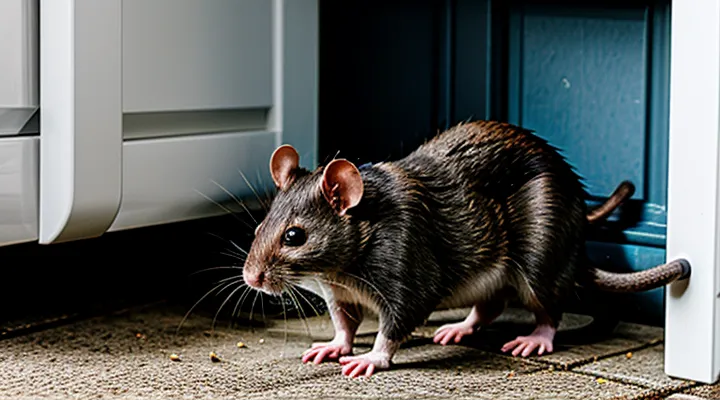
«Understanding the Rat Problem»
«Identifying Rat Infestation Signs»
«Droppings and Urine Trails»
Rat droppings and urine trails provide the most reliable evidence of an infestation. Fresh droppings are dark, glossy, and approximately 0.5 cm long; older specimens become lighter, dry, and crumbly. Urine stains appear as yellowish smears on surfaces, often accompanied by a distinct, musky odor. Both waste products carry pathogens such as Leptospira and hantavirus, posing health hazards to humans and pets.
Detecting these signs enables targeted intervention. Follow these steps:
- Inspect kitchens, pantries, and storage areas for droppings on countertops, shelves, and behind appliances.
- Examine attic insulation, crawl spaces, and wall cavities for dark streaks or wet patches indicating urine.
- Use a blacklight; rat urine fluoresces under ultraviolet light, revealing hidden trails.
- Record the locations of findings to map activity patterns and identify entry points.
Cleaning must eliminate contamination and deter further use. Recommended protocol:
- Wear disposable gloves, a face mask, and eye protection.
- Spray droppings and urine with a disinfectant containing at least 1 % bleach solution; let stand for 10 minutes.
- Remove waste with a disposable paper towel, place in a sealed bag, and discard according to local hazardous waste guidelines.
- Clean the treated area with a detergent, then rinse with water.
- Allow the surface to dry completely before applying a rodent-resistant sealant or deterrent.
Understanding the distribution of droppings and urine trails informs the placement of traps, bait stations, and exclusion measures. By systematically locating and sanitizing these signs, pest managers can reduce population density and prevent re‑infestation.
«Gnaw Marks and Damage»
Rats leave distinctive gnaw marks that reveal the presence and extent of an infestation. The incisions are clean, V‑shaped cuts about ¼‑inch deep, often accompanied by splintered wood or chewed wiring. Identifying these signs allows swift intervention before structural or health hazards develop.
Common targets include:
- Wooden framing, baseboards, and furniture
- Plastic containers, PVC pipes, and insulation
- Electrical cords, cable bundles, and appliance housings
- Food packaging, cardboard boxes, and paper products
Inspection should focus on:
- Visible bite marks on structural elements
- Frayed or exposed wiring near gnaw sites
- Accumulated droppings or urine stains adjacent to damage
- Evidence of nesting material mixed with chewed debris
Once gnaw damage is confirmed, remedial actions are:
- Seal entry points with steel wool, metal flashing, or concrete
- Replace compromised wiring and install conduit to prevent future contact
- Repair or replace damaged wood and insulation, using materials resistant to gnawing
- Deploy proven rodent control measures—traps, bait stations, or professional extermination—to eliminate the source population
Addressing gnaw marks promptly reduces the risk of fire, electrical failure, and costly structural repairs, while supporting long‑term pest management objectives.
«Nesting Materials and Burrows»
Rats build nests from soft, readily available items such as shredded paper, insulation, cotton, and food scraps. These materials provide warmth and concealment, allowing quick reproduction. Removing or securing potential nesting sources reduces the attractiveness of a location and interrupts the breeding cycle.
Burrows serve as protected pathways between entry points and nests. They typically originate in walls, crawl spaces, or under foundations. Inspecting structures for smooth, tunneled openings, fresh soil displacement, or droppings reveals active burrowing activity. Seal identified passages with steel wool, metal flashing, or concrete to prevent re‑entry.
Effective control measures focus on habitat modification:
- Declutter storage areas; store cardboard, fabric, and paper in sealed containers.
- Replace damaged insulation with rodent‑resistant materials.
- Keep food in airtight containers; clean spills promptly.
- Install door sweeps and weather stripping on all exterior doors.
- Apply rodent‑proof mesh to vents, utility openings, and chimney flues.
Combining material removal with thorough sealing of burrows creates an environment hostile to rats, decreasing population pressure and supporting long‑term eradication efforts.
«Unusual Noises»
Unusual noises often indicate rodent activity before visual evidence appears. Common sounds include:
- Scratching within walls, ceilings, or insulation, especially at night.
- High‑pitched squeaks from nesting areas.
- Rattling of pipes or ducts when rats travel through concealed spaces.
- Soft thudding when animals drop debris or move heavy objects.
These auditory cues help locate infestations and prioritize interventions. Identify the source by tracing the sound to a specific wall cavity, attic, or crawl space. Use a handheld acoustic detector or simply listen from multiple points to triangulate the origin.
Once a hotspot is confirmed, apply targeted control measures:
- Seal entry points near the identified area with steel wool, metal flashing, or cement to prevent further ingress.
- Deploy snap traps or electronic devices directly adjacent to the noise source, positioning bait at the far end of the trap to encourage entry.
- Place tamper‑resistant bait stations in concealed locations, ensuring they are out of reach of non‑target animals.
- Consider professional fumigation or rodenticide application for large, multi‑level structures where noise persists despite initial efforts.
Regular monitoring of the same locations after treatment confirms success. Persistent noises after trap placement suggest remaining individuals; repeat the above steps until acoustic activity ceases. Continuous vigilance prevents re‑infestation and reduces the risk of structural damage and disease transmission.
«Common Rat Species and Their Habits»
«Norway Rats»
Norway rats (Rattus norvegicus) are the most common rodent encountered in urban, suburban, and agricultural settings. They thrive in sewers, basements, and any structure offering shelter, food, and water. Adult individuals reach 300 mm in length, including the tail, and can produce up to seven litters per year, each containing 6–12 offspring. Their nocturnal activity, strong gnawing ability, and capacity to swim make them capable of infiltrating a wide range of environments.
Signs of a Norway‑rat infestation include gnaw marks on wood, plastic, and wiring; droppings ½–¾ inches long, dark brown, and typically found near food sources; greasy footprints along walls; and a musky odor. Inspecting these indicators helps confirm the presence of the species and directs subsequent control actions.
Effective control measures consist of:
- Exclusion: Seal all gaps larger than ¼ inches with steel wool, metal flashing, or concrete; install door sweeps and repair broken screens.
- Sanitation: Remove accessible food, store waste in sealed containers, and eliminate standing water to reduce attractants.
- Trapping: Deploy snap traps or electronic devices along runways, using baits such as peanut butter, dried fruit, or meat; check traps daily and dispose of captured rats promptly.
- Rodenticides: Apply anticoagulant baits in tamper‑resistant stations, following label instructions and local regulations; monitor for secondary poisoning risks.
- Biological control: Encourage natural predators, such as owls and hawks, by installing perches and nesting boxes where appropriate.
Combining exclusion, sanitation, and targeted trapping yields the highest success rate. Continuous monitoring and maintenance of barriers prevent re‑infestation, ensuring long‑term suppression of Norway rat populations.
«Roof Rats»
Roof rats (Rattus rattus) are agile climbers that inhabit eaves, attics, and vegetation above ground level. Their slender bodies allow movement through narrow openings, and they prefer warm, sheltered sites near food sources such as fruit trees, roof gutters, and stored grains. Damage caused by roof rats includes gnawed wiring, insulation loss, and contamination of stored products.
Typical indicators of an infestation are nocturnal droppings ¼‑inch long, greasy smears along walls or beams, gnaw marks on wood and plastic, and audible scurrying in roof voids. Early identification enables prompt intervention before populations expand.
Effective control measures include:
- Exclusion – Seal cracks larger than ¼ inch with steel wool, metal flashing, or cement; install tight-fitting vent covers and chimney caps.
- Trapping – Deploy snap traps or electronic traps in active runways; position bait (peanut butter, dried fruit) at least 6 inches from walls to align with rat behavior.
- Baiting – Use anticoagulant or bromethalin baits in tamper‑resistant stations placed near entry points; monitor and replace as needed according to label instructions.
- Habitat modification – Trim tree branches that contact the roof, clear debris from gutters, and store feed in rodent‑proof containers.
- Professional assessment – Engage licensed pest‑management operators for large or hard‑to‑reach infestations, ensuring compliance with safety regulations.
Preventive practices such as regular roof inspections, maintaining clean gutters, and limiting outdoor food sources reduce the likelihood of re‑infestation. Consistent application of these strategies sustains a roof‑rat‑free environment.
«House Mice (Distinction from Rats)»
House mice (Mus musculus) differ from rats in size, behavior, and damage patterns, which influences control strategies. An adult mouse measures 2–4 inches in body length, whereas a typical rat reaches 7–9 inches. This size gap allows mice to infiltrate smaller openings; gaps as narrow as ¼ inch can admit a mouse but block most rats.
Mice reproduce more rapidly, with a gestation period of approximately 19 days and litters of 5–8 pups. Populations can double within a month under favorable conditions. Rats have longer gestation (≈ 21 days) and smaller litter sizes (5–6), resulting in slower population growth. Consequently, early detection and swift intervention are critical for mouse infestations.
Damage caused by mice focuses on gnawing of electrical wiring, insulation, and food packaging. Their fine teeth enable precise chewing, creating fire hazards and contaminating stored goods. Rats tend to chew larger structural components and leave more visible droppings. Recognizing these signatures helps target the appropriate control measures.
Practical steps to separate mouse issues from rat problems include:
- Inspect entry points; seal openings smaller than ¼ inch.
- Deploy snap traps or electronic devices sized for mice.
- Use bait stations formulated for mouse metabolism.
- Monitor for fine droppings (≈ ¼ inch long) and gnaw marks on wires.
Understanding these distinctions ensures that pest management actions are accurately directed, preventing unnecessary use of rat‑specific tools on mouse populations.
«DIY Rat Control Methods»
«Sanitation and Exclusion»
«Eliminating Food Sources»
Rats survive by exploiting easily accessible food. Removing these resources cuts the population’s incentive to remain in a building.
- Store dry goods in sealed, rodent‑proof containers; glass or heavy‑wall plastic with tight‑fitting lids works best.
- Clean countertops, floors, and appliances after each use; crumbs and spills attract foraging rodents.
- Dispose of waste in containers equipped with solid lids; empty them regularly to prevent buildup.
- Keep pet food sealed and feed only at scheduled times; do not leave bowls overnight.
- Eliminate outdoor attractants: store firewood away from structures, clear fallen fruit, and maintain a tidy garden by trimming low branches and removing debris.
Inspect pantry shelves for signs of contamination; discard any product with packaging damage or evidence of gnawing. Implement a routine inspection schedule, noting any new sources that appear after renovations or seasonal changes. By consistently denying rats access to nutrition, the environment becomes inhospitable, forcing the pests to seek alternative habitats and reducing the need for chemical interventions.
«Sealing Entry Points»
Sealing entry points prevents rats from accessing indoor spaces, thereby eliminating a primary source of infestation. Identify all potential openings, then apply durable materials to block them permanently.
- Inspect exterior walls, foundations, and rooflines for gaps larger than ¼ inch.
- Use steel wool or copper mesh to fill small cracks before applying sealant.
- Apply high‑quality silicone or polyurethane caulk to smooth surfaces and create airtight barriers.
- Install metal flashing around vents, utility penetrations, and pipe sleeves.
- Replace damaged siding, weatherstripping, and door sweeps with reinforced alternatives.
- Verify that all attic and crawl‑space access points are securely closed with rigid panels or metal grates.
Regularly review sealed areas for signs of wear or new openings, and repair promptly to maintain an effective barrier against rat intrusion.
«Decluttering and Habitat Reduction»
Decluttering removes the shelters that rats use for nesting and travel. By eliminating piles of boxes, scrap material, and unused furniture, you deny rodents the cover they need to move undetected.
- Remove all stored items from basements, attics, and garages; keep only essential supplies.
- Stack remaining items on pallets or shelves, leaving a minimum of 12 inches of clearance from walls and floors.
- Seal cracks, gaps, and holes in walls, floors, and foundations to prevent entry into cleared spaces.
- Dispose of waste promptly in sealed containers; avoid compost piles near the building.
Habitat reduction focuses on eliminating food sources, water, and entry points that sustain rat populations.
- Store food in airtight containers; clean up spills and crumbs immediately.
- Fix leaky pipes, drip fixtures, and roof gutters to remove standing water.
- Trim vegetation, vines, and tree branches that touch the structure, creating a barrier to roof access.
- Install metal flashing or concrete lintels over openings larger than ¼ inch.
These actions shrink the environment that supports rat colonies, making the property inhospitable and encouraging the remaining rodents to seek more suitable habitats elsewhere.
«Trapping Techniques»
«Snap Traps»
Snap traps provide immediate, mechanical control of rodent populations. They consist of a spring‑loaded bar that delivers a lethal strike when a rat activates the trigger mechanism. Proper placement, bait selection, and maintenance determine their effectiveness.
Key considerations for using snap traps:
- Location – Position traps along walls, behind objects, and in areas showing gnaw marks or droppings. Rats travel close to surfaces; placing traps perpendicular to the wall maximizes contact.
- Bait – Use high‑protein items such as peanut butter, dried fruit, or small pieces of meat. Secure bait to the trigger to prevent premature disengagement.
- Safety – Mount traps on sturdy bases to avoid accidental discharge. Keep them out of reach of children and non‑target animals.
- Inspection – Check traps daily. Remove captured rodents promptly, reset the mechanism, and replace bait if needed.
- Density – Deploy multiple traps spaced 1–2 feet apart in heavily infested zones. Over‑trapping increases the probability of intercepting active individuals.
When used correctly, snap traps reduce rat numbers rapidly without chemical residues. They are reusable, inexpensive, and suitable for indoor and outdoor environments. Regular monitoring and strategic placement sustain control and prevent re‑infestation.
«Live Traps»
Live traps capture rats without killing them, allowing humane removal from the property. The devices consist of a cage or tube with a spring‑loaded door that closes when the animal enters to reach bait. Because the trap does not rely on poison, it eliminates secondary poisoning risks and complies with regulations that restrict toxicants in residential areas.
Effective use of live traps requires careful selection, placement, and monitoring:
- Choose a trap sized for adult rats (minimum 12 × 12 × 9 in).
- Position traps along walls, near gnaw marks, or close to food sources; rats prefer concealed routes.
- Bait with high‑protein items such as peanut butter, dried fruit, or small pieces of meat.
- Set traps in the late afternoon; rats are most active at night.
- Check traps at least twice daily to prevent stress or dehydration of captured animals.
When a rat is captured, release it at least 2 miles away from the infested site, preferably in a wooded or rural area where it can find shelter. Wear thick gloves to avoid bites and use a container to transport the animal safely. Record capture dates and locations to identify activity patterns and adjust trap placement accordingly.
Live traps offer several advantages: they avoid chemical residues, provide immediate confirmation of capture, and allow targeted removal of specific individuals. Limitations include the need for regular inspection, potential for non‑target captures, and the requirement for responsible release. Integrating live traps with sanitation measures, exclusion techniques, and, if necessary, professional extermination creates a comprehensive strategy for eliminating rat infestations.
«Glue Traps (Considerations)»
Glue traps provide a rapid, passive method for capturing rats, but their use demands careful planning to avoid unintended consequences.
- Position traps along established runways, near walls, or behind objects where rats travel. Secure the adhesive surface flat against the floor or baseboard to prevent slipping.
- Select traps with a strong, non‑toxic adhesive that remains effective in temperatures ranging from 40 °F to 90 °F. Extreme cold can harden the glue; excessive heat may reduce its stickiness.
- Use bait sparingly. A small amount of peanut butter, dried fruit, or commercial rodent attractant placed at the center of the trap draws rats without encouraging other wildlife.
- Monitor traps daily. Remove captured rats promptly to prevent decomposition, which can diminish adhesive strength and create odor problems.
- Protect non‑target species. Place traps in locations inaccessible to pets, birds, or beneficial insects, and consider barrier covers if accidental capture is a risk.
- Follow local regulations regarding the disposal of dead rodents. Seal captured rats in a disposable bag, then place the bag in a sealed trash container before removal.
- Replace traps after a few captures or when adhesive performance declines. Reusing a weakened trap reduces efficacy and may cause rats to escape.
When applied with these precautions, glue traps become an efficient component of a broader rat‑control strategy, complementing exclusion measures and population‑reduction tactics.
«Effective Baiting Strategies»
Effective baiting forms the core of any rat eradication plan. Success hinges on selecting appropriate attractants, positioning them where rodents travel, and maintaining a regimen that prevents bait avoidance.
- Choose baits that combine high palatability with anticoagulant or neurotoxic agents; common options include grain‑based mixtures, peanut butter, and fish‑flavored blocks.
- Match bait type to the local rat population’s dietary preferences; urban settings often respond to fatty or sweet formulations, while rural infestations may favor grain.
- Place baits along established runways, near burrow entrances, and in concealed corners. Position stations 1–2 m apart in high‑traffic zones to maximize encounter rates.
- Use tamper‑resistant stations that limit access to non‑target species while allowing rats to reach the bait through small entry slots.
- Apply the recommended dose per station; overdosing reduces bait longevity and can increase secondary poisoning risks.
- Rotate active ingredients every 4–6 weeks to mitigate bait shyness and reduce the chance of resistance development.
- Monitor bait consumption daily, record removal patterns, and replace depleted stations promptly.
- Integrate sanitation measures—eliminate food spills, secure waste containers, and seal entry points—to reinforce bait effectiveness and prevent reinfestation.
A disciplined baiting schedule, combined with vigilant monitoring and environmental hygiene, delivers consistent reductions in rat activity and supports long‑term pest management objectives.
«Repellents and Deterrents»
«Natural Repellents»
Natural repellents provide a non‑chemical option for discouraging rat activity in residential and commercial settings. These substances exploit rats’ acute sense of smell and taste, creating an environment that rats find hostile without harming the building structure or other wildlife.
- Peppermint oil: dilute 10 ml of essential oil in a liter of water, spray along entry points, baseboards, and hidden pathways; reapply weekly.
- Ammonia: place open containers of ammonia in infested areas; vapour irritates the rodents’ respiratory system, prompting relocation.
- Cayenne pepper or hot sauce: sprinkle a thin layer on surfaces where droppings are observed; the capsaicin component causes discomfort on contact.
- Garlic and onion extracts: combine crushed cloves with water, soak cloth strips, and position near nesting sites; sulfur compounds act as a deterrent.
- Vinegar: saturate cotton pads with white vinegar and place them in corners and crawl spaces; the strong acetic odor repels rodents.
Effective deployment requires placement at known travel routes, potential entry points, and near food sources. Rotate between different repellents to prevent habituation, and maintain cleanliness to reduce attractants. Combine natural deterrents with structural exclusion measures for a comprehensive rodent management strategy.
«Electronic Repellents»
Electronic repellents employ sound waves or electromagnetic fields to deter rats without chemicals or traps. Ultrasonic units emit frequencies above 20 kHz, a range inaudible to humans but uncomfortable for rodents. Electromagnetic devices generate low‑frequency pulses that interfere with the nervous system of rats, prompting avoidance of the treated area.
Effectiveness depends on proper installation. Key factors include:
- Placement at ground level where rats travel, avoiding obstacles that block wave propagation.
- Coverage of the entire target zone; most units list a radius of 20–30 ft, but walls and furniture reduce reach.
- Continuous operation; intermittent use allows rodents to acclimate and resume activity.
- Regular cleaning of speaker grills to prevent dust accumulation that diminishes output.
Studies show mixed results. Controlled trials report a 30–50 % reduction in activity when devices are correctly positioned, while field observations often reveal limited impact after initial disruption. Species‑specific tolerance varies; Norway rats tend to be less sensitive to ultrasonic frequencies than roof rats.
Safety considerations are straightforward. Ultrasonic emissions pose no risk to humans or typical household pets such as cats and dogs, though some small animals (e.g., hamsters) may experience distress. Electromagnetic models should be installed away from medical devices and electronic equipment to avoid interference.
Maintenance involves plugging the unit into a reliable power source, verifying that indicator lights show normal operation, and replacing units after the manufacturer’s recommended lifespan—usually three to five years. When performance declines, replace rather than attempt repairs, as internal components degrade over time.
In integrated pest management, electronic repellents serve as a supplemental measure. They reduce reliance on poisons and snap traps, but should be combined with sanitation, exclusion of entry points, and, when necessary, conventional control methods to achieve lasting rat suppression.
«Chemical Rat Control»
«Understanding Rodenticides»
«Types of Rodenticides»
Rodenticides are chemical agents specifically formulated to control rat populations. They fall into distinct categories based on mode of action, toxicity profile, and regulatory status.
Anticoagulant rodenticides interrupt blood clotting, leading to internal hemorrhage. First‑generation compounds, such as warfarin and diphacinone, require multiple feedings to achieve lethal effect. Second‑generation agents, including bromadiolone, difenacoum, brodifacoum, and chlorophacinone, are more potent and often lethal after a single ingestion.
Non‑anticoagulant rodenticides employ alternative physiological disruptions. Zinc phosphide releases phosphine gas in the stomach, causing rapid respiratory failure. Bromethalin interferes with neuronal ion transport, producing cerebral edema. Cholecalciferol (vitamin D₃) induces hypercalcemia, leading to kidney and heart failure. Sodium nitrite causes methemoglobinemia, impairing oxygen transport.
Each type demands specific handling practices. Anticoagulants persist in the environment and may affect non‑target wildlife; therefore, bait stations and exclusion methods are recommended to limit exposure. Non‑anticoagulants often act faster but may present higher acute toxicity, necessitating strict containment and personal protective equipment during application.
Regulatory agencies classify rodenticides by hazard level. Products labeled “restricted use” require certified applicators, while “general use” formulations are available to the public under label directions. Compliance with label instructions, proper placement of bait, and monitoring of efficacy are essential components of an integrated rat management program.
«Safety Precautions for Use»
When applying rodent‑control solutions, protect people, pets, and the environment by following strict safety measures.
Wear chemical‑resistant gloves, goggles, and a disposable mask before handling baits, powders, or liquid poisons. Ensure that clothing covers exposed skin; remove and discard protective gear after each use to prevent cross‑contamination.
Ventilate indoor areas where aerosol sprays or foggers are deployed. Open windows and doors, and keep the space unoccupied for the manufacturer‑specified duration before re‑entry.
Store all products in locked, clearly labeled containers, away from food, water, and child‑accessible zones. Keep inventory logs to track quantities and expiration dates, discarding out‑of‑date items according to local hazardous‑waste regulations.
Read the safety data sheet (SDS) for each formulation. Follow dosage instructions precisely; avoid exceeding recommended concentrations, which can increase toxicity risk.
Dispose of used bait stations, traps, and contaminated materials in sealed bags, then place them in approved waste containers. Do not flush chemicals down drains or pour them onto soil without confirming environmental compliance.
When using mechanical devices such as snap traps or electronic killers, position them where non‑target animals cannot reach them. Regularly inspect traps for malfunction, and handle captured rodents with disposable gloves, sealing them in plastic bags before disposal.
Maintain a record of all safety incidents, corrective actions, and training sessions. Review procedures quarterly to incorporate updates from regulatory agencies or product manufacturers.
«Placement Strategies»
Effective placement of control devices determines success in eliminating rat infestations. Identify active runways by observing droppings, gnaw marks, and fresh pathways; position traps and bait stations directly on these routes.
- Snap traps: locate at least 1 meter from walls, perpendicular to the baseboard, with the trigger end facing the wall. Use multiple traps spaced 1–2 meters apart along the same line.
- Live‑capture cages: set in concealed corners where rats pause before entering walls. Ensure the entrance faces the expected direction of travel.
- Bait stations: install at intervals of 3–5 meters along established runways, mounted 10–15 centimeters above the floor to avoid non‑target interference. Secure stations to prevent displacement.
- Monitoring stations: place near entry points such as utility openings, vent pipes, and foundation cracks. Check daily for activity and adjust device locations accordingly.
- Exclusion barriers: seal gaps larger than 6 millimeters using steel wool, metal flashing, or cement. Position barrier materials flush with surfaces to eliminate hiding spaces.
Regularly reassess device positions after each inspection. Relocate any unused traps to newly identified pathways and remove devices that show no activity for more than three days. Consistent adjustment maintains pressure on the population and accelerates eradication.
«Potential Risks and Environmental Impact»
«Harm to Non-Target Animals»
Effective rodent eradication strategies often rely on chemical baits, traps, and biological agents. These tools can unintentionally affect wildlife, domestic pets, and beneficial insects. Toxic anticoagulant baits, for example, retain potency after ingestion and may be consumed by scavengers or predators that feed on poisoned rats. Snap traps and live-catch devices can injure small mammals such as shrews, voles, or hedgehogs when placed in habitats shared by multiple species.
Mitigation measures include:
- Selecting bait stations with secure, species‑specific entry points to limit access by non‑target animals.
- Using low‑toxicity baits formulated for rodents and approved for minimal secondary poisoning.
- Positioning traps away from routes frequented by birds, amphibians, and domestic pets.
- Implementing integrated pest management (IPM) practices that prioritize habitat modification, sanitation, and exclusion before deploying lethal methods.
- Monitoring and documenting any non‑target casualties to adjust control tactics promptly.
Adhering to these precautions reduces collateral damage while maintaining the efficacy of rat control programs.
«Human Health Concerns»
Rats transmit pathogens that cause leptospirosis, hantavirus pulmonary syndrome, salmonellosis, and plague. Direct contact with urine, droppings, or saliva introduces bacteria and viruses into the human body, while aerosolized particles from dried droppings can be inhaled, leading to respiratory infection. Secondary exposure occurs when rats contaminate stored food, surfaces, and water supplies, creating a vector for food‑borne illness. Allergic reactions to rodent dander and urine proteins affect susceptible individuals, provoking asthma attacks and dermatitis.
Effective control measures must balance eradication with minimizing health hazards to occupants. Recommended practices include:
- Exclusion: Seal entry points larger than ½ inch, install metal flashing, and maintain landscaping to deter nesting. Physical barriers prevent rodents from entering living spaces, eliminating direct exposure.
- Sanitation: Remove food sources, store perishables in sealed containers, and eliminate water accumulation. Reducing attractants lowers population pressure and associated disease risk.
- Mechanical trapping: Use snap or electronic traps placed along wall edges and near activity sites. Traps provide immediate removal without chemical residues, limiting toxic exposure.
- Bait stations with anticoagulant rodenticides: Deploy tamper‑resistant stations, label them clearly, and position them out of reach of children and pets. Follow manufacturer dosage guidelines to avoid secondary poisoning and environmental contamination.
- Integrated pest management (IPM): Combine exclusion, sanitation, and targeted trapping, reserving chemical bait for confirmed infestations. Regular monitoring ensures early detection and reduces the need for extensive rodenticide application.
Monitoring rodent activity through visual inspection and tracking powders helps assess intervention effectiveness. Prompt removal of dead rats and thorough cleaning of contaminated areas with a 10 % bleach solution neutralize pathogens, protecting occupants from infection.
«Professional Pest Control Services»
«When to Call an Expert»
Rats can cause structural damage, contaminate food, and spread disease. Homeowners often attempt DIY traps and repellents, but certain conditions demand professional intervention.
Immediate professional assistance is warranted when:
- Sightings exceed a few individuals, indicating an established colony.
- Droppings, gnaw marks, or urine stains appear in multiple rooms.
- Damage to wiring, insulation, or structural components is observed.
- Persistent odors or noises continue despite traps and bait stations.
- Children, pets, or immunocompromised individuals are present in the environment.
- The infestation occurs in commercial or food‑handling facilities where regulatory compliance is mandatory.
- Attempts at self‑treatment have failed after several days with no reduction in activity.
Consulting a certified pest‑control specialist ensures accurate identification of entry points, safe deployment of rodenticides, and implementation of integrated management plans that comply with health and safety regulations. Delaying professional help can lead to escalating damage and higher remediation costs.
«What to Expect from a Professional Service»
«Inspection and Assessment»
Effective rat management begins with a systematic inspection and assessment. The process identifies infestation severity, entry points, and environmental conditions that support rodent activity.
Inspect all interior spaces, focusing on kitchens, pantries, storage rooms, and utility areas. Look for droppings, gnaw marks, grease trails, and urine stains. Use a flashlight to examine hidden zones such as behind appliances, under sinks, and within wall cavities. Record locations and quantity of evidence to gauge population density.
Assess the exterior perimeter for potential ingress. Examine building foundations, utility lines, vents, and gaps around doors and windows. Measure each opening; any gap larger than ¼ inch can permit entry. Seal identified breaches with steel wool, caulk, or metal flashing before implementing control measures.
Evaluate sanitation practices that may attract rats. Identify sources of food, water, and shelter, including unsecured garbage containers, pet food left outdoors, and cluttered storage. Document deficiencies and prioritize corrective actions.
Compile findings into a concise report that includes:
- Areas with confirmed activity
- Number and type of structural breaches
- Sources of attractants
- Recommended immediate remediation steps
The report guides the selection of appropriate control tactics, ensures targeted treatment, and provides a baseline for monitoring progress.
«Treatment Plans and Options»
Effective rat eradication begins with a structured treatment plan that combines prevention, monitoring, and active control. The plan starts with a thorough inspection to identify entry points, nesting sites, and food sources. Documentation of findings informs the selection of appropriate control measures and establishes a baseline for progress evaluation.
Sanitation measures reduce attractants. Remove accessible food, store waste in sealed containers, and maintain clean surfaces. Repair structural gaps—holes in walls, gaps around pipes, and damaged screens—to block ingress. Exclusion work is essential before deploying lethal methods.
Control options fall into three categories: mechanical, chemical, and biological. Each option can be employed alone or in combination, depending on infestation severity and site constraints.
- Mechanical devices: snap traps, electronic traps, and live‑catch cages. Position devices along walls, behind objects, and near identified runways. Check and reset traps daily.
- Chemical baits: anticoagulant or non‑anticoagulant rodenticides placed in tamper‑resistant stations. Ensure stations are secured from non‑target animals and comply with local regulations.
- Integrated approach: combine exclusion, sanitation, and targeted baiting. Monitor activity with tracking powders or motion‑sensing cameras to adjust treatment intensity.
Professional pest‑management services provide expertise in risk assessment, regulatory compliance, and long‑term monitoring. They can implement bait‑rotation programs to prevent resistance and deliver detailed reports on population trends.
A successful eradication cycle ends with a post‑treatment audit. Verify that no new activity appears for at least three weeks, reinforce exclusion points, and schedule periodic inspections to maintain a rat‑free environment.
«Follow-Up and Prevention»
After an initial eradication effort, systematic follow‑up determines whether the intervention succeeded and prevents re‑infestation. Schedule a visual inspection within 48 hours of trap placement removal; verify that no live rodents or fresh droppings remain. Record findings in a log, noting trap locations, capture counts, and any signs of continued activity.
Implement a monitoring program that includes:
- Placement of non‑lethal snap traps or motion‑activated sensors in previously affected zones, checked weekly for at least four weeks.
- Installation of chew‑resistant wire mesh or steel flashing around utility openings, ventilation shafts, and pipe penetrations.
- Regular assessment of food storage areas; ensure containers are sealed, spills are cleaned promptly, and waste receptacles have tight‑fitting lids.
Sanitation measures must remain consistent. Remove all potential shelter sources such as clutter, debris, and overgrown vegetation within a 10‑foot perimeter of the building. Repair structural gaps larger than ¼ inch, as rodents can exploit even minor openings.
Maintain a documentation routine: update the log after each inspection, track any new sightings, and adjust exclusion tactics accordingly. If activity resurfaces, repeat the eradication cycle promptly, using the same evidence‑based methods that proved effective initially.
Long‑term prevention depends on integrating these steps into routine property management. By adhering to a disciplined inspection schedule, reinforcing physical barriers, and enforcing strict sanitation standards, the likelihood of future rat problems diminishes significantly.
«Long-Term Prevention and Monitoring»
«Ongoing Sanitation Practices»
Consistent sanitation reduces food sources, nesting sites, and water availability for rodents, thereby limiting population growth. Clean environments deprive rats of the conditions needed for survival and reproduction.
- Remove food residues from countertops, floors, and storage areas daily.
- Store dry goods in sealed containers made of metal or thick plastic.
- Empty trash cans regularly; use lids that close tightly.
- Eliminate standing water by fixing leaks, draining puddles, and drying wet surfaces promptly.
- Sweep and mop floors in kitchens, dining rooms, and pantry spaces at least once a day.
- Vacuum corners, behind appliances, and under furniture to collect droppings and debris.
- Maintain exterior cleanliness: clear debris, trim vegetation, and keep compost bins covered.
Routine inspections verify that sanitation measures remain effective. Document any signs of rodent activity and adjust cleaning schedules accordingly. Persistent application of these practices sustains a hostile environment for rats and supports long‑term pest management.
«Regular Home Inspections»
Regular home inspections form a critical component of effective rodent management. Systematic examination of a property reveals entry points, nesting sites, and food sources that attract rats, allowing prompt corrective action.
Key inspection targets include:
- Gaps around doors, windows, and utility penetrations larger than ¼ inch. Seal with steel wool, caulk, or metal flashing.
- Cracks in foundation walls, crawl‑space floors, and basement ceilings. Repair with concrete, mortar, or appropriate filler.
- Open vents, chimney flues, and attic hatches. Install mesh or tight‑fitting covers.
- Accumulated debris, stacked firewood, and clutter near the building envelope. Relocate or remove to eliminate shelter.
- Signs of activity such as droppings, gnaw marks, urine stains, and greasy runways. Document locations for targeted treatment.
Conduct inspections at least quarterly, increasing frequency during warmer months when rat populations surge. Record findings in a log, noting date, location, and remedial measures taken. Review the log before each seasonal change to verify that previous repairs remain intact and that no new vulnerabilities have emerged.
Integrating regular inspections with other control tactics—trapping, baiting, and sanitation—creates a comprehensive strategy that reduces rat infestations and prevents re‑colonization.
«Monitoring for Re-Infestation»
Effective monitoring prevents rat populations from re‑establishing after an initial eradication. Regular inspections identify new activity before it escalates, allowing timely intervention.
Place detection devices in strategic locations:
- Snap traps or live‑catch traps set along walls, behind appliances, and near known entry points.
- Motion‑activated cameras to record nocturnal movement.
- Ink‑pad or powder stations that reveal footprints on surfaces.
Inspect traps and devices weekly. Record any captures, signs of gnawing, droppings, or urine stains. Compare findings against a baseline established during the original treatment to spot deviations.
Maintain a log that includes date, location, and type of evidence. Use the log to calculate a re‑infestation index: (number of new signs ÷ total monitored sites) × 100. An index above 5 % signals the need for immediate remedial action.
When new activity is detected, implement targeted control measures: reinforce exclusion points, apply bait stations, or increase trap density. Continue monitoring for at least three months after corrective steps to verify that the index remains below the threshold.
Schedule seasonal reviews, especially after weather changes that can drive rodents indoors. Adjust trap placement and inspection frequency according to observed patterns.
Consistent documentation and prompt response form the core of a sustainable rat‑management program, ensuring that initial successes are not reversed by unnoticed re‑infestation.