
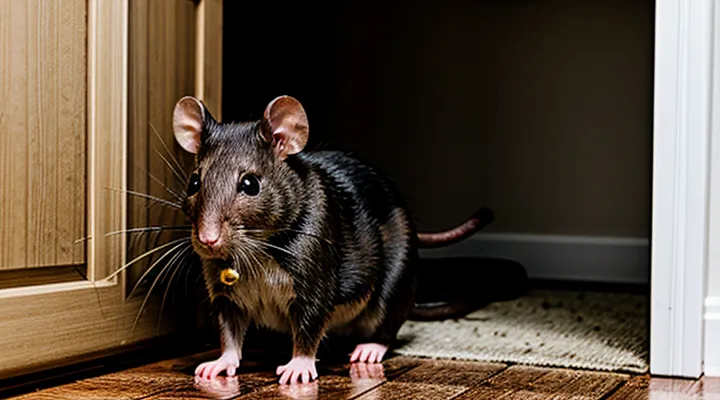
Understanding the Rat Problem
Identifying Rat Infestation Signs
Droppings and Urine Smells
Droppings and urine odors are primary indicators of a rodent presence and sources of health hazards. Fresh droppings appear as dark, pellet‑shaped feces, typically ¼ to ½ inch long. Older deposits darken and may crumble when disturbed. Urine stains often manifest as reddish‑brown discolorations on surfaces, accompanied by a pungent, ammonia‑like smell that intensifies in confined spaces.
Health risks stem from pathogens carried in excreta, including hantavirus, leptospirosis, and salmonella. Inhalation of aerosolized particles released during cleaning can lead to respiratory irritation or infection. Direct contact with contaminated material may cause skin lesions or gastrointestinal upset.
Effective removal requires a systematic approach:
- Wear disposable gloves, a fitted N‑95 respirator, and protective clothing before entry.
- Ventilate the area for at least 30 minutes, using fans to direct airflow outward.
- Wet‑spray droppings and urine stains with a disinfectant solution (e.g., 1 % bleach in water) to prevent dust release.
- Allow the solution to soak for 10 minutes, then scrub with a stiff brush.
- Rinse the surface with clean water and dry thoroughly.
- Dispose of all cleaning materials in sealed, leak‑proof bags.
After decontamination, seal entry points, eliminate food sources, and maintain a dry environment to discourage re‑infestation. Regular inspection for fresh droppings and lingering odors supports early detection and prompt intervention.
Gnaw Marks and Damage
Gnaw marks are the most reliable visual evidence of rodent activity inside a residence. Rodents incisors continuously grow, requiring frequent chewing on wood, plastic, wiring, and insulation. The resulting bite marks are typically V‑shaped, with clean, shallow cuts that may appear in clusters near entry points, food storage areas, and concealed spaces such as attics or crawl spaces. Identifying these marks early prevents escalation of structural damage and reduces the risk of electrical fires caused by chewed wires.
Key indicators of damage include:
- Fresh gnaw impressions on baseboards, door frames, and furniture legs.
- Frayed or exposed electrical cables, especially near walls or behind appliances.
- Compromised insulation material, showing bite holes or shredded fibers.
- Holes or tunnels in drywall, plaster, or wooden joists, often accompanied by droppings or urine stains.
Addressing gnaw marks requires immediate sealing of entry points, replacement of compromised wiring, and reinforcement of vulnerable structural components. Professional pest‑control services can apply rodent‑resistant materials and install traps or bait stations to eliminate the source of the damage. Continuous monitoring of known gnaw sites ensures that any recurrence is detected before extensive repairs become necessary.
Strange Noises in Walls or Attics
Strange noises emanating from walls or attics often signal rodent presence. High‑pitched squeaks, scratching, or thumping occurring primarily at night indicate active burrowing or nesting activity within concealed spaces.
Typical characteristics include intermittent bursts lasting a few seconds, irregular patterns that intensify after sunset, and sounds concentrated near insulation, ductwork, or structural gaps. Such auditory cues differentiate rodents from other wildlife by their rapid tempo and repetitive nature.
To assess the source of the noises, follow these steps:
- Conduct a systematic listening survey, noting time, location, and frequency of each sound.
- Examine adjacent surfaces for gnaw marks, droppings, or disturbed insulation.
- Install motion‑activated cameras or listening devices to capture activity without direct contact.
- Deploy baited traps or live‑capture devices along identified pathways.
- Seal identified entry points using steel wool, caulk, or metal flashing to prevent re‑entry.
Early identification of auditory signs enables prompt intervention, reducing the risk of structural damage, contamination, and disease transmission associated with unchecked infestations.
Rat Sightings
Rat sightings provide the first reliable indication that an infestation exists. Visible evidence includes droppings, gnaw marks, urine stains, and shredded materials. Droppings appear as small, dark pellets, typically ¼‑inch long, found along walls, behind appliances, and in hidden corners. Gnaw marks reveal the size of the animal; rats leave larger, more irregular holes than mice, often in wood, plastic, or wiring. Urine stains emit a strong ammonia odor and may discolor surfaces. Shredded insulation, paper, or fabric signals nesting activity.
Identifying the location of sightings helps prioritize intervention. Common areas include:
- Kitchen cabinets and pantry shelves, where food sources are stored.
- Basement corners and crawl spaces, offering darkness and concealment.
- Attic insulation, providing warmth and structural support.
- Exterior wall voids and roof eaves, granting access to the interior.
Frequency of observations correlates with population growth. A single sighting suggests a solitary intruder; multiple sightings over consecutive nights indicate breeding activity. Nighttime activity, especially around garbage containers or pet food, confirms nocturnal foraging patterns.
Accurate documentation of each sighting—date, time, exact spot, and type of evidence—supports effective control measures. Recording this data enables tracking of infestation progression and assessment of remediation success after treatment implementation.
Common Entry Points for Rats
Cracks in Foundations and Walls
Cracks in foundations and walls provide direct pathways for rodents to access interior spaces. Even hair‑line fissures allow rats to squeeze through, especially when surrounding soil is loose or moisture‑softened.
Typical locations include:
- Joint between slab and foundation footing;
- Gaps around utility penetrations;
- Expansion joints in exterior walls;
- Settling cracks near door and window frames.
Inspection should combine visual assessment with tactile probing. Use a bright flashlight to highlight shadowed fissures, then run a thin steel rod along suspected openings to confirm continuity. Document each breach with measurements of width and depth.
Effective repair actions:
- Clean debris and soil from the crack interior.
- Apply a high‑strength hydraulic cement to fill gaps wider than 3 mm; for narrower fissures, use a polyurethane sealant that expands upon curing.
- Install metal flashing or steel mesh over repaired sections where structural stress is anticipated.
- Backfill exterior voids with compacted gravel to restore drainage and prevent future settlement.
Regular monitoring of repaired areas reduces the likelihood of re‑entry. Schedule semi‑annual visual checks, especially after heavy rain or ground movement, and address any new fissures promptly. Maintaining an intact building envelope is a critical component of rodent control in a private residence.
Gaps Around Pipes and Vents
Gaps surrounding plumbing, HVAC ducts, and ventilation openings often serve as direct pathways for rodents to infiltrate residential structures. These openings may appear as cracks in drywall, unsealed pipe sleeves, or gaps around vent covers, typically ranging from a few millimeters to several centimeters.
Common locations include:
- Joint between pipe and wall or floor
- Space around vent flues and exhaust fans
- Openings behind utility cabinets or access panels
- Gaps at the base of chimneys and flues
Sealing procedures require durable, pest‑resistant materials and thorough preparation.
- Clean each opening to remove debris, dust, and gnaw marks.
- Apply expanding polyurethane foam for gaps larger than 5 mm; allow foam to cure fully.
- Insert steel wool or copper mesh into smaller cracks, then cover with caulk formulated for exterior use.
- Install metal flashing or sheet metal sleeves around pipe penetrations, securing with stainless‑steel screws.
- Fit vent covers with tight‑fitting louvered grilles, sealing edges with silicone sealant.
Regular inspection, at least twice annually, ensures that newly formed gaps are identified and repaired before rodents can exploit them. Monitoring should extend to seasonal changes that may cause building movement and create fresh openings.
Damaged Screens and Doors
Damaged screens and doors provide direct entry points for rodents, allowing them to infiltrate living spaces and establish nests. Even small gaps, torn mesh, or misaligned hinges create pathways that rats exploit, especially when food sources are nearby.
Common forms of damage include torn screen panels, cracked door frames, warped hinges, and gaps around hinges or weather stripping. Such defects often result from wear, weather exposure, or improper installation, and they compromise the structural barrier that should prevent pest ingress.
Regular inspection should focus on the perimeter of every exterior opening. Visual checks for tears, uneven seams, and loose hardware must be conducted at least twice a year, with additional assessments after severe weather events. Any identified breach requires immediate remediation to eliminate the risk of re‑entry.
Effective repair actions:
- Replace torn screens with weather‑resistant mesh, securing edges with rust‑proof staples.
- Reinforce door frames using metal brackets or wooden shims to restore alignment.
- Install self‑closing hinges and robust weather stripping to seal gaps.
- Apply steel wool or copper mesh to fill small holes before applying sealant.
- Use silicone or polyurethane caulk around door jambs and screen borders to create a continuous barrier.
Ongoing maintenance involves tightening screws, monitoring for new damage, and ensuring that all seals remain intact. Prompt attention to compromised screens and doors reduces the likelihood of rat activity, supporting long‑term pest control in a private residence.
Roof and Attic Access Points
Rats frequently exploit openings in the roof and attic to gain entry into a private residence. Identifying and securing these access points prevents infestation and protects structural integrity.
Common entry routes include:
- Gaps around vent pipes and exhaust fans
- Unscreened roof vents and turbine vents
- Openings at the eaves and soffit vents
- Cracks in the chimney flashing
- Unsealed attic hatch or pull‑down stairs
- Holes in roofing material, such as damaged shingles or tiles
Inspection should be systematic. Use a high‑intensity flashlight to examine the interior of the attic, looking for gnaw marks, droppings, and fresh chew damage. Follow each vent pipe outward to confirm a tight seal. Verify that all vent covers are intact and that the attic hatch closes flush with the ceiling.
Sealing measures require durable, rodent‑resistant materials. Apply stainless‑steel mesh (¼‑inch gauge) over ventilation openings, securing it with heavy‑duty screws. Use expanding polyurethane foam formulated for pest control to fill small gaps, but reinforce with steel wool where rats could gnaw. Install metal flashing around chimney bases and roof‑line penetrations. Replace damaged roofing sections with appropriate underlayment and shingles, ensuring a weather‑tight seal.
Ongoing maintenance reduces the likelihood of re‑entry. Schedule quarterly visual checks of roof and attic openings. Trim tree branches and vegetation that contact the roof, eliminating direct pathways. Keep attic storage organized to discourage nesting, and monitor for new signs of activity after severe weather events.
Prevention Strategies
Sealing Entry Points
Using Steel Wool and Caulk
Steel wool serves as a physical barrier that rats cannot chew through. When tightly packed into gaps around pipes, vents, and foundation cracks, the fine metal fibers create an impenetrable mesh. Applying a compatible caulk over the wool seals the opening, prevents displacement, and adds a weather‑resistant coating.
Key material considerations include:
- Stainless‑steel wool, resistant to rust and corrosion.
- Expandable polyurethane or silicone‑based caulk, capable of adhering to wood, concrete, and metal surfaces.
- A utility knife or screwdriver for enlarging and cleaning entry points before insertion.
Procedure for sealing rodent entryways:
- Locate all potential openings, focusing on areas where utilities penetrate the building envelope.
- Clear debris and dry the surface to ensure optimal adhesion.
- Pack steel wool firmly into the gap, filling the space completely without leaving voids.
- Apply a continuous bead of caulk over the wool, smoothing it with a putty knife to eliminate air pockets.
- Allow the caulk to cure according to the manufacturer’s specifications before exposing the area to moisture or temperature fluctuations.
- Inspect the sealed points periodically, reapplying steel wool and caulk if signs of wear appear.
Combining these materials creates a durable, low‑maintenance exclusion system that effectively blocks rat ingress in a private residence.
Repairing Damaged Structures
Rats compromise the integrity of a private residence by gnawing wood, tearing insulation, and creating entry points. Prompt repair of these damages eliminates shelter and food sources, making the environment inhospitable for rodents.
Inspection should focus on visible chew marks, gaps larger than a quarter‑inch, and deteriorated insulation. All identified breaches must be documented before remediation.
- Seal openings with steel‑wool or copper mesh, then apply cement or steel‑reinforced caulk.
- Replace gnawed timber with pressure‑treated lumber; fasten with rust‑resistant screws.
- Install rodent‑proof vent covers made of metal or heavy‑duty plastic.
- Reinforce foundation cracks using epoxy injection or hydraulic cement.
- Refresh insulation in walls and attics, using materials resistant to chewing, such as mineral wool.
After structural repairs, schedule regular inspections to verify the integrity of seals and the condition of materials. Ongoing maintenance prevents re‑infestation and preserves the safety of the dwelling.
Installing Mesh on Vents and Drains
Installing mesh on vents and drains creates a physical barrier that prevents rodents from entering the interior of a dwelling. The material must be durable, corrosion‑resistant, and have openings no larger than ¼ inch to exclude rats while allowing airflow.
- Identify all ventilation openings, including attic gable vents, bathroom exhaust fans, and dryer ducts.
- Measure each opening to determine the required mesh dimensions.
- Choose stainless‑steel or galvanized wire mesh with a ¼‑inch or smaller aperture.
- Cut mesh to size, adding a 1‑inch overlap on each side to facilitate secure attachment.
- Secure mesh with stainless‑steel screws or rivets, ensuring a tight fit that eliminates gaps.
- Apply silicone sealant around the perimeter of the mesh to reinforce the seal and protect against moisture.
For floor drains, repeat the same procedure: remove existing grates, install a mesh sleeve that fits snugly inside the pipe, and fasten it with clamps or brackets. Periodic inspection is essential; replace damaged sections promptly to maintain an uninterrupted barrier. This straightforward installation reduces the likelihood of rat intrusion without compromising ventilation performance.
Food and Water Management
Storing Food in Airtight Containers
Storing food in airtight containers removes a primary attractant for rats, limiting their access to nourishment and reducing the likelihood of colonisation in a private residence.
Containers should meet the following criteria:
- Rigid material such as glass, heavy‑wall plastic, or metal.
- Seal equipped with a compression gasket or silicone ring.
- Locking mechanism that prevents accidental opening.
- Size appropriate for the volume of stored items to avoid excess air space.
Implementation steps:
- Empty all pantry shelves and discard any spoiled or exposed food.
- Clean surfaces with a detergent solution, rinse, and dry thoroughly.
- Transfer dry goods, cereals, pet food, and nuts into selected containers, ensuring each lid is fully engaged.
- Label containers with contents and purchase dates to facilitate rotation.
- Position containers on elevated shelves away from walls, preventing rats from reaching them via climbing or gnawing.
Consistent use of sealed storage eliminates food odors that attract rodents, supporting long‑term pest‑free conditions. «Rats are drawn to accessible food sources», therefore eliminating this resource is a fundamental preventative action.
Cleaning Up Spills and Crumbs Promptly
Prompt cleaning of spills and crumbs eliminates food sources that attract rodents to a private dwelling. Food residues on countertops, floors, and cabinets provide sustenance for rats, encouraging foraging behavior and establishing a foothold in the building structure.
Effective practices include:
- Wipe countertops and tables immediately after meals or food preparation.
- Sweep or vacuum floors at least once daily, focusing on corners and under appliances.
- Mop wet areas promptly; use a disinfectant solution to remove lingering odors.
- Store dry goods in sealed containers; avoid open bags or boxes on shelves.
- Empty trash bins nightly; use lids that close securely to prevent access.
Regular sanitation reduces the likelihood of scent trails that guide rats to entry points. Maintaining a schedule for cleaning tasks ensures consistent removal of potential attractants, decreasing the probability of infestation.
Removing Pet Food Overnight
Pet food left out after dark provides a reliable nightly source of nourishment for rats, encouraging repeated visits and breeding. Eliminating this attractant disrupts the rodents’ foraging pattern and reduces the likelihood of an infestation establishing in a residential setting.
Practical steps for overnight pet‑food removal:
- Store dry kibble in airtight, rodent‑proof containers made of metal or heavy‑wall plastic.
- Place wet food in sealed, insulated dishes and discard leftovers before bedtime.
- Relocate feeding stations to a secured pantry or a room without direct access for rodents.
- Clean the feeding area thoroughly each evening to remove crumbs and scent traces.
- Inspect containers for damage or gaps weekly; replace compromised seals promptly.
Implementing these measures each night removes a primary food source, compelling rats to seek alternative habitats and decreasing their presence in the house. «Never leave pet food accessible overnight» reinforces this principle and supports long‑term rodent control.
Fixing Leaky Pipes and Faucets
Leaking water sources create a reliable supply for rats, encouraging them to shelter near walls, basements, and kitchens. Moisture also weakens structural joints, allowing rodents to enlarge entry points. Eliminating the water supply removes a key attraction and reduces the likelihood of new infestations.
- Identify all visible drips from faucets, showerheads, and pipe joints; inspect under sinks, behind appliances, and in crawl spaces.
- Shut off the water supply to the affected fixture before beginning repairs to prevent further loss and limit access for pests.
- Replace worn washers, O‑rings, and seals with appropriate sizes; tighten connections using a wrench, ensuring no over‑torque that could damage threads.
- For cracked or corroded pipe sections, cut out the damaged segment with a pipe cutter and install a new piece using appropriate couplings and solvent cement (for PVC) or threaded fittings (for copper).
- Apply pipe‑thread sealant or plumber’s tape on threaded joints to guarantee a watertight seal and discourage rodents from gnawing at loose fittings.
- Test each repaired line by reopening the water supply and observing for any residual drips; repeat tightening or resealing as necessary.
- Conduct a final inspection of the entire plumbing network, focusing on concealed areas where leaks often go unnoticed, and seal any gaps with caulk or expanding foam.
By systematically locating and repairing leaks, the water source that sustains rat activity is eliminated, strengthening the overall rodent‑control strategy for a private residence.
Maintaining a Clean Environment
Regular Waste Disposal
Effective rodent control in a private residence begins with disciplined waste handling. Improperly managed trash provides a reliable food source, encouraging rats to explore and inhabit the property.
- Store all refuse in containers equipped with tight‑fitting lids.
- Empty containers at least once daily, preferably before nightfall.
- Position bins away from building walls and seal openings that could allow rodent entry.
- Clean any spillage around waste areas immediately to eliminate residual attractants.
Regular removal of food scraps, paper, and organic matter eliminates the nutritional incentive for rats. Compost piles should be maintained at a distance from the house and covered with breathable fabric to deter burrowing. Routine inspection of waste containers for damage ensures continuous protection.
By integrating these practices into daily household routines, the environment becomes inhospitable to rats, reducing the likelihood of infestation without reliance on chemical interventions. «Dispose of food waste daily» serves as a concise reminder of the core requirement.
Decluttering Basements and Attics
Removing unnecessary items from basements and attics eliminates hiding places and travel routes for rodents. Clear, organized spaces reduce food sources, moisture, and shelter, making the environment inhospitable.
Key actions for effective decluttering:
- Sort stored goods; discard damaged or expired products that could attract pests.
- Consolidate items onto sturdy shelving; keep boxes off the floor and away from walls.
- Install sealed containers for pet food, grains, and other consumables.
- Eliminate piles of cardboard, paper, or fabric; recycle or dispose of them promptly.
- Ensure ventilation to lower humidity levels that support rodent activity.
After clearing clutter, inspect structural gaps. Seal cracks, gaps around utility lines, and openings in the roof or foundation with steel wool and caulking. Maintain the cleared areas by conducting regular inspections and promptly addressing new debris or damage.
Consistent application of these measures creates a barrier that discourages rat habitation, supporting broader pest‑management efforts throughout the residence.
Trimming Overhanging Branches
Trimming overhanging branches eliminates direct pathways that rats use to reach the roof and eaves of a residence. By creating a clear gap between foliage and the building, rodents lose a convenient bridge for climbing and entering attics or wall voids.
Key actions include:
- Measure the distance between the lowest branch tips and the roofline; maintain at least a 12‑inch clearance.
- Cut branches that extend beyond the roof edge, using a pole saw or ladder‑mounted cutter.
- Remove debris left on the roof and gutters, as it can serve as shelter for rats.
- Dispose of trimmed material away from the property to prevent re‑colonisation.
- Schedule quarterly inspections to ensure new growth does not re‑establish contact with the structure.
Regular pruning reduces the likelihood of rat incursions, supports the effectiveness of other control measures, and contributes to overall building integrity.
Rat Extermination Methods
Trapping Techniques
Snap Traps: Placement and Baiting
Snap traps provide rapid, humane removal of rodents when positioned and baited correctly.
Key placement principles:
- Install traps along walls, where rats travel between hiding places and food sources.
- Position traps 1–2 inches from the wall, with the trigger end facing the wall to align with the animal’s natural route.
- Target known activity zones: near garbage containers, beneath appliances, inside attic joists, and within basement crawl spaces.
- Avoid placing traps in high‑traffic human areas; select concealed locations that still allow easy access for the pest.
Effective baiting practices:
- Use fresh, high‑protein attractants such as peanut butter, cooked bacon, or canned fish.
- Apply a small amount—just enough to cover the trigger mechanism without obscuring it.
- Rotate bait types weekly to prevent habituation.
- Secure bait to the trap with a thin strip of cloth or a small piece of wire, ensuring the rat must manipulate the trigger to obtain the food.
Regular inspection and safety measures:
- Check traps daily; remove captured rodents promptly to maintain trap efficacy.
- Wear disposable gloves when handling traps and dispose of captured animals in sealed bags.
- Reset or replace traps after each capture to sustain consistent pressure on the rat population.
- Store unused traps out of reach of children and pets, preferably in a locked container.
Live Traps: Ethical Considerations
Live traps provide a non‑lethal alternative for managing rodent infestations in residential properties. Their use requires careful evaluation of humane treatment, animal welfare, and public health implications.
Key ethical considerations include:
- Selection of trap models that minimize stress and injury; devices must incorporate smooth interiors and secure escape mechanisms.
- Frequency of monitoring; traps should be inspected at intervals short enough to prevent prolonged confinement, typically every few hours.
- Release protocols; captured rats must be relocated to habitats where they cannot re‑enter human dwellings, avoiding protected areas and respecting local wildlife regulations.
- Health precautions; handlers should wear protective gloves, disinfect equipment after each use, and ensure that released animals do not pose disease risks to surrounding communities.
Compliance with municipal and national wildlife statutes is mandatory. Unauthorized release may constitute illegal wildlife displacement, while failure to follow humane standards can result in legal penalties and public criticism.
Adhering to these principles ensures that live‑capture methods align with ethical standards, reduce suffering, and maintain the integrity of the household environment.
Electronic Traps: Safety and Effectiveness
Electronic traps provide a rapid, humane method for removing rats from a residential property. The devices deliver a high‑voltage shock that instantly incapacitates the animal, eliminating the need for prolonged suffering. Effectiveness depends on proper placement near known activity zones, such as along walls, behind appliances, and in dark corners. Bait, typically a small piece of food, enhances attraction and increases capture rates.
Safety considerations are essential to prevent accidental injury. Devices must be installed according to the manufacturer’s instructions, securing the unit to a stable surface and ensuring that the power source is protected from moisture. When using mains‑powered models, a ground‑fault circuit interrupter (GFCI) should be employed to reduce the risk of electric shock. Battery‑operated traps eliminate the need for external wiring but require regular battery checks to maintain consistent voltage output.
Key safety practices include:
- Positioning traps out of reach of children and non‑target pets.
- Verifying that the housing enclosure is intact and that the activation grid is not exposed.
- Using a circuit breaker or GFCI when connecting to household electricity.
- Regularly inspecting the trap for damage or wear before each deployment.
Effectiveness factors encompass:
- Immediate lethality, which prevents disease transmission from injured rodents.
- High capture certainty, as the shock kills the rat upon contact.
- Minimal odor, reducing the need for additional cleaning compared to poison use.
- Reusability, allowing multiple deployments without replacement of consumable components.
Limitations involve the requirement for a power source, potential avoidance by rats that have previously encountered an electronic device, and reduced performance in environments with excessive clutter that obstructs the shock field. Complementing electronic traps with sanitation measures—sealing entry points, removing food sources, and maintaining a tidy interior—optimizes overall rodent control outcomes.
Baits and Poisons
Types of Rodenticides: Anticoagulants vs. Acute Toxins
Rodenticides represent the most effective chemical approach for eliminating rat populations in a private residence. They fall into two principal categories: anticoagulants and acute toxins. Each class possesses distinct mechanisms, application considerations, and risk profiles.
Anticoagulants disrupt blood clotting, causing internal hemorrhage after several days of ingestion. Common agents include bromadiolone, difenacoum and brodifacoum, often formulated in bait stations. Advantages comprise delayed mortality, which reduces bait aversion and allows secondary poisoning of nest mates. Drawbacks involve prolonged exposure for non‑target animals, potential development of resistance, and the need for secure placement to prevent accidental ingestion by pets or children.
Acute toxins act rapidly, inducing death within hours by affecting the nervous system or cellular respiration. Representative compounds are zinc phosphide, strychnine and bromethalin, typically delivered as grain‑based or gel baits. Benefits include swift reduction of active rodents and minimal chance of bait shyness. Risks consist of higher toxicity to wildlife, greater handling precautions, and limited effectiveness against rats that have previously encountered sub‑lethal doses of anticoagulants.
When choosing between the two, consider the following factors:
- Target species tolerance and known resistance patterns
- Presence of children, pets or wildlife in the vicinity
- Desired speed of control and level of follow‑up monitoring
- Regulatory restrictions on specific active ingredients
Anticoagulants suit situations where long‑term control and secondary kill are priorities, provided that bait stations are tamper‑proof. Acute toxins are appropriate for immediate eradication when rapid results outweigh the increased safety concerns. Proper placement, adherence to label instructions, and post‑application verification are essential to achieve reliable rat elimination while minimizing collateral harm.
Safe Application and Placement
Effective rat control in a residence requires precise application of products and strategic placement to protect occupants while maximizing efficacy. Choose baits formulated with low‑toxicity active ingredients, such as anticoagulant‑based pellets with child‑proof containers. Apply bait only in concealed areas where rodents travel, avoiding kitchens, food preparation surfaces, and pet feeding zones. Use tamper‑resistant stations that lock securely, preventing accidental ingestion by children or animals.
Placement guidelines:
- Install snap traps along walls, behind appliances, and near known gnaw marks; position trigger mechanisms perpendicular to the rodent’s path.
- Position bait stations at 1‑ to 2‑meter intervals along walls, low to the floor, and away from ventilation ducts.
- Avoid direct placement on concrete or metal surfaces; use a thin layer of insulating material to enhance detection by rodents.
- Replace or rebait stations every 48 hours, monitoring for activity and ensuring no non‑target exposure.
All applications must comply with local safety regulations and include clear labeling. Regular inspection of trap locations and bait stations ensures continued effectiveness and reduces the risk of secondary poisoning.
Risks to Pets and Children
Rats in a residential setting pose direct threats to both pets and children. Contact with rodents can transmit diseases, cause injuries, and introduce toxic substances used in control efforts.
Risks to pets include:
- Exposure to pathogens such as leptospirosis and hantavirus, which may be carried in rat urine and feces.
- Ingestion of poisoned bait, leading to internal bleeding, organ failure, or death.
- Physical injury from bites or scratches during encounters with aggressive rats.
- Secondary poisoning when a pet consumes a rat that has ingested a rodenticide.
Risks to children consist of:
- Accidental ingestion of bait or contaminated food, resulting in severe poisoning symptoms.
- Contact with rat droppings, increasing the likelihood of respiratory illnesses and allergic reactions.
- Bite wounds that can become infected if not promptly treated.
- Psychological stress from sightings of rodents or evidence of infestation.
Mitigation measures:
- Store all rodenticides in locked containers, out of reach of pets and children.
- Use tamper‑resistant bait stations marked with «danger» signs.
- Conduct regular inspections for droppings, gnaw marks, and entry points; seal openings with steel wool or metal flashing.
- Employ professional pest‑control services that apply integrated pest‑management techniques, minimizing chemical use.
- Educate household members about safe handling of traps and the importance of reporting rodent activity promptly.
Professional Pest Control Consultation
A professional pest‑control consultation begins with a thorough on‑site inspection. The specialist evaluates structural vulnerabilities, identifies signs of rodent activity, and determines the species involved. Findings are documented and used to formulate a precise eradication plan.
During the assessment, the consultant measures entry points, examines insulation, and tests for gnaw marks or droppings. The resulting report outlines recommended control methods, schedules, and safety precautions. All suggested measures comply with local regulations and industry standards.
Homeowners should ensure unobstructed access to attics, basements, crawl spaces, and exterior walls. Food storage areas must be sealed, and waste containers secured to reduce attractants. Providing a clear view of potential harborage sites facilitates accurate diagnosis and reduces treatment time.
Key advantages of engaging a certified professional include:
- Targeted bait placement that minimizes non‑target exposure
- Use of rodent‑specific traps and monitoring devices
- Ongoing verification visits to confirm population decline
- Documentation for insurance or legal purposes
The consultation concludes with a detailed action plan, cost estimate, and timeline. Implementation follows the agreed schedule, with periodic reviews to adjust tactics if necessary. This structured approach maximizes efficacy while safeguarding occupants and pets.
Natural and Repellent Approaches
Peppermint Oil and Other Scents
Peppermint oil possesses a strong, volatile fragrance that rats find intolerable. When applied to cotton balls, cloth strips, or small spray bottles, the scent diffuses through confined spaces such as attics, basements, and wall cavities, creating an environment that discourages rodent activity. Concentrations of 10‑15 % essential oil in water or carrier oil provide sufficient potency without excessive residue. Reapplication every three to five days maintains effectiveness, especially after cleaning or ventilation.
Other aromas demonstrate similar repellent properties. The following substances are recognized for their deterrent impact on rats:
- Eucalyptus oil – sharp, menthol‑like odor; suitable for direct application on entry points.
- Citronella oil – citrus‑based scent; effective in outdoor perimeters and garden sheds.
- Clove oil – warm, spicy fragrance; useful on wood surfaces and behind appliances.
- Ammonia – pungent chemical vapor; best employed in sealed containers placed near suspected pathways.
Safety considerations include keeping essential oils away from children and pets, using breathable carriers to prevent skin irritation, and avoiding direct contact with food preparation areas. Combining scent treatments with structural exclusion measures—such as sealing cracks, installing door sweeps, and removing food sources—enhances overall control of rodent incursions in a private residence.
Ultrasonic Devices: Efficacy Review
Ultrasonic emitters generate high‑frequency sound waves beyond human hearing, intended to create an uncomfortable environment for rodents. Devices typically operate at 20–30 kHz, with pulsed or continuous output designed to provoke stress responses in rats.
Scientific assessments indicate variable mortality and displacement effects. Controlled laboratory trials report short‑term avoidance behavior in 60–80 % of test subjects, yet long‑term habituation occurs within weeks, reducing deterrent impact. Field studies in private dwellings reveal limited population decline, with average reductions of 15–30 % over a three‑month period when devices are used as the sole control method.
Key limitations include:
- Sound attenuation by walls, furniture, and insulation, restricting effective range to 3–5 m.
- Species‑specific hearing thresholds; some rat populations exhibit reduced sensitivity to ultrasonic frequencies.
- Absence of standardized emission patterns among manufacturers, leading to inconsistent performance.
Optimal application combines ultrasonic units with complementary measures: sealing entry points, eliminating food sources, and deploying mechanical traps. Placement should target known activity zones, ensuring line‑of‑sight coverage and minimal obstruction. Regular device maintenance, such as battery replacement and periodic frequency adjustment, sustains efficacy.
Overall, ultrasonic technology offers a non‑lethal, low‑maintenance option for temporary rodent deterrence, but reliance on this method alone rarely achieves comprehensive eradication in residential settings. Integration with proven exclusion and trapping strategies remains essential for lasting control.
Predator Scents: Limited Effectiveness
Predator scents are marketed as a non‑chemical method to deter rodents from entering living spaces. The principle relies on the presence of urine or glandular secretions from natural rat predators such as foxes, cats, or owls. When these odors are introduced into a home, rats may initially avoid the area due to an instinctive fear of a potential threat.
- Effectiveness diminishes after a short period; rats quickly habituate to the scent when it is not accompanied by an actual predator.
- Concentrations required for a noticeable deterrent are often higher than those provided by commercially available products, leading to strong, unpleasant odors for occupants.
- Scent diffusion is limited by enclosure size and ventilation; sealed rooms may retain the odor, while open areas allow rapid dissipation.
- Laboratory studies show a reduction in activity of 10‑30 % during the first 24 hours, followed by a return to baseline levels within several days.
Because the repellent effect relies solely on perception, it should not be considered a primary control strategy. Integrating predator scents with proven measures—such as sealing entry points, removing food sources, and employing traps—offers a more reliable approach to managing rat populations in a private residence. Continuous monitoring and prompt adjustment of tactics remain essential for sustained success.
Post-Extermination Measures
Cleaning and Sanitation
Disinfecting Contaminated Areas
Disinfection of areas contaminated by rodent activity eliminates health hazards and prevents re‑infestation.
Identify zones where droppings, urine, gnaw marks, or nesting material are present. Typical locations include kitchens, pantries, attics, crawl spaces, and behind appliances.
Before cleaning, equip personnel with disposable gloves, N‑95 respirators, eye protection, and disposable coveralls. Ensure adequate ventilation by opening windows and using exhaust fans.
Remove visible debris with a vacuum equipped with a HEPA filter or by sweeping into a sealed bag. Wash surfaces with hot water and a detergent solution to dissolve organic residues. Rinse thoroughly.
Apply an approved disinfectant to all cleaned surfaces. Effective options include:
- Sodium hypochlorite solution (5 % bleach diluted 1:10 with water)
- Quaternary ammonium compounds formulated for rodent control
- Phenolic disinfectants meeting EPA registration
Maintain the manufacturer‑specified contact time, typically 10–15 minutes, before wiping or allowing the surface to air‑dry.
Dispose of all waste, including contaminated materials and cleaning cloths, in sealed, puncture‑resistant bags. Follow local regulations for hazardous waste removal.
Conduct a final inspection to verify that no residue remains and that disinfectant coverage is complete. Repeat the process in any area where contamination persists.
«Disinfection prevents disease transmission and supports long‑term rodent management».
Removing Dead Rodents Safely
Removing dead rodents from a private residence requires strict adherence to health and safety protocols. Failure to follow proper procedures can expose occupants to disease agents, attract scavengers, and contaminate the indoor environment.
The process begins with isolation of the affected area. Close doors and windows, turn off ventilation fans, and place a disposable plastic sheet under the carcass to contain fluids. Personal protective equipment (PPE) must include heavy‑duty gloves, a disposable gown, a face shield, and a mask rated for particulate protection.
Steps for safe removal:
- Wear PPE before approaching the carcass.
- Use a sturdy, sealable plastic bag or a rigid container with a tight‑fitting lid.
- Carefully pick up the rodent with gloved hands or a disposable tool; avoid direct contact.
- Place the animal inside the container, expel excess air, and seal securely.
- Label the container with the date and location of collection.
- Transport the sealed container to a licensed disposal facility or arrange for municipal hazardous‑waste pickup.
After removal, disinfect the site with an EPA‑approved sanitizer. Apply the solution to all surfaces that may have been contaminated, then allow the area to dry completely. Dispose of all disposable PPE and cleaning materials in a sealed trash bag, and wash hands thoroughly with soap and water.
Preventive measures include sealing entry points, maintaining clean storage areas, and regular inspection of attics, basements, and crawl spaces. Consistent application of these practices reduces the likelihood of future rodent mortality within the home.
Ventilating Affected Spaces
Proper ventilation of infested areas reduces humidity, disrupts rat scent trails, and accelerates drying of droppings and nesting material. Fresh air circulation also dilutes airborne pathogens, creating a less hospitable environment for rodents.
- Open windows and doors on opposite sides of the room to create cross‑drafts.
- Install portable fans to direct airflow toward exit points, ensuring that air moves outward rather than recirculating within the space.
- Use dehumidifiers in conjunction with ventilation to lower relative moisture below 50 %, a level unfavorable for rat habitation.
- Maintain ventilation for a minimum of 24 hours after cleaning to guarantee thorough drying of surfaces and removal of residual odors.
Avoid sealing vents or blocking air returns during the treatment period. After ventilation, inspect seals and repair any gaps that could allow re‑entry. Replace damaged screens and install fine‑mesh filters on exhaust outlets to prevent rodents from exploiting ventilation pathways. Regularly schedule ventilation cycles during seasonal changes to sustain low humidity and deter future infestations.
Ongoing Monitoring
Regular Inspection for Re-infestation
Regular inspection after a rodent‑control operation prevents the return of the problem. Inspection should begin within a week of treatment and continue at set intervals for at least six months.
Key elements of each inspection include:
- Visual check of entry points such as gaps around pipes, vents, and doors; seal any openings larger than a quarter‑inch.
- Examination of stored food, garbage containers, and pet feed for spillage or unsecured packaging.
- Survey of typical rodent pathways: attic joists, crawl spaces, basement corners, and behind appliances.
- Placement of monitoring devices (e.g., snap traps, electronic sensors) to detect activity between scheduled visits.
Signs of re‑infestation are unmistakable: fresh droppings, gnaw marks, urine stains, or audible scratching. Documentation of findings—date, location, evidence type—guides corrective actions and informs future preventive measures.
If evidence appears, immediate remediation is required: reinforce barriers, reposition traps, and, if necessary, repeat baiting under professional supervision. Consistent follow‑up maintains a rat‑free environment and reduces the likelihood of costly, repeated interventions.
Maintaining Prevention Strategies
Maintaining a robust prevention program prevents new rodent incursions after an initial eradication effort. Continuous vigilance eliminates the conditions that attract rats to a private residence.
- Seal all potential entry points: inspect foundations, walls, roof eaves, and utility penetrations; install steel wool or metal mesh in gaps larger than ¼ inch.
- Manage waste responsibly: store garbage in tightly lidded containers, remove food scraps promptly, and keep compost bins away from the building.
- Control vegetation: trim shrubs, keep grass short, and eliminate dense ground cover that offers shelter near the foundation.
- Maintain traps and bait stations: clean, replace, and reposition devices according to manufacturer guidelines; record locations and dates of service.
- Conduct regular inspections: schedule monthly walkthroughs to detect signs of activity such as droppings, gnaw marks, or burrows.
A documented routine enhances accountability. Homeowners should log inspection dates, identified vulnerabilities, and corrective actions taken. Reviewing records quarterly reveals patterns and informs adjustments to the prevention plan.
Engaging a licensed pest‑control professional for periodic audits adds expertise. Specialists can perform infrared assessments, recommend advanced exclusion materials, and verify that all measures comply with local health regulations. Consistent application of these strategies sustains a rat‑free environment.
When to Call Professionals Again
After initial DIY actions, continue monitoring the property for any indication that the problem persists. Re‑engage pest‑control specialists when evidence suggests that self‑treatment is insufficient.
Signs that professional assistance is required again include:
- Reappearance of droppings, gnaw marks, or urine stains after a period of inactivity.
- Audible activity such as scratching or scurrying during night hours.
- Evidence of new entry points, for example, gaps around pipes, vents, or foundation cracks.
- Detection of live rodents in traps that were previously set and cleared.
- Increased sightings of rodents by occupants or pets.
Before contacting experts, perform a brief assessment:
- Document locations and frequency of observed signs.
- Verify that all previously implemented measures (sealing, traps, bait stations) remain intact.
- Ensure that sanitation practices—removal of food sources, proper waste disposal, and elimination of clutter—are fully observed.
If the documented evidence aligns with any of the listed indicators, schedule a follow‑up inspection by a licensed professional. Prompt re‑evaluation prevents escalation, safeguards health, and protects structural integrity.