
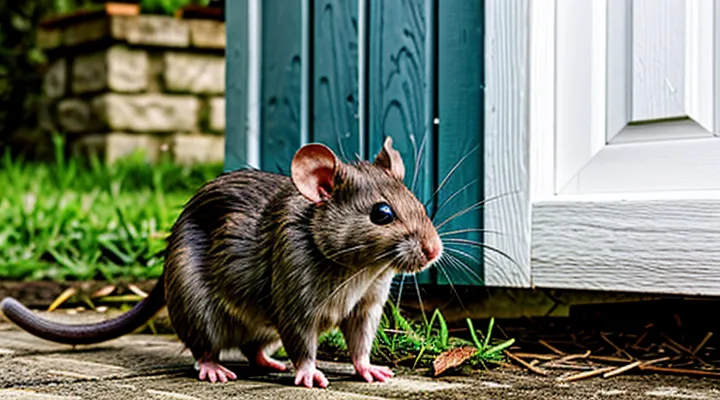
Understanding the Rat Problem
Identifying Rat Infestation Signs
Droppings and Urine Trails
Rat droppings are small, dark, cylindrical pellets about ½‑inch long, frequently found along walls, in pantry corners, and near food storage. Urine appears as faint, amber stains or a lingering odor, often visible on surfaces where rats travel. Their presence confirms active infestation and indicates the routes rodents use throughout a country house.
Droppings and urine contain pathogens such as Hantavirus, Leptospira, and Salmonella. Inhalation of dried particles or contact with contaminated surfaces can cause respiratory illness, fever, and gastrointestinal infection. Immediate identification reduces the risk of disease transmission to occupants and pets.
Safe removal procedure
- Wear disposable gloves, a N‑95 respirator, and eye protection.
- Ventilate the area by opening windows and using fans.
- Moisten droppings and urine with a disinfectant solution (e.g., 10% bleach) to prevent aerosolization.
- Scrape softened material into a sealed plastic bag; dispose of the bag in an outdoor trash container.
- Clean the underlying surface with the same disinfectant, then rinse with clean water and allow to dry completely.
Analyzing droppings and urine trails guides placement of traps and bait stations. Concentrations near entry points suggest preferred entry routes; linear streaks indicate travel corridors. Position snap traps or live‑capture devices perpendicular to these pathways for maximum interception. Regular monitoring of these signs confirms the effectiveness of control measures and signals when further action is required.
Gnaw Marks and Damage
Rats leave distinct gnaw marks that signal structural compromise and health hazards. Identifying these signs early prevents extensive repairs and reduces disease risk.
Typical gnaw damage includes:
- Wood beams, joists, and support posts, often showing shallow, crescent-shaped bites.
- Electrical wiring insulation, exposing conductors and creating fire danger.
- Plastic piping and rubber seals, leading to leaks and moisture accumulation.
- Food packaging and stored grains, resulting in contamination and spoilage.
Assessing the extent of damage requires a systematic inspection:
- Examine exposed timber for fresh bite marks and splintered edges.
- Trace all visible wiring for stripped insulation or chewed sections.
- Inspect plumbing in crawl spaces and basements for perforations.
- Check storage areas for gnawed containers and droppings.
Once gnaw marks are confirmed, immediate actions are essential:
- Seal entry points with steel wool and caulk to block further access.
- Replace compromised wood, wiring, or piping according to building codes.
- Install snap traps or electronic bait stations near identified bite sites.
- Employ a professional pest‑control service for comprehensive eradication.
Documenting each repair and monitoring for new gnaw marks ensures long‑term protection of the country residence.
Unusual Noises
Unusual sounds often indicate the presence of rodents in a countryside dwelling. Scratching within walls, squeaking in attics, and rapid scurrying on ceilings are typical acoustic signatures of active infestations. These noises usually occur at night when rats move between nesting sites and food sources, making them reliable early warnings.
To verify the source and plan effective control, follow these steps:
- Listen for repetitive, high‑pitched squeaks that rise in volume over time; they suggest breeding activity.
- Tap walls and floors lightly; a hollow, resonant echo may reveal concealed tunnels.
- Inspect insulation and stored grain for droppings or gnaw marks that accompany the sounds.
- Set motion‑activated cameras near identified noise hotspots to capture visual confirmation.
Addressing the problem promptly prevents structural damage and disease spread. Seal entry points, remove food residues, and deploy bait stations or traps in the identified zones. Continuous monitoring of acoustic patterns ensures that the rodent population remains suppressed.
Sightings
Rats in a rural dwelling are often first detected through direct sightings. A clear view of an animal, droppings, gnaw marks, or fresh tracks confirms an active infestation and guides immediate action.
Typical indicators include:
- Live rodents observed during daylight or nightfall.
- Fresh dropples, approximately 1‑cm black pellets, near food storage or along walls.
- Gnawed wood, plastic, or wiring showing fresh bite marks.
- Scratching sounds in attics, walls, or crawl spaces.
- Grease or urine stains on surfaces where rats travel.
Documenting each observation—date, time, location, and description—creates a reliable record. Accurate logs help determine population size, movement patterns, and the most affected zones, allowing targeted control measures.
When sightings cluster around entry points such as gaps under doors, vent openings, or utility penetrations, seal these openings promptly. Combine exclusion with traps or bait stations positioned near confirmed activity sites to reduce the rodent population efficiently. Continuous monitoring of sightings ensures that interventions remain effective and that any resurgence is addressed without delay.
Why Rats are Attracted to Your Country House
Food Sources
Rats thrive where food is readily available, making the elimination of edible attractants a primary step in securing a rural dwelling.
Typical food sources include:
- Unsecured garbage bins, especially those containing kitchen waste or pet food.
- Open grain stores, corn cribs, and feed bags left on the floor or in sheds.
- Fruit trees and vegetable gardens with fallen produce or uneaten crops.
- Birdseed feeders that spill onto the ground.
- Pet food left out overnight or stored in containers without tight lids.
Mitigation measures:
- Install sealed, metal trash cans with locking lids; empty them daily.
- Store grain, feed, and dry goods in airtight, rodent‑proof containers; keep them off the floor.
- Harvest fruit promptly; rake fallen fruit and vegetables each evening.
- Hang bird feeders on poles away from structures; use trays to catch spillage.
- Place pet food in glass or heavy‑plastic containers; feed only the amount needed for each meal.
Consistently removing these nutrition sources cuts the incentive for rats to enter the property, reducing population pressure and supporting long‑term rodent control.
Shelter and Warmth
Rats seek out places that provide shelter and consistent heat. In a countryside residence, unused attics, crawl spaces, and poorly insulated walls become ideal habitats. Eliminating these advantages removes a primary incentive for infestation.
Inspect every interior cavity. Seal gaps larger than ¼ inch with steel wool, cement, or metal flashing. Replace damaged weather‑stripping around doors and windows. Install tight-fitting covers on vent openings and chimney flues.
Reduce ambient warmth in potential nesting zones. Install insulation that meets building codes to eliminate cold drafts that attract rodents seeking thermal refuge. Ensure that heating ducts are sealed and that no leaking pipes create moisture, which also raises temperature locally.
Maintain a clean environment to discourage rats from establishing shelter. Store firewood at least two feet off the ground and away from the house. Keep stored grain, feed, or compost in metal containers with tight lids.
Practical steps:
- Conduct a thorough gap audit; document all openings.
- Apply appropriate sealing materials; verify integrity after installation.
- Upgrade insulation in attic, walls, and floor cavities.
- Install vent covers with mesh screens rated for rodent exclusion.
- Relocate firewood, feed, and compost to sealed, elevated storage.
- Schedule quarterly inspections to detect new entry points promptly.
By removing shelter and moderating heat sources, the property becomes hostile to rodent habitation, substantially lowering the likelihood of a rat problem.
Water Access
Rats are drawn to any reliable water supply. Eliminating unnecessary sources reduces the likelihood of infestation.
- Repair leaking pipes, faucets, and irrigation systems immediately.
- Insulate outdoor spigots with shut‑off valves and cover them when not in use.
- Drain standing water from birdbaths, pet dishes, and garden containers each evening.
- Store firewood and other combustible materials off the ground to prevent condensation buildup.
Secure all interior water fixtures. Install splash‑proof covers on kitchen sinks and bathroom drains, and ensure dishwashers and washing machines are sealed when idle. Regularly inspect and replace worn seals that could allow moisture leakage.
Maintain a dry environment around the house perimeter. Grade the soil to direct rainwater away from foundations, and keep vegetation trimmed to limit water retention near walls. By controlling water availability, the habitat becomes unsuitable for rats, limiting their presence in a rural residence.
Entry Points
Rats gain access to a country house through any opening larger than a quarter‑inch. Identifying and eliminating these gaps prevents new infestations and limits the movement of existing rodents.
Typical entry points include:
- Cracks in foundation walls or slab edges
- Gaps around utility pipes, water lines, and sewer connections
- Unscreened vents, dryer exhausts, and chimney flues
- Door and window frames lacking weather‑stripping or proper seals
- Roof eaves, soffits, and attic access panels
- Openings in crawl‑space doors or vent covers
- Holes in siding, fence boards, or decking
Inspection should be systematic. Walk the perimeter with a flashlight, probe suspicious gaps with a steel rod, and apply non‑toxic tracking powder to suspect areas. Smoke from a candle or incense can reveal airflow pathways that rats may exploit.
Seal each opening with durable, rodent‑proof materials. Recommended solutions:
- Insert steel wool or copper mesh into small cracks, then apply expanding polyurethane foam for reinforcement
- Fit hardware cloth (¼‑inch mesh) over larger gaps, securing with screws or nails
- Use cement or mortar to fill foundation fissures
- Install metal flashing around pipe penetrations and vent brackets
- Apply continuous weather‑stripping to doors and windows, ensuring a tight closure
Maintain a regular schedule of checks, especially after severe weather or seasonal changes. Trim vegetation that contacts the building, keep garbage containers sealed, and verify that doors and windows close fully. Consistent monitoring and prompt repair of new openings sustain a rat‑free rural residence.
Prevention: Your First Line of Defense
Sealing Entry Points
Inspecting Foundation and Walls
Inspecting the foundation and walls is a prerequisite for effective rodent control in a rural residence. Rats exploit cracks, gaps, and deteriorated masonry to gain access, so identifying these vulnerabilities eliminates the primary entry points.
Key inspection actions:
- Walk the perimeter, probing all seams between foundation and soil for openings larger than ¼ inch.
- Examine exterior walls for loose bricks, broken siding, or damaged stucco.
- Use a flashlight to reveal hidden gaps behind gutters, downspouts, and utility penetrations.
- Check the interior for signs of gnaw marks, droppings, or burrows near wall junctions and basement vents.
- Record each defect, noting size, location, and material type for targeted repair.
Repair recommendations:
- Fill cracks with hydraulic cement or expanding foam, ensuring a durable seal.
- Install metal flashing or rodent‑proof mesh around openings where pipes or wires enter the structure.
- Replace damaged siding or brick units, securing them with corrosion‑resistant fasteners.
- Apply stainless‑steel wire mesh to vent covers and other potential entry points.
A systematic inspection followed by prompt sealing prevents rats from re‑establishing a foothold, supporting long‑term eradication efforts.
Repairing Gaps Around Pipes and Wires
Sealing openings around plumbing and electrical conduits eliminates one of the most common routes rats use to infiltrate a rural dwelling. Small cracks, gaps around pipe sleeves, and unfilled holes around wiring bundles provide unobstructed access to interior spaces where food and shelter are available.
Identify all penetrations in the foundation, basement walls, and utility rooms. Inspect the exterior of the house for visible gaps where pipes emerge, and examine interior walls for concealed openings behind cabinets and closets. Record each location before beginning repairs.
Select durable, rodent‑proof materials. Expandable polyurethane foam with a steel‑mesh core fills irregular voids and hardens into a barrier resistant to chewing. Cement‑based mortar or concrete patch works for larger gaps around pipe sleeves. Metal flashing or steel wool wrapped in caulk blocks openings around wiring that cannot be sealed with foam.
Procedure for each gap:
- Clean debris and remove loose material.
- Apply a wire mesh insert if the opening exceeds ¼ inch.
- Fill the space with expanding foam, allowing it to cure fully.
- Trim excess foam flush with the surrounding surface.
- Cover the cured foam with a thin layer of mortar or cement for added strength.
- Seal the outer edge with a high‑quality silicone or acrylic caulk to prevent moisture ingress.
After repairs, conduct a follow‑up inspection to confirm that no residual openings remain. Maintain the barrier by checking for new cracks after seasonal temperature shifts and repairing them promptly. Regular upkeep of sealed penetrations sustains an effective defense against rodent intrusion in a countryside residence.
Securing Doors and Windows
Rats enter a rural residence primarily through gaps around doors and windows. Eliminating these entry points prevents infestation and reduces the need for chemical control.
-
Install continuous weatherstripping on all exterior doors; replace worn sections promptly.
-
Fit door sweeps that extend to the floor, eliminating the space beneath the threshold.
-
Use self‑closing hinges or spring‑loaded mechanisms to ensure doors shut automatically after each use.
-
Reinforce door frames with metal plates or heavy‑duty wood to resist gnawing.
-
Apply fine‑mesh metal screens to every operable window; secure screens with sturdy hardware.
-
Seal gaps around window frames using silicone caulk or expanding foam; focus on corners, hinges, and locking mechanisms.
-
Install latch locks that pull windows tightly against the frame, leaving no clearance for rodent paws.
-
Consider secondary barriers such as removable interior screens for windows that remain open for ventilation.
Regular inspection of door and window seals identifies wear before rats can exploit it. Maintaining a tight envelope around the house is a decisive measure for long‑term rodent exclusion.
Covering Vents and Chimneys
Covering vents and chimneys blocks the primary entry points that rodents exploit in a rural dwelling. Install metal mesh with openings no larger than ¼ inch over all exterior vents, including attic, crawl‑space, and basement openings. Secure the mesh with stainless‑steel screws to prevent rust and ensure a lasting seal. For chimneys, fit a chimney cap made of heavy‑gauge steel that includes a solid grate and a tight‑fitting collar. The cap should be anchored with masonry anchors and checked regularly for damage.
- Measure each vent opening before purchasing mesh to avoid gaps.
- Use stainless‑steel hardware to resist corrosion from weather and moisture.
- Seal edges with high‑temperature silicone caulk to eliminate micro‑cracks.
- Inspect caps and mesh quarterly, especially after storms, and replace any compromised components promptly.
A properly sealed vent and chimney system removes the most accessible pathways, forcing rats to seek less favorable routes that can be addressed with additional control measures.
Eliminating Food and Water Sources
Proper Food Storage
Proper food storage is a critical factor in preventing rodent infestations in a rural residence. Food that is easily accessible encourages rats to establish nesting sites and foraging routes. Secure storage eliminates this attraction and reduces the likelihood of population growth.
Key practices for effective food management:
- Use airtight containers made of metal or heavy‑walled plastic for cereals, grains, pet food, and dried goods. Ensure lids seal tightly.
- Store perishable items in a refrigerator or freezer. Keep the appliance doors closed and check for gaps around the seal.
- Keep pantry shelves clean. Remove crumbs, spills, and packaging debris immediately after use.
- Position food storage units away from walls and baseboards. Maintain a clearance of at least 12 inches to prevent rats from climbing behind them.
- Rotate stock regularly. Discard items past their expiration date to avoid spoilage that attracts rodents.
- Install rodent‑proof doors on cupboards and cabinets. Use latches that close automatically when the door is shut.
By implementing these measures, a country house reduces the food sources that sustain rat populations, thereby supporting broader pest‑control efforts.
Managing Pet Food
Effective rodent control in a rural residence begins with strict pet‑food management. Food left unsecured provides a reliable source of nutrition for rats, encouraging infestation and undermining other control measures.
Store dry and wet pet provisions in airtight, metal or heavy‑plastic containers equipped with screw‑top lids. Place containers on raised shelves away from walls to limit gnawing access. Use containers that can be locked or sealed with clamps for added protection.
Feed pets at scheduled times rather than leaving bowls out all day. Remove bowls immediately after animals finish eating, then wash and dry them before storage. Keep the feeding area free of crumbs by wiping surfaces with a damp cloth after each meal.
Dispose of leftover food and packaging in sealed trash bags. Transfer bags to an outdoor garbage bin equipped with a tight‑fitting lid, and empty the bin regularly to prevent accumulation.
Maintain a clean environment around the house. Sweep floors, vacuum corners, and clear debris where food particles may collect. Inspect storage rooms, sheds, and garages for signs of gnawing or spilled pet food, and rectify any breaches promptly.
Implement a routine inspection schedule. Check containers for compromised seals, monitor for rodent droppings near feeding zones, and adjust storage practices if evidence of activity appears.
By eliminating accessible pet food, you remove a primary attractant, making the property less hospitable to rats and enhancing the overall effectiveness of any additional eradication strategies.
Securing Trash Cans
Securing trash containers is a critical element in preventing rodent infestations in a rural residence. Open or loosely sealed bins provide easy access to food, encouraging rats to frequent the property and establish nests nearby.
- Choose cans with tight‑fitting lids that snap shut or lock in place.
- Inspect lids regularly for cracks, rust, or warped edges; replace damaged containers promptly.
- Position bins on a solid, elevated platform at least 12 inches off the ground to deter climbing.
- Keep the area around each can clear of debris, leaves, and spilled food that could serve as secondary attractants.
- Install a simple latch or strap system that requires deliberate effort to open, reducing accidental openings by wind or wildlife.
- Empty and clean containers weekly; use hot, soapy water to remove residue that may lure rodents.
Consistent application of these measures eliminates a primary food source, forcing rats to seek sustenance elsewhere and reducing the likelihood of an infestation in the country house.
Fixing Leaks
Rats are attracted to water sources, and even minor leaks can create the moisture they need to thrive. Eliminating these water points removes a primary incentive for infestation and supports broader pest‑control efforts in a countryside dwelling.
Identify all plumbing fixtures, roof sections, and foundation walls where condensation or dripping occurs. Inspect under sinks, behind appliances, and in attic spaces for signs of corrosion, rust stains, or mineral deposits that indicate continuous seepage.
Repair procedures:
- Shut off water supply to the affected area.
- Dry the surrounding surface thoroughly.
- Replace worn seals, gaskets, or cracked pipe sections with appropriate materials.
- Apply waterproof sealant to joints and edges prone to moisture penetration.
- Test the repair by running water and observing for any residual drips.
Maintain a schedule for routine checks. Verify that drainage systems remain clear, gutters direct water away from the building foundation, and any external cracks are filled with expanding foam or cement mortar. Consistent monitoring prevents re‑establishment of water sources that could lure rodents back into the property.
Maintaining Your Property
Trimming Vegetation
Trimming vegetation around a rural dwelling reduces shelter and food sources that attract rodents. Overgrown shrubs, tall grasses, and dense hedges create pathways and nesting sites for rats, allowing them to move between the garden and the building unnoticed.
- Cut back grass to a maximum height of 4 inches; frequent mowing prevents dense cover.
- Prune shrubs to a width of no more than 12 inches from the trunk, keeping foliage away from walls and eaves.
- Remove dead or decaying plant material, which provides nesting material and attracts insects that rats feed on.
- Thin out groundcover near foundations, creating a clear zone of at least 2 feet where no vegetation touches the house.
- Trim tree branches that overhang the roof or balcony, eliminating bridges that rodents use to access the structure.
Regular maintenance of the perimeter eliminates hidden routes and discourages rats from establishing colonies. Combine vegetation control with proper waste management and sealing of entry points for a comprehensive rodent‑reduction strategy.
Decluttering Storage Areas
Rats exploit disorganized storage spaces because piles conceal food, create hiding places, and protect nests from predators. Reducing these conditions removes the primary incentives for infestation.
- Remove all items that are no longer needed; donate, recycle, or discard them promptly.
- Store remaining belongings in sealed, sturdy containers made of metal or heavy‑wall plastic.
- Keep containers off the floor; place them on pallets or shelves to prevent direct contact with the foundation.
- Label each container and arrange them so that the most frequently accessed items are at the front, minimizing disturbance of stacked goods.
- Eliminate cardboard boxes, paper bundles, and fabric scraps, as they provide nesting material.
After the initial purge, conduct weekly inspections. Verify that lids remain closed, look for signs of gnawing, and reposition any items that have shifted. Maintaining a tidy storage area limits shelter availability and discourages rodents from colonizing a country residence.
Cleaning Up Debris
Removing accumulated debris is a primary step in reducing rodent activity in a rural residence. Rats seek shelter in piles of wood, garden waste, and stored items; eliminating these habitats directly limits their access to food and nesting sites.
Key actions include:
- Gather all loose lumber, brush, and fallen branches; stack them away from the house or dispose of them in a sealed container.
- Clear garden beds of excess mulch, compost, and decaying plant matter; keep mulch no deeper than two inches and away from building foundations.
- Inspect storage sheds and outbuildings; discard unused cardboard boxes, fabric rolls, and other soft materials that can serve as nests.
- Remove pet bedding, unused feed, and any spilled grain; store remaining supplies in airtight containers.
- Sweep porches, decks, and walkways to eliminate crumbs and droppings that attract foraging rodents.
After debris removal, conduct a thorough cleaning of the interior. Vacuum corners, behind appliances, and under furniture to capture hidden droppings and gnaw marks. Disinfect surfaces with a rodent‑safe sanitizer to eliminate scent trails that encourage re‑entry.
Finally, maintain a debris‑free environment by scheduling regular inspections and clean‑ups, especially after storms or seasonal yard work. Consistent upkeep prevents new buildup and sustains a hostile setting for rats.
Eradication Methods: Active Rat Removal
Trapping Strategies
Snap Traps
Snap traps provide immediate, lethal control of rats that have invaded a rural residence. The mechanism relies on a spring‑loaded bar that releases when the animal applies pressure to a trigger plate, delivering a rapid fatal blow.
Select traps sized for the target species; a 12‑inch model accommodates adult rats, while a smaller 8‑inch version suits juveniles. Choose a design with a sensitive trigger to reduce missed catches, and verify that the construction is sturdy enough to withstand repeated use.
Effective placement follows a simple pattern:
- Identify active runways, usually along walls, behind stored feed, and near entry points.
- Position traps perpendicular to the wall, with the trigger plate facing the anticipated travel direction.
- Space traps 2–3 feet apart in high‑traffic zones; increase density where signs of activity are strongest.
- Keep traps away from non‑target animals and children, using protective barriers if necessary.
Bait the trap with a small amount of high‑fat food, such as peanut butter, bacon grease, or dried fruit. Use just enough to entice the rat without obscuring the trigger mechanism.
Handle traps with gloves to avoid contaminating the surface with human scent. After a capture, wear gloves, seal the dead rodent in a disposable bag, and discard according to local regulations. Reset the trap promptly to maintain pressure on the infestation.
Inspect traps daily, remove any unharmed captures, and test the trigger for proper tension. Replace worn springs or broken components to preserve effectiveness throughout the control campaign.
Live-Catch Traps
Live‑catch traps provide a humane method for removing rats from a rural residence. The device consists of a secure cage with a trigger plate; bait placed on the plate lures the rodent, and the plate releases the latch when weight is applied, enclosing the animal without injury.
Key factors when selecting a trap include:
- Minimum interior dimensions of 12 × 8 × 6 inches to accommodate adult rats.
- Sturdy construction, preferably steel or heavy‑gauge wire, to resist chewing.
- Spring‑loaded latch that resets quickly after each capture.
- Transparent front panel for easy observation of capture status.
Effective placement follows the established patterns of rat activity:
- Along walls, within 12 inches of the baseboard, where rodents travel.
- Adjacent to known food sources such as barns, feed stores, or compost piles.
- In dark, sheltered areas like under eaves, in crawl spaces, or behind stacked firewood.
- At least 2 feet from entry points to allow rats to approach without detecting the trap.
Regular monitoring is essential. Check traps at least twice daily; release captured rats at a minimum distance of 1 mile from the property to prevent re‑entry. Wear gloves, seal the cage, and transport the animal in a sturdy container. Dispose of carcasses according to local wildlife regulations.
Cleaning procedures prevent odor buildup and secondary infestations. After each release, wash the cage with hot, soapy water, rinse thoroughly, and apply a mild disinfectant. Allow the trap to dry before resetting.
Integrating live‑catch traps with exclusion measures—sealing gaps, trimming vegetation, and securing food storage—enhances overall effectiveness. When traps are used as part of a comprehensive program, rat populations in country houses can be reduced rapidly and humanely.
Electronic Traps
Electronic traps provide a rapid, humane method for eliminating rats in a rural residence. The device detects the presence of a rodent through motion or infrared sensors and delivers a high‑voltage shock that kills instantly, preventing prolonged suffering and reducing the risk of disease transmission.
Key considerations when choosing an electronic trap:
- Power source: battery‑operated units offer placement flexibility; mains‑connected models ensure continuous operation.
- Sensor type: infrared beams cover a wider area, while pressure plates target specific pathways.
- Capacity: traps with multiple chambers allow several captures before emptying is required.
- Safety features: insulated housing and automatic shut‑off protect humans, pets, and non‑target wildlife.
Installation steps:
- Identify active runways by observing droppings, gnaw marks, and fresh burrows.
- Position the trap perpendicular to the runway, with the entry side facing the expected approach.
- Connect the power source, ensuring the cord does not create additional hazards.
- Test the sensor by moving a small object through the entry to confirm activation.
Maintenance routine:
- After each kill, dispose of the carcass according to local regulations and clean the interior with mild detergent.
- Inspect battery voltage or power cord integrity weekly.
- Replace the sensor module if false triggers increase.
Cost efficiency:
- Initial purchase ranges from $30 to $150, depending on capacity and power options.
- Operating expenses are minimal; battery models require replacement every 6–12 months, while mains models incur only electricity costs.
- The rapid kill rate reduces the need for multiple conventional traps, lowering long‑term expenditure.
Electronic traps, when correctly selected and placed, deliver consistent results in a country house environment, offering a reliable component of an integrated rodent‑control strategy.
Proper Trap Placement
Effective rat control in a rural residence depends heavily on strategic trap positioning. Identify the pathways rats use to travel between food sources, nesting areas, and entry points. Place traps directly along these routes, preferably at a right angle to the wall where rodents habitually run close to surfaces.
Locate traps near known activity signs such as droppings, gnaw marks, or grease trails. Position them about 2‑3 inches from the wall to align with the animal’s natural travel line. In corners, set traps with the trigger facing the wall to prevent avoidance.
Secure traps on stable surfaces to avoid displacement by wind or other wildlife. Use weather‑resistant models when installing outdoors, and protect bait from rain with a small shelter that does not obstruct access.
Maintain a consistent layout: one trap per 10‑15 square feet in high‑traffic zones, and additional units near potential entry points like gaps under doors, vent openings, and utility lines. Check traps daily, remove captured rodents promptly, and reset with fresh bait to sustain pressure on the population.
Rotate trap locations every few days to prevent rats from learning safe pathways. This systematic placement strategy maximizes capture rates while minimizing the need for excessive bait or chemical interventions.
Baiting Techniques
Effective baiting remains a cornerstone of rodent control in a rural residence. Selecting the right bait, positioning it correctly, and managing exposure are essential steps for lasting results.
Choose baits that match the target species’ preferences. Common options include:
- High‑protein blocks such as peanut butter or fish paste.
- Grain‑based pellets enriched with vitamin B.
- Commercial rodenticide formulations with anticoagulant or bromethalin actives.
Secure each bait in tamper‑resistant stations to prevent accidental ingestion by non‑target animals and children. Place stations along established runways, near walls, and close to known entry points. Typical placement height ranges from 2 inches above the floor to 6 inches, aligning with the rodents’ natural movement paths.
Rotate bait types every two weeks to counteract bait shyness and reduce the risk of resistance. Monitor stations daily; remove spent or contaminated units promptly and replace them with fresh bait. Record observations—such as the number of active stations and signs of activity—to gauge efficacy and adjust density accordingly.
When using anticoagulant baits, observe the required waiting period before re‑application, usually 30 days, to avoid sub‑lethal exposure that can lead to bait avoidance. For non‑anticoagulant options, follow manufacturer‑specified re‑treatment intervals, typically 14 days.
Integrate baiting with complementary measures: seal exterior gaps, eliminate food sources, and maintain clean storage areas. Combined with diligent bait management, these practices significantly lower rodent populations and protect the property from damage.
Rodenticides (Poisons)
Types of Rodenticides
Rodenticides provide a chemical solution for eliminating rat populations in a rural dwelling. Selecting the appropriate class of poison depends on the severity of the infestation, the presence of non‑target animals, and regulatory restrictions.
-
Anticoagulant rodenticides interfere with blood clotting, leading to internal bleeding after several days of consumption. First‑generation compounds (warfarin, chlorophacinone) require multiple feedings; second‑generation agents (bromadiolone, brodifacoum) are effective after a single dose but pose higher secondary‑poisoning risks.
-
Metal phosphides, primarily zinc phosphide, release phosphine gas in the stomach, causing rapid respiratory failure. Formulated as pellets or bait blocks, they act quickly and are unsuitable where pets or livestock may access the bait.
-
Vitamin D3 derivatives such as cholecalciferol disrupt calcium metabolism, resulting in hypercalcemia and cardiac arrest. These agents require precise dosage to avoid accidental toxicity in non‑target species.
-
Phosphodiesterase inhibitors, exemplified by diphacinone, combine anticoagulant action with a moderate toxicity profile, allowing controlled use in environments with limited wildlife exposure.
-
Acute neurotoxins (e.g., bromethalin) impair mitochondrial function, producing swift paralysis. Their potency demands strict placement in secured bait stations to prevent accidental ingestion.
Effective deployment involves positioning bait stations along walls, near burrows, and in concealed corners where rats travel. Bait stations must be weather‑resistant and locked to exclude children, pets, and beneficial wildlife. Rotate active ingredients every few months to mitigate resistance development. Record placement locations and monitor activity to assess reduction progress and adjust treatment intensity accordingly.
Safety Precautions for Use
Effective rodent control in a rural residence demands strict safety measures to protect occupants, domestic animals, and the surrounding ecosystem.
When setting traps or applying chemical agents, wear appropriate personal protective equipment:
- Heavy‑duty gloves resistant to chemicals and punctures.
- Safety goggles or face shield to prevent splashes.
- Long‑sleeved, cut‑resistant clothing.
- Disposable respirator if dust or aerosolized products are used.
Secure all snap or live‑capture devices away from pathways, children's play areas, and pet zones. Position traps on flat surfaces, anchor them to prevent tipping, and test the trigger mechanism before deployment.
Handle rodenticides according to the label:
- Measure the exact dose; avoid excess.
- Store in original containers with child‑proof caps.
- Keep products in a locked cabinet inaccessible to non‑authorized persons.
- Mark the storage area with hazard symbols.
If using fumigants or electronic repellents, ensure adequate ventilation to disperse vapors and prevent accumulation of toxic gases. Maintain clear distance from open flames, sparks, or electrical equipment; disconnect power sources before servicing electronic devices.
Dispose of dead rodents and contaminated materials with gloves, sealing each specimen in a plastic bag, then placing the bag in a rigid container for removal by licensed waste services. Clean and disinfect any surfaces that contacted poison or bodily fluids.
Record the type, quantity, and location of each control measure; retain documentation for inspection and compliance with regional pest‑management regulations.
Placement Considerations
Effective rat control in a country house depends on strategic positioning of traps, bait stations, and exclusion measures. Identify high‑traffic zones by observing droppings, gnaw marks, and run‑paths. Place devices along these routes, near entry points, and in concealed corners where rodents feel safe.
- Entry points: Install snap traps or electronic devices directly in gaps around doors, windows, vents, and utility penetrations. Bait stations should be positioned within 1–2 feet of the opening, on the interior side, to intercept incoming rats.
- Run‑paths: Set snap traps or multi‑catch traps in parallel lines along walls, behind furniture, and beneath storage shelves. Space traps 12–18 inches apart to cover the full width of the pathway.
- Food sources: Locate bait stations near garbage bins, animal feed stores, and compost piles, but keep them at least 3 feet from non‑target wildlife and pets. Use tamper‑proof containers to prevent accidental exposure.
- Nesting areas: Deploy live‑catch cages or glue boards in secluded attics, basements, and crawl spaces where rats establish nests. Ensure devices are placed against solid surfaces to prevent escape.
- Exterior perimeter: Position snap traps or snap‑free electronic units around the property’s fence line, especially at low‑lying sections where rats can climb. Combine with metal flashing or concrete barriers to discourage re‑entry.
Regularly inspect each location, replenish bait, and replace malfunctioning devices. Adjust placement based on observed activity; shifting traps a few feet can close gaps in coverage and maintain pressure on the infestation.
Risks to Pets and Wildlife
Rats in rural dwellings pose indirect dangers to domestic animals and surrounding fauna. Control measures frequently involve toxic baits, traps, or habitat alteration, each carrying specific threats.
- Anticoagulant rodenticides can cause internal bleeding in dogs, cats, and wildlife that ingest bait directly or consume poisoned rodents. Secondary poisoning occurs when predators or scavengers eat contaminated prey, leading to organ damage or death.
- Snap and live traps may injure non‑target species if placed where pets roam or wildlife forages. Improper handling of captured rats can expose handlers to zoonotic pathogens that may transfer to animals.
- Reducing vegetation, sealing entry points, and removing food sources alter the ecosystem, potentially displacing small mammals and birds that rely on the same habitat. Habitat loss can force wildlife into closer contact with human structures, increasing conflict and mortality rates.
Mitigation strategies:
- Choose baits with low secondary toxicity, such as those containing vitamin D3, and position them in tamper‑proof stations inaccessible to pets and non‑target wildlife.
- Deploy traps inside secured enclosures or use baited devices that release only when a rat triggers a specific mechanism, minimizing accidental capture.
- Conduct regular inspections to ensure no dead rodents remain, removing them promptly to prevent scavenger exposure.
- Preserve natural cover and alternative food sources away from the house to maintain ecological balance while limiting rodent access.
Implementing these precautions protects companion animals and local biodiversity while effectively managing rodent populations in a countryside residence.
Natural Repellents and Deterrents
Peppermint Oil
Peppermint oil is a natural repellent that can be incorporated into a rodent‑control program for a rural residence. Its strong menthol scent interferes with the sensory receptors of rats, causing discomfort and prompting avoidance of treated areas.
Effective use requires attention to concentration, placement, and safety:
- Dilute 10‑15 ml of pure peppermint essential oil in 1 liter of water; add a few drops of mild dish‑soap to emulsify.
- Soak cotton balls or cloth strips in the solution and position them near entry points, pantry shelves, and concealed spaces such as wall voids and attic corners.
- Replace treated materials every 3‑4 days, or sooner if the scent diminishes, because volatility reduces potency over time.
- Combine with physical barriers (steel mesh, sealant) and regular sanitation to limit food sources and nesting sites.
When applied correctly, peppermint oil reduces rat activity without introducing toxic chemicals. It should not replace trapping or exclusion methods; rather, it serves as a complementary deterrent. Users with pets or small children must ensure that oil concentrations remain below irritation thresholds and avoid direct skin contact. Regular monitoring of rodent signs will indicate whether the oil’s effect is sufficient or if additional control measures are required.
Ammonia
Ammonia emits a strong, pungent odor that rats find intolerable. When placed strategically, it creates an environment that discourages rodents from entering or remaining in a rural dwelling.
- Soak cotton balls or cloth strips in undiluted household ammonia.
- Position the saturated material near known entry points, such as gaps under doors, vents, and cracks in foundations.
- Replace the soaked items every 48 hours to maintain potency.
- Ensure the area is well‑ventilated for human occupants; avoid confined spaces where vapor concentration may exceed safety limits.
Ammonia’s effectiveness relies on its volatile nature; the scent dissipates quickly once the source is removed, allowing the house to return to normal conditions without lingering chemical residues. The method does not kill rats, thus it avoids the hazards associated with poison or traps. It is suitable for temporary deterrence during renovation or when sealing structural openings.
Safety considerations include wearing gloves and eye protection during handling, storing ammonia away from children and pets, and preventing contact with metal surfaces that may corrode. Excessive inhalation can irritate respiratory passages; therefore, use only the recommended amount and monitor indoor air quality.
Ammonia works best when combined with comprehensive exclusion measures: sealing holes, trimming vegetation that provides cover, and maintaining cleanliness to eliminate food sources. In isolation, the chemical may repel but will not eradicate an established infestation.
Ultrasonic Devices
Ultrasonic devices emit high‑frequency sound waves that rodents find uncomfortable, prompting them to vacate a treated area. In a rural residence, where structural gaps and open spaces provide easy access, proper deployment of these units can contribute to a reduction in rat activity.
Effective use requires attention to frequency, coverage, and placement. Devices typically operate between 20 kHz and 65 kHz; frequencies above 30 kHz are most disruptive to rats while remaining inaudible to humans. Each unit specifies a coverage radius; overlapping zones ensure continuous exposure in larger rooms or hallways. Position emitters at ceiling height, facing open pathways, and avoid obstructing surfaces that could absorb the sound.
Advantages:
- Non‑chemical, eliminating concerns about poison residues.
- Continuous operation without direct human intervention.
- Minimal maintenance; battery models need replacement every 6–12 months, plug‑in models require occasional cleaning of dust filters.
Limitations:
- Effectiveness diminishes in heavily insulated walls or densely furnished rooms.
- Rats may habituate if exposure is inconsistent; regular relocation of units mitigates adaptation.
- Devices do not address entry points; sealing gaps in foundations, doors, and vents remains essential.
Best‑practice checklist:
- Conduct a thorough inspection to identify all entry routes and nesting sites.
- Install ultrasonic emitters in each identified zone, ensuring at least a 30 % overlap of coverage areas.
- Verify that power sources are stable; use surge protectors for plug‑in models.
- Replace batteries or clean filters according to manufacturer specifications.
- Re‑evaluate rodent activity monthly; adjust emitter locations if activity persists.
When combined with structural exclusion and sanitation measures, ultrasonic devices provide a viable component of an integrated rat‑control strategy for country homes.
Predatory Animals (Cats, Dogs)
Cats and dogs can serve as effective biological controls for rodent infestations in a rural dwelling. A well‑trained dog can locate and chase rats, disrupting their nesting sites and reducing population density. A cat with a strong predatory instinct will hunt and kill individual rodents, providing continuous pressure on the pest community.
Key factors for successful implementation:
- Select breeds known for hunting ability (e.g., feral‑type cats, terriers, hounds).
- Ensure animals are healthy, vaccinated, and free of parasites to avoid secondary health issues.
- Provide secure outdoor access where rats are active; enclosed runs or fenced areas prevent escape and protect the predatory animal.
- Monitor interaction to prevent injury to the pet; rats can bite and transmit diseases.
- Combine animal presence with habitat modification—remove food sources, seal entry points, and eliminate clutter that offers shelter.
When integrating predatory pets, maintain regular veterinary care and observe behavior for signs of stress or over‑exertion. Properly managed, cats and dogs contribute to a sustained reduction of rodent activity without reliance on chemical rodenticides.
Post-Eradication and Long-Term Solutions
Sanitation and Cleanup
Disposing of Carcasses
Proper disposal of dead rodents is a critical component of any program aimed at eliminating rat infestations in a rural residence. Decomposing carcasses attract scavengers, spread disease, and can re‑seed the infestation if not handled correctly.
Legal regulations in most jurisdictions require that animal remains be removed in a manner that prevents contamination of soil and water sources. Failure to comply can result in fines and increased health risks for occupants and neighboring properties.
Effective disposal methods include:
- Burial – Dig a pit at least 3 feet deep, place the carcass in a sealed, biodegradable bag, and cover with soil. Locate the burial site away from wells, vegetable gardens, and drainage pathways.
- Incineration – Use a dedicated outdoor incinerator or fire pit that reaches temperatures above 800 °C to ensure complete combustion. Allow ash to cool before removal.
- Sealed containers – Place the carcass in a heavy‑duty, airtight container labeled “biological waste” and transport to a licensed disposal facility.
- Professional services – Contract a pest‑control or waste‑management company equipped to handle hazardous animal waste safely.
Safety precautions during the disposal process:
- Wear disposable gloves, a face mask, and protective clothing to avoid direct contact with bodily fluids.
- Disinfect tools and surfaces with a solution containing at least 5 % sodium hypochlorite after handling.
- Record the date, location, and method of disposal for future reference and regulatory compliance.
Disinfecting Infested Areas
Rats leave urine, feces, and saliva that can carry bacteria, viruses, and parasites. These contaminants persist on surfaces, in crevices, and within insulation, creating health risks for occupants and pets.
Before treatment, wear disposable gloves, a mask rated for particulate protection, goggles, and an apron. Ensure adequate airflow by opening windows or using fans; avoid inhaling aerosols.
- Remove visible debris, nesting material, and food residues.
- Wash all affected surfaces with hot water and detergent; scrub to dislodge organic matter.
- Apply a disinfectant solution according to manufacturer instructions; allow the required contact time.
- Rinse surfaces with clean water if the disinfectant label advises; otherwise let air‑dry.
Effective agents include:
- Diluted bleach (5 % sodium hypochlorite) at a ratio of 1 part bleach to 9 parts water, providing a 0.5 % solution.
- Quaternary ammonium compounds formulated for veterinary or food‑service environments, used at the labeled concentration.
- Enzymatic cleaners that break down organic residues before a final disinfectant step.
After the area dries, inspect for remaining stains or odor. If contamination persists, repeat the cleaning cycle. Record the disinfectant batch number, application date, and personnel involved for future reference.
Preventing Odors
Rats leave behind urine, feces, and carcasses that generate strong, unpleasant smells in a rural residence. These odors attract additional pests and signal a sanitation problem, so controlling them is essential for a successful rodent eradication effort.
Effective odor prevention begins with immediate removal of all waste products. Dispose of droppings, urine‑soaked material, and dead rodents in sealed bags, then place them in a licensed disposal container. Clean the affected areas with a detergent solution followed by a disinfectant approved for agricultural use. Rinse surfaces thoroughly to eliminate residual chemicals that could linger in the environment.
Regular maintenance reduces the likelihood of odor recurrence. Implement the following routine:
- Inspect kitchens, barns, and storage sheds weekly for fresh droppings or stains.
- Sweep and mop floors daily, focusing on corners and hidden spaces.
- Store food in airtight containers; keep waste bins sealed and emptied frequently.
- Trim vegetation and remove debris around the building to limit shelter for rodents.
- Apply an enzymatic cleaner to any lingering stains; enzymes break down organic matter that causes odor.
Ventilation supports odor control. Open windows and doors when weather permits, and use exhaust fans in high‑traffic rooms. Consider installing a low‑maintenance air purifier with a carbon filter to capture volatile compounds released by rodent activity.
By combining swift waste removal, thorough cleaning, consistent inspection, and proper airflow, a country house can maintain a clean, odor‑free environment that discourages rat habitation and promotes overall health.
Monitoring for Re-Infestation
Regular Inspections
Regular inspections form the backbone of any effective rodent control program in a rural residence. By systematically examining the property, owners can identify early signs of infestation, locate entry points, and assess the effectiveness of existing deterrents before populations expand.
Inspection should occur at least once a month during active seasons and quarterly during colder periods. Each visit must include:
- Visual scan of interior spaces for droppings, gnaw marks, and nesting material.
- Examination of exterior foundations, vents, and utility openings for gaps larger than ¼ inch.
- Assessment of food storage areas, waste containers, and pet feeding stations for unsecured access.
- Inspection of rooflines, eaves, and attic insulation for burrows or chew damage.
- Documentation of findings with timestamps and photographs to track trends.
When evidence of activity is detected, immediate remedial action is required. Seal identified openings with steel wool, cement, or metal flashing; remove food sources; and set appropriate traps or bait stations in proximity to the discovered pathways. Re‑inspect the same locations within a week to confirm that measures have held.
Consistent, methodical inspections reduce the likelihood of a full‑scale outbreak, limit property damage, and support long‑term exclusion strategies for rodent management in a countryside dwelling.
Setting up Monitoring Stations
Monitoring stations provide objective evidence of rodent activity, allowing targeted interventions rather than blanket treatments.
Begin by selecting locations where signs of presence are most likely: near food storage, waste containers, building foundations, utility lines, and known entry points. Install stations at a height of 4–6 inches above the floor, close to walls, and away from direct sunlight or heavy foot traffic that could deter movement.
Use devices that record activity without harming animals. Recommended options include:
- Infrared motion sensors with data loggers
- Passive infrared (PIR) trail cameras equipped with night‑vision
- Pressure‑sensitive pads linked to a remote alert system
Secure each unit with weather‑proof housing and camouflage to blend with the surrounding environment. Power sources may be long‑life batteries or solar panels, depending on station exposure.
Set the recording interval to capture multiple events per night; a 5‑minute cycle balances detail with storage capacity. Retrieve data weekly, noting timestamps, frequency, and direction of movement. Patterns such as increased activity along a particular wall often indicate an active run line or breach.
Integrate findings with control measures. If a station records consistent traffic near a specific entry, seal the opening with steel‑wool and cement. When activity concentrates around a food source, improve sanitation, relocate storage, and consider snap traps or bait stations positioned downstream of the observed path.
Maintain stations by cleaning lenses, checking battery levels, and rotating devices to prevent habituation. Document each maintenance action in a field log to correlate equipment condition with data quality.
Regular analysis of monitoring results enables precise placement of traps, reduces unnecessary pesticide use, and speeds the reduction of the rodent population in a rural dwelling.
Professional Pest Control Services
When to Call an Expert
When signs of infestation exceed the limits of simple traps or sealing, a professional should be engaged. DIY methods work for isolated sightings, but persistent activity indicates deeper problems that require specialized knowledge.
Typical indicators that warrant expert intervention include:
- Continuous droppings in multiple rooms or attic spaces.
- Gnaw marks on structural timber, wiring, or insulation.
- Damage to stored food supplies that cannot be contained by basic barriers.
- Evidence of nesting material such as shredded fabric, paper, or insulation.
- Unexplained noises at night or early morning, suggesting active burrows within walls.
Professionals provide comprehensive assessment, identify entry points hidden from casual inspection, and apply control measures that comply with health and safety regulations. Their equipment can reach concealed cavities, and their expertise minimizes the risk of secondary damage, such as electrical fires caused by gnawed wires.
When selecting a service provider, verify licensing, request a written plan outlining inspection, treatment, and follow‑up, and confirm that the company uses environmentally responsible products. A clear contract and documented results ensure accountability and long‑term protection for the property.
What to Expect from Professionals
Professional pest‑control services begin with a thorough inspection of the property. Technicians identify entry points, nesting sites, and the extent of the infestation. They document findings with photographs or diagrams, providing a clear picture of the problem.
A written action plan follows the inspection. The plan outlines the chosen control methods—such as bait stations, traps, or exclusion techniques—and explains why each method suits the specific conditions of a rural dwelling. It also specifies any required preparatory steps for the homeowner, such as securing food sources or clearing clutter.
Safety protocols are integral to the service. Professionals disclose the chemicals or devices used, confirm compliance with local regulations, and explain precautions to protect residents, pets, and the surrounding environment. They wear protective equipment and follow strict handling procedures.
Pricing and guarantees are presented transparently. The estimate includes labor, materials, and any follow‑up visits. Service contracts typically guarantee a reduction in rodent activity within a defined period, with provisions for additional treatments if needed.
After implementation, technicians conduct a post‑treatment assessment. They verify that traps have captured target animals, inspect for new activity, and advise on maintenance measures. Some providers offer scheduled monitoring visits to ensure long‑term protection.
Expect clear communication, documented evidence, and a systematic approach that combines inspection, tailored treatment, safety compliance, transparent pricing, and ongoing verification.