
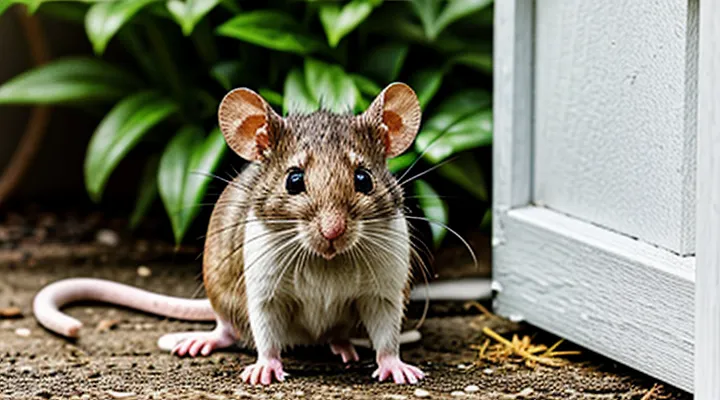
Understanding Mouse Behavior and Damage in Gardens
Identifying Mouse Presence
Signs of Mouse Activity
Mice leave distinct clues that indicate their presence in a garden or lawn. Recognizing these indicators enables prompt, plant‑safe intervention.
- Small, dark droppings on the ground, near compost piles, or along fence lines.
- Gnawed edges on seed packets, bird feeders, and vegetable stems.
- Fine, shredded material resembling cotton or silk, often found in mulch or under plant bases.
- Trails of crushed soil or sand marking frequent pathways, especially near shelter sites.
- Fresh, shallow burrows with smooth, rounded entrances, typically located at the base of shrubs or under garden debris.
- Scratched or chewed wooden garden structures, such as raised beds, trellises, or sheds.
- Unexplained damage to roots or leaves where tunnels have been created underground.
Additional observations include faint odor of urine, especially after rain, and occasional sightings of mice at dusk near food sources. Monitoring these signs provides the data needed to implement control measures that protect both the yard and its plants.
Common Garden Pests: Mice vs. Voles
Mice and voles frequently appear in lawns, vegetable patches, and ornamental beds, yet they differ enough to require separate management approaches. Recognizing the species prevents misdirected effort and protects desirable plants.
Mice are larger, with bodies up to 10 cm and long, hairless tails. They leave small, rounded droppings and create runways at ground level. Voles measure 5–9 cm, possess short, hair‑covered tails, and produce kidney‑shaped droppings. Vole activity is evident as surface tunnels and extensive root damage, while mice favor seed and fruit consumption and may gnaw stems.
Both rodents damage vegetation, but the mechanisms vary. Mice strip seed heads, chew tender shoots, and may introduce disease through bite wounds. Voles feed on underground stems and roots, undermining plant stability and reducing yields. Understanding these patterns guides targeted interventions.
Effective, plant‑safe measures include:
- Habitat alteration: Remove dense groundcover, trim lawn edges, and eliminate debris that offers shelter.
- Physical barriers: Install fine‑mesh hardware cloth (¼‑inch openings) around garden beds and under raised planters.
- Live traps: Deploy snap‑free traps baited with grain; check and release captured animals promptly to avoid population spikes.
- Predator encouragement: Install raptor perches, provide nesting boxes for owls, and encourage domestic cats to patrol the area.
- Repellents: Apply granular predator urine or botanical oils (e.g., peppermint) along perimeter lines; reapply after rain.
- Biological control: Introduce nematodes (Steinernema spp.) that target vole larvae in the soil.
Integrating habitat management, exclusion devices, and selective trapping yields the most reliable reduction of rodent pressure while preserving the health of garden flora. Continuous monitoring ensures early detection and swift response to any resurgence.
How Mice Harm Plants
Chewing on Stems and Roots
Mice frequently gnaw on stems and roots, causing tissue damage that reduces water transport and leads to stunted growth or death of plants. The chewing creates irregular holes, exposed vascular tissue, and visible bite marks near the soil line.
Typical indicators of rodent feeding include:
- Clean cuts on young shoots, often near the base.
- Severed or chewed roots visible after careful soil excavation.
- Wilting or yellowing of foliage without signs of disease.
- Presence of droppings or nesting material near affected plants.
Preventive actions that protect vegetation while discouraging chewing:
- Install fine‑mesh hardware cloth around the perimeter of garden beds, extending at least six inches below the soil surface.
- Apply natural repellents such as peppermint oil or dried cayenne pepper directly to soil edges; reapply after rain.
- Remove debris, tall grasses, and wood piles that provide shelter, thereby reducing habitat suitability.
- Deploy snap traps or live‑catch traps away from plant crowns; position bait on a platform that does not contact the soil to avoid contaminating roots.
- Encourage predatory birds by installing perches or owl nesting boxes, which lowers mouse activity without chemical intervention.
Regular upkeep reinforces these measures: rotate crops annually, thin dense plantings to improve airflow, and inspect barrier installations for gaps after heavy weather. Consistent monitoring and prompt removal of damaged plant parts prevent mice from establishing feeding routes, preserving the health of the yard’s flora.
Consuming Seeds and Produce
Mice are attracted to abundant seeds and ripening produce; limiting these food sources reduces their presence in garden spaces while keeping plants healthy.
- Store harvested seeds, grains, and dried fruit in airtight containers made of metal or heavy‑wall plastic.
- Remove fallen fruit, nuts, and vegetable remnants daily; compost only after a minimum 48‑hour cooling period to discourage foraging.
- Plant low‑palatability species such as lavender, rosemary, or marigold along borders to create a natural barrier that diverts mice from edible crops.
Implement regular inspections of storage areas and planting zones. Replace compromised containers promptly, and rotate deterrent plantings each season to maintain effectiveness. Continuous observation of mouse activity allows timely adjustments, ensuring that the yard remains free of rodents without compromising plant growth.
Burrowing and Disturbing Soil
Mice create tunnels beneath garden beds, loosening soil structure and exposing root zones. The resulting aeration can lead to uneven moisture distribution, making plants more vulnerable to drought stress and fungal invasion. Direct action on burrowing behavior prevents these secondary damage patterns.
- Install a perimeter of fine‑mesh hardware cloth (½‑inch openings) at a depth of 6–8 inches around flower beds and vegetable plots. The barrier blocks entry while allowing water and air flow.
- Apply a thin layer of coarse mulch (e.g., wood chips) over the soil surface. The texture discourages digging and simultaneously conserves moisture for plant roots.
- Deploy motion‑activated ultrasonic emitters at ground level. Frequencies above 30 kHz interfere with rodent navigation without affecting plant physiology.
- Introduce natural predators such as barn owls or domestic cats in the yard. Predation pressure reduces the incentive for mice to establish burrows near cultivated areas.
- Use non‑toxic repellents like powdered cayenne or crushed peppermint leaves along the edges of beds. The strong scent deters digging without contaminating the soil.
Regularly inspect the yard for fresh tunnel entrances. Seal any gaps with soil‑compatible filler (e.g., sand‑clay mix) and reinforce with the mesh barrier. Maintaining a compact, obstacle‑free substrate eliminates attractive burrowing sites while preserving the health of surrounding vegetation.
Non-Toxic and Plant-Safe Mouse Control Strategies
Garden Cleanliness and Maintenance
Removing Debris and Hiding Spots
Removing debris and eliminating hiding places directly reduces the shelter mice need to survive in a garden. Without these refuges, rodents are forced to seek alternative habitats, decreasing the likelihood of plant damage.
- Conduct a systematic walk‑through to locate piles of leaves, twigs, and fallen fruit.
- Rake and dispose of leaf litter weekly; compost only if securely covered.
- Trim low‑lying shrubs and grass to a height of 6–8 inches, removing dense growth that creates cover.
- Stack firewood away from the garden perimeter and keep it elevated on a platform.
- Eliminate standing water in saucers, birdbaths, and pet dishes; dry any damp soil patches promptly.
- Inspect garden structures for cracks or gaps; seal openings with metal mesh or caulk.
Routine maintenance of these steps sustains an environment where mice find few viable nesting sites, preserving plant health without resorting to chemical or lethal measures.
Proper Storage of Pet Food and Bird Seed
Pet food and bird seed left exposed provide a reliable food source for yard rodents, undermining efforts to keep gardens free of mouse damage. Secure storage eliminates the primary attractant and complements plant‑friendly rodent control strategies.
- Use airtight containers made of metal or heavy‑wall plastic; lids must seal tightly.
- Place containers on a raised, dry surface away from garden beds and mulch.
- Keep storage units locked or covered with a latch that rodents cannot manipulate.
- Store only the quantity needed for a short period; rotate stock to prevent spoilage that can draw pests.
Regularly clean the storage area to remove crumbs and spilled seed. Inspect containers for cracks or gaps before each refill. Dispose of residual waste in sealed bags rather than compost bins accessible to mice. Implementing these practices reduces food availability, making the yard less inviting to rodents while preserving the health of plants.
Trimming Overgrown Vegetation
Trimming overgrown vegetation reduces shelter and foraging opportunities for mice, directly limiting their presence in garden spaces while preserving plant health.
Dense foliage creates hidden pathways and nesting sites; regular cutting removes these refuges and exposes the ground to predators and environmental stressors that deter rodent activity.
- Identify areas where grass, shrubs, or groundcover exceed recommended heights (typically 6–8 inches for grass, 12 inches for low shrubs).
- Use hedge shears, electric trimmers, or manual pruners to cut back to the desired level, ensuring cuts are clean to avoid damaging plant tissue.
- Collect and dispose of clippings away from the yard; compost only if temperature is sufficient to kill any remaining rodents or eggs.
- Inspect the trimmed zone for debris, fallen branches, or fruit that could serve as food; remove or secure these items.
Schedule trimming every 4–6 weeks during the growing season; increase frequency after heavy rain or rapid growth periods. Consistent vegetation management maintains an open environment that discourages mice without harming the surrounding flora.
Natural Deterrents
Planting Mouse-Repellent Herbs
Planting herbs that naturally repel mice offers a practical way to protect garden beds while preserving plant health. Aromatic species emit scents that rodents find unpleasant, creating a barrier without chemical intervention.
- Mint (Mentha spp.) – strong odor deters mice; plant in containers to prevent invasive spread.
- Lavender (Lavandula angustifolia) – floral scent repels rodents; thrives in well‑drained soil.
- Rosemary (Salvia rosmarinus) – woody aroma discourages mouse activity; tolerates dry conditions.
- Thyme (Thymus vulgaris) – pungent leaves act as a natural deterrent; suitable for borders and herb gardens.
- Sage (Salvia officinalis) – earthy fragrance reduces rodent presence; prefers full sun.
Space herbs at least 12 inches apart to ensure adequate airflow and prevent competition. Incorporate a mulch layer of straw or shredded bark to retain soil moisture while maintaining the herbs’ aromatic potency. Plant in sunny locations; most mouse‑repellent herbs require 6–8 hours of direct light daily.
Water newly planted herbs consistently for the first three weeks, then reduce frequency to allow the soil to dry between irrigations. Trim foliage regularly to stimulate fresh growth and sustain strong scent production. Rotate herb placement annually to avoid soil depletion and maintain effectiveness against mouse incursions.
Using Essential Oils
Essential oils offer a plant‑safe approach to deter mice from garden areas. Their strong aromas interfere with rodent scent trails, reducing the likelihood of nesting and foraging among flower beds and vegetable patches.
Apply oils as follows:
- Mix 10 ml of peppermint, eucalyptus, or citronella oil with 1 liter of water and a few drops of mild liquid soap; spray around the perimeter of the yard, focusing on entry points, mulch, and the base of trees.
- Soak cotton balls in pure peppermint or rosemary oil and place them beneath garden stones, within compost bins, and near garden furniture. Replace every 3–4 days to maintain potency.
- Create a scented barrier by adding 5 ml of clove oil to a 2‑liter bucket of water; pour the solution onto the soil surface around vegetable rows, allowing it to seep a few centimeters deep without contacting plant foliage.
Key considerations:
- Use only food‑grade oils to avoid phytotoxic effects; avoid direct application on leaves or edible parts.
- Test a small soil area before full treatment to confirm no adverse impact on seed germination.
- Reapply after heavy rain, as moisture diminishes the aromatic concentration.
Combining multiple oils enhances repellency, as rodents exhibit aversion to a broader scent spectrum. Regular monitoring of mouse activity and timely replenishment of oil treatments sustain a rodent‑free garden while preserving plant health.
Applying Natural Repellents
Natural repellents provide a plant‑safe method for reducing mouse activity in outdoor spaces. These substances deter rodents through scent, taste, or irritation without contacting foliage.
- Peppermint oil: Mix 10 ml of essential oil with one liter of water, add a few drops of mild dish soap, and spray around garden borders, compost piles, and near shelter sites. Reapply after rain or weekly during peak activity.
- Cayenne pepper: Sprinkle a thin layer of powdered cayenne along pathways, plant bases, and around mulch. Replace after heavy rain to maintain potency.
- Garlic powder: Distribute a light coating around seed beds and irrigation edges. Combine with crushed garlic cloves for increased effect; remove clove remnants after 48 hours to prevent fungal growth.
- Dryer sheets: Place unused sheets beneath low‑lying shrubs and garden furniture. Replace every two weeks, as scent diminishes over time.
Select repellents that do not contain chemicals harmful to foliage. Verify that oil concentrations remain below phytotoxic levels; excessive peppermint oil can scorch delicate leaves. Use biodegradable carriers such as water or vegetable oil to avoid soil contamination.
Integrate repellents with habitat management: eliminate debris, seal entry points, and maintain a clean perimeter. Consistent application of natural deterrents, combined with reduced shelter availability, creates an environment where mice are unlikely to establish territories while plants remain unharmed.
Exclusion Techniques
Fencing and Barriers
Fencing creates a physical barrier that prevents mice from entering garden beds while allowing plants to thrive.
-
Material choices
- Galvanized steel mesh (1 mm aperture) – durable, predator‑proof.
- Heavy‑gauge plastic lattice – lightweight, resistant to corrosion.
- Concrete edging – solid, long‑lasting, suitable for permanent borders.
- Wire‑screen fence with fine mesh – inexpensive, easy to install.
-
Design specifications
- Height: minimum 12 inches (30 cm) above ground to discourage climbing.
- Depth: bury 6–8 inches (15–20 cm) underground, with a 90‑degree outward flare to block burrowing.
- Aperture size: no larger than 0.5 inches (13 mm) to stop adult mice.
- Gate construction: overlapping latch with tight seal, no gaps larger than 0.25 inches (6 mm).
-
Installation steps
- Mark fence line around the target area, leaving a 2‑foot (60 cm) buffer from plant stems.
- Dig a trench to the required depth, insert fence material, and secure with stakes or concrete footings.
- Backfill trench, compact soil, and ensure the bottom edge is angled outward.
- Attach gates using reinforced hinges; verify smooth operation without slack.
-
Maintenance practices
- Inspect weekly for displaced panels, rust, or vegetation pressure.
- Trim vines, grasses, or mulch that contact the fence, eliminating climbing routes.
- Repair any gaps immediately with matching material to maintain integrity.
A well‑constructed fence, correctly installed and regularly maintained, eliminates mouse intrusion without the need for chemical controls or plant damage.
Protecting Individual Plants
Mice frequently gnaw seedlings, uproot young sprouts, and consume fruits, directly threatening the health of isolated plants. Effective protection requires measures that deter rodents while preserving plant integrity.
- Install a snug, breathable barrier (hardware cloth or fine mesh) around the plant’s base, extending at least 12 inches below the soil surface to block burrowing.
- Apply a thin layer of natural deterrent, such as crushed garlic, cayenne pepper, or powdered cinnamon, directly onto the soil around the stem; rodents avoid these strong scents.
- Position sturdy, snap‑type traps at mouse pathways, ensuring they are set away from the plant’s foliage to prevent accidental damage.
- Deploy ultrasonic repellent devices at ground level; frequency settings calibrated for small rodents discourage activity without affecting vegetation.
- Reduce shelter sources by clearing debris, trimming overgrown grass, and removing compost piles within a three‑meter radius of the plant.
- Choose companion plants that emit repellent odors—mint, rosemary, or lavender—planting them a short distance from the target specimen to create a protective aromatic zone.
Regular inspection of the barrier, deterrent application, and trap placement sustains protection and minimizes the need for chemical interventions that could harm the plant.
Sealing Entry Points to Structures
Sealing openings that allow rodents to enter buildings is a critical step in preventing mouse activity around the garden while keeping vegetation safe.
Identify typical access routes: gaps under foundations, cracks in walls, openings around utility lines, vent covers, roof eaves, and doors that do not close tightly. Inspect the exterior of every structure, paying special attention to areas where soil meets the building and where weather‑proofing materials have deteriorated.
Choose durable, non‑toxic materials for closure. Use steel wool or copper mesh to fill small holes, then apply caulk or expanding foam to secure the filler. For larger gaps, install metal flashing or hardware cloth (minimum ¼‑inch mesh) and fasten it with stainless‑steel screws. Weather‑resistant sealants should be applied around the edges to prevent moisture intrusion.
Maintain the barrier regularly. Conduct a visual check each season, repairing any new cracks caused by settling or weather. Replace worn mesh or sealant promptly to ensure continuous protection.
By eliminating all potential entry points, mouse populations are discouraged from nesting near plants, reducing the risk of damage without the need for chemical repellents.
Live Trapping and Relocation
Choosing the Right Traps
Choosing the appropriate trap is essential for eliminating yard mice while preserving plant health. Evaluate each option against three criteria: plant safety, effectiveness, and maintenance requirements.
- Live‑catch cages – Constructed of metal or sturdy plastic, these traps capture rodents without killing them. Placement on the ground prevents contact with foliage. Regular release of captured mice is required; otherwise, stress and mortality increase.
- Snap traps – Traditional wooden or plastic models deliver rapid death. Position them away from low‑lying stems and leaf litter to avoid accidental damage. Use a trigger mechanism that activates with minimal force to reduce the risk of breaking nearby pots.
- Electric traps – Deliver a quick, humane shock. Most models feature a sealed chamber, eliminating exposure of plant material to bait or carcasses. Ensure the unit is weather‑proof and placed on a stable surface to prevent tipping.
- Glue boards – Provide a passive capture method but pose a high risk of contaminating soil and foliage with adhesive residue. Generally unsuitable for garden environments where plants are directly affected.
- Scent‑based deterrents – Not traps per se, but can complement physical devices. Apply peppermint oil or predator urine near trap sites to discourage mouse activity without contacting plants.
When selecting a trap, follow these steps:
- Identify areas of mouse activity that are clear of delicate seedlings.
- Match the trap type to the identified zone, prioritizing models that isolate the capture mechanism from soil.
- Choose bait that attracts mice but does not attract insects or pollinators; peanut butter or dried fruit work well.
- Test trap placement during daylight to confirm that it does not interfere with irrigation lines or plant supports.
- Monitor traps daily, dispose of captures promptly, and reset devices to maintain consistent pressure on the rodent population.
By aligning trap choice with garden layout and maintenance capacity, mouse control can be achieved without compromising plant vitality.
Baiting Strategies
Effective baiting eliminates rodents while preserving garden health. Choose non‑chemical attractants that rodents prefer but plants reject, such as high‑protein dry foods (peanut butter, sunflower seed paste) or grain‑based pellets. Place bait in sealed, weather‑resistant containers with a single entry hole sized for mice; this limits access for larger animals and prevents rain from contaminating the bait and nearby foliage.
- Use biodegradable bait stations positioned near mouse pathways—typically along fence lines, under shrub canopies, or beside garden edges.
- Locate stations at least 12 inches away from the base of any plant to avoid accidental contact with roots or leaves.
- Rotate bait types every 3–5 days to prevent habituation; alternating between nut‑based and fish‑based formulas maintains attraction.
- Incorporate a mild, non‑lethal toxin approved for outdoor use only when regulatory guidelines permit, ensuring the substance is encapsulated to avoid leaching into soil.
Monitor stations daily. Remove any bait that shows signs of spoilage or moisture, as degraded material can attract insects and damage plants. After capture, dispose of rodents according to local health regulations and reset stations with fresh bait. Consistent placement, periodic bait variation, and strict separation from vegetation create a sustainable control method that protects both the yard and its plants.
Safe Relocation Practices
Effective mouse relocation begins with proper identification of entry points and activity zones. Observe trails, droppings, and gnaw marks to pinpoint areas where mice congregate, then select traps that target those specific locations.
- Choose live‑capture traps made of sturdy wire mesh or plastic; avoid glue boards and lethal snap traps, which can injure non‑target organisms and leave debris that harms soil health.
- Bait traps with natural attractants such as unsalted peanut butter, oats, or dried fruit; limit bait quantity to prevent overflow onto plants.
- Position traps perpendicular to runways, with the entrance facing the direction of mouse movement. Secure traps on stable ground to prevent tipping that could release captured rodents prematurely.
- Check traps at least twice daily; prolonged confinement increases stress and the risk of escape, which may spread contamination.
When a mouse is captured, handle the trap with gloves to protect both the handler and the animal. Transfer the mouse to a pre‑prepared release container, then relocate it at least 500 meters away from the yard, preferably in a wooded or field area with abundant cover and natural food sources. Release the animal during daylight hours to reduce predation risk and allow it to find shelter quickly.
After release, seal the original entry points with steel wool, hardware cloth, or concrete, ensuring gaps are no larger than a quarter‑inch. Maintain garden hygiene by removing fallen fruit, excess compost, and debris that provide shelter. Regularly trim low vegetation and keep mulch layers thin to discourage re‑infestation without compromising plant health.
Implementing these steps consistently prevents mouse populations from re‑establishing while preserving the integrity of garden plants and soil ecosystems.
Encouraging Natural Predators
Attracting Owls and Hawks
Attracting owls and hawks creates a natural predator presence that suppresses mouse activity without damaging garden vegetation.
Install perches such as tall poles, dead trees, or metal brackets at least 10 feet high. Position them near open fields or the edge of the yard where birds can launch attacks. Ensure perches are stable and free of obstructions that could hinder take‑off.
Provide nesting boxes designed for raptors. Use dimensions of 24 × 24 × 30 inches, with an entrance hole of 4 inches. Mount boxes 15–20 feet above ground on a south‑facing wall or sturdy pole. Install a predator‑proof cover to keep squirrels from damaging the interior.
Create a habitat that encourages hunting.
- Plant native grasses and low shrubs to offer cover for prey, drawing mice into the predators’ range.
- Maintain a small water source, such as a shallow birdbath, to attract raptors during dry periods.
- Avoid chemical repellents that could harm birds or contaminate the soil.
Limit human disturbance around perches and boxes. Keep lights dim at night and restrict foot traffic within a 20‑foot radius during early morning and dusk, the peak hunting times for owls and hawks.
Monitor activity by observing perching frequency and recording mouse sightings. Adjust perch placement or add additional nesting boxes if predator presence appears low.
By integrating these measures, the yard develops a self‑regulating ecosystem where raptors control mouse populations, preserving plant health without resorting to toxic interventions.
Providing Shelter for Snakes and Frogs
Providing refuge for native snakes and frogs strengthens natural predation on garden rodents, allowing reduction of mouse activity without chemical intervention or plant damage.
Snakes thrive in environments that mimic their natural habitats. Construct shelter by:
- Arranging flat stones and weathered bricks in a sunny corner, creating crevices for basking and hiding.
- Stacking logs or driftwood loosely, leaving gaps for movement.
- Leaving undisturbed leaf litter beneath shrubs, offering moisture and cover.
Frogs require moist, low‑lying habitats. Establish suitable conditions through:
- Installing a shallow, predator‑proof pond with gradual slopes; water depth no more than six inches.
- Adding a layer of stones and smooth rocks around the pond to serve as perching and resting sites.
- Maintaining a fringe of native groundcover, such as sedges or low grasses, to retain humidity.
Both shelters should be positioned away from vegetable beds to prevent interference with plant growth. Regularly inspect the structures for debris accumulation, ensuring they remain accessible and safe for the amphibians and reptiles. By integrating these habitats, the yard encourages a self‑sustaining ecosystem that naturally curtails mouse populations while preserving botanical health.