
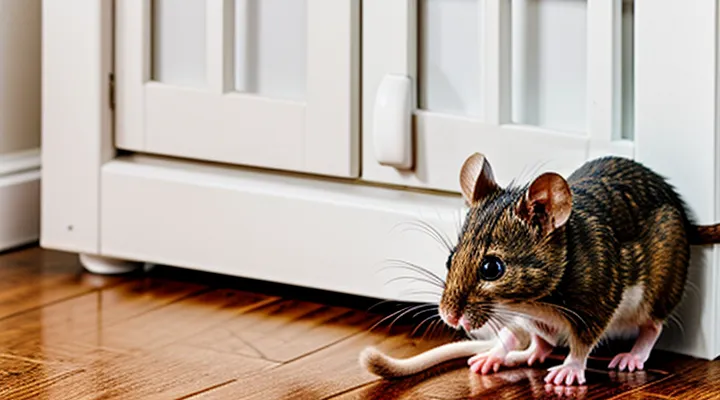
Understanding the Mouse Problem
Why Mice Are a Nuisance
Health Risks
Mice infestations pose significant health threats to occupants. Their droppings, urine, and saliva can contaminate food surfaces, leading to bacterial infections such as salmonella and E. coli. Inhalation of dried droppings releases hantavirus particles, which may cause severe respiratory illness. Bite wounds introduce pathogens directly into the bloodstream, increasing the risk of septicemia.
Key hazards include:
- Foodborne illness from contaminated pantry items.
- Respiratory problems caused by aerosolized allergens and hantavirus.
- Skin irritation and allergic reactions to mouse hair and dander.
- Secondary infections from bite injuries.
Effective rodent control without relying on cats requires strategies that eliminate exposure sources. Seal entry points, maintain strict sanitation, and use traps or bait stations placed away from food preparation areas. Regular monitoring and prompt removal of dead rodents prevent the buildup of disease‑carrying debris. Implementing these measures reduces the probability of infection and protects household health.
Property Damage
Mice create structural and financial problems by gnawing on building materials, wiring, and stored goods. Their incisors can compromise insulation, drywall, and wooden framing, leading to gaps that reduce energy efficiency and increase heating costs. Chewed electrical cords pose fire hazards, while contaminated food packages attract additional pests and spoil supplies.
Typical signs of damage include:
- Fresh bite marks on wood, plastic, or metal surfaces
- Exposed or frayed wiring near mouse activity
- Holes in insulation or drywall
- Chewed packaging, especially grain‑based products
Mitigating damage while eliminating rodents without feline assistance involves three steps:
- Seal entry points – Apply steel wool and caulk to cracks, gaps around pipes, and foundation seams; install door sweeps on exterior doors.
- Remove attractants – Store food in airtight containers, clean crumbs promptly, and keep garbage in sealed bins.
- Deploy non‑cat control methods – Set snap traps or electronic traps in concealed locations, use bait stations with anticoagulant pellets, and consider ultrasonic emitters to discourage activity.
Regular inspection of vulnerable areas, combined with these preventive measures, reduces the likelihood of structural compromise and avoids the costly repairs associated with mouse infestations.
Signs of a Mouse Infestation
Recognizing a mouse problem early prevents extensive damage and eliminates the need for animal predators. Accurate identification relies on observable evidence rather than speculation.
- Small, dark droppings, typically 3–5 mm long, found along walls, in cabinets, or near food sources.
- Gnaw marks on wood, plastic, or wiring, often at a 45‑degree angle with clean teeth impressions.
- Nests constructed from shredded paper, fabric, insulation, or dried plant material, located in hidden corners, attics, or behind appliances.
- Scratching or scurrying sounds, especially at night, emanating from walls, ceilings, or crawl spaces.
- Visible tracks in dusty areas, along baseboards, or on smooth surfaces, sometimes accompanied by faint urine stains.
- Persistent, musky odor that intensifies as the colony grows.
- Chewed or contaminated food packaging, cereals, grains, and pet food left open or stored improperly.
Confirming these indicators with a systematic inspection validates the presence of mice and guides the selection of non‑feline control methods.
Prevention: The First Line of Defense
Sealing Entry Points
Inspecting Your Home
Begin every rodent control effort with a thorough inspection of the interior and exterior of the residence. Identify all possible entry points, food sources, and signs of activity before implementing any mitigation measures.
Focus on the following areas:
- Gaps around doors, windows, and utility penetrations; measure openings and note any cracks larger than ¼ inch.
- Openings at the foundation, including gaps beneath siding, vent pipes, and crawl‑space access points.
- Interior spaces such as attic vents, basement walls, and kitchen cabinets; look for gnaw marks, droppings, and urine stains.
- Storage zones where food is kept; verify that containers are sealed and that no crumbs or spills remain.
Document each observation with a simple checklist, recording location, size of opening, and type of evidence found. Use a flashlight and a mirror to inspect hidden corners and behind appliances. Replace damaged weatherstripping, seal cracks with steel wool followed by caulk, and install metal mesh over larger gaps. Remove or secure any food that could attract rodents, and clean areas with droppings using a disinfectant solution.
After the inspection and remediation steps are complete, conduct a follow‑up survey within 48 hours to confirm that all identified vulnerabilities have been addressed. Repeat the inspection monthly during peak rodent season to maintain a secure environment without relying on feline predators.
Materials for Sealing
Effective rodent exclusion begins with sealing every possible opening. Identify cracks, gaps, and holes in walls, floors, foundations, and utility penetrations. Apply the appropriate material to each type of opening.
- Steel wool (grade #4 or finer): Pack tightly into small holes, then cover with caulk or expanding foam to prevent mice from gnawing through.
- Copper mesh or hardware cloth (½‑inch or smaller aperture): Cut to size, secure with screws or staples over larger gaps such as vent openings or pipe sleeves.
- Silicone or acrylic caulk: Use for gaps less than ¼ inch around baseboards, window frames, and door thresholds. Smooth bead ensures airtight seal.
- Expanding polyurethane foam: Ideal for irregular gaps up to 2 inches. Apply in thin layers, allow to cure, then trim excess and overlay with caulk for durability.
- Sheet metal flashing: Install over foundation cracks or gaps around crawl‑space vents. Fasten with corrosion‑resistant screws; seal edges with caulk.
- Concrete or mortar: Fill large foundation fissures and floor slab cracks. Smooth surface, let cure fully before applying a sealant layer.
- Self‑adhesive weatherstripping: Attach to the interior side of doors and windows to block entry points that align with the frame.
After sealing, inspect the exterior perimeter weekly for new damage caused by settling or weather. Repair immediately using the same materials to maintain an uninterrupted barrier. Regular maintenance eliminates the need for predatory animals while keeping the home free of mouse activity.
Food and Water Control
Proper Food Storage
Proper food storage is a critical component of a mouse‑free home. Food left uncovered or stored in easily accessible containers provides an attractive food source that encourages rodents to enter and remain in the residence. By eliminating these resources, you create an environment that is inhospitable to mice without relying on predators.
Key practices for securing food include:
- Use airtight containers made of metal or heavy‑wall plastic for all dry goods, grains, and pet food.
- Transfer opened packages to sealed containers within 24 hours of use.
- Store bulk items such as flour, sugar, and rice in containers with screw‑top lids that lock tightly.
- Keep refrigerator and pantry doors closed; install self‑closing hinges if necessary.
- Regularly clean crumbs and spills from countertops, floors, and appliances; dispose of waste in bins with fitted lids.
- Rotate stock to use older items first, preventing spoilage that can attract rodents.
Consistent application of these measures reduces the availability of food, discourages mouse activity, and supports a sustainable, cat‑free pest‑control strategy.
Eliminating Water Sources
Mice require moisture to survive; removing accessible water deprives them of a critical resource and reduces the likelihood of infestation.
Identify all potential water points. Common sources include leaky pipes, dripping faucets, condensation on windows, pet water bowls, and standing water in plant saucers. Conduct a thorough inspection of kitchens, bathrooms, basements, and utility rooms, paying special attention to hidden areas behind appliances and under sinks.
Take corrective actions:
- Repair or replace leaking fixtures promptly.
- Tighten hose connections and install drip‑catch trays beneath sinks.
- Use silicone sealant around windows and walls to prevent condensation buildup.
- Replace disposable pet water dishes with stainless‑steel bowls that can be emptied and dried after each use.
- Elevate plant saucers or add a layer of gravel to promote drainage; empty excess water daily.
- Install a dehumidifier in damp spaces such as basements or crawl spaces to maintain relative humidity below 50 %.
Seal gaps that allow water to infiltrate from the exterior. Apply weather‑stripping to doors and windows, and ensure proper grading around the foundation to direct rainwater away from the house.
Regular maintenance eliminates recurring moisture. Schedule monthly checks of plumbing, appliances, and indoor humidity levels. Document any recurring leaks and address them immediately to prevent reappearance.
Maintaining Cleanliness
Regular Cleaning Practices
Effective mouse control begins with disciplined housekeeping. Food residues, crumbs, and spilled liquids create a scent trail that directs rodents to a dwelling; eliminating these cues removes the primary incentive for infestation.
- Store dry goods in airtight containers; metal or heavy‑plastic bins prevent gnawing and odor escape.
- Clean countertops, stovetops, and dining surfaces after each meal; a damp cloth removes particles that might otherwise accumulate.
- Sweep floors daily; focus on edges of cabinets and under appliances where debris gathers.
- Vacuum upholstery, rugs, and hidden corners weekly; dispose of vacuum bags or canisters outside the home.
- Empty trash bins nightly; use bins with tight‑fitting lids and keep them away from walls.
Consistent removal of food sources and sanitation of potential nesting sites deprives mice of sustenance and shelter, making the environment inhospitable without resorting to predatory animals.
Decluttering
A cluttered environment provides mice with hiding places, nesting material, and easy access to food. Removing excess items eliminates shelter and reduces the likelihood of infestation.
Begin by clearing all floor surfaces. Store items in sealed containers, discard broken or unused objects, and keep only essential belongings. Ensure that cardboard boxes are opened and flattened, as closed boxes are attractive to rodents.
Next, organize storage areas. Install shelving that elevates items off the floor, and use metal or heavy‑duty plastic bins with tight‑fitting lids. Label each bin to prevent unnecessary re‑accumulation of debris.
Finally, maintain a regular cleaning schedule. Sweep and vacuum daily to remove crumbs and droppings. Wipe countertops, shelves, and appliance exteriors with a disinfectant solution after each use. Inspect corners, behind appliances, and under furniture weekly for signs of mouse activity and promptly address any new clutter.
By systematically reducing clutter, you remove the conditions that allow mice to thrive, creating a home environment that discourages rodent entry without relying on cats.
Non-Lethal Mouse Removal Methods
Live Trapping
Types of Live Traps
Live traps provide a humane alternative for removing rodents while avoiding the use of predators. Several designs dominate the market, each with distinct mechanisms and practical considerations.
-
Standard cage trap – A metal or plastic enclosure with a spring‑loaded door that shuts when the mouse steps on a trigger plate. Easy to set, reusable, and allows immediate release at a distance. Requires bait placement and regular monitoring to prevent stress to the captured animal.
-
Multi‑catch cage – Similar to the standard model but equipped with a hinged lid that holds several individuals simultaneously. Suitable for infestations where frequent capture is expected. Cleaning between releases is essential to maintain hygiene.
-
Bucket‑style trap – A funnel leads the mouse into a tall container where it cannot escape. Construction uses a simple bucket, a ramp, and a baited platform. Low cost, no moving parts, and easy to inspect. The design may need adjustment to prevent accidental falls of non‑target species.
-
Glueless snap‑free trap – A plastic box with a one‑way entry door that closes behind the mouse without adhesive. Provides a clean release environment and reduces the risk of injury. Works best with fresh bait and a quiet placement area.
-
DIY wooden trap – Built from a small wooden frame, a hinged door, and a baited trigger. Allows customization of size and material, useful for sensitive indoor settings. Requires precise carpentry to ensure reliable closure.
Choosing the appropriate trap depends on the severity of the problem, the layout of the residence, and the homeowner’s willingness to check and release captured mice promptly. Proper bait (peanut butter, seeds, or dried fruit) and strategic placement along walls, near entry points, and in dark corners maximize capture rates. After release, relocate the animal at least one mile from the property to discourage immediate return.
Baiting and Placement Strategies
Effective mouse control relies on selecting appropriate bait and positioning traps where rodents are most active.
Choose bait that appeals to local mouse preferences. Common options include:
- Peanut butter or almond butter, spread thinly to avoid spillage.
- Small pieces of dried fruit, such as raisins or apricots.
- High‑protein items like cooked egg or lean meat fragments.
- Commercially formulated rodent attractants, applied according to manufacturer instructions.
Placement determines success. Follow these guidelines:
- Identify travel routes by looking for gnaw marks, droppings, and grease streaks along walls, baseboards, and behind appliances.
- Position traps perpendicular to the wall, with the entry side facing the wall; mice run close to surfaces.
- Place traps near known food sources, such as pantry shelves, garbage bins, and pet feeding areas, but keep them out of reach of children and non‑target animals.
- Deploy multiple traps at intervals of 10–15 feet along a single wall to cover overlapping territories.
- Refresh bait daily; stale or dried bait loses attractiveness and reduces capture rates.
Maintain a clean environment to enhance bait effectiveness. Remove excess food crumbs, store dry goods in sealed containers, and repair structural gaps that provide entry points. Consistent monitoring and timely replacement of ineffective traps sustain pressure on the mouse population and accelerate removal without relying on feline predators.
Releasing Trapped Mice
Effective rodent control without relying on cats requires careful handling of captured individuals. When a live‑catch trap secures a mouse, immediate release minimizes stress and prevents re‑entry into the home. Choose a release site at least 200 meters from the residence, preferably in a wooded or field area where natural predators are present. Ensure the location offers shelter and access to food sources, reducing the likelihood that the animal will return.
Follow these steps to release trapped mice safely:
- Wear disposable gloves to avoid contaminating the trap and to protect against disease.
- Transport the trap upright, keeping it level to prevent the mouse from injuring itself.
- Open the trap door away from your body; allow the mouse to exit voluntarily.
- Observe the animal for a few seconds to confirm it has left the trap and is moving away.
- Dispose of gloves and sanitize the trap with a mild bleach solution before reuse.
After release, inspect the home for entry points such as gaps around pipes, vents, and foundation cracks. Seal identified openings with steel wool, caulk, or metal flashing to block future incursions. Regularly maintain cleanliness—store food in sealed containers and eliminate standing water—to reduce attractants. Consistent application of these practices sustains a mouse‑free environment without the need for feline assistance.
Natural Repellents
Essential Oils
Essential oils offer a chemical-free method for deterring rodents from residential spaces. Their strong aromas disrupt the sensory perception of mice, prompting avoidance of treated areas.
- Peppermint oil: apply 10‑15 drops to cotton balls, place near entry points, behind appliances, and in wall cavities. Replace every three days to maintain potency.
- Eucalyptus oil: mix 5 ml with 250 ml water in a spray bottle, mist corners, baseboards, and pantry shelves. Reapply after cleaning or when the scent fades.
- citronella oil: soak a cloth in undiluted oil, tuck it under cabinets or in cracks. Rotate locations weekly to prevent habituation.
- Clove oil: combine 1 ml with 100 ml carrier oil (e.g., almond), brush onto wood trim and baseboards. Observe for signs of irritation on pets or children; discontinue if necessary.
Effectiveness depends on consistent placement and renewal of scent. Oils should be stored in dark, airtight containers to preserve volatile compounds. Avoid direct application on food surfaces; instead, treat surrounding areas to create a barrier.
Safety considerations include:
- Conduct a patch test on fabric or wood to detect discoloration.
- Use gloves when handling concentrated oils to prevent skin irritation.
- Keep treated materials out of reach of pets and toddlers, as ingestion can cause toxicity.
Combining two or three oils in a single deployment can broaden the olfactory spectrum, reducing the likelihood of mice acclimating to a single scent. For example, a 1:1 mixture of peppermint and eucalyptus on cotton balls provides both menthol and camphor notes, enhancing repellent effect.
Monitoring rodent activity after implementation—through droppings, gnaw marks, or motion sensors—helps assess whether the oil strategy requires adjustment. If signs persist, increase the number of treated sites or integrate additional non‑chemical measures such as sealing gaps and removing food sources.
Other Natural Deterrents
Natural deterrents that do not involve felines can protect a home from rodents while maintaining a chemical‑free environment. The following methods rely on scent, texture, and environmental manipulation to make interior spaces unattractive to mice.
- Predator urine or scent sachets – Commercially available products contain the urine of natural mouse predators such as foxes or owls; the scent signals danger and encourages rodents to avoid treated areas. Apply sachets near entry points, pantry shelves, and hidden corners, replacing them every two weeks to maintain potency.
- Cedar shavings or chips – The volatile oils in cedar repel rodents. Place a thin layer of shavings under storage boxes, in closets, and along baseboards. Refresh the material quarterly to prevent loss of aromatic compounds.
- Dried mint, rosemary, or thyme bundles – Fresh herbs lose efficacy quickly; dried bundles retain strong aromatic oils longer. Hang bundles in cupboards, under sinks, and in attic spaces. Replace bundles when the scent diminishes, typically every three months.
- Vinegar spray – A solution of equal parts white vinegar and water creates an acidic environment that mice find unpleasant. Lightly mist countertops, floor seams, and the interior of cabinets. Reapply after cleaning or when the scent fades.
- Citrus peels – The limonene in orange and lemon peels deters rodents. Distribute fresh peels in garbage areas, near trash cans, and on shelves. Replace peels daily to sustain the aroma.
- Essential‑oil infused cotton balls – Soak cotton balls in a blend of eucalyptus, clove, and citronella oils. Position balls in hidden crevices, behind appliances, and in wall cavities. Swap balls weekly to preserve oil concentration.
Implementing these natural measures alongside rigorous sanitation and sealing of structural gaps creates a multi‑layered barrier that discourages mouse activity without relying on cats or synthetic chemicals.
Electronic Repellents
Electronic repellents provide a non‑chemical, non‑predatory approach to mouse control. They emit ultrasonic or electromagnetic frequencies that rodents find uncomfortable, prompting them to leave the area. The devices operate continuously, drawing power from a standard outlet or battery, and require no direct contact with pests.
Key characteristics of effective units include:
- Frequency range of 20–65 kHz, covering the hearing spectrum of most mice.
- Adjustable timer settings to conserve energy during periods of low activity.
- Integrated safety features that prevent interference with household electronics and pets that cannot perceive ultrasonic sound.
Installation guidelines are straightforward. Position the repellent at least 12 inches off the floor, away from walls and large furniture to avoid sound reflection. Cover all entry points by placing additional units near suspected pathways such as gaps under doors, utility openings, and attic access points. For larger homes, a network of three to five devices ensures overlapping coverage.
Performance data from independent laboratory tests indicate that continuous exposure reduces mouse activity by 70–85 percent within two weeks. Field reports confirm that the devices are most effective when combined with sealing of entry points and removal of food sources. They do not eradicate existing infestations; rather, they discourage further intrusion and encourage relocation.
Maintenance requires periodic cleaning of the speaker grille to prevent dust buildup, which can diminish output strength. Battery‑powered models should be inspected monthly and replaced according to manufacturer specifications. Firmware updates, when available, can improve frequency modulation and extend efficacy.
Limitations include reduced impact in cluttered environments where sound is absorbed, and diminished effectiveness against rodents that have become habituated to ultrasonic emissions. In such cases, supplementing electronic repellents with physical barriers or professional trapping may be necessary.
Overall, electronic repellents represent a practical, low‑maintenance tool for homeowners seeking to manage mouse presence without relying on cats or chemical agents. Proper placement, regular upkeep, and complementary exclusion measures maximize their utility.
Lethal Mouse Removal Methods (Without Cats)
Snap Traps
Safe Handling and Placement
Effective mouse control without feline involvement requires careful selection, handling, and placement of deterrents and traps. Improper use can expose residents to hazards, compromise the efficacy of the method, or cause unnecessary suffering of the rodents.
- Choose devices certified for indoor use, such as snap traps with insulated handles, electronic traps with low‑voltage circuits, or sealed live‑catch traps made of durable plastic. Avoid homemade contraptions that lack safety testing.
- Inspect each trap for sharp edges, exposed springs, or cracked casings before deployment. Replace damaged units immediately.
- Wear disposable gloves when loading bait or setting traps. Dispose of gloves after each session to prevent cross‑contamination with food surfaces.
- Position traps along established mouse pathways: behind appliances, within 12 inches of walls, and near entry points such as gaps around pipes or vents. Align the trigger mechanism perpendicular to the wall to increase strike success.
- Secure traps on stable surfaces; use adhesive pads or non‑slip mats to prevent accidental displacement by children or pets.
- Keep bait away from food storage areas. Use small quantities of peanut butter, cheese, or commercial rodent attractant, and seal the bait in a tamper‑proof compartment to limit exposure.
- After capture, follow local regulations for disposal. For snap traps, wrap the carcass in a sealed plastic bag before discarding. For live‑catch traps, release the animal at least 500 feet from the residence, respecting wildlife protection laws.
- Maintain a log of trap locations, dates of setting, and outcomes. Regular review identifies high‑activity zones and informs adjustments to placement density.
Consistent adherence to these handling and placement protocols minimizes health risks, maximizes capture rates, and supports a humane, cat‑free strategy for eliminating mice from the home.
Baiting for Effectiveness
Baiting provides the most reliable means of reducing a mouse population when cats are not part of the control plan. Selecting the appropriate attractant and positioning it correctly determines the success of the effort.
Effective baits include:
- High‑protein foods such as peanut butter, cheese, or cooked meat.
- Commercial rodenticide blocks formulated for indoor use.
- Small‑grain cereals mixed with powdered bait for trap attraction.
Placement follows three principles: concealment, proximity to activity, and accessibility. Hide bait behind appliances, inside wall voids, or under furniture where mice travel. Position items within 2–3 feet of observed droppings, gnaw marks, or nesting material. Ensure the bait surface is flat and unobstructed, allowing mice to approach without hesitation.
Safety measures protect humans and non‑target animals. Use tamper‑resistant bait stations for toxic blocks; lock stations with a key or password. Keep stations out of reach of children and pets, and label each container with hazard warnings. Rotate bait types every two weeks to prevent habituation and reduce the risk of resistance.
Monitoring involves daily checks of each station. Record consumption, replace depleted bait, and adjust locations based on activity patterns. After a three‑day decline in sightings, begin a phased removal of stations to avoid rebound. Continuous observation guarantees that baiting remains the dominant factor in mouse suppression.
Glue Traps (Considerations)
Ethical Concerns
Homeowners who want to eliminate mice from a residence without employing cats must evaluate the moral implications of each control method.
The primary ethical concerns include:
- Animal suffering – lethal traps and poison can cause prolonged pain; humane alternatives should minimize distress.
- Non‑target mortality – devices placed in accessible areas risk harming birds, insects, or other small mammals.
- Environmental contamination – chemical rodenticides may persist in soil, water, and food chains, affecting wildlife and human health.
- Human safety – children and pets can be injured by improperly secured traps or exposed to toxins.
- Long‑term ecosystem impact – indiscriminate removal of rodents can disrupt local food webs, leading to unintended ecological consequences.
To address these issues, select strategies that prioritize humane treatment and ecological responsibility: employ snap traps with rapid kill mechanisms, use live‑catch traps followed by release far from the property, reinforce structural entry points to prevent re‑infestation, and maintain strict sanitation to reduce attractants. Avoid chemical baits unless certified as low‑toxicity and applied according to professional guidelines. Continuous monitoring ensures that interventions remain effective without compromising ethical standards.
Proper Disposal
Effective mouse control ends with safe disposal of captured rodents. Mishandling dead pests can spread disease, attract predators, and undo prevention efforts. Follow these steps to ensure proper disposal:
- Wear disposable gloves before handling any trap or carcass.
- Place the dead mouse into a sealed plastic bag, removing excess air to prevent leakage.
- Double‑bag the sealed container for added protection.
- Dispose of the double‑bagged material in an outdoor trash bin with a tight‑fitting lid.
- Clean the trap with a bleach solution (1 part bleach to 9 parts water) or an EPA‑approved disinfectant. Rinse thoroughly, then allow it to air‑dry before reuse.
- Store gloves and cleaning supplies in a separate, sealed container until they can be laundered or discarded.
Additional precautions:
- Keep the disposal area away from food preparation surfaces.
- Perform hand hygiene with soap and water after removing gloves.
- Schedule regular trash collection to avoid buildup of waste that could attract other pests.
By adhering to these procedures, homeowners eliminate health risks and maintain a rodent‑free environment without relying on cats.
Poison Baits (Cautionary Approach)
Risks to Pets and Children
Eliminating rodents from a residence without feline assistance often involves chemical baits, traps, and ultrasonic devices. Each method carries distinct hazards for household animals and children that must be evaluated before implementation.
- Poison baits: Contain anticoagulants or neurotoxins; accidental ingestion by a dog, cat, or child can cause internal bleeding, seizures, or death. Secondary poisoning occurs when a pet consumes a poisoned mouse.
- Snap traps: Deliver rapid mechanical force; improper placement may result in paw or finger injuries. Small pets can become trapped, leading to severe trauma.
- Glue boards: Adhesive surfaces cause skin irritation, paw or finger immobilization, and distress. Removal often requires painful cutting or chemical solvents that are hazardous if inhaled or absorbed.
- Ultrasonic emitters: Emit high‑frequency sound waves intended to repel rodents. Prolonged exposure may induce stress, hearing sensitivity, or behavioral changes in pets, especially cats and dogs, and can be unsettling for young children sensitive to noise.
Mitigation strategies include securing bait stations behind child‑proof locks, positioning traps out of reach of non‑target species, using tamper‑resistant containers for poisons, and selecting low‑frequency ultrasonic models that stay below audible thresholds for humans and pets. Regular inspection of all control devices ensures timely removal of captured rodents, preventing secondary exposure.
Safe Application and Disposal
Effective rodent control demands careful handling of baits, traps, and residual substances. Choose products certified for indoor use, free of toxic metals, and labeled for non‑target safety. Prefer snap traps, electronic devices, or sealed bait stations over open poison pellets.
When applying any method, follow these steps:
- Wear disposable gloves and, if necessary, a mask to prevent inhalation of dust or fumes.
- Place traps along walls, behind appliances, and in concealed pathways; avoid locations accessible to children or pets.
- Use bait only in sealed stations; never spread loose poison on surfaces.
- Limit the quantity of bait to the minimum required for the target area; excess material increases risk of accidental ingestion.
Disposal procedures must eliminate health hazards and environmental contamination:
- Immediately seal captured rodents in a plastic bag, double‑bag, and place in a locked trash container.
- Clean traps with hot, soapy water or an approved disinfectant; rinse thoroughly before storage.
- Dispose of used bait stations according to local hazardous‑waste regulations; do not flush or dump in regular landfill.
- Wash hands with soap and water after handling any equipment, even when gloves are worn.
Consistent adherence to these practices protects occupants, prevents secondary poisoning, and maintains a safe indoor environment while eliminating mouse infestations.
Post-Removal Strategies
Ongoing Monitoring
Effective mouse control demands continuous observation after initial measures. Regular checks confirm that entry points remain sealed, traps function correctly, and bait stations stay stocked. Without feline predators, homeowners must rely on systematic surveillance to detect re‑infestation early.
Key components of ongoing monitoring:
- Visual inspections: Examine corners, behind appliances, and attic spaces weekly for droppings, gnaw marks, or fresh pathways.
- Trap verification: Reset snap or electronic traps each night; record captures to identify hotspot zones.
- Bait station maintenance: Replace depleted bait every 2–3 days; use tamper‑proof containers to prevent accidental exposure.
- Seal integrity checks: Test doors, windows, and utility openings for gaps; apply steel wool or caulk where needed.
- Data logging: Keep a simple log noting dates, locations, and numbers of sightings or captures; trends reveal patterns that guide further action.
If monitoring reveals increased activity, adjust strategies promptly: add traps in newly identified areas, reinforce barriers, or rotate bait types to prevent rodent habituation. Consistent documentation and swift response maintain a rodent‑free environment without relying on cats.
Preventing Re-infestation
After eliminating a mouse problem, the priority shifts to ensuring the rodents do not return. Secure entry points by sealing cracks, gaps around pipes, and openings around doors and windows with steel wool, caulk, or metal mesh. Install door sweeps and repair damaged screens to block access.
Maintain a clean environment that deprives mice of food and shelter. Store dry goods in airtight containers, promptly clean crumbs and spills, and keep garbage in tightly sealed bins. Reduce clutter in basements, attics, and garages, removing cardboard boxes, piles of fabric, and other potential nesting materials.
Implement regular monitoring to detect early signs of activity. Place snap traps or humane catch‑and‑release devices along walls and near suspected pathways, checking them weekly. Use non‑toxic tracking powders at known travel routes to reveal hidden movement.
Control moisture sources that attract rodents. Fix leaking faucets, pipes, and roof leaks; dry damp areas such as basements and crawl spaces. Install dehumidifiers if necessary to keep humidity levels low.
Adopt a preventive schedule:
- Quarterly inspection of the building envelope for new gaps.
- Monthly review of food storage practices and waste management.
- Bi‑weekly trap placement in high‑risk zones during the first three months after eradication.
- Annual professional pest‑audit to verify long‑term protection.
By combining structural repairs, sanitation, vigilant monitoring, moisture management, and a disciplined maintenance plan, the likelihood of a mouse re‑infestation drops dramatically, sustaining a rodent‑free home without reliance on feline predators.