
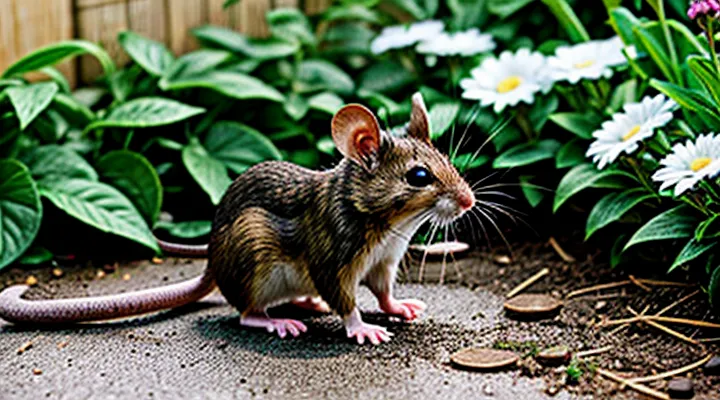
«Understanding the Mouse Problem in Your Garden»
«Identifying Signs of Mouse Activity»
«Droppings and Nests»
Mouse droppings and nests are the most reliable indicators of an active infestation in a garden. Fresh droppings appear as small, dark pellets about 3‑5 mm long; older deposits turn gray and may become powdery. Locate concentrations near food sources, compost piles, and sheltered plant bases. Identify nests by the presence of shredded plant material, shredded paper, or soft fibrous clumps, often hidden under mulch, in garden beds, or within dense ground cover.
Removal of droppings and nests must follow strict hygiene protocols to prevent disease transmission. Wear disposable gloves and a mask, dampen droppings with a disinfectant solution, then collect with a plastic bag and seal. Dispose of the bag in an outdoor trash container away from the garden. For nests, gently dismantle the structure, place all material in a sealed bag, and treat the area with a rodent‑specific bait or a natural repellent such as peppermint oil.
Regular sanitation reduces the likelihood of re‑infestation:
- Keep garden debris, fallen fruit, and vegetable scraps in sealed containers.
- Trim low‑lying vegetation and maintain a clear perimeter around plant beds.
- Replace mulch annually and avoid excessive organic layers that provide concealment.
- Inspect irrigation equipment for leaks that create damp environments favored by rodents.
Monitoring after cleanup confirms success. Re‑examine previously affected zones weekly for new droppings or nest activity. Immediate removal of any resurgence prevents population growth and protects garden health.
«Gnaw Marks and Damaged Plants»
Mice leave distinctive gnaw marks on stems, leaves, and seed pods. The bite edges are clean, angled cuts that often appear on tender growth near the ground. Identifying these marks early prevents misdiagnosing fungal or insect damage.
Damaged plants show symptoms such as wilting, stunted growth, and exposed roots. Bulbs, seedlings, and low‑lying vegetables are especially vulnerable. Root systems may be chewed, reducing water and nutrient uptake, while foliage loss weakens photosynthetic capacity.
To address gnaw marks and plant injury:
- Conduct daily inspections during peak activity periods (dusk and dawn).
- Remove and discard any plant parts showing fresh bite marks to eliminate food sources.
- Install snap traps or electronic devices along established runways, positioning them near visible damage.
- Apply natural repellents (e.g., peppermint oil, crushed garlic) to the soil surface and plant bases.
- Reduce shelter by clearing debris, tall grass, and compost piles within a two‑meter radius of crops.
- Introduce predator habitats (e.g., owl boxes) to encourage natural control.
Implementing these measures promptly curbs further gnawing, restores plant health, and reduces the overall mouse population in the garden.
«Why Mice Are Attracted to Your Garden»
«Food Sources»
Mice are drawn to gardens by readily available nutrition. Identifying and eliminating these food sources reduces the likelihood of infestation.
- Fallen fruit, berries, and vegetables provide high‑energy sustenance. Promptly collect and compost discarded produce in sealed containers.
- Seeds from bird feeders, ornamental grasses, and flowering plants attract rodents. Use feeder designs that limit spillage and position them away from garden beds.
- Pet food left outdoors offers a reliable protein source. Store kibble in airtight containers and feed pets indoors during peak mouse activity periods.
- Insect populations, especially beetles and caterpillars, serve as supplemental protein. Implement integrated pest management to keep insect numbers low.
- Organic mulch, compost piles, and leaf litter conceal and retain moisture, creating microhabitats where mice can forage. Maintain a thin mulch layer, turn compost regularly, and remove excess debris.
By systematically removing these nutritional attractants, gardeners create an environment that discourages mouse presence without relying on chemical controls.
«Shelter and Hiding Spots»
Mice seek out dense vegetation, debris piles, and structural cavities as shelter and hiding spots. These areas protect them from predators, weather, and human disturbance, allowing breeding and foraging to continue unchecked.
- Trim grass and low shrubs to a height of no more than six inches; regular mowing eliminates cover.
- Remove leaf litter, compost heaps, and woodpiles that provide insulated nests.
- Seal cracks, gaps, and holes in fences, sheds, and garden structures with metal flashing or concrete.
- Install raised beds with smooth, hard-edged liners to prevent burrow formation.
- Use wire mesh (1/4‑inch or smaller) to encircle tree trunks, support posts, and irrigation pipes, denying rodents entry points.
By systematically reducing concealment opportunities, the garden becomes inhospitable to mice, disrupting their shelter requirements and encouraging relocation. Continuous maintenance of these measures sustains a mouse‑free environment.
«Water Availability»
Mice are attracted to sources of moisture because water supports their metabolic needs and aids in locating food. In a garden, standing water, over‑watered soil, and leaky irrigation lines create favorable microhabitats that increase mouse activity. Reducing unnecessary water accumulation directly lowers the habitat suitability for rodents.
Practical measures to control water availability:
- Adjust irrigation schedules to deliver water only when soil moisture levels fall below plant requirements; use moisture meters for accuracy.
- Repair broken hoses, sprinkler heads, and drip‑line emitters promptly to prevent leaks.
- Eliminate puddles by grading the ground away from garden beds and installing proper drainage.
- Remove containers that collect rainwater, such as overturned buckets or unused birdbaths.
- Cover compost piles with a waterproof lid to keep moisture from seeping out.
By limiting the presence of free water, the garden becomes less inviting to mice, enhancing the effectiveness of other rodent‑control strategies.
«Preventative Measures: Making Your Garden Mouse-Unfriendly»
«Garden Hygiene and Maintenance»
«Removing Debris and Weeds»
Removing debris and weeds eliminates shelter and food sources that attract mice. Loose wood, leaf piles, and overgrown vegetation provide nesting sites and concealment, making it difficult to monitor activity and apply control measures.
Clear all organic debris from the garden floor. Collect fallen branches, shredded leaves, and compost that is not actively managed. Transport the material to a compost bin with a secure lid or dispose of it in a sealed container. After removal, compact the soil to reduce gaps where rodents can burrow.
Maintain weed-free beds and borders.
- Identify perennial and fast‑growing weeds that create dense cover.
- Hand‑pull or use a targeted herbicide, ensuring thorough removal of roots.
- Apply a mulch layer of coarse bark or gravel to suppress regrowth while discouraging mouse movement.
- Inspect and trim perimeter vegetation weekly to prevent re‑establishment.
A clean, open garden surface reduces hiding places, improves visibility for traps, and limits access to food, thereby strengthening overall mouse‑control efforts.
«Proper Composting Practices»
Proper composting reduces the likelihood that mice will colonize a garden. When organic material is managed correctly, it does not provide shelter, food, or breeding sites for rodents.
Key practices include:
- Use a closed, rat‑proof compost bin with a secure lid and fine mesh ventilation.
- Maintain a carbon‑to‑nitrogen ratio of roughly 30:1 by mixing dry leaves, straw, or shredded newspaper with kitchen scraps.
- Turn the pile regularly, at least once a week, to accelerate decomposition and disrupt potential nesting.
- Keep the bin elevated on a platform or stand to prevent ground access.
- Avoid adding meat, dairy, or oily foods that attract rodents.
- Ensure the compost area is at least three meters away from garden beds, vegetable rows, or fruit trees.
A sealed container eliminates direct food sources, while frequent turning prevents the formation of warm, undisturbed pockets where mice could nest. Elevation and distance create physical barriers, making it difficult for rodents to reach the material. Excluding high‑attractant foods removes the primary lure that draws mice into compost zones.
Implementing these measures creates a hostile environment for garden mice, supporting broader rodent‑control strategies without compromising the benefits of compost.
«Securing Food Sources (e.g., Bird Feeders)»
Securing food sources eliminates the primary attraction that draws mice into garden areas. When bird feeders, compost piles, or fallen fruit remain accessible, rodents quickly learn to exploit them, establishing a reliable foraging zone.
- Place bird feeders on sturdy poles at least three meters from any structure, and attach a metal baffle above and below the feeding station to block climbing.
- Use squirrel‑proof feeder designs that incorporate weight‑activated closures, preventing mice from reaching seed trays.
- Install feeders with enclosed seed compartments; only small openings should allow bird access while excluding larger pests.
- Clean the ground beneath feeders daily, removing spilled seed and debris that provide supplemental nutrition.
- Store birdseed in airtight, rodent‑proof containers; avoid cardboard bags that can be gnawed open.
- Shield compost bins with tight‑fitting lids and a solid base; add a layer of coarse mulch to discourage burrowing.
- Harvest fallen fruit promptly, and consider netting fruit trees during peak ripeness to prevent ground accumulation.
By denying mice easy access to edible material, the garden becomes less inviting, reducing population pressure and limiting damage to plants and infrastructure.
«Physical Barriers and Exclusion Techniques»
«Fencing and Mesh Around Vulnerable Areas»
Effective exclusion begins with a physical barrier that prevents mice from accessing garden beds, compost piles, and storage sheds. Install sturdy fencing at least 12 inches high, using materials such as galvanized steel, heavy‑duty wire, or rigid plastic mesh. Secure the bottom of the fence with a buried skirt or a concrete footing extending 6–12 inches underground to block burrowing. Ensure all joints are overlapped and fastened with corrosion‑resistant clamps, eliminating gaps larger than ¼ inch.
- Choose mesh with ¼‑inch or smaller openings; this size deters entry while allowing air flow and light penetration.
- Anchor fence posts firmly in concrete or deep soil, spacing them no more than 4 feet apart to maintain structural integrity.
- Fit removable gates with tight‑closing latches; incorporate a self‑closing hinge to prevent accidental openings.
- Inspect the perimeter weekly for signs of wear, displacement, or new entry points, and repair immediately.
Applying these measures creates a continuous, mouse‑proof perimeter around vulnerable zones, reducing the likelihood of infestation and supporting long‑term garden health.
«Sealing Gaps in Structures»
Sealing gaps in garden structures prevents mice from entering shelters, storage areas, and compost bins, thereby reducing the likelihood of infestation. Identify all potential entry points by inspecting foundations, fence posts, garden sheds, and raised beds. Look for cracks larger than ¼ inch, holes around utility lines, and gaps around doors or windows.
- Use steel wool or copper mesh to fill small openings before applying sealant.
- Apply polyurethane or silicone caulk to close cracks in concrete, brick, or wood.
- Install weather‑stripping on doors and windows that lead to storage spaces.
- Cover ventilation openings with fine mesh that mice cannot chew through.
- Repair damaged siding, roofing, or floorboards promptly to eliminate new routes.
Select materials that resist chewing and weathering. Steel wool combined with sealant offers a durable barrier, while metal flashing provides long‑term protection for larger gaps. After sealing, conduct a follow‑up inspection weekly for the first month to confirm that repairs remain intact and no new openings have appeared.
Regular maintenance of sealed areas, including clearing debris and trimming vegetation that contacts structures, sustains the barrier’s effectiveness. By systematically eliminating access points, gardeners create an environment where mice cannot establish footholds, supporting overall pest‑management goals.
«Repellent Plants and Natural Deterrents»
«Mint and Other Strong-Scented Herbs»
Mint, rosemary, lavender, and thyme emit volatile oils that mice find unpleasant. Planting these herbs creates a scent barrier that reduces rodent activity around vegetable beds and flower borders.
- Choose a hardy mint variety; it spreads rapidly, forming a dense, aromatic mat.
- Space rosemary and lavender shrubs 2–3 ft apart; their strong perfume persists even after pruning.
- Interplant thyme along the edges of raised beds; low growth keeps the scent close to the soil surface.
Planting instructions:
- Prepare a well‑drained plot, incorporate organic matter, and water thoroughly before sowing.
- Sow mint seeds or plant seedlings 6 inches apart; mulch to limit weed competition.
- Install rosemary and lavender as per manufacturer recommendations, typically 12–18 inches deep.
- Apply a thin layer of compost around thyme plants, maintaining soil moisture without waterlogging.
Maintenance:
- Trim mint regularly to prevent invasive spread; cutting back encourages fresh growth and stronger fragrance.
- Prune rosemary and lavender after flowering to sustain leaf oil production.
- Harvest thyme leaves weekly; removal stimulates new growth and reinforces the scent barrier.
Effectiveness increases when herbs are positioned near known mouse entry points, such as fence gaps or garden tool sheds. Combining aromatic plants with physical deterrents—metal flashing, wire mesh, or snap traps—provides a multi‑layered approach that maximizes rodent control while preserving garden health.
«Castor Oil Applications»
Castor oil serves as a natural repellent for garden rodents. When applied correctly, it creates an unpleasant taste and odor that deters mice without harming plants or beneficial insects.
- Soil drench: Mix 1 part castor oil with 4 parts water and a few drops of mild surfactant. Apply the solution to the top 2–3 inches of soil around vegetable beds and fruiting shrubs. Reapply after heavy rain or every two weeks during peak activity.
- Seed coating: Before planting, soak seeds in a dilute castor‑oil solution (approximately 5 % oil) for 30 minutes. Rinse briefly with water to prevent phytotoxicity, then sow as usual. The residual oil on emerging seedlings discourages mice from gnawing.
- Barrier spray: Spray a 10 % castor‑oil emulsion along the perimeter of garden beds, pathways, and fence lines. Use a fine mist to coat the surface evenly. Reapply weekly or after irrigation.
- Mulch infusion: Combine 1 cup castor oil with 5 gallon of water, stir into a bucket of mulch, and spread the mixture around plants. The oil slowly leaches into the mulch, maintaining a repellent zone for several weeks.
- Trap enhancer: Add a few drops of castor oil to bait stations or live‑catch traps. The oil intensifies the scent, increasing trap attraction while preventing mice from consuming the bait without triggering the trap mechanism.
Effectiveness depends on consistent application and integration with habitat‑management practices, such as removing debris, sealing entry points, and limiting food sources. Castor oil does not persist indefinitely; regular reapplication ensures continuous protection throughout the growing season.
«Active Rodent Control Strategies»
«Trapping Methods»
«Snap Traps: Placement and Baiting»
Snap traps provide immediate control of garden mice when positioned correctly and baited with attractive food sources. Place traps along established runways, typically within 1–2 feet of walls, under low vegetation, or beside compost piles where mice travel. Secure each trap on stable ground to prevent shifting after a strike.
Effective bait enhances trap success. Use high‑protein items such as peanut butter, dried insects, or small pieces of cooked egg. For grain‑loving populations, offer a pinch of cracked corn or sunflower seeds. Rotate bait types every few days to maintain curiosity and reduce trap shyness.
- Locate traps at mouse entry points and near shelter.
- Position traps perpendicular to walls, with the trigger end facing the wall.
- Set traps just before dusk; mice are most active at night.
- Replace captured traps promptly to avoid scent loss.
- Dispose of caught rodents according to local regulations to prevent disease spread.
«Live Traps: Relocation Best Practices»
Live traps provide a humane alternative to lethal methods, allowing capture and release of garden mice without harming the animals. Successful relocation depends on proper trap selection, placement, and handling procedures.
Select traps made of sturdy wire mesh with a smooth interior to prevent injury. Choose models sized for adult mice, typically 4–6 inches long, and equipped with a reliable trigger mechanism. Ensure traps are easy to open for quick release.
Effective placement follows these principles:
- Position traps along established runways, near burrow entrances, or close to food sources.
- Set traps at ground level, with the entrance facing the mouse’s natural direction of travel.
- Use bait that appeals to mice, such as peanut butter, sunflower seeds, or oats, applied sparingly to the trigger plate.
- Deploy multiple traps spaced 10–15 feet apart to increase capture probability.
When a mouse is caught, follow these steps:
- Cover the trap with a cloth to calm the animal and reduce stress.
- Transport the trap to a release site at least one mile from the garden, preferably in a wooded area with adequate cover and food availability.
- Open the trap away from the release point, allowing the mouse to exit voluntarily.
- Clean the trap with hot, soapy water after each use to eliminate scent trails that could deter future captures.
Regular monitoring, prompt resetting of traps, and seasonal adjustments—such as increasing trap numbers during breeding periods—enhance relocation success and sustain a mouse‑free garden environment.
«Electronic Traps»
Electronic traps provide a rapid, humane solution for eliminating mice that forage in garden beds and compost piles. The devices deliver a high‑voltage shock the moment a rodent contacts the sensor plate, ensuring immediate mortality and preventing disease transmission.
The core components include a motion‑sensing trigger, a sealed metal plate, and a rechargeable or disposable power source. When a mouse steps onto the plate, the sensor activates a circuit that releases a lethal pulse of electricity. The enclosure is insulated to protect humans, pets, and beneficial insects from accidental discharge.
Effective placement follows three simple principles: position traps within 1 meter of active burrow entrances, align them along garden walls where mice travel, and conceal them under mulch or low foliage to avoid detection. A brief checklist can guide installation:
- Locate fresh gnaw marks or droppings.
- Place trap on a flat surface, avoiding direct sunlight.
- Secure the unit to prevent tipping by wind or larger animals.
Power options vary by model. Plug‑in units guarantee continuous operation but require weather‑proof outlets; battery‑powered traps offer flexibility for remote plots but demand regular charge cycles. All devices meet safety standards that limit voltage exposure to non‑target species.
Field tests report kill rates exceeding 90 % within 48 hours of deployment, with minimal by‑catch. The instantaneous action eliminates the need for poison, reducing secondary poisoning risks for birds and predatory mammals.
Maintenance consists of removing the dead mouse, cleaning the plate with a mild detergent, and resetting the sensor. Battery packs should be inspected monthly and replaced according to manufacturer specifications. Proper disposal of carcasses follows local wildlife regulations.
«Using Baits and Poisons (Cautionary Approach)»
«Understanding Different Bait Types»
Effective rodent control in a garden depends on selecting the appropriate bait. Different bait types target specific mouse behaviors and environmental conditions, allowing for reliable population reduction.
- Food-based baits: Peanut butter, cheese, grains, and dried fruit attract mice through strong odors and high palatability. Apply in small, concealed stations to prevent non‑target species from accessing the lure.
- Protein baits: Dried fish, meat scraps, or commercial rodent protein blocks appeal to mice seeking protein, especially during breeding periods. Use airtight containers to maintain freshness and reduce spoilage.
- Poison baits: Anticoagulant pellets (e.g., bromadiolone, difenacoum) interfere with blood clotting, leading to delayed mortality. Place in tamper‑resistant boxes, label clearly, and follow local regulations regarding placement near water sources and edible plants.
- Non‑chemical baits: Snap traps loaded with soft food or cotton balls soaked in vanilla extract provide a mechanical solution without toxins. Position near known runways and inspect daily.
- Natural baits: Essential oil‑infused cotton (peppermint, clove) or crushed garlic cloves exploit mice’s aversion to strong scents. Use as a supplementary deterrent rather than a primary kill method.
Choosing a bait involves evaluating garden layout, presence of children or pets, and seasonal mouse activity. Pair the selected bait with proper station placement—low to the ground, near burrow entrances, and away from wind‑blown dispersal—to maximize contact rates while minimizing risk to non‑target organisms. Regularly rotate bait types to prevent habituation, and monitor trap success to adjust dosage and positioning as needed.
«Safe Placement and Pet/Child Protection»
When dealing with rodent control in outdoor spaces, the location of traps, baits, and deterrents must prevent accidental contact by children and animals. Place devices at least three feet above ground on sturdy supports, or embed them in sealed containers that allow only mouse-sized entry. Avoid areas near play equipment, pet feeding stations, or vegetable patches that attract curious hands and paws.
Key precautions:
- Use tamper‑resistant bait stations equipped with lockable lids; ensure the latch requires a tool or a specific motion not easily performed by a child.
- Anchor snap traps to a fixed post or stake; position the trigger end away from pathways and height‑adjusted to a level unreachable by small pets.
- Prefer non‑chemical deterrents such as ultrasonic emitters or motion‑activated sprinklers, which pose no ingestion risk.
- Mark all treatment zones with bright, weather‑proof signs that clearly state “No access – rodent control area.”
- Conduct a final sweep before allowing children or pets back onto the garden, confirming that all devices are secured and no loose bait remains.
If chemical rodenticides are unavoidable, select formulations labeled for outdoor use only and place them in certified bait boxes that meet safety standards. Store all products in locked cabinets, out of sight from household members. Dispose of used traps and bait containers according to local hazardous‑waste regulations to eliminate lingering hazards.
«Risks and Environmental Impact»
Effective mouse control in garden environments involves several hazards that can affect non‑target organisms, soil health, and water quality. Chemical rodenticides, especially anticoagulants, may persist in the soil, be absorbed by plants, and enter runoff, posing toxicity risks to insects, birds, and mammals that feed on contaminated vegetation. Repeated applications increase the likelihood of resistance development in rodent populations, reducing long‑term efficacy and prompting higher dosage use.
Physical traps, such as snap or live‑capture devices, present minimal chemical contamination but can cause accidental injury to beneficial wildlife if not positioned carefully. Improper disposal of captured rodents may spread pathogens, including hantavirus and leptospirosis, to humans and domestic animals.
Habitat‑modification techniques—removing debris, sealing entry points, and managing compost—generally support ecological balance. However, excessive clearing can diminish shelter for predatory insects and ground‑dwelling birds that naturally limit rodent numbers, potentially disrupting the garden’s food web.
Mitigation measures:
- Use bait stations with tamper‑resistant designs to limit access by non‑target species.
- Select rodenticides with short environmental half‑lives and apply at the lowest effective concentration.
- Rotate control methods seasonally to prevent resistance buildup.
- Monitor trap locations regularly to release non‑target captures promptly.
- Integrate natural predators, such as owls and barn cats, while preserving their habitat.
Adhering to these practices reduces ecological disturbance, safeguards water sources, and maintains biodiversity while achieving reliable mouse suppression.
«Natural Predators and Their Role»
«Encouraging Owls and Other Birds of Prey»
Encouraging owls and other birds of prey creates a natural check on rodent populations in garden ecosystems. These predators locate prey by sound and movement, reducing mouse activity without chemical intervention.
Key actions to attract and sustain raptor presence:
- Install nesting boxes sized for common species such as barn owls (internal dimensions ≈ 12 × 12 × 24 inches). Place boxes 10–15 feet above ground on a pole or tree, facing away from prevailing winds.
- Preserve mature trees and deadwood. Perching sites and roosting platforms support hawks, kestrels, and owls during daylight hours.
- Maintain open sightlines by trimming low vegetation along fence lines and garden edges. Clear pathways allow birds to spot and chase rodents.
- Limit artificial lighting at night. Reduced illumination prevents disorientation of nocturnal hunters and encourages owls to patrol the area.
- Provide supplemental water sources, such as shallow bird baths with stones for footing, to meet the hydration needs of raptors during dry periods.
Avoid using rodenticides near nesting structures, as secondary poisoning can harm non‑target birds. Regularly inspect boxes for debris and replace worn components to ensure continued occupancy. By integrating these measures, gardeners leverage predatory birds as an effective, sustainable component of rodent management.
«Benefits of Domestic Cats (with caveats)»
Domestic cats can reduce rodent activity in garden spaces by hunting and deterring mice. Their presence creates a predator scent that discourages mice from establishing burrows, leading to fewer sightings and damage to plants.
Key advantages include:
- Immediate reduction of mouse numbers through predation.
- Lower risk of plant contamination from mouse droppings.
- Decreased need for chemical rodenticides, reducing environmental impact.
Caveats to consider:
- Cats may hunt non‑target wildlife such as birds or beneficial insects.
- Outdoor access can expose cats to parasites, traffic hazards, and diseases.
- Individual hunting effectiveness varies; not all cats will actively seek mice.
«Long-Term Garden Management for Mouse Prevention»
«Regular Inspections and Monitoring»
«Seasonal Checks»
Regular inspections aligned with the garden’s annual cycle are essential for preventing mouse infestations. Early spring offers the first opportunity to assess soil moisture levels, remove debris that may provide shelter, and repair any damage to fences or raised beds. At this stage, identify gaps larger than 2 cm and seal them with hardware cloth or sturdy mesh.
Summer checks focus on food sources and habitat conditions. Verify that compost piles remain covered, and relocate any fallen fruit or vegetable waste promptly. Trim dense groundcover that creates hidden pathways, and inspect irrigation lines for leaks that could attract rodents. Replace worn sections of mulch with fresh material to eliminate nesting sites.
Autumn and winter demand a final review before colder weather sets in. Examine stored seed containers for integrity, ensuring lids close tightly. Position animal‑proof feeders at least 1 m above ground, and place metal or plastic barriers around garden structures. Conduct a comprehensive perimeter sweep, looking for burrows, gnaw marks, or signs of activity, and address any findings immediately.
«Early Detection of New Activity»
Detecting the first signs of mouse activity prevents extensive damage and reduces the need for aggressive control measures. Look for fresh droppings, gnawed plant stems, and subtle nesting material such as shredded leaves or shredded mulch. Fresh tracks in soft soil or along garden borders indicate recent movement. A sudden increase in seed loss or unexplained chewed wires also signals new intrusion.
Implement monitoring tools promptly. Place motion‑activated cameras at low vegetation levels to capture nocturnal runs. Deploy snap‑type or electronic sensors in suspected pathways; an immediate alert triggers a response before populations expand. Use non‑lethal bait stations equipped with tracking powder; footprints left on the powder reveal entry points.
Maintain a regular inspection schedule. Examine garden beds weekly, focusing on edges, compost piles, and irrigation lines. Record observations in a simple log to identify patterns and track the effectiveness of interventions.
Early detection actions:
- Visual inspection for droppings, gnaw marks, and nesting debris.
- Soil and surface tracking with powder or flour.
- Motion‑activated cameras positioned near vulnerable plants.
- Sensor‑based bait stations that report activity.
- Weekly log entries documenting findings and locations.
Prompt identification of mouse presence enables targeted removal methods, limiting spread and preserving garden health.
«Integrated Pest Management (IPM) Approach»
«Combining Multiple Strategies»
Effective mouse control in garden environments requires a coordinated approach that addresses attraction, shelter, and population dynamics simultaneously. Relying on a single method often yields limited results because mice can adapt to isolated tactics.
- Install snap or electronic traps along established runways, placing them perpendicular to walls and near burrow entrances.
- Deploy bait stations containing anticoagulant or low‑dose rodenticide, ensuring they are secured to prevent non‑target exposure.
- Remove food sources by harvesting produce promptly, storing compost in sealed containers, and cleaning fallen fruit or seeds.
- Reduce shelter by clearing dense vegetation, trimming hedges, and filling gaps under garden structures.
- Encourage natural predators such as barn owls, hawks, or domestic cats by providing nesting boxes or perches.
- Apply granular repellents containing predator urine or plant‑derived compounds along perimeter lines and near entry points.
Integration of these measures follows a logical sequence: first, eliminate immediate food and shelter, then establish trapping and baiting, and finally reinforce the area with repellents and predator support. Regular inspection of trap placement and bait consumption informs adjustments; if capture rates decline, shift focus to habitat modification or increase predator habitats. Monitoring should occur weekly during peak activity periods, with data recorded to track trends and refine the combined strategy.
By synchronizing physical barriers, chemical controls, environmental management, and biological agents, garden owners achieve sustained reduction of mouse populations while minimizing reliance on any single technique.
«Adapting to Changing Conditions»
Mice populations respond quickly to fluctuations in temperature, moisture, and food availability, requiring gardeners to revise control strategies as conditions shift. Ignoring these dynamics reduces the efficacy of any single method and may encourage rapid reinfestation.
When weather becomes warmer, rodents expand their foraging range and may seek shelter deeper in the soil. In dry periods, they concentrate near remaining water sources and any exposed seed heads. Seasonal planting cycles also create temporary food bursts that attract newcomers. Each of these factors demands a specific tactical response.
- Relocate bait stations to shaded, moist micro‑habitats during hot spells; use weather‑resistant containers to prevent spoilage.
- Switch from snap traps to live‑capture cages when humidity increases, as moisture can cause snap mechanisms to jam.
- Increase ground cover with mulch or low‑growth plants after drought, limiting direct soil exposure and discouraging burrow entrances.
- Rotate rodenticide formulations quarterly to prevent tolerance development, matching the rotation to the dominant food source at each stage of the planting calendar.
- Conduct weekly perimeter inspections after heavy rain, sealing any newly formed gaps in fence or garden edging that mice could exploit.
Adapting these measures in real time preserves pressure on the rodent population, prevents acclimatization, and sustains long‑term garden health. Continuous monitoring and swift modification of tactics remain the most reliable approach to maintaining a mouse‑free environment.
«Sustainable and Environmentally Friendly Practices»
«Minimizing Harm to Non-Target Species»
When eliminating garden mice, any intervention must safeguard birds, beneficial insects, and small mammals that share the habitat. Direct harm to these organisms can disrupt pollination, natural pest control, and overall ecosystem balance.
Effective practices for reducing collateral damage include:
- Targeted traps: Use snap traps or live‑catch devices that are sized for mice only. Position them along established runways, away from nesting sites of birds and reptiles.
- Bait placement: Apply toxic baits inside sealed bait stations with mouse‑specific entry holes. This prevents access by larger or non‑target animals.
- Low‑toxicity rodenticides: Select active ingredients with minimal secondary poisoning risk, such as anticoagulants that degrade quickly in the environment. Follow label instructions precisely to limit exposure.
- Physical barriers: Install fine‑mesh fencing or underground hardware cloth to exclude mice while allowing insects and small ground‑dwelling fauna to move freely.
- Temporal control: Deploy control measures during periods when non‑target species are least active, such as early morning or late evening, reducing accidental encounters.
- Regular monitoring: Inspect traps and bait stations daily. Remove any non‑target captures immediately and adjust placement as needed.
By adhering to these guidelines, gardeners can achieve reliable mouse reduction while preserving the health of surrounding wildlife.
«Reducing Chemical Reliance»
Reducing reliance on chemical rodenticides strengthens ecological balance while still controlling mouse populations in garden settings. Non‑chemical tactics target the factors that attract rodents, limit their access to food, and increase mortality without toxic substances.
Key actions include:
- Installing fine‑mesh fencing or hardware cloth around planting beds to block entry.
- Using snap or live‑catch traps positioned along established runways; regular checking prevents suffering and maintains effectiveness.
- Removing debris, tall grass, and mulch piles that provide shelter; frequent tillage disrupts nesting sites.
- Planting deterrent species such as mint, rosemary, or marigold, which emit scents mice avoid.
- Encouraging natural predators—barn owls, hawks, and predatory insects—by installing perches, nest boxes, or providing water sources.
Integrating these measures creates a multi‑layered defense that diminishes the need for poisons. Regular monitoring of mouse activity guides adjustments, ensuring the garden remains productive and safe for non‑target organisms.