
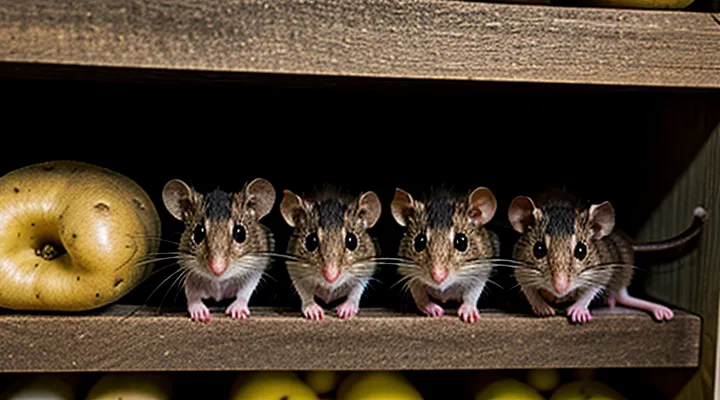
«Understanding the Mouse Problem in Potato Cellars»
«Why Mice Are Attracted to Cellars»
«Food Sources: Potatoes and Other Items»
Mice are attracted to the carbohydrate-rich environment created by stored potatoes and any supplementary food debris. The presence of tubers provides a continuous source of fermentable sugars, while remnants of packaging, spilled grain, or fruit skins add protein and fat, enhancing the cellar’s appeal to rodents.
Key food sources that sustain mouse populations in a potato cellar include:
- Fresh or sprouted potatoes, especially those with bruised or softened skins.
- Peels, cut pieces, and any discarded vegetable matter left on the floor or shelving.
- Grain, flour, or cereal residues that may be stored nearby.
- Fruit or nut shells, candy wrappers, and other high‑energy waste.
- Moisture‑laden debris such as soggy cardboard or paper, which supports bacterial growth and further attracts mice.
To reduce the food incentive, implement the following measures:
- Inspect all potatoes regularly; remove sprouted, damaged, or rotting tubers.
- Clean the floor and storage racks daily, sweeping away crumbs and debris.
- Store potatoes in sealed, rodent‑proof containers or on pallets covered with metal sheeting.
- Keep ancillary food items in airtight bins away from the cellar floor.
- Control humidity with ventilation or dehumidifiers to prevent mold and decay that draw rodents.
By eliminating these nutrient sources, the cellar becomes a hostile environment for mice, decreasing the likelihood of infestation and supporting long‑term rodent control.
«Shelter and Warmth»
Mice are drawn to underground storage areas because the environment offers protection from predators and a stable temperature that supports their metabolic needs. The combination of insulation, limited airflow, and accumulated organic material creates an ideal refuge where rodents can nest and remain active year‑round.
To remove this attraction, implement the following actions:
- Seal cracks, gaps, and vent openings with steel wool, cement, or expandable foam; rodents cannot squeeze through openings smaller than ¼ inch.
- Install rigid insulation panels that do not provide crevices for nesting; avoid loose fibrous material that can be shredded into bedding.
- Maintain a constant ambient temperature below the range preferred for breeding (approximately 20 °C). Use ventilation fans or dehumidifiers to lower temperature and humidity levels.
- Remove all debris, spilled potatoes, and organic residues that could serve as nesting material; clean the floor with a detergent solution and dry thoroughly.
- Place heat‑resistant metal or concrete barriers around storage bins to prevent mice from climbing onto them for shelter.
Eliminating shelter and warmth deprives rodents of the conditions necessary for reproduction and survival, thereby reducing infestation risk and preserving the quality of stored potatoes.
«Signs of a Mouse Infestation»
«Droppings and Urine Smells»
Rodent feces and urine create a pervasive odor that signals infestation and contaminates stored potatoes. The smell originates from bacterial breakdown of uric acid, producing ammonia and other volatile compounds that linger in low‑ventilation spaces.
Identifying the problem requires visual inspection and olfactory detection. Fresh droppings appear as small, dark, rice‑shaped pellets; older deposits darken and may stick to surfaces. Urine stains are invisible but leave a sour, ammonia‑like scent, especially after humidity rises.
Health risks associated with these waste products include:
- Transmission of hantavirus, leptospirosis, and salmonella.
- Accelerated spoilage of potatoes due to fungal growth on contaminated surfaces.
- Reduced product quality and marketability.
Effective remediation follows a systematic protocol:
- Ventilate the cellar for at least 30 minutes to disperse airborne contaminants.
- Wear protective gear: disposable gloves, N‑95 respirator, and eye protection.
- Remove all potatoes and place them in a sealed container away from the work area.
- Sweep visible droppings into a disposable bag; avoid shaking to prevent aerosolization.
- Apply a disinfectant (e.g., a 10 % bleach solution) to all surfaces, allowing a 10‑minute dwell time.
- Rinse with clean water, then dry thoroughly to inhibit mold development.
- Seal any cracks or gaps in the cellar structure to prevent re‑entry.
- Re‑stock potatoes only after confirming the absence of odor and confirming surface dryness.
Regular monitoring of odor levels and periodic cleaning of the storage area maintain a sanitary environment and deter future rodent activity.
«Gnaw Marks and Damage to Potatoes»
Mice chewing creates distinctive crescent‑shaped bite marks on potato skins, often exposing the flesh underneath. The edges of these marks are irregular, with shallow, parallel grooves left by the incisors. When rodents gnaw repeatedly, the tissue around the wound softens, leading to rot and discoloration that spreads quickly in the humid cellar environment.
Visible damage includes:
- Small, clean‑cut holes ranging from 2 mm to 5 mm in diameter.
- Flattened, chewed surfaces where the tuber’s shape is altered.
- Darkened or mushy patches surrounding the entry point, indicating bacterial or fungal invasion.
These injuries compromise storage quality by:
- Reducing marketable weight and visual appeal.
- Accelerating moisture loss, which encourages sprouting and spoilage.
- Providing entry points for pathogens, shortening shelf life.
Effective control requires immediate removal of affected potatoes and implementation of barriers that prevent rodent access to the stored crop. Regular inspection for fresh gnaw marks allows rapid response before damage expands.
«Scratching Noises»
Scratching sounds heard from the storage area are a reliable indicator of rodent activity. Mice create these noises while moving through insulation, chewing on wooden supports, or navigating gaps in the floor. Recognizing the pattern—intermittent, high‑pitched, and concentrated near stored potatoes—helps differentiate it from other sources such as settling foundations.
When scratching is detected, immediate action reduces the risk of contamination and population growth. Follow these steps:
- Seal all entry points larger than ¼ inch with steel wool and caulk.
- Install snap traps or electronic bait stations along walls where the noise originates.
- Deploy ultrasonic emitters calibrated to frequencies that disrupt mouse communication.
- Remove any exposed potatoes, inspect for gnaw marks, and relocate to sealed containers.
Continuous monitoring is essential. Re‑inspect the cellar nightly for recurring sounds; a persistent acoustic signature after control measures suggests surviving individuals and warrants additional trapping or professional extermination.
«Preventive Measures to Deter Mice»
«Sealing Entry Points»
«Inspecting Walls, Floors, and Ceilings»
Inspecting the structural surfaces of a cellar used for potato storage is essential for identifying entry points, nesting sites, and activity trails of rodents. Mice can exploit gaps as small as a quarter‑inch, and their burrows often appear behind loose panels, under floorboards, or within ceiling voids. Detecting these vulnerabilities early prevents infestation from spreading to the stored produce.
- Examine walls for holes, cracks, or damaged caulking; probe with a flashlight and a thin probe to verify opening size.
- Lift floorboards or inspect the perimeter of concrete slabs; look for gnaw marks, droppings, or displaced insulation.
- Access ceiling joists or crawl‑space panels; check for chewed wiring, frayed mesh, and signs of nesting material.
- Record each finding on a schematic map; prioritize repairs based on gap dimensions and proximity to potato stacks.
- Seal confirmed openings with steel wool, cement, or metal flashing; apply rodent‑proof sealant to reinforce vulnerable joints.
Systematic examination of walls, floors, and ceilings creates a physical barrier that limits mouse movement, protecting the potato inventory from contamination and loss.
«Using Steel Wool, Caulk, and Mortar»
Mice entering a cellar that stores potatoes create contamination risks and damage to the crop. Sealing openings eliminates the primary pathway for infestation. Steel wool, caulk, and mortar provide a layered defense that resists gnawing and adapts to different substrate conditions.
- Insert steel wool into gaps around pipe penetrations, vent openings, and cracks in foundation walls. Compress the material to fill the space completely; the coarse fibers deter chewing.
- Apply a bead of silicone‑based caulk over the steel wool, ensuring smooth coverage that adheres to both the wool and surrounding masonry. The sealant prevents moisture ingress and reinforces the barrier.
- Mix mortar according to manufacturer instructions; press it over the caulked area to create a hard, durable surface. Mortar bonds with brick or concrete, locking the underlying steel wool in place.
For larger cracks, embed a strip of steel wool across the opening before caulking. Allow the caulk to cure for the recommended time, then apply mortar in a thin layer, feathering the edges to match the existing wall. Inspect the sealed zones regularly; reapply caulk if cracks appear, and replace damaged steel wool promptly.
By combining these materials, the cellar achieves a rodent‑proof envelope that protects stored potatoes without compromising structural integrity.
«Proper Storage Practices»
«Storing Potatoes in Rodent-Proof Containers»
Storing potatoes in containers that prevent rodent entry eliminates a primary food source that attracts mice to the cellar. Secure containers remove the incentive for infestation and simplify ongoing sanitation.
Key attributes of effective rodent-proof containers:
- Thick, rigid walls made of high‑density polyethylene or metal.
- Seamless lids with a locking mechanism that closes tightly.
- Small entry gaps no larger than ¼ inch; all joints reinforced with silicone or gasket material.
- Transparent sections or labeling options for inventory control without opening the container.
When selecting containers, verify:
- Compliance with food‑grade standards.
- Compatibility with the cellar’s temperature and humidity range.
- Ease of stacking to maximize space utilization.
- Ability to be disassembled for thorough cleaning.
Implementation process:
- Remove all potatoes from the cellar and discard any that show signs of damage or rodent activity.
- Clean the floor, walls, and shelving with a disinfectant solution; allow to dry completely.
- Place containers on level surfaces, leaving a minimum of 2 inches between each unit to discourage gnawing.
- Transfer potatoes into containers, filling no more than 80 % of each volume to preserve airflow.
- Seal lids securely, then record container locations for future reference.
Ongoing maintenance includes weekly visual checks for chew marks, monthly interior cleaning with hot water and a mild detergent, and immediate replacement of any compromised seal. Consistent adherence to these practices sustains a mouse‑free storage environment while preserving potato quality.
«Elevating Storage from the Floor»
Elevating potato bins several inches above the cellar floor creates a physical barrier that prevents rodents from reaching the stored crop. Mice cannot climb smooth, non‑porous surfaces such as metal shelving, plastic pallets, or treated wood, so the food remains inaccessible.
Key advantages of raised storage include:
- Separation from moisture that accumulates on the ground, reducing spoilage and deterring pests that seek damp environments.
- Easy inspection of the underside for signs of gnawing or droppings, allowing rapid intervention.
- Compatibility with trap placement; traps can be positioned directly beneath the platform where rodents are forced to travel.
When installing a raised system, follow these guidelines:
- Use materials resistant to chewing, such as galvanized steel or laminated composite boards.
- Maintain a clearance of at least 6 inches between the floor and the storage surface to eliminate contact points.
- Secure the structure to the wall or floor studs to prevent shifting that could create gaps.
- Ensure the platform is level to avoid tipping of heavy potato sacks, which could create new entry points.
Regularly clean the space beneath the elevated racks, remove debris, and inspect for any breaches. Combining this structural measure with conventional control methods—traps, bait stations, and sealing of entry holes—provides a comprehensive solution for keeping the cellar free of rodents while preserving the quality of the stored potatoes.
«Regular Cellar Cleaning and Decluttering»
Regular cleaning of a cellar used for potato storage removes food residues, nesting material, and shelter that attract rodents. Consistent removal of debris reduces the number of hiding places and limits the availability of easily accessible food, making the environment less appealing to mice.
Implement a schedule that includes:
- Sweeping and vacuuming floors weekly to eliminate spilled potatoes, crumbs, and droppings.
- Inspecting walls, beams, and corners for droppings or gnaw marks; clean any signs of activity immediately.
- Disposing of damaged or moldy potatoes daily; place them in sealed containers before removal.
- Storing remaining potatoes in airtight, stackable bins with smooth surfaces that discourage gnawing.
- Organizing tools, ladders, and equipment on shelves away from the floor to prevent clutter accumulation.
Maintain clear aisles between storage rows. A minimum of 18 inches of clearance allows visual inspection and rapid detection of rodent activity. Remove unnecessary boxes, pallets, and old packaging; recycle or discard them promptly.
After each cleaning session, apply a mild, non-toxic disinfectant to surfaces. This eliminates scent trails left by rodents, which can otherwise guide others to the cellar. Record observations in a log, noting any fresh droppings or damage, and adjust the cleaning frequency if signs of activity increase.
By adhering to a disciplined cleaning routine and keeping the storage area orderly, the likelihood of mouse infestation declines sharply, protecting the potato stock from contamination and loss.
«Eliminating Other Food Sources»
«Securing Other Stored Goods»
Mice attracted to a potato cellar can damage other inventory such as canned goods, grains, and tools. Seal all entry points, including cracks in walls, floor gaps, and ventilation openings, using steel wool, metal flashing, or cement. Install tight-fitting lids on storage containers and keep pallets elevated to prevent direct contact with the floor.
Maintain a clean environment to discourage rodents. Remove food debris, sweep regularly, and store items in sealed, rod‑proof packaging. Place traps or electronic deterrents away from valuable goods to avoid accidental contamination.
Protective measures for additional stored items
- Use airtight, heavy‑gauge plastic or metal containers for high‑value products.
- Position items on shelves with a minimum clearance of 4 inches from the floor.
- Apply non‑toxic rodent repellents (e.g., peppermint oil pads) on the outer edges of storage zones.
- Conduct weekly inspections for signs of gnawing, droppings, or nesting material.
- Rotate stock to ensure older goods are used first, reducing the time they remain vulnerable.
Implementing these steps isolates the potato supply while safeguarding all other stored commodities from rodent damage.
«Removing Spills and Crumbs Promptly»
Prompt removal of liquid spills and food residues is a critical control measure in a potato storage cellar. Moisture creates a favorable environment for mouse activity, while crumbs provide a continuous food source. Eliminating these attractants reduces the incentive for rodents to enter and remain in the space.
Effective practice includes:
- Immediately mop up any water or juice that contacts the floor or shelving.
- Sweep or vacuum debris after each handling of potatoes.
- Wipe down containers, trays, and tools with a disinfectant solution before returning them to storage.
- Inspect the cellar daily for hidden accumulations in corners, under pallets, and behind equipment.
Consistent execution of these actions deprives mice of nourishment and damp conditions, thereby supporting broader rodent‑prevention efforts in the cellar.
«Effective Mouse Control Methods»
«Trapping Options»
«Snap Traps: Placement and Baiting»
Snap traps provide immediate mortality and are suitable for confined storage areas where potatoes are kept. Position each trap along the walls, near known runways, and at the junction of floor and shelving. Rats and mice prefer to travel close to surfaces; placing traps in these zones maximizes contact.
- Align traps perpendicular to the wall, with the trigger end facing the expected travel direction.
- Space traps 1–2 feet apart along each wall; increase density near entry points or visible droppings.
- Secure traps on a stable surface to prevent tipping when a rodent strikes.
Effective bait attracts rodents while minimizing interference from the stored potatoes. Use high‑protein or high‑fat foods that are not readily accessible to the produce. Recommended baits include:
- Small pieces of peanut butter applied to the trigger plate.
- A dab of cooked bacon or ham, secured with a toothpick.
- A few drops of vanilla extract mixed with a grain of corn.
Replace bait after each capture to maintain potency. Monitor traps daily, remove captured rodents, and reset with fresh bait. Consistent placement and proper baiting reduce the population quickly and protect the potato inventory from further damage.
«Live Traps: Ethical Considerations and Release»
Live traps provide a non‑lethal option for controlling rodents in a potato storage cellar. The device must capture the animal without injury; spring‑loaded cages with smooth interior surfaces meet this requirement. Place traps along walls, near burrow entrances, and adjacent to feed sources. Check traps at least twice daily to prevent prolonged confinement and stress.
When a mouse is captured, wear disposable gloves, handle the cage gently, and keep the animal calm. Transfer the mouse to a temporary container with ventilation before release. Choose a release site at least 2 kilometers from the cellar, in a natural area offering shelter and food. Avoid locations near residential properties, farms, or protected habitats to reduce conflict and ecological impact.
Legal frameworks often restrict the release of captured wildlife. Verify local regulations concerning the transport and release of rodents. Document each release with date, time, and GPS coordinates to maintain compliance and facilitate future monitoring.
To minimize repeat infestations, seal entry points after release. Use steel wool, caulk, or concrete to close gaps around pipes, vents, and door frames. Maintain low humidity and clean spilled potatoes promptly, depriving mice of attractants. Regular inspection of trap locations and structural barriers sustains long‑term control without resorting to lethal methods.
«Electronic Traps: Advantages and Disadvantages»
Electronic traps are a common method for eliminating rodents in underground storage areas used for potatoes. They deliver a high‑voltage shock that kills the animal instantly, reducing the risk of disease transmission and product contamination.
Advantages
- Immediate lethality; no prolonged suffering or gnawing damage.
- No chemical residues; safe for food‑grade environments.
- Low maintenance; once installed, only the power source and occasional cleaning are required.
- Ability to monitor captures through audible alerts or indicator lights, facilitating rapid response.
- Reusable; devices can be redeployed after a dead rodent is removed.
Disadvantages
- Dependence on electricity; power outages render devices ineffective.
- Initial cost higher than snap traps or bait stations.
- Limited effectiveness against very young or small rodents that may not trigger the sensor.
- Potential for accidental contact with humans or pets if safety features fail.
- Requires regular inspection to remove corpses, otherwise odor may attract additional pests.
When choosing electronic traps for a potato cellar, verify that the unit is rated for damp, low‑temperature conditions typical of subterranean spaces. Install devices along known runways, near entry points, and away from direct contact with stored produce. Use battery backups or connect to an uninterruptible power supply to maintain operation during outages. Schedule weekly inspections to clear dead rodents and clean the trigger plates, ensuring consistent performance and preventing secondary infestations.
«Bait Stations (Use with Caution)»
«Understanding Rodenticide Risks to Potatoes and Pets»
Rodenticides applied in a storage area where potatoes are kept can contaminate the tubers through direct contact, drift of powdered formulations, or absorption of liquid residues. Such contamination reduces marketability and may introduce harmful chemicals into the food chain. Moreover, many rodenticides—particularly anticoagulant baits—pose severe toxicity to domestic animals that may wander into the cellar, including dogs, cats, and livestock. Accidental ingestion can lead to internal bleeding, organ failure, or death, often without immediate symptoms.
Mitigating these hazards requires strict control of product selection, application technique, and post‑treatment monitoring. The following measures protect both the produce and surrounding animals:
- Choose non‑chemical alternatives (e.g., snap traps, electronic deterrents) whenever feasible.
- If a chemical bait is unavoidable, select a formulation with low secondary toxicity and a short residual period.
- Apply bait in sealed, tamper‑proof stations placed out of reach of pets and away from potato piles.
- Cover stored potatoes with impermeable tarps or pallets to create a physical barrier against drift.
- Conduct regular inspections for dead rodents or spilled bait; remove any contaminated potatoes immediately.
- Maintain a log of application dates, product names, and quantities for traceability and compliance with safety regulations.
By integrating these precautions, the risk of contaminating edible tubers and endangering companion animals remains minimal while the rodent problem is addressed effectively.
«Safe Placement and Monitoring»
Place traps and bait stations where they cannot be reached by children, pets, or non‑target wildlife. Use sealed bait containers that lock securely, and mount snap traps on the wall or under shelving, away from walkways. Position devices at least 12 inches from any opening that could allow accidental contact.
Install motion‑activated cameras or infrared sensors to record activity continuously. Connect devices to a power source with a surge protector; consider battery‑backed units for uninterrupted operation during outages. Verify that all equipment is rated for damp environments typical of underground storage areas.
Create a monitoring schedule:
- Inspect each trap and bait station daily for captures, damage, or displacement.
- Replace bait every 48 hours to maintain attractiveness.
- Review camera footage weekly, noting peak activity times and entry points.
- Adjust trap locations based on observed movement patterns, focusing on walls, corners, and near the potato piles.
Document findings in a logbook or digital spreadsheet, recording date, time, and number of rodents captured. Use the data to evaluate the effectiveness of placement strategies and to determine when additional control measures are required.
«Natural Deterrents»
«Peppermint Oil and Other Strong Scents»
Peppermint oil and other potent aromatic substances deter mice by overwhelming their olfactory receptors. The strong scent masks the natural odors of potatoes, making the environment unattractive for foraging rodents.
Application guidelines:
- Soak cotton balls in 100 % peppermint essential oil; place one ball in each corner of the cellar and near any known entry points.
- Replace soaked materials every 5–7 days to maintain potency.
- Combine peppermint with cloves, eucalyptus, or rosemary oil for a broader scent profile; a 1:1 mixture enhances repellent effect.
- Use a spray bottle to mist a dilute solution (10 ml oil per liter of water) on shelving, floor edges, and around ventilation ducts.
Effectiveness considerations:
- Aromatic repellents provide temporary relief; mice may acclimate after prolonged exposure.
- High humidity in a cellar can diminish oil volatility; ensure adequate ventilation to preserve scent intensity.
- Oils should not contact food surfaces directly; store treated cotton balls in sealed containers away from potatoes to avoid flavor contamination.
Safety and maintenance:
- Essential oils are flammable; keep away from open flames and store in cool, dark places.
- Personal protective equipment (gloves, goggles) recommended when handling concentrated oils.
- Regularly inspect for new rodent activity; supplement scent barriers with physical exclusions such as steel mesh and sealed gaps.
Integrating strong scents with structural repairs and proper sanitation creates a comprehensive strategy for eliminating mice from potato storage areas.
«Keeping Predator Scents (e.g., Cat Hair)»
Using predator scents such as dried cat hair creates an environment that rodents perceive as unsafe. The odor triggers innate avoidance behavior, reducing the likelihood that mice will enter the storage area where potatoes are kept.
Placement matters. Distribute small packets of cat hair in corners, near entry points, and along the walls of the cellar. Ensure the material remains dry; moisture degrades the scent and can attract mold.
Maintain effectiveness by refreshing the scent source every two weeks. Replace old hair with new material or add a few drops of synthetic feline pheromone to extend the deterrent period.
Combine scent strategies with physical barriers. Seal gaps, install metal mesh, and keep the cellar clean to prevent food remnants from overriding the predator cue.
Typical implementation steps:
- Collect 2–3 grams of dried cat hair per packet.
- Seal each packet in breathable fabric (e.g., muslin).
- Position packets at 1‑meter intervals along the perimeter.
- Inspect packets weekly; replace when scent fades.
- Monitor mouse activity with traps or motion sensors to assess impact.
When applied consistently, predator scent deployment reduces rodent presence without chemicals, preserving the quality of stored potatoes and minimizing health risks.
«Post-Extermination Cleanup and Future Prevention»
«Sanitizing the Cellar»
«Cleaning Droppings and Contaminated Surfaces»
Mice leave urine and feces that contaminate stored potatoes and create health hazards. Immediate removal of droppings and disinfection of surfaces are essential components of any rodent‑control program in a cellar.
- Wear disposable gloves and a mask before handling any material.
- Sweep or vacuum loose droppings, nests, and gnaw marks; discard the waste in sealed bags.
- Wash all exposed surfaces (shelves, walls, floor, crates) with hot water and a detergent that cuts grease.
- Apply an EPA‑approved disinfectant (e.g., a 10 % bleach solution) to the cleaned areas; keep the solution in contact for at least 10 minutes.
- Rinse surfaces with clean water, then dry thoroughly to prevent moisture buildup.
- Inspect crates and pallets for damage; repair or replace compromised containers before restocking potatoes.
After cleaning, seal the cellar against re‑entry by sealing gaps, installing door sweeps, and maintaining a dry environment. Regular monitoring of the cleaned area ensures that any new contamination is detected and addressed promptly.
«Disinfecting Storage Areas»
Disinfecting a cellar that stores potatoes is essential after eliminating rodent activity. Residual droppings, urine, and gnaw marks can harbor pathogens that spoil tubers and attract new pests. Thorough sanitation removes these hazards and creates an environment hostile to mice.
Begin with a complete removal of all potatoes and debris. Sweep the floor with a stiff brush to detach dried droppings and gnawed material. Vacuum the area using a HEPA‑rated filter to capture fine particles. Dispose of collected waste in sealed bags and discard according to local regulations.
Apply a broad‑spectrum disinfectant approved for food‑storage facilities. Preferred options include:
- 1 % hydrogen peroxide solution, sprayed evenly on surfaces and left for ten minutes.
- Quaternary ammonium compound at manufacturer‑recommended concentration, applied with a mop or fogger.
- Food‑grade chlorine bleach (50 ppm free chlorine) mixed with water, applied to floors, walls, and shelving.
After the contact time, rinse surfaces with clean water to remove residue. Allow the area to dry completely before returning potatoes. Use a dehumidifier or ventilation system to maintain humidity below 60 %, reducing fungal growth.
Implement a routine schedule: clean and disinfect the cellar monthly, and after any sign of rodent activity. Document each cleaning cycle, noting the disinfectant used, concentration, and exposure time. Regular monitoring of temperature and humidity, combined with consistent disinfection, sustains a safe storage environment and prevents re‑infestation.
«Monitoring for Reinfestation»
«Regular Inspections for New Signs»
Regular inspections are essential for early detection of rodent activity in a cellar used for potato storage. Inspectors should focus on identifying fresh evidence of mice before populations become established.
During each visit, examine the following indicators:
- Fresh droppings, typically 3‑5 mm long and dark brown.
- Gnawed potato skins or packaging material.
- New burrows or tunnels in insulation, wood, or soil.
- Chewed wiring, cables, or structural supports.
- Accumulated urine stains, often visible on surfaces and in corners.
Schedule inspections at least once a week during peak activity periods (spring and autumn) and bi‑weekly during colder months. Increase frequency to three times weekly if prior checks reveal any of the listed signs.
Document each finding promptly. Record the location, type of sign, and date in a logbook or digital system. Use the data to map infestation hotspots and prioritize treatment zones.
Combine inspection results with immediate control actions: set snap traps or bait stations near confirmed entry points, seal gaps larger than ¼ inch, and maintain clean, dry conditions to deter further intrusion. Continuous monitoring and swift response prevent mouse populations from reaching levels that threaten potato quality and safety.
«Maintaining Prevention Strategies Long-Term»
Effective long‑term control of rodent activity in a potato storage cellar requires consistent application of environmental, structural, and monitoring measures.
Keeping the area dry and well‑ventilated eliminates the moisture that attracts mice. Store potatoes on pallets or wire shelving to allow air circulation and prevent direct contact with the floor. Regularly sweep debris, discard damaged tubers, and maintain a clean perimeter free of feed sources.
Seal all openings larger than ¼ inch with steel wool, cement, or metal flashing. Install door sweeps and repair cracks in walls, foundations, and utility penetrations. Use heavy‑gauge wire mesh on ventilation ducts and service openings; inspect seals weekly for signs of wear.
Implement a schedule for inspection and response:
- Conduct visual checks of bait stations, traps, and entry points every seven days.
- Replace bait or reposition traps if capture rates decline.
- Record locations of any activity and adjust barriers accordingly.
- Perform a comprehensive audit of the cellar’s integrity quarterly, noting any new gaps or damage.
Document all actions in a maintenance log. Review the log monthly to identify patterns, allocate resources, and verify that preventive steps remain effective. Consistent record‑keeping supports rapid intervention and sustains a mouse‑free storage environment over time.
«When to Call Professional Pest Control»
«Persistent or Large Infestations»
Persistent or large rodent populations in a subterranean potato storage area require a systematic approach. The first step is a thorough inspection that identifies entry points, nesting sites, and the extent of damage. Use flashlights and motion‑activated cameras to locate activity zones, then map the infestation density to prioritize treatment zones.
After assessment, implement an integrated control program:
- Seal cracks, gaps around pipes, and vent openings with steel wool, cement, or metal flashing; rodents can gnaw through softer materials.
- Remove debris, spilled grain, and excess moisture; a clean environment reduces food and shelter availability.
- Deploy snap traps or multi‑catch live traps in high‑traffic corridors; position bait (peanut butter, dried fruit) at the rear to increase catch rates.
- Apply tamper‑resistant rodenticide stations, placing them along walls away from food contact surfaces; follow label instructions and safety regulations.
- Consider professional fumigation or rodenticide application for infestations that exceed several dozen individuals or show resistance to traps.
Maintain continuous monitoring by checking traps and bait stations daily for the first two weeks, then weekly thereafter. Record captures, replace depleted bait, and re‑inspect for new entry points. Persistently high activity after three weeks indicates the need for intensified measures or specialist intervention. A disciplined, layered strategy eliminates entrenched rodent colonies while protecting stored potatoes from further loss.
«Difficult-to-Access Areas»
Mice hide in voids that are not easily reached during routine inspections. Addressing these zones prevents reinfestation and protects stored tubers.
Inspect structural gaps behind shelving, under floor joists, and within pipe sleeves. Apply steel wool or copper mesh to openings larger than ¼ inch, then seal with expanding polyurethane foam. Foam expands into crevices, creates a solid barrier, and hardens to resist gnawing.
Deploy snap traps or electronic devices directly in concealed spaces. Use bait stations that attach to the underside of beams or the interior of wall cavities, ensuring the lure cannot be accessed by non‑target animals. Position traps at least 10 cm from the floor, where mice travel along baseboard routes.
Introduce rodent‑resistant silicone sealant around utility penetrations. After curing, test for integrity by inserting a thin probe; any breach indicates a need for re‑application.
Implement regular monitoring: place motion‑activated cameras or dust‑coated cards in hard‑to‑reach corners to verify activity. Review footage weekly and adjust trap placement accordingly.
Summary of actions for inaccessible zones:
- Seal gaps with steel wool/copper mesh plus polyurethane foam.
- Install concealed baited traps or electronic devices.
- Apply silicone sealant to all utility entries.
- Use monitoring tools to confirm absence of rodents.
Completing these steps eliminates shelter and food access for mice, safeguarding potato stores from contamination.