
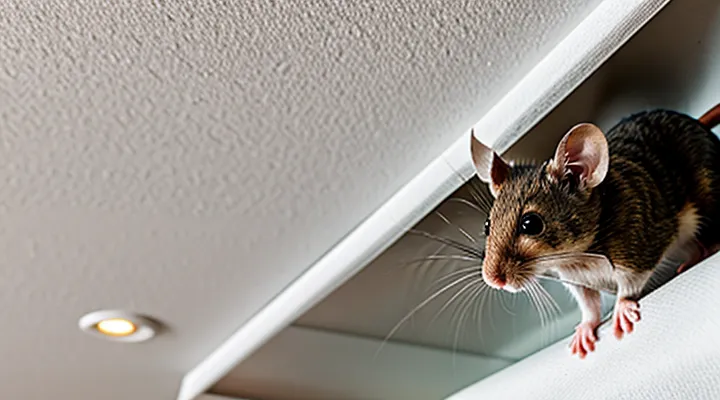
Identifying the Problem
Signs of Mice in Your Stretch Ceiling
Unusual Noises
Unusual sounds emanating from a stretch‑ceiling often indicate rodent presence. The acoustics of the taut fabric amplify subtle movements, allowing early detection before visible damage occurs.
Typical noises include:
- «scratching» along the ceiling surface, caused by claws testing structural integrity;
- «gnawing» on supporting wires or adhesive strips, producing intermittent high‑pitched clicks;
- «scurrying» of bodies moving across the membrane, heard as soft rustles;
- «squeaking» during nocturnal activity, especially when mice communicate or adjust nests.
Detecting the source requires systematic listening. Begin at dusk, when mice are most active, and move slowly beneath the ceiling while maintaining a quiet environment. Note the direction and frequency of each sound; repeated patterns often correspond to specific entry points or nesting zones.
When a noise pattern is identified, implement targeted measures. Seal identified gaps with metal mesh or silicone sealant to prevent re‑entry. Deploy snap traps or live‑capture devices near the origin of the sound, ensuring bait placement aligns with observed activity. Apply ultrasonic deterrents in the immediate vicinity, adjusting frequency to match the recorded noises for maximum effectiveness.
Regular monitoring of acoustic signals, combined with prompt physical interventions, reduces the likelihood of infestation escalation and preserves the integrity of the stretch‑ceiling system.
Droppings and Urine Stains
Droppings and urine stains on a stretch ceiling serve as direct evidence of rodent activity. Their presence indicates that mice have accessed the cavity and are likely to continue breeding if the problem remains unresolved.
Health hazards stem from pathogens carried in feces and urine, including hantavirus, leptospirosis, and bacterial contamination. Dust disturbed during cleaning can aerosolize particles, increasing the risk of inhalation.
Cleaning protocol:
- Wear disposable gloves, N‑95 respirator, and eye protection before contact.
- Seal off the work area with plastic sheeting to contain dust.
- Vacuum loose droppings using a HEPA‑rated filter vacuum; avoid sweeping that creates airborne particles.
- Apply an enzymatic cleaner to urine stains; allow the solution to penetrate for at least 10 minutes.
- Scrub the affected area with a soft brush; rinse with warm water.
- Disinfect the surface with a 1 % bleach solution or an EPA‑approved rodent disinfectant; let it remain wet for the recommended dwell time.
- Dispose of all cleaning materials in sealed bags and remove them from the premises.
Preventive actions focus on eliminating access points and reducing attractants. Seal gaps around lighting fixtures, HVAC ducts, and ceiling suspension hardware with steel wool or silicone caulk. Install metal mesh barriers at ventilation openings. Maintain a clean environment by removing food residues and storing waste in sealed containers. Regular inspections of the ceiling cavity help detect early signs of contamination, allowing prompt remedial measures before an infestation escalates.
Gnaw Marks
Gnaw marks appear as small, crescent‑shaped indentations along the surface of a stretch ceiling. The cuts are typically 2–5 mm wide and may reveal exposed fabric or polymer layers. Their presence indicates active chewing by rodents and serves as a reliable indicator of infestation severity.
Detection relies on visual inspection under adequate lighting. Look for irregular edges, frayed fibers, and discoloration around the marks. Use a flashlight at an oblique angle to highlight shadows that accentuate the damage. In dimly lit areas, a portable UV lamp can reveal urine stains that often accompany gnawing activity.
The existence of gnaw marks confirms that mice have accessed the ceiling cavity. Continued chewing can compromise structural integrity, create entry points for additional pests, and damage wiring or insulation located behind the ceiling. Prompt remediation prevents escalation.
Remediation steps:
- Seal identified entry points with steel wool combined with expanding foam.
- Apply a rodent‑resistant mesh over the affected area before reinstalling the stretch fabric.
- Remove damaged sections of the ceiling using a precision cutter.
- Replace removed portions with new, reinforced stretch material.
- Install bait stations or electronic traps within the cavity, positioning them near the original gnaw marks.
- Conduct a thorough cleaning of the cavity, disinfecting surfaces with a rodent‑safe sanitizer.
Preventive measures include regular inspections, maintaining a clutter‑free ceiling cavity, and ensuring all utility penetrations are sealed with metal flashing. Periodic placement of deterrent devices, such as ultrasonic emitters, reduces the likelihood of future gnawing incidents.
Unpleasant Odors
Unpleasant odors often signal the presence of rodents within a suspended ceiling system. Urine, feces, and decomposing carcasses release volatile compounds that accumulate in the enclosed cavity, creating a persistent, malodorous environment.
Identifying the source requires systematic inspection.
- Locate droppings and stains on the ceiling membrane and supporting structures.
- Use a portable odor detector or a scent‑sensitive panel to pinpoint high‑concentration zones.
- Examine ventilation ducts for signs of contamination, as airflow can spread odors throughout the building.
Once the source is confirmed, immediate remediation prevents health hazards and further odor development.
- Remove all contaminated material, including insulation, wiring sheathing, and ceiling tiles that have absorbed urine or feces.
- Clean remaining surfaces with an enzymatic cleaner designed to break down organic residues; avoid harsh chemicals that may damage the stretch membrane.
- Apply an odor‑neutralizing agent, such as activated charcoal or a bio‑based deodorizer, directly to the cavity before resealing.
Improving air circulation reduces odor persistence. Install exhaust fans or increase the frequency of existing ventilation cycles to expel contaminated air. Regular maintenance inspections, coupled with prompt waste removal, sustain a odor‑free environment and discourage future rodent activity.
Why Mice Choose Stretch Ceilings
Shelter and Warmth
Mice are attracted to the concealed space of a stretch ceiling because it offers protection from predators and a stable micro‑climate. The insulated surface retains heat, creating a warm refuge that supports nesting and breeding activities.
The material’s tensioned fabric forms a tight cavity that limits airflow, reduces temperature fluctuations, and prevents exposure to external disturbances. These conditions satisfy the rodents’ need for shelter and warmth, making the ceiling an ideal hideout.
Effective mitigation focuses on removing the environmental advantages that the ceiling provides:
- Seal gaps and openings around lighting fixtures, ventilation ducts, and wall junctions to block entry points.
- Install insulation barriers that disrupt heat retention within the cavity.
- Apply rodent‑resistant mesh or metal flashing to the underside of the fabric, creating a physical barrier.
- Reduce ambient temperature in the attic or ceiling void by improving ventilation and using dehumidifiers.
- Conduct regular inspections to detect gnaw marks, droppings, or nesting material, and intervene promptly.
Eliminating the combination of shelter and warmth deprives mice of the essential resources required for survival, thereby reducing the likelihood of infestation in the stretch‑ceiling system.
Access to Food Sources
Mice are attracted to any area where food remains accessible, including the space beneath a stretch‑mounted ceiling. Crumbs, pet kibble, uncovered pantry items, and improperly sealed trash bins provide the nutritional incentive that drives infestation. When food sources are present, rodents will explore gaps, ventilation ducts, and light fixtures to reach them, compromising both hygiene and structural integrity.
To eliminate food access, implement the following measures:
- Store all consumables in airtight containers made of metal or heavy‑wall plastic.
- Clean surfaces immediately after meals; use a vacuum or damp cloth to remove residual particles.
- Position waste bins with sealed lids away from the ceiling perimeter; empty them regularly.
- Inspect lighting fixtures, acoustic panels, and ceiling‑suspended equipment for hidden crumbs or spills; wipe them down during routine maintenance.
Additional controls specific to suspended ceilings include sealing gaps around conduit penetrations, installing mesh screens over ventilation openings, and placing bait stations only in isolated zones to prevent accidental consumption of non‑target food. Consistent denial of nutritional resources forces mice to abandon the ceiling environment in search of more viable habitats.
Secluded Environment
A secluded area behind a stretch ceiling offers limited exposure to external food sources and traffic, which naturally discourages rodent activity. By maintaining isolation, the probability of mice locating entry points diminishes.
Key measures for preserving this isolation include:
- Sealing all peripheral joints with high‑temperature silicone; gaps larger than 2 mm provide viable passage.
- Installing metal mesh barriers behind the ceiling membrane; rodents cannot gnaw through reinforced steel.
- Removing debris and stored materials from the cavity; clutter creates shelter and nesting sites.
- Implementing a one‑way airflow system that directs fresh air into the space while exhausting stale air outward, preventing odor accumulation that attracts pests.
Regular inspection through remote cameras ensures early detection of breaches without disturbing the sealed environment. Prompt repair of identified faults sustains the secluded conditions essential for long‑term rodent exclusion.
Practical Solutions for Mouse Removal
Initial Steps and Safety Precautions
Assessing the Infestation Level
Assessing the infestation level is the first step before implementing any control measures for rodents in a tensioned ceiling system. Accurate evaluation determines the scope of treatment, prevents unnecessary interventions, and helps allocate resources efficiently.
Key indicators to examine include:
- Presence of droppings: Concentrated clusters signal active nesting sites.
- Gnaw marks on the membrane or supporting structures: Indicate pathways and feeding zones.
- Audible activity: Scratching or scurrying sounds, especially at night, confirm occupancy.
- Visual sightings: Direct observation of mice or tracks confirms current infestation.
- Damage to insulation or wiring: Highlights areas where rodents may compromise safety.
Collect data over a 24‑hour period to capture both diurnal and nocturnal behavior. Map findings on a floor plan, noting density and distribution. High‑density clusters suggest a severe problem requiring immediate, comprehensive eradication. Moderate signs may allow targeted traps and bait stations. Minimal evidence often warrants monitoring before full‑scale action.
Interpretation of the collected evidence guides the selection of appropriate control techniques, ensuring that subsequent efforts address the actual level of infestation rather than an assumed threat.
Protecting Your Stretch Ceiling
Protecting a stretch ceiling from rodent damage requires proactive barriers, regular inspection, and prompt remediation.
Sealing entry points prevents mice from accessing the cavity behind the membrane. Apply steel‑wool or copper mesh to gaps around ducts, conduit, and lighting fixtures, then cover with caulk or expanding foam. Install metal flashing around perimeter joints to reinforce vulnerable seams.
Maintaining cleanliness reduces attractants. Store food in sealed containers, clean spills immediately, and manage waste in tightly closed bins. Keep the surrounding area free of clutter that could serve as nesting material.
Implementing deterrents adds an extra layer of defense. Place ultrasonic repellers near the ceiling perimeter, ensuring devices operate continuously. Use scented deterrents such as peppermint oil on cotton balls placed in concealed corners; replace every two weeks for sustained effect.
Regular monitoring identifies early signs of infestation. Conduct visual checks weekly for gnaw marks, droppings, or displaced ceiling material. Employ a flashlight to examine the underside of the membrane for tunnels or burrows.
If evidence of activity appears, act without delay. Remove debris, repair damaged sections with appropriate adhesive and fabric patches, and consider professional pest control to eradicate the population.
By combining structural sealing, hygiene practices, deterrent deployment, and vigilant inspection, the integrity of a stretch ceiling remains intact while rodent presence is effectively minimized.
Personal Safety Gear
When tackling rodent removal in a suspended ceiling, appropriate personal protective equipment prevents injury and limits exposure to dust, allergens, and sharp debris.
Essential items include:
- Heavy‑duty gloves: protect hands from bites, sharp edges, and contaminated surfaces.
- Respiratory protection: N95 or higher‑efficiency filter masks guard against inhalation of insulation particles and rodent droppings.
- Safety goggles or face shields: shield eyes from falling debris and spray chemicals.
- Disposable coveralls: create a barrier against skin contact with contaminants; select models with sealed seams and elastic cuffs.
- Slip‑resistant footwear: reduce risk of falls while navigating ladders and uneven surfaces.
Selection criteria focus on durability, fit, and compatibility with the work environment. Inspect each item for tears, compromised seals, or expired filter cartridges before use. Replace damaged components promptly. After completion, remove and discard disposable gear according to local hazardous‑waste regulations; clean reusable equipment with appropriate disinfectants.
Adhering to these precautions maintains operator safety while effectively eliminating rodents from a stretch‑ceiling system.
Non-Lethal Methods
Live Traps
Live traps provide a humane method for removing rodents from a stretched ceiling system. Their design captures mice without lethal injury, allowing relocation or release far from the property.
Effective use requires careful selection. Choose traps with a smooth interior, a secure latch, and a size suitable for common house mice. Models featuring a transparent lid facilitate quick visual checks.
Placement determines success. Position traps along the perimeter of the ceiling where mouse activity is evident—typically near entry points, along joist lines, or adjacent to droppings. Secure traps to the ceiling framework using zip ties or adhesive pads to prevent displacement.
Bait selection influences capture rates. Preferred attractants include small portions of peanut butter, dried fruit, or commercial rodent lure. Apply a modest amount to the trap’s trigger mechanism; excess bait can cause mice to avoid the device.
Monitoring frequency is critical. Inspect traps at least twice daily to remove captured animals, reset the bait, and prevent stress or disease spread. Relocated mice should be released at a distance of at least one mile from the building, in compliance with local wildlife regulations.
Safety considerations include wearing disposable gloves during handling, sanitizing the trap surface after each capture, and maintaining a clean environment to discourage reinfestation. Regularly replace worn trap components to preserve functionality.
By integrating live traps into a comprehensive pest‑management plan—combined with sealing entry gaps, reducing food sources, and maintaining proper ventilation—rodent presence in a stretched ceiling can be effectively eliminated without resort‑based extermination.
Repellents: Natural and Commercial
Mice can infiltrate the cavity behind a stretch‑ceiling, compromising both aesthetics and structural integrity. Effective deterrence relies on substances that repel rodents without damaging the flexible membrane.
• Peppermint oil – strong scent disrupts rodent sensory pathways; apply soaked cotton balls near seams and replace weekly.
• Dried mint or rosemary – volatile oils create an inhospitable environment; scatter in corners of the ceiling cavity.
• Cayenne pepper or chili powder – irritant particles discourage gnawing; dust lightly on accessible surfaces.
• Steel wool – physical barrier that rodents cannot chew through; pack gaps around lighting fixtures and vent openings.
Commercial options provide concentrated formulations and electronic solutions.
• Repellent spray – synthetic compounds mimic predator odors; spray directly onto the ceiling surface and reapply according to label instructions.
• Ultrasonic emitter – emits high‑frequency sound waves beyond human hearing; position devices centrally for uniform coverage.
• Pheromone‑based deterrent – releases rodent‑specific signals that signal territory occupation; install dispensers in the cavity.
• Granular repellent – slow‑release pellets placed in crawl spaces; maintain consistent concentration by topping up as needed.
When deploying repellents, ensure that the chosen product does not react with the PVC or fabric coating of the stretch ceiling. Verify ventilation adequacy to prevent odor buildup in occupied areas. Reassess efficacy after two weeks; adjust placement or switch to an alternative method if activity persists.
Sealing Entry Points
Sealing entry points prevents mice from accessing the stretch‑ceiling cavity and eliminates a primary source of infestation. Identify all potential openings, including gaps around lighting fixtures, ventilation ducts, pipe penetrations, and seams where the ceiling material meets walls or floor. Inspect the perimeter for cracks larger than a quarter of an inch and for any loose joints.
Effective sealing materials include:
- Steel wool combined with expanding polyurethane foam for irregular gaps.
- Silicone caulk for small seams and corners where movement is minimal.
- Metal flashing or sheet metal patches for larger openings around ducts and conduits.
- Acrylic or latex sealants for gaps around light fixtures that may require periodic maintenance.
Application steps:
- Clean each opening to remove debris and dust.
- Insert steel wool into the gap, ensuring it fills the space completely.
- Apply expanding foam over the steel wool, allowing it to cure according to manufacturer instructions.
- Smooth the cured foam with a putty knife, then cover with silicone caulk for a watertight finish.
- For larger openings, cut metal flashing to size, secure it with screws, and seal edges with caulk.
- Re‑inspect after curing to confirm no residual openings remain.
Regular monitoring of sealed areas, especially after seasonal temperature changes, ensures that new gaps do not develop. Maintaining a fully sealed envelope around the stretch ceiling reduces the likelihood of rodent re‑entry and supports long‑term control.
Lethal Methods (When Necessary)
Snap Traps
Snap traps provide a rapid, mechanical solution for mouse control within tension‑mounted ceilings. The device relies on a spring‑loaded bar that releases instantaneously when a rodent triggers a pressure plate, delivering a lethal blow and preventing escape.
The trap’s action occurs in three stages: pressure plate depression, spring release, and bar impact. This sequence ensures immediate mortality, eliminating the need for prolonged exposure to poison or bait.
Effective placement follows precise guidelines:
- Position traps directly beneath visible mouse pathways, such as gaps around lighting fixtures or access points to ductwork.
- Align traps with the ceiling’s joist spacing to avoid interference with structural components.
- Install traps at a height of 4–6 inches from the ceiling surface, allowing mice to encounter the pressure plate while navigating the tensioned panel.
- Use multiple traps per 10 ft² of ceiling area when infestation levels are high.
Safety protocols include:
- Securing traps with a thin, removable cover to protect maintenance personnel during installation.
- Wearing protective gloves to prevent accidental activation.
- Keeping traps out of reach of children and non‑target wildlife.
Disposal procedure:
- After capture, wear gloves and place the entire trap in a sealed plastic bag.
- Dispose of the bag in accordance with local hazardous‑waste regulations.
- Replace the trap promptly to maintain continuous coverage.
Regular inspection, at least weekly, confirms trap functionality and allows timely replacement of spent devices, sustaining effective rodent management in stretch‑mounted ceiling environments.
Electronic Traps
Electronic traps provide a rapid, non‑chemical solution for rodent control in suspended ceiling systems. The devices consist of a metal platform with a built‑in sensor that detects the presence of a mouse and delivers a high‑voltage shock, killing the animal instantly. «Electronic traps deliver a lethal pulse within milliseconds of contact», ensuring immediate results without the need for poison or bait.
Placement is critical for optimal performance. Install traps near known travel routes, such as gaps around lighting fixtures, ventilation ducts, or access panels. Secure the unit to the ceiling frame using the supplied brackets, allowing the sensor to face the open space where mice travel. Avoid mounting directly on the stretch membrane, as the material can interfere with the sensor’s detection field.
Power requirements vary by model. Most units operate on standard 120 V AC, while some offer battery‑powered options for temporary setups. When using mains electricity, connect the trap to a dedicated circuit with a grounded outlet to prevent electrical hazards. Battery‑operated traps should be inspected weekly, replacing cells before voltage drops affect efficacy.
Maintenance involves periodic inspection of the interior chamber. Remove dead rodents using disposable gloves and clean the contact surfaces with a mild detergent to prevent corrosion. Many traps feature a transparent lid, facilitating visual checks without disassembly. Reset the device after each capture to restore the shock circuit.
Advantages include:
- Immediate lethality, reducing the risk of disease transmission.
- No reliance on toxic substances, compatible with food‑handling areas.
- Reusable design, lowering long‑term costs compared to disposable traps.
Limitations to consider:
- Initial purchase price exceeds that of traditional snap traps.
- Effectiveness diminishes if the sensor is obstructed by dust or debris.
- Requires access to an electrical source or regular battery replacement.
Integrating electronic traps into a stretch ceiling environment demands careful coordination with the ceiling’s structural elements. Ensure that mounting hardware does not compromise the membrane’s tension or visual appearance. When installed correctly, electronic traps become a discreet, efficient component of an overall rodent‑management strategy.
Poison Baits: Risks and Precautions
Poison baits are a common component of rodent control programs targeting suspended ceilings. Their effectiveness depends on proper selection, placement, and monitoring.
Risks associated with toxic baits include accidental ingestion by non‑target species, contamination of food preparation areas, and potential health hazards for maintenance personnel. Secondary poisoning may occur when predators consume poisoned rodents. Improper handling can lead to chemical exposure through skin contact or inhalation of dust.
Precautions to mitigate these risks:
- Choose baits approved for indoor use and specifically formulated for enclosed spaces.
- Seal bait stations with tamper‑resistant locks, ensuring only rodents can access the interior.
- Position stations away from edges of the ceiling, ventilation ducts, and any openings that lead to occupied rooms.
- Label each station with clear warnings, using only French quotation marks for emphasis, e.g., «Danger: Toxic bait».
- Conduct regular inspections, replacing depleted units and disposing of dead rodents according to local hazardous waste regulations.
- Provide personal protective equipment—gloves, goggles, and respirators—to anyone handling bait or cleaning stations.
- Maintain records of bait type, placement dates, and inspection outcomes for accountability and future reference.
Adhering to these guidelines reduces unintended exposure while maintaining the effectiveness of chemical control within a stretch‑ceiling environment.
Preventing Future Infestations
Sealing All Entry Points
Inspecting Your Home's Exterior
Inspecting the exterior of a residence is a critical step in preventing rodent intrusion into a tension‑mounted ceiling. Identifying and sealing entry points eliminates the primary pathway mice use to access interior spaces, thereby protecting the integrity of the stretched surface.
Key inspection areas include:
- Gaps around foundation walls, especially where brick or concrete meets soil; seal with cement‑based mortar or steel wool backed by caulk.
- Openings around utility penetrations, such as water, gas, and electrical lines; install metal flashing or expanding foam designed for pest exclusion.
- Cracks in siding, soffits, and eaves; repair with appropriate filler and ensure weather‑tight coverage.
- Untrimmed vegetation contacting the building envelope; trim shrubs, vines, and tree branches to maintain a minimum 10‑foot clearance.
- Accumulated debris, firewood piles, and compost bins placed near the structure; relocate to a distance of at least 20 feet and store in sealed containers.
- Improper drainage leading to standing water at the foundation; grade soil away from the building and install or clean gutters and downspouts.
After sealing identified openings, conduct a final visual sweep to confirm that no new gaps have emerged during repairs. Maintaining a regular exterior audit—at least twice annually—ensures that the tension‑mounted ceiling remains free from mouse activity.
Addressing Gaps and Cracks
Addressing gaps and cracks is essential for preventing rodents from entering a tensioned ceiling system. Small openings around lighting fixtures, HVAC ducts, and ceiling seams provide direct pathways for mice. Identifying these vulnerabilities requires a visual inspection under adequate lighting, followed by tactile verification of any loose or damaged sections.
Effective sealing techniques include:
- Inserting steel wool into narrow cracks, then covering with a moisture‑resistant sealant to block re‑entry.
- Applying high‑quality silicone or acrylic caulk to joints around fixtures, ensuring a continuous, flexible barrier.
- Using expanding polyurethane foam for larger voids; once cured, trim excess and coat with a protective layer to maintain structural integrity.
- Installing metal flashing or rigid trim around perforations that cannot be sealed with flexible materials, providing a durable obstruction.
After sealing, conduct a follow‑up inspection to confirm that all treated areas remain intact. Periodic maintenance, such as re‑applying sealant after seasonal temperature fluctuations, sustains the barrier’s effectiveness and reduces the likelihood of future infestations.
Reinforcing Vents and Pipes
Reinforcing vents and pipes is essential for preventing rodent intrusion in a stretched ceiling system. Weak points around ductwork and plumbing create easy access for mice, which can compromise the integrity of the ceiling and spread contamination.
Secure all vent covers with heavy‑duty metal frames. Install screws that penetrate the underlying structure at least 1 inch deep. Use stainless‑steel mesh of ¼‑inch opening to block small gnawing attempts while allowing airflow. Seal the perimeter of each vent with high‑temperature silicone caulk to eliminate gaps.
For pipework, follow these steps:
- Wrap each pipe with metal conduit or rigid PVC sleeves that extend at least 2 inches beyond the point where the pipe exits the ceiling.
- Apply a continuous bead of rodent‑resistant sealant around the sleeve and the pipe wall.
- Attach steel clamps at 6‑inch intervals to prevent movement and discourage chewing.
Inspect all connections regularly. Replace any corroded or damaged mesh, caulk, or sleeves promptly. Maintaining a sealed, reinforced network of vents and pipes eliminates the primary pathways mice use to infiltrate a stretched ceiling environment.
Maintaining a Clean Environment
Proper Food Storage
Effective food management is a critical factor in preventing rodent activity beneath a suspended ceiling. Food particles that fall from kitchen areas settle on the ceiling surface, providing an attractive food source for mice. By securing all consumables, the likelihood of attraction diminishes dramatically.
Key practices for secure storage include:
- Seal all containers with tight‑fitting lids; metal or heavy‑plastic options are preferable to flimsy alternatives.
- Store bulk items in airtight bins placed on low shelves, away from the ceiling plane.
- Keep pantry doors closed at all times; install self‑closing mechanisms if necessary.
- Dispose of waste promptly in sealed bins; empty them regularly to avoid overflow.
Additional measures reinforce the primary strategy:
- Clean spills immediately; use a damp cloth to remove crumbs that could drift upward.
- Position traps or monitoring devices near potential entry points in the ceiling framework, allowing early detection of activity.
- Inspect the ceiling for gaps or openings; seal with appropriate caulking or metal mesh to block ingress.
Consistent application of these storage protocols eliminates food incentives, thereby reducing mouse presence in a stretch‑ceiling environment.
Regular Cleaning and Decluttering
Regular cleaning and decluttering create conditions that discourage rodent activity in suspended ceilings. Removing food particles, grease, and debris eliminates primary attractants, while a tidy space reduces available nesting sites.
Accumulated dust and discarded packaging provide concealment and moisture, both essential for mouse survival. Consistent removal of these elements forces rodents to seek alternative habitats, often outside the building envelope.
- Vacuum ceiling surface and surrounding walls weekly to capture fallen crumbs and droppings.
- Wipe down stretch‑ceiling panels with a mild detergent solution after each cleaning cycle.
- Store construction materials, insulation, and storage items in sealed containers away from the ceiling area.
- Dispose of waste promptly; use bins with tight‑fitting lids and empty them daily.
A maintenance schedule that integrates daily waste management, weekly surface cleaning, and monthly deep decluttering maintains an environment hostile to mice. «Clean environments deter rodent activity», reinforcing the direct link between hygiene practices and successful rodent control.
Managing Outdoor Attractants
Managing outdoor attractants reduces the likelihood that rodents will seek entry into a suspended ceiling system. Eliminate accessible food sources by storing waste in sealed containers, promptly cleaning pet feeding areas, and removing fallen fruit or nuts from landscaping. Secure compost piles with tight‑fitting lids and position them away from the building perimeter.
Maintain a clear perimeter to discourage nesting. Trim low‑lying vegetation, remove debris piles, and keep firewood stacked off the ground. Install motion‑activated lighting to deter nocturnal activity near potential entry points.
Key actions for effective attractant control:
- Store garbage in metal bins with tight seals; empty bins regularly.
- Clean outdoor dining areas after each use; rinse surfaces to remove crumbs.
- Cover compost with a solid lid; monitor moisture to prevent odor buildup.
- Keep pet food indoors or in containers that close securely.
- Remove bird feeders or position them at least 10 feet from the building.
- Inspect and seal gaps around utility lines, vents, and roof edges.
Consistent application of these measures lowers rodent pressure on the ceiling envelope, supporting long‑term exclusion efforts.
Professional Pest Control
When to Call an Expert
Mice that have entered a tensioned ceiling create hidden damage, disrupt acoustic performance, and pose health risks. Early detection reduces repair costs, but certain situations demand professional intervention.
- Infestation spreads beyond visible entry points, indicating structural compromise.
- Damage to the ceiling material or supporting framework is observed, such as tearing, sagging, or discoloration.
- Standard traps and bait stations fail to reduce activity after several days.
- Presence of droppings or urine in inaccessible areas creates sanitation concerns.
- Local regulations require licensed pest control for specific rodent species or building types.
Professional services provide specialized equipment for inspection behind the membrane, safe removal of rodents, and restoration of the ceiling’s integrity. Contact an expert when any of the above conditions arise to prevent extensive repairs and ensure compliance with health standards.
Long-Term Prevention Strategies
Effective control of rodent activity in suspended ceiling installations requires a focus on durable preventive measures.
- Seal all openings larger than ¼ inch with steel wool, silicone caulk, or metal flashing; rodents exploit even minor gaps to access the cavity.
- Install a continuous perimeter barrier at the junction of the ceiling membrane and adjacent walls, employing metal mesh or heavy‑duty lath to block entry points.
- Maintain a dry environment by repairing leaks in plumbing, HVAC ducts, and roof penetrations; moisture attracts gnawing activity and supports food sources.
- Eliminate food and water sources within the building envelope: store waste in sealed containers, clean crumbs promptly, and fix dripping fixtures.
- Conduct quarterly inspections of the ceiling envelope, focusing on joint seams, lighting fixtures, and ventilation grilles; document any signs of gnaw marks or droppings.
- Apply rodent‑resistant materials during renovation, such as reinforced fiberglass membranes and stainless‑steel fasteners, to reduce susceptibility to chewing.
Consistent implementation of these practices creates a hostile environment for mice, reducing the likelihood of re‑infestation and extending the functional lifespan of the stretch‑ceiling system.