
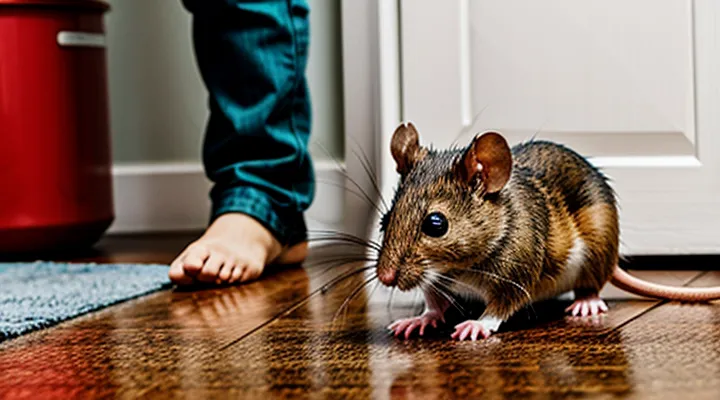
Understanding the Mice Problem
Signs of a Mouse Infestation
Droppings and Urine Odor
Mice droppings and urine odor are immediate signs of infestation and sources of health risk. Fresh droppings appear as small, dark pellets about a centimeter long; older deposits turn gray and may crumble. Urine leaves a faint, ammonia‑like smell that intensifies in confined spaces such as closets, cabinets, and wall voids.
These residues carry pathogens, including Hantavirus, Salmonella, and leptospirosis. Inhalation of dried particles or direct contact can cause respiratory irritation, fever, and gastrointestinal distress. Prompt removal eliminates exposure and reduces attraction for additional rodents.
Cleaning procedure
- Wear disposable gloves, N‑95 mask, and eye protection.
- Ventilate the area by opening windows and using fans.
- Sweep or vacuum loose droppings with a HEPA‑rated vacuum; discard the filter or bag immediately.
- Apply a solution of 1 part bleach to 10 parts water to all contaminated surfaces; let stand for 10 minutes.
- Scrub with a stiff brush, rinse with clean water, and dry thoroughly.
- Seal discarded materials in a plastic bag before disposal.
Odor mitigation
- After cleaning, place activated charcoal or baking soda in affected rooms to absorb lingering smells.
- Use enzymatic cleaners on porous materials (carpet, upholstery) to break down urine residues.
- Repair leaks, improve ventilation, and store food in sealed containers to deter future deposits.
Addressing droppings and urine odor removes health hazards, eliminates the sensory cues that draw mice, and creates a baseline for effective rodent control in a private residence.
Gnaw Marks
Gnaw marks are unmistakable signs that rodents have accessed a residence. They appear as clean, crescent‑shaped cuts on wood, plastic, wiring insulation, or food packaging, typically 2–6 mm wide and 5–15 mm deep.
Common locations include baseboards, cabinet doors, pantry shelves, and behind appliances. Fresh gnawing leaves bright, sharp edges, while older damage darkens and splinters. The pattern of marks often reveals the direction of movement, helping to locate entry points.
Identifying gnaw marks allows targeted intervention. Each confirmed bite indicates a potential pathway for further infestation, and damaged wiring poses a fire hazard. Prompt assessment prevents escalation and reduces repair costs.
Inspection and documentation
- Walk each room, focusing on low‑lying structures and concealed areas.
- Use a flashlight to highlight cut edges.
- Record the type of material, size of the bite, and orientation.
- Photograph each mark for reference during treatment and after repairs.
Control actions
- Seal all identified openings with steel wool, copper mesh, or cement; rodents cannot gnaw through metal.
- Replace severely damaged components, especially electrical insulation, to eliminate safety risks.
- Apply rodent‑resistant materials (e.g., hard‑plastic trims) in vulnerable zones.
- Install traps or bait stations near the observed gnawing direction, monitoring activity daily.
- Maintain a clean environment: store food in sealed containers, eliminate crumbs, and keep garbage tightly covered.
Regularly revisiting the inspected sites confirms the effectiveness of these measures and ensures that new gnaw marks do not appear.
Scratching Noises
Scratching noises heard in walls, ceilings, or floorboards are a primary sign of rodent activity. The sound typically originates from mice moving along insulation, nesting material, or structural cavities while searching for food and shelter.
To verify the source:
- Pause in a quiet room and listen for the rhythm; mice produce rapid, intermittent scratches lasting a few seconds.
- Use a flashlight to inspect visible gaps, vents, and under appliances for fresh droppings or gnaw marks.
- Place a motion‑activated camera near suspected entry points to capture activity after dark.
Once confirmed, take these actions:
- Seal all openings larger than ¼ inch with steel wool, caulk, or metal mesh. Pay special attention to utility penetrations, pipe sleeves, and attic vents.
- Remove food sources: store pantry items in airtight containers, clean crumbs from countertops, and secure garbage cans with tight lids.
- Deploy snap traps or electronic traps along walls where the scratching is strongest. Position bait (peanut butter, chocolate, or dried fruit) at the rear of the trap to encourage entry.
- Apply a rodent‑resistant sealant to gaps around baseboards and door frames to prevent re‑entry after trapping.
- Inspect and replace any damaged insulation or wiring that mice may have compromised, reducing the risk of fire hazards.
Monitoring after implementation is essential. Continue listening for any residual sounds for 48–72 hours; the absence of scratching indicates successful removal. If noises persist, repeat inspection and consider professional pest‑control services for advanced exclusion techniques.
Nests and Tracks
Mice establish nests in concealed areas where food and warmth are available. Typical locations include wall voids, attic insulation, under floorboards, and behind appliances. Look for shredded paper, cotton, or dried plant material forming a compact, irregular pile. Nests often contain droppings and urine stains, indicating recent activity.
Tracks reveal the routes mice use to travel between food sources and shelter. Fresh droppings appear as dark, rice‑shaped pellets, usually found along walls, behind cabinets, and near entry points. Smear marks—silky, dark lines left by the animal’s tail—appear on smooth surfaces such as countertops and baseboards. Grease or oil residues, especially near cabinets, signal repeated passage.
To address nests and tracks effectively:
- Conduct a thorough inspection of all concealed spaces; use a flashlight and a mirror to view hidden corners.
- Remove identified nests by vacuuming or discarding material in sealed bags; clean the area with a disinfectant solution to eliminate scent trails.
- Seal entry holes larger than ¼ inch with steel wool, caulk, or metal mesh to prevent re‑entry.
- Install snap traps or electronic traps along established travel routes, positioning them perpendicular to walls where tracks are evident.
- Deploy rodent‑proof containers for food storage and maintain a clean environment to reduce attractants.
Eliminating nests and disrupting tracks cuts off shelter and movement pathways, forcing mice to seek alternative habitats and increasing the likelihood of capture. Continual monitoring and prompt removal of new nests sustain long‑term control within the residence.
Why Mice are a Problem in Private Homes
Health Risks
Mice living inside a residence pose direct threats to human health. Their droppings, urine, and saliva contaminate surfaces and food, creating pathways for pathogens.
- Hantavirus pulmonary syndrome – transmitted through inhalation of dust containing dried mouse excreta; can cause severe respiratory failure.
- Salmonella and other bacterial infections – arise from consumption of food tainted by mouse feces; symptoms include fever, abdominal cramps, and diarrhea.
- Leptospirosis – spread by contact with urine-soaked materials; may lead to kidney damage, liver failure, or meningitis.
- Allergic reactions – proteins in mouse dander and urine trigger asthma attacks and skin irritation in sensitive individuals.
Mice also compromise sanitation by gnawing packaging, breaching sealed containers, and contaminating stored provisions. This activity increases the likelihood of cross‑contamination and accelerates food spoilage. Additionally, gnawing on electrical wiring can cause short circuits, creating fire hazards that indirectly affect health through smoke inhalation and injury.
Reducing these risks requires eliminating rodent presence, sealing entry points, maintaining clean food storage, and employing traps or professional extermination services. Prompt action limits exposure to disease agents and protects occupants from the cascade of health complications linked to infestation.
Property Damage
Mice infestation threatens the structural integrity and functionality of a residence. Their gnawing habit compromises building components, leading to costly repairs.
- Electrical wiring: rodents chew insulation, exposing live conductors and creating fire hazards.
- Plumbing: bite through plastic and rubber seals, causing leaks and water damage.
- Insulation: destroy fiberglass or foam, reducing thermal efficiency and increasing energy consumption.
- Furniture and upholstery: create holes and stains, diminishing aesthetic value and resale potential.
- Food storage: contaminate pantry items with urine and feces, resulting in waste and health risks.
Damage often spreads quickly; a single mouse can affect multiple systems within days. Early detection and prompt eradication prevent escalation and preserve property value.
Rapid Reproduction
Mice reproduce quickly, turning a few individuals into a sizable colony within weeks. A single pair can produce up to ten litters per year; each litter averages six to eight pups. Gestation lasts 19–21 days, and newborns reach sexual maturity at 5–6 weeks, allowing overlapping generations and exponential growth.
Rapid population expansion overwhelms basic sanitation, making early detection critical. If breeding is not interrupted, even diligent trapping or poisoning may fail because new entrants replace removed individuals. Control strategies must therefore target the reproductive cycle directly.
Effective measures:
- Eliminate food sources: store grain, cereal, and pet food in airtight containers; clean spills immediately.
- Seal entry points: install steel wool or metal flashing in gaps larger than ¼ inch around foundation, doors, windows, and utility penetrations.
- Reduce nesting sites: clear clutter, store firewood away from the house, and trim vegetation that contacts the structure.
- Apply reproductive inhibitors: use anticoagulant baits placed in tamper‑resistant stations; replace them every 30 days to maintain lethal dosage for new arrivals.
- Monitor with snap traps or live‑catch devices placed along walls and near suspected runways; check daily and dispose of captures promptly.
By denying nourishment, denying shelter, and disrupting breeding, the exponential increase of the rodent population can be halted, preventing a minor intrusion from becoming a full‑scale infestation.
Prevention Strategies
Sealing Entry Points
Inspecting the Exterior
Inspect the outside of the house to locate potential mouse entry points and eliminate conditions that attract rodents. Begin at ground level and move upward, examining every structural element that could provide access.
- Check foundation cracks, gaps around pipe penetrations, and seams where siding meets the foundation. Seal openings with steel wool, caulk, or cement‑based filler.
- Inspect door thresholds and weatherstripping; replace damaged strips and ensure doors close tightly.
- Examine windows, especially those with screens. Repair torn screens and apply silicone sealant around frames.
- Review the roof eaves, soffits, and attic vents. Install mesh screens on vents and close any openings larger than ¼ inch.
- Look for gaps around utility lines, cables, and chimney flues. Use metal flashing or expanding foam to close spaces.
- Clear vegetation that contacts the building. Trim shrubs, vines, and tree branches at least two feet from the walls.
- Remove debris piles, firewood stacks, and compost bins from the immediate perimeter. Store materials on raised platforms or inside sealed containers.
- Verify that exterior lighting does not create a food source; replace bait‑attracting fixtures with motion‑activated LEDs.
After sealing identified openings, conduct a visual sweep to confirm that no new gaps remain. Re‑inspect the exterior quarterly, especially after severe weather, to maintain a barrier against future infestations.
Focusing on Common Entry Points
Mice exploit any opening larger than a quarter‑inch. Begin with a systematic inspection of the building envelope. Identify and eliminate each breach before implementing traps or baits, because rodents can re‑enter through even the smallest gap.
- Gaps under exterior doors: Install door sweeps, adjust thresholds, and seal remaining voids with silicone or expanding foam.
- Unsealed windows and screens: Repair cracked frames, replace damaged screens, and apply weatherstripping around moving parts.
- Utility penetrations: Wrap pipe entries, conduit, and wiring holes with steel wool, then cover with copper mesh or caulk to prevent gnawing.
- Foundation cracks: Fill with hydraulic cement, which expands as it cures, creating a durable barrier.
- Vents and exhaust fans: Fit fine mesh screens that resist chewing; verify that the mesh is securely fastened.
- Chimney flues and attic hatches: Install tight‑fitting lids or metal covers; inspect for gaps around flashing and seal with high‑temperature silicone.
- Crawl space openings: Close foundation vents with rigid metal grates; seal gaps around foundation walls with concrete sealant.
After sealing, conduct a follow‑up inspection to confirm that no new openings have appeared. Maintaining a sealed envelope reduces the likelihood of future infestations and enhances the effectiveness of any control measures deployed inside the residence.
Using Appropriate Materials
Effective mouse control relies on selecting materials that directly impede entry, damage, or survival.
Sealant compounds such as silicone caulk and expanding polyurethane foam close gaps around pipes, vents, and foundation cracks. Apply the sealant after cleaning debris; allow the product to cure fully before exposing the area to moisture.
Rigid barriers, including steel wool, copper mesh, and sheet metal flashing, block small openings that rodents can squeeze through. Pack steel wool tightly into holes, then cover with caulk to prevent dislodgement. Copper mesh works well on vent covers and under door sweeps.
Traps constructed from wood or plastic provide reliable capture mechanisms. Snap traps should feature a sturdy spring and a smooth killing platform to ensure quick dispatch. Live‑catch traps must incorporate ventilation holes and a secure latch to prevent escape.
Bait stations made of cement or heavy‑duty plastic protect poison from weather and non‑target animals. Fill each compartment with a measured dose of rodenticide, seal the lid, and place the station along established travel routes.
Chemical deterrents, such as peppermint oil‑infused pads or commercially available rodent repellents, create an unpleasant scent environment. Position pads in concealed locations; replace them every two weeks to maintain potency.
Maintain a clean interior by storing food in airtight containers made of glass or thick plastic. Use metal shelving for pantry items; it resists gnawing and eliminates hiding places.
Regularly inspect and replace worn materials. Replace cracked caulk, damaged mesh, or rusted metal components promptly to sustain a hostile environment for mice.
Eliminating Food and Water Sources
Proper Food Storage
Proper food storage is a critical factor in preventing rodent infestation in a private residence. Mice are attracted to accessible, unsecured food sources; eliminating those opportunities reduces the likelihood of their presence.
Secure containers made of metal or thick plastic with airtight seals should be used for all dry goods, such as grains, cereals, and pet food. Store these containers on shelves rather than directly on the floor, and keep them away from walls where rodents can gnaw.
Refrigeration and freezing are effective for perishable items. Keep leftovers in sealed containers and discard them promptly if not consumed within a safe timeframe. Clean spills and crumbs immediately to avoid creating scent trails that draw rodents.
Maintain a clean pantry by following these steps:
- Remove all food items from cabinets and inspect for damage.
- Wipe interior surfaces with a mild detergent solution.
- Place items back only after confirming they are in sealed containers.
- Arrange products so that the heaviest items are at the bottom, preventing easy access.
Regularly inspect storage areas for signs of gnawing or droppings. Replace any compromised packaging without delay. Consistent adherence to these practices deprives mice of food, making the home an unfavorable environment for their survival.
Cleaning Practices
Effective mouse control in a residence begins with rigorous cleaning. Food remnants, crumbs, and open containers provide the primary attraction for rodents; eliminating these sources removes the incentive to enter living spaces.
- Store all dry goods in airtight containers made of glass, metal, or heavy‑duty plastic.
- Sweep and vacuum floors daily, paying special attention to kitchen edges, under appliances, and pantry shelves.
- Wipe countertops, tables, and cabinets with a detergent solution after each meal preparation.
- Dispose of garbage in sealed bins and remove waste from the house at least once daily.
Clutter creates concealed pathways and nesting sites. Remove piles of newspapers, cardboard boxes, and unused fabric. Keep storage areas organized, and seal gaps behind furniture and appliances with steel wool or caulking.
Sanitizing surfaces reduces scent trails that guide mice to food. Use a disinfectant containing quaternary ammonium compounds or a diluted bleach solution (1 part bleach to 10 parts water). Apply the solution to countertops, shelves, and floor edges, allowing the surface to remain wet for the recommended contact time.
Maintain a consistent cleaning schedule. Conduct a thorough inspection each week, noting any fresh droppings, gnaw marks, or signs of infestation. Promptly address any breach in sanitation to prevent re‑colonization.
Addressing Leaks
Leaks create moisture that attracts rodents and provide pathways for entry. Sealing water sources eliminates a key incentive for mice to inhabit a residence.
Identify sources of condensation, dripping pipes, roof penetrations, and faulty fixtures. Inspect under sinks, behind appliances, and in basements for signs of water accumulation. Use a flashlight to reveal hidden drips and a moisture meter to confirm damp areas.
Repair steps:
- Replace cracked pipe sections with appropriate fittings.
- Apply pipe‑thread sealant to joints showing leakage.
- Install weather‑stripping around exterior doors and windows to prevent rain intrusion.
- Seal gaps around utility penetrations with expanding foam or silicone caulk.
- Redirect downspout runoff away from the foundation using splash blocks or drainage pipes.
After repairs, dry affected zones thoroughly. Use dehumidifiers or ventilation fans to reduce residual humidity. Verify that no standing water remains by re‑checking previously wet spots after 24‑48 hours.
Maintaining a dry environment removes a primary attractant, thereby reducing the likelihood of mouse infestation in a private dwelling.
Maintaining a Clean Environment
Decluttering
Decluttering removes the shelters and food sources that attract rodents to a dwelling. Every item stored under the floor, behind appliances, or in unused closets creates potential nesting sites. By eliminating these spaces, you reduce the likelihood that mice will establish a colony.
Identify and discard objects that are no longer needed. Items such as old newspapers, cardboard boxes, and piles of fabric should be removed or stored in sealed containers. Keep only essential belongings and place them on raised shelves or in cabinets with tight-fitting doors.
Maintain clear passages throughout the house. Ensure that pathways from the exterior to the interior are free of debris, vegetation, or discarded materials that could serve as bridges for rodents. Regularly sweep basements, attics, and crawl spaces to prevent accumulation of dust and waste.
Implement a systematic routine:
- Sort belongings into three categories: keep, donate, discard.
- Place discarded items in sealed bags before disposal.
- Store kept items in sealed, stackable containers with lids that lock.
- Inspect storage areas weekly for signs of gnaw marks or droppings.
By adhering to these practices, you limit the resources mice need to survive, forcing them to seek habitats elsewhere. The result is a less inviting environment for infestation, supporting long‑term rodent control.
Regular Waste Disposal
Effective mouse management begins with disciplined waste handling. Food remnants left in trash attract rodents, providing a reliable source of nutrition. By removing these incentives, you reduce the likelihood that mice will enter or remain in the residence.
- Store waste in containers with tight‑fitting lids; ensure lids cannot be opened by small animals.
- Transfer trash to an external collection point at least once daily; avoid accumulation inside the house.
- Clean the interior of bins regularly with a mild detergent to eliminate residual odors.
- Keep compost bins isolated from the building, and use metal or heavy‑duty plastic containers that mice cannot gnaw through.
- Position waste containers away from entry points such as doors, windows, and utility openings.
Consistent waste disposal disrupts the food chain that sustains mouse populations, making the home environment less attractive and supporting broader pest‑control measures.
Extermination Methods
Trapping
Snap Traps
Snap traps are a proven mechanical solution for eliminating house mice. They function by delivering a rapid, lethal strike when the mouse applies pressure to the trigger, ensuring immediate incapacitation and preventing prolonged suffering.
Effective deployment requires strategic placement. Position traps along walls, behind appliances, and near known runways. Mice prefer concealed pathways; placing traps perpendicular to the wall, with the trigger end facing the wall, maximizes contact.
Bait selection influences capture rates. Peanut butter, small pieces of cheese, or bits of dried fruit provide strong olfactory cues. Apply a pea‑sized amount directly to the trigger plate to avoid spillage that might deter the rodent.
Safety considerations are essential for households with children or pets. Use traps with a protective shield or secure the mechanism within a disposable cover. Keep traps out of reach and inspect them daily to remove captured mice promptly.
Disposal procedure: wear disposable gloves, place the deceased mouse into a sealed plastic bag, and discard according to local waste regulations. Clean the trap surface with alcohol to remove scent residue before resetting or recycling.
Advantages of snap traps include:
- Immediate kill, reducing risk of disease transmission.
- Low cost and reusable design.
- No reliance on electricity or chemicals.
Limitations to acknowledge:
- Requires regular monitoring.
- May be less effective in severe infestations without complementary measures such as sealing entry points.
Integrating snap traps with thorough exclusion tactics—repairing gaps, storing food in airtight containers, and maintaining cleanliness—creates a comprehensive approach to mouse control in private residences.
Live Traps
Live traps provide a humane method for removing rodents from a residence. The device consists of a cage with a trigger mechanism that closes the door when a mouse enters, allowing the animal to be captured alive and later released away from the home.
Key considerations when selecting and using live traps:
- Size and construction – Choose a trap large enough for adult mice (minimum 4 × 6 × 6 inches) and made of sturdy, chew‑resistant material.
- Trigger sensitivity – Opt for a spring‑loaded or pressure‑plate trigger that activates with minimal weight to prevent missed captures.
- Bait choice – Use high‑fat foods such as peanut butter, seeds, or small pieces of cheese. Place the bait at the far end of the cage to ensure the mouse must fully enter.
- Placement – Position traps along walls, behind appliances, and in dark corners where mouse activity signs (droppings, gnaw marks) are evident. Set traps perpendicular to the wall, with the entry side facing it.
- Safety and hygiene – Wear disposable gloves when handling traps. Clean the interior after each capture with a mild disinfectant to eliminate scent trails that could deter further visits.
- Release protocol – Transport captured mice at least 2 miles from the property or to a designated wildlife sanctuary. Release them in a natural area with cover and access to food and water.
Routine monitoring is essential. Check traps at least twice daily; a mouse left unattended may become stressed or injured, compromising the humane objective. If a trap repeatedly fails to capture, reassess bait freshness, trigger function, and placement.
Integrating live traps with complementary measures—such as sealing entry points, removing food sources, and maintaining a clean environment—maximizes the likelihood of a rodent‑free home.
Placement Strategies
Effective placement of control devices determines the success of rodent elimination in a residential dwelling. Identify high‑traffic zones by inspecting for gnaw marks, droppings, and nesting material. Focus on areas where mice travel between food sources and shelter.
- Position snap traps perpendicular to walls, with the trigger end facing the wall. Place them 1–2 inches from the baseboard, where rodents habitually run.
- Deploy bait stations near concealed entry points, such as gaps around pipes, vents, and utility openings. Keep stations at least 12 inches apart to prevent competition.
- Install ultrasonic repellents in interior rooms, mounting units at ceiling height and pointing toward wall junctions. Avoid placement near large metal objects that may block sound transmission.
- Seal identified entryways after trapping, using steel wool combined with caulk or hardware cloth. Apply sealing material before setting new devices to prevent re‑infestation.
Maintain a rotation schedule: replace traps every 48 hours, refresh bait every 7 days, and inspect repellents for battery depletion weekly. Consistent, strategic positioning eliminates access routes, reduces population density, and accelerates eradication.
Baits and Rodenticides
Understanding Risks
Mice infestations pose health and structural hazards that must be recognized before implementing control measures. Rodent droppings and urine contain pathogens such as hantavirus, salmonella, and leptospira, which can contaminate food surfaces and trigger respiratory or gastrointestinal illnesses. Direct contact with contaminated material or inhalation of aerosolized particles during cleaning amplifies infection risk.
Chewing behavior endangers building integrity. Mice gnaw electrical wiring, increasing fire probability, and damage insulation, plumbing, and structural timber, leading to costly repairs. Their nests, composed of shredded fabric and insulation, create fire‑hazardous debris that can obstruct ventilation and reduce energy efficiency.
Chemical interventions introduce additional considerations. Rodenticides may cause secondary poisoning of pets, children, and non‑target wildlife if ingested unintentionally. Improper application can result in residual toxicity on surfaces, requiring thorough decontamination before reoccupancy. Resistance development is documented in populations repeatedly exposed to the same active ingredient, diminishing long‑term efficacy.
Effective risk management includes:
- Identifying entry points and sealing gaps to prevent re‑infestation.
- Using traps placed away from food preparation areas and reachable by non‑target species.
- Selecting low‑toxicity baits, following label instructions, and securing them in tamper‑proof stations.
- Wearing gloves, masks, and disposable clothing when handling droppings, nests, or dead rodents.
- Disinfecting contaminated surfaces with EPA‑approved agents after removal.
Understanding these hazards informs the selection of safe, sustainable control strategies and minimizes unintended consequences for occupants and the environment.
Safe Application
Effective rodent control in a private residence requires methods that protect occupants, pets, and the indoor environment. Safety begins with thorough assessment, selection of low‑toxicity products, and precise application techniques.
- Identify entry points, seal gaps, and remove food sources before applying any treatment.
- Choose baits or traps that meet regulatory standards for reduced toxicity, such as enzyme‑based baits or mechanical snap traps with protective shields.
- Wear disposable gloves, protective eyewear, and a mask when handling chemicals; dispose of contaminated gloves immediately.
- Apply baits in tamper‑resistant stations placed behind appliances, under cabinets, and along walls, keeping them out of reach of children and non‑target animals.
- Limit the amount of bait to the minimum effective dose; excess material increases risk of accidental ingestion.
- Monitor stations daily, replace depleted bait, and record activity to adjust placement as needed.
- After successful elimination, remove all bait stations, clean surfaces with mild detergent, and ventilate rooms for at least two hours before re‑occupancy.
Follow local regulations regarding pesticide use, maintain documentation of product labels, and consult a certified pest‑management professional if infestation persists. This approach minimizes health hazards while achieving reliable rodent suppression.
Monitoring and Removal
Effective mouse control begins with reliable monitoring. Detecting activity early limits damage and reduces the number of interventions required.
Detection methods
- Visual inspection of droppings, gnaw marks, and nesting material in kitchens, basements, and attics.
- Motion‑activated cameras placed along walls and near suspected entry points.
- Infrared or ultrasonic sensors that register temperature changes caused by rodent movement.
- Non‑toxic tracking powders applied along travel routes to reveal footprints.
Removal techniques
- Snap traps positioned perpendicular to walls, baited with peanut butter or dried fruit.
- Multi‑catch live traps placed in concealed locations; release captured mice at least 500 m from the residence.
- Bait stations containing anticoagulant or zinc phosphide pellets, secured to prevent accidental exposure to children or pets.
- Electronic kill devices delivering a rapid high‑voltage pulse; install where non‑target species are unlikely to encounter them.
Implementation sequence
- Conduct a comprehensive survey using the detection methods listed above.
- Map all active pathways and entry points.
- Deploy the chosen traps or bait stations along mapped routes, spacing devices 1–2 m apart.
- Check devices at 12‑hour intervals; record captures and replace baits as needed.
- After two weeks of consistent results, remove all traps and conduct a final inspection to confirm eradication.
Post‑removal actions
- Seal gaps larger than ¼ inches with steel wool, caulk, or hardware cloth.
- Install door sweeps and repair damaged screens.
- Maintain a clean environment: store food in airtight containers, eliminate standing water, and clear clutter that offers shelter.
- Schedule quarterly monitoring using motion cameras or tracking powders to verify that re‑infestation has not occurred.
Adhering to this structured approach ensures prompt detection, decisive elimination, and lasting protection against mouse incursions in a private residence.
Natural Deterrents
Peppermint Oil
Peppermint oil is a natural repellent that deters rodents by overwhelming their olfactory receptors. The strong menthol scent is unpleasant to mice, causing them to avoid treated areas.
To apply peppermint oil effectively in a residence:
- Dilute 10–15 drops of oil in 250 ml of water.
- Transfer the mixture to a spray bottle.
- Spray along baseboards, entry points, and behind appliances.
- Reapply every 3–4 days, especially after cleaning or ventilation.
- Place cotton balls soaked in undiluted oil in concealed spaces such as wall voids, cupboards, and attic corners; replace weekly.
Safety considerations: avoid contact with eyes and skin; use gloves when handling undiluted oil. Keep oil out of reach of children and pets, as ingestion can cause irritation. Test a small area first to ensure no damage to finishes or fabrics.
Effectiveness depends on consistent coverage and sealing of structural gaps. Peppermint oil does not eliminate existing infestations; it works as a preventative barrier. For established colonies, combine oil treatment with trapping or professional pest control to achieve complete removal.
Other Essential Oils
Essential oils offer a natural deterrent against rodents when applied correctly. Several oils, beyond the widely cited peppermint, possess strong aromatic compounds that mice find repellent.
- Eucalyptus oil – high in eucalyptol, creates an environment mice avoid. Apply a few drops on cotton balls and place them in concealed entry points, attic corners, and pantry shelves. Replace every three days to maintain potency.
- Cedarwood oil – contains cedrol, which disrupts the scent trails mice use for navigation. Soak small fabric patches in the oil and affix them under cabinets and along baseboards. Reapply weekly.
- Clove oil – rich in eugenol, produces a pungent odor that interferes with rodent sensory perception. Mix five parts water with one part clove oil in a spray bottle; mist cracks, door frames, and near food storage areas. Re-spray after rain or cleaning.
- Lemon oil – citrus acidity irritates the olfactory receptors of mice. Distribute a few drops on paper towels and tuck them into hollow walls or behind appliances. Refresh weekly.
- Rosemary oil – contains camphor and rosmarinic acid, both unpleasant to rodents. Combine with water in a 1:20 ratio, spray around garden perimeters and interior crawl spaces.
For optimal results, combine multiple oils in a single blend, ensuring each retains its distinct scent. A typical mixture might consist of two parts eucalyptus, one part cedarwood, and one part clove, diluted in a carrier such as mineral oil or water. Apply the blend to cotton pads or spray surfaces, focusing on known activity zones.
Regular monitoring of mouse activity is essential. If signs persist after two weeks of consistent oil deployment, increase the quantity of pads or augment the blend with additional repellent oils. Persistent odors, refreshed at recommended intervals, create an inhospitable environment that encourages rodents to vacate the residence.
Ultrasonic Devices
Ultrasonic devices emit high‑frequency sound waves that are intolerable for mice but inaudible to humans. The waves create a hostile acoustic environment, disrupting feeding, nesting and communication, which encourages rodents to vacate the area.
Effectiveness depends on several factors. Devices must cover the entire floor plan; gaps allow mice to bypass the sound field. Continuous operation is required because mice quickly adapt to intermittent exposure. Studies show a reduction of activity by 30‑70 % when devices are correctly installed and maintained.
Placement guidelines:
- Position units at least 12 inches above the floor to avoid furniture obstruction.
- Install one device per 500 sq ft; larger rooms may need additional units for overlapping coverage.
- Keep devices away from loud appliances that generate competing noise, such as vacuum cleaners or kitchen hoods.
- Replace batteries or check power supply monthly to ensure consistent output.
Limitations include reduced range in thick walls, limited impact on established infestations, and ineffectiveness against rodents that have become habituated. Ultrasonic devices should be combined with sanitation, exclusion of entry points, and, when necessary, professional trapping to achieve reliable control of mice in a private residence.
Post-Extermination Measures
Cleaning and Sanitizing
Removing Droppings and Nests
Removing mouse droppings and nests is essential for health safety and for preventing re‑infestation. Droppings may contain pathogens such as Hantavirus, while abandoned nests provide a base for future activity. Prompt and thorough elimination eliminates these risks and removes attractants.
Wear disposable gloves, a N95 respirator, and eye protection before entering contaminated areas. Open windows or use fans to increase airflow and reduce aerosolized particles. If possible, seal off the room to prevent spread to other parts of the house.
Identify droppings and nests by inspecting corners, behind appliances, attic rafters, and wall voids. Use a handheld UV flashlight to reveal fresh deposits that are difficult to see under normal lighting. Mark each location with tape to ensure complete coverage.
Cleaning procedure
- Place a disposable sheet or plastic tarp over the work surface.
- Spray droppings and nest material with a registered disinfectant (e.g., a 1 % bleach solution) and let it sit for at least five minutes.
- Collect the saturated debris with a sealed, heavy‑duty bag; avoid sweeping or vacuuming to prevent particle dispersion.
- Seal the bag, label it as biohazard waste, and dispose of it according to local regulations.
- Wipe all surrounding surfaces with the same disinfectant, then rinse with clean water and dry thoroughly.
After cleaning, seal cracks, gaps, and openings larger than ¼ inch with steel wool, caulk, or metal mesh. Install door sweeps and repair damaged screens. Monitor the treated areas for new signs of activity and repeat the cleaning cycle if fresh droppings appear. Maintaining a clean, sealed environment significantly reduces the likelihood of future mouse presence.
Disinfecting Affected Areas
After a mouse intrusion, the most effective way to prevent disease spread is to disinfect every contaminated surface. Begin by securing personal protection: gloves, mask, and eye shield. Remove droppings, urine stains, and nesting material with a disposable cloth; place waste in a sealed bag and discard it outdoors.
Next, clean the area with hot, soapy water. Scrub all reachable surfaces—kitchen counters, cabinets, floors, walls, and appliances—until visible residue disappears. Rinse thoroughly and allow the surface to dry completely.
Apply a disinfectant proven against rodent‑borne pathogens (e.g., a 1 % bleach solution, hydrogen peroxide, or an EPA‑registered rat‑specific sanitizer). Follow the product’s contact time instructions, typically 5–10 minutes, then wipe away excess liquid with a clean cloth.
Finally, ventilate the room for at least 30 minutes to remove residual fumes. Repeat the process in any adjacent rooms where mouse activity was observed, and keep the area dry to inhibit bacterial growth. Regular inspection and prompt cleaning after any new signs of activity will maintain a sanitary environment.
Ongoing Monitoring
Regular Inspections
Regular inspections form the backbone of any effective rodent‑control program in a residence. By systematically examining vulnerable areas, homeowners can identify early signs of activity, prevent infestations from expanding, and intervene before damage becomes extensive.
A practical inspection routine includes the following steps:
- Exterior survey – walk around the property, checking foundations, eaves, and utility penetrations for gaps larger than ¼ inch. Seal any openings with steel wool, caulk, or mesh.
- Interior sweep – inspect kitchens, pantries, and storage rooms for droppings, gnaw marks, and shredded food packaging. Pay special attention to behind appliances, inside cabinets, and under sinks.
- Utility spaces – examine basements, crawl spaces, and attics for nesting material, burrows, and droppings. Verify that vents and ducts are fitted with tight screens.
- Structural check – look for damaged insulation, loose wiring, and compromised drywall that could provide shelter. Repair or replace affected sections promptly.
- Documentation – record findings in a log, noting location, type of evidence, and date. Use the log to track trends and schedule follow‑up actions.
Conducting these inspections monthly during colder months and bi‑monthly when temperatures rise maintains continuous oversight. Prompt remediation of discovered issues—such as sealing entry points, removing food sources, and applying appropriate traps—reduces the likelihood of a full‑scale infestation. Consistent monitoring, combined with immediate corrective measures, ensures a rodent‑free home environment.
Addressing New Signs of Activity
Fresh evidence of rodent presence—droppings, gnawed materials, fresh tracks, or audible scurrying—requires immediate, systematic response. First, confirm the activity by inspecting likely zones: kitchens, pantry shelves, behind appliances, and low‑lying walls. Use a flashlight to reveal dark droppings and a piece of paper to capture fresh footprints.
Once verification is complete, follow these actions:
- Seal all visible gaps larger than ¼ inch with steel wool, caulk, or metal flashing; rodents can compress smaller openings.
- Deploy snap traps or electronic devices at established pathways, positioning bait (peanut butter, dried fruit) on the trigger mechanism.
- Place tamper‑resistant bait stations in concealed locations, ensuring they are out of reach of children and pets.
- Remove food sources: store pantry items in airtight containers, clean crumbs, and mop spills promptly.
- Conduct a nightly sweep of trap locations; record captures to identify high‑traffic zones and adjust placement accordingly.
- Apply rodent‑repellent spray or ultrasonic emitters near entry points as supplemental deterrents, recognizing that these measures alone do not eliminate an infestation.
Finally, maintain a log of observations and interventions for at least two weeks after the last capture. Persistent signs—new droppings or audible activity—signal unfinished entry points or insufficient trap coverage, prompting a repeat of the sealing and trapping cycle until evidence ceases.
Long-Term Prevention
Continuous Vigilance
Continuous vigilance means maintaining an unbroken cycle of observation, assessment, and response to any sign of rodent activity within a residence. It replaces reactive pest control with a proactive stance that catches incursions before they expand.
Early detection limits damage to structures, electrical wiring, and stored food. Small droppings, gnaw marks, or faint noises indicate a breach; addressing these clues promptly prevents a full‑scale infestation.
- Conduct visual inspections of attic, basement, and pantry weekly; focus on corners, behind appliances, and near pipework.
- Install passive traps or electronic monitors at known travel routes; check and reset them daily.
- Seal cracks, gaps, and openings larger than ¼ inch using steel wool, caulk, or metal flashing; record each repair.
- Maintain a log of sightings, trap captures, and maintenance actions; review the log monthly to identify patterns.
- Rotate bait stations and replace lures according to manufacturer recommendations; dispose of captured rodents safely.
Integrating continuous vigilance with sanitation, exclusion, and, when necessary, targeted extermination creates a comprehensive defense. The disciplined routine described above sustains a mouse‑free environment and reduces reliance on emergency interventions.
Professional Pest Control Consultation
Professional pest‑control consultation begins with a thorough on‑site inspection. The specialist examines interior and exterior areas, looking for signs such as gnaw marks, droppings, and entry points. Infrared cameras or motion detectors may be used to locate hidden activity.
Key components of the assessment include:
- Identification of mouse species and population size.
- Mapping of structural vulnerabilities (gaps around pipes, vents, doors).
- Evaluation of sanitation practices that attract rodents.
- Review of previous control attempts and their outcomes.
Based on the findings, the consultant prepares a targeted action plan. Recommendations typically cover:
- Immediate exclusion measures: sealing openings with steel wool, caulk, or metal flashing.
- Strategic placement of bait stations or traps, selected for safety and effectiveness.
- Application of rodent‑specific rodenticides, if warranted, following local regulations.
- Environmental adjustments: proper waste storage, food‑grade containers, and reduced clutter.
- Scheduled monitoring visits to verify trap captures and adjust tactics.
The consultation also addresses compliance and safety. Technicians explain label directions, personal protective equipment, and potential risks to pets or children. Cost estimates are provided for each intervention, allowing homeowners to prioritize actions within their budget.
Finally, the professional outlines a long‑term prevention program. Regular inspections, maintenance of seals, and education on household habits form the backbone of sustained rodent‑free conditions. Implementing these expert recommendations maximizes the likelihood of permanent eradication.