
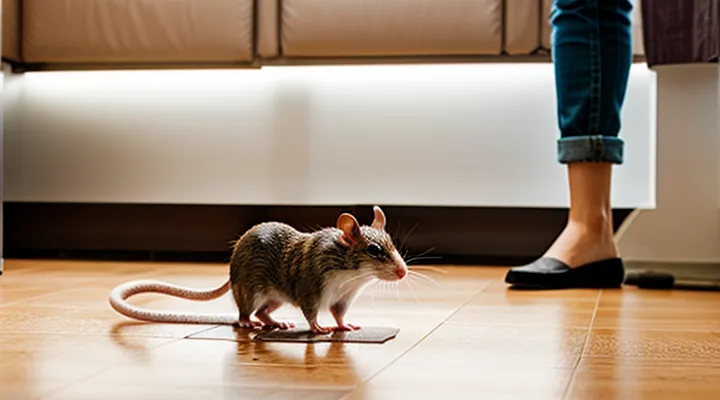
Understanding the Mouse Problem in First-Floor Apartments
Why First-Floor Apartments are Vulnerable
Proximity to Ground Level
Living on the ground floor places an apartment directly adjacent to the building’s foundation, crawl spaces, and exterior walls. These contact points create easy entry routes for rodents that seek shelter, food, and water. Sealing gaps where the floor meets the perimeter wall, as well as any openings around utility lines, blocks the most common pathways. Install metal flashing or cement‑based sealant around the base of the structure to prevent mice from climbing along the exterior.
Inspect the area beneath the unit for signs of nesting material, droppings, or gnaw marks. If a crawl space is present, fit a heavy‑gauge wire mesh with openings no larger than ¼ inch across all vents and access doors. Ensure that any drainage pipes or vent pipes are fitted with stainless‑steel screens.
Maintain a clear zone of at least two feet between the building’s exterior and stored items, such as firewood, boxes, or plant pots. This distance deprives mice of shelter and reduces the likelihood that they will use the immediate surroundings as a staging area.
When cleaning, focus on the perimeter floorboards and baseboards. Use a vacuum equipped with a HEPA filter to remove debris and potential food residues. Follow with a rodent‑specific disinfectant to eliminate scent trails that attract new intruders.
Finally, monitor the ground‑level environment regularly. Conduct weekly visual checks for fresh droppings, gnaw marks, or disturbed insulation. Promptly address any newly discovered openings to maintain a secure barrier against rodent incursions.
Ease of Access
Mice enter a ground‑level flat primarily through openings that provide easy passage from the surrounding environment. Cracks in foundation walls, gaps around utility penetrations, and unsealed door sweeps create direct routes. Even small imperfections—down to a quarter‑inch—allow rodents to slip inside, especially when vegetation or debris obscures the entry point.
Identifying and eliminating these pathways reduces the likelihood of infestation. Follow these steps:
- Inspect exterior walls, foundation, and baseboards for visible cracks; use a caulk gun or expanding foam to fill gaps.
- Seal openings around pipes, cables, and vents with steel wool covered by silicone sealant; rodents cannot chew through metal.
- Install door sweeps that reach the floor; ensure they close tightly when the door is shut.
- Trim bushes, trees, and vines that touch the building; eliminate bridges that enable climbing.
- Maintain a clear perimeter by removing piles of wood, trash, or compost that could serve as staging areas.
Consistent attention to these access points prevents mice from establishing a foothold, supporting long‑term control in a first‑floor residence.
Identifying Mouse Infestation
Common Signs of Mice
Mice leave unmistakable evidence that a ground‑level apartment is compromised. Recognizing these indicators enables swift intervention before an infestation escalates.
- Dark, rod‑shaped droppings about ¼ inch long, often found near food sources, in cabinets, or along baseboards.
- Gnaw marks on wooden structures, plastic containers, or electrical wiring, identifiable by fresh, clean cuts.
- Crushed or chewed food packaging, especially grain‑based products, with torn seams and exposed contents.
- Nests constructed from shredded paper, fabric, or insulation, typically hidden in concealed corners, behind appliances, or within wall voids.
- Running or scratching noises heard at night from walls, ceilings, or attics, indicating movement through concealed passages.
- Visible tracks in dusty areas, grease‑stained floors, or along the edges of furniture, revealing the animal’s travel routes.
- Streaks or spots of urine, often concentrated near entry points, feeding stations, or along walls, leaving a distinct ammonia smell.
Each sign warrants immediate inspection and targeted control measures to protect health and property.
Locating Entry Points
Identify every possible opening through which rodents can penetrate the living space. Begin with the exterior envelope: examine the foundation for cracks wider than a quarter‑inch, seal with hydraulic cement or expanding foam. Inspect the perimeter for gaps around utility lines—water, gas, electrical, and cable entries—and fit metal flashing or steel wool backed by caulk.
Check doors and windows. Verify that door sweeps are intact and that thresholds sit flush with the floor. Replace worn weatherstripping and install tight‑fitting screens on windows. Observe the lower edges of sliding doors; add a brush seal if a gap remains.
Survey interior walls and ceilings for signs of hidden openings. Look for nail holes, unfinished gaps around vent covers, and spaces behind cabinets. Use a flashlight to reveal dark crevices, then fill with steel mesh or appropriate sealant.
Create a systematic record of each location, noting size, material, and repair method. Prioritize larger openings and those near food sources, then proceed to seal them securely. Regularly re‑inspect after repairs to confirm that no new gaps have formed.
- Foundation cracks → hydraulic cement or expanding foam
- Utility penetrations → metal flashing + caulk
- Door sweeps & thresholds → replace/adjust
- Window screens → ensure tight fit
- Sliding door edges → brush seal
- Interior gaps (vent covers, nail holes) → steel mesh + sealant
Completing these steps eliminates the pathways mice use to enter, establishing a barrier essential for long‑term rodent control in a ground‑level apartment.
Effective Strategies for Mouse Removal
Sealing Entry Points
Inspecting Walls and Floors
Inspect the structural surfaces where rodents can travel or hide. Begin at the base of interior walls and proceed upward, checking for gnaw marks, shredded material, and fresh droppings. Note any small openings, such as gaps around electrical outlets, plumbing fixtures, or baseboard seams, that measure less than ¼ inch. Examine the floor covering for torn edges, lifted tiles, or loose laminate that could conceal tunnels. Verify that the perimeter of the apartment, where the floor meets the exterior wall, is sealed; any cracks or uneven mortar should be marked for repair.
- Use a flashlight to illuminate shadowed areas behind appliances and under cabinets.
- Run a thin, flexible probe (e.g., a steel wire) along cracks to detect hidden passages.
- Apply a dusting powder or non‑toxic tracking medium on suspected routes; monitor for powder displacement the next day.
- Record the location of each finding on a floor plan to prioritize sealing efforts.
After documentation, seal identified entry points with steel wool, caulk, or metal mesh, followed by a durable sealant. Replace damaged flooring sections and repair wall gaps promptly to eliminate shelter and travel routes for the pests. Continuous monitoring of the inspected zones ensures that new breaches are detected before an infestation expands.
Sealing Cracks and Gaps
Sealing cracks and gaps eliminates the primary entry points that mice use to access a ground‑level apartment. Even tiny openings around pipes, baseboards, and window frames allow rodents to slip inside, so a thorough inspection and closure of these openings directly reduces infestation risk.
Begin by locating potential passages. Inspect the perimeter of each room, focusing on:
- Gaps around utility lines and vents
- Spaces under doors and between floorboards
- Openings behind appliances and cabinets
- Cracks in exterior walls, foundation, and sill plates
After identification, apply appropriate sealing materials. Use steel wool or copper mesh to fill larger holes, then cover with a durable sealant such as silicone caulk, expanding foam, or acrylic latex. For structural cracks, employ epoxy filler or a concrete patching compound before applying a final layer of caulk. Ensure all sealants are rated for pest resistance and compatible with the building material.
Complete the process by re‑checking all sealed areas after a few days, confirming that the material has adhered and no new gaps have formed. Periodic maintenance—reapplying sealant to areas that contract or shift—preserves the barrier and prevents future mouse ingress.
Addressing Gaps Around Pipes and Wires
Mice exploit any opening that connects interior space with the building’s structural voids. Gaps surrounding utility pipes, electrical conduits, and cable bundles often appear behind baseboards, in crawl‑space walls, or at the point where fixtures enter the apartment. These fissures provide a direct route to food sources and shelter, making them a primary target for rodent exclusion.
- Inspect all visible pipe and wire penetrations; look for cracks, holes, or loose fittings.
- Remove loose insulation, debris, or damaged caulking that could conceal openings.
- Apply a durable, rodent‑resistant sealant (silicone‑based or polyurethane) to fill cracks no wider than ¼ in. For larger voids, insert steel wool or copper mesh before sealing to prevent gnawing.
- Use expanding foam labeled for pest control on gaps exceeding ½ in., then trim excess and cover with a thin layer of caulk.
- Secure conduit clamps and pipe sleeves with stainless‑steel screws; avoid plastic fasteners that rodents can bite through.
- Re‑check sealed areas after two weeks; reapply material if signs of wear appear.
Regular maintenance of these sealed points eliminates the most common entry routes, reducing the likelihood of infestation in a ground‑level dwelling.
Trapping Methods
snap traps
Snap traps provide rapid, humane elimination of rodents in ground‑level apartments. Their spring‑loaded bar delivers an instantaneous kill, preventing prolonged suffering and reducing the chance of disease transmission.
The device consists of a hinged metal bar that stores potential energy when set. When a mouse triggers the trigger plate, the bar snaps shut, crushing the animal’s spine. No electricity, poison, or ongoing monitoring is required.
Effective placement follows these principles:
- Position traps along walls, where mice travel close to surfaces.
- Target known activity sites such as behind appliances, under cabinets, and near entry points.
- Install traps perpendicular to the wall, with the trigger plate facing the wall.
- Space multiple traps 1–2 feet apart in high‑traffic corridors.
Bait selection influences capture rates. Use a small amount of high‑fat food—peanut butter, cheese, or cooked bacon—applied directly to the trigger plate. Avoid excessive bait that can obscure the mechanism. Replace stale bait daily to maintain attractiveness.
Safety measures protect residents and pets. Place traps out of reach of children, using protective covers or elevated platforms when necessary. Wear gloves when handling captured rodents; seal them in a disposable bag before disposal. Clean the trap surface with a mild disinfectant after each catch to prevent odor buildup.
Routine maintenance ensures continued efficacy. Reset traps after each capture, inspect springs for fatigue, and replace worn devices every few months. Keep a log of trap locations and capture dates to identify persistent hotspots and adjust placement accordingly.
live traps
Live traps provide a humane solution for removing rodents from a ground‑level flat. They capture mice without killing them, allowing owners to release the animals far from the residence. The method eliminates the pests while avoiding chemical hazards and damage to property.
Choosing an effective live trap involves several criteria.
- Size: The chamber must accommodate adult mice, typically 3–4 inches long.
- Trigger mechanism: Sensitive levers or pressure plates ensure quick closure when a mouse enters.
- Construction: Durable plastic or metal prevents escape and resists gnawing.
- Release method: A door that opens fully without requiring excessive force simplifies relocation.
Placement determines capture success. Position traps along walls, behind appliances, and near known activity zones such as droppings or gnawed materials. Align the entrance with the mouse’s natural travel path; rodents prefer to run close to surfaces. Bait the trap with high‑protein foods—peanut butter, sunflower seeds, or small pieces of cooked meat—applied sparingly to avoid spillage.
After a mouse is caught, handle the trap with gloves to prevent disease transmission. Relocate the animal at least two miles away, preferably in a wooded or agricultural area where it cannot re‑enter the building. Release the mouse during daylight to reduce predation risk. Clean the trap with hot, soapy water after each use; disinfect with a diluted bleach solution to eliminate pathogens.
Regular monitoring enhances effectiveness. Check traps daily, reset bait, and reposition devices if captures decline. Combine live trapping with exclusion measures—seal entry points, store food in airtight containers, and maintain a clutter‑free environment—to prevent reinfestation. This integrated approach reduces mouse populations while adhering to humane standards.
Multi-Catch Traps
Multi‑catch traps provide a humane, reusable solution for rodent control in ground‑level apartments. These devices combine a trigger mechanism with a compartment that holds several mice before requiring emptying, reducing the frequency of service visits.
The traps consist of a spring‑loaded door, a bait platform, and a sealed collection chamber. When a mouse steps onto the platform, the door snaps shut, preventing escape. The chamber can accommodate three to five captures, depending on the model.
Effective deployment requires strategic placement:
- Along walls where mice travel, typically within 12 inches of the baseboard.
- Near known entry points such as gaps around pipes, vents, or utility openings.
- In concealed areas like behind cabinets, under appliances, or inside closets.
Bait selection influences success. Peanut butter, rolled oats, or small pieces of dried fruit attract rodents without creating strong odors that may deter them. Apply a pea‑sized amount directly on the platform; excess bait can cause premature triggering.
Maintenance involves checking the trap daily, disposing of captured rodents in a sealed bag, and resetting the mechanism. Clean the collection chamber with mild detergent to eliminate scent trails that could discourage further activity.
Advantages of multi‑catch traps include:
- Reusability, eliminating ongoing purchases of disposable snap traps.
- Reduced risk of accidental injury to occupants, especially children and pets, because the interior remains inaccessible while the trap is set.
- Compliance with building policies that prohibit lethal methods or require humane pest control.
When combined with exclusion measures—sealing cracks, storing food in airtight containers, and maintaining a clutter‑free environment—multi‑catch traps become a central component of an integrated approach to eliminating mice from a first‑floor dwelling.
Proper Baiting Techniques
Effective baiting requires precise placement, appropriate attractant selection, and regular monitoring. Choose a bait that matches the local mouse diet; high‑protein options such as peanut butter, dried fruit, or commercial rodent gel work best. Avoid sweet foods that attract insects, which can interfere with the trap’s effectiveness.
Secure the bait directly onto the trigger mechanism. Apply a thin layer—no more than a pea‑sized amount—to ensure the mouse must manipulate the trap to obtain the food. This prevents premature release and maximizes contact with the trigger.
Position traps along established travel routes. Identify signs of activity—droppings, gnaw marks, or concealed pathways—and place baited devices within 12‑18 inches of these indicators. Common locations include behind appliances, under cabinets, and near wall voids.
Maintain a consistent schedule. Check traps daily, remove captured rodents, and refresh bait to retain potency. Replace any trap that shows signs of damage or loss of sensitivity.
Implement a rotation strategy. After a successful catch, move the trap to a new point along the same pathway to prevent mice from learning a fixed location. This disrupts habitual routes and increases overall capture rates.
Strategic Placement of Traps
Strategic trap placement is essential for eradicating rodents from a ground‑level flat. Effective positioning targets the animals’ natural routes, maximizes capture rates, and reduces the need for repeated interventions.
- Identify high‑traffic zones: near walls, behind appliances, under sinks, and within 12‑18 inches of baseboards where mice travel.
- Focus on entry points: gaps around utility lines, vent openings, and the perimeter of doors and windows.
- Deploy traps along perpendicular paths: mice often run parallel to walls; placing a trap at a right angle to a wall forces them to cross the bait line.
- Use multiple types of traps (snap, electronic, live‑catch) in the same area to accommodate different behavior patterns.
Spacing and density affect success. Position traps 2‑3 feet apart in each identified corridor; increase density to 1‑foot intervals in severely infested sections. Replace bait daily to maintain odor potency, and reset or relocate traps after each capture to prevent habituation.
Safety considerations include securing traps away from children and pets, wearing gloves when handling captured rodents, and disposing of carcasses in sealed containers. Regular inspection of trap locations allows rapid adjustment as mice shift their routes, ensuring continued effectiveness throughout the eradication process.
Repellent Options
Natural Repellents
Natural repellents provide a non‑chemical option for deterring rodents in ground‑level residences. Their effectiveness depends on proper selection, placement, and maintenance.
Common natural repellents include:
- Peppermint essential oil: strong scent overwhelms mouse olfactory receptors.
- Clove or clove oil: volatile compounds act as irritants.
- Ammonia: sharp vapour creates an inhospitable environment.
- Dryer sheets infused with citrus or eucalyptus: release volatile oils over time.
- Steel‑wool or copper mesh: physical barrier that rodents cannot gnaw through, often combined with scent deterrents.
Application guidelines:
- Soak cotton balls in peppermint or clove oil, place them behind appliances, in cabinet gaps, and near entry points. Replace every 3–5 days to maintain potency.
- Fill small containers with ammonia, seal with a perforated lid, and position in concealed corners; refresh weekly.
- Lay dryer sheets in drawers and closets; swap out monthly.
- Install steel‑wool or copper mesh around ventilation openings and pipe penetrations; inspect annually for damage.
Effectiveness varies; natural repellents discourage activity but rarely eliminate established infestations. Combining scent deterrents with exclusion techniques—sealing cracks, removing food sources, and setting traps—produces reliable results.
Safety considerations:
- Essential oils may irritate skin or respiratory passages; handle with gloves and avoid direct contact with children or pets.
- Ammonia vapour can cause eye and lung irritation; ensure adequate ventilation during use.
- Dryer sheets contain synthetic fragrances; monitor for allergic reactions.
- Physical barriers pose no chemical risk but must be installed securely to prevent gaps.
Consistent use of these methods reduces rodent presence without introducing toxic substances, supporting a healthier living environment in first‑floor apartments.
Electronic Repellents
Electronic repellents emit ultrasonic or electromagnetic waves intended to disrupt rodent nervous systems. Devices are powered by batteries or mains electricity and typically feature a single speaker or an array of transducers. When activated, they produce frequencies above 20 kHz, a range inaudible to humans but uncomfortable for mice.
Effectiveness depends on several factors:
- Frequency range: Broad‑band models cover 20‑65 kHz, increasing the likelihood of affecting different species.
- Coverage area: Manufacturers specify square‑footage; select a unit that exceeds the total floor space of the apartment.
- Placement: Position devices at least 12 inches off the ground, away from walls and furniture that block sound propagation. Install one in each room where activity is observed.
- Continuous operation: Mice may acclimate if the device is turned off intermittently; maintain constant output to preserve deterrent effect.
Safety considerations include:
- Verify compliance with local regulations on electromagnetic emissions.
- Avoid placing units near pets that can perceive higher frequencies, such as cats or dogs with sensitive hearing.
- Ensure cords are secured to prevent tripping hazards.
Limitations:
- Studies show mixed results; some rodents become desensitized after weeks of exposure.
- Physical barriers, such as sealing entry points and removing food sources, remain essential for long‑term control.
- Electronic repellents do not eliminate existing infestations; they serve only as a preventive measure.
Maintenance:
- Clean speaker grills monthly to prevent dust buildup that can attenuate signal strength.
- Replace batteries according to manufacturer guidelines, typically every six months for battery‑powered models.
- Test devices periodically by listening for a faint high‑pitch tone using a pet‑compatible frequency detector; absence indicates malfunction.
Integrating electronic repellents with structural repairs, sanitation, and, if necessary, professional trapping provides a comprehensive strategy for removing mice from a ground‑level residence.
Sanitation and Prevention
Food Storage Best Practices
Proper food storage eliminates a primary attraction for rodents in ground‑level dwellings. Secure containers and disciplined handling reduce scent trails and accessible crumbs, making the apartment less inviting to mice.
- Use airtight, plastic or glass containers with snap‑locking lids for all dry goods, including cereals, grains, nuts, and pet food.
- Store bulk items in smaller, resealable packages that can be sealed after each use.
- Keep canned goods on shelves, not on the floor, and ensure lids are intact before purchase.
- Place all food away from walls and avoid stacking items directly on the floor; use raised shelving when possible.
- Clean spills immediately, wipe down countertops, and sweep beneath appliances daily.
- Dispose of waste in bins with tight‑fitting lids; transfer trash to an outdoor container regularly.
Maintain a routine inspection of storage areas. Check for torn seals, damaged containers, or signs of gnawing. Replace compromised items promptly. Rotate stock to use older products first, preventing spoilage that could attract pests. By enforcing these practices, the risk of mouse infestation in a first‑floor residence diminishes significantly.
Waste Management
Effective waste handling is critical for preventing rodent activity in a ground‑level flat. Food remnants, spilled liquids, and garbage that remain accessible create a reliable food source, encouraging mice to enter the living space. Store all food in sealed containers, clean crumbs and spills immediately, and avoid leaving pet food out overnight.
- Use a trash can with a tight‑fitting lid; empty it daily.
- Dispose of waste in sealed bags before placing them in the external dumpster.
- Keep recycling bins clean and free of residue.
- Position garbage containers away from entry points such as doors and windows.
Regularly sanitize countertops, floors, and appliance interiors. By eliminating edible waste and maintaining a clean environment, you remove the primary attraction that draws mice into a first‑floor residence.
Eliminating Water Sources
Eliminating water sources removes a primary attractant for rodents that seek moisture in ground‑level apartments. Without readily available liquid, mice are less likely to establish nests or travel through interior walls and cabinets.
- Repair all leaks in plumbing fixtures, including faucets, showerheads, and toilet tanks. Tighten connections and replace worn seals promptly.
- Inspect under sinks, behind appliances, and around the base of the refrigerator for condensation or standing water. Wipe dry any moisture that accumulates.
- Use a dehumidifier in damp areas such as bathrooms and laundry rooms; maintain humidity levels below 50 % to discourage rodent activity.
- Ensure that pet water dishes are emptied and cleaned each night. Store dishes on a tray that can be drained and dried.
- Clear blocked or overflowing drains, and install screens on external vent pipes to prevent water infiltration.
Regularly monitor the apartment for new sources of moisture. A dry environment deprives mice of a critical resource, making the residence inhospitable and supporting broader pest‑control measures.
Maintaining Cleanliness
Keeping a first‑floor apartment free of food debris, clutter, and moisture removes the primary attractions that draw mice inside. Regular removal of crumbs, prompt disposal of garbage, and immediate cleanup of spills eliminate sources of nourishment and shelter.
- Store all dry goods in sealed containers; glass or heavy‑wall plastic jars prevent rodents from accessing pantry items.
- Sweep floors and vacuum carpets daily; focus on corners, under appliances, and behind furniture where particles accumulate.
- Wash dishes immediately after use; avoid leaving dishes or food remnants in the sink overnight.
- Empty trash cans each night; use bins with tight‑fitting lids and replace liners regularly.
- Wipe countertops and tabletops after meals; a damp cloth removes residue that might otherwise attract pests.
- Inspect and clean behind refrigerators, stoves, and washing machines; these hidden areas often harbor crumbs and droppings.
- Repair leaks promptly; standing water or damp spots provide a water source that encourages mouse activity.
Implementing these practices creates an environment where rodents find no viable food or nesting material, thereby reducing the likelihood of infestation in a ground‑level dwelling.
Post-Extermination and Long-Term Prevention
Cleaning Up After Mice
Disinfecting Contaminated Areas
After mouse activity, droppings, urine, and gnaw marks contaminate surfaces and pose health risks. Prompt disinfection prevents disease transmission and deters further infestation.
- Remove all visible debris with disposable gloves and a sealed bag.
- Apply an EPA‑approved disinfectant (e.g., quaternary ammonium, hydrogen peroxide) to countertops, cabinets, and floorboards. Follow label‑specified contact time before wiping.
- For porous materials such as insulation or upholstery that cannot be thoroughly sanitized, discard them safely.
- Use a bleach solution (1 part bleach to 10 parts water) on non‑porous areas that may harbor bacteria, ensuring proper ventilation.
- After treatment, allow surfaces to dry completely, then replace protective coverings (e.g., plastic liners) to maintain cleanliness.
Wear a mask and eye protection throughout the process. Seal all waste in double‑layer bags and dispose of it according to local regulations. Regular cleaning of the disinfected zones, combined with sealing entry points, supports long‑term mouse control in a ground‑level residence.
Removing Droppings and Nests
Removing mouse droppings and nests requires careful preparation, thorough cleaning, and proper disposal to eliminate health hazards and discourage future activity.
Wear disposable gloves, a N95 respirator, and eye protection before entering contaminated areas. Dampening droppings with a mixture of water and a few drops of detergent reduces airborne particles; spray the solution, wait several minutes, then wipe with a disposable cloth.
After the surface is wet, collect all droppings, urine stains, and nesting material in a sealed plastic bag. Place the bag in a second, larger bag, seal tightly, and discard according to local hazardous‑waste guidelines.
Disinfect the cleaned area with a solution containing at least 1 % bleach (one part bleach to nine parts water) or a commercial rodent‑specific sanitizer. Apply the solution, let it remain for ten minutes, then wipe dry with a clean disposable towel.
Locate nests by inspecting hidden corners, behind appliances, inside wall voids, and under furniture. Remove nests using the same protective gear, placing them directly into the sealed bags used for droppings.
Once all debris is removed, seal entry points that may have been used to deposit material. Use steel wool, copper mesh, or caulk to close gaps around pipes, vents, and baseboards.
Finally, maintain a dry, clutter‑free environment. Store food in airtight containers, clean crumbs promptly, and schedule regular inspections to verify that no new droppings or nests appear.
Ongoing Monitoring
Regular Inspections
Regular inspections provide early warning of mouse activity, allowing swift corrective action before a population establishes itself.
Key areas to examine include:
- Gaps around doors, windows, and utility penetrations; seal any openings larger than ¼ inch.
- Kitchen cabinets, pantry shelves, and pantry doors; verify that food is stored in airtight containers.
- Waste containers; ensure lids fit tightly and bins are emptied regularly.
- Drywall, baseboards, and flooring joints; look for gnaw marks, shredded material, or loose sections.
- Plumbing and vent shafts; inspect for chew damage that could create new entry routes.
Inspections should occur at least once a week in high‑risk zones and monthly throughout the entire unit. Additional checks are warranted after heavy rain, construction work, or relocation of furniture, as these events often disturb hidden pathways.
During each visit, use a bright flashlight to illuminate dark corners, and employ a handheld mirror to view concealed spaces. Confirm that traps remain functional, replace bait as needed, and record any droppings, urine stains, or nesting material.
Maintain a concise log that lists the date, inspected locations, observed signs, and remedial steps taken. This record streamlines follow‑up actions, supports communication with property managers, and documents compliance with pest‑control protocols.
Early Detection of Re-infestation
Early detection of a mouse return is essential for maintaining a pest‑free first‑floor dwelling. Regular visual checks of known entry points, such as gaps around pipes, vent covers, and baseboard cracks, reveal fresh gnaw marks or droppings. Inspect these areas weekly; any new evidence indicates that the previous elimination effort is losing effectiveness.
Use passive monitoring devices to supplement visual surveys. Place snap traps or electronic detectors along walls, behind appliances, and near stored food. Check traps daily; a captured mouse confirms activity, while an untouched trap suggests absence. Replace bait regularly to keep devices attractive.
Maintain a log of observations. Record the date, location, and type of evidence found. Patterns emerge quickly when data are organized, allowing swift action before a small population expands. Anomalies, such as increased droppings in a single room, trigger targeted interventions.
Seal newly discovered openings immediately. Apply steel wool, caulk, or expanding foam to block access routes. Reinforce existing barriers with metal mesh where necessary. Prompt repair prevents re‑entry and reduces the likelihood of a full‑scale resurgence.
Collaborating with Landlords
Reporting Infestations
Documenting a mouse problem in a ground‑level flat requires clear, factual communication with the responsible parties. Begin by recording observable signs: droppings, gnaw marks, nest material, and any audible activity. Note the specific rooms, exact locations, and dates when each sign was detected. Photographs taken with a timestamp provide indisputable evidence and simplify later reference.
Prepare a concise written notice that includes the following elements:
- Description of the infestation (type of evidence, affected areas).
- Date of first observation and any subsequent developments.
- Request for immediate remedial action, citing lease provisions or local housing codes that obligate the landlord to maintain a pest‑free environment.
- Deadline for response, typically within 48–72 hours, to establish a clear timeline.
Submit the notice through a traceable channel such as certified mail, email with read receipt, or a property‑management portal that logs submissions. Retain copies of the message, delivery confirmations, and any replies. If the initial request is ignored or inadequately addressed, reference the documented timeline and consider contacting the local health department or a tenant‑rights organization for mediation.
Maintain a record of all interactions, including dates, names of contacts, and summaries of conversations. This documentation supports any potential escalation to formal complaints or legal proceedings and demonstrates compliance with the tenant’s responsibility to report infestations promptly and accurately.
Discussing Prevention Strategies
Preventing rodent incursions in a ground‑level flat begins with eliminating access points. Inspect walls, baseboards, and the foundation for gaps larger than a quarter‑inch and seal them with steel wool, caulk, or cement. Install door sweeps on all exterior doors and verify that window screens are intact. Repair damaged vent covers and ensure utility penetrations are tightly fitted.
Maintain an environment that does not attract mice. Store food in airtight containers, clean crumbs and spills promptly, and keep garbage in sealed bins. Reduce clutter in closets, under furniture, and in storage areas, as these spaces provide hiding places. Limit outdoor attractants by keeping compost, pet food, and birdseed away from the building’s perimeter.
Key prevention measures:
- Seal exterior cracks and openings with durable materials.
- Fit door sweeps and inspect window screens regularly.
- Use steel‑wool or copper mesh to block small gaps around pipes and wiring.
- Store all consumables in tamper‑proof containers.
- Remove standing water sources and fix leaks.
- Keep the property free of debris, overgrown vegetation, and wood piles near the foundation.
Consistent application of these practices creates a hostile environment for rodents, reducing the likelihood of infestation without reliance on reactive control methods.