
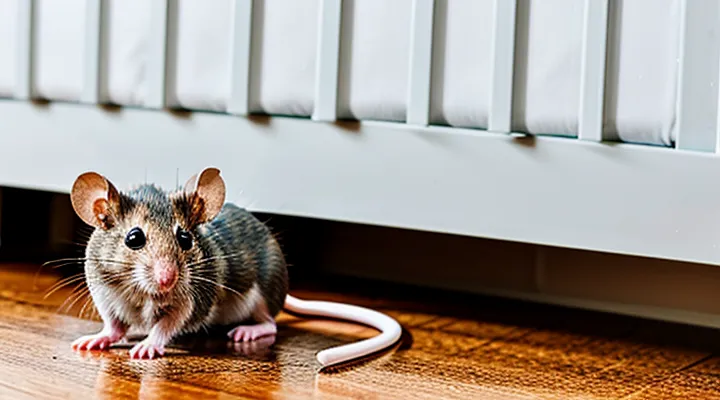
Understanding the Mouse Problem
Signs of a Mouse Infestation
Droppings and Urine
Mouse droppings and urine indicate active infestation and pose health hazards. Fresh droppings appear as tiny, dark, rice‑shaped pellets; older deposits turn gray and crumble easily. Urine stains manifest as yellowish, often faint spots on surfaces, especially near food storage, cabinets, and wall corners.
Health risks include transmission of hantavirus, leptospirosis, and salmonella. Inhalation of dried droppings or dust contaminated with urine can trigger respiratory illness. Direct contact may cause skin irritation or allergic reactions.
Cleaning protocol:
- Ventilate the area for at least 15 minutes; keep occupants, especially children and pets, out of the room.
- Wear disposable gloves, N‑95 respirator, and eye protection.
- Moisten droppings and urine stains with a solution of 1 part bleach to 10 parts water; allow the mixture to soak for 5 minutes to prevent aerosolization.
- Scrape solid droppings into a sealed plastic bag; wipe wet urine with disposable cloths, placing them in the same bag.
- Disinfect the entire surface with the bleach solution, ensuring contact time of 10 minutes.
- Rinse with clean water, dry thoroughly, and discard the sealed bag in an outdoor trash container.
Preventive actions:
- Seal cracks, gaps, and entry points larger than ¼ inch with steel wool and caulk.
- Store food in airtight containers; remove crumbs and spills immediately.
- Reduce clutter that provides hiding spots; keep storage areas organized.
- Install snap traps or electronic devices in identified travel routes; monitor and replace as needed.
Regular inspection of droppings and urine helps confirm eradication progress and prevents re‑infestation.
Gnaw Marks
Gnaw marks indicate active rodent presence and reveal the locations where mice are accessing food, nesting material, or structural pathways. Fresh, clean cuts on wood, plastic, or wiring suggest ongoing activity, while older, weathered bites may point to past infestations. Identifying the material, depth, and orientation of the marks helps pinpoint entry points and high‑traffic routes.
Recognizing gnaw marks enables targeted control measures:
- Inspect walls, baseboards, cabinets, and appliance cords for V‑shaped bite patterns.
- Trace each mark back to its source; entry points often appear near gaps under doors, utility openings, or where pipes enter the building.
- Prioritize sealing openings larger than ¼ inch with steel wool, cement, or metal mesh before deploying traps or baits.
- Place snap traps or electronic devices directly adjacent to the most recent gnaw sites, aligning the trigger with the mouse’s travel direction.
- Replace damaged wiring or plastic components to prevent fire hazards and eliminate attractive foraging material.
Repair work should commence after sealing entry points. Use hardwood or metal flashing to cover chewed sections, and apply rodent‑resistant sealants around joints. For electrical safety, disconnect power before replacing compromised cords and consult a qualified electrician if damage is extensive.
Monitoring continues after intervention. Re‑examine previously marked areas weekly; the disappearance of fresh gnaw marks confirms successful exclusion, while new bites indicate remaining access routes that require further sealing.
Scratching Noises
Scratching noises often indicate active mouse movement within walls, ceilings, or floor joists. The sound typically occurs at night when rodents travel between nesting sites and food sources. Detecting the pattern—regular, intermittent scratches lasting a few seconds—helps locate entry points and activity zones.
When scratching is heard, follow these steps:
- Inspect walls and baseboards for fresh gnaw marks, droppings, or shredded material near the noise source.
- Use a flashlight to examine hidden spaces, focusing on gaps around pipes, vents, and electrical wiring.
- Seal openings larger than ¼ inch with steel wool, copper mesh, or caulk; larger gaps require hardware cloth or metal flashing.
- Place snap traps or enclosed bait stations along established pathways, positioning them perpendicular to the wall to intersect travel routes.
- Replace trapped rodents promptly; dispose of them according to local regulations to prevent secondary infestations.
- Maintain a clean environment: store food in airtight containers, eliminate standing water, and remove clutter that offers shelter.
If scratching persists after initial measures, consider deploying ultrasonic deterrents or consulting a professional pest‑control service to assess structural vulnerabilities and implement advanced exclusion techniques. Continuous monitoring and prompt repair of new entry points sustain long‑term mouse‑free conditions.
Nests
Mice construct nests to protect offspring, store food, and maintain warmth. Recognizing and eliminating these structures is essential for effective control.
Typical nest locations include:
- Behind appliances, such as refrigerators and stoves.
- Inside wall cavities, ceiling joists, and attic insulation.
- Under sinks, inside cabinets, and within cluttered storage areas.
- Beneath furniture that rests on the floor, especially where fabric or paper is present.
To dismantle nests:
- Wear disposable gloves and a mask to avoid exposure to urine, droppings, and allergens.
- Remove all materials that could serve as bedding—paper, fabric scraps, shredded cardboard, and insulation.
- Place discarded items in sealed plastic bags before disposal.
- Clean the exposed area with a solution of detergent and hot water, then apply an EPA‑registered disinfectant.
- Inspect surrounding zones for additional build‑ups and repeat the process as needed.
Preventing future nest formation relies on denying mice access to suitable materials and shelter:
- Store food in airtight containers; keep pantry items off the floor.
- Maintain a clutter‑free environment; eliminate piles of newspapers, magazines, and unused fabrics.
- Seal gaps larger than ¼ inch with steel wool, caulk, or metal flashing.
- Install snap‑lids or metal mesh on vent openings and utility penetrations.
- Trim vegetation and remove debris within two feet of the building’s exterior to reduce outdoor shelter.
Regular monitoring—checking for fresh droppings, gnaw marks, or shredded material—allows early detection and prompt removal, reducing the likelihood of a growing infestation.
Why Mice Are a Problem
Health Risks
Mice presence in domestic environments creates direct health hazards that can affect occupants of all ages. Their saliva, urine, and feces contain pathogens capable of contaminating food, surfaces, and air, leading to infection and allergic reactions.
Key health risks include:
- Hantavirus infection – transmitted through inhalation of aerosolized particles from dried urine or droppings; can cause severe respiratory illness.
- Salmonellosis – bacteria carried on mouse fur and excreta contaminate kitchen utensils and food, resulting in gastrointestinal distress.
- Leptospirosis – spread by contact with urine; symptoms range from fever and muscle pain to kidney damage.
- Allergic sensitization – proteins in mouse dander and urine trigger asthma attacks and chronic nasal congestion.
- Foodborne toxin exposure – rodents may introduce toxins from poison baits into pantry items, posing additional poisoning risk.
Prompt removal of rodents and thorough sanitation of affected areas reduce these dangers. Disinfection with appropriate EPA‑registered cleaners, proper storage of food, and sealing entry points are essential preventive measures.
Property Damage
Mice gnawing on structural components can compromise the integrity of walls, floors, and support beams. Their incisors continuously grow, prompting them to chew on wood, insulation, and plastic, which may lead to cracks, weakened load‑bearing sections, and increased risk of collapse.
Electrical wiring is particularly vulnerable. Mice chew through insulated cables, exposing conductors and creating short circuits, fire hazards, and costly repairs. Signs of interference include frayed cords, exposed copper, or intermittent power loss.
Contamination of stored food and surfaces results from droppings, urine, and saliva. These secretions carry pathogens that can spoil food supplies, damage pantry contents, and require thorough sanitation to restore safety.
Typical property damage includes:
- Chewed wooden frames, baseboards, and cabinets
- Compromised insulation, reducing thermal efficiency
- Damaged PVC pipes, leading to leaks and water damage
- Severed or exposed electrical wires, creating fire risk
- Stained fabrics, upholstery, and carpeting from urine
Early detection limits repair costs. Inspect for gnaw marks, nesting material, and fresh droppings in hidden areas such as attics, crawl spaces, and behind appliances. Use flashlights to examine dark corners and listen for scratching noises.
Mitigation steps:
- Seal entry points with steel wool, caulk, or metal mesh to prevent further intrusion.
- Replace damaged wiring and insulation promptly, following local building codes.
- Store food in airtight containers and clean surfaces regularly to remove residues that attract rodents.
- Set traps or bait stations in identified activity zones, monitoring and disposing of captured mice responsibly.
- Engage professional pest control if infestation persists, ensuring comprehensive removal and structural assessment.
Addressing these damage mechanisms protects the home’s durability, reduces repair expenses, and eliminates health hazards associated with rodent activity.
Prevention: Keeping Mice Out
Sealing Entry Points
Inspecting Your Home's Exterior
Inspect the exterior of the property to eliminate entry points and reduce attractants for rodents. Begin with a thorough visual survey of the building envelope, noting any openings larger than ¼ inch. Common sources include cracks in the foundation, gaps around utility penetrations, and damaged siding.
- Seal foundation cracks with hydraulic cement or expanding foam.
- Install metal flashing around pipes, cables, and vent pipes.
- Fit weatherstripping on doors and ensure door sweeps contact the floor.
- Repair or replace damaged window screens; use fine‑mesh material.
- Close gaps around garage doors and automatic openers with silicone caulk.
- Fit tight-fitting lids on exterior trash cans and store them away from the house.
Trim vegetation that contacts the structure, as vines and branches provide bridges for mice. Keep grass mowed short and remove leaf litter, mulch, and compost piles from the immediate perimeter. Ensure that firewood stacks are stored at least three feet from the foundation and elevated off the ground.
Examine drainage systems to prevent moisture accumulation, which attracts rodents. Clean gutters and downspouts, direct runoff away from the foundation with properly sloped grading, and install drip‑edge flashing where needed.
Finally, conduct a regular inspection schedule—monthly during warm months and quarterly in colder periods—to verify that all seals remain intact and that no new entry points have formed. Promptly repair any damage to maintain a secure barrier against mouse intrusion.
Repairing Gaps and Cracks
Mice enter homes through even the smallest openings. Sealing gaps and cracks eliminates the primary pathways that rodents use to explore interior spaces, making structural repair a fundamental element of any pest‑control plan.
Identify all potential entry points by inspecting the building envelope. Common locations include:
- Gaps around windows and doors, especially where frames meet the wall.
- Openings around utility penetrations such as pipes, electrical conduits, and ventilation ducts.
- Cracks in foundation walls, basement floors, and crawl‑space walls.
- Spaces beneath cabinets, appliances, and baseboards.
- Holes in soffits, eaves, and roof vents.
Repair procedures should follow a systematic approach:
- Clean each opening to remove debris, insulation, and loose material that could impede adhesion.
- Apply a durable, rodent‑resistant sealant (e.g., silicone‑based caulk or polyurethane foam) to fill gaps up to ¼ inch wide.
- For larger openings, install metal flashing or hardware cloth (minimum ¼‑inch mesh) secured with stainless‑steel screws, then cover seams with sealant.
- Use expanding spray foam for irregular voids, trimming excess after curing to maintain a flush surface.
- Finish repairs with appropriate interior or exterior finishes (paint, plaster, siding) to protect the sealant from weathering and wear.
Regularly re‑inspect repaired areas, especially after seasonal temperature changes, to ensure that seals remain intact and no new gaps have formed. Maintaining a tight building envelope reduces the likelihood of future infestations and supports long‑term rodent prevention.
Using Steel Wool and Caulk
Steel wool creates a physical barrier that mice cannot chew through. When tightly packed into gaps around pipes, vents, and foundation cracks, the abrasive fibers damage rodent incisors, discouraging further attempts to enter. Combine the material with a high‑quality, silicone‑based caulk to seal the opening completely; the caulk adheres to both the steel wool and surrounding surfaces, preventing the fibers from being displaced.
To apply the method effectively:
- Identify all potential entry points: gaps larger than ¼ inch, holes around utility lines, and spaces behind appliances.
- Insert a length of steel wool that fills the opening snugly; avoid loose piles that could be pushed aside.
- Apply a generous bead of silicone caulk over the steel wool, smoothing it to ensure full coverage and a watertight seal.
- Allow the caulk to cure according to the manufacturer’s instructions before exposing the area to moisture or temperature changes.
Select stainless‑steel wool to resist rust, especially in damp locations such as basements and crawl spaces. Use a caulk formulated for both indoor and outdoor use to maintain elasticity as the structure shifts over time. Periodically inspect the sealed areas; reapply steel wool and caulk if the barrier shows signs of wear or damage. This combination offers a durable, low‑maintenance solution that blocks rodent ingress without relying on chemicals or traps.
Eliminating Food Sources
Storing Food Properly
Proper food storage eliminates a primary attractant for house mice. When food is sealed, odor diffusion drops dramatically, reducing the likelihood that mice will enter a kitchen or pantry.
- Use airtight containers made of glass, metal, or heavy‑plastic with tight‑locking lids for all dry goods, cereals, pet food, and snacks.
- Transfer bulk items from original packaging into smaller, sealed containers to limit exposure.
- Store perishable products in the refrigerator or freezer, and discard any spoiled items promptly.
- Keep pantry shelves clean; wipe down surfaces after each use to remove crumbs and residue.
- Position containers away from walls and corners, creating a clear zone that hinders mouse movement.
Maintain a routine inspection schedule. Check seals for damage, replace compromised containers, and monitor for signs of gnawing. Consistent application of these practices removes food as a resource, forcing mice to seek alternative habitats and decreasing infestation risk.
Cleaning Up Crumbs and Spills
Keeping surfaces free of food debris is essential for deterring rodents. Mice locate meals by scent; even small crumbs can attract them, encouraging repeated visits and establishing a population. Eliminating these cues removes a primary incentive for entry and reduces the likelihood of infestation.
- Sweep or vacuum floors daily, paying special attention to corners, under appliances, and behind furniture.
- Wipe countertops, tables, and cabinets with a disinfectant solution after each meal preparation.
- Promptly clean up spills; blot liquids, then sanitize the area to eliminate residual odors.
- Store dry goods in airtight containers; avoid leaving open packages on shelves or counters.
- Empty trash cans regularly, using lids that seal tightly to prevent access.
Consistent execution of these actions creates an environment where mice find no readily available food, supporting broader pest‑management strategies.
Securing Trash Cans
Securing trash containers eliminates a primary food source that attracts mice, thereby reducing the likelihood of infestation. Properly sealed bins prevent rodents from sniffing odors and accessing waste, which is essential for effective rodent management in residential settings.
- Choose cans with tight‑fitting lids that lock or snap shut.
- Inspect lids regularly for cracks, gaps, or wear; replace damaged components promptly.
- Store cans in a cool, dry area away from walls and exterior doors to limit easy access.
- Use heavy‑duty bags inside the cans to contain waste and add an extra barrier.
- Clean the exterior of each bin weekly with a mild disinfectant to remove residue that may draw mice.
Maintain the sealed state of trash containers at all times, including during collection. Even brief exposure can allow mice to investigate and establish a feeding route. Consistent enforcement of these practices supports long‑term mouse control throughout the household.
Reducing Clutter
Decluttering Storage Areas
Keeping storage spaces tidy eliminates the shelter and food sources that attract rodents. Overcrowded boxes, stacked items, and accumulated debris create dark, warm niches where mice can nest and move undetected. By removing these conditions, you reduce the likelihood that a mouse will establish a foothold in your home.
- Remove all items from closets, basements, attics, and garage shelves. Sort into keep, discard, and donate piles.
- Dispose of cardboard boxes, paper bundles, and fabric rolls that are not sealed in airtight containers.
- Store remaining items in plastic bins with tight‑closing lids; avoid using open‑top containers.
- Elevate stored goods off the floor by at least six inches; use shelving that allows air circulation underneath.
- Clean each area thoroughly after clearing: vacuum corners, sweep floors, and wipe surfaces with a mild detergent.
- Inspect for damage to walls, floors, or insulation; seal cracks and gaps with steel wool and caulk before restocking.
A decluttered storage zone offers no hiding places, limits access to food, and simplifies the detection of any future intrusion. Regularly repeat the cleaning cycle—at least quarterly—to maintain an environment hostile to mice.
Clearing Yard Debris
Removing yard debris eliminates the outdoor habitats that attract rodents and reduces the likelihood of mice entering the house. Loose wood, leaf piles, and overgrown shrubs offer shelter, nesting material, and food sources, creating a bridge between the garden and the interior of the home.
- Gather and dispose of all fallen leaves, branches, and mulch that exceed three inches in depth.
- Cut back grass and trim vegetation to a height of six inches or lower, preventing cover for foraging mice.
- Store firewood at least two feet off the ground on a raised platform, and keep it at a distance of ten feet from the house foundation.
- Secure compost bins with tight‑fitting lids; turn compost regularly to discourage rodent habitation.
- Clear debris from beneath decks, sheds, and porches; seal gaps that could serve as entry points.
- Ensure proper drainage by correcting low spots and eliminating standing water, which can attract insects that mice prey on.
Regular inspection of the perimeter for new debris and prompt removal sustain a hostile environment for rodents, thereby supporting broader indoor pest‑control measures.
Eradication: Getting Rid of Existing Mice
Trapping Methods
Snap Traps
Snap traps provide immediate, lethal control of house‑bound rodents. The mechanism consists of a spring‑loaded bar that releases with a single trigger, delivering a swift impact that kills the mouse instantly. Because the device does not rely on poison, it eliminates the risk of secondary poisoning for pets or children.
Effective use depends on proper placement. Position traps along walls, behind appliances, and in concealed pathways where droppings or gnaw marks are evident. Ensure the trigger side faces the wall so the mouse contacts it while moving forward. Avoid setting traps in high‑traffic human areas to reduce accidental activation.
Bait selection influences capture rates. Peanut butter, small pieces of cheese, or bits of cooked meat attract mice reliably. Apply a pea‑sized amount directly to the trigger platform; excess bait can cause the mouse to avoid the trap or trigger it prematurely.
- Choose a trap with a sturdy base to prevent movement after activation.
- Replace the spring mechanism if it shows signs of fatigue; a weak spring reduces lethality.
- Inspect traps daily; dispose of dead rodents in sealed bags and clean the area with a disinfectant.
- Rotate trap locations after several days to cover new activity zones and prevent mouse habituation.
Safety measures include wearing disposable gloves when handling trapped mice, storing used traps out of reach of children, and keeping the device away from food preparation surfaces. Regular maintenance—checking spring tension, replacing broken components, and refreshing bait—maintains optimal performance throughout a control campaign.
Live Traps
Live traps provide a humane method for removing mice from residential spaces. The devices consist of a cage or tube that closes automatically when a rodent enters, allowing capture without injury.
To achieve reliable results, follow these steps:
- Select a trap sized for house mice (approximately 4 × 5 × 6 inches).
- Bait the trigger area with high‑fat foods such as peanut butter, cheese, or seeds.
- Position traps along walls, behind appliances, and near visible runways; mice travel close to surfaces.
- Secure traps on stable surfaces to prevent tipping.
- Check traps at least twice daily; release captured mice at least one mile from the residence to avoid re‑entry.
Maintenance considerations include regular cleaning with mild detergent to remove scent trails that may deter future captures, and replacement of worn springs or latch mechanisms to preserve sensitivity.
When combined with exclusion measures—sealing entry points, removing food sources, and reducing clutter—live traps become an effective component of an integrated rodent‑control strategy.
Electronic Traps
Electronic traps use a high‑frequency shock to kill mice instantly when they enter the device. The mechanism relies on a sensor that detects the animal’s presence and delivers a brief, lethal voltage pulse. Because the shock is immediate, there is no risk of prolonged suffering, and the trap does not use poison or bait.
Key advantages of electronic devices include:
- Immediate kill, eliminating the need for follow‑up disposal of dead rodents.
- Reusability; a single unit can capture dozens of mice before the battery or power source requires replacement.
- Minimal mess; the interior compartment collects carcasses, allowing safe removal without contact.
- Reduced attraction of non‑target species, as no food lure is involved.
When selecting an electronic trap, consider:
- Power source: battery‑operated models offer portability, while plug‑in units provide continuous operation without frequent battery changes.
- Capacity: choose a unit with a sufficient holding chamber for the expected infestation level.
- Safety features: models with insulated exterior and automatic shut‑off reduce the risk of accidental shock to humans and pets.
- Noise level: some traps emit a brief audible click; quieter designs are preferable in residential settings.
Effective placement follows a simple pattern: position traps along walls, behind appliances, and near known entry points, because mice travel close to surfaces. Space devices 10–15 cm apart in high‑traffic zones to maximize coverage. Test each location for at least 24 hours before moving a trap, as mice may require time to discover the sensor.
Maintenance consists of regular cleaning of the collection chamber and inspection of the sensor grid for debris. Replace batteries according to the manufacturer’s schedule, typically after 2,000‑3,000 shocks. Verify that the device’s voltage output remains within the specified lethal range; a drop below the recommended level reduces effectiveness.
Cost considerations involve upfront purchase price versus long‑term expense. Although electronic traps are pricier than snap or glue alternatives, their durability and lack of consumable bait offset the initial outlay. For households with recurring mouse problems, the cumulative savings become evident after several months of use.
In summary, electronic traps provide a humane, efficient, and low‑maintenance solution for indoor rodent control when installed correctly and maintained according to manufacturer guidelines.
Baiting Traps Effectively
Effective baiting is the cornerstone of successful mouse control. Choose attractants that match the rodent’s dietary preferences and ensure the bait remains palatable over time. High‑protein foods such as peanut butter, cooked bacon, or canned fish outperform sugary items because mice prioritize protein and fat when foraging. Incorporate a small amount of fresh bait on each trap; stale or dried bait loses appeal quickly.
Placement determines trap performance. Position devices along established travel routes: behind appliances, within 12 inches of walls, and near entry points. Align the trap so the bait faces the mouse’s natural forward motion; this encourages contact with the trigger mechanism. Avoid cluttered areas that obscure the trap or provide alternative shelter.
Maintain traps with regular inspection. Replace bait after 24 hours or when it shows signs of contamination. Reset or relocate traps that have not captured any rodents after three days, as mice may have learned to avoid a particular scent. Dispose of captured mice promptly, using sealed containers to prevent secondary infestations.
Recommended baits (bullet list):
- Peanut butter mixed with oats
- Small pieces of cooked bacon
- Canned tuna (drained)
- Sunflower seed halves
- Commercial rodent attractant paste
By adhering to these practices, homeowners maximize trap efficiency and reduce the likelihood of persistent mouse activity.
Baits and Lures
Peanut Butter
Peanut butter serves as an effective attractant for rodents because its strong aroma and high fat content stimulate a mouse’s sense of smell and taste. When applied to snap traps or live‑capture devices, a pea‑size amount placed on the trigger mechanism creates a reliable lure that encourages quick contact.
To maximize results, follow these steps:
- Spread a thin layer (about the size of a grain of rice) on the trigger area of each trap; excess can cause mice to avoid the device.
- Position traps along established mouse pathways, such as behind appliances, near baseboards, and within wall voids where droppings have been observed.
- Replace the bait every 2–3 days to maintain scent potency and prevent spoilage that could deter activity.
- Use gloves when handling peanut butter to avoid transferring human scent to the trap, which may reduce effectiveness.
- Dispose of captured rodents promptly, sealing them in a plastic bag before discarding in an outdoor trash container.
Precautions include keeping peanut butter out of reach of children and pets, as it can attract non‑target animals. For households with severe infestations, combine peanut butter bait with a strategic placement of multiple traps to increase capture density. After the mouse population declines, remove all bait and traps, then seal entry points to prevent re‑infestation.
Cheese (in moderation)
Cheese is a conventional bait for trapping rodents, yet using it sparingly yields better results. Small, firm pieces attract mice without creating a constant food source that encourages foraging around the entire home.
Limited portions prevent mice from associating the area with abundant nourishment, which reduces the likelihood of repeated visits. Moreover, modest amounts lower the risk of attracting insects or other animals that might be drawn to large quantities of dairy.
Practical guidelines for employing cheese as bait:
- Select a hard cheese such as cheddar or gouda; soft varieties spoil quickly and emit strong odors.
- Cut pieces no larger than ½ inch (1.3 cm) on each side.
- Place a single piece on each trap, positioning the trap along walls where mouse activity has been observed.
- Inspect traps daily; replace bait only when it becomes dry or contaminated.
- Store any unused cheese in a sealed container to avoid drawing pests into storage areas.
By adhering to these measures, cheese serves as an effective, controlled attractant within an overall rodent‑control strategy.
Commercial Baits
Commercial baits provide a rapid, targeted method for eliminating mouse infestations in residential settings. They consist of a food matrix laced with a rodenticide, typically anticoagulants such as bromadiolone, difenacoum, or brodifacoum, which disrupt blood clotting and cause death after a few days of ingestion.
Effective use begins with selecting a product approved for indoor use by relevant health authorities. Labels specify concentration, toxicity level, and required safety precautions. Products with low secondary toxicity are preferred to reduce risk to pets and children.
Placement follows a systematic pattern:
- Identify active mouse pathways: along walls, behind appliances, near entry points.
- Position bait stations or sealed bait blocks within 1‑2 feet of these routes.
- Use multiple stations (3‑5 per 500 sq ft) to ensure coverage.
- Keep stations out of reach of non‑target animals; lockable containers are recommended.
Monitoring involves checking stations every 24‑48 hours. Replace consumed bait promptly; record locations where bait disappears to map movement patterns. If no reduction occurs after two weeks, reassess placement density or combine baits with mechanical traps.
Safety considerations include:
- Wearing disposable gloves during handling.
- Storing unused bait in original, sealed packaging.
- Disposing of dead rodents according to local regulations.
- Educating household members about the presence of toxic substances.
Commercial baits complement other control measures such as exclusion of entry points and sanitation. When applied correctly, they achieve high mortality rates while minimizing the need for extensive trapping campaigns.
Repellents (Non-Lethal Approaches)
Peppermint Oil
Peppermint oil is a widely recommended rodent deterrent because its strong aromatic compounds disrupt the sensory receptors that mice rely on for navigation and feeding. The oil’s active component, menthol, creates an environment that mice find hostile, reducing their willingness to enter treated areas.
Application guidelines:
- Dilute 10–15 drops of peppermint essential oil in 200 ml of water. Use a spray bottle to mist the solution on baseboards, behind appliances, and in entry points.
- Reapply the spray every 3–4 days, or after cleaning, to maintain potency.
- Place cotton balls soaked in undiluted peppermint oil in concealed locations such as wall voids, cabinets, and under sinks. Replace the cotton balls weekly.
- Combine with physical barriers (steel wool, door sweeps) to prevent re‑entry while the scent remains active.
Safety considerations:
- Test a small surface area before extensive spraying to avoid damage to paint or finished wood.
- Keep the oil out of reach of children and pets; ingestion can cause gastrointestinal irritation.
- Store the oil in a cool, dark place to preserve its volatile compounds.
Effectiveness limits:
- Peppermint oil deters but does not eliminate established infestations; use it alongside traps or exclusion methods for comprehensive control.
- Strong ventilation reduces scent longevity; in highly ventilated rooms increase application frequency.
Overall, peppermint oil provides a non‑toxic, easy‑to‑implement option for discouraging mouse activity when applied consistently and integrated with other preventive measures.
Ultrasonic Devices
Ultrasonic emitters generate high‑frequency sound waves that rodents cannot tolerate. The devices are installed in ceilings, walls, or cabinets, where they broadcast pulses ranging from 20 to 65 kHz. Mice experience discomfort and avoid areas where the signal is continuously present, reducing their activity and nesting.
Key considerations for selecting and using ultrasonic equipment:
- Frequency range: 30–50 kHz provides optimal deterrence for common house mice.
- Coverage area: Verify the manufacturer’s specified square footage; overlapping units may be required for larger rooms.
- Power source: Plug‑in models ensure constant operation; battery‑powered units risk interruption during replacement.
- Placement: Position near entry points, food storage, and known travel routes; avoid direct contact with walls that can reflect sound and diminish effectiveness.
- Duration: Continuous operation yields the most reliable results; intermittent cycles may allow rodents to acclimate.
Limitations include reduced efficacy in open spaces, interference from furniture that blocks sound propagation, and the possibility of mice becoming habituated if the device is turned off regularly. Complementary measures—such as sealing entry gaps, removing food sources, and setting traps—enhance overall control. Regularly inspect units for dust accumulation, which can dampen sound output, and replace them according to the manufacturer’s lifespan recommendation.
Natural Predators (e.g., cats)
Natural predators provide a direct, biological method for reducing mouse activity in residential settings. Their presence creates an environment that discourages rodents from establishing nests or foraging.
Cats are the most common household predator. Their keen hearing and night vision detect small movements, while sharp claws and bite force incapacitate captured prey. A cat that is allowed indoor access can patrol entry points, kitchen counters, and storage areas. Regular grooming and veterinary care keep the animal healthy and prevent disease transmission. Feeding schedules should include high‑quality nutrition to maintain energy levels without encouraging excessive hunting behavior.
Other predators that can be integrated into home pest management include:
- Small‑to‑medium sized dogs (e.g., terriers) trained to chase rodents.
- Barn owls installed in a secure loft or barn‑style shelter; they hunt silently and can cover larger outdoor zones.
- Ferrets, whose slender bodies allow entry into tight spaces; they require supervised handling.
- Non‑venomous snakes (e.g., corn snakes) kept in controlled enclosures; they deter mice through visual presence.
To implement a cat‑based approach, follow these steps:
- Select a cat with a proven hunting instinct; shelters and breeders often note this trait.
- Provide safe indoor pathways, such as cat‑friendly ramps or shelves, to encourage movement throughout the house.
- Install scratching posts and hide‑away toys to reduce stress, which can otherwise diminish hunting motivation.
- Schedule regular veterinary visits for vaccinations, parasite control, and health assessments.
- Maintain cleanliness by promptly disposing of mouse carcasses and sanitizing surfaces to avoid attracting other pests.
Considerations include potential allergies among occupants, the need for litter box maintenance, and the possibility of cats bringing in outdoor parasites. If a cat is unsuitable, evaluate alternative predators based on space availability, local wildlife regulations, and household tolerance.
Post-Eradication: Cleanup and Future Prevention
Cleaning Up After Mice
Disinfecting Contaminated Areas
After eliminating mice, clean all surfaces they have touched to prevent disease transmission. Begin by removing debris, droppings, and nesting material with disposable gloves and a sealed bag. Dispose of waste in an outdoor trash container to avoid re‑contamination.
Sanitize the area using a disinfectant effective against rodent‑borne pathogens, such as a diluted bleach solution (1 part bleach to 10 parts water) or an EPA‑registered product. Apply the solution to floors, countertops, cabinets, and any exposed wiring. Allow the contact time recommended by the manufacturer—typically 10–15 minutes—before wiping dry with disposable paper towels.
- Wear protective gloves and a mask throughout the process.
- Ventilate the room by opening windows or using fans.
- Avoid using strong fragrances that could mask lingering odors and attract rodents.
- Repeat disinfection after any subsequent trap placement or rodent activity.
Completing these steps removes harmful microorganisms and reduces the likelihood of reinfestation.
Disposing of Droppings and Nests
Removing rodent droppings and dismantling nests are critical actions in any mouse‑control plan. Direct contact with feces, urine, or saliva can transmit hantavirus and other pathogens; therefore, protective equipment and proper sanitation are mandatory.
- Wear disposable gloves, a fitted mask, and eye protection before handling any material.
- Ventilate the area for at least 15 minutes; keep doors and windows open.
- Moisten droppings with a disinfectant solution (e.g., 1 % bleach in water) to prevent aerosolization.
- Scrape the softened material into a sealable plastic bag; do not sweep dry droppings.
- Dispose of the sealed bag in an outdoor trash container that is emptied regularly.
- Clean the contaminated surface with the same bleach solution, allowing a 10‑minute contact time before rinsing with water.
After droppings are cleared, locate all nests. Nests are typically composed of shredded paper, fabric, or insulation and may be hidden in wall voids, attics, or behind appliances. Remove them promptly to eliminate shelter and reduce the likelihood of re‑infestation.
- Cut the nest material into small pieces using a disposable tool.
- Place each piece directly into a new sealable bag; add a disinfectant spray before sealing.
- Seal the bag tightly and store it with the droppings disposal until removal.
- Inspect surrounding areas for additional nesting material; repeat the process as needed.
- Once all nests are removed, apply a rodent‑resistant sealant to entry points and gaps to prevent future colonization.
Final sanitation includes washing hands thoroughly with soap, laundering any clothing worn during the operation, and monitoring the treated zones for signs of activity. Consistent execution of these procedures reduces health risks and supports long‑term mouse eradication efforts.
Ongoing Monitoring
Regular Inspections
Regular inspections are essential for early detection of rodent activity and for maintaining the effectiveness of control measures. Conduct a visual sweep of all rooms at least once a week, focusing on corners, behind appliances, and under furniture. Look for droppings, gnaw marks, shredded materials, and greasy pathways along walls.
Create a checklist that includes:
- Seal integrity of doors, windows, and utility openings.
- Condition of stored food containers and pantry shelves.
- Presence of nesting material such as shredded paper or fabric.
- Status of traps and bait stations, noting any displacement or depletion.
- Signs of damage to wiring or insulation.
Use a flashlight to illuminate dark areas and a mirror to inspect hard‑to‑reach spaces. Record findings in a log, marking the date, location, and type of evidence observed. This documentation helps identify patterns and directs targeted interventions.
If any evidence appears, increase inspection frequency to every two to three days until the problem is resolved. Combine inspections with prompt repair of entry points and replacement of compromised traps to prevent re‑infestation. Regular monitoring reduces the likelihood of a small intrusion escalating into a full‑scale infestation.
Maintaining Prevention Strategies
Effective mouse control ends with consistent preventive measures. Seal every potential entry point; inspect walls, foundations, doors, windows, and utility penetrations. Use steel wool, copper mesh, or cement‑based caulk for gaps larger than ¼ inch. Install door sweeps and weather stripping to block gaps beneath exterior doors.
Maintain a clean environment that deprives mice of food and shelter. Store dry goods in airtight containers, promptly clean crumbs and spills, and keep garbage bins tightly sealed. Reduce clutter in basements, attics, and storage areas; eliminate cardboard boxes, fabric piles, and unused appliances that could serve as nesting sites.
Implement a monitoring system to detect early activity. Place snap traps or live‑catch traps along walls, behind appliances, and near known travel routes. Check traps daily, record captures, and adjust placement as needed. Use non‑toxic rodent‑proofing products such as peppermint oil or ultrasonic devices only as supplementary tools, not primary controls.
Schedule regular inspections. Conduct a thorough sweep of the property every month, focusing on previously sealed openings, ventilation ducts, and exterior landscaping that may provide access. Replace damaged sealing material promptly, and repair any water leaks that could attract rodents.
By adhering to these sustained actions, homeowners create conditions that discourage mouse incursions and support long‑term eradication efforts.