
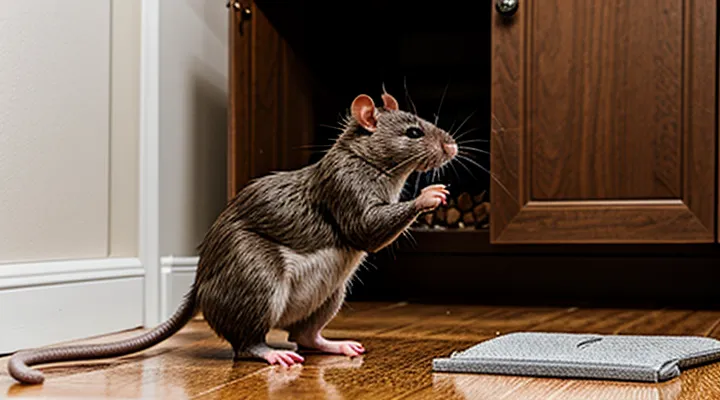
«Understanding the Threat: Why Rats are a Problem»
«Health Risks Associated with Rats»
«Disease Transmission»
Rats living inside residential buildings act as carriers of numerous pathogens that can cause serious illness in occupants. Direct contact with rodent droppings, urine, saliva, or bites introduces infectious agents into the household environment.
- Leptospirosis – bacterial infection transmitted through contaminated urine.
- Hantavirus pulmonary syndrome – virus spread by inhalation of aerosolized droppings.
- Salmonellosis – bacterial disease caused by ingestion of food tainted with feces.
- Rat‑bite fever (Streptobacillosis) – bacterial infection following bites or scratches.
- Lymphocytic choriomeningitis – viral illness acquired from exposure to rodent secretions.
Transmission occurs when rodents contaminate surfaces, food supplies, or water sources. Droppings and urine dry quickly, releasing particles that remain airborne and can be inhaled. Persistent contamination of kitchen counters, pantry items, and pet food bowls provides pathways for ingestion. Bites introduce pathogens directly into the bloodstream.
Human exposure may result in fever, respiratory distress, gastrointestinal upset, kidney damage, or neurological symptoms, depending on the agent. Early detection is hindered by nonspecific initial signs, increasing the risk of severe complications.
Effective disease‑prevention strategies focus on eliminating the rodent source and breaking transmission cycles. Key actions include:
- Sealing cracks, gaps, and utility openings to deny entry.
- Removing food residues, storing perishables in sealed containers, and maintaining clean countertops.
- Deploying snap traps or electronic devices in known activity zones.
- Using anticoagulant baits in accordance with safety regulations, preferably under professional supervision.
- Conducting regular inspections of attics, basements, and crawl spaces for signs of infestation.
Continuous monitoring and prompt removal of any new rodent activity sustain a low‑risk environment. Maintaining strict sanitation and structural integrity directly reduces the probability of disease spread within the home.
«Allergens and Asthma Triggers»
Rats introduce allergens that aggravate asthma. Their droppings, urine, and shed fur contain proteins that become airborne when disturbed, triggering respiratory inflammation in sensitive individuals. Continuous exposure raises the risk of asthma attacks, especially in homes with poor ventilation.
Effective control of rodent populations reduces these health hazards. Key actions include:
- Sealing entry points such as gaps around pipes, vents, and doors to prevent infestation.
- Eliminating food sources by storing perishables in airtight containers and promptly cleaning crumbs.
- Maintaining a clutter‑free environment to remove hiding places and reduce dust accumulation.
- Using snap traps or electronic devices placed along wall lines, avoiding poison that can contaminate food supplies.
Regular cleaning after removal of rodents further lowers allergen levels. Vacuum with a HEPA filter, damp‑wipe surfaces, and launder bedding at high temperatures. Conduct periodic inspections to ensure that entry points remain closed and that no new activity has begun.
By integrating exclusion, sanitation, and targeted trapping, homeowners can limit rat‑related allergens and protect occupants prone to asthma.
«Damage Caused by Rodents»
«Structural Damage to Homes»
Rats compromise the integrity of residential structures through several mechanisms. Their gnawing habit weakens load‑bearing components, while nesting activities introduce moisture and debris that accelerate decay.
- Chewed wooden joists and studs reduce shear strength, increasing the risk of floor sagging or collapse.
- Damaged insulation and wiring expose walls to fire hazards and heat loss, raising energy consumption.
- Burrowed holes in foundation walls allow water infiltration, leading to mold growth and soil erosion around the footing.
- Accumulated droppings and urine corrode metal fasteners, brackets, and pipe joints, undermining connections that hold structural elements together.
Addressing rat infestations promptly prevents progressive deterioration. Sealing entry points, employing bait stations, and monitoring activity limits further damage. Regular inspections of vulnerable areas—attic joists, basement walls, and crawl‑space vents—detect early signs of gnawing, enabling targeted remediation before structural compromise becomes irreversible.
«Contamination of Food and Surfaces»
Rats introduce bacteria, viruses, and parasites onto food and kitchen surfaces through droppings, urine, and saliva. Their gnawing creates entry points for contaminants, while foraging behavior spreads waste material across countertops, shelves, and utensils.
Contamination occurs when rodents access unsecured storage, chew packaging, or travel along hidden pathways such as wall voids and pipe runs. Food left uncovered provides a direct feeding source, and any moisture residue encourages bacterial growth that rats readily transfer.
Typical indicators include dark, pellet‑shaped droppings near food containers, greasy streaks on surfaces, gnaw marks on packaging, and a noticeable increase in food spoilage. Conduct visual inspections weekly, focusing on pantry shelves, under appliances, and behind cabinets.
Effective response steps:
- Remove all food items from the affected area and place them in sealed, rodent‑proof containers.
- Discard any product showing signs of damage or contamination.
- Clean surfaces with a detergent solution, then apply a disinfectant approved for food‑contact areas; allow the recommended dwell time.
- Vacuum crevices and use a HEPA filter vacuum to capture residual droppings and urine particles.
- Launder fabric items (e.g., curtains, mop heads) at the highest safe temperature.
Preventive actions:
- Store dry goods in metal or heavy‑plastic containers with tight‑locking lids.
- Install door sweeps and seal gaps around pipes, vents, and utility openings.
- Keep trash cans covered and empty them regularly.
- Reduce clutter that offers hiding places; maintain a tidy environment.
- Employ snap traps or electronic devices in strategic locations, monitoring and resetting them as needed.
By eliminating food sources, reinforcing surface hygiene, and blocking access routes, homeowners can substantially lower the risk of rodent‑related contamination.
«Identifying a Rat Infestation»
«Signs of Rat Presence»
«Droppings and Urine Trails»
Rats leave distinctive black or brown droppings about one‑half inch long, often found along walls, behind appliances, and in pantry corners. Fresh droppings appear glossy, while older ones become dry and crumbly. Urine trails are invisible but leave a lingering ammonia odor; they frequently coat surfaces such as baseboards, cabinets, and wiring.
These waste products carry pathogens that can contaminate food, surfaces, and air. Exposure may cause salmonellosis, leptospirosis, or hantavirus infection. Direct contact or inhalation of dust contaminated with dried droppings increases risk.
To locate and eliminate rat waste:
- Wear disposable gloves and a mask; avoid stirring up dust.
- Use a UV flashlight to reveal urine stains that fluoresce under black light.
- Collect droppings with a disposable scoop or damp paper towel; place in a sealed bag.
- Disinfect the area with a 10 % bleach solution (1 part bleach to 9 parts water) or an EPA‑approved rat‑specific sanitizer; let it sit for at least 10 minutes before wiping clean.
- Dispose of all cleaning materials in a sealed container and wash hands thoroughly after removal.
«Gnaw Marks»
Gnaw marks are a primary indicator of rat activity inside a residence. They appear as smooth, crescent‑shaped bite edges on wood, plastic, wiring, and food packaging. The size of the bite correlates with the animal’s age: juveniles leave shallow, narrow marks; adults produce deeper, broader impressions up to ¼ inch wide.
Identifying gnaw marks serves three purposes:
- Confirms the presence of rodents when visual sightings are absent.
- Locates entry points, as rats often chew through gaps to gain access.
- Highlights vulnerable materials that require immediate repair or replacement to prevent further damage.
When inspecting a property, follow this procedure:
- Examine baseboards, cabinets, and exposed beams for fresh, clean cuts.
- Trace each mark to its source; a cluster of bites near a wall may indicate a hidden entry.
- Document the size, depth, and material of each mark for later reference.
- Seal identified entryways with steel wool, metal flashing, or cement, ensuring a material rats cannot gnaw through.
- Replace or repair damaged wiring and insulation promptly to eliminate fire hazards.
Cleaning gnaw marks involves removing debris, disinfecting the area with a rodent‑specific sanitizer, and applying a non‑toxic deterrent spray. Regular monitoring of previously affected zones reduces the risk of re‑infestation.
By treating gnaw marks as actionable evidence rather than mere surface damage, homeowners can target control measures precisely, limit structural harm, and maintain a rat‑free environment.
«Scratching and Squeaking Noises»
Scratching and squeaking noises often signal rodent activity within walls, ceilings, or floor cavities. The sounds arise from gnawing, nesting, and movement, providing early evidence of infestation before visual signs appear. Detecting these noises enables prompt intervention, reducing damage to structural components and wiring.
Identify the source by listening at different times of day; rodents are most active at night, producing higher frequency squeaks and rapid scratching. Use a handheld recorder or smartphone app to capture audio, then compare the pattern with known rodent sound profiles. Persistent, rhythmic scratching indicates nesting material being moved, while intermittent high‑pitched squeaks suggest distress or communication among individuals.
Effective responses include:
- Seal entry points larger than ¼ inch to prevent further ingress.
- Install snap traps or electronic traps near the noise source, positioning bait within 2‑3 inches of the wall.
- Apply rodent‑specific ultrasonic repellents, calibrated to the frequency range of recorded noises (approximately 3–5 kHz).
- Introduce a professional inspection if noises continue after initial measures, as hidden colonies may require bait stations or fumigation.
«Nests and Burrows»
Rats construct nests from shredded material such as paper, fabric, insulation, or dried food. Nests are typically found in concealed areas: behind appliances, within wall cavities, under floorboards, or inside attic insulation. Identifying a nest involves looking for dense, irregular piles of debris, droppings, or urine stains surrounding the structure.
Burrows extend from the exterior into the building envelope. Common entry points include gaps around utility lines, foundation cracks, and unsealed vent openings. Burrows appear as smooth tunnels of compacted soil or debris, often ending in a larger chamber where the nest resides.
Effective control measures focus on locating and eliminating both nests and burrows:
- Conduct a systematic inspection of all potential hiding places, paying special attention to low‑traffic zones and moisture‑prone areas.
- Use a flashlight and a rigid inspection mirror to view hidden cavities without dismantling structures.
- Apply a rodent‑specific gel or foam sealant directly into burrow openings; the product expands to block the passage and kills rodents that attempt to re‑enter.
- Remove nests by extracting all material, placing it in sealed bags, and disposing of it in an outdoor trash container away from the home.
- After nest removal, disinfect the area with a diluted bleach solution (1 part bleach to 10 parts water) to eliminate pathogens and residual scent trails.
- Install durable steel wool or copper mesh in all identified entry gaps, then seal with caulk or concrete to prevent re‑excavation.
Regular maintenance is essential. Replace damaged weatherstripping, repair foundation cracks, and keep vegetation trimmed at least 12 inches from the building foundation. Continuous monitoring for fresh droppings or gnaw marks will reveal any resurgence of burrowing activity promptly.
«Locating Entry Points»
«Cracks in Foundations»
Cracks in foundations provide direct pathways for rats to enter a house. Even hairline fissures can accommodate the small bodies of these rodents, allowing them to move from soil to interior spaces.
Identifying vulnerable cracks involves a visual inspection of the perimeter, focusing on areas where concrete meets masonry, around utility penetrations, and near drainage pipes. Look for signs such as displaced mortar, exposed rebar, or water seepage, which often indicate structural weakness.
Effective sealing requires a two‑step approach:
- Clean the crack thoroughly, removing debris, dust, and loose material with a wire brush or vacuum.
- Apply a suitable filler—hydraulic cement for active water intrusion, polyurethane foam for larger gaps, or epoxy resin for structural reinforcement. Press the material deep into the opening, then smooth the surface to match the surrounding wall.
After sealing, reinforce the repaired area with a protective coating or waterproof membrane to prevent future deterioration. Regular monitoring, at least twice a year, ensures that new cracks are detected early and addressed before rats can exploit them.
By eliminating these entry points, homeowners significantly reduce the likelihood of rat infestation and create a more secure, pest‑free environment.
«Gaps Around Pipes and Wires»
Gaps surrounding plumbing, electrical conduits, and cable bundles provide direct routes for rodents to access interior spaces. Even openings as small as a quarter‑inch allow rats to squeeze through, creating pathways to food sources and nesting sites.
Inspecting these areas requires a systematic visual sweep of all exposed pipework, junction boxes, and wall penetrations. Use a flashlight to reveal dark crevices, and feel for drafts that indicate hidden voids. Prioritize locations where utilities enter the building envelope, such as basement walls, crawl‑space ceilings, and exterior vent chases.
Seal identified openings with materials that resist gnawing and environmental degradation:
- Steel‑wool or copper mesh placed behind sealant to deter chewing.
- Expanding polyurethane foam formulated for pest‑proof applications, applied in thin layers to fill irregular spaces.
- Cement‑based mortar or hydraulic cement for larger gaps around concrete foundations and brickwork.
- Silicone caulk for small seams around pipe collars and conduit entries.
After sealing, schedule periodic checks—at least quarterly—to verify integrity of the barriers. Replace degraded filler, tighten loose fittings, and address new utility installations promptly. Consistent maintenance eliminates re‑entry points and sustains a robust defense against rat intrusion.
«Damaged Vents and Screens»
Damaged vents and screens provide direct entry points for rats, allowing them to travel from exterior spaces into walls, attics, and crawl spaces. Cracks, torn mesh, or missing sections compromise the building envelope, making exclusion efforts ineffective.
Inspect each vent and screen regularly. Look for rusted frames, loose screws, torn fabric, and gaps larger than a quarter‑inch. Pay special attention to dryer vents, kitchen exhaust fans, attic intake vents, and utility openings. Use a flashlight to view interior surfaces and a ruler or measuring tape to verify opening dimensions.
Repair or replace compromised components promptly:
- Remove rusted or broken frames; clean surrounding metal with a wire brush.
- Install stainless‑steel or aluminum mesh with a ¼‑inch opening size; secure with heavy‑duty staples or screws.
- Apply expanding foam sealant around the perimeter of the mesh to block any residual gaps.
- For damaged vent covers, purchase replacement units that fit the exact dimensions of the opening; attach using corrosion‑resistant fasteners.
- Seal all gaps around vent ducts with high‑quality silicone or acrylic caulk.
Strengthen prevention by adding a secondary barrier:
- Fit a metal screen over the exterior side of the vent to deter gnawing.
- Attach a steel mesh strip around the edges of the vent housing.
- Install a removable, hinged cover for maintenance access while maintaining a solid barrier.
After repairs, monitor for signs of activity—chewed material, droppings, or gnaw marks—around the vent area. Promptly address any new damage to maintain a continuous seal and reduce rat ingress.
«Preventative Measures: Keeping Rats Out»
«Sealing Entry Points»
«Using Steel Wool and Caulk»
Steel wool creates a physical barrier that rats cannot gnaw through. When packed tightly into holes, gaps, and cracks, the fibrous metal fibers irritate the rodents’ incisors, forcing them to abandon the entry point. The material remains effective even after exposure to moisture, making it suitable for basements, crawl spaces, and exterior wall penetrations.
Caulk seals the remaining openings that steel wool cannot fill completely. A silicone‑based or polyurethane sealant adheres to wood, concrete, and metal, forming an airtight seal that blocks scent trails and prevents re‑entry. Applying caulk after inserting steel wool ensures a smooth, durable finish that resists weathering and rodent tampering.
Application steps
- Identify all potential entry points: utility penetrations, pipe sleeves, vent openings, and foundation cracks.
- Insert steel wool into each opening, compressing it until it fits snugly.
- Apply a bead of caulk over the steel wool, covering the entire surface.
- Smooth the caulk with a gloved finger or tool to eliminate gaps.
- Allow the sealant to cure according to the manufacturer’s instructions before exposing the area to water or temperature fluctuations.
Regular inspection confirms the integrity of the barrier. Replace damaged steel wool and reapply caulk promptly to maintain a continuous defense against rat intrusion.
«Repairing Damaged Structures»
Repairing compromised building elements eliminates the pathways rats use to enter and move through a residence. Restoring walls, floors, and ceilings removes the shelter and travel routes that support infestation, directly reducing population growth.
- Seal gaps larger than ¼ inch in exterior walls, foundation, and utility penetrations. Use steel wool, copper mesh, or polyurethane foam for temporary blockage, followed by cement or metal flashing for permanent closure.
- Repair cracked or missing siding, brickwork, and stucco. Apply mortar or appropriate sealant to restore a continuous barrier.
- Replace damaged vent covers, chimney caps, and crawl‑space grates with rodent‑proof hardware. Ensure tight fit and secure fastening.
- Reinforce damaged flooring and subflooring. Install plywood or engineered boards that fit snugly, eliminating voids beneath.
- Fix broken insulation and drywall that provide nesting material. Remove contaminated sections, install new material, and seal edges.
Regular inspections identify structural wear before rats exploit it. Schedule a walkthrough of the building envelope quarterly; focus on areas around pipes, wires, and HVAC ducts. Document findings and prioritize repairs based on severity and proximity to known rodent activity.
Select durable, pest‑resistant materials. Cement‑based products, metal flashing, and hard plastics resist gnawing better than wood or soft polymers. Apply corrosion‑inhibiting coatings to metal components to maintain integrity over time.
By systematically restoring the home’s physical defenses, residents create an environment where rats cannot establish entry points, shelter, or food access, thereby supporting broader rodent‑control measures.
«Sanitation Practices»
«Proper Food Storage»
Proper food storage directly reduces the attraction of rats to a dwelling. When edible items are inaccessible, rodents lose a primary incentive to explore and establish nests.
- Keep dry goods in containers that seal completely; metal or thick‑plastic jars with screw‑on lids are preferred.
- Store pet food in the same manner; avoid leaving bowls out after feeding.
- Place bulk items such as flour, rice, and cereals in sealed, airtight bins rather than open boxes or bags.
- Rotate stock regularly; use older supplies first to prevent spoilage that emits strong odors.
Waste management complements secure storage. Use trash cans equipped with tight‑fit lids, empty them daily, and keep them away from walls and entry points. Compost bins should be sealed and positioned outdoors, not inside the kitchen or pantry.
Maintain a clean surface environment. Wipe countertops, floors, and appliance exteriors after each use. Sweep crumbs from dining areas and vacuum behind appliances where food particles accumulate. Repair leaks promptly; moisture attracts rats as much as food.
By implementing airtight containers, sealed waste receptacles, and routine cleaning, households eliminate the most common food‑related cues that draw rats, thereby strengthening overall rodent‑control efforts.
«Regular Waste Disposal»
Effective rat control begins with disciplined waste management. Food remnants and organic debris attract rodents; eliminating these resources reduces the likelihood of infestation.
Maintain sealed containers for all trash. Use bins with tight‑fitting lids and inspect them regularly for cracks or damage. Replace liners promptly to prevent leakage.
Schedule waste removal at least once every 24 hours. In multi‑unit dwellings, coordinate with building management to ensure common areas are emptied consistently. Prompt removal prevents accumulation that serves as a food source.
When disposing of kitchen waste, separate compostable material from non‑compostable refuse. Keep compost bins outdoors, away from the house, and cover them securely. Avoid storing garbage indoors for extended periods; relocate it to a sealed external container as soon as possible.
Implement the following routine:
- Empty indoor trash cans nightly.
- Clean the interior of bins with detergent weekly.
- Inspect lids and seals for integrity during each cleaning.
- Ensure outdoor dumpsters are locked and emptied regularly.
- Record disposal dates to monitor compliance.
By adhering to these practices, the environment becomes inhospitable to rats, limiting their access to nutrition and nesting sites, and supporting broader pest‑control strategies.
«Cleaning Up Spills and Crumbs»
Keeping surfaces dry and free of food residue removes the primary attractants that draw rats into a residence. Every liquid spill should be blotted immediately, then the area cleaned with a detergent solution to eliminate lingering scent trails. Crumbs left on countertops, floors, or under appliances provide a steady food source; regular sweeping and vacuuming eradicate this supply.
A systematic cleaning routine includes:
- Wiping countertops after each meal preparation with a disinfectant.
- Sweeping kitchen floors at least twice daily, focusing on corners and under cabinets.
- Vacuuming pantry shelves and storage bins weekly, discarding debris before it accumulates.
- Inspecting and cleaning behind appliances, where hidden spills often go unnoticed.
Prompt removal of waste reinforces the environment’s inhospitability to rodents. Seal garbage containers with tight‑fitting lids, and transfer kitchen waste to an outdoor bin nightly. By eliminating spills and crumbs, the habitability index for rats drops sharply, reducing the likelihood of infestation without reliance on traps or chemicals.
«Yard Maintenance»
«Trimming Vegetation»
Keeping plants close to a building trimmed reduces the opportunities rats have to travel from outdoor habitats to indoor shelter. Overgrown shrubs, tall grass, and dense vines create continuous cover that rats use for movement, nesting, and food storage. When vegetation is maintained at a low height, the visual and physical connection between the yard and the home’s foundation is broken, forcing rodents to expose themselves to predators and to seek alternative routes that are less likely to lead inside.
Effective vegetation management includes the following actions:
- Trim shrubs to a maximum height of 12 inches (30 cm) from the ground, especially those that touch the house.
- Mow lawns weekly during the growing season to keep grass no taller than 3 inches (7 cm).
- Remove vines and climbing plants from walls, eaves, and rooflines; maintain a clearance of at least 6 inches (15 cm) between foliage and the structure.
- Cut back tree branches that overhang the roof or touch the siding; prune to keep a gap of at least 12 inches (30 cm).
- Eliminate piles of leaves, mulch, compost, or debris within 2 feet (60 cm) of the foundation, as these provide hiding places and food sources.
Regular inspection and seasonal pruning prevent vegetation from regrowing to a problematic height. Schedule a comprehensive trim in early spring before rat activity peaks, and repeat the process in late summer to maintain the barrier throughout the year. Consistent upkeep denies rats easy access routes, thereby reducing the likelihood of indoor infestation.
«Storing Firewood Away from the House»
Storing firewood at a distance from the house reduces the likelihood that rats will use the woodpile as shelter or a travel corridor into the structure. Wood piles placed directly against walls, foundations, or eaves create a continuous cover that rodents can exploit to reach roof spaces, crawl spaces, and interior walls.
Maintain a clear gap of at least three feet between the firewood stack and any part of the building. Elevate the pile on a sturdy platform or pallets to keep the bottom layer off the ground, preventing moisture accumulation that attracts insects and, subsequently, rats. Keep the firewood covered with a waterproof tarp that does not touch the ground, allowing air circulation while blocking direct access.
Regularly inspect the woodpile for signs of gnawing, droppings, or burrows. Remove any compromised logs and relocate them to a storage area farther from the home. Implement these practices as part of an integrated rodent management plan to limit entry points and reduce food sources within the property.
«Removing Debris and Clutter»
Eliminating debris and clutter creates an environment that deters rat activity. Piles of cardboard, paper, and unused items provide shelter and nesting sites; their removal reduces the number of concealed spaces where rodents can hide.
- Collect and discard all broken appliances, damaged furniture, and excess packaging.
- Store remaining items in sealed containers with tight‑fitting lids.
- Keep storage areas well‑ventilated and free of dust accumulation.
- Regularly sweep floors, vacuum corners, and wipe surfaces to remove food particles and droppings.
- Maintain a clear perimeter around the home by trimming vegetation and removing piles of leaves, mulch, or firewood that touch the foundation.
By systematically clearing these potential habitats, the habitat suitability for rats drops sharply, making the residence less attractive for infestation.
«Effective Rat Extermination Methods»
«Trapping Strategies»
«Snap Traps»
Snap traps remain a reliable, low‑cost solution for indoor rat control. The mechanism consists of a spring‑loaded bar that delivers a rapid, lethal strike when the trigger is activated by a rodent’s movement. Their simplicity allows immediate deployment without electrical power or chemical agents.
Effective use requires careful selection of trap size, placement, and bait. Standard wooden or plastic models fit most domestic environments; larger models accommodate bigger rats. Position traps along walls, behind appliances, and in concealed pathways where rodent activity has been observed. Ensure the trigger side faces the wall so the animal approaches from a natural route.
Bait choices influence capture rates. Preferred options include:
- Peanut butter or nut butter (strong scent, adheres to trigger)
- Small pieces of fresh fruit (e.g., apple, banana)
- Commercial rodent attractant gels
Apply a pea‑sized amount directly onto the trigger platform to prevent premature activation.
Safety considerations protect occupants and non‑target animals. Place traps out of reach of children and pets, preferably inside sealed containers or behind protective barriers. Wear gloves when handling traps to avoid contamination with rodent blood, which can transmit disease.
After a capture, follow a consistent disposal protocol:
- Seal the trap in a plastic bag.
- Dispose of the bag in an outdoor trash receptacle.
- Reset the trap with fresh bait, or replace it if damage is evident.
Routine inspection, ideally every 24 hours, maintains effectiveness and prevents decomposition odors that could attract additional pests. Regularly replace worn springs or damaged components to preserve the lethal force required for a clean kill.
When integrated with complementary measures—such as sealing entry points and maintaining sanitation—snap traps provide a decisive, immediate reduction in rat populations within residential settings.
«Live Traps»
Live traps capture rats without killing them, allowing humane removal from the residence. The device consists of a cage with a trigger mechanism that releases a door when the animal enters to reach bait.
Effective use requires strategic placement. Position traps along walls, behind appliances, and near known droppings, because rats travel close to vertical surfaces. Keep traps away from children and pets by using elevated surfaces or protective barriers.
Select bait that appeals to local rat populations. Common options include peanut butter, dried fruit, or small pieces of meat. Apply a pea‑sized amount to the trigger plate to ensure quick activation.
Check traps at least twice daily. Remove captured rats promptly, wearing disposable gloves, and place them in a secure container for release. Release locations should be at least 100 meters from the home, in a wooded or grassy area with adequate cover.
Maintain trap efficacy by cleaning cages with mild detergent after each capture. Inspect the trigger mechanism for wear and replace springs or hinges as needed.
Advantages of live traps
- Humane solution
- Reusable after cleaning
- No poison residue in the home
Disadvantages of live traps
- Requires regular monitoring
- May cause stress to captured animals
- Risk of escape if not secured properly
Integrating live traps with sanitation measures—sealing entry points, removing food sources, and eliminating clutter—enhances overall rodent control success.
«Placement and Baiting Techniques»
Effective rodent control in residential environments depends on precise trap positioning and appropriate bait selection. Identify high‑traffic zones by observing droppings, gnaw marks, and pathways along walls, behind appliances, and near food storage. Place devices perpendicular to these routes, with the trigger side facing the wall to force rats to encounter the mechanism. Maintain a minimum distance of 12 inches between traps to prevent interference and to cover broader sections of the infestation area.
Choose baits that attract rats while minimizing non‑target exposure. Preferred options include:
- Fresh peanut butter, mixed with a small amount of rolled oats.
- Small pieces of dried fruit or fruit leather, especially when combined with a scent enhancer.
- Commercial rodent attractants formulated with protein and fat components.
Apply bait sparingly; a pea‑size amount per trap suffices to entice without waste. Secure bait to the trigger platform using a thin layer of petroleum jelly or a small piece of cheesecloth to prevent premature removal.
Rotate trap locations every 48 hours to disrupt established patterns and to locate concealed activity. After capture, remove the rodent, disinfect the device with a 10 % bleach solution, and re‑bait before redeployment. Record capture dates and locations to track progress and adjust placement strategy accordingly. Continuous monitoring and systematic repositioning ensure sustained reduction of the rat population.
«Rodenticide Use (Chemical Control)»
«Understanding Different Types of Baits»
Rats respond to a limited range of attractants, and selecting the appropriate bait determines whether a control program succeeds. Different bait categories target specific behaviors and physiological vulnerabilities.
-
Anticoagulant baits – contain compounds such as warfarin, brodifacoum, or difethialone. They interfere with blood clotting, causing death after several days of ingestion. First‑generation products require multiple feedings; second‑generation formulations act after a single dose.
-
Neurotoxic baits – bromethalin disrupts mitochondrial function, leading to rapid paralysis and death. Effective against resistant populations, but require careful placement to avoid non‑target exposure.
-
Vitamin‑derived baits – cholecalciferol (vitamin D3) induces hypercalcemia, resulting in organ failure. Low secondary poisoning risk makes them suitable for areas with pets or wildlife.
-
Metal phosphide baits – zinc phosphide releases phosphine gas in the stomach, producing swift lethal effects. Use is restricted in many jurisdictions because of high toxicity.
-
Protein‑based natural baits – peanut butter, dried fruit, or fish paste exploit rats’ strong preference for high‑energy foods. They are ideal for short‑term placement in traps or as pre‑baits to increase acceptance of chemical formulations.
-
Pre‑baiting strategy – offering a non‑lethal attractant for several days before introducing a toxic product improves consumption rates. Pre‑bait should match the targeted rat species’ diet and be refreshed regularly.
Effective bait deployment follows these principles: locate active runways, place baits 1–2 feet apart, protect against weather, and monitor for removal. Rotate bait types when resistance signs appear, and ensure compliance with local pesticide regulations.
«Safety Precautions for Humans and Pets»
When addressing a rat problem, protect people and animals before applying any control technique. Use personal protective equipment (PPE) such as thick gloves, long‑sleeved clothing, and safety goggles to prevent contact with urine, feces, or chemicals. Ensure that all household members, especially children, understand the need to stay away from traps and bait stations.
- Wear disposable gloves when handling dead rodents or cleaning contaminated areas.
- Wash hands thoroughly with soap after any interaction with rodent material.
- Keep traps out of reach of pets; place them on flat surfaces where animals cannot climb onto them.
- Use tamper‑proof bait stations that lock away poison, limiting accidental ingestion.
- Store all rodenticides in locked containers, away from food supplies and pet access.
Ventilate the space after applying sprays or foggers; keep windows open for at least 30 minutes. Allow pets to exit the treated area before re‑entry, and wait the manufacturer’s recommended clearance time before allowing humans back inside. If a pet shows signs of exposure—vomiting, lethargy, or abnormal behavior—contact a veterinarian immediately and provide details of the product used.
Maintain a clean environment to reduce attractants: seal food containers, eliminate standing water, and repair structural gaps. Regularly inspect the home for new signs of activity, and repeat safety checks each time a control measure is deployed. These practices minimize health risks while effectively reducing the rat population.
«Proper Placement and Disposal»
Effective rat control begins with strategic positioning of traps and bait stations, followed by safe removal of captured rodents and contaminated materials.
- Place snap traps along walls where rats travel, typically within 2 inches of the baseboard.
- Install bait stations in concealed locations such as behind appliances, under sinks, and inside crawl spaces.
- Keep traps at least 12 inches apart to prevent overlapping territories.
- Position devices away from children’s reach and pet activity zones.
- Use multiple stations per room, focusing on entry points, food storage areas, and waste containers.
After capture, immediate disposal prevents disease spread and discourages re‑infestation.
- Wear disposable gloves and seal the dead rat in a plastic bag.
- Place the sealed bag inside a second, larger bag before discarding.
- Dispose of the double‑bagged material in an outdoor trash bin with a tight‑fitting lid.
- Clean the trap surface with a diluted bleach solution (1 part bleach to 9 parts water) and allow it to air dry before reuse.
- Sanitize the surrounding area with an EPA‑approved rodent disinfectant, targeting any droppings or urine stains.
Consistent adherence to these placement and disposal protocols reduces rat populations and limits health hazards within residential environments.
«Natural Deterrents and Repellents»
«Peppermint Oil and Other Scents»
Peppermint oil functions as a natural repellent because its strong menthol scent overwhelms the olfactory receptors rats use to locate food and shelter. Apply a few drops to cotton balls and place them in areas where activity has been observed—behind appliances, under sinks, and in attic corners. Replace cotton balls every two to three days to maintain potency.
Other aromatic deterrents work on similar principles:
- Eucalyptus oil: high‑volatile compounds irritate rodent respiratory pathways; apply with a carrier oil on cloth strips.
- Cedar chips: emit phenolic substances that rodents find unpleasant; spread thin layers in crawl spaces.
- Clove oil: contains eugenol, a known irritant; dilute 1 % in water and spray along baseboards.
Effectiveness depends on proper placement and regular renewal. Scents do not eliminate infestations but can reduce traffic while integrated with sealing entry points and trapping. Overuse may cause irritation to humans or pets; ventilate rooms after application and keep concentrated oils away from children. Combining aromatic repellents with physical barriers yields the most reliable reduction in rodent presence.
«Ultrasonic Devices»
Ultrasonic devices emit high‑frequency sound waves that rodents cannot tolerate. The sound frequencies typically range from 20 kHz to 65 kHz, creating an environment that deters rats without visible or audible disturbance to humans.
Effectiveness depends on several factors:
- Placement: devices should be positioned at least 12 inches from walls and furniture to allow sound propagation.
- Coverage: each unit covers a limited area (approximately 100 sq ft). Larger rooms require multiple units with overlapping fields.
- Obstructions: solid objects block ultrasonic waves; open‑plan layouts increase performance.
- Maintenance: batteries or power cords must be functional; most models lose output after 6–12 months and need replacement.
Advantages:
- No chemical residues, reducing risk to pets and children.
- Silent operation for occupants; sound is beyond human hearing.
- Easy installation and minimal ongoing cost.
Limitations:
- Rats may become habituated after prolonged exposure, diminishing deterrence.
- Effectiveness drops in cluttered spaces where sound cannot travel freely.
- Some studies report mixed results, indicating that ultrasonic devices work best as part of an integrated control plan.
Recommended usage protocol:
- Conduct a thorough inspection to identify active pathways and nesting sites.
- Install devices at the highest point of each room, away from direct contact with walls.
- Operate devices continuously, especially during nighttime when rat activity peaks.
- Monitor rodent signs weekly; if activity persists after 30 days, supplement with traps or exclusion methods.
- Replace units according to manufacturer specifications, typically every 12 months.
Safety considerations:
- Verify that the device is certified for indoor use.
- Keep devices out of reach of children and pets that may chew cords.
- Do not place units near ultrasonic hearing‑sensitive equipment, such as certain medical devices.
When used correctly and combined with sanitation, sealing entry points, and trapping, ultrasonic devices can contribute to a measurable reduction in rat presence within residential environments.
«Post-Extermination Cleanup and Future Prevention»
«Sanitizing Infested Areas»
«Disinfecting Surfaces»
Disinfecting surfaces removes scent trails and pathogens that attract rats and support their colonies. Cleaned areas deny rodents the chemical cues they use to navigate and locate food, reducing the likelihood of re‑infestation.
- Use a commercial disinfectant with at least 70 % alcohol or a bleach solution (1 part bleach to 9 parts water). Apply to countertops, floors, cabinets, and any place where food residues may accumulate.
- Allow the disinfectant to remain on the surface for the manufacturer‑specified contact time, usually 5–10 minutes, before wiping or rinsing.
- Target high‑traffic zones such as kitchen sinks, pantry shelves, and entry points near cracks or gaps. Include the undersides of appliances and the interior of trash cans.
- Repeat the procedure weekly during an active rat problem and after each pest‑control treatment to maintain a hostile environment for rodents.
Proper disinfection complements exclusion and baiting measures, creating a comprehensive approach to rat management in residential settings.
«Cleaning Up Droppings and Urine»
Rats leave droppings and urine that carry pathogens, attract insects, and create unpleasant odors. Prompt, thorough removal eliminates health hazards and reduces the likelihood of further infestation.
- Wear disposable gloves, a N‑95 respirator, and eye protection before touching any material.
- Ventilate the area by opening windows and using fans to direct airflow outward.
- Collect solid droppings with a damp paper towel; avoid dry sweeping, which can aerosolize particles.
- Place contaminated items in a sealable plastic bag, then discard according to local hazardous‑waste guidelines.
- Soak the affected surface with a solution of 1 part bleach to 10 parts water; let it sit for at least 10 minutes.
- Scrub the area with a stiff brush, rinse with clean water, and dry completely.
- Apply an EPA‑approved disinfectant to ensure residual microbes are neutralized.
- Seal the cleaned zone with a transparent plastic sheet until the area is free of rodent activity.
Regular inspection and immediate cleanup after any sighting keep the environment inhospitable to rats and protect occupants from disease.
«Monitoring for Reinfestation»
«Regular Inspections»
Regular inspections form a cornerstone of any rat‑control program in a residence. By systematically checking vulnerable zones, homeowners can detect early signs of activity and intervene before populations expand.
Inspections should occur at least once a month, with additional checks after severe weather, renovations, or when waste disposal practices change. Focus on locations where rodents seek shelter, food, or water: foundations, crawl spaces, attics, kitchens, basements, and exterior openings.
- Look for droppings, gnaw marks, and urine stains on surfaces, walls, and stored items.
- Examine insulation, wiring, and pipe runs for fresh chew damage.
- Verify the integrity of door sweeps, window screens, and vent covers; seal any gaps larger than ¼ inch.
- Test traps and bait stations for activity; replace or reposition as needed.
- Record observations in a log, noting date, location, and type of evidence found.
Documented findings guide targeted actions such as sealing entry points, adjusting trap placement, or calling professional services. Consistent monitoring reduces the risk of infestation resurgence and supports long‑term rodent management.
«Maintaining Preventative Measures»
Effective rat control ends with ongoing prevention. Once rodents are removed, maintain barriers that stop re‑entry.
- Inspect walls, foundations, and ceilings for gaps; fill openings with steel wool, caulk, or cement.
- Keep countertops, floors, and sinks free of crumbs; wipe spills immediately.
- Store dry goods in sealed containers; use metal or heavy‑wall plastic bins.
- Position trash cans with tight‑fitting lids; empty them regularly and keep areas around them clean.
- Trim vegetation, vines, and tree branches that contact the building; remove debris that creates shelter.
- Eliminate standing water; fix leaks and dry damp areas promptly.
Schedule inspections at least quarterly. Record findings, repairs, and any signs of activity. Replace damaged seals and repair structural defects as soon as they appear.
Consistent application of these measures sustains a rat‑free environment and reduces the likelihood of future infestations.