
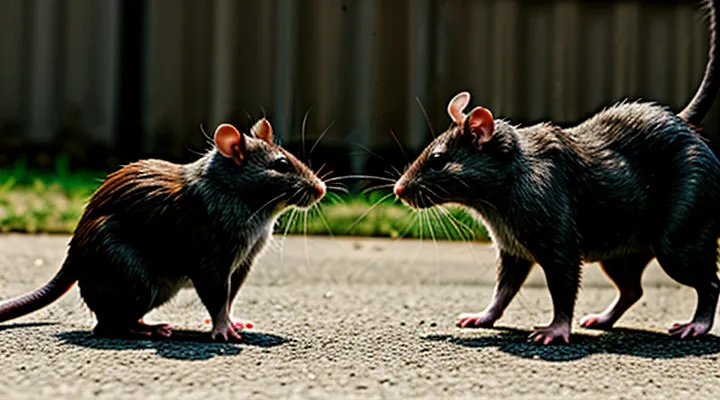
Understanding the Enemy: Rat Behavior and Biology
Common Rat Species
Norway Rats («Rattus norvegicus»)
Norway rats (Rattus norvegicus) are large, omnivorous rodents that thrive in urban and agricultural settings. Adults weigh 300–500 g, reach lengths of 20–25 cm excluding the tail, and reproduce year‑round with litters of up to 12 pups. Their nocturnal activity, excellent swimming ability, and preference for dense vegetation make them effective colonizers of sewers, basements, and outdoor storage areas.
Key indicators of a Norway‑rat presence include gnawed wood or plastic, droppings 1–2 cm long with pointed ends, greasy footprints along walls, and audible scurrying in concealed spaces. Damage often affects insulation, wiring, and stored food, while the species can transmit pathogens such as Leptospira and hantavirus.
Effective control measures fall into three categories:
-
Sanitation and exclusion
• Remove food sources, seal garbage containers, and eliminate standing water.
• Repair cracks, gaps around pipes, and foundation seams to block entry points.
• Install door sweeps and mesh screens on vents. -
Mechanical trapping
• Deploy snap traps or multi‑capture cages along runways, behind walls, and near burrows.
• Position traps perpendicular to walls with bait (peanut butter, dried fruit) at the rear.
• Check and reset traps daily; dispose of captured rats according to local regulations. -
Chemical and biological methods
• Apply anticoagulant rodenticides in tamper‑resistant bait stations, following label instructions and safety protocols.
• Consider predatory birds or feral cat programs where appropriate, recognizing legal and ecological constraints.
• Monitor for resistance development; rotate active ingredients as recommended.
Integrated pest‑management (IPM) requires regular inspection, documentation of activity, and adaptation of tactics based on observed efficacy. Consistent implementation of these strategies reduces population levels, limits structural damage, and lowers health risks associated with Norway rats.
Roof Rats («Rattus rattus»)
Roof rats (Rattus rattus) are agile climbers that preferentially inhabit elevated structures such as attics, eaves, and roof spaces. Their slender bodies and long tails enable movement along wires, trees, and building materials, allowing them to bypass ground‑level barriers. Typical signs of infestation include gnaw marks on wood, shredded insulation, greasy smears along walls, and droppings that are ½‑inch long, dark, and often found near food sources.
Effective control begins with exclusion. Seal all openings larger than ¼ inch using steel wool, cement, or metal flashing; pay particular attention to vents, chimney gaps, and roof penetrations. Trim tree branches and vines that contact the roof to eliminate bridge routes. Maintain a clean environment by storing food in sealed containers and removing birdseed or pet feed that may attract rats.
Integrated management combines traps, baits, and habitat modification:
- Snap traps positioned along walls, behind insulation, and in concealed corners; set with a minimal amount of attractive bait such as peanut butter.
- Live‑catch traps for temporary removal, followed by immediate euthanasia or release far from the property in accordance with local regulations.
- Rodenticides applied in tamper‑resistant bait stations, placed out of reach of children and non‑target wildlife; rotate active ingredients to prevent resistance.
Regular monitoring reinforces these measures. Inspect trap locations weekly, replace bait, and verify that exclusion points remain sealed. Prompt detection and swift action prevent roof rats from establishing a permanent colony, thereby protecting structural integrity and health.
House Mice («Mus musculus») (Distinction from Rats)
House mice (Mus musculus) frequently coexist with rats in residential settings, yet they differ in size, behavior, and control methods. Recognizing these distinctions prevents misdirected efforts and improves overall pest management.
Mice are typically 2–4 inches long, with a slender body and a long, hairless tail. Rats range from 7 inches to over a foot, possess a thicker tail covered with sparse hair, and exhibit a more robust build. This size gap influences trap selection: snap traps designed for rats may miss mice, while smaller mouse traps can capture rats only if placed at appropriate points.
Behavioral contrasts affect placement of control devices. Mice favor tight spaces near walls, often traveling along baseboards and behind appliances. Rats prefer larger burrows, sewers, and open pathways such as utility lines. Consequently, effective placement of bait stations and monitoring devices should target mouse-preferred zones separately from rat routes.
Key differences relevant to control strategies:
- Reproductive rate: Mice can produce up to 10 litters per year, each with 5–6 offspring; rats average 6–8 litters with 6–12 young. Rapid mouse population growth demands more frequent inspection and replenishment of baits.
- Feeding habits: Mice consume a broader spectrum of dry, crumbly foods; rats show a preference for larger, moist items and can gnaw through tougher materials. Bait formulation should reflect these preferences to avoid cross‑attraction.
- Habitat tolerance: Mice survive in cooler, dryer environments; rats thrive in moist, warmer conditions. Environmental modifications—such as sealing cracks for mice and improving drainage for rats—address each species’ specific needs.
Integrating mouse‑specific actions into a rat‑focused program enhances overall efficacy. Deploy mouse‑size snap traps along wall junctions, use low‑volume bait stations with mouse‑targeted attractants, and reduce clutter that offers hiding places. Simultaneously, maintain rat‑oriented measures—large traps, robust bait stations, and exclusion of larger entry points. By treating house mice as a distinct target, pest managers avoid resource waste and achieve comprehensive rodent control.
Rat Habits and Habitats
Feeding Patterns
Rats are opportunistic omnivores whose feeding behavior follows predictable cycles that can be exploited for control. Their activity peaks during dusk and pre‑dawn, when they leave nests to forage. Food sources with high carbohydrate or protein content attract them most, especially when waste is accessible. Seasonal variations influence diet composition: autumn sees increased consumption of stored grains, while summer encourages fruit and insect intake.
Key feeding patterns relevant to control efforts:
- Temporal peaks – heightened foraging at night; placement of bait stations during these windows maximizes contact.
- Food preference hierarchy – carbohydrates > proteins > fats; bait formulations should prioritize sugars and starches for rapid uptake.
- Source proximity – rats travel 50–100 m from nests to locate food; eliminating clutter and sealing entry points reduces accessible foraging zones.
- Seasonal shifts – adjust bait type and placement according to seasonal diet changes to maintain effectiveness.
By aligning bait deployment and sanitation measures with these patterns, pest‑management programs achieve higher mortality rates and lower reinfestation risk.
Nesting Locations
Rats select nesting sites that provide shelter, warmth, and easy access to food. Identifying these locations is essential for any effective rat‑control program.
- Wall voids and ceiling cavities
- Under floorboards and crawl spaces
- Attics, especially near insulation
- Behind appliances such as refrigerators and dishwashers
- Inside wall cavities adjacent to plumbing stacks
- Burrows in dense vegetation or compost piles near structures
- Storage areas with stacked boxes, cardboard, or fabric
Inspection should focus on tight spaces where droppings, gnaw marks, or shredded material are visible. Seal entry points larger than ¼ inch with steel wool, metal flashing, or cement. Remove food sources by storing waste in sealed containers and maintaining regular cleaning schedules. Replace damaged insulation and repair structural gaps to eliminate the conditions that attract rats. Continuous monitoring of the listed sites prevents re‑establishment and supports long‑term control.
Social Structures
Rats live in organized colonies that follow a clear hierarchy. An alpha male or female dominates breeding, while subordinate members maintain foraging routes and communal nests. Communication relies on scent marking, ultrasonic vocalizations, and tactile contact, creating predictable movement patterns within a defined territory.
Control measures that ignore colony structure often fail. Targeting dominant individuals reduces reproductive output and destabilizes social order, prompting dispersal that can be intercepted. Disrupting scent trails eliminates the cues that guide subordinate rats to food sources, forcing them to explore exposed areas where traps are most effective.
Effective actions derived from rat social behavior include:
- Locate and remove the primary breeder to suppress population growth.
- Position bait stations along established runways identified by droppings and gnaw marks.
- Apply synthetic pheromone disruptors to confuse scent navigation.
- Seal entry points that connect external colonies with interior spaces, preventing new groups from establishing.
- Conduct regular inspections for re‑formation of hierarchies, focusing on changes in nesting material and marking activity.
By aligning intervention with the inherent social organization of rats, management efforts achieve higher success rates and reduce the need for repeated applications.
Proactive Rat Prevention
Sealing Entry Points
Inspecting Exterior Walls
Inspecting exterior walls provides the first line of defense against rodent intrusion. Detecting gaps, cracks, and damaged sheathing reveals potential entry points before rats establish a foothold inside the building.
Key inspection actions include:
- Walk the perimeter at ground level, scanning for holes larger than ¼ inch.
- Examine the base of the wall for missing mortar, loose bricks, or deteriorated siding.
- Look for gnaw marks on wood, plastic, or metal components.
- Check roof eaves, soffits, and vents for unsealed openings.
- Observe vegetation that contacts the wall; vines and overgrown shrubs can bridge gaps.
- Use a flashlight to illuminate shadowed areas and a mirror to view behind fixtures.
After documenting findings, seal identified openings with steel wool, metal flashing, or concrete, and repair compromised sections. Install weather‑resistant barriers around vents and gaps. Schedule a follow‑up inspection within two weeks to verify that repairs remain intact and no new entry points have appeared.
Securing Vents and Pipes
Securing vents and pipes blocks one of the most common pathways rats use to infiltrate buildings. Properly sealed openings eliminate shelter and food access, forcing rodents to seek alternative, less favorable habitats.
Begin by inspecting all ventilation openings, dryer exhausts, and utility penetrations. Look for gaps larger than ¼ inch, damaged screens, and rusted flanges. Document each defect before remediation.
Select durable materials that resist gnawing. Stainless‑steel mesh with openings no larger than ¼ inch, metal flashing, and concrete sealant provide long‑lasting protection. Install mesh on vent covers, wrap pipes with metal conduit, and apply sealant around all joints. Ensure that fasteners are tightened and that no loose edges remain.
- Fit mesh securely over vent openings and fasten with corrosion‑resistant screws.
- Wrap exposed pipe sections in metal conduit, overlapping seams by at least 2 inches.
- Apply sealant around conduit ends, pipe collars, and vent frames.
- Install vent covers equipped with rat‑proof louver systems where airflow is required.
Schedule quarterly checks to verify that seals remain intact and that no new gaps have formed. Replace damaged components promptly to maintain continuous protection.
Repairing Gaps in Foundations
Rats enter homes through openings in the foundation; unsealed cracks provide direct pathways to shelter and food sources. Eliminating these gaps removes the primary access points and forces rodents to seek alternative, less viable routes.
- Conduct a thorough visual inspection of the exterior foundation, focusing on joints between the slab and walls, utility penetrations, and areas where the soil meets the structure.
- Use a flashlight and a mirror to detect hidden cracks, especially in basements and crawl spaces.
- Clean debris, loose soil, and vegetation from the gap to ensure proper adhesion of sealing materials.
- Apply a flexible, rodent‑resistant sealant such as polyurethane caulk for gaps up to ¼ inch; for larger openings, install steel mesh or hardware cloth followed by a cement‑based filler.
- For gaps around pipe and conduit entries, wrap the opening with metal flashing, then seal the edges with expanding foam designed for pest control.
- After sealing, verify the integrity by probing the repaired area with a thin rod; any movement indicates incomplete closure.
Regularly repeat the inspection schedule every six months or after significant weather events. Prompt repair of foundation gaps maintains a barrier that prevents rats from establishing footholds within the building envelope.
Eliminating Food Sources
Proper Food Storage
Proper food storage is a fundamental component of any rat‑control program. Food that is left exposed provides a reliable source of nutrition, encouraging rodents to remain in or return to an area. Secure containers and disciplined handling eliminate this attraction.
- Use airtight, metal or heavy‑plastic containers with sealed lids for all dry goods, pet food, and bulk supplies.
- Store perishable items in a refrigerator or freezer; keep doors closed and check seals regularly.
- Place bulk bins on raised platforms or pallets to prevent direct contact with the floor.
- Label containers with purchase dates and rotate stock to avoid spoilage.
- Dispose of waste promptly in sealed trash cans; empty them frequently and keep lids tightly fastened.
Maintain a clean environment around storage areas. Sweep crumbs, vacuum debris, and mop spills immediately. Regularly inspect containers for cracks or compromised seals, and replace damaged units without delay. By eliminating accessible food sources, the incentive for rats to colonize a space diminishes dramatically, supporting broader pest‑management efforts.
Regular Waste Disposal
Regular waste disposal removes a primary food source that draws rats into homes and businesses. When garbage accumulates, it provides both nourishment and shelter, encouraging rodent populations to expand. Consistent removal of waste therefore reduces the likelihood of infestation.
- Store trash in containers with tight-fitting lids; prevent gaps larger than one centimeter.
- Empty bins at least once daily in high‑traffic areas; increase frequency to twice daily during peak seasons.
- Keep collection points away from building foundations, preferably at a distance of three meters or more.
- Clean spills and residues immediately; rinse containers before replacement.
- Inspect and repair damaged seals or cracks in dumpsters and outdoor bins.
Implementing these practices eliminates attractive feeding sites and limits movement corridors for rats. Coordination with local waste services ensures timely pickup schedules and compliance with regulations. A disciplined approach to waste management strengthens overall rat control efforts without reliance on chemical or trapping methods.
Cleaning Up Pet Food
Pet food left uncovered provides a reliable food source that encourages rats to enter homes and shelters. The scent of spilled kibble or wet food persists, drawing rodents that can multiply quickly and spread disease. Eliminating this attractant removes a primary incentive for infestation and supports broader rat‑control efforts.
- Store dry food in airtight containers made of metal or heavy‑wall plastic.
- Scoop uneaten portions immediately after feeding; discard excess within 30 minutes.
- Wipe feeding area with a damp cloth after each meal to remove residue.
- Clean bowls daily with hot, soapy water; rinse thoroughly to eliminate odor.
- Use a designated feeding station that can be sealed when not in use.
- Keep the surrounding floor free of crumbs by sweeping or vacuuming after each feeding session.
Consistent application of these practices reduces the availability of food for rats, enhancing the overall effectiveness of rodent‑deterrent strategies.
Removing Water Sources
Fixing Leaks
Rats are attracted to water sources, and leaking pipes, faucets, and fixtures provide a reliable supply. Stopping leaks removes this incentive, making the environment less hospitable and reducing the likelihood of infestation.
Identify all potential leak points: exposed pipe joints, under‑sink connections, bathroom fixtures, and exterior hose connections. Repair each issue promptly to eliminate moisture that rats could exploit.
- Turn off water supply before work begins.
- Replace cracked or corroded sections with appropriate pipe material.
- Tighten loose fittings using pipe wrenches or adjustable spanners.
- Apply plumber’s tape or sealant to threaded connections for a watertight seal.
- Test repaired areas by running water and inspecting for drips.
Regular inspection of plumbing systems, combined with immediate repair of detected leaks, strengthens overall rat‑control measures and helps maintain a dry, rat‑free property.
Draining Standing Water
Draining standing water eliminates a primary source of hydration for rats, forcing them to seek alternative locations that are easier to monitor and control. Without reliable access to water, populations decline rapidly due to dehydration and reduced breeding capacity.
Effective water removal involves:
- Identifying low‑lying areas where water accumulates after rain or irrigation.
- Installing proper grading to direct runoff toward designated drainage channels.
- Using French drains, perforated pipe, or gravel trenches to collect and divert water away from structures.
- Sealing cracks, gaps, and utility openings that allow water infiltration into basements or crawl spaces.
- Maintaining gutters, downspouts, and splash blocks to prevent overflow onto foundations.
Regular inspection of these systems ensures continuous operation. Prompt repair of clogged or damaged components prevents water re‑accumulation and the return of favorable conditions for rodent activity.
By consistently eliminating standing water, property owners reduce the attractiveness of their premises to rats, complementing other control measures and supporting long‑term pest suppression.
Reducing Shelter
Decluttering Basements and Attics
A cluttered basement or attic offers rats shelter, nesting material, and pathways to the rest of the house. Removing unnecessary items eliminates hiding places and reduces the likelihood of infestation.
Begin by sorting all stored objects. Keep only items needed for regular use; relocate or discard the rest. Store essential belongings in sealed, rodent‑proof containers made of metal or heavy‑wall plastic. Label containers clearly to avoid future accumulation of debris.
Inspect the space for structural gaps. Seal cracks, holes, and openings larger than a quarter inch with steel wool, caulk, or metal flashing. Pay special attention to vents, utility penetrations, and access points around pipes and wiring.
Implement a systematic removal process:
- Clear the floor area; sweep or vacuum debris.
- Stack remaining items against walls, leaving a clear aisle for inspection.
- Place items on shelving that does not touch the floor.
- Cover shelving and stored goods with fitted lids or tarpaulins.
- Conduct a final visual scan for hidden nesting material, such as shredded paper or fabric.
Maintain the cleared environment by scheduling quarterly checks. Replace damaged seals promptly and keep the area dry; moisture attracts rodents and supports their activity. Consistent decluttering, combined with proper sealing, forms a core component of effective rat mitigation.
Trimming Vegetation
Trimming vegetation reduces shelter and food sources that attract rats, making the environment less hospitable for infestations. Dense shrubs, tall grass, and overgrown vines provide cover for foraging rodents and conceal entry points to structures.
- Cut back shrubs to a height of 12 inches or less, creating a clear zone around foundations.
- Mow lawns regularly, maintaining grass at no more than 3 inches.
- Remove dead or decaying plant material that can serve as nesting material.
- Prune tree branches that overhang roofs or walls, eliminating bridges to the building.
- Keep garden beds tidy, thinning out dense planting and eliminating weeds.
Consistent vegetation management prevents rats from establishing routes and hiding spots. Inspect trimmed areas weekly for regrowth and reapply control measures promptly. Combining regular trimming with other rodent deterrents strengthens overall pest‑prevention efforts.
Stacking Firewood Away from Structures
Properly locating firewood piles reduces rat activity around homes. Place stacks at least 30 feet (10 meters) from any building, foundation, or utility line. This distance creates a barrier that discourages rodents from crossing open ground to reach shelter.
Maintain the stack on a raised platform or pallet. Elevating wood prevents direct contact with soil, eliminating a common entry point for rats seeking moisture and nesting material. Use metal or treated‑wood supports that resist gnawing.
Arrange firewood in a compact, stable configuration. Stack logs tightly, alternating orientation to minimize gaps. Tight packing removes hiding spots and limits the ability of rats to burrow into the pile.
Cover the top of the stack with a waterproof tarp or metal sheet. Secure edges to prevent wind from lifting the cover and exposing the interior. A solid cover blocks entry and reduces humidity, both of which deter rodent habitation.
Inspect the pile regularly. Remove debris, discard rotten wood, and replace damaged covers. Routine checks detect early signs of infestation, allowing prompt remediation before rats establish a permanent presence.
Active Rat Control Strategies
Trapping Methods
Snap Traps: Placement and Baiting
Snap traps provide immediate, lethal control of rats when positioned correctly and baited with attractive food sources. Their mechanical action eliminates rodents without the need for chemicals, making them suitable for indoor and outdoor environments where swift results are required.
Effective placement follows these principles:
- Position traps along walls, where rats travel in sheltered routes.
- Target known activity zones such as near garbage containers, feeder stations, and entry points.
- Install traps at a height of 2–4 inches above the floor, aligning with the rat’s natural foraging level.
- Space multiple traps 10–15 feet apart in high‑traffic areas to increase capture probability.
- Secure traps on stable surfaces to prevent movement after a strike.
Bait selection enhances trap success. Use items that trigger a strong feeding response:
- Fresh fruit (e.g., apple slices, berries) for omnivorous rats.
- Small portions of meat or fish, especially in colder months.
- Peanut butter or nut butter applied sparingly to the trigger mechanism.
- Commercial rodent attractants formulated for snap traps.
Rotate bait types weekly to maintain novelty and prevent habituation. Ensure bait is securely attached to avoid premature removal by non‑target animals.
Live Traps: Ethical Considerations
Live traps capture rats without lethal force, allowing relocation rather than extermination. This method aligns with humane pest management principles and reduces chemical exposure in indoor environments.
Ethical concerns focus on animal welfare, legal compliance, and ecological impact. Captured rodents experience stress; improper handling can cause injury or prolonged suffering. Many jurisdictions require permits for relocation and prohibit release near private property or protected habitats. Ignoring these regulations may result in legal penalties and unintended spread of disease.
To address ethical issues, follow these practices:
- Use traps sized appropriately for the target species to minimize injury.
- Check traps at least twice daily to reduce deprivation of food, water, and shelter.
- Transport captured rats in ventilated containers with bedding to lessen stress.
- Release animals at least five miles from the capture site, in habitats where they can find natural food sources and shelter, and where local laws permit release.
- Record release locations and dates for accountability and to monitor population movements.
- Dispose of trap bedding and equipment following sanitation guidelines to prevent disease transmission.
Implementing these steps ensures live trapping remains a responsible component of comprehensive rat control programs.
Electronic Traps: Advantages and Disadvantages
Electronic traps use a high‑voltage shock to kill rats instantly. They require a power source, usually batteries or mains electricity, and are activated when a rodent contacts the metal plates inside the device.
Advantages
- Immediate lethality eliminates the need for repeated inspections.
- No poison exposure, safe for households with children or pets when placed out of reach.
- Reusable; a single unit can neutralize many rats over its lifespan.
- Minimal odor; does not attract scavengers or create lingering smells.
Disadvantages
- Initial cost higher than snap traps or glue boards.
- Dependence on electricity; power loss renders the device ineffective until restored.
- Visible interior may deter some rats, reducing capture rates in highly cautious populations.
- Requires periodic cleaning to remove debris and maintain conductivity.
When integrated into a broader rat‑control program, electronic traps provide rapid results and low chemical risk, but planners must budget for equipment expense and ensure reliable power supply. Combining them with exclusion measures and sanitation improves overall efficacy.
Baits and Rodenticides
Understanding Rodenticide Types
Effective rat control relies on selecting the appropriate rodenticide. Understanding the categories, active ingredients, and application methods enables precise targeting while minimizing risks to non‑target species.
Rodenticides fall into two primary groups: anticoagulants and non‑anticoagulants. Anticoagulants interfere with blood clotting, causing internal bleeding after ingestion. They are divided into first‑generation (e.g., warfarin, chlorophacinone) and second‑generation compounds (e.g., bromadiolone, difenacoum). First‑generation agents require multiple feedings to achieve lethality; second‑generation products act after a single dose and persist longer in the environment. Non‑anticoagulants include acute toxins such as bromethalin, which disrupts cellular energy production, and zinc phosphide, which releases phosphine gas upon contact with stomach acid. These agents typically produce rapid death and are less likely to cause secondary poisoning.
Key considerations when choosing a rodenticide:
- Target species and susceptibility: some compounds are more effective against specific rodent populations.
- Resistance patterns: documented resistance to first‑generation anticoagulants may necessitate second‑generation options.
- Environmental exposure: products with low secondary toxicity are preferred in areas with pets or wildlife.
- Regulatory status: certain active ingredients are restricted or require professional application.
Application techniques influence efficacy. Bait stations provide controlled delivery, reducing accidental ingestion by non‑target animals. Direct placement of bait in active runways maximizes contact with foraging rats. For large infestations, pre‑baiting with non‑lethal attractants can increase acceptance of the toxic formulation.
Monitoring after deployment is essential. Track bait consumption, observe signs of mortality, and adjust placement or product type if activity persists. Proper rotation of rodenticides helps prevent resistance development and maintains long‑term control.
Safe Application Practices
Effective rodent control depends on applying treatments in a manner that protects occupants, pets, and the environment. Always read product labels before use; they contain critical information about dosage, ventilation, and protective equipment. Store chemicals in locked, clearly labeled containers away from food areas and out of reach of children.
- Wear appropriate personal protective equipment (gloves, goggles, respirator) as specified by the manufacturer.
- Apply baits or sprays only in concealed locations, such as wall voids, attics, or crawl spaces, to prevent accidental ingestion.
- Use the minimum effective amount; excess product increases risk without improving efficacy.
- Keep treated areas isolated until the label‑specified drying or curing time has elapsed.
- Dispose of empty containers and unused product according to local hazardous‑waste regulations.
Document each application, noting the product name, concentration, location, and date. Review the record regularly to confirm that treatments remain within safe limits and to identify any need for adjustments. This systematic approach minimizes health hazards while maintaining consistent pressure on the rat population.
Risks to Non-Target Animals
Rat control measures frequently affect animals that are not the intended targets. Poison baits, anticoagulant rodenticides, and snap traps pose the greatest hazards.
- Secondary poisoning: Predators and scavengers ingest poisoned rats or bait fragments, leading to hemorrhagic disease or organ failure. Birds of prey, foxes, and domestic cats are especially vulnerable.
- Accidental capture: Snap traps and live‑catch cages can close on small mammals, reptiles, or pet rodents, causing injury or death.
- Environmental contamination: Residues from rodenticides leach into soil and water, exposing amphibians, fish, and invertebrates to toxic levels.
- Disruption of food webs: Removing large rat populations abruptly can alter predator feeding patterns, forcing wildlife to shift to alternative prey and potentially destabilize local ecosystems.
Mitigation requires precise application and monitoring. Use bait stations that restrict access to non‑target species, place traps in concealed locations away from pet pathways, and select rodenticides with low secondary toxicity. Conduct regular inspections to remove dead rats promptly, reducing scavenger exposure. Implement integrated pest management, combining sanitation, exclusion, and targeted baiting, to minimize reliance on toxic chemicals and lower overall risk to wildlife.
Repellents and Deterrents
Ultrasonic Devices: Efficacy
Ultrasonic repellents emit high‑frequency sound waves that rodents cannot hear but that cause discomfort and behavioral disruption. Laboratory studies show a temporary reduction in activity when devices operate at frequencies above 20 kHz and intensities of 90–110 dB SPL. Field trials in residential settings report a 30–45 % decrease in sightings during the first two weeks of use, followed by a gradual return to baseline levels as rats habituate to the signal.
Key factors influencing performance:
- Frequency range: 20–30 kHz yields the strongest aversive response; lower frequencies are less effective.
- Sound pressure level: Devices below 85 dB SPL fail to produce measurable avoidance.
- Coverage area: Effective radius typically 3–5 m; multiple units required for larger spaces.
- Placement: Direct line of sight to target area maximizes exposure; obstacles such as furniture and walls attenuate the signal.
Limitations:
- Habituation: Rats adapt within weeks, diminishing repellent effect.
- Obstructions: Solid walls and dense materials block ultrasonic waves, creating blind spots.
- Species specificity: Some rodent species, particularly wood rats, show lower sensitivity to ultrasonic frequencies.
- Power supply: Battery‑operated units may lose output as voltage drops, reducing efficacy.
Recommendations for integration into a comprehensive rodent‑control program:
- Install devices in open, unobstructed zones where rats travel, such as along walls and near entry points.
- Combine ultrasonic units with physical barriers, sanitation measures, and trapping to address habituation and blind spots.
- Rotate frequencies or replace units every 2–3 months to mitigate adaptation.
- Monitor rodent activity with visual inspections or motion sensors to evaluate continued effectiveness and adjust deployment accordingly.
Natural Repellents: Mint, Ammonia, etc.
Mint, especially peppermint oil, creates an odor rats find intolerable. Apply a few drops to cotton balls and place them in concealed areas such as wall voids, attic corners, and pantry shelves. Replace the cotton balls every two weeks to maintain potency.
Ammonia releases a sharp vapor that disrupts rodent scent trails. Mix equal parts water and ammonia in a spray bottle, then mist entry points, baseboards, and potential nest sites. Allow the surface to dry; reapply weekly in high‑traffic zones.
Cayenne pepper or crushed red pepper flakes deter rats through irritation of the nasal passages. Sprinkle a thin layer along gaps under doors, around garbage containers, and near pipe openings. Reapply after cleaning or after rain exposure.
Vinegar, particularly white distilled vinegar, masks food odors and leaves a sour smell rats avoid. Soak cloth strips in vinegar and hang them in cabinets, cupboards, and behind appliances. Refresh the strips every five days.
Essential oils such as eucalyptus, clove, and citronella possess strong aromatic compounds that repel rodents. Combine 10 ml of oil with 250 ml of water, add a few drops of liquid soap to emulsify, and spray the mixture around exterior foundations, crawl spaces, and interior storage areas. Reapply after heavy cleaning or precipitation.
Predator urine, sourced from feral cat or fox, mimics natural fear cues. Distribute small amounts on cotton pads placed near burrows, under sheds, or in garden beds. Replace pads weekly to preserve scent strength.
All natural repellents function by altering the chemical environment rats rely on for navigation and food detection. Their effectiveness increases when combined with proper sanitation, sealing of entry points, and regular monitoring of activity signs such as droppings or gnaw marks.
Predator Urine
Predator urine serves as a chemical repellent that exploits rodents’ innate avoidance of carnivore scent. When applied correctly, the odor triggers a stress response, causing rats to vacate treated zones and avoid re‑entry.
The deterrent effect stems from volatile compounds such as phenols, sulfur‑containing molecules, and fatty acids. These substances are detected by the rat’s olfactory system, which interprets them as a sign of imminent danger. The reaction is immediate; rats retreat from the source and seek alternative shelter.
Typical application procedures include:
- Dispersing powdered or liquid predator urine along baseboards, crawl spaces, and entry points.
- Reapplying every two to three weeks, or after heavy rain, to maintain scent potency.
- Combining with physical barriers (steel wool, sealants) to prevent re‑infestation.
Safety considerations require protective gloves and eye protection during handling. Predator urine is non‑toxic to humans and pets when used as directed, but it should be kept away from food preparation surfaces. Storage in airtight containers preserves efficacy and prevents accidental spillage.
Field studies report a 60‑80 % reduction in rat activity when predator urine is integrated with trapping, sanitation, and exclusion measures. The method does not eradicate populations but provides a reliable, low‑cost deterrent that enhances overall rat‑control programs.
Professional Pest Control
When to Call an Exterminator
Professional pest control becomes necessary when a rat problem exceeds the limits of DIY measures. Signs that indicate the need for an exterminator include:
- Continuous sightings despite traps and baits.
- Evidence of breeding, such as nests, droppings, or gnaw marks in multiple locations.
- Damage to structural components, wiring, or stored food that poses health or safety hazards.
- Inability to identify entry points after a thorough inspection.
- Legal or regulatory requirements for businesses, schools, or food‑handling facilities.
Call a licensed exterminator if the infestation involves more than a few individuals, if it persists after several weeks of active self‑treatment, or if the infestation occurs in hard‑to‑reach areas such as walls, ceilings, or underground utilities. Professional services provide comprehensive assessment, targeted baiting, and follow‑up monitoring that exceed the capabilities of household tools.
When contacting a pest‑control provider, supply details about the extent of activity, locations of sightings, and any previous control attempts. This information enables the specialist to select the appropriate eradication method, schedule treatment promptly, and reduce the risk of recurrence.
What to Expect from a Service
Professional rat‑control services follow a defined sequence that begins with a thorough site inspection. Technicians identify activity signs, locate entry points, and assess conditions that attract rodents. Findings are documented in a written report that includes a risk rating and recommended actions.
The next phase translates the assessment into a targeted treatment plan. Options may combine snap traps, electronic devices, bait stations, and structural sealing. All materials comply with local health regulations, and placement follows safety protocols to protect occupants and pets.
Implementation proceeds according to the plan. Technicians install devices, apply baits, and seal openings while minimizing disruption. Each action is recorded, and progress is communicated to the client during the visit.
After initial treatment, the service includes a monitoring period. Technicians revisit the property, evaluate trap captures, replenish baits, and adjust placements as needed. Documentation of each visit is provided to maintain a clear record of effectiveness.
Most providers offer guarantees that specify a timeframe for re‑inspection at no additional cost if activity persists. Customer support remains available for inquiries, emergency calls, and advice on preventive measures such as sanitation and habitat modification.
Integrated Pest Management (IPM) Approaches
Integrated Pest Management (IPM) provides a systematic framework for reducing rat populations while minimizing environmental impact. The approach combines preventive measures, monitoring, and targeted interventions to achieve long‑term control.
Effective IPM for rats begins with sanitation. Removing food sources, securing garbage containers, and eliminating standing water deprive rodents of essential sustenance. Structural maintenance, such as sealing cracks, installing door sweeps, and repairing broken screens, blocks entry points and limits habitat availability.
Monitoring involves regular inspection of interior and exterior spaces. Use of snap traps, live‑catch traps, or motion‑activated cameras records activity levels and identifies hotspots. Data collected guides the timing and placement of control actions.
When chemical or mechanical treatments are required, IPM emphasizes selective application. Options include:
- Bait stations with anticoagulant or non‑anticoagulant rodenticides, placed in concealed locations to reduce non‑target exposure.
- Mechanical traps positioned along walls, near burrows, or in identified pathways.
- Biological agents, such as predatory birds or feral cat programs, where appropriate and legally permissible.
All interventions are documented, and outcomes are evaluated to adjust tactics. By integrating sanitation, exclusion, monitoring, and precise control methods, IPM delivers sustainable rat reduction while preserving ecosystem balance.
Post-Extermination Measures
Sanitation and Cleanup
Disposing of Carcasses Safely
Effective rat control requires prompt and secure removal of dead rodents. Improper disposal can attract predators, spread disease, and reinfest the area. Follow these procedures to eliminate carcasses without creating secondary hazards.
- Wear disposable gloves and a mask before handling any dead rat.
- Place the carcass in a sealed, puncture‑resistant bag; double‑bag for added protection.
- Label the outer bag with “Biological Hazard” to warn others during transport.
- Store the sealed bags in a locked, insulated container away from food preparation zones until disposal.
- Arrange pickup with a licensed wildlife or hazardous‑waste service; do not discard in regular trash.
- After removal, disinfect the handling area with an EPA‑registered sanitizer, then dispose of gloves and masks according to local biohazard guidelines.
These steps ensure that carcasses are eliminated safely, prevent disease transmission, and support long‑term rodent management success.
Disinfecting Contaminated Areas
Disinfecting areas where rats have been active eliminates pathogens, reduces odor, and prevents re‑infestation. Begin by removing visible debris, droppings, and nesting material. Use a disposable mop or paper towels; discard them in sealed bags.
- Select a disinfectant approved for rodent‑borne disease control (e.g., a 10 % bleach solution, quaternary ammonium compounds, or EPA‑registered products).
- Apply the solution to all surfaces that may have contacted urine, feces, or saliva. Ensure thorough wetting; contact time of at least 10 minutes is required for most agents.
- After the prescribed dwell time, rinse with clean water if the disinfectant leaves a residue that could attract pests or damage surfaces.
- Allow the area to dry completely before restoring food storage or processing equipment.
Wear protective gloves, goggles, and a mask throughout the process. Ventilate the space to disperse fumes. Document the disinfecting procedure, including product name, concentration, and application date, to maintain a record for health‑inspection compliance and future monitoring. Regularly repeat the protocol in high‑risk zones to sustain a sanitary environment and deter further rat activity.
Preventing Odors
Controlling odors is a fundamental component of any rat‑deterrence program. Rats locate food and shelter primarily through scent; eliminating strong smells removes the most compelling invitation.
Odor sources include food waste, pet food, compost, and spills. When these cues persist, rats quickly establish foraging routes and nesting sites.
- Store all food in sealed, rodent‑proof containers; use metal or thick plastic with tight‑locking lids.
- Dispose of kitchen scraps in containers equipped with airtight lids; empty them daily.
- Clean counters, floors, and appliances immediately after preparation; wipe away crumbs and liquid residues.
- Maintain garbage bins with secure lids; position them away from building entrances and clean them regularly.
- Keep pet feeding areas indoors or in sealed containers; remove uneaten portions within 30 minutes.
- Manage compost piles with double‑layered covers; turn material frequently to prevent odor buildup.
- Repair leaks and address moisture problems; damp environments amplify scent diffusion.
Routine inspections reinforce these measures. Conduct weekly walkthroughs to identify hidden spills, uncovered food, or deteriorating storage units. Promptly remediate any breach to sustain an odor‑free environment, thereby reducing rat attraction and supporting overall pest‑management objectives.
Monitoring for Re-infestation
Regular Inspections
Regular inspections form a cornerstone of any effective rodent management program. By systematically surveying premises, you identify early signs of infestation before populations expand, allowing prompt intervention that limits damage and health risks.
During each inspection, focus on the following indicators:
- Gnaw marks on structural elements, wiring, or furniture.
- Droppings, urine stains, or greasy smears along walls, ceilings, and hidden corners.
- Presence of nests constructed from shredded material, insulation, or paper.
- Live or dead rodents, as well as tracks in dusty areas.
- Evidence of food sources, such as spilled grain, uncovered trash, or improperly stored pet food.
Schedule inspections based on risk level:
- High‑risk environments (restaurants, warehouses, grain storage) – weekly checks.
- Moderate‑risk settings (multi‑unit residential buildings, schools) – bi‑weekly checks.
- Low‑risk properties (single‑family homes with good sanitation) – monthly checks.
Document each visit with a standardized form that records location, observed signs, and recommended actions. Retain records for at least one year to track trends, evaluate control efficacy, and support compliance with health regulations.
Integrate inspection findings with other control measures. When evidence of activity appears, immediately deploy traps, baits, or exclusion techniques in the affected area. Follow up within 48 hours to verify removal of the target and adjust placement as needed.
Consistent, thorough inspections reduce the likelihood of severe infestations, protect structural integrity, and safeguard occupants’ health.
Setting up Monitoring Stations
Monitoring stations are essential components of a comprehensive rat control program. They provide data on population size, activity patterns, and movement corridors, allowing targeted interventions rather than indiscriminate actions. Placement of stations should reflect known entry points, food sources, and travel routes identified during preliminary inspections.
To establish effective monitoring stations:
- Select durable, tamper‑resistant traps or bait stations suited for the target environment.
- Position devices at least 10 feet apart along walls, behind appliances, and near dumpsters.
- Install stations at a height of 2–4 feet to match rodent travel levels.
- Mark each location with a unique identifier and record coordinates for later analysis.
- Check stations daily; record captures, signs of activity, and environmental conditions.
- Rotate or relocate stations every two weeks to cover new areas and prevent habituation.
Data collected from these stations should be compiled into a central log, analyzed for trends, and used to adjust baiting schedules, exclusion measures, and sanitation efforts. Consistent monitoring ensures that control measures remain proportional to the infestation’s dynamics and maximizes the efficiency of eradication efforts.