
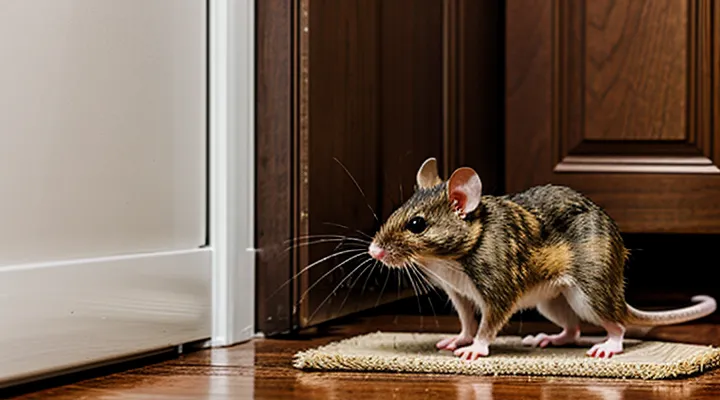
Understanding the Enemy: Mice Habits and Behavior
Why Mice are Attracted to Your Home
Food Sources
Mice are drawn to any accessible nutrition; eliminating those supplies removes the primary incentive for infestation.
Typical household attractants include:
- Open containers of grains, cereals, or pet food
- Uncovered fruit, vegetables, or leftovers on countertops
- Crumbs and spills on floors, especially in kitchens and dining areas
- Improperly sealed trash bins or compost containers
Effective control of these sources requires:
- Store dry goods in airtight, metal or heavy‑plastic containers with sealed lids.
- Keep countertops clear; clean up crumbs and food residues after each meal.
- Refrigerate perishable items promptly; avoid leaving produce out for extended periods.
- Use trash cans with tight‑fitting lids; empty them regularly and keep them away from walls.
- Position pet feeding stations away from walls and remove uneaten food after each feeding.
Additional measures:
- Sweep and mop floors daily to remove trace particles.
- Inspect pantry shelves for hidden spills; wipe down any residue.
- Replace damaged packaging that could allow rodent entry.
By systematically denying mice access to nourishment, the likelihood of entry and persistence in a private residence declines markedly.
Shelter and Warmth
Mice are drawn to any location that offers protection from predators and a stable temperature. Eliminating such conditions removes a primary incentive for infestation.
- Seal gaps around doors, windows, and utility penetrations; openings larger than ¼ inch provide access to interior spaces.
- Install weather‑stripping on exterior doors and repair cracked foundation joints to block drafts that create warm micro‑environments.
- Insulate crawl spaces and attics with rigid board or spray foam; proper insulation eliminates cold spots that attract rodents seeking heat.
- Remove stored items that create concealed pockets, such as cardboard boxes or piles of laundry, which serve as makeshift shelters.
- Keep indoor humidity between 30 % and 50 % using dehumidifiers; excess moisture encourages nesting material buildup.
Regularly inspect potential entry points and structural cavities, repairing damage promptly. By denying mice both shelter and warmth, the residence becomes inhospitable, reducing the likelihood of successful colonisation.
Water Availability
Mice require accessible water to survive and reproduce; eliminating sources of moisture directly reduces habitat suitability.
- Repair leaking pipes, faucets, and appliance connections.
- Seal cracks and gaps around sinks, bathtubs, and shower enclosures.
- Remove standing water from pet dishes, birdbaths, and plant trays after each use.
- Use drip‑free hoses and install splash‑proof covers on outdoor water features.
Regular inspection of plumbing fixtures and drainage systems prevents hidden moisture accumulation. Install moisture‑absorbing mats under refrigerators and freezers, and ensure basements and crawl spaces remain dry through proper ventilation and dehumidification.
Consistent removal of water availability deprives rodents of a critical resource, thereby enhancing the effectiveness of any rodent‑control strategy employed within a private residence.
Signs of a Mouse Infestation
Droppings and Urine Stains
Droppings and urine stains are the most reliable indicators of a mouse presence inside a dwelling. Fresh droppings appear as small, dark pellets about ¼ inch long; older deposits turn lighter and may crumble. Urine stains manifest as discolored, often yellowish spots on surfaces such as countertops, walls, and insulation, sometimes accompanied by a faint, musky odor.
Health hazards stem from pathogens carried by mouse waste, including hantavirus, salmonella, and leptospirosis. Direct contact or inhalation of aerosolized particles released when droppings dry can lead to serious illness. Immediate removal of waste reduces exposure risk and eliminates food sources that encourage further infestation.
Effective removal follows a systematic approach:
- Ventilate the area for at least 15 minutes, keeping doors and windows open.
- Wear disposable gloves and a N‑95 respirator; avoid touching waste with bare skin.
- Moisten droppings and urine stains with a disinfectant solution (e.g., 1 % bleach in water) for 5 minutes to neutralize pathogens.
- Scrape solid droppings into a sealable plastic bag; wipe urine‑stained surfaces with the same disinfectant, then rinse with clean water.
- Dispose of all contaminated materials in a tightly sealed bag placed directly into an outdoor trash container.
- Clean and disinfect tools and gloves before removing them from the work area.
After cleaning, inspect adjacent zones for secondary signs such as gnaw marks or nesting material. Sealing cracks, installing door sweeps, and maintaining a clutter‑free environment prevent re‑contamination. Regular monitoring of droppings and urine stains provides early detection, allowing prompt intervention before a full‑scale infestation develops.
Gnaw Marks
Gnaw marks are the most reliable visual evidence that mice have entered a dwelling. They appear as shallow, crescent‑shaped grooves on wood, plastic, wires, and insulation. The depth and orientation of the cuts reveal the size of the rodent and the direction of travel, allowing precise mapping of entry points and foraging routes.
Identifying gnaw marks enables targeted intervention. When a mark is found on structural timber, it indicates that the animal is using that beam as a passage or nesting support. Marks on electrical wiring signal a risk of short circuits, while gnawing on food packaging confirms active foraging. Each location demands a specific remedial action.
Effective response to gnaw marks includes three sequential steps:
- Inspection and documentation: Photograph each mark, note the material, dimensions, and surrounding debris. Create a floor plan overlay to visualize movement patterns.
- Exclusion: Seal the identified entry points with steel wool, copper mesh, or cement‑based caulk. Reinforce vulnerable surfaces by applying metal flashing or hard plastic barriers where gnaw marks were observed.
- Sanitation and deterrence: Remove all gnawed material, clean the area with a mild detergent, and apply a non‑toxic rodent repellent. Replace compromised insulation or wiring to eliminate future attraction.
Continuous monitoring is essential. Place snap traps or electronic monitors near the last recorded gnaw marks and check them daily for at least two weeks. Persistent marks after exclusion indicate hidden access routes that require further sealing.
By treating gnaw marks as actionable data rather than incidental damage, homeowners can focus resources on the most vulnerable points, reduce the likelihood of reinfestation, and protect structural integrity.
Scratching Noises
Scratching noises in walls, ceilings, or floorboards are a reliable indicator that rodents are active within a residence. The sound typically occurs at night when mice move through concealed pathways, seeking food, water, and shelter. Recognizing this acoustic sign early allows swift intervention before populations expand.
To pinpoint the origin, conduct a systematic inspection. Turn off all ambient noise, listen from different rooms, and note the direction of the sound. Use a flashlight and a mirror to examine gaps, vents, and behind appliances. Mark any areas where the noise intensifies; these zones usually contain active burrows or nesting material.
Once the source is identified, implement the following proven measures:
- Seal entry points with steel wool, copper mesh, or caulking; mice can squeeze through openings as small as a quarter‑inch.
- Deploy snap traps or electronic traps directly along the identified pathways; position them perpendicular to the wall to intercept traveling rodents.
- Place bait stations containing anticoagulant or non‑anticoagulant rodenticide, ensuring they are inaccessible to children and pets.
- Remove food sources by storing pantry items in airtight containers, cleaning crumbs, and fixing leaking pipes that provide water.
- Install a motion‑activated ultrasonic repeller in the affected area; continuous operation disrupts rodent activity and reduces scratching.
After deployment, monitor traps daily and re‑inspect the previously noisy locations. Persistent scratching after two weeks suggests hidden colonies; repeat sealing and trapping cycles until the sound ceases. Maintaining a sealed environment and regular sanitation prevents re‑infestation and eliminates the need for reactive measures.
Nests and Burrows
Mice construct nests from insulation, fabric, paper, and shredded wood, typically in hidden areas such as wall cavities, attics, basements, and behind appliances. These structures provide shelter, breeding sites, and food storage, allowing populations to expand rapidly once established.
Identifying nests and burrows requires systematic inspection:
- Examine corners, under sinks, and behind furniture for shredded material or droppings.
- Use a flashlight to probe inside wall voids, crawl spaces, and ceiling joists.
- Look for gnaw marks on structural timber and plastic piping.
- Follow mouse trails, which often lead directly to nesting zones.
Once located, eliminate the habitat:
- Remove all debris, replace damaged insulation, and clean the area with a disinfectant solution.
- Seal entry points larger than ¼ in. with steel wool, copper mesh, or expanding foam.
- Install snap traps or electronic devices at least 12 in. from the nest, ensuring bait placement aligns with mouse activity paths.
- Apply rodent‑resistant sealant around utility penetrations and pipe sleeves to block future burrowing.
Regular maintenance—periodic inspection, prompt repair of water leaks, and proper food storage—prevents new nests from forming and keeps the residence inhospitable to mice.
Preventive Measures: Blocking Access and Deterring Pests
Sealing Entry Points
Inspecting the Exterior
Inspecting the exterior of a private residence is the first line of defense against mouse intrusion. Identify every potential entry point by walking around the building, paying special attention to foundations, eaves, and utility openings. Document locations where gaps exceed ¼ inch, as rodents can squeeze through openings as small as a dime.
- Seal cracks with steel wool combined with caulk or expanding foam; steel wool deters chewing.
- Install metal flashing or hardware cloth over vents, chimney openings, and crawl‑space vents; mesh size should be no larger than ¼ inch.
- Repair damaged siding, soffits, and roof shingles; replace rotted wood to eliminate hidden pathways.
- Fit door sweeps on all exterior doors; adjust to make contact with the threshold without restricting movement.
- Apply weatherstripping to windows and garage doors; choose durable silicone or rubber profiles.
- Trim vegetation that contacts the house, including tree branches, shrubs, and vines; maintain a minimum clearance of 2 feet.
- Store firewood, compost, and debris at least 3 feet from the foundation; elevate piles on pallets to reduce moisture and concealment.
After sealing, conduct a visual inspection at night using a flashlight to detect any remaining activity. Look for fresh gnaw marks, droppings, or nesting material near previously identified gaps. Repeat the exterior survey quarterly, especially after severe weather, to address new damage promptly. Maintaining a sealed perimeter reduces the likelihood of mouse entry and supports all subsequent control measures inside the home.
Sealing Cracks and Gaps
Sealing cracks and gaps eliminates the primary pathways mice use to enter a home. A thorough inspection reveals the most vulnerable points: foundation joints, utility penetrations, door frames, window sills, vent openings, and gaps around plumbing or electrical conduits.
- Examine exterior walls for openings larger than ¼ in.; use a flashlight and a thin probe to detect hidden fissures.
- Check interior trim and baseboards for gaps where walls meet floors; lift sections to expose concealed spaces.
- Inspect the attic and crawl space, focusing on roof eaves, soffits, and where pipes enter the structure.
Select appropriate sealing materials based on location and exposure:
- Steel wool or copper mesh for large holes; embed the filler before applying a sealant to prevent mice from chewing through.
- Expanding polyurethane foam for irregular gaps; trim excess after curing to maintain a smooth surface.
- Silicone or acrylic caulk for narrow cracks around windows, doors, and trim; ensure the product is rated for indoor/outdoor use.
Apply the chosen material using these steps:
- Clean the area to remove debris, dust, and old sealant.
- Insert steel wool or mesh into the opening, packing it tightly.
- Apply caulk or foam over the filler, smoothing it with a putty knife or gloved finger.
- Allow the sealant to cure according to manufacturer instructions before exposing the area to traffic.
Regular maintenance sustains the barrier:
- Conduct a quarterly visual sweep of previously sealed sites; reapply sealant where cracks reappear.
- Monitor for signs of new activity, such as gnaw marks or droppings, and address fresh openings immediately.
By systematically locating, sealing, and maintaining all potential entry points, homeowners create an environment where mice cannot gain access, thereby reducing the need for additional control measures.
Protecting Vents and Openings
Securing vents and other openings prevents mice from entering a home and accessing food, water, and shelter. Install metal mesh or steel wool behind vent covers, ensuring the material has openings no larger than ¼ inch. Use stainless‑steel hardware cloth for durability and resistance to gnawing. Seal gaps around vent frames with silicone‑based caulk or expanding foam designed for pest control.
Inspect all exterior vents—including dryer, bathroom, and attic exhausts—at least twice a year. Replace damaged screens promptly. Attach removable vent covers that can be opened for maintenance but remain tightly fitted when not in use.
For additional protection, follow these steps:
- Measure each vent opening and cut mesh to fit precisely.
- Secure mesh with stainless‑steel screws to avoid rust.
- Apply a thin layer of copper‑based sealant around the perimeter of the vent frame.
- Install a magnetic latch on larger openings to allow easy access while maintaining a tight seal.
- Check for signs of gnawing or displacement after heavy weather events.
Maintain a regular schedule of visual inspections and reinforce any compromised areas immediately. This systematic approach eliminates common entry points, reducing the likelihood of mouse infestations.
Eliminating Food and Water Sources
Proper Food Storage
Proper food storage eliminates the primary attractant that draws mice into a residence. Secure containers prevent odors and crumbs from reaching rodents, reducing their motivation to explore the kitchen and pantry.
- Use airtight, hard‑shelled containers for grains, cereals, nuts, and pet food.
- Store dried goods on low shelves; keep the floor clear of boxes and bags.
- Seal all openings in containers with tamper‑proof lids or zip‑lock seals.
- Transfer bulk purchases into smaller, sealed units within days of delivery.
- Clean spills immediately; wipe surfaces with a disinfectant after each meal preparation.
- Dispose of waste in bins with tight‑fitting lids; empty them regularly.
These practices create a hostile environment for mice, limiting food access and supporting overall pest‑control efforts.
Cleaning Up Spills and Crumbs
Keeping surfaces free of liquid residues and food particles removes the primary attractants that draw rodents into a residence. Promptly wiping up spills eliminates scent trails that mice use to locate nourishment, while regular removal of crumbs prevents the buildup of a sustainable food source.
Effective sanitation requires a systematic approach:
- Immediately blot or mop any liquid spill; avoid leaving damp patches that could foster mold or odor.
- Sweep or vacuum floors after each meal; focus on corners, under appliances, and behind furniture where crumbs accumulate unnoticed.
- Store dry goods in sealed containers; use airtight jars or plastic bins with locking lids.
- Dispose of waste in bins with tight‑fitting lids; empty them daily to reduce odor and moisture.
- Clean countertops and tabletops with a mild detergent; rinse and dry to eliminate residue.
Consistent execution of these actions creates an environment where mice find no viable food, significantly reducing the likelihood of infestation.
Addressing Leaks and Moisture
Moist environments attract mice because water sources support food storage and nesting. Eliminating leaks and excess humidity removes a critical resource that encourages infestation in a private residence.
Identify all points where water enters the structure. Inspect roofs, gutters, windows, pipes, and foundations for drips, condensation, or standing water. Use a moisture meter to verify hidden saturation in walls and floors.
- Repair roof tiles, flashing, and gutter seams promptly.
- Seal window frames with weather‑resistant caulk.
- Replace cracked or corroded plumbing sections.
- Install a vapor barrier on crawl‑space floors and lower walls.
- Ensure proper drainage away from the house foundation; grade soil to slope at least 6 inches per 10 feet.
- Use dehumidifiers in basements, closets, and other damp areas, maintaining relative humidity below 50 %.
After repairs, monitor for recurring moisture. Conduct weekly visual checks during wet seasons and after heavy rain. Consistent control of water sources deprives mice of essential habitat, significantly reducing the likelihood of a successful invasion.
Maintaining a Clean Environment
Regular Housekeeping
Regular housekeeping directly reduces the attractiveness of a home to rodents. Removing food residues, spills, and crumbs eliminates the primary nourishment mice seek. Store all edible items in sealed containers; vacuum or sweep floors daily, especially behind appliances and under furniture where debris accumulates.
A clean environment also limits nesting opportunities. Dispose of garbage in tightly sealed bins, empty them frequently, and keep compost outdoors. Reduce clutter by organizing storage areas, eliminating cardboard boxes, fabric piles, and other materials that provide shelter. Regularly inspect and clean basements, attics, and crawl spaces to prevent hidden buildup.
Key housekeeping actions:
- Sweep, mop, and vacuum high‑traffic zones each day.
- Wipe countertops and tables after meals; clean pet feeding stations promptly.
- Seal cracks, gaps, and openings around pipes, vents, and doors.
- Rotate and replace bedding or insulation that shows signs of wear or moisture.
- Conduct weekly inspections for droppings, gnaw marks, or nesting material.
Consistent execution of these practices deprives mice of food, water, and shelter, creating an environment where infestation is unlikely to develop.
Decluttering Basements and Attics
Effective mouse control begins with eliminating the environments where rodents can hide and breed. Basements and attics often provide dark, undisturbed spaces filled with stored items that create pathways and nesting sites. Removing clutter in these areas reduces shelter opportunities and makes detection of activity easier.
Key actions for clearing these storage zones:
- Sort items by use; discard broken or unnecessary objects.
- Store remaining goods in sealed, rodent‑proof containers made of metal or heavy‑wall plastic.
- Install shelving that lifts items off the floor, creating a clear, hard surface.
- Sweep floors, vacuum corners, and wipe down surfaces to eliminate food residues.
- Inspect insulation and wiring for gaps; seal openings with steel wool and caulk.
Regular maintenance sustains the benefits. Schedule quarterly inspections, verify that containers remain sealed, and promptly address any signs of gnawing or droppings. By keeping basements and attics orderly, you remove the primary habitats that support mouse populations and enhance the effectiveness of other control measures.
Landscaping Around the House
Landscaping directly influences mouse activity around a private residence. Proper site design reduces shelter and food sources, limiting rodent ingress.
Key landscaping actions:
- Trim tree branches and shrubs to keep foliage at least two feet away from the building. Rodents use overhanging limbs to reach the roof and attic.
- Eliminate dense ground cover near the foundation. Replace thick vegetation with low‑growth plants that can be mowed regularly.
- Use hard‑scaping materials such as stone, concrete, or metal edging to create a clear barrier between soil and the house wall. Gaps larger than ¼ inch allow mouse entry.
- Store firewood, compost, and garbage at a minimum of three feet from the structure. Keep piles elevated on pallets to prevent nesting.
- Maintain a clean perimeter by removing leaf litter, fallen fruit, and garden debris that attract rodents.
- Ensure proper drainage. Redirect runoff away from the foundation to avoid moisture accumulation, which encourages mouse shelter.
Select ground covers that deter nesting. Gravel, sand, or coarse mulch create an unstable surface for burrowing. Avoid soft, organic mulches like straw or pine bark near the house.
Install a physical perimeter barrier. Apply a continuous strip of metal flashing or hardware cloth (1 mm mesh) at the base of exterior walls, extending at least six inches underground and two inches above ground level. Seal all gaps around doors, windows, and utility penetrations.
Schedule quarterly inspections. During each visit, verify that vegetation is trimmed, barriers remain intact, and no new debris has accumulated. Prompt correction of deficiencies prevents rodents from establishing a foothold.
Integrating these landscaping practices with interior rodent‑control measures creates a comprehensive defense, reducing mouse presence and protecting the home from infestation.
Active Mouse Control Methods
Trapping Solutions
Snap Traps: Pros and Cons
Snap traps remain a staple in residential rodent control due to their immediate lethality and low cost. They consist of a spring‑loaded bar that snaps shut when a mouse triggers a pressure plate, delivering a quick kill. Their simplicity requires no electricity, no ongoing maintenance beyond occasional resetting, and they are readily available in hardware stores.
Advantages
- Immediate result; a mouse is killed instantly, preventing breeding.
- Minimal expense; a pack of 10–20 traps costs a fraction of electronic devices.
- No reliance on batteries or power sources.
- Easy disposal; the captured rodent can be removed and sealed in a bag.
- Compact design fits into tight spaces such as wall voids and cabinets.
Disadvantages
- Requires careful placement to avoid accidental activation by humans or pets.
- Effectiveness depends on proper bait selection; unappealing bait reduces capture rates.
- Ethical concerns arise for those preferring non‑lethal methods.
- Traps must be inspected regularly; a dead mouse left unattended can cause odor or disease risk.
- Limited to single‑capture events; high infestations may need many traps.
When deploying snap traps, position them along known mouse pathways—near walls, behind appliances, and in dark corners. Use attractive bait such as peanut butter, dried fruit, or small pieces of cheese. Replace or reset traps promptly after each catch to maintain pressure on the population and prevent secondary problems. Combining snap traps with exclusion measures, such as sealing entry points and maintaining cleanliness, enhances overall efficacy in a private residence.
Live Traps: Humane Removal
Live traps provide a practical solution for removing mice without causing injury. The devices consist of a cage with a trigger mechanism that closes the door once the rodent enters to reach bait. This method eliminates the need for poisons, protects non‑target animals, and complies with humane‑treatment standards.
Effective use requires strategic placement, appropriate bait, and regular monitoring.
- Position traps along walls, behind appliances, or near known activity routes; mice rarely cross open space.
- Employ high‑protein or sweet foods such as peanut butter, seeds, or small pieces of fruit as attractants.
- Set traps in the evening when mice are most active, then inspect them each morning.
When a mouse is captured, handle the trap with gloves, cover it with a cloth, and transport the animal at least one mile away from the residence. Release the mouse near natural cover, such as a wooded area or field, allowing it to find shelter. After release, reset the trap with fresh bait to maintain continuous control. Regularly clean and disinfect traps to prevent odor buildup, which can deter future captures.
Electronic Traps: Modern Approaches
Electronic traps represent the most advanced solution for eliminating house mice without chemicals or poisons. These devices emit a high‑voltage shock that instantly kills rodents upon contact, eliminating the need for repeated baiting and reducing secondary poisoning risks.
The core components of an electronic trap include a stainless‑steel capture chamber, a sensor that detects the mouse’s presence, and a rechargeable battery or mains‑powered circuit that delivers the shock. Sensors may be infrared, motion‑activated, or pressure‑sensitive, ensuring activation only when an animal enters the chamber. The shock voltage typically ranges from 2,000 to 5,000 volts, sufficient to cause immediate fatality while remaining safe for humans and pets when the device is intact.
Key advantages:
- Immediate result: each capture ends with a single lethal event, allowing precise monitoring of trap performance.
- Reusability: traps can be emptied, cleaned, and redeployed indefinitely, lowering long‑term costs compared with disposable snap traps.
- Hygiene: sealed chambers prevent odor buildup and exposure to disease‑carrying fluids.
- Safety features: many models incorporate a safety lock that disables the shock circuit while the lid is open, protecting children and non‑target animals.
Installation guidelines:
- Locate traps along established mouse pathways—near walls, behind appliances, and in dark corners where droppings are visible.
- Place traps with the entry side facing the wall; mice prefer to run parallel to surfaces.
- Ensure a clear line of sight for the sensor; avoid clutter that could obstruct detection.
- Connect mains‑powered units to a grounded outlet or use a fully charged battery pack for areas without reliable electricity.
Maintenance procedures are straightforward. After each capture, turn off the unit, open the lid, and dispose of the dead mouse in a sealed bag. Clean the interior with a mild detergent solution to remove residue, then rinse and dry before reassembly. Battery‑powered models require periodic charging; most manufacturers recommend a full charge cycle every 30 days of active use.
Cost considerations vary by brand and feature set. Basic models start around $30 and provide reliable performance for small infestations. Premium units, equipped with multiple sensors, larger chambers, and wireless alerts, can exceed $150 but offer reduced labor and faster response times for larger properties.
When selecting an electronic trap, prioritize certifications such as UL or CE, which confirm compliance with safety standards. Verify that the device includes a clear warranty and access to replacement parts, ensuring longevity.
In summary, electronic traps deliver rapid, hygienic, and repeatable control of mice inside private residences. Proper placement, routine cleaning, and adherence to safety protocols maximize effectiveness while minimizing risk to occupants.
Baiting Strategies for Traps
Effective bait selection determines trap success. Use foods that match mice’s natural preferences and trigger rapid consumption. Preferred items include:
- Peanut butter – strong odor, high fat content, adheres to trap surfaces.
- Soft cheese – aromatic, moist texture encourages quick nibbling.
- Sunflower seeds (shelled) – small size fits trap mechanisms, appealing scent.
- Dried fruit pieces – sweet flavor, attractive to foraging mice.
- Commercial rodent attractants – formulated with pheromones, provide consistent lure.
Place bait at the rear of snap traps to force the mouse to contact the trigger while feeding. For glue boards, spread a thin layer of bait across the surface to prevent premature avoidance. In live‑catch cages, position bait near the entry tunnel to guide the animal inward.
Refresh bait every 24–48 hours in high‑traffic areas to maintain potency. In colder months, increase fat content to compensate for reduced metabolism. Avoid strong detergents or scented cleaners near traps, as residual chemicals can mask bait scent and reduce capture rates.
Baits and Rodenticides
Understanding Rodenticide Types
Rodenticides are a core component of indoor mouse control, providing rapid population reduction when applied correctly. Understanding the chemical classes, their mechanisms, and safety requirements enables homeowners to select the most appropriate product for a private residence.
- First‑generation anticoagulants (e.g., warfarin, chlorophacinone): Disrupt blood clotting, causing death after several days of ingestion. Effective against low‑level infestations; resistance may develop with repeated use.
- Second‑generation anticoagulants (e.g., brodifacoum, difethialone): More potent, require a single feeding to be lethal. Suitable for moderate to heavy infestations; strict placement away from children and pets is essential.
- Non‑anticoagulant bromethalin: Interferes with cellular energy production, leading to rapid neurological failure. Works on anticoagulant‑resistant mice; requires sealed bait stations to prevent accidental exposure.
- Zinc phosphide: Releases phosphine gas upon contact with stomach acid, producing immediate toxic effects. Primarily used in outdoor baiting but can be employed indoors with secure containment.
- Cholecalciferol (vitamin D3) formulations: Induce hypercalcemia, causing organ failure after a few days. Low secondary poisoning risk, making it a safer choice for households with pets.
Selection criteria include infestation size, known resistance patterns, and the presence of non‑target animals. Bait stations should be tamper‑proof, placed near mouse activity zones, and monitored regularly. Proper rotation between chemical classes mitigates resistance development and maintains efficacy over time.
Safe Placement of Baits
Safe placement of rodent baits maximizes effectiveness while minimizing risk to occupants and pets. Position stations where mice travel but human activity is limited. Ideal locations include:
- Behind appliances, under sinks, and within wall voids.
- Near known droppings, gnaw marks, or burrow entrances.
- Along baseboards or in corners where mice use walls as travel routes.
Use tamper‑resistant bait stations to prevent accidental contact. Secure each station to a fixed surface, ensuring the latch cannot be opened without a tool. Place stations at least 3 feet from food preparation surfaces, pantry shelves, and children's play areas. Keep stations out of reach of cats and dogs; mounting on low cabinets or using elevated brackets reduces exposure.
Before deployment, wear disposable gloves and wash hands thoroughly. Store unused bait in sealed containers away from heat and moisture. Rotate station locations every two weeks to prevent bait aversion and to cover new activity zones.
Monitor stations daily. Replace depleted or contaminated units promptly. Record placement coordinates and observation dates to track progress and adjust the baiting grid as mouse patterns evolve.
Risks and Precautions for Pets and Children
When eliminating mice in a residence, the presence of pets and children introduces specific hazards that must be addressed before any control measure is applied. Toxic baits contain anticoagulants, neurotoxins, or zinc phosphide; ingestion by a dog, cat, or toddler can cause internal bleeding, seizures, or fatal organ failure. Mechanical traps—snap, glue, or live‑catch devices—pose a risk of accidental closure or entanglement, potentially resulting in bruising, lacerations, or strangulation. Ultrasonic emitters generate high‑frequency sound waves that may induce disorientation, stress, or hearing damage in small animals and young children sensitive to acoustic disturbances.
Precautions to mitigate these risks include:
- Store all rodenticides in locked cabinets, out of reach of non‑target occupants; use tamper‑proof bait stations that allow access only to rodents.
- Place snap and glue traps behind furniture, inside wall voids, or on low shelves inaccessible to pets and children; label the area with clear warning signs.
- Opt for live‑catch traps equipped with escape mechanisms that release captured mice without harming non‑target species; release captured rodents far from the home to prevent re‑infestation.
- Test ultrasonic devices in a short trial period; monitor pets and children for signs of distress, and discontinue use if adverse reactions appear.
- Keep food, water, and waste securely sealed; reduce attractants that could lure both rodents and curious pets or kids to baited zones.
- Consult a veterinarian or pediatrician before deploying chemical controls, especially if the household includes animals with known sensitivities or children with pre‑existing health conditions.
Implementing these measures ensures mouse control efforts do not compromise the safety of vulnerable household members while maintaining effective pest management.
Natural and Repellent Methods
Peppermint Oil and Other Scents
Peppermint oil is a widely documented repellent for rodents. Its strong menthol aroma overwhelms the olfactory receptors that mice use to locate food and shelter, prompting them to vacate treated areas. Apply the oil on cotton balls, small fabric pads, or disposable sachets and place them in concealed entry points, pantry corners, and beneath appliances. Replace the material every 7‑10 days to maintain potency, as the volatile compounds evaporate quickly.
Other aromatic deterrents function on similar principles.
- Eucalyptus oil – intense, woody scent; soak a cloth and position it near baseboards.
- Cedar shavings – natural wood odor; spread a thin layer in closets and storage bins.
- Clove oil – sharp, spicy aroma; combine with water (1 ml oil per 250 ml water) and spray cracks and gaps.
- Citronella oil – citrus‑type fragrance; use in a diffuser for rooms where mice activity is suspected.
Effective deployment requires sealing obvious gaps before scent placement. Even small openings—such as gaps around pipes, vents, and door frames—must be caulked or weather‑stripped. After sealing, distribute the scented materials evenly, ensuring each potential pathway receives a source of odor. Monitor mouse activity for a week; if sightings persist, increase the number of scent sources or rotate to a different essential oil, as rodents can habituate to a single fragrance.
Combining multiple scents in a layered approach reduces the likelihood of habituation. Rotate peppermint, eucalyptus, and clove oil on a weekly schedule, keeping each active for at least five days before switching. This practice sustains a hostile olfactory environment, discouraging mice from establishing a foothold within the private residence.
Ultrasonic Devices: Effectiveness
Ultrasonic repellents emit high‑frequency sound waves that rodents cannot hear. Laboratory tests show that frequencies between 20 and 65 kHz cause discomfort, prompting mice to avoid the area while the device operates. Effectiveness depends on continuous exposure; interruptions allow rodents to return.
Key factors influencing performance:
- Coverage radius: Manufacturers specify a range of 20–30 ft; walls and furniture reduce the audible field.
- Frequency range: Devices that sweep across multiple frequencies prevent mice from adapting.
- Power source: Plug‑in units provide steady output, whereas battery models may lose intensity as charge declines.
- Placement: Position units at ground level near entry points, away from large objects that block sound propagation.
Field reports indicate that ultrasonic units reduce mouse activity by 30–50 % when installed correctly. Success rates drop sharply in cluttered rooms or multi‑story houses, where sound fails to reach hidden nesting sites. Combining ultrasonic repellents with physical barriers and sanitation measures yields the most reliable control.
DIY Repellents
DIY repellents provide a low‑cost, readily available option for reducing mouse activity inside a residence. They rely on strong odors, taste aversion, or physical barriers that discourage rodents without chemicals that require professional handling.
-
Peppermint oil solution – Mix 10 ml of pure peppermint essential oil with 250 ml of water, add a few drops of dish‑soap to emulsify, and spray along baseboards, entry points, and pantry shelves. The volatile scent overwhelms mouse olfactory receptors, prompting avoidance. Reapply every 48 hours or after cleaning.
-
Ammonia traps – Fill small, sealed containers with a cotton ball soaked in ammonia, then place them near suspected travel routes. Ammonia vapors act as a repellent; ensure containers are inaccessible to children and pets.
-
Steel‑wool and caulking – Push steel‑wool into gaps around pipes, vents, and foundation cracks, then seal with silicone caulk. The abrasive texture deters gnawing, while the seal eliminates entryways.
-
Citrus peel mulch – Scatter fresh orange or lemon peels in cabinets and under appliances. Citrus oils contain limonene, which mice find unpalatable. Replace peels weekly to maintain potency.
Application guidelines:
- Identify all potential ingress points by inspecting walls, doors, and utility openings.
- Position repellents directly adjacent to these points; concentrate on dark, undisturbed corners where mice travel.
- Combine multiple repellents to address both sensory aversion and physical blockage, enhancing overall effectiveness.
Safety considerations:
- Use only food‑grade essential oils; avoid synthetic fragrances that may irritate respiratory passages.
- Keep ammonia containers sealed and out of reach of non‑target animals.
- Test caulking on a small surface to verify adhesion before sealing larger gaps.
Regular monitoring is essential. Check traps, replace depleted repellents, and reinforce any new openings discovered during routine inspections. Consistent maintenance sustains a hostile environment for rodents, reducing the likelihood of infestation without relying on professional extermination services.
Post-Extermination: Cleanup and Future Prevention
Sanitizing Affected Areas
Removing Droppings and Nests
Mice droppings and nests pose health risks and provide a food source that encourages further infestation. Immediate removal interrupts the colony’s breeding cycle and reduces disease transmission.
Begin by wearing disposable gloves, a mask rated N95 or higher, and eye protection. Seal the work area with plastic sheeting to prevent dust from spreading. Moisten droppings with a disinfectant solution—preferably a 10% bleach mixture—allowing the liquid to penetrate for at least five minutes. This step neutralizes pathogens before disturbance.
After soaking, use a stiff brush or disposable paper towels to lift the material onto a sealable bag. Dispose of the bag in an outdoor trash container that is emptied regularly. Clean the underlying surface with the same bleach solution, then rinse with water and dry thoroughly. For non‑porous areas, an alcohol‑based sanitizer can replace bleach.
Locating nests requires inspection of concealed spaces: behind appliances, within wall voids, under insulation, and in attic corners. Signs include shredded material, gnawed wiring, and accumulated droppings. Once identified, cut away nesting material using a disposable tool, place it directly into a sealed bag, and follow the same disinfection protocol.
After removal, treat the cleaned area with an EPA‑approved rodent disinfectant. Apply a thin film of the product and allow it to air‑dry. Replace any damaged insulation or structural components only after confirming the absence of live mice.
Maintain a clean environment to deter re‑building. Store food in airtight containers, eliminate standing water, and seal entry points with steel wool or caulk. Regularly inspect previously infested zones for fresh droppings or nesting material, and repeat the cleaning cycle promptly if signs reappear.
Disinfecting Surfaces
Disinfecting surfaces removes scent marks that mice use to navigate and claim territory, and it eliminates pathogens that can attract foraging rodents.
Effective agents include:
- Diluted bleach (1 part sodium hypochlorite to 9 parts water).
- 70 % isopropyl alcohol applied with a spray bottle.
- Commercial rodent‑safe disinfectants labeled for indoor use.
- 3 % hydrogen peroxide applied directly or mixed with water.
Application steps:
- Clear the area of debris and food residues.
- Apply the chosen disinfectant evenly, ensuring full coverage of countertops, cabinets, shelves, and floor edges.
- Allow the solution to remain on the surface for the manufacturer’s recommended contact time, typically 5–10 minutes.
- Wipe with a clean cloth or let air‑dry before returning items to the area.
Safety measures: wear gloves and eye protection, ventilate the room, avoid mixing bleach with ammonia or acidic cleaners, and keep disinfectants out of reach of children and pets.
Routine: disinfect high‑traffic zones weekly, and after any spill or suspected mouse activity. Regular cleaning reinforces the barrier against re‑infestation.
Airing Out the House
Proper ventilation is a critical component of rodent control in a private residence. Fresh air lowers indoor humidity, eliminates lingering food odors, and dries surfaces where crumbs and spills might accumulate. Mice prefer warm, damp environments; reducing moisture directly diminishes the habitat they find attractive.
To maximize the benefits of airing out the house, follow these actions:
- Open all exterior windows and doors for at least 30 minutes each morning and evening, creating cross‑drafts that expel stale air.
- Position portable fans near entry points to accelerate airflow and push potential mouse scents outward.
- Use exhaust fans in kitchens and bathrooms while cooking or cleaning to remove steam and food vapors.
- Schedule regular window openings during dry weather; avoid prolonged ventilation in rain or high humidity conditions.
Consistent ventilation should be combined with sealing entry gaps, proper food storage, and routine cleaning. When air circulation is maintained, the indoor environment becomes less hospitable, reducing the likelihood of mouse infestation.
Monitoring for Re-infestation
Regular Inspections
Regular inspections are essential for early detection of rodent activity and for maintaining an effective control program in a private residence. Conduct inspections at least once a month, increasing frequency to weekly during peak seasons (autumn and winter) when mice seek shelter indoors.
During each inspection, focus on the following areas:
- Entry points: gaps around doors, windows, utility penetrations, and foundation cracks.
- Food storage zones: pantry shelves, kitchen cabinets, and refrigerator seals.
- Moisture sources: leaky pipes, damp basements, and condensation-prone walls.
- Nesting sites: insulation cavities, attic corners, and cluttered closets.
- Signs of activity: droppings, gnaw marks, urine stains, shredded material, and audible scurrying.
Use a flashlight and a magnifying glass to examine hidden crevices. Record findings in a simple log, noting location, type of evidence, and date. This documentation allows trend analysis and helps prioritize remediation efforts.
If evidence is found, seal identified entry points with steel wool, caulk, or metal flashing before applying traps or bait stations. Re‑inspect sealed areas after 48 hours to confirm the integrity of the repair.
Consistent, systematic inspections reduce the likelihood of infestations escalating, minimize the need for extensive extermination measures, and support long‑term rodent management in a private home.
Maintaining Prevention Strategies
Effective mouse control depends on sustained preventive measures. Regular inspection of the building envelope identifies gaps that rodents can exploit. Seal cracks, holes, and gaps around pipes, vents, and foundation with steel wool, caulk, or metal flashing. Replace deteriorated weatherstripping on doors and windows.
Maintain a clean environment that eliminates food sources. Store dry goods in airtight containers; keep countertops, floors, and pet feeding areas free of crumbs. Remove garbage promptly and use bins with tight‑fitting lids. Clean up spills immediately to prevent lingering odors that attract mice.
Control clutter that offers hiding places. Organize storage areas, keep boxes off the floor, and discard unnecessary items. Trim vegetation and remove debris near the house to reduce external shelter.
Implement a monitoring system. Place snap traps or electronic detectors along known travel routes, such as along walls and behind appliances. Check devices weekly, record activity, and adjust placement based on findings.
Schedule routine maintenance. Conduct quarterly reviews of sealing work, sanitation practices, and monitoring devices. Document changes and repair any new openings without delay. Consistent application of these strategies sustains a mouse‑free residence.