
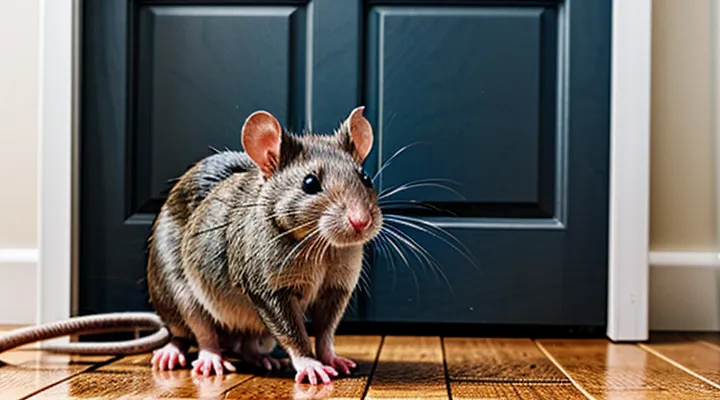
Understanding the Rat Problem
Signs of Rat Infestation
Droppings and Urine Trails
Rats leave visible evidence in the form of droppings and urine trails, which serve as primary indicators of infestation and pathways for disease transmission. Fresh droppings are dark, moist, and approximately one centimeter long; older deposits become lighter, crumbly, and may emit a faint, unpleasant odor. Urine stains appear as darkened areas on surfaces, often accompanied by a sticky residue that can be detected by a slight sheen or a faint, ammonia-like smell.
Identifying these signs promptly allows targeted elimination measures and reduces health hazards. Key actions include:
- Wear disposable gloves and a mask before handling any material.
- Use a UV flashlight to reveal urine traces invisible to the naked eye.
- Collect droppings with a damp paper towel; place them in a sealed bag for disposal.
- Apply an enzymatic cleaner to break down organic matter and neutralize odors.
- Disinfect the area with a solution containing at least 1 % bleach, allowing a minimum of ten minutes contact time before wiping clean.
Routine inspection of storage areas, pantry shelves, and concealed corners helps maintain a rat‑free environment. Removing food sources, sealing entry points, and regularly sanitizing surfaces interrupt the rodents’ navigation routes and diminish the likelihood of re‑infestation.
Gnaw Marks
Gnaw marks are one of the most reliable indicators that rodents have entered a dwelling. Fresh bite pits on wood, plastic, or insulation reveal the size of the animal, the direction of movement, and the preferred pathways. Identifying these signs early allows targeted intervention before the infestation spreads.
Typical locations for gnaw damage include:
- Baseboards and crown molding where rats test for entry points.
- Wiring conduits and cable bundles; chewing here can create fire hazards.
- Food storage containers and pantry shelves; gnaw marks often accompany droppings.
- Structural beams and joists, especially near wall cavities.
When gnaw marks are discovered, follow these steps:
- Document the size and pattern of each mark to estimate the species and number of occupants.
- Seal all visible entry points with steel wool, metal flashing, or cement; rodents cannot gnaw through hardened materials.
- Replace or repair compromised wiring and insulation to eliminate secondary hazards.
- Set snap traps or electronic devices along the identified pathways, positioning bait near the fresh marks.
- Monitor the area daily; remove any new gnaw evidence promptly and adjust trap placement accordingly.
Consistent inspection of gnaw evidence, combined with immediate sealing and trapping, reduces the likelihood of a full‑scale infestation and safeguards the home’s structural integrity.
Scratching Noises
Scratching noises are a primary indicator of rodent presence inside a residence. The sound typically originates from rats gnawing on insulation, wall studs, or stored materials as they create pathways and nesting sites. Detecting the timing and location of the noise helps pinpoint active zones; noises heard at night or early morning often signal feeding activity, while continuous daytime sounds may indicate burrowing or nest building.
To verify that the source is rodents rather than structural settling, follow these steps:
- Observe the exact spot where the sound is loudest; inspect for droppings, gnaw marks, or shredded material.
- Use a flashlight to examine concealed areas such as behind appliances, under sinks, and within attic joists.
- Place a motion-activated camera or a simple trap near the suspected entry point to capture visual evidence.
Once confirmation is obtained, immediate actions reduce the infestation risk:
- Seal all entry openings larger than ¼ inch with steel wool and caulk or metal mesh.
- Remove food sources by storing pantry items in airtight containers and cleaning spills promptly.
- Deploy snap traps or electronic devices along identified pathways, positioning them perpendicular to walls where scratching is heard.
- Apply rodent-resistant materials, such as cement board, to vulnerable structural sections to deter further gnawing.
Monitoring after intervention is essential. Re‑listen for residual scratching; persistent sounds suggest remaining individuals or re‑infestation, requiring repeat sealing and trapping. Consistent elimination of audible activity ultimately confirms successful removal of the pests.
Nests and Burrows
Rats construct nests and burrows in concealed areas where food, water, and shelter are available. Recognizing these structures is essential for successful elimination.
Inspect walls, attics, basements, and crawl spaces for signs such as shredded insulation, gnawed wood, droppings, and urine stains. Follow each potential site with a flashlight and a mirror to view hidden corners. Record locations where evidence appears most frequently.
To eliminate existing nests and burrows, take the following steps:
- Seal entry points larger than ¼ inch with steel wool, copper mesh, or cement.
- Remove debris, stored boxes, and clutter that provide cover.
- Dispose of contaminated materials in sealed bags and discard them outside the property.
- Apply rodenticide or bait stations directly within the identified burrow entrances, ensuring placement complies with safety regulations.
- After treatment, monitor the area for fresh activity; repeat sealing and baiting if signs reappear.
Prevent future construction by maintaining a clean environment. Store food in airtight containers, fix leaky pipes, and keep garbage bins tightly closed. Regularly inspect the exterior for gaps around utility lines, vents, and foundation cracks, and repair them promptly. Consistent vigilance reduces the likelihood of new nests forming, sustaining a rat‑free home.
Why Rats are a Threat
Health Risks
Rats living inside a residence pose direct threats to human health. Their droppings, urine, and saliva contain pathogens that can be transferred through contact, inhalation, or food contamination.
- Leptospirosis – bacterial infection causing fever, muscle pain, and kidney damage.
- Hantavirus pulmonary syndrome – respiratory illness with high mortality rates.
- Salmonellosis – gastrointestinal infection resulting in diarrhea, fever, and abdominal cramps.
- Lymphocytic choriomeningitis – viral disease that may lead to meningitis and encephalitis.
- Rat‑bite fever – bacterial infection causing skin lesions and systemic symptoms.
Allergic reactions to rodent dander and fur can trigger asthma attacks, rhinitis, and dermatitis. Persistent exposure to rodent waste contaminates surfaces and stored food, increasing the likelihood of ingestion of harmful microorganisms.
Structural damage caused by gnawing can breach insulation and ventilation systems, fostering mold growth and dust accumulation. These secondary hazards exacerbate respiratory problems and impair indoor air quality.
Eliminating rodents from the home removes the primary source of these health dangers, safeguards occupants, and prevents the cascade of secondary environmental risks.
Property Damage
Rats cause extensive damage to residential structures, compromising safety and increasing repair expenses. Their incisors continuously grow, prompting them to gnaw on materials that are not food sources.
- Electrical wiring: chewing creates exposed wires, raising fire risk and necessitating rewiring.
- Insulation: removal and contamination degrade thermal performance, leading to higher energy consumption.
- Structural wood: tunnels weaken beams and joists, potentially requiring reinforcement or replacement.
- Plumbing: burrowing into pipes can cause leaks, water damage, and mold growth.
- Food storage: contamination of pantry items renders them unsafe, resulting in financial loss.
- Personal belongings: fabrics, paper, and electronics suffer chew marks, reducing usability and resale value.
Early detection limits damage. Conduct thorough visual inspections, focusing on corners, attics, and basements. Seal cracks and gaps larger than a quarter‑inch to block entry. Deploy snap traps or electronic devices in identified activity zones. Use bait stations with anticoagulant rodenticides only where children and pets are absent, following label instructions. When infestation persists, engage licensed pest‑control professionals to apply integrated management techniques and to assess structural harm.
After removal, replace compromised wiring, insulation, and damaged wood promptly. Clean and disinfect contaminated surfaces to prevent secondary health hazards. Document repairs for insurance claims, providing receipts and photographs of affected areas. Prompt, comprehensive action restores the home’s integrity and prevents recurring losses.
Rapid Reproduction
Rats reach reproductive maturity within five to six weeks, allowing a single pair to produce up to 2,000 offspring annually under optimal conditions. Females can breed every 24–48 hours, delivering litters of eight to twelve pups after a 21‑day gestation. This exponential growth overwhelms most passive control methods, making early detection and rapid response essential.
Effective elimination strategies must interrupt the breeding cycle at multiple points:
- Seal all entry points larger than ¼ inch to prevent new individuals from entering.
- Remove food sources by storing perishables in airtight containers and eliminating spillage.
- Install snap traps or electronic devices in high‑traffic zones, positioning them before dusk when rats are most active.
- Apply rodenticides in tamper‑proof bait stations, rotating active ingredients to avoid resistance.
- Conduct weekly inspections of nests, droppings, and gnaw marks to assess population trends.
Reducing the available habitat curtails shelter options, directly limiting the number of viable breeding sites. Regular sanitation, combined with mechanical and chemical controls, suppresses the reproductive surge before it translates into a full‑scale infestation.
Monitoring should include counting active traps and documenting fresh droppings. A decline in these indicators over two weeks confirms that the reproductive rate has been successfully disrupted, paving the way for complete eradication.
Prevention Strategies
Sealing Entry Points
Inspecting Your Home's Exterior
Inspect the building’s perimeter to locate potential rat ingress. Walk the entire exterior, paying special attention to foundations, crawl spaces, and roof eaves. Identify gaps larger than a quarter‑inch; rodents can squeeze through openings of this size.
- Examine siding, brick, and stucco for cracks, loose mortar, or damaged panels.
- Check utility penetrations (pipes, cables, vent pipes) for missing or deteriorated seals.
- Verify that door sweeps and window screens are intact and tightly fitted.
- Inspect garage doors, shed doors, and any external storage units for gaps around hinges or frames.
- Look for signs of gnawing, droppings, or nesting material near trash bins, pet food stations, and compost piles.
Clear vegetation that contacts the house. Trim shrubs, vines, and tree branches to create a minimum two‑foot clearance from the walls. Remove debris, wood piles, and dense ground cover that can serve as shelter.
Seal identified openings with appropriate materials: steel wool, copper mesh, cement, or hardware cloth. Use expanding foam for small cracks, but reinforce with metal sheeting where rodents could chew through foam.
Conduct a final sweep after repairs. Walk the perimeter again, confirming that all previously noted vulnerabilities are eliminated and that no new gaps have appeared during the sealing process. This thorough exterior assessment forms the first line of defense against rat intrusion.
Repairing Gaps and Cracks
Sealing gaps and cracks eliminates the primary pathways rats use to invade a dwelling. When openings are left untreated, rodents can move between walls, floors, and exterior spaces with minimal resistance.
Typical entry points include:
- Gaps around utility pipes and cables
- Cracks in foundation walls and slab edges
- Openings beneath doors and windows
- Holes in siding, vents, and roof eaves
Effective repair requires durable, rodent‑proof materials and proper application techniques. Use steel wool or copper mesh to fill narrow fissures, then cover with cement, expanding foam, or silicone sealant rated for pest control. For larger openings, install metal flashing or hardware cloth (minimum ¼‑inch mesh) before applying a solid filler. Ensure the surface is clean and dry to promote adhesion.
After repairs, inspect the perimeter weekly for new damage. Reinforce vulnerable zones promptly to maintain a continuous barrier against future infestations.
Covering Vents and Drains
Sealing openings that provide direct access to the interior is a critical component of rat control in a residence. Vents, utility openings, and floor drains create pathways that rodents can exploit, especially when they are uncovered or improperly fitted.
Inspect all ventilation grilles, dryer exhausts, and bathroom fans. Replace standard covers with metal screens of ¼‑inch mesh or finer. Ensure the screens are securely fastened with screws rather than adhesive, which can deteriorate over time. Where vent pipes pass through walls or ceilings, apply metal flashing and seal the surrounding gap with silicone caulk to eliminate any residual voids.
Examine floor and sink drains for gaps between the pipe and the surrounding floor slab. Install drain covers made of heavy‑gauge steel or cast iron that sit flush with the surface. Use a waterproof sealant around the perimeter of each cover to prevent water infiltration that could attract rats and create a humid environment conducive to nesting.
Steps to secure vents and drains
- Measure each opening and select a cover material rated for rodent resistance.
- Cut the cover to fit, allowing a slight overlap on all sides.
- Fasten the cover with rust‑proof screws; use washers to distribute pressure evenly.
- Apply a continuous bead of silicone or polyurethane sealant around the edges.
- Verify that the seal remains intact after cleaning or maintenance activities.
Regularly inspect the installed barriers for signs of wear, rust, or displacement. Replace any compromised component promptly to maintain a continuous defense against rodent intrusion. By eliminating these entry points, the likelihood of rats establishing a foothold inside the home diminishes significantly.
Eliminating Food Sources
Proper Food Storage
Proper food storage is a fundamental measure for preventing rodent infestations in a residence. Food that is easily accessible encourages rats to enter and remain in the home, creating a direct pathway for population growth.
- Store all dry goods in containers with tight‑fitting lids made of metal, heavy‑gauge plastic, or glass.
- Choose containers that are rated as rodent‑proof; seams and openings must be sealed.
- Label containers with purchase dates to facilitate regular rotation and disposal of expired items.
Maintain a clean pantry environment. Shelves should be wiped down after each use to remove crumbs and spills. Items must be placed away from the floor, preferably on upper shelves, to reduce contact with potential entry points. Regularly inspect storage areas for signs of damage or gnaw marks and replace compromised containers immediately.
Dispose of food waste promptly. Transfer leftovers and scraps into sealed bags before placing them in outdoor bins. Ensure that outdoor trash containers have secure lids and are positioned away from the building’s exterior walls. By eliminating food sources, the attraction for rodents diminishes, supporting effective eradication efforts.
Regular Cleaning Practices
Consistent cleaning removes food sources and shelter that attract rodents, making the environment inhospitable to them.
- Remove crumbs, spills, and food residues from countertops, floors, and appliances after each use.
- Store dry goods in sealed containers made of glass, metal, or heavy‑wall plastic; avoid open bags or cardboard boxes.
- Sweep and vacuum behind appliances, under furniture, and in corners weekly to eliminate hidden debris.
- Dispose of garbage in tightly sealed bins; empty indoor trash cans daily and keep outdoor dumpsters locked.
- Wash dishes promptly; avoid leaving dishes in the sink overnight.
- Clean pet feeding areas after meals; rinse bowls and store pet food in airtight containers.
- Inspect and clean pantry shelves quarterly, discarding expired or infested items.
Regularly laundering bedding, curtains, and upholstery eliminates nesting material that rats might repurpose. Maintaining a tidy yard—trimming vegetation, removing debris, and storing firewood off the ground—further reduces access points. By adhering to these practices, homeowners create conditions that deter rat activity and support long‑term control efforts.
Managing Pet Food
Proper handling of pet food is a critical component of any plan to eliminate rodents from a residence. Food left exposed provides a reliable source of nutrition for rats, encouraging them to remain and reproduce. Controlling this resource reduces the attractiveness of the home to the pests.
Store dry kibble in airtight containers made of metal or heavy‑wall plastic. Seal each container after every use to prevent odors from escaping. For wet food, place portions in shallow dishes and discard leftovers within two hours. Clean the feeding area with a detergent solution, then rinse and dry thoroughly before refilling.
Limit feeding times to scheduled intervals rather than leaving food available all day. This practice deprives rats of continuous access and makes it easier to monitor consumption patterns.
- Use pet‑specific storage bins with lockable lids.
- Keep feeding stations away from walls, cabinets, and garbage bins.
- Remove spilled crumbs immediately with a vacuum or damp cloth.
- Rotate food stock regularly; discard any product past its expiration date.
By eliminating accessible food sources, the environment becomes inhospitable to rodents, supporting broader eradication efforts.
Removing Water Sources
Fixing Leaks
Rats are attracted to moisture; standing water and dripping pipes create ideal foraging sites and nesting conditions. Eliminating these water sources removes a primary incentive for rodents to enter and remain in a dwelling.
- Inspect all fixtures, including sinks, toilets, and bathtubs, for drips or slow leaks.
- Test exterior walls and foundations with a moisture meter; any reading above the normal threshold indicates a hidden leak.
- Repair cracked or corroded pipe sections using appropriate sealants or replacement fittings.
- Tighten connections on supply lines, ensuring washers are correctly positioned and not worn.
- Verify that drainage systems, such as floor traps and gutters, direct water away from the building envelope.
After repairs, monitor the area for at least two weeks. Absence of moisture confirms the environment is less conducive to rodent activity, supporting long‑term pest control efforts.
Draining Standing Water
Eliminating sources of water that collect in basements, bathrooms, kitchens, and outdoor areas deprives rodents of a vital habitat. Without accessible standing water, rats are forced to seek alternative locations, reducing their presence inside the dwelling.
- Locate all areas where water accumulates, such as leaky pipes, clogged drains, and low‑lying floor spots.
- Repair leaks promptly; replace damaged fittings and seal joints.
- Install or clean gutter systems to direct rain away from the foundation.
- Use a wet‑vac or mop to remove water from floors and surfaces after spills.
- Ensure proper ventilation in damp rooms to promote rapid drying.
- Elevate pet water dishes and food containers to prevent overflow.
- Apply a moisture‑absorbing substrate (e.g., silica gel packs) in closets and storage spaces prone to condensation.
Regular inspection and maintenance of plumbing fixtures, drainage pathways, and humidity‑prone zones sustain a dry environment. A consistently moisture‑free home limits the resources rats need to thrive, supporting broader pest‑reduction efforts.
Maintaining Your Yard
Trimming Vegetation
Trimming vegetation around a residence reduces shelter and food sources that attract rodents. Overgrown shrubs, tall grass, and climbing vines create pathways for rats to move from the exterior to the interior. By maintaining a clear perimeter, you limit accessible routes and discourage nesting.
Key actions:
- Cut back shrubs to a height of no more than six inches from the ground.
- Mow lawn weekly during the growing season; keep grass short and tidy.
- Remove vines that climb walls or encircle the foundation.
- Prune tree branches so they do not touch the roof or exterior walls.
- Clear leaf litter, compost piles, and debris that can conceal food or nesting material.
These measures create a hostile environment for rats, forcing them to seek alternative habitats that are less likely to bring them into the home. Consistent vegetation management, combined with other control practices, forms an essential component of a comprehensive rat‑removal strategy.
Storing Firewood Properly
Storing firewood correctly limits shelter and food sources that attract rodents, thereby supporting efforts to remove rats from residential spaces.
- Keep wood at least 18 inches above ground on a sturdy rack or pallets.
- Position the rack at a minimum of three feet from the house foundation, doors, and windows.
- Cover the top of the stack with a waterproof tarp; leave the sides open for air circulation.
- Arrange logs with the largest pieces at the bottom and progressively smaller pieces on top to promote airflow and prevent moisture buildup.
- Rotate the stock regularly, using the oldest wood first, and inspect for signs of gnawing or nesting.
Regularly examine the storage area for droppings, gnaw marks, or burrows. Remove any debris, such as leaves or bark, that could serve as nesting material. Clean the rack periodically with a mild disinfectant to deter lingering scent trails. Maintaining these practices reduces the likelihood that firewood becomes a habitat for rats, complementing broader rodent‑control measures inside the home.
Eradication Methods
Trapping Rats
Types of Traps
Rats can be captured effectively with a variety of trap designs, each suited to specific situations and preferences.
Snap traps provide immediate, lethal results. Constructed from metal or plastic, they feature a spring‑loaded bar that snaps shut when the baited trigger is activated. Placement near walls, behind appliances, or in dark corners maximizes contact with rodent pathways.
Live‑catch traps immobilize rats without killing them. These cages, usually made of wire mesh, have a single entry door that closes once the animal reaches the bait. After capture, relocate the rodent at least two miles from the residence to prevent return.
Electronic traps deliver a high‑voltage shock that kills instantly. Batteries or mains power supply the charge; a sensor detects the rat’s presence and activates the circuit. Models often include a disposable tray for easy cleaning.
Glue boards immobilize rats with a sticky surface. The board is positioned along travel routes; the rodent becomes stuck upon contact. Prompt disposal is necessary to avoid prolonged suffering and to prevent secondary infestations.
Each trap type demands proper bait selection—peanut butter, dried fruit, or meat— and strategic placement along known rodent runs. Combining multiple designs increases capture rates and accelerates the elimination process.
Baiting Techniques
Effective baiting requires selecting appropriate attractants, positioning them strategically, and managing exposure to non‑target organisms.
- Choose anticoagulant or bromethalin blocks for indoor use; ensure the product is registered for residential application.
- Pair the poison with a palatable food matrix such as peanut butter, dried fruit, or grain to increase acceptance.
- Place bait stations near walls, behind appliances, and within concealed pathways where rodent activity has been recorded.
Secure stations with tamper‑resistant covers to prevent children and pets from accessing the contents. Maintain a minimum distance of 10 feet from food preparation surfaces and stored consumables. Replace stations every 2–3 days, inspecting for signs of consumption or damage.
Pre‑baiting—offering non‑lethal food for several days before introducing poison—conditions the rats to the station and improves uptake of the lethal bait. Rotate active ingredients every few weeks to prevent resistance development. Record the locations, dates of placement, and observed activity to evaluate effectiveness and adjust the deployment plan accordingly.
Trap Placement
Place traps along walls, because rats travel close to vertical surfaces. Position devices at the intersection of walls and ceilings, where rodents navigate between floors. Locate baited traps near known entry points such as gaps under doors, utility openings, and vent shafts. Install traps in concealed areas that show signs of activity—droppings, gnaw marks, or grease trails. Position devices behind appliances, inside cabinets, and in pantry corners where food residues accumulate. Ensure each trap sits on a stable surface, with the trigger mechanism facing the anticipated direction of approach.
- Along baseboards and skirting boards
- Directly in front of suspected burrow openings
- Adjacent to food storage containers
- Inside crawl spaces and under sinks
- Near plumbing fixtures where moisture attracts rodents
Check traps daily, relocate any unused units to more active zones, and maintain a clear line of sight to monitor effectiveness.
Safe Disposal of Rats
Eliminating rodents from a residence requires a responsible method for discarding the animals after capture or extermination. Improper handling spreads disease, attracts predators, and may violate local regulations.
- Wear disposable gloves and a mask before contact.
- Place each rat in a sealed, puncture‑resistant bag.
- Double‑bag the container to prevent leakage.
- Label the outer bag with “Dead Animal – Biohazard” if required by local ordinance.
Transport the sealed bags directly to an outdoor trash bin that is secured with a tight‑fitting lid. If municipal waste services prohibit rodent disposal, arrange for pickup through a licensed pest‑control contractor or a wildlife removal agency. Do not compost dead rats; pathogens survive in organic matter and can contaminate soil.
After disposal, clean the work area with a disinfectant solution containing at least 0.1 % bleach. Wash hands thoroughly with soap and water. Store or discard gloves according to the same sealed‑bag protocol.
Maintain a clean environment to deter new infestations: seal entry points, store food in airtight containers, and keep garbage in sealed receptacles. Safe disposal eliminates health risks and supports long‑term rodent control.
Using Baits and Poisons
Types of Baits
Effective rat control depends on selecting the appropriate bait. Understanding the characteristics of each bait type enables targeted action and reduces the risk of non‑target exposure.
- Anticoagulant baits – contain compounds such as brodifacoum, difethialone or bromadiolone. They interfere with blood clotting, causing death after a single or multiple feedings. Second‑generation anticoagulants require only one ingestion, while first‑generation products may need several meals.
- Metal phosphide baits – zinc phosphide releases phosphine gas in the stomach, producing rapid lethal effects. Suitable for outdoor placement where moisture is limited.
- Vitamin D3 (cholecalciferol) baits – cause hypercalcemia leading to organ failure. Effective against resistant populations because the mode of action differs from anticoagulants.
- Bromethalin baits – disrupt neuronal function, resulting in paralysis and death. Often used when anticoagulant resistance is documented.
- Non‑rodenticide attractants – peanut butter, dried fruit, or catnip serve as palatable carriers for toxic agents or as standalone lures in snap‑trap setups. Their simplicity aids placement in concealed areas.
When deploying baits, secure them in tamper‑resistant stations, label containers clearly, and position stations along walls, near gnaw marks, and close to food sources. Rotate bait classes periodically to mitigate resistance development. Always follow local regulations regarding pesticide use and keep baits out of reach of children and pets.
Safety Precautions
Effective rat control demands strict safety measures to protect occupants and prevent secondary hazards.
- Wear impermeable gloves, goggles, and a disposable respirator when handling poisons, baits, or cleaning contaminated surfaces.
- Use only EPA‑registered rodenticides; follow label dosage, avoid mixing with other chemicals, and store in locked containers out of reach of children and pets.
- Ensure adequate ventilation by opening windows or employing exhaust fans while applying aerosols or foggers; keep the area clear of ignition sources.
- Place snap traps or live‑catch devices on flat, non‑slippery surfaces, away from food preparation zones, and secure them to prevent accidental activation.
- After capture, double‑bag carcasses, seal, and dispose of them according to local regulations; disinfect the trap with a 10 % bleach solution before reuse.
- Conduct a thorough inspection for structural damage; seal entry points with steel wool, cement, or metal flashing to block future intrusion.
- Maintain a written log of chemicals used, locations treated, and dates of application for accountability and future reference.
Adhering to these protocols minimizes health risks, reduces accidental exposure, and ensures a controlled, effective eradication process.
Placement Guidelines
Effective rodent elimination depends on strategic positioning of control devices. Place traps and bait stations where activity is highest, typically along walls, behind appliances, and near entry points. Ensure each device contacts the rodent’s travel path; rodents prefer to run close to surfaces for safety.
- Position snap traps perpendicular to the wall, with the trigger end facing the anticipated direction of movement.
- Install bait stations at least 6 inches from the floor, secured to prevent displacement by pets or children.
- Locate devices near concealed openings such as utility penetrations, vent ducts, and gaps around pipes.
- Distribute devices at 10‑foot intervals in heavily infested zones; increase density in areas showing repeated signs.
- Avoid placing traps in direct sunlight or near strong air currents, which can diminish bait attractiveness.
- Keep devices away from food preparation surfaces and stored consumables to prevent cross‑contamination.
Maintain a clear line of sight to each device for monitoring. Replace or reposition any unit that shows no capture after several days. Regularly inspect potential entry points and seal gaps to reduce re‑infestation risk.
Monitoring and Removal
Effective rat control begins with systematic observation. Identify activity by inspecting kitchens, basements, and attics for droppings, gnaw marks, and shredded materials. Record locations and times of sightings to establish a pattern of movement.
Deploy monitoring tools to confirm presence and determine population size. Common devices include snap traps set with minimal bait, motion‑activated cameras placed along known pathways, and non‑toxic tracking powder applied near suspected entry points. Check devices daily; replace bait and reposition traps as needed to maintain accurate data.
When removal is required, follow a structured approach:
- Choose a trap type—snap, electronic, or live‑capture—based on safety considerations and local regulations.
- Position traps perpendicular to walls, with the trigger end facing the anticipated travel route.
- Use a small amount of high‑protein bait such as peanut butter or dried fruit; avoid excess that may attract non‑target species.
- Set traps in multiple locations to increase capture probability, spacing them 2–3 feet apart along walls and behind appliances.
- Inspect traps each morning; dispose of captured rodents according to health guidelines and reset traps promptly.
After successful removal, verify eradication by continued monitoring for at least two weeks. Implement exclusion measures: seal gaps larger than ¼ inch with steel wool and caulk, install door sweeps, and repair damaged vent screens. Maintain a clean environment by storing food in sealed containers, promptly cleaning spills, and removing clutter that could provide shelter. Regular inspection ensures that any new intrusion is detected early, preventing re‑infestation.
Natural Deterrents
Peppermint Oil
Peppermint oil serves as a natural rat deterrent by releasing a strong menthol scent that overwhelms rodents’ sensitive olfactory system. The volatile compounds irritate nasal passages, prompting avoidance of treated zones.
The oil’s efficacy stems from linalool and menthol, which act on the central nervous system of rats, causing temporary disorientation and loss of appetite. Laboratory studies confirm reduced activity levels in environments saturated with peppermint vapors.
Application methods:
- Soak cotton balls in undiluted peppermint oil, place them in hidden corners, behind appliances, and along wall voids; replace every 48 hours.
- Prepare a spray by mixing 10 ml peppermint oil with 500 ml water and a few drops of emulsifier; mist floors, baseboards, and entry points twice daily.
- Insert peppermint oil–infused pads into gaps under doors and in crawl spaces; secure with tape to maintain contact.
Safety considerations: direct skin contact may cause irritation; wear gloves when handling concentrated oil. Avoid use near pets that are sensitive to strong aromas. Peppermint oil does not eradicate established infestations; combine with traps or sealing of entry points for comprehensive control.
Ammonia
Ammonia is a volatile, alkaline compound that can deter rodents by creating an environment that is unpleasant to their sensitive olfactory system. The strong, pungent odor interferes with rats’ ability to locate food and nesting sites, prompting them to vacate treated areas.
Key characteristics for rodent control
- High pH (≈11) irritates nasal passages and respiratory tract of rats.
- Rapid evaporation disperses scent throughout confined spaces.
- Readily available in household cleaning products, typically at 5–10 % concentration.
Application methods
- Dilute commercial ammonia with water at a 1:1 ratio for safe indoor use.
- Soak cotton balls or cloth strips in the solution and place them in entry points, behind appliances, and in dark corners.
- Refresh the material every 24 hours, or when the odor diminishes.
- For larger infestations, use a spray bottle to mist cracks, gaps, and baseboards, allowing the surface to remain damp for 15–20 minutes before drying.
Safety precautions
- Wear gloves and eye protection to avoid skin and eye irritation.
- Ensure adequate ventilation; open windows and fans to disperse fumes.
- Keep ammonia away from children, pets, and food preparation surfaces.
- Do not mix with bleach or other cleaning agents, as toxic chloramine gases may form.
Effectiveness considerations
- Ammonia does not kill rats; it functions as a repellent, best employed alongside sealing entry points and removing food sources.
- Persistent odor maintains pressure on the rodent population, reducing the likelihood of re‑infestation.
- Overuse may lead to desensitization; rotate with alternative repellents such as peppermint oil or ultrasonic devices for sustained impact.
Ultrasonic Devices
Ultrasonic repellents emit high‑frequency sound waves that rodents cannot tolerate. The devices convert electrical energy into sound bursts typically ranging from 20 kHz to 70 kHz, a spectrum beyond human hearing. Rats experience discomfort, prompting them to vacate the area.
Effective deployment requires strategic placement. Position units near entry points, along wall junctions, and in concealed spaces such as attic corners or under kitchen cabinets. Overlap coverage zones to eliminate blind spots; a typical household may need two to three devices for comprehensive protection.
Key considerations when selecting a model:
- Frequency range that includes 30 kHz–50 kHz, proven to affect Norway rats and roof rats.
- Adjustable timer or automatic shut‑off to conserve power during daylight when rodents are less active.
- Built‑in safety features that prevent interference with pets capable of hearing higher frequencies (e.g., small rodents, some birds).
- Certified low‑EMI emissions to avoid disruption of nearby electronics.
Limitations are documented. Ultrasonic waves attenuate rapidly at distances greater than 15 ft and are blocked by solid furniture or walls. Continuous exposure may lead to habituation, reducing efficacy after several weeks. Devices do not address existing infestations; traps or bait stations remain necessary for immediate removal.
Maintenance involves periodic cleaning of the device exterior to prevent dust accumulation, which can dampen sound output. Battery‑powered units require replacement every six to twelve months, while mains‑connected models benefit from surge protectors.
Integrating ultrasonic repellents with complementary measures—sealing entry gaps, eliminating food sources, and employing mechanical traps—creates a multi‑layered approach that maximizes rodent control and reduces the likelihood of re‑infestation.
Professional Pest Control
When to Call an Expert
Rats in a residence can quickly overwhelm basic traps and baits. When the problem exceeds a few sightings, professional intervention becomes necessary.
Typical indicators that a specialist should be contacted include:
- Multiple active burrows or runways across several rooms.
- Evidence of gnawed wiring, insulation, or structural components.
- Visible droppings, urine stains, or strong odor in hidden areas.
- Persistent activity despite repeated use of over‑the‑counter products.
- Presence of children, pets, or individuals with compromised immune systems.
- Local regulations that restrict the use of certain poisons or devices.
A qualified pest‑control provider will conduct a thorough inspection, identify entry points, and implement an integrated management plan. This plan may combine sealing gaps, targeted baiting, and safe removal techniques, followed by monitoring to confirm eradication.
Promptly engaging an expert after these warning signs appear prevents further damage, reduces health hazards, and limits the time and expense required for a complete resolution.
What to Expect from Professionals
When you engage a professional pest‑control service for rat removal, expect a structured process that begins with a thorough inspection. Technicians will identify entry points, nesting sites, and activity trails, documenting findings with photographs or sketches. This assessment forms the basis for a customized treatment plan.
The treatment plan typically includes:
- Selection of appropriate baits or traps, chosen according to species behavior and safety considerations for occupants and pets.
- Installation of devices in strategic locations, ensuring optimal coverage while minimizing disruption.
- Scheduling of follow‑up visits to monitor efficacy, replenish supplies, and adjust tactics if activity persists.
During service, the crew should wear certified protective gear, handle chemicals in compliance with local regulations, and provide a clear explanation of each step. You will receive a written report summarizing actions taken, chemicals used, and recommended preventive measures, such as sealing gaps and maintaining sanitation standards.
After completion, the provider must offer a warranty period during which additional visits are included if rat activity recurs. Contact information for emergency support should be supplied for rapid response outside normal business hours.
Post-Eradication Measures
Cleaning and Sanitizing
Disinfecting Infested Areas
Rats leave saliva, urine, and feces that contaminate surfaces, attract disease, and discourage further control measures. Effective disinfection removes pathogens, eliminates odor, and prepares the environment for long‑term rodent management.
- Remove visible debris, dead rodents, and droppings with disposable gloves and a sealed bag.
- Wash all affected surfaces with hot water and detergent; scrub cracks, crevices, and vent openings.
- Apply an EPA‑registered disinfectant rated for bacterial and viral reduction. Follow label instructions for concentration, contact time, and ventilation.
- Rinse surfaces where food is prepared or stored, then dry thoroughly to prevent moisture buildup.
- Dispose of cleaning materials in a sealed container; sanitize reusable tools with a bleach solution (1 % sodium hypochlorite) before storage.
After treatment, inspect the area daily for residual waste or new activity. Maintain a dry, clutter‑free environment to discourage re‑infestation and to support ongoing pest‑control efforts.
Odor Removal
Rats leave urine, feces, and dead bodies that generate strong, lingering smells, which can attract additional pests and pose health hazards. Prompt odor control is essential for a successful rodent‑free environment.
First, locate all contamination sites. Check corners, attics, crawl spaces, and behind appliances for droppings, gnaw marks, and nesting material. Remove visible debris with disposable gloves and seal it in a plastic bag before discarding.
Clean each affected area thoroughly. Use a two‑step approach:
- Initial removal: Scrape dried droppings and nest fragments into a disposable container.
- Deep sanitation: Apply an enzymatic cleaner that breaks down protein‑based stains, then rinse with a solution of 1 part hydrogen peroxide to 4 parts water. Allow the surface to air‑dry completely.
For porous surfaces such as insulation or upholstery, replace the material if cleaning does not eliminate the odor within 24 hours. After disinfecting, improve air circulation by opening windows, running exhaust fans, and placing activated‑carbon filters near the treated zones. If odors persist, employ an ozone generator for a short, controlled cycle, following manufacturer safety guidelines.
Finally, seal any gaps or entry points discovered during inspection. Use steel wool, caulk, or metal mesh to block cracks, preventing future rodent activity and the associated odors. Consistent monitoring and prompt cleaning maintain a scent‑free home and support long‑term rodent eradication.
Continued Monitoring
Regular Inspections
Regular inspections form the backbone of any effective rat‑control program inside a residence. Detecting activity early prevents population growth, limits damage, and reduces the need for extensive chemical treatments.
Key elements of a systematic inspection routine:
- Frequency – Conduct a thorough sweep at least once a month; increase to weekly during peak breeding seasons (spring and autumn).
- Entry points – Examine exterior walls, foundation cracks, utility penetrations, and roof eaves for gaps larger than ¼ inch. Seal openings with steel wool, caulk, or hardware cloth.
- Signs of presence – Look for droppings, gnaw marks, urine stains, and shredded material near food storage, garbage areas, and hidden corners. Use a UV flashlight to highlight fresh droppings.
- Food and water sources – Verify that countertops, pantry shelves, and pet feeding stations are free of spills. Store dry goods in airtight containers; eliminate standing water in sinks, basements, and pet dishes overnight.
- Nest sites – Inspect attics, crawl spaces, wall voids, and under appliances for shredded insulation, bedding, or nesting material. Remove discovered nests promptly and disinfect the area.
- Documentation – Record findings in a log, noting location, type of evidence, and actions taken. Review entries regularly to identify patterns and adjust preventive measures.
Integrating these inspection practices with sanitation, exclusion, and trapping creates a comprehensive approach that reliably eliminates rats from the home environment.
Addressing Future Signs
When a rat problem appears, early detection prevents re‑infestation. Observe for fresh droppings, gnawed materials, greasy smears along walls, and faint scratching noises. These indicators signal that the population is active and may expand if left unchecked.
Maintain vigilance by:
- Inspecting storage areas weekly for new droppings or chew marks.
- Checking food containers for torn seals or spillage.
- Monitoring utility lines and vents for fresh gnaw‑holes.
- Listening for nocturnal scurrying in concealed spaces.
If any of these signs emerge, act immediately. Seal entry points with steel wool and caulk, eliminate food sources, and deploy traps or bait stations strategically near the detected activity. Document each observation to track progress and adjust control measures accordingly. Continuous monitoring after initial eradication ensures that emerging signs are identified before a full‑scale resurgence occurs.