
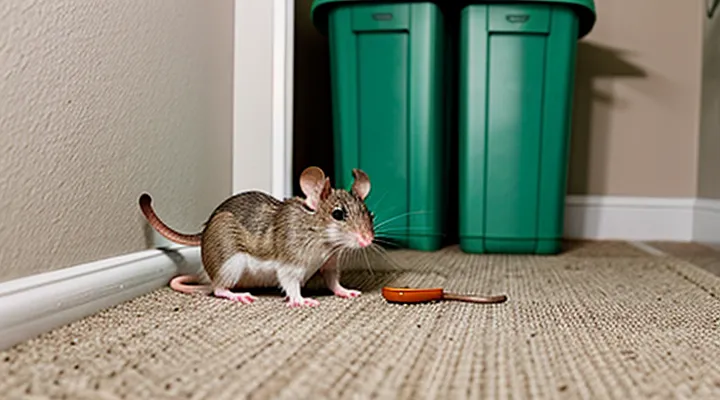
Understanding the Problem: Signs and Causes of Mouse Infestations
Recognizing Mouse Activity
Droppings and Urine Smells
Droppings and urine odors are the most reliable signs of a mouse presence in a dwelling. Fresh droppings appear as small, dark, rice‑shaped pellets; older deposits turn lighter and may crumble. Urine leaves a faint, musky smell that intensifies in confined spaces such as cabinets, wall voids, and behind appliances.
These waste products pose serious health risks. They can carry Hantavirus, Salmonella, and other pathogens that survive for weeks in dried droppings. Inhalation of aerosolized particles released during cleaning may cause respiratory irritation or infection.
Safe removal requires a systematic approach:
- Wear disposable gloves, a N‑95 respirator, and eye protection.
- Ventilate the area by opening windows and using fans.
- Moisten droppings with a 1:10 bleach‑water solution; let stand for 5 minutes to neutralize pathogens.
- Scrape the material into a sealed bag; dispose of the bag in an outdoor trash container.
- Clean the surface with the same bleach solution; rinse with clean water and dry thoroughly.
Odor elimination follows cleaning:
- Apply an enzyme‑based cleaner to all affected areas; enzymes break down residual urine compounds.
- Place activated charcoal or baking soda in the space for 24–48 hours to absorb lingering smells.
- If odor persists, seal cracks and gaps, then treat the voids with a non‑toxic odor‑neutralizing spray designed for rodent waste.
Regular inspection of potential entry points and prompt cleanup of any new deposits prevent re‑infestation and maintain a hygienic home environment.
Gnaw Marks and Damage
Mice leave characteristic gnaw marks on wood, plastic, and wiring, indicating active feeding and nesting. The bite pattern consists of parallel grooves roughly 2‑3 mm apart, often deeper on the side opposite the entry point. Identifying these marks confirms presence and helps locate the infestation’s core.
Typical damage includes:
- Structural weakening of wooden beams, baseboards, and cabinets.
- Compromised insulation and exposed wiring, increasing fire risk.
- Chewed food packaging, leading to contamination.
- Punctured plastic pipes and hoses, causing leaks.
Gnaw damage can trigger secondary problems. Exposed wires may short circuit, while breached insulation reduces energy efficiency. Contaminated food attracts additional pests, and droppings left near gnawed areas introduce pathogens such as Hantavirus and Salmonella. Early detection of gnaw marks enables prompt intervention before these hazards expand.
Effective response begins with sealing entry points identified by fresh gnaw marks. Follow with targeted traps or bait stations positioned near the damaged zones. After removal, inspect all gnawed components; replace compromised wiring, reinforce weakened wood, and sanitize surfaces to eliminate residual contamination. Continuous monitoring of gnaw patterns ensures that any resurgence is caught before extensive damage occurs.
Nesting Materials and Sounds
Mice select nesting materials that are soft, abundant, and easily accessible. Common choices include shredded paper, fabric fibers, insulation, and pet bedding. Removing these resources eliminates the incentive to establish a colony. Steps to reduce available material:
- Store paper products in sealed containers; recycle or discard shredded waste promptly.
- Keep clothing and linens in closets with tight‑closing doors; use garment bags for seasonal items.
- Inspect attic and wall cavities for loose insulation; replace damaged sections with dense, non‑fibrous material.
- Regularly launder pet bedding and store it in airtight bins when not in use.
Sound cues serve both as detection tools and as deterrents. Mice generate characteristic scratching and squeaking noises, especially during nocturnal activity. Monitoring these sounds enables early intervention. Acoustic deterrents exploit the animals’ sensitivity to high‑frequency vibrations; however, effectiveness varies with species and exposure time. Recommended sound‑based measures:
- Install passive acoustic monitors to record activity; analyze recordings for repetitive squeak patterns indicating nesting sites.
- Deploy ultrasonic emitters calibrated to 20–30 kHz, positioning units near entry points and known pathways; replace batteries quarterly to maintain output.
- Combine low‑frequency white noise generators in storage areas to mask attractive rustling sounds, discouraging material gathering.
By systematically removing nesting resources and employing targeted acoustic strategies, homeowners can suppress mouse establishment and promote long‑term exclusion.
Common Entry Points
Gaps in Foundations and Walls
Mice enter residential structures through openings that compromise the integrity of foundations and interior walls. These gaps often appear as cracks in concrete footings, gaps around utility penetrations, unsealed pipe sleeves, or deteriorated mortar joints. Because rodents can squeeze through openings as small as ¼ inch, even minor defects become viable entry points.
Identifying problem areas requires systematic inspection. Begin at the lowest point of the building envelope and work upward, noting any visible fissures, gaps around vent pipes, and spaces where siding meets the foundation. Use a flashlight and a thin probe to test the width of suspect cracks. For concealed gaps, a moisture meter can reveal hidden infiltration that may accompany rodent activity.
Sealing techniques vary with material and location:
- Concrete cracks: Clean debris, apply a concrete epoxy filler, then reinforce with a polyurethane sealant that remains flexible.
- Pipe sleeves: Insert expandable foam insulation, then over‑seal with a metal or silicone collar that fits tightly around the pipe.
- Mortar joints: Remove loose mortar, insert a hydraulic cement mix, and finish with a flexible caulk to accommodate movement.
- Siding‑to‑foundation joints: Install a metal flashing strip, secure with corrosion‑resistant screws, and seal edges with a high‑grade acrylic sealant.
All sealants should be rated for exterior use, UV‑stable, and capable of withstanding temperature fluctuations without cracking. After sealing, monitor the treated areas for at least two weeks to confirm that no new gnaw marks or droppings appear.
Regular maintenance reinforces the barrier. Schedule quarterly inspections of the foundation perimeter, reapply sealant to any newly formed cracks, and keep vegetation trimmed at least 12 inches from the house to reduce moisture accumulation that can exacerbate foundation movement. By eliminating structural gaps, the primary pathway for mouse intrusion is removed, substantially reducing the likelihood of infestation.
Unsealed Pipes and Vents
Unsealed pipes and vents provide direct pathways for mice to enter living spaces, bypassing walls and floors. Gaps as small as a quarter‑inch allow rodents to squeeze through, creating hidden routes that undermine other control measures. Detecting these openings early prevents colonization and limits damage to insulation, wiring, and stored food.
To eliminate these entry points, follow a systematic sealing process:
- Inspect all exterior and interior pipe penetrations, including dryer vents, chimney flues, and utility lines. Use a flashlight and a mirror to view concealed areas.
- Measure each gap; prioritize openings larger than ¼ in.
- Choose a sealant appropriate to the material:
- Steel wool or copper mesh for metal pipes, then cover with silicone caulk.
- Expanding polyurethane foam for larger voids around PVC or concrete.
- Metal flashing or cement for vent covers and chimney openings.
- Apply sealant tightly, ensuring no voids remain. Allow curing time per manufacturer instructions before reinstalling fixtures.
- Verify integrity by conducting a smoke test: direct a thin stream of smoke near suspected areas; any escape indicates remaining gaps.
Regularly revisit the sealed points after seasonal temperature changes, as expansion and contraction can create new fissures. Maintaining a tight barrier around all plumbing and ventilation systems sustains long‑term rodent exclusion.
Open Doors and Windows
Open doors and windows create a direct pathway for rodents to leave a residence. When entry points are secured, the interior becomes less attractive, prompting mice to search elsewhere. To use this principle effectively, follow these steps:
- Identify all exterior openings that mice could exploit, including gaps beneath doors, cracked windows, and vent covers.
- Install self‑closing hinges on exterior doors; adjust them so the door shuts fully after each use.
- Fit tight‑closing latches on windows, ensuring they seal without gaps when closed.
- Apply steel wool or copper mesh to any remaining cracks, then seal with silicone caulk.
- Schedule regular inspections, especially after storms or seasonal changes, to verify that closures remain functional.
By eliminating easy egress, the house loses a critical refuge, reducing the likelihood of infestation and supporting broader rodent‑control measures.
Factors Attracting Mice
Food Sources and Storage
Mice enter homes primarily in search of nourishment; unsecured food provides a reliable energy source and encourages population growth. Crumbs, pet food, open pantry items, and improperly sealed containers create a continuous supply that supports breeding cycles and reduces the effectiveness of any control measures.
- Store dry goods in airtight, metal or heavy‑plastic containers with tight lids.
- Keep pantry shelves clean; wipe down after each use.
- Place pet feeding stations on raised platforms and remove leftovers nightly.
- Dispose of kitchen waste in bins with sealed lids; empty daily.
- Refrigerate or freeze perishable items promptly; avoid leaving fruit or vegetables exposed.
- Seal gaps around cabinets, countertops, and floorboards to block access to stored food.
Eliminating accessible food deprives mice of the incentive to remain, thereby reinforcing any trapping or exclusion strategy employed in the residence.
Water Accessibility
Limiting water availability directly reduces mouse survival in a residence. Mice require a daily intake of approximately 0.5 ml of water per gram of body weight; depriving them of reliable sources forces early dehydration and curtails breeding cycles.
Inspect all rooms for condensation, pet water dishes, and kitchen spillage. Remove standing water by wiping countertops after each use, tightening faucet aerators, and repairing drips in pipes and appliances. Store pet water in sealed containers and replenish only when necessary, avoiding bowls left overnight.
Secure exterior entry points that admit rainwater. Install weather‑stripping on doors, seal cracks around windows, and apply silicone caulk to gaps in the foundation. Exterior drainage should direct rain away from the house; grade the soil to a minimum 6‑inch slope and clear gutters of debris to prevent overflow that can seep into crawl spaces.
Implement a routine inspection schedule:
- Weekly visual check for moisture under sinks, behind appliances, and in basements.
- Monthly testing of plumbing fixtures for leaks using a dye or moisture meter.
- Quarterly assessment of outdoor grading and gutter performance.
By eliminating accessible water, the habitat becomes hostile to mice, enhancing the effectiveness of traps, baits, and exclusion measures.
Shelter and Warmth
Mice enter residences primarily to find protected, insulated spaces where they can maintain body temperature without expending energy. Small gaps around foundations, utility penetrations, and vent openings serve as entry points, while piles of cardboard, stored fabrics, and clutter provide the concealed environments mice use for nesting.
- Inspect exterior walls, basement walls, and crawl‑space perimeters; seal all openings larger than ¼ inch with steel wool, caulk, or hardware cloth.
- Install weather‑stripping on doors and windows; replace damaged screens.
- Eliminate interior clutter: keep storage areas organized, use sealed containers for linens, and remove cardboard boxes after use.
- Clear vegetation and firewood that touch the house; maintain a minimum two‑foot gap between ground and siding.
Warmth attracts rodents during colder months, especially near heating appliances, radiators, and pipe insulation. Reducing localized heat sources diminishes the appeal of these sites.
- Relocate appliances that generate excess heat away from walls; provide adequate ventilation.
- Insulate pipes with non‑fibrous material that does not create gaps for nesting.
- Set thermostats to a consistent, moderate temperature; avoid leaving radiators on overnight.
- Use heat‑resistant, sealed containers for food storage to prevent ambient temperature spikes that lure mice.
By systematically removing shelter opportunities and limiting heat sources, homeowners create an environment that is inhospitable to mice, thereby supporting long‑term eradication efforts.
Prevention is Key: Mouse-Proofing Your Home
Sealing Entry Points
Repairing Cracks and Holes
Repairing structural openings eliminates the primary entry points that mice exploit to invade a residence. Cracks in walls, foundations, and baseboards, as well as holes left by utility penetrations, provide unobstructed pathways for rodents. Sealing these gaps creates a continuous barrier that forces mice to seek alternative, less accessible routes, thereby reducing the likelihood of infestation.
Identify all potential ingress sites by conducting a systematic visual inspection. Use a bright flashlight to reveal hairline fractures in plaster, gaps around pipes, and openings around vents. Pay special attention to areas where different building materials meet, such as where drywall meets flooring or where exterior siding abuts interior walls.
Select appropriate sealing materials based on the size and location of each opening:
- For gaps less than ¼ inch, apply high‑quality silicone or acrylic caulk.
- For cracks up to ½ inch, use expanding polyurethane foam that hardens after curing.
- For larger holes, install steel wool or copper mesh, then cover with a durable patching compound or cement.
Apply the chosen filler according to manufacturer instructions. Ensure surfaces are clean and dry before application to promote adhesion. After sealing, allow the material to cure fully before repainting or reinstalling trim.
Maintain the integrity of the barrier by periodically re‑inspecting repaired areas. Look for signs of new movement, such as fresh cracks or displaced filler, and address them promptly. Regular maintenance prevents mice from exploiting weakened sections and supports long‑term control of rodent activity in the home.
Installing Mesh on Vents
Installing mesh on ventilation openings creates a physical barrier that prevents mice from entering the home while preserving airflow. The barrier must be durable, tightly fitted, and resistant to chewing.
Materials suitable for vent mesh include stainless‑steel hardware cloth (¼‑inch gauge) and heavy‑duty aluminum screen. Stainless steel offers superior bite resistance; aluminum provides a lighter, easier‑to‑cut option for low‑traffic vents.
Installation procedure:
- Measure the width and height of each vent opening; add ½ inch to each dimension to allow for overlap.
- Cut the mesh to the measured size, ensuring edges are smooth to avoid injury.
- Secure the mesh with rust‑proof screws or self‑tapping bolts, spacing fasteners every 4‑6 inches around the perimeter.
- Apply a thin bead of silicone sealant around the edges to close any gaps between mesh and vent frame.
- Inspect the completed installation for loose sections; reinforce any areas showing movement.
Maintenance tips:
- Check mesh quarterly for signs of wear or gnaw marks; replace compromised sections promptly.
- Clean accumulated dust with a vacuum or soft brush to maintain ventilation efficiency.
- Verify that sealant remains intact after seasonal temperature changes; reapply as needed.
By integrating robust vent mesh, homeowners eliminate a common entry point, reinforcing overall rodent‑prevention strategies without compromising indoor air quality.
Using Door Sweeps and Weatherstripping
Door sweeps and weatherstripping create a physical barrier that blocks mice from entering through gaps under doors and around frames. Installing these devices eliminates common entry points without chemicals, reducing the likelihood of infestation.
- Choose a sweep made of durable material (silicone, rubber, or brush) that matches the door’s width. Measure the gap at the bottom of the door; the sweep should extend at least ½ inch beyond the opening when closed.
- Attach the sweep with the supplied screws or adhesive, ensuring a tight seal against the floor. Test the door’s movement; the sweep must not bind or lift the door.
- For exterior and interior doors, apply weatherstripping to the vertical jambs and top frame. Select a compression or foam strip that compresses when the door closes, filling any cracks.
- Cut the weatherstripping to length, press it firmly into the channel, and verify continuous contact along the entire perimeter.
- Inspect all adjacent doors, including garage and patio entries, repeating the process for each.
Regularly check sweeps and strips for wear, tearing, or displacement. Replace damaged components promptly to maintain an airtight seal. By sealing these vulnerable openings, homeowners significantly reduce mouse access, supporting broader pest‑control strategies.
Maintaining a Clean Environment
Proper Food Storage Techniques
Effective control of rodent activity in a residence begins with eliminating food sources that attract mice. Secure storage prevents accidental access and reduces the incentive for foraging.
- Store dry goods in airtight containers made of metal or heavy‑wall plastic; ensure lids seal completely.
- Keep pet food in sealed bins and place them on a countertop or in a pantry, not on the floor.
- Transfer leftovers to covered dishes promptly; discard waste in a trash can equipped with a tight‑fitting lid.
- Refrigerate perishable items within two hours of preparation; avoid leaving open packages on countertops.
- Organize pantry shelves to avoid clutter; maintain a clear space around containers for inspection.
Regularly inspect storage units for cracks, damaged seals, or signs of gnawing. Replace compromised containers immediately. By maintaining rigorous food containment, the primary attractant for mice is removed, supporting broader pest‑management strategies in the home.
Regular Cleaning and Decluttering
Keeping living spaces tidy reduces the availability of food, shelter, and nesting material that attract rodents. Daily removal of crumbs, spills, and pet waste eliminates easy food sources. Store pantry items in sealed containers made of glass, metal, or heavy‑wall plastic; avoid open bags or cardboard boxes that mice can gnaw through.
Decluttering removes potential hideouts. Clear clutter from closets, basements, attics, and under appliances. Stack items on pallets or shelving rather than on the floor, and discard damaged boxes, paper piles, and unused fabrics. Regularly inspect storage areas for signs of gnaw marks or droppings and address any breaches promptly.
Implement a cleaning schedule that targets high‑risk zones:
- Kitchen counters, floors, and backsplashes – wipe after each meal preparation.
- Dining area – sweep or vacuum daily; mop weekly.
- Garbage cans – use lids with tight seals; empty them before they become full.
- Pet feeding stations – clean dishes after each use; store food in airtight containers.
- Entryways – sweep mats and remove debris that could be carried indoors.
By maintaining a disciplined cleaning routine and systematically eliminating clutter, the environment becomes inhospitable to mice, supporting long‑term control without reliance on chemicals or traps.
Managing Waste and Recycling
Effective mouse control in a residence begins with disciplined waste handling. Food remnants and organic debris attract rodents; eliminating these sources reduces the likelihood of infestation.
- Store all kitchen waste in containers with airtight lids. Empty the containers daily to prevent odor buildup.
- Position trash bins away from walls and appliances. This creates a clear perimeter that rodents cannot easily navigate.
- Use recycling bins with tight-fitting covers. Separate paper, plastic, and metal before they become a food source for mice.
- Keep compost piles in sealed, vermiculite‑lined containers. Regularly turn compost to maintain aerobic conditions and discourage rodent habitation.
- Remove discarded packaging, cardboard boxes, and other clutter from storage areas. Decluttered spaces limit hiding places and nesting sites.
Maintain a routine of cleaning spills immediately, wiping down countertops, and sweeping floors to eradicate residual crumbs. Schedule weekly inspections of waste containers for signs of damage or gnaw marks; replace compromised lids promptly. By integrating strict waste management and recycling practices into daily household operations, the environmental conditions that support mouse populations are systematically removed, enhancing the overall efficacy of rodent eradication efforts.
Exterior Home Maintenance
Trimming Vegetation Near the House
Trimming vegetation around a residence reduces the likelihood of mouse entry. Overgrown shrubs, vines, and groundcover create continuous cover from exterior walls to the roof, allowing rodents to move undetected.
Dense plant growth shelters mice from predators and weather, offers nesting material, and conceals entry points such as cracks, gaps around doors, and utility openings. By eliminating these pathways, the house becomes less attractive as a habitat.
- Cut back shrubs to at least 12 inches from the building façade.
- Remove vines that climb walls or attach to eaves.
- Keep grass mowed to a height of 2–3 inches; discard clippings away from the foundation.
- Clear leaf litter, compost piles, and debris within a 3‑foot perimeter of the structure.
- Trim tree branches so they do not touch the roof or walls.
Perform the above tasks in early spring and repeat every 4–6 weeks during the active mouse season. Regular inspection of the cleared zone helps identify new growth or damage that could restore shelter, allowing prompt corrective action.
Storing Firewood Away from Foundations
Storing firewood away from a home’s foundation reduces the likelihood that mice will find shelter and food sources close to the building. Wood piles placed directly against walls create a bridge for rodents to enter gaps in the foundation, crawl under doors, or reach interior voids. By keeping the stack at a safe distance, the pathway is broken, limiting easy access.
- Position the pile at least three feet from any exterior wall, concrete slab, or foundation footing.
- Elevate the wood on a pallet, concrete block, or metal rack to keep it off the ground, preventing moisture accumulation and discouraging burrowing.
- Use a solid barrier, such as a metal or mesh fence, around the stack to block rodent movement while allowing airflow.
- Cover the top with a waterproof tarp secured tightly; leave the sides exposed for ventilation to avoid creating a damp environment that attracts insects and, subsequently, mice.
- Rotate the wood regularly, moving older pieces to the back and bringing newer logs forward, so none remain stationary for extended periods.
Selecting a storage site that receives direct sunlight and is shielded from prevailing winds further discourages rodents by creating an inhospitable microclimate. Avoid locations near garden beds, compost heaps, or bird feeders, which also serve as attractants.
Regular inspection of the firewood area is essential. Look for gnaw marks, droppings, or nesting material. Prompt removal of any evidence prevents a small intrusion from becoming a full infestation. Maintaining these practices complements other rodent‑control measures and helps keep the interior of a private residence free of mice.
Securing Outdoor Bins
Securing outdoor waste containers is a critical component of any comprehensive mouse‑control strategy for a residence. Improperly sealed bins provide easy access to food scraps, encouraging rodents to establish foraging routes that lead directly into the home.
Properly sealed containers eliminate this attraction. Use bins with tight‑fitting lids that lock or latch securely. Ensure the latch mechanism cannot be opened by the pressure of a mouse’s paws. Replace damaged or warped lids promptly.
Maintain the area around the bins to reduce concealment opportunities:
- Clear debris, leaves, and cardboard within a two‑meter radius.
- Position bins on a hard, non‑porous surface such as concrete to prevent burrowing.
- Keep the ground level to the bin base; avoid gaps that allow rodents to slip underneath.
Implement routine maintenance:
- Empty bins daily; do not allow food waste to accumulate for more than 24 hours.
- Clean interior surfaces with detergent and hot water weekly to remove residue.
- Inspect seals and hinges weekly for wear, corrosion, or misalignment, and repair immediately.
Integrating these measures with indoor exclusion practices creates a hostile environment for mice, reducing the likelihood of entry and supporting long‑term eradication goals.
Effective Eradication Methods
Trapping Strategies
Snap Traps: Placement and Baiting
Snap traps provide rapid, humane termination of rodents when positioned and baited correctly. Effective deployment requires an understanding of mouse movement patterns and optimal lure selection.
- Identify high‑traffic routes: along walls, behind appliances, near baseboards, and within 12‑18 inches of known droppings.
- Place traps perpendicular to the wall, with the trigger side facing the wall; mice approach from the side of the trap.
- Position traps in quiet, undisturbed corners; avoid areas with heavy foot traffic that may cause premature activation.
- Use multiple traps spaced 2‑3 ft apart to cover a continuous line of travel.
- Replace each trap after a catch or after 48 hours without activity to maintain pressure on the population.
Bait selection influences capture rates dramatically.
- Peanut butter: strong odor, adheres to the trigger plate, discourages premature removal.
- Small pieces of cheese or processed meat: attractive scent, but must be secured to prevent the mouse from removing it without triggering.
- Sunflower seeds or dried fruit: suitable for mice with grain preferences; apply a thin coating to ensure contact with the trigger.
- Avoid overly large bait portions; a pea‑sized amount maximizes exposure to the trigger mechanism.
- Refresh bait daily to preserve scent potency and prevent drying or spoilage.
Consistent monitoring, immediate disposal of caught rodents, and regular resetting of traps sustain pressure on the infestation until activity ceases.
Live Traps: Humane Removal
Live traps offer a humane approach to eliminating mice from a residence. The devices capture rodents without lethal injury, allowing owners to release them far from the home.
Key factors when choosing a live trap:
- Size compatible with adult house mice (approximately 8 cm body length).
- Durable construction, such as stainless steel or heavy‑duty plastic, to prevent escape.
- Simple trigger mechanism that closes the door quickly and securely.
Effective placement maximizes capture rates. Position traps along walls, behind appliances, and near known gnawing sites. Align the entry opening perpendicular to the wall, because mice travel close to surfaces. Avoid clutter that could block the trap’s sensor.
Bait selection influences success. Preferred attractants include:
- Small pieces of peanut butter.
- Bits of cheese or dried fruit.
- Commercial rodent lure formulated for mice.
Place a modest amount—no more than a pea‑size portion—directly on the trigger plate to encourage entry without causing the mouse to linger.
Monitor traps at least twice daily. When a mouse is captured, transport the trap to a location at least 2 km from the residence, preferably a wooded area. Release the animal gently, facing away from the home, and allow it to exit without stress.
Maintain traps by cleaning them with mild detergent after each use. Inspect hinges and latches for wear; replace damaged units promptly. Store traps in a dry environment to prevent rust or deformation.
The humane removal method reduces mouse populations while adhering to ethical standards, eliminates the need for poisons, and minimizes health risks associated with dead rodents.
Electronic Traps: Modern Solutions
Electronic traps deliver a quick, humane solution for indoor mouse problems. They emit a high‑voltage shock that instantly kills the rodent, eliminating the risk of disease transmission associated with live catches. The devices operate without chemicals, making them safe for families and pets when placed out of reach.
Key advantages include:
- Immediate result: each activation ends the infestation in seconds.
- Reusability: batteries or plug‑in power enable long‑term use without recurring bait costs.
- Data logging: many models record entry events, allowing homeowners to monitor activity patterns and target problem areas.
- Low maintenance: sealed chambers prevent odor buildup and simplify cleaning.
Installation requires positioning traps along walls, behind appliances, and near suspected entry points. Align the sensor plate with the mouse’s natural travel route; most traps detect weight between 10 g and 30 g, ensuring only rodents trigger the circuit. After each capture, disconnect power, dispose of the dead mouse according to local regulations, and reset the device for continued protection.
When combined with exclusion measures—such as sealing cracks and removing food sources—electronic traps form a reliable component of an overall mouse‑control strategy for private residences.
Baits and Rodenticides
Understanding Different Types of Baits
Understanding Different Types of Baits
Mice respond to a limited set of attractants, making bait selection critical for effective control. Baits fall into three primary categories: toxic, non‑toxic, and attractant‑only.
- Toxic baits (rodenticides) contain active ingredients that cause internal hemorrhage or disrupt metabolic processes. Sub‑categories include anticoagulant compounds (e.g., brodifacoum, difenacoum) and non‑anticoagulant agents (e.g., bromethalin, zinc phosphide). These formulations are usually enclosed in sealed stations to prevent accidental exposure.
- Non‑toxic baits serve as lures for mechanical traps. High‑protein foods such as peanut butter, sunflower seeds, and dried insects provide strong palatability. Adding a small amount of sweetener or animal fat can increase appeal for wary populations.
- Attractant‑only baits contain scent compounds without a lethal ingredient. Pheromone blends, cinnamon oil, and peppermint extract disrupt foraging behavior and can be used alongside other control methods to concentrate activity around trap locations.
Choosing the appropriate bait depends on several factors:
- Targeted species behavior – House mice prefer carbohydrate‑rich foods, while field mice may favor seeds and insects.
- Safety considerations – Homes with children or pets require sealed, tamper‑resistant stations and low‑toxicity formulations.
- Regulatory compliance – Certain anticoagulants demand registration and specific placement guidelines.
Effective deployment combines bait type with strategic placement. Position stations along walls, behind appliances, and near known gnawing sites. Rotate bait flavors every two weeks to prevent habituation. Regular inspection of stations ensures freshness and identifies any non‑target interference.
By matching bait characteristics to the infestation profile and environmental constraints, homeowners can maximize eradication efficiency while minimizing risk.
Safe and Strategic Placement
Effective mouse control begins with precise positioning of traps, bait stations, and exclusion devices. Placement determines whether rodents encounter the tools and whether occupants remain unharmed.
- Locate devices along walls, behind appliances, and near known droppings; mice travel close to surfaces.
- Position snap traps perpendicular to the wall, with the trigger end facing the mouse’s entry point.
- Use bait stations inside concealed areas such as cabinets, but keep them out of reach of children and pets.
- Install ultrasonic emitters at ceiling height, avoiding direct line of sight to walls where sound waves reflect poorly.
- Place exclusion strips on gaps larger than ¼ inch, focusing on entry points around pipes, vents, and foundation cracks.
Safety measures require isolation of hazardous components. Secure snap traps with protective covers when not in active use. Choose bait stations that seal poison, preventing accidental ingestion. Verify that electronic devices are unplugged before maintenance.
Strategic monitoring involves rotating trap locations weekly to cover new activity zones. Record capture dates and locations to map infestation patterns, allowing targeted reinforcement of barriers and reduction of redundant placements. Consistent adjustment based on observed movement maximizes eradication efficiency while maintaining a safe household environment.
Risks and Precautions for Pets and Children
Mice control measures can endanger pets and children if safety considerations are ignored. Toxic baits, snap traps, and glue boards contain chemicals or mechanical hazards that may be ingested or cause injury upon accidental contact. Children often explore low‑lying areas where bait stations are placed, while pets such as cats and dogs may be attracted to the scent of poison or the movement of traps.
Precautions to protect vulnerable household members:
- Store all rodent poisons in locked cabinets out of reach of children and animals.
- Use tamper‑resistant bait stations that open only from the top and keep the interior concealed.
- Position snap traps away from pathways, preferably in wall voids or under appliances, and cover them with protective shields if pets are present.
- Replace glue boards with humane live‑catch traps when cats or dogs roam freely.
- Inspect the home daily for displaced bait or damaged traps; remove any compromised devices immediately.
- Keep children educated about the presence of traps and instruct them not to touch any unfamiliar objects on the floor.
- Consult a veterinarian before deploying any rodenticide to verify compatibility with the pet’s health status.
When using chemical controls, select products labeled for indoor residential use and follow the manufacturer’s dosage guidelines precisely. Avoid applying poison in areas where food is prepared, stored, or consumed. After treatment, ventilate rooms thoroughly and clean surfaces that may have been contaminated with rodent excrement, which can carry pathogens harmful to both children and animals.
Regular monitoring of mouse activity reduces the need for repeated bait placement, thereby limiting exposure risk. Integrating exclusion techniques—sealing entry points, maintaining a clean environment, and eliminating food sources—provides a non‑chemical layer of protection that benefits all occupants.
Natural Deterrents
Peppermint Oil and Other Scents
Peppermint oil is a widely cited natural deterrent for house mice. The oil’s strong menthol aroma overwhelms the rodents’ olfactory receptors, prompting avoidance of treated areas. Application involves soaking cotton balls in undiluted peppermint oil and placing them in corners, behind appliances, and along known travel routes. Replace the cotton balls every three to five days to maintain potency.
Other volatile compounds exhibit similar repellent properties:
- Eucalyptus oil – high‑cineole content creates a scent mice find hostile; apply on fabric strips or use a diffuser in problem rooms.
- Clove oil – eugenol acts as an irritant; a few drops on cotton or a spray solution (1 ml oil per 100 ml water) deter activity.
- Cedar shavings – natural lignin emits a persistent aroma that discourages nesting; distribute a thin layer in cupboards and storage areas.
- Ammonia – harsh chemical odor; place open containers in secluded spots, but keep away from children and pets.
Effectiveness depends on proper placement and regular refreshment of the scent source. Scents work best as part of an integrated approach that includes sealing entry points, eliminating food sources, and employing traps. Overreliance on aromatic repellents without addressing habitat and access can result in temporary relief only.
Safety considerations: essential oils may irritate skin and respiratory passages; wear gloves when handling, and avoid direct contact with pets. Ammonia vapors pose inhalation risks; ensure adequate ventilation.
In practice, combine peppermint oil with at least one additional scent to create a layered barrier, monitor mouse activity weekly, and adjust placement based on observed movement patterns. This strategy enhances the likelihood of sustained rodent exclusion in a private residence.
Ultrasonic Repellents: Efficacy and Limitations
Ultrasonic devices emit high‑frequency sound waves that rodents cannot consciously hear but are reported to cause discomfort. Manufacturers claim continuous operation repels mice by creating an inhospitable acoustic environment.
Evidence of efficacy
- Laboratory studies show short‑term avoidance behavior when mice are exposed to frequencies above 30 kHz.
- Field trials in residential settings produce mixed results; some households report reduced sightings, while others observe no change.
- Peer‑reviewed meta‑analyses conclude that ultrasonic repellers lack consistent statistical significance across diverse environments.
Limitations
- Sound intensity diminishes rapidly with distance; effective radius rarely exceeds 3 m, creating blind spots in larger rooms.
- Furniture, walls, and curtains absorb or reflect waves, further reducing coverage.
- Mice can habituate to constant frequencies, diminishing the deterrent effect after several weeks.
- Devices do not address underlying attractants such as food residues, entry points, or nesting materials.
- Power outages render the system inactive unless equipped with battery backup.
Practical considerations
- Position units at ceiling height, unobstructed, near known activity zones.
- Rotate frequencies if the model allows, to mitigate habituation.
- Combine ultrasonic treatment with sealing cracks, eliminating food sources, and, when necessary, mechanical traps for comprehensive control.
Overall, ultrasonic repellents may contribute to a multi‑method strategy but should not be relied upon as the sole solution for mouse eradication in a private dwelling.
Introducing Natural Predators: Cats
Domestic cats serve as biological control agents for rodent infestations in residential settings. Their innate predatory behavior, acute hearing, and keen sense of smell enable them to locate and capture mice that have entered a home.
Cats provide immediate, observable pressure on mouse populations. A single healthy adult can reduce numbers through direct predation and by creating an environment that discourages new incursions. Their presence alone often deters mice from establishing nests in accessible areas.
Practical guidelines for employing cats as a natural deterrent:
- Select a cat with demonstrated hunting instincts; many breeds, such as the Maine Coon or domestic short‑hair, exhibit strong predatory drive.
- Ensure the animal is up‑to‑date on vaccinations and parasite prevention to protect both pet and occupants.
- Keep the cat primarily indoors to prevent it from becoming a stray and to maintain control over its hunting range.
- Provide a clean litter box, regular feeding schedule, and safe resting spots to keep the cat healthy and focused.
- Monitor the cat’s activity; if hunting behavior wanes, consider supplemental traps or baits.
- Maintain rigorous household sanitation—store food in sealed containers, seal entry points, and eliminate clutter—to enhance the cat’s effectiveness.
Limitations exist. Not all felines exhibit strong hunting behavior, and a single cat may not eradicate a large, established colony. Cats also cannot access concealed wall voids or crawl spaces where mice may hide. Therefore, integrating feline predation with structural exclusion, sanitation, and, when necessary, mechanical traps yields a comprehensive eradication strategy.
Post-Eradication: Cleaning and Future Prevention
Sanitizing Affected Areas
Disinfecting Surfaces
Disinfecting surfaces removes scent trails, urine stains, and potential disease carriers that attract mice and facilitate their movement through a home. Eliminating these cues reduces the likelihood of reinfestation after trapping or baiting.
- Identify high‑traffic zones: kitchen countertops, pantry shelves, behind appliances, and areas where droppings have been observed.
- Remove visible debris: sweep, vacuum, or wipe away food particles, crumbs, and rodent droppings before applying any disinfectant.
- Choose an EPA‑registered rodent‑specific disinfectant or a 1 % bleach solution (mix one part bleach with nine parts water). Both options inactivate pathogens and neutralize odor.
- Apply the solution liberally to the cleaned surface, ensuring full coverage of cracks, seams, and edges where mice may hide.
- Allow the disinfectant to remain for the manufacturer‑recommended contact time, typically 5–10 minutes, before wiping or rinsing if required.
- Dry the area thoroughly; moisture attracts rodents and fosters mold growth.
Safety measures include wearing gloves, eye protection, and ensuring adequate ventilation. Repeat the disinfection process weekly during an active control campaign and after any new droppings are discovered. Consistent application disrupts mouse communication pathways and supports long‑term eradication efforts.
Proper Disposal of Contaminated Materials
Proper disposal of materials contaminated by mice is essential for preventing reinfestation and protecting health. After trapping or finding dead rodents, handle each item with disposable gloves, place it directly into a sealable plastic bag, and tie the knot tightly. Immediately store the bag in an outdoor trash container that is regularly emptied, ensuring the bag will not be opened before removal.
Sanitize surfaces that have contacted rodents or droppings. Apply a disinfectant containing at least 1 % bleach solution, let it sit for ten minutes, then wipe clean with disposable wipes. Discard wipes in a sealed bag following the same procedure used for carcasses.
Key steps for safe disposal:
- Wear gloves and a mask while handling contaminated objects.
- Seal each item in a heavy‑duty plastic bag; double‑bag if the material is heavily soiled.
- Place sealed bags in an outdoor trash bin with a secure lid.
- Clean and disinfect tools and work areas after each use.
- Follow local regulations for hazardous waste if required.
By adhering to these practices, homeowners eliminate sources of disease and reduce the likelihood that surviving mice will be attracted back to the residence.
Airing Out Spaces
Airing out rooms reduces humidity and eliminates shelter conditions that attract rodents. Dry, well‑ventilated spaces discourage mice from nesting, because they prefer warm, damp environments where food and water are readily available.
Key actions for effective ventilation:
- Open windows and exterior doors for at least 30 minutes each morning and evening, creating cross‑drafts that expel stale air.
- Install exhaust fans in kitchens, bathrooms, and basements; run them continuously during periods of high activity.
- Use portable dehumidifiers in closets, attics, and crawl spaces to maintain relative humidity below 50 %.
- Seal gaps around vents and ducts after airing to prevent re‑entry points.
Consistent airflow, combined with proper sealing, removes the microclimate that supports mouse populations and complements other control measures such as trapping and bait placement.
Ongoing Monitoring
Regular Inspections for Reinfestation
Regular inspections are the most reliable safeguard against mouse resurgence after an initial elimination effort. A systematic review of the property identifies new entry points, lingering food sources, and signs of activity before a minor incursion escalates into a full‑scale infestation.
During each inspection, focus on the following areas:
- Exterior foundations, vents, and utility openings; seal gaps with steel wool, caulk, or metal flashing.
- Kitchen countertops, pantry shelves, and waste containers; confirm that all food is stored in airtight containers and that crumbs are removed promptly.
- Underside of appliances, cabinets, and furniture; look for gnaw marks, droppings, or urine stains.
- Attic, crawl spaces, and basement; verify that insulation is intact and that no wiring or plumbing breaches provide passage.
Document findings in a log, noting the date, location, and corrective action taken. Repeat the process at least once a month during peak rodent seasons and quarterly during cooler months. Consistent record‑keeping creates a baseline that highlights trends, enabling preemptive measures before mice can re‑establish a foothold.
In addition to visual checks, employ passive monitoring devices such as snap traps or electronic detectors in high‑risk zones. Replace or reset them after each review to maintain continuous surveillance.
By integrating disciplined, recurring inspections into household maintenance routines, homeowners eliminate the primary conditions that allow mice to return, ensuring long‑term rodent control without reliance on repeated extermination campaigns.
Maintaining Prevention Measures
Effective rodent control in a residence depends on continuous preventive actions. Once an infestation has been eliminated, the environment must be altered to deny mice any opportunity to return.
Seal all potential entry points. Inspect foundations, walls, and rooflines for gaps larger than a quarter‑inch; use steel wool, caulk, or metal flashing to close openings. Install door sweeps on exterior doors and repair damaged screens.
Maintain sanitation that removes food and shelter. Store dry goods in airtight containers, clean crumbs and spills immediately, and keep garbage bins tightly covered. Reduce clutter in attics, basements, and storage areas to eliminate nesting sites.
Implement ongoing monitoring. Place snap traps or electronic monitors along walls and near known travel routes; check them weekly and replace as needed. Record any sightings to identify patterns and adjust barriers promptly.
Addressing New Vulnerabilities
Implementing mouse‑control strategies often creates fresh points of entry or shelter that the pests can exploit. Recognizing and sealing these weaknesses prevents reinfestation and protects the household’s structural integrity.
- Gaps around newly installed bait stations or traps may act as conduits for rodents. Apply steel‑wool or silicone caulk to close openings no larger than ¼ inch.
- Loose wiring or exposed conduit can serve as climbing routes. Secure cables with conduit sleeves and route them away from wall voids.
- Renovation work frequently leaves unfinished insulation or damaged drywall. Inspect all work zones, replace compromised insulation, and repair drywall seams with pest‑resistant material.
- Pet food containers left open after bait placement attract mice. Transfer food to airtight containers and store them in a pantry with sealed doors.
- Moisture accumulation from recent plumbing repairs creates favorable foraging zones. Use dehumidifiers or ventilation to keep humidity below 50 % and repair any leaks promptly.
Routine inspection after each control measure identifies emerging vulnerabilities. Document findings, prioritize repairs based on risk level, and schedule follow‑up checks at two‑week intervals until the environment remains consistently rodent‑free.
Professional Assistance
When to Call an Exterminator
Mice infestations can become unmanageable when DIY measures fail to reduce activity, damage persists, or health risks increase. At that point, professional intervention is warranted.
Typical indicators that a pest‑control specialist should be contacted include:
- Repeated sightings after traps or baits have been deployed for several weeks.
- Evidence of gnawing on wiring, insulation, or structural components.
- Presence of droppings, urine stains, or strong odors in multiple rooms.
- Signs of disease transmission, such as bites or allergic reactions among occupants.
- Inability to locate entry points despite thorough inspection.
Engaging a licensed exterminator ensures access to stronger control products, expert assessment of entry routes, and a comprehensive eradication plan that complies with safety regulations. Prompt action prevents further property damage and mitigates health hazards.
Benefits of Professional Services
Professional pest‑control providers bring expertise that surpasses DIY attempts. Technicians identify entry points, assess infestation severity, and apply targeted treatments that comply with safety regulations.
Key advantages of employing a licensed service include:
- Accurate detection: Specialized equipment locates hidden nests and activity trails.
- Effective eradication: Certified products deliver rapid mortality while minimizing risk to occupants and pets.
- Long‑term prevention: Sealing, insulation, and habitat modification reduce future incursions.
- Regulatory compliance: Treatments follow local health codes and environmental standards.
- Time and cost efficiency: Trained crews complete interventions faster than untrained homeowners, lowering overall expenses.
Choosing a professional eliminates guesswork, ensures thorough elimination, and safeguards the home against recurring mouse problems.
Long-Term Pest Management Plans
Effective mouse control in a residence requires a structured, long‑term management plan rather than isolated interventions. Such a plan integrates monitoring, habitat modification, and preventive measures to maintain a mouse‑free environment over months and years.
First, establish a baseline by inspecting all entry points, food storage areas, and potential harborage sites. Record findings in a simple log, noting locations of droppings, gnaw marks, and nesting material. Repeat inspections monthly to detect new activity early.
Key components of a sustainable plan include:
- Exclusion: Install steel‑wool or copper mesh around vents, gaps under doors, and utility penetrations. Repair cracked foundation walls and seal cracks with silicone or expanding foam.
- Sanitation: Store dry goods in airtight containers, promptly clean spills, and keep garbage in sealed bins. Eliminate clutter that offers shelter, especially near appliances and behind furniture.
- Population Monitoring: Deploy snap traps or electronic monitoring devices in high‑traffic zones. Check devices weekly, replace bait as needed, and document captures to assess trend lines.
- Integrated Controls: Combine mechanical traps with low‑toxicity baits in a rotation schedule, reducing reliance on any single method and minimizing resistance development.
- Professional Review: Schedule an annual assessment by a licensed pest‑management operator to verify structural integrity, recommend upgrades, and validate the effectiveness of the ongoing program.
Finally, maintain the plan by training household members to recognize early signs of infestation and to follow the established protocols without deviation. Consistent execution of these steps sustains mouse suppression and prevents re‑establishment, delivering lasting protection for the home.