
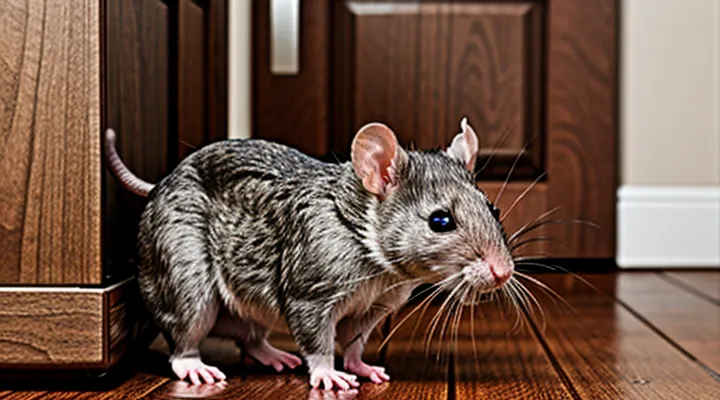
Understanding Your Rat's Needs
The Importance of Enrichment for Rats
Preventing Boredom and Stress
Rats thrive on mental stimulation and predictable routines. Without variety, they develop repetitive behaviors, loss of appetite, and weakened immune response.
Provide a rotating selection of safe toys such as wooden chew blocks, paper tunnels, and puzzle feeders. Replace or reposition items every few days to keep the environment novel. Schedule short play sessions twice daily; a five‑minute hand‑out of a treat ball or a brief supervised floor time offers physical exercise and problem‑solving opportunities.
Maintain a consistent feeding timetable. Offer a mix of high‑quality pellets, fresh vegetables, and occasional protein treats. Vary the presentation—scatter food across the cage floor, hide portions inside small containers, or attach pieces to chew toys—to encourage foraging behavior.
Facilitate social interaction. If the rat is solitary, allocate at least fifteen minutes of gentle handling each day, using calm movements and a soft voice. For multi‑rat households, ensure ample space and multiple hideaways to prevent dominance disputes.
Monitor health indicators daily: coat condition, weight, activity level, and respiratory sounds. Prompt veterinary assessment of any abnormal signs prevents stress from untreated illness.
Practical checklist
- Rotate toys and enrichment items every 3‑5 days.
- Conduct two 5‑minute play sessions each day.
- Feed on a fixed schedule; vary food placement.
- Provide daily handling or supervised social time.
- Inspect coat, weight, and breathing each morning.
Implementing these measures reduces monotony, supports natural behaviors, and minimizes stress for a pet rat living indoors.
Promoting Physical and Mental Health
Providing regular exercise and cognitive challenges is essential for a pet rat’s well‑being. Physical activity prevents obesity, strengthens muscles, and supports cardiovascular function, while mental stimulation reduces stress, curbs repetitive behaviors, and promotes neuroplasticity.
Effective methods include:
- Obstacle courses: Arrange tunnels, ramps, and platforms using safe, chew‑resistant materials. Change the layout weekly to maintain novelty.
- Puzzle feeders: Insert treats into plastic bottles or wooden blocks that require manipulation to access the reward. Rotate puzzles to avoid habituation.
- Foraging stations: Scatter small food portions across a bedding area or in a shallow box with shredded paper, encouraging natural digging and searching behavior.
- Climbing structures: Install sturdy ladders, mesh walls, or branches that allow vertical movement. Ensure all connections are secure to prevent falls.
- Interactive play sessions: Use handheld toys such as feather wands or soft balls. Limit each session to 5‑10 minutes, observing the rat’s interest level to prevent fatigue.
Monitoring weight, coat condition, and activity patterns helps identify health issues early. Adjust diet and enrichment complexity based on the rat’s age, size, and observed preferences. Consistent implementation of these practices sustains both physical fitness and mental resilience, resulting in a more content and active companion.
Rat Behavior and Preferences
Natural Instincts and Activities
Rats are driven by instinctual behaviors that shape their wellbeing. They seek food hidden in their environment, explore vertical spaces, gnaw to keep teeth at a functional length, construct nests, and interact closely with conspecifics. Ignoring these drives reduces mental stimulation and can lead to stress‑related problems.
To satisfy these innate needs, provide activities that mimic natural challenges:
- Foraging puzzles: conceal small portions of pellets or vegetables inside cardboard tubes, paper rolls, or reusable treat dispensers; rats must manipulate the container to retrieve food.
- Climbing apparatus: install wooden ladders, rope bridges, or PVC ramps that allow ascent and descent; vertical movement engages muscle groups used in wild habitats.
- Chewing objects: supply untreated wood blocks, natural twine, and mineral chews; constant gnawing prevents overgrowth of incisors.
- Nest enrichment: offer shredded paper, cotton pads, or fleece strips for building burrows; nesting material supports the construction instinct.
- Social interaction: arrange timed play sessions with compatible cage‑mates or rotate familiar humans to encourage tactile communication.
Each element targets a specific instinct, converting it into a structured, safe pastime that keeps a pet rat mentally alert and physically healthy.
Individual Personalities
Rats display distinct temperaments that shape the effectiveness of indoor enrichment. Recognizing each animal’s preferences prevents stress and maximizes engagement.
- Curious, exploratory rats thrive on maze-like tunnels, rotating wheels, and puzzle feeders that require problem‑solving.
- Cautious, shy individuals prefer low‑stimulus environments; soft bedding, gentle tactile toys, and brief, predictable play sessions are most suitable.
- Socially dominant rats enjoy interactive challenges, such as group foraging games or supervised climbing structures that allow hierarchy expression.
- Highly active, bold rats respond well to rapid‑movement toys, hanging ladders, and timed obstacle courses that demand speed and agility.
Tailor playtime duration to the rat’s energy level. Short, frequent sessions suit nervous or older pets, while extended periods benefit energetic individuals. Adjust the complexity of puzzles as the animal learns; introduce new textures or scents gradually to maintain interest without overwhelming the creature.
Consistent observation of behavior—such as willingness to explore, vocalizations, and grooming patterns—provides feedback for refining entertainment choices. By aligning activities with each rat’s personality, owners create a stimulating home environment that promotes mental health and physical vitality.
Creating an Engaging Environment
Cage Setup and Design
Multi-Level Structures
Multi‑level structures provide rats with vertical space that encourages climbing, exploring, and problem‑solving. A well‑designed arrangement transforms a single‑floor cage into a dynamic environment where the animal can move between platforms, tunnels, and ladders without crowding the floor area.
Key advantages include increased muscle activity, enhanced spatial awareness, and reduced boredom‑related behaviors. By offering distinct heights, the rat can choose preferred positions for resting, observing, or navigating, which mirrors its natural inclination to occupy varied elevations in the wild.
When planning a tiered system, observe the following parameters:
- Platform dimensions: at least 4 × 4 inches, with a surface that prevents slipping.
- Clearance between levels: 2–3 inches to allow comfortable passage.
- Materials: untreated wood, solid‑core cardboard, or PVC pipe; avoid painted or chemically treated surfaces.
- Anchoring: secure each level to the cage walls or base to prevent wobbling.
- Entry points: integrate openings or ramps that align with the rat’s natural climbing posture.
Construction tips:
- Cut wooden boards to the desired size, sand edges smooth, and drill small pilot holes for mounting.
- Use zip ties or stainless‑steel screws to attach platforms to the cage frame, ensuring no protruding hardware.
- Insert PVC sections vertically to serve as sturdy supports; seal ends with silicone to prevent sharp edges.
- Attach removable fabric hammocks or mesh tubes to create additional hiding spots on higher tiers.
Regular maintenance involves inspecting joints for wear, cleaning surfaces with a mild, unscented solution, and periodically rearranging elements to sustain novelty. Rotating the layout every few weeks prevents habituation and keeps the rat engaged with its environment.
Hiding Spots and Tunnels
Providing concealed spaces and tunnel systems satisfies a rat’s instinct to explore, hide, and navigate confined environments. These structures stimulate natural behavior, reduce stress, and encourage active play without requiring constant supervision.
Select materials that are sturdy, non‑toxic, and easy to clean. Untreated hardwood, PVC pipe, and thick cardboard are suitable; avoid painted or chemically treated surfaces. Ensure all joints are smooth to prevent injuries, and seal any gaps that could trap a paw or tail.
Key design elements include:
- Multiple entry points – allow the animal to choose routes and avoid bottlenecks.
- Variable diameters – larger chambers for resting, narrower passages for crawling challenges.
- Elevated sections – incorporate platforms or ladders to add vertical dimension.
- Removable sections – facilitate cleaning and enable periodic reconfiguration to maintain novelty.
Position the network near enrichment items such as chew toys, food puzzles, or foraging stations. Regularly inspect for wear, replace damaged components, and rotate sections to preserve interest. Properly integrated hiding spots and tunnels become a core component of a stimulating home environment for a pet rat.
Chewing Opportunities
Rats require constant access to objects they can gnaw, which satisfies their natural instinct to wear down continuously growing incisors and provides mental stimulation. Supplying a variety of chewable items prevents boredom, reduces the risk of dental problems, and encourages healthy foraging behavior.
Safe chew materials include:
- Untreated hardwood blocks (e.g., apple, maple, birch) cut to a size that fits comfortably in the cage.
- Natural fiber ropes, preferably cotton or sisal, without synthetic coatings.
- Compressed hay cubes or loose timothy hay, refreshed daily to maintain freshness.
- Food-grade wooden toys designed specifically for small rodents, free of paint or varnish.
- Edible chews such as small pieces of raw carrot, celery, or beetroot, offered in moderation.
Rotation of chew items every few days maintains interest and prevents the development of wear patterns that could lead to uneven tooth growth. When introducing a new object, observe the rat for signs of stress or aversion; replace any item that is ignored or causes excessive gnawing of cage bars.
Regular inspection of chew items is essential. Discard any piece that shows splintering, mold, or excessive wear. Clean wooden toys with warm water and mild soap, then dry thoroughly before returning them to the enclosure.
Providing a dedicated chew zone—such as a corner of the cage lined with a chewable substrate—organizes the environment and makes it easier to replace worn items without disrupting the rest of the habitat. This structured approach ensures the rat has continuous, safe opportunities to satisfy its chewing drive while contributing to overall well‑being.
Toys and Playthings
DIY Rat Toys
Rats thrive on mental stimulation and physical activity; homemade toys provide both while keeping costs low. Safe materials include untreated wood, cardboard, natural fibers, and food‑grade silicone. Avoid plastics that may release chemicals or splinter. All components should be cleaned regularly to prevent bacterial growth.
Construction techniques are simple. Drill small holes in a wooden block to create a maze for the rat to navigate. Securely attach a loop of sisal rope to a sturdy base, allowing the animal to climb and chew. Cut strips of cardboard into tunnel shapes, then tape ends together to form a hollow passage. For a sensory brush, braid together soft cotton fibers and secure the ends with non‑toxic glue.
A concise list of effective DIY rat toys:
- Rolling ball – a lightweight wooden sphere with a smooth interior; place a treat inside to encourage movement.
- Puzzle feeder – a sealed container with a single opening; hide food so the rat must manipulate the lid to access it.
- Hanging swing – a short branch affixed to a ceiling hook; ensure the branch can support the rat’s weight without wobbling.
- Climbing ladder – a series of wooden rungs spaced 1–2 cm apart; mount on a vertical panel for upward exploration.
- Texture board – a flat piece of wood covered partially with sandpaper, cork, and rope; provides varied surfaces for gnawing and scratching.
Maintenance guidelines: inspect toys daily for loose parts, frayed rope, or sharp edges. Replace any damaged element immediately. Rotate toys every few days to sustain interest and prevent habituation. Store unused items in a dry, dust‑free container.
Integrating these homemade accessories into a rat’s enclosure enhances enrichment, supports natural behaviors, and contributes to overall health.
Store-Bought Options
Commercially available enrichment supplies simplify indoor stimulation for pet rats. Quality products combine durability, safety, and sensory variety, reducing the need for extensive DIY preparation.
- Chewable toys made from untreated wood, hemp, or natural fibers satisfy gnawing instincts and protect dental health.
- Puzzle feeders with adjustable openings encourage problem‑solving while delivering treats in controlled portions.
- Exercise wheels featuring solid surfaces and silent bearings prevent foot injuries and minimize noise.
- Tunnel systems constructed from PVC or flexible fabric create three‑dimensional pathways that promote exploration and agility.
- Interactive balls equipped with textures or scent‑infused inserts provide tactile engagement during supervised play.
When selecting items, verify that materials are non‑toxic, edges are smooth, and dimensions suit the animal’s size. Regular rotation of toys maintains novelty and prevents habituation, supporting sustained mental and physical activity.
Rotation and Novelty
Rats thrive on mental stimulation; systematic change of their environment and the introduction of new elements prevent boredom and encourage natural foraging behavior.
Rotating enrichment items involves regularly swapping toys, tunnels, and climbing structures while maintaining a clean cage. A predictable schedule—such as a weekly or bi‑weekly exchange—keeps the rat’s routine varied without causing stress.
- Remove one or two existing items each rotation period.
- Introduce clean or repaired replacements of similar size.
- Rotate the position of food dishes and water bottles to alter movement patterns.
- Record the rotation timetable to ensure consistent implementation.
Novelty supplements rotation by providing entirely unfamiliar stimuli. New objects, scents, and puzzle feeders create opportunities for exploration and problem‑solving. Introduce each novelty briefly, observe the rat’s reaction, and retain successful items for future rotations.
- Add a small cardboard maze with multiple exit points.
- Offer a fresh piece of untreated wood with natural bark texture.
- Present a scented cloth (e.g., vanilla or lavender) for brief sniffing sessions.
- Use a treat‑dispensing ball that requires manipulation to release food.
Combining scheduled rotation with periodic novelty maintains a dynamic environment, supports cognitive health, and reduces the likelihood of repetitive behaviors. Consistent application yields a more engaged and content pet rat.
Out-of-Cage Enrichment
Supervised Playtime
Supervised playtime offers mental stimulation and physical exercise while preventing accidents. Keep the rat in a secure, escape‑proof area and remain within arm’s reach throughout the session. Remove small objects that could be swallowed and block access to wires or hot surfaces.
Key components of a safe session include:
- A sturdy, chew‑resistant tunnel or tube for exploration.
- A low‑profile climbing structure, such as a wooden ladder or plastic platform, anchored to the floor.
- A handful of safe toys (e.g., untreated wood blocks, paper tubes, or commercial rodent toys) rotated regularly to maintain interest.
- A gentle, hand‑held treat dispenser to encourage interaction without overfeeding.
End each period by returning the rat to its primary cage, inspecting its body for injuries, and cleaning the play area. Consistent, brief sessions (10–15 minutes) three to four times daily sustain activity levels without causing stress.
Exploring New Spaces
Providing a rat with varied environments stimulates curiosity and reduces boredom. Rotate items such as cardboard tubes, plastic tunnels, and wooden platforms every few days. Each change introduces a fresh route for exploration and encourages natural foraging behavior.
- Place a shallow dish of shredded paper in a corner; the rat can burrow and rearrange the material.
- Install a low‑height ladder or branch to create vertical movement.
- Secure a stack of lightweight boxes, leaving gaps for the animal to slip through.
- Hang a small, chew‑safe rope from a stable hook to serve as a swinging perch.
Monitor the rat’s interaction with each addition. Adjust placement to avoid clutter that could impede safe movement. Consistent renewal of space options maintains engagement without requiring extensive equipment.
Interaction with Owners
Owner interaction is a primary driver of mental and physical stimulation for domestic rats. Consistent, varied contact reduces stress, encourages natural behaviors, and strengthens the human‑animal bond.
Effective engagement techniques include:
- Gentle handling: Support the rat’s torso, allow brief periods of free‑range on a safe surface, and practice short, calm lifts to build trust.
- Target training: Use a small stick or colored cue to teach the rat to touch the tip for a reward; this develops problem‑solving skills and provides structured play.
- Foraging games: Hide pieces of fresh fruit, vegetables, or commercial treats in shredded paper, cardboard tubes, or plastic tunnels; the rat must search and manipulate objects to obtain food.
- Interactive toys: Offer chewable wooden blocks, puzzle balls, and climbing ladders; rotate items regularly to prevent habituation.
- Social sessions: Schedule daily interaction periods of 10–15 minutes, matching the rat’s activity peaks (typically dusk and early morning).
Maintain a calm voice, avoid sudden movements, and observe the rat’s body language for signs of comfort or distress. Regular interaction, combined with environmental enrichment, ensures a content, active pet capable of thriving within a household setting.
Interactive Activities and Training
Food-Based Puzzles and Games
Foraging Opportunities
Foraging restores a rat’s instinct to search for food, keeping the animal mentally active and physically engaged.
Hide small portions of fresh vegetables, cooked lean protein, or commercial rat treats inside paper tubes, cardboard roll‑ups, or sections of untreated wood. Rotate locations daily to prevent pattern learning. Use commercially available puzzle feeders designed for small rodents; these devices dispense a single bite when the rat manipulates a lever or slides a compartment. Create shallow burrow systems with shredded paper or safe fabric strips, inserting food scraps at varying depths.
- Scatter a handful of millet grains across a layer of clean sand for a tactile digging exercise.
- Place a few dried beans inside a hollowed‑out pine cone, sealing the opening with a removable cork.
- Fill a small plastic bottle with a mixture of oats and dried fruit, puncturing tiny holes to control release rate.
- Embed a slice of apple in a folded piece of parchment, securing it with a clothespin that the rat must release.
Select foods that meet the rat’s dietary requirements; avoid high‑fat or sugary items that could upset nutrition balance. Inspect all foraging materials for sharp edges, loose strings, or toxic substances before introduction. Monitor the rat during initial sessions to confirm safe interaction and to adjust difficulty as needed.
Introduce new foraging challenges two to three times per week, supplementing with routine feeding. Record the animal’s response to gauge interest and prevent over‑consumption. Consistent, varied foraging maintains curiosity while supporting overall health.
Treat Dispensing Toys
Treat‑dispensing toys provide mental stimulation and physical activity for indoor rats, combining play with nutrition. These devices release small food portions when the animal manipulates a mechanism, encouraging problem‑solving and natural foraging behavior.
When selecting a suitable toy, consider material durability, size of openings, and treat compatibility. Plastic toys with reinforced hinges resist gnawing; wooden puzzles offer texture variation but may splinter if not sealed. Openings should accommodate standard rat pellets or freeze‑dried insects without allowing large pieces to escape, preventing mess and waste.
Proper placement maximizes engagement. Position the toy on a stable surface near a familiar climbing structure, allowing easy access from multiple angles. Introduce the device gradually: start with a visible treat on the exterior, then hide rewards inside as the rat becomes accustomed to the release mechanism.
Maintenance ensures safety and longevity. Disassemble the toy weekly, rinse with warm water, and sanitize with a mild, scent‑free solution. Inspect for cracks or worn edges that could cause injury, replacing damaged units promptly.
A concise checklist for effective use:
- Choose a chew‑proof material and appropriate opening size.
- Load treats that match the rat’s diet and size.
- Place the toy near familiar activity zones.
- Observe initial interaction, adjusting treat quantity if needed.
- Clean and inspect the toy at least once per week.
Integrating treat‑dispensing toys into a rat’s daily routine sustains curiosity, reduces boredom, and supports healthy eating patterns without requiring constant supervision.
Hiding Treats
Hiding treats turns a simple snack into a mental challenge that keeps a pet rat alert and active. By distributing small pieces of food in concealed locations, you stimulate natural foraging instincts and encourage problem‑solving behavior.
- Choose bite‑size rewards such as dried fruit, seed mixes, or commercial rat treats.
- Place treats inside objects that require manipulation: cardboard tubes, paper towel rolls, or plastic bottle caps with a small opening.
- Secure treats under furniture, behind books, or within a shallow box lined with shredded paper.
- Rotate hiding spots daily to prevent the rat from memorizing locations.
- Limit each session to 5–10 minutes to maintain interest without causing fatigue.
Proper placement avoids hazards; ensure objects have no sharp edges and are free of toxic materials. Vary textures and flavors to prevent monotony and to support a balanced diet. Monitoring the rat’s success rate helps gauge difficulty level and adjust future hideouts accordingly. This method provides consistent enrichment while reinforcing natural exploratory behavior.
Clicker Training Basics
Teaching Simple Tricks
Training a pet rat to perform basic tricks provides mental stimulation and a reliable source of amusement for owners. Rats learn quickly when sessions are short, consistent, and reward‑driven. Use small pieces of fruit, seed mix, or commercial rodent treats as positive reinforcement; deliver the reward immediately after the desired behavior to strengthen the association.
Begin with the “target” command. Hold a fingertip or a small stick and encourage the rat to touch it with its nose. When contact occurs, reward instantly. Repeat until the rat approaches the target on cue, then introduce a verbal cue such as “touch.” This foundation supports more complex actions.
Progress to “spin.” Position the target slightly to the side of the rat’s head, prompting it to turn. Reward each incremental turn, gradually extending the rotation until a full 360° spin is achieved. Pair the movement with a distinct word, for example “spin,” and practice in brief sessions of 3‑5 minutes.
Introduce “fetch” by placing a lightweight object (a small wooden block or plastic ball) within reach. Encourage the rat to pick up the item using its forepaws, then guide it toward a designated spot. Reward when the rat delivers the object to the target area. Reinforce the behavior with a consistent command such as “bring.”
Implement “high‑five” by holding a treat in the palm and prompting the rat to lift a forepaw onto the hand. Reward the contact, then add a cue like “high‑five.” This trick reinforces paw coordination and strengthens the human‑animal bond.
Maintain a routine of daily short training periods, rotating tricks to prevent boredom. Monitor the rat’s health and energy levels; cease sessions if the animal appears stressed or fatigued. Consistent, positive reinforcement cultivates a repertoire of simple tricks that keep a domestic rat engaged and entertained.
Reinforcing Positive Behavior
Positive reinforcement shapes a rat’s willingness to explore toys, puzzles, and social interaction. Deliver a small, high‑value treat immediately after the animal displays the desired action, such as climbing a ladder, solving a maze, or engaging with a chew toy. The rapid pairing of behavior and reward creates a clear association, encouraging repetition.
Consistency matters. Apply the same reward each time the rat performs the target behavior, and use identical cues—verbally or with a clicker—to signal that a correct response will be followed by a treat. Over time, the animal learns to anticipate the outcome, reducing hesitation and increasing enthusiasm for the activity.
A structured reward schedule can deepen engagement:
- Continuous reinforcement: Offer a treat after every successful attempt during initial learning phases.
- Partial reinforcement: Shift to rewarding only occasional successes once the behavior is reliable, preventing dependence on constant treats.
- Variable‑ratio reinforcement: Randomize reward delivery after a set number of correct actions to sustain high levels of interest.
Avoid punitive measures. Negative feedback interrupts the learning process and may cause the rat to withdraw from interactive play. Focus on clear, positive signals and timely rewards to maintain a motivated, entertained pet.
Socialization and Bonding
Interactive Play with Owners
Interactive play strengthens the bond between a rat and its caretaker while providing essential mental stimulation. Rats respond to gentle handling, vocal cues, and predictable routines; consistent engagement reduces stress and encourages natural curiosity.
Effective activities include:
- Tunnel exploration: Connect sections of a PVC or cardboard maze, allowing the rat to navigate while the owner guides with treats.
- Object manipulation: Offer lightweight wooden blocks or plastic beads; demonstrate movement and reward the rat for pushing or carrying them.
- Target training: Place a small platform or cup, cue the rat with a click or spoken word, and reinforce successful approaches with a bite‑size snack.
- Hand‑held games: Gently roll a small ball across the floor, encouraging the rat to chase and retrieve; maintain eye contact to reinforce participation.
Regular sessions, lasting five to ten minutes, maintain attention without causing fatigue. Adjust the difficulty of puzzles as the rat masters each task, ensuring progressive challenge and sustained interest.
Group Play (if applicable)
Rats thrive on social interaction; introducing them to cooperative play sessions can significantly enhance mental stimulation and physical activity.
Before arranging group activities, confirm that all participants belong to the same gender or have been properly neutered, as mixed-sex groups often provoke aggression. Limit the number of individuals to three or four to prevent overcrowding, and allocate a spacious enclosure or a rat‑proofed room where each animal can move freely without obstruction.
Common group games include:
- Tunnel races: Connect multiple PVC tubes or pre‑fabricated tunnels in a circuit; rats naturally navigate the passages, encouraging speed and curiosity.
- Climbing challenges: Install a vertical ladder or a series of rungs that allow several rats to ascend simultaneously, promoting coordination and muscular development.
- Object retrieval: Place small, lightweight items such as wooden beads or crumpled paper in a shared arena; rats learn to locate and transport the objects, reinforcing problem‑solving skills.
During play, observe body language continuously. Signs of stress—such as excessive grooming, vocalizations, or persistent biting—require immediate separation and a reassessment of group composition. Provide ample hiding spots and individual feeding stations to reduce competition for resources.
Regularly rotate toys and rearrange the layout to prevent habituation. A varied environment, combined with controlled social sessions, sustains curiosity and prevents boredom in domesticated rats.
Health and Safety Considerations
Safe Materials for Toys and Environment
Non-Toxic Options
When offering entertainment for a pet rat, safety must be the first consideration. Choose only items that lack harmful chemicals, heavy metals, or sharp edges. Non‑toxic materials protect the animal’s delicate respiratory system and prevent ingestion of dangerous substances.
Materials that meet safety standards include:
- Unpainted natural wood blocks, untreated birch or maple, sized for chewing.
- Food‑grade silicone molds for puzzle feeders; silicone resists bacterial growth and contains no BPA.
- Cotton or fleece fabrics without synthetic dyes; these serve as nesting material and gentle tug toys.
- Untreated cardboard tubes, cut to length, providing tunnels without glue or ink.
- Stainless‑steel chew sticks; stainless steel resists rust and does not leach metals.
DIY enrichment can be assembled from household items that meet the same criteria. A small PVC pipe, cleaned thoroughly and free of solvent residues, can become a maze when capped with wooden end pieces. A glass jar filled with rolled oats offers a scent‑based foraging challenge, provided the lid is sealed with a non‑toxic silicone gasket.
Regularly inspect all accessories for wear, splintering, or contamination. Replace any item that shows damage or develops an odor. By limiting entertainment to proven non‑toxic options, owners ensure a stimulating environment without compromising health.
Avoiding Small, Choking Hazards
When creating indoor enrichment for pet rats, eliminate any objects smaller than the animal’s head that could become lodged in the throat. Even seemingly harmless items such as loose beads, tiny plastic fragments, or broken chew toys present immediate risk.
- Small metal or plastic parts that detach from toys
- Uncooked grains, seeds, or nuts larger than a pea but broken into bite‑size pieces
- Thin strings, yarn, or ribbon segments shorter than two centimeters
- Loose paper clips, staples, and small screws
Inspect all play accessories before each session. Choose chew toys designed for rodents, verify that surfaces are smooth and free of splinters, and replace damaged items promptly. Provide only foods that can be easily broken apart or that are pre‑cut into safe sizes. Regularly clean the enclosure to remove stray debris that could be mistaken for food. These practices prevent choking incidents while maintaining an engaging environment for the rat.
Hygiene and Cleanliness
Regular Cage Cleaning
Regular cage cleaning directly influences a rat’s willingness to explore, play, and interact. A spotless environment prevents the buildup of ammonia and parasites, both of which can cause discomfort and reduce activity levels. Cleanliness also preserves the integrity of toys and enrichment items, ensuring they remain safe and appealing.
Maintain a consistent schedule:
- Remove the rat and place it in a secure temporary enclosure.
- Discard all soiled bedding; replace with fresh, absorbent material.
- Wash the cage, bars, and accessories with warm water and a mild, non‑toxic detergent; rinse thoroughly.
- Sanitize using a diluted white‑vinegar solution (1 part vinegar to 4 parts water) or a pet‑safe disinfectant; allow surfaces to air‑dry.
- Reintroduce fresh bedding, hideouts, and toys before returning the rat.
Additional practices enhance effectiveness:
- Spot‑clean daily by removing droppings and urine-soaked spots.
- Perform a deep clean weekly, inspecting for hidden debris or damaged components.
- Rotate enrichment items each cleaning cycle to maintain novelty.
- Monitor humidity and ventilation; adjust as needed to reduce odor accumulation.
Consistent cleaning creates a healthy, stimulating habitat, encouraging the rat to engage confidently with toys, tunnels, and interactive sessions.
Toy Sanitation
Keeping a rat’s play objects free of dirt, urine, and mold is essential for health and sustained interest. Regular cleaning removes odor that can discourage exploration and prevents bacterial growth that may cause respiratory or skin infections.
Effective sanitation routine:
- Remove toys from the cage daily; rinse with warm water.
- Scrub with a mild, unscented detergent or a diluted vinegar solution (1 part vinegar to 4 parts water).
- Rinse thoroughly to eliminate residue; any lingering soap can irritate a rat’s sensitive skin.
- Disinfect weekly using a pet‑safe disinfectant such as a diluted chlorhexidine solution; follow label instructions for concentration and contact time.
- Air‑dry completely before returning toys to the enclosure; moisture fosters mold.
Choosing appropriate materials simplifies maintenance. Hard plastics, stainless steel, and untreated wood tolerate frequent washing without degrading. Soft fabrics, rope, or paper products should be inspected regularly and replaced when soiled beyond cleaning.
A consistent schedule—daily rinse, weekly deep clean, monthly replacement for porous items—maintains hygiene, prolongs toy lifespan, and supports a stimulating environment for a pet rat at home.
Monitoring for Signs of Boredom or Stress
Behavioral Indicators
Observing a rat’s behavior provides the most reliable measure of successful home enrichment. Distinct actions reveal whether the animal is engaged, comfortable, and mentally stimulated.
- Active exploration – rapid movement through tunnels, climbing structures, or navigating obstacle courses indicates curiosity and interest.
- Playful interaction – chasing toys, wrestling with companions, or manipulating objects such as cardboard tubes shows willingness to engage with stimuli.
- Vocalizations – frequent, high‑pitched squeaks or chirps during activity suggest excitement; reduced silence may signal boredom.
- Grooming bursts – brief, focused self‑cleaning after play reflects a relaxed state and confidence in the environment.
- Food‑seeking behavior – eager investigation of puzzle feeders or foraging stations demonstrates mental challenge acceptance.
- Social engagement – approaching human hands, accepting gentle handling, or initiating contact with other rats signals trust and enjoyment.
A sudden decline in these indicators—prolonged inactivity, excessive hiding, or persistent low‑tone vocalizations—should prompt a review of enrichment items, schedule, or cage layout. Adjustments that re‑introduce novelty, varied textures, or interactive toys typically restore the positive behaviors listed above.
When to Seek Veterinary Advice
Entertaining a pet rat at home involves toys, puzzles, and interactive play. While enrichment promotes health, it can also reveal problems that require professional attention.
Typical indicators that veterinary care is needed include:
- Sudden loss of appetite or refusal to eat.
- Marked decline in activity, such as avoiding toys or climbing structures.
- Visible injuries, bleeding, or swelling after play sessions.
- Labored breathing, wheezing, or persistent sneezing.
- Discharge from eyes, nose, or ears.
- Diarrhea, blood in stool, or abnormal urination.
- Unexplained weight loss or rapid weight gain.
- Signs of pain when handling, such as hissing, biting, or reluctance to be touched.
If any of these symptoms appear, contact a veterinarian promptly. Provide details about the rat’s recent diet, enrichment routine, and any recent changes in the environment. For acute emergencies—severe bleeding, difficulty breathing, or collapse—seek immediate veterinary assistance rather than delaying treatment.