
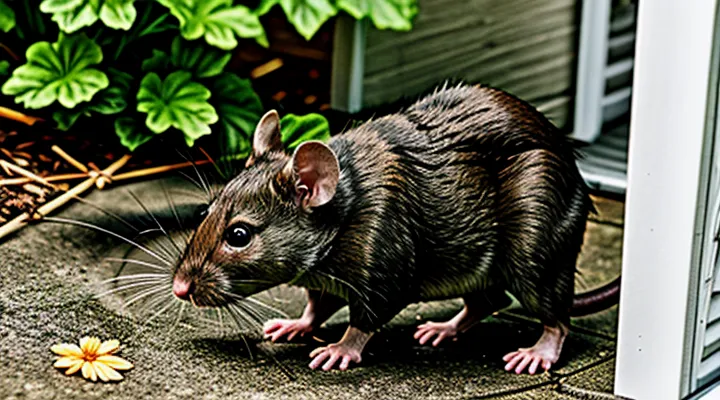
Understanding the Problem: Why Rats are Attracted to Your Summer House
Common Entry Points
Identifying how rodents gain access to a summer cottage is the first step in any non‑chemical control plan. Without sealing these pathways, any other measures will prove temporary.
Typical openings include:
- Gaps around exterior doors, especially where weather‑stripping is worn or missing.
- Cracks in foundation walls, concrete slabs, or crawl‑space vents.
- Unfinished roof eaves, soffits, and attic vents that lack proper mesh screening.
- Openings around utility penetrations such as water pipes, electrical conduits, and HVAC ducts.
- Holes in siding, siding seams, and damaged trim boards.
- Gaps beneath windows, particularly older frames without proper caulking.
- Space under decks, porches, or overhanging structures where debris creates shelter.
A systematic inspection should begin at ground level, moving upward to the roof. Use a flashlight to reveal concealed cracks, and a mirror on an extended pole to view hidden corners. Apply durable materials—steel wool, copper mesh, or heavy‑duty hardware cloth—over openings larger than a quarter‑inch. Seal smaller fissures with cement‑based mortar, expanding foam, or silicone caulk designed for exterior use. Replace deteriorated weather‑stripping on doors and windows, and install self‑closing mechanisms where feasible. Ensure all utility penetrations are wrapped with metal flashing before re‑capping.
By eliminating every viable entry point, the summer house becomes a hostile environment for rats, reducing the need for any chemical intervention. Continuous monitoring and prompt repair of newly formed gaps maintain long‑term protection.
Food Sources
Rats are drawn to any readily available food in a summer house. Eliminating these sources reduces the likelihood of infestation without resorting to chemicals.
Identify all potential supplies:
- Unsealed pantry items, especially grains, cereals, and dried fruit.
- Pet food left out overnight.
- Birdseed stored in open containers.
- Compost piles or garbage bins without tight lids.
- Fruit, vegetables, and leftovers on countertops or floors.
Secure each item. Store dry goods in airtight containers made of metal or thick plastic. Place pet meals in sealed feeders and remove leftovers after each feeding. Transfer birdseed to a locked cabinet and keep feeders clean. Install garbage cans with snap‑tight lids and empty them daily. Keep compost in a sealed bin away from the building.
Maintain strict cleanliness. Sweep floors and wipe surfaces each evening to remove crumbs. Wash dishes promptly and store them closed. Dispose of food waste in a container that rats cannot gnaw through.
By removing every edible attraction, rats lose the incentive to enter the cottage, making non‑chemical control effective and sustainable.
Shelter and Nesting Sites
Rats choose a summer house for shelter when it offers protection from weather, predators, and human activity. Structures that provide darkness, warmth, and easy entry become preferred nesting sites.
Identify potential refuges by inspecting the building’s interior and exterior. Look for gaps larger than ¼ inch in walls, foundations, eaves, and rooflines. Examine stored items such as firewood, garden tools, and outdoor furniture for hidden cavities. Check attic insulation, crawl spaces, and under‑floor voids for signs of gnawing, droppings, or urine stains.
Eliminate these habitats through a series of practical steps:
- Seal openings with steel wool, copper mesh, or cement‑based sealant; ensure doors and windows close tightly.
- Relocate firewood stacks at least three feet from the structure and keep them elevated on a platform.
- Store gardening equipment in sealed containers; avoid stacking items against walls.
- Trim vegetation within two feet of the house to reduce cover and prevent easy climbing.
- Install a tight-fitting door sweep on all exterior doors to block entry from the ground level.
- Remove debris, leaf piles, and compost bins from the immediate perimeter; keep compost in a closed, rat‑proof container.
- Replace damaged or rotted siding, soffits, and flashing to eliminate concealed gaps.
After modifications, monitor the area for fresh activity. Replace any compromised seals promptly. Maintaining a clutter‑free, well‑sealed environment deprives rats of the shelter they need to establish nests, thereby reducing their presence without resorting to chemical controls.
Prevention is Key: Making Your Summer House Rat-Proof
Sealing Entry Points
Inspecting the Exterior
Inspecting the exterior of a summer cottage is the first step in a non‑chemical rat control program. A thorough visual survey reveals the pathways rats use to enter and the conditions that attract them.
- Examine the foundation for cracks, gaps, or holes larger than ¼ inch. Seal openings with steel wool, metal flashing, or cement‑based filler.
- Check eaves, soffits, and roof edges for damaged or missing siding. Repair or replace compromised sections to eliminate shelter.
- Trim trees, vines, and shrubs that touch the building. Direct vegetation at least two feet away from walls to reduce climbing routes.
- Remove debris, wood piles, and compost heaps from the perimeter. Store firewood on raised platforms with a gap of at least six inches from the ground.
- Inspect gutters and downspouts for clogs or leaks. Ensure water drains away from the structure; standing moisture encourages rodent activity.
- Look for signs of gnawing on exterior wiring, vent screens, and utility lines. Reinforce vulnerable areas with metal mesh or hardware cloth.
Document each finding and prioritize repairs that block the most accessible entry points. Regular seasonal inspections maintain the integrity of the barrier and reduce the likelihood of rat infestation without resorting to chemicals.
Repairing Gaps and Cracks
Rats exploit any opening in a summer house, so sealing gaps and cracks removes a primary avenue of access.
Typical entry points include foundation joints, wall seams, roof eaves, vent openings, and gaps around utility pipes. Each of these locations must be examined for signs of wear, displacement, or rodent activity.
To repair openings effectively:
- Inspect exterior and interior surfaces with a flashlight; use a thin gauge wire to probe suspicious seams.
- Clean debris, dust, and loose material from the area to ensure adhesion.
- Apply a durable filler such as silicone caulk for small cracks, expanding foam for larger voids, and steel wool or copper mesh before sealing to prevent gnawing.
- Install metal flashing or hardware cloth over vents and pipe penetrations, securing with stainless‑steel screws.
- Trim any overhanging vegetation that could provide a bridge to the structure.
Materials chosen must resist chewing and weather exposure. Steel wool, copper mesh, hardware cloth (minimum 1/4‑inch mesh), silicone‑based sealants, and polyurethane foam meet these criteria.
After sealing, schedule bi‑annual inspections to detect new fissures caused by settling or seasonal temperature shifts. Prompt repair of emerging gaps sustains a barrier that deters rats without reliance on chemical interventions.
Securing Vents and Chimneys
Securing vents and chimneys blocks one of the most common entry routes for rats seeking shelter in a summer cottage. Properly fitted screens and caps create a physical barrier that rodents cannot bypass, eliminating the need for toxic deterrents.
Install stainless‑steel mesh (minimum ¼‑inch aperture) over all ventilation openings. The material resists chewing and corrosion, ensuring long‑term protection. Fasten the mesh with corrosion‑resistant screws and seal gaps with silicone caulk to prevent small cracks.
Fit chimney caps made of heavy‑gauge metal. Choose a design with a downward‑facing lip that deflects climbing rodents. Secure the cap with a stainless‑steel strap and verify that the attachment points are tight after each storm.
Inspect all vent and chimney connections quarterly. Look for signs of wear, loose fittings, or gnaw marks. Replace damaged components immediately to maintain an uninterrupted barrier.
Checklist for vent and chimney security
- Mesh size ≤ ¼ inch, stainless steel, corrosion‑resistant fasteners.
- Chimney cap with downward lip, heavy‑gauge metal, secure straps.
- Silicone sealant applied to all seams and gaps.
- Quarterly visual inspection; replace any compromised parts promptly.
By implementing these measures, a summer house remains inaccessible to rats without resorting to chemical controls, preserving both the structure and the occupants’ health.
Eliminating Food and Water Sources
Storing Food Properly
Proper food storage is a critical factor in preventing rodent activity at a seasonal cottage. Food that is accessible, moist, or improperly sealed provides an attractant that encourages rats to enter and establish nests.
Secure containers made of metal or heavy‑wall plastic should be used for all dry goods, including grains, cereals, and pet food. Seal each container with a tight‑fitting lid; a simple snap‑on lid is insufficient if it can be pried open. Store containers on a raised platform or shelf, away from walls and floor drafts, to eliminate easy climbing routes.
Maintain a routine of cleaning and inspection:
- Remove crumbs and spills from countertops, tables, and floors immediately.
- Empty trash cans daily; use bins with fitted lids and replace liners regularly.
- Inspect stored items weekly for signs of damage or infestation; discard any compromised packages.
By eliminating food sources through airtight storage, regular sanitation, and disciplined waste management, the likelihood of rat incursions at a summer residence is substantially reduced without resorting to chemical controls.
Managing Waste
Effective rodent control in a seasonal cottage begins with strict waste management. Food remnants, packaging, and organic debris provide the primary attraction for rats; eliminating these sources removes the incentive to enter the property.
- Store all food in sealed containers made of metal or thick plastic.
- Dispose of kitchen scraps in a bin with a tight‑fitting lid; empty the bin daily.
- Keep compost piles at least three meters from the building and cover them with wire mesh.
- Remove fallen fruit, berries, and garden waste promptly.
Garbage collection points must be positioned away from the cottage’s foundation. Use sturdy, rat‑proof bins that cannot be chewed through. Regularly clean the exterior of waste containers with hot water and detergent to eliminate residue.
Indoor waste handling requires separate bins for recyclables and organic material. Place these containers on elevated shelves or on platforms that prevent rodents from climbing directly onto them. Inspect bins for holes before each use.
Landscaping contributes to waste control. Trim vegetation that contacts the walls, and eliminate dense ground cover that can conceal food. Maintain a clear perimeter of at least one meter around the structure, removing leaf litter and debris that could serve as nesting material.
By maintaining a disciplined waste routine, the cottage deprives rats of nourishment and shelter, reducing the need for chemical interventions. Consistency in these practices sustains a rodent‑free environment throughout the summer season.
Addressing Leaks and Standing Water
Rats are drawn to moisture because it provides drinking sources and softens building materials for nesting. Any leak, however small, creates a reliable water supply that can sustain a rodent population throughout the summer season.
- Inspect roof, walls, and windows for drips after rain or during irrigation. Repair damaged shingles, seal cracked caulking, and replace warped flashing.
- Direct downspouts away from the foundation using extensions or splash blocks. Ensure the ground slopes at least six inches within ten feet of the house to prevent water pooling.
- Examine interior plumbing for slow leaks under sinks, behind appliances, and in bathrooms. Tighten fittings, replace worn seals, and install drip‑catch trays where necessary.
- Remove standing water in gutters, birdbaths, and decorative ponds. Clean debris regularly and consider installing a timer‑controlled pump for larger containers.
- Level mulch, soil, and decorative stones around the property. Compact the ground to eliminate low spots where water can collect.
By eliminating sources of water, the habitat becomes unsuitable for rats, reducing the likelihood of infestation without resorting to chemical controls. Regular maintenance of the building envelope and landscape drainage sustains a dry environment that discourages rodent activity.
Removing Hiding Spots
Decluttering Outdoor Areas
Rats seek shelter, food, and nesting material in disorganized exterior spaces. Removing these resources reduces the likelihood of infestation without resorting to toxic substances.
- Eliminate debris piles such as leaves, branches, and construction waste; store them in sealed containers or relocate them away from the building.
- Trim vegetation that contacts the walls, roof, or deck. Maintain a clearance of at least two feet to deny rodents easy access.
- Secure outdoor storage units with tight‑fitting lids and reinforce gaps with metal flashing or hardware cloth.
- Remove bird feeders, pet food dishes, and compost bins from the immediate perimeter; if they must remain, place them on raised platforms with solid bases and empty them daily.
- Keep firewood stacked off the ground on pallets and covered with a waterproof tarp; avoid stacking wood directly against the house.
- Inspect and repair drainage systems to prevent standing water, which attracts insects and, consequently, rats.
Each action eliminates a potential hideout or food source, creating an environment where rats cannot thrive. Consistent maintenance of these practices sustains a rat‑free summer residence without chemical intervention.
Trimming Vegetation
Trimming vegetation around a summer cabin reduces shelter and food sources that attract rats. Overgrown shrubs, tall grasses, and dense ground cover create pathways for rodents to move undetected and provide nesting material. Cutting back these plants eliminates the cover rats use to approach the structure.
Effective vegetation management includes:
- Cutting grass to a height of 2–3 inches and removing clippings that could hide droppings.
- Pruning shrubs at least 6 feet from the building to expose walls and foundations.
- Removing vines and ivy that climb walls, creating direct access to roof and eaves.
- Clearing leaf litter, fallen branches, and compost piles that serve as food reservoirs.
Regular maintenance—monthly during the growing season—keeps the perimeter clear, forces rodents to seek alternative habitats, and limits their ability to establish colonies near the dwelling. This physical approach removes the need for chemical interventions while maintaining a tidy, rat‑unfriendly environment.
Elevating Storage
Elevating storage units creates a physical barrier that prevents rats from accessing food and nesting material. By placing shelves, pallets, or platforms at least 12 inches above the floor, rodents are forced to climb a vertical distance that exceeds their typical reach. This simple adjustment eliminates one of the primary attractants without resorting to toxic agents.
Key actions for implementing elevated storage in a summer cottage:
- Install sturdy brackets or metal frames to support lightweight containers.
- Use breathable, sealed containers for dry goods; position them on the raised platform.
- Keep the platform clear of clutter; excessive items provide hiding spots and reduce the effectiveness of the barrier.
- Inspect the support structure regularly for signs of gnawing or instability and repair promptly.
Elevated storage also improves ventilation, reducing moisture that attracts rodents. By keeping supplies off the ground, you limit the scent trails that rats follow, decreasing the likelihood of infestation. Combined with other non‑chemical measures—such as sealing entry points and maintaining a clean perimeter—raised storage contributes to a comprehensive, chemical‑free rodent control strategy.
Non-Chemical Rat Elimination Methods
Trapping Techniques
Live Traps: Catch and Release
Live traps provide a chemical‑free solution for managing rats in a summer house. The devices capture rodents without killing them, allowing owners to release the animals away from the property.
Choose traps that meet the following criteria:
- Size sufficient for adult rats (minimum 15 cm × 10 cm × 10 cm).
- Spring‑loaded or wooden cage design with a smooth interior to prevent escape.
- Transparent lid for easy monitoring.
Effective placement follows a simple pattern:
- Identify active runways by observing droppings, gnaw marks, and fresh soil.
- Position traps perpendicular to walls, with the entrance facing the runway.
- Set traps near food storage, garbage areas, and entry points such as doors or vents.
- Use bait that attracts rats but does not attract non‑target wildlife—peanut butter, dried fruit, or a small piece of cheese works well.
Check traps at least twice daily. When a rat is captured:
- Wear gloves to avoid direct contact.
- Transport the trap to a release site at least 2 km from the summer house, preferably in a wooded area with natural cover.
- Open the trap gently, allow the animal to exit, then reset the device with fresh bait.
Maintenance ensures continued success:
- Clean traps with hot water and mild detergent after each use.
- Inspect hinges and latches for wear; replace damaged components promptly.
- Rotate trap locations periodically to cover new activity zones.
Live traps, when selected, placed, and maintained correctly, eliminate rat presence without resorting to poisons or sprays, preserving the safety of occupants and the environment.
Snap Traps: Humane and Effective Placement
Snap traps provide immediate, non‑chemical control of rats in a seasonal cottage. Their design kills quickly, minimizing suffering, and they require no toxic substances, making them safe for nearby wildlife and children when used correctly.
Effective placement hinges on rat behavior. Rats travel along walls, avoid open spaces, and seek shelter near food sources. Position traps perpendicular to the wall, with the trigger side facing the wall so the animal must run into the spring. Place traps at a distance of 12–18 inches from any entry point, such as gaps under doors or vents, and near known activity zones—behind appliances, in pantry corners, and along attic joists. Ensure the trap is flush with the surface to prevent avoidance.
A practical deployment schedule includes:
- Inspect all potential pathways; seal openings before setting traps.
- Install 2–3 traps per identified route, spaced evenly.
- Bait each trap with a small amount of high‑fat food (peanut butter, dried fruit) to attract cautious rats.
- Check traps daily; dispose of captured rodents promptly and reset the trap for continuous coverage.
- Rotate trap locations every 3–4 days to cover unexplored routes.
Regular monitoring and prompt removal of caught rats maintain trap effectiveness and discourage survivors from establishing new routes. By following these placement principles, snap traps become a humane, reliable tool for rat eradication in a summer residence without resorting to chemicals.
Natural Repellents
Peppermint Oil and Other Essential Oils
Peppermint oil is among the most widely cited natural repellents for rodent intrusion in seasonal cottages. Its strong menthol aroma overwhelms the olfactory receptors rats use to locate food and nesting sites, prompting avoidance of treated areas. Application methods include:
- Soak cotton balls in pure peppermint oil and place them in corners, under floorboards, and near entry points; replace every 3‑4 days.
- Dilute 10 ml of oil in 250 ml of water, add a few drops of dish‑soap, and spray the mixture along baseboards, window sills, and exterior gaps; re‑apply after rainfall.
- Impregnate wooden shims or fabric strips with the oil and tuck them behind insulation or within wall cavities for prolonged emission.
Other essential oils demonstrate comparable repellent properties:
- Eucalyptus – high cineole content disrupts rodent scent trails; use identical placement and dilution guidelines as peppermint.
- Cedarwood – contains cedrol, which creates an inhospitable environment for nesting; apply to structural timber or use cedar chips in storage closets.
- Clove – eugenol acts as a sensory irritant; mix with carrier oil and apply to potential gnawing sites.
- Lemongrass (citronella) – strong citrus scent deters foraging; effective when sprayed on outdoor perimeters.
When combining oils, maintain a total concentration of no more than 5 % to prevent damage to finishes and avoid respiratory irritation for occupants. Rotate oils weekly to prevent habituation; rodents can become desensitized to a single scent after several exposures.
Safety considerations include keeping oil‑treated materials out of reach of children and pets, testing a small, concealed area for material compatibility, and ensuring adequate ventilation during indoor application. Essential oils do not eradicate established infestations; they function best as a preventive barrier, complementing physical exclusion measures such as sealing cracks, installing rodent‑proof screens, and maintaining a clean, food‑free environment.
Ammonia and Other Strong Scents
Ammonia’s pungent odor disrupts rats’ scent trails, making it an effective non‑chemical repellent for a summer cabin. Apply the liquid to cotton balls or cloth strips and place them in known entry points, attic corners, and along walls. Replace saturated materials every 48 hours to maintain potency.
Other strong scents function similarly:
- Peppermint oil: concentrate 10 ml per 500 ml water, spray in gaps and near food storage.
- Clove oil: mix 5 ml with 250 ml water, apply to wood surfaces where rodents travel.
- Citronella: dilute 15 ml in 1 liter water, mist around outdoor decks and trash areas.
Effectiveness depends on consistent placement and periodic refreshment, as rodents quickly habituate to weakened odors. Combine scent barriers with physical exclusion—seal cracks, install metal mesh, and keep food sealed—to prevent re‑infestation. Use gloves and adequate ventilation when handling ammonia; avoid direct skin contact and store containers out of reach of children and pets.
Plant-Based Deterrents
Plant‑based deterrents provide a practical alternative for non‑chemical rat control in a summer cabin. Their strong odors and irritating compounds discourage rodents without harming pets or children.
Effective botanicals include:
- Peppermint oil – saturated cotton balls or spray applied near entry points and food storage areas.
- Garlic cloves – crushed and placed in corners, basements, and under decking.
- Cayenne pepper – mixed with water and sprayed on surfaces where rats travel.
- Eucalyptus leaves – positioned in attic vents and crawl spaces.
- Lavender – dried bundles hung in closets and pantry shelves.
Application guidelines:
- Distribute deterrents at every possible access route: gaps in walls, gaps under doors, and openings around utility lines.
- Refresh oil‑based treatments weekly; replace solid botanicals every two weeks to maintain potency.
- Combine multiple scents to create a layered barrier, reducing the chance of habituation.
- Keep deterrents away from food preparation surfaces to avoid flavor contamination.
Safety considerations:
- Use food‑grade essential oils diluted to no more than 5 % to prevent respiratory irritation.
- Store dried plant material in sealed containers when not in use to limit mold growth.
- Monitor for signs of rodent activity; if infestations persist, integrate mechanical traps or professional exclusion methods.
Plant‑derived repellents function by overwhelming the rat’s sensitive olfactory system, prompting avoidance of treated zones. Regular maintenance of these natural barriers sustains their effectiveness throughout the warm season.
Predator Lures and Management
Encouraging Natural Predators
Encouraging natural predators provides an effective, chemical‑free method for reducing rat activity in a summer cottage. Predatory birds, such as owls and hawks, locate rodents easily and deter colonies through their presence. Installing sturdy perches or nesting boxes near the property creates attractive roosting sites, increasing the likelihood that these birds will patrol the area. Position boxes at least 10 feet above ground, facing a clear flight path, and maintain them free of debris to ensure occupancy.
Ground‑dwelling predators, including snakes and feral cats, also contribute to rodent control. Providing sheltered rock piles, log stacks, or brush heaps offers hiding places for snakes, while allowing responsible, indoor‑only cats to access the exterior under supervision can supplement hunting pressure. Remove easily accessible food sources—pet food, bird seed, compost—so predators focus on rats rather than alternative prey.
Key actions to attract and support predators:
- Install owl or kestrel nesting boxes, mounted securely on trees or poles.
- Place metal or wooden perches at regular intervals around the property.
- Create rock or log habitats to encourage snake presence.
- Allow supervised outdoor access for indoor‑only cats.
- Eliminate extraneous food and water sources that could distract predators.
Monitoring predator activity and maintaining habitat features ensures sustained pressure on rat populations, reducing the need for toxic interventions while preserving the ecological balance of the summer house environment.
Using Predator Urine
Predator urine—typically from foxes, coyotes, or feral cats—contains scent markers that trigger innate avoidance behavior in rodents. When introduced into a summer cottage, the odor signals the presence of a natural threat, prompting rats to vacate the area in search of safer habitats.
Effective deployment requires strategic placement and regular renewal. Use the following protocol:
- Select a concentrated, pure urine product; avoid blends with synthetic additives.
- Apply a few milliliters onto cotton pads, cloth strips, or small sachets.
- Position the scented items near entry points, food storage zones, and nesting sites—typically within 30 cm of walls, under eaves, and in attic corners.
- Replace the pads every 3–5 days, or sooner if the scent diminishes due to ventilation or humidity.
Safety considerations are minimal because the method relies on non‑toxic biological cues. Nonetheless, keep urine containers sealed when not in use to prevent inadvertent contact with pets or children. Store in a cool, dark environment to preserve potency.
Limitations include reduced efficacy in highly insulated structures where airflow is limited, and possible habituation if the same scent is left unchanged for extended periods. Rotating between different predator sources or supplementing with physical barriers enhances long‑term success.
Post-Extermination Measures and Long-Term Control
Sanitation and Cleanup
Effective rat control in a seasonal cottage begins with rigorous sanitation and thorough cleanup. Eliminating food sources, shelter, and entry routes deprives rodents of the conditions they need to thrive.
- Store all food in airtight containers; discard expired items promptly.
- Remove pet feed after each use and keep bowls clean.
- Sweep floors daily and vacuum corners where crumbs accumulate.
- Wash dishes immediately; avoid leaving dishes in the sink overnight.
- Dispose of garbage in sealed bins; empty them regularly.
Inspect the interior for droppings, gnaw marks, and urine stains. Wear disposable gloves and a mask, then clean affected areas with hot water and a detergent solution. For porous surfaces, apply a steam cleaner to penetrate fibers and eradicate lingering scent trails. After cleaning, allow surfaces to dry completely before reintroducing items.
Eliminate clutter that offers nesting material. Pack away cardboard boxes, newspaper piles, and fabric scraps in sealed storage. Keep closets and under‑furniture spaces organized; use plastic bins with tight‑fitting lids.
Seal potential entry points by inspecting walls, windows, and door frames. Apply steel wool or copper mesh to gaps larger than ¼ inch, then cover with caulk or weather‑stripping. Repair damaged screens and install door sweeps to block rodent access.
Maintain these practices year‑round. Regular inspections, prompt waste removal, and consistent cleaning create an environment where rats cannot establish a foothold, allowing the cottage to remain rodent‑free without reliance on chemical interventions.
Ongoing Monitoring
Ongoing monitoring is the systematic observation of rat activity after implementing non‑chemical control measures at a summer cottage. It verifies the effectiveness of exclusion, habitat modification, and trapping, and identifies new infestations before they spread.
- Visual inspection of walls, attic spaces, and utility openings for gnaw marks, droppings, or nesting material.
- Daily checking of live‑catch traps for captures and trap integrity.
- Placement of motion‑activated cameras or infrared sensors in high‑risk zones.
- Tracking of footprints and urine trails using non‑toxic powder or UV light.
Monitoring should occur at least once a week during the active season, with additional checks after heavy rain, temperature shifts, or any structural repairs. Immediate inspection follows any trap capture to assess population trends and adjust placement or density of devices.
All observations must be recorded in a log that includes date, location, type of evidence, and number of captures. Periodic review of the log reveals patterns, such as increased activity near specific entry points, guiding targeted sealing or habitat reduction efforts.
Integration of monitoring data with other non‑chemical strategies ensures continuous pressure on the rodent population. When signs of activity reappear, reinforce exclusion, increase trap coverage, and remove newly identified food or shelter sources. This feedback loop maintains a rat‑free environment without resorting to poisons.
Regular Maintenance and Inspections
Regular upkeep of a summer cottage prevents rodent entry and reduces population growth. Seal all openings larger than a quarter‑inch with steel wool, metal flashing, or expanding foam; inspect doors, windows, and ventilation shafts weekly. Keep exterior walls clear of vegetation, debris, and firewood piles that provide shelter.
Maintain a clean interior environment. Store food in airtight containers, dispose of waste in sealed bins, and clean crumbs promptly. Remove standing water and fix leaks to eliminate drinking sources. Conduct monthly visual checks for droppings, gnaw marks, and nesting material; document findings and act immediately on any signs of activity.
Key inspection tasks: