
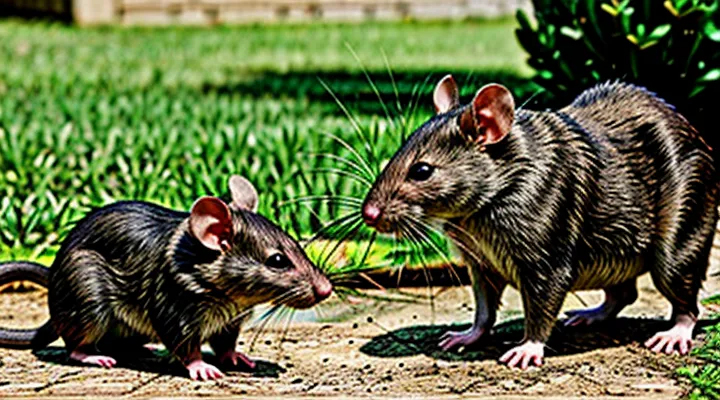
Understanding the Rat Problem
Identifying Rat Infestation Signs
«Droppings and Urine Trails»
Droppings and urine trails are the most reliable indicators of rat activity in a private garden. Fresh droppings appear as small, dark, cylindrical pellets about ¼ inch long; older deposits darken and may crumble. Urine leaves a faint, often invisible residue that becomes detectable when it stains surfaces or creates a distinct ammonia odor. Recognizing these signs enables timely intervention before populations expand.
Identify locations where rodents travel. Common sites include:
- Under decks, sheds, and garden structures.
- Along fence lines, irrigation pipes, and utility conduits.
- Near food sources such as compost piles, pet feed, or harvested produce.
Once identified, remove all waste promptly. Use disposable gloves and a sealed plastic bag to collect droppings. Place the bag in a sturdy container, then store it for at least 72 hours before disposal to allow pathogens to die off. For urine, soak the affected area with a solution of one part bleach to nine parts water, let it sit for ten minutes, then rinse thoroughly. Avoid sweeping dry droppings, as this can aerosolize infectious particles.
Sanitize the cleaned zones with a disinfectant approved for rodent control. Apply the product according to manufacturer instructions, ensuring complete coverage of surfaces, cracks, and crevices. After treatment, allow the area to dry completely before restoring any garden equipment or décor.
Preventive measures reduce the likelihood of new droppings and urine trails. Seal gaps larger than ¼ inch in foundations, fences, and building exteriors. Elevate storage containers and keep them tightly closed. Maintain a clean yard by regularly removing fallen fruit, discarded vegetables, and excess mulch that can conceal waste. Install hardware cloth or metal flashing around vulnerable openings to block rodent entry.
Monitoring continues after cleanup. Conduct weekly inspections of previously infested zones, looking for fresh droppings or urine stains. Immediate detection of new deposits signals that additional control actions, such as trapping or baiting, are required to maintain a rat‑free environment.
«Gnaw Marks and Damage»
Rats leave unmistakable gnaw marks that reveal the extent of their intrusion. Teeth continuously grow, forcing rodents to chew on any material they can bite through. The resulting holes are typically clean‑cut, about ¼‑inch in diameter, with smooth edges and visible shavings of wood, plastic, or metal. Fresh gnaw marks appear lighter in color, while older ones darken with oxidation and dirt.
Common locations for these signs include:
- Wooden fence posts and garden trellises, where structural integrity can be compromised.
- PVC irrigation tubing, leading to leaks and water loss.
- Electrical wiring, creating exposed conductors that pose fire hazards.
- Garden mulch and compost bins, indicating access to food sources.
- Concrete or brick foundations, where rats may have bored through mortar joints.
Damage extends beyond the visible holes. Repeated chewing weakens load‑bearing elements, causing cracks or collapse of supports. Severed irrigation lines increase maintenance costs and stress plants. Exposed wires can short‑circuit appliances or ignite surrounding material. Accumulated gnawing debris attracts insects and accelerates decay of organic matter.
Identifying gnaw marks promptly allows homeowners to target treatment zones, seal entry points, and replace compromised components before infestations spread. Regular inspection of vulnerable structures, combined with immediate repair of identified damage, reduces the likelihood of a full‑scale rat problem in the yard.
«Burrows and Nests»
Burrows and nests constitute the primary shelter and breeding sites for rodents that invade residential gardens. A burrow is a tunnel system excavated in soil, mulch, or under debris, while a nest is a compacted mass of shredded material, insulation, and food remnants placed at the tunnel terminus or within concealed outdoor structures.
Identifying these habitats requires systematic inspection. Look for mounds of loose soil, gnawed roots, and droppings near garden edges, compost piles, or storage sheds. Track marks that converge toward a single point often indicate tunnel entrances. Use a flashlight at dusk to reveal fresh activity, as rats prefer low‑light conditions for foraging.
To eradicate the structures:
- Seal all identified openings with heavy‑duty wire mesh or concrete, ensuring a minimum 0.5‑inch gap closure.
- Apply rodent‑specific bait stations at the mouth of each burrow, following label instructions for dosage and placement.
- Disrupt tunnels with a garden spade or rotary tiller, collapsing the passage and exposing the nest for removal.
- Dispose of collected nests in sealed, puncture‑proof containers; incinerate or place in a municipal hazardous‑waste facility.
Prevent future formation by maintaining a clean perimeter: remove excess vegetation, store firewood off the ground, and keep compost covered. Regularly inspect the property for new soil disturbances, and reinforce vulnerable areas with landscaping fabric or gravel. Consistent application of these measures eliminates existing shelters and deters new colonization.
«Unusual Pet Behavior»
Pets often display behaviors that influence rodent populations in private yards. A dog that instinctively digs can expose burrows, making them vulnerable to traps or natural predators. A cat that patrols the perimeter at dusk reduces nocturnal activity by hunting rats that emerge for food. Certain bird species, such as swallows, build nests near ground level and consume insects that attract rodents, indirectly limiting rat foraging.
Unusual behaviors merit specific attention:
- Ferrets trained to chase rodents can locate hidden nests, allowing targeted bait placement.
- Rabbits that graze densely on grass create a compact lawn, discouraging rats from nesting under loose vegetation.
- Small mammals, like hedgehogs, naturally patrol garden borders and may capture juvenile rats before they mature.
Owners should manage these behaviors to maximize benefit. Provide dogs with controlled digging zones to prevent soil erosion while exposing rodent tunnels. Ensure cats have access to night-time outdoor areas but monitor for over‑hunting that could deplete local prey balance. Encourage bird nesting by installing suitable boxes, yet keep them away from direct contact with bait stations.
Avoid feeding pets outdoors or leaving food waste exposed, as this attracts rats and negates the protective effect of pet activity. Regularly inspect pet bedding and feeding areas for droppings or gnaw marks, indicating rat presence. Combining vigilant pet management with conventional traps creates a comprehensive strategy for rodent reduction in residential gardens.
Common Rat Species in Residential Areas
«Norway Rats»
Norway rats (Rattus norvegicus) are the most common rodent encountered in residential yards. They thrive near water sources, burrow in soft soil, and feed on garden produce, compost, and pet food. Their presence is indicated by gnaw marks on wood, shredded vegetation, droppings about two centimeters long, and extensive tunnel systems.
Effective control begins with habitat modification. Remove standing water, trim low vegetation, and store feed in sealed containers. Keep compost bins covered and dispose of waste regularly. Seal cracks in foundations, fence panels, and utility openings with metal mesh or cement.
Implement a combined removal strategy:
- Traps: Use snap traps positioned along runways, near burrow entrances, and close to food sources. Bait with peanut butter, dried fruit, or raw meat. Check traps daily and dispose of captured rodents promptly.
- Bait stations: Deploy anticoagulant or non‑anticoagulant rodenticides in tamper‑proof stations, placed out of reach of children and pets. Follow label instructions and monitor consumption.
- Burrow disruption: Locate active tunnels and collapse them with soil or sand. Replace disturbed soil with compacted ground to deter re‑digging.
- Biological deterrents: Encourage predators such as owls and hawks by installing nesting boxes. Use natural repellents like peppermint oil on perimeter fences, but treat as supplemental, not primary, control.
Maintain vigilance by conducting weekly inspections for fresh droppings, new gnaw marks, or fresh burrows. Rotate trap locations and replenish bait to prevent habituation. Consistent application of habitat exclusion, mechanical trapping, and targeted baiting yields reliable reduction of Norway rat activity in a private garden.
«Roof Rats»
Roof rats (Rattus rattus) are agile climbers that commonly inhabit the upper sections of trees, shrubs, and the eaves of houses. Their presence in a yard often indicates nearby vegetation or structures that provide easy access to roofs and attics. These rodents prefer warm, dry environments and feed on fruits, nuts, seeds, and garden produce, causing direct damage to plants and indirect contamination of stored food.
Identifying roof rats involves observing their physical traits: a slender body, a tail longer than the head‑body length, and a black or dark brown coat. Signs of activity include gnaw marks on wood, shredded plant material, greasy droppings near feeding sites, and audible scratching in elevated locations. Because they move primarily in the canopy, control efforts must address both ground and elevated habitats.
Effective management of roof rats in a private residence yard includes the following steps:
- Trim tree branches and shrubs to maintain a minimum clearance of 8–10 feet from the roofline, eliminating natural bridges.
- Seal gaps, cracks, and openings in eaves, soffits, and vent pipes with metal flashing or steel wool, preventing entry points.
- Remove fruiting trees or relocate them at least 15 feet from the house; harvest fallen fruit promptly.
- Deploy snap traps or electronic traps in attic spaces, roof valleys, and along known runways, positioning bait such as dried fruit or peanut butter.
- Apply rodenticide baits in tamper‑resistant stations, focusing on concealed areas near vegetation and building foundations; follow label instructions and safety precautions.
- Install predator-friendly features, such as owl boxes or perch rods, to encourage natural predation.
Regular inspection of the yard, especially after the growing season, helps detect new activity early. Maintaining a tidy environment, limiting food sources, and reinforcing structural barriers together create a hostile setting for roof rats, reducing the likelihood of infestation and protecting both the garden and the home.
Prevention Strategies
Securing Food Sources
«Proper Storage of Pet Food»
Improperly stored pet food creates a reliable food source for rodents, encouraging activity in residential yards.
- Use containers with sealed lids that meet USDA or equivalent standards.
- Place containers on a raised platform or shelf, preventing direct contact with soil.
- Keep storage area dry, ventilated, and free from moisture to avoid spoilage.
- Store food away from fence lines, compost piles, and garden beds; maintain a minimum distance of three meters from the perimeter.
- Clean any spilled feed immediately, disposing of debris in sealed bags.
- Rotate stock regularly, using older supplies first to eliminate stale or contaminated material.
Securing pet food eliminates a primary attractant, reducing the likelihood of rat colonies establishing pathways through the yard and limiting the need for additional control measures.
«Managing Bird Feeders and Compost Bins»
Effective control of rodents around a private residence requires attention to food sources that attract them. Bird feeders and compost containers are common contributors; proper management reduces the likelihood of rat activity.
Place feeders on poles or stands at least five feet above ground and at least ten feet from any structure. Use feeders with squirrel‑proof designs that limit spillage. Clean trays daily, removing uneaten seed and debris that can serve as rat forage.
Maintain compost bins with sealed lids and sturdy, tight‑fitting lids. Avoid adding meat, dairy, or oily foods that generate strong odors. Turn compost regularly to promote aerobic decomposition and discourage pest settlement.
Implement the following routine:
- Inspect feeders each morning; discard leftover seed.
- Empty and rinse feeder trays weekly with hot water.
- Position compost bins on a hard surface to prevent moisture buildup.
- Replace bin seals annually or when wear is evident.
- Store extra feed in airtight containers inside a garage or shed.
Eliminate shelter opportunities by trimming vegetation around feeders and compost areas. Remove piles of leaves, brush, or stacked firewood that provide nesting sites. Regularly sweep the yard to keep the ground free of crumbs and droppings.
By limiting accessible food and hiding places, the environment becomes unfavorable for rats, supporting long‑term pest suppression around the home.
«Harvesting Fruits and Vegetables Promptly»
Prompt removal of ripe produce and mature vegetables reduces the food sources that attract rodents to a private garden. When fruit falls to the ground or vegetables remain unpicked, they create a scent trail that rats follow, leading to burrows and nesting sites near the house. Eliminating this attractant early disrupts the rats’ foraging pattern and forces them to seek nourishment elsewhere, decreasing the likelihood of an infestation.
Effective practice includes the following actions:
- Inspect plants daily for signs of ripeness; harvest fruit and vegetables as soon as they reach optimal size and color.
- Collect fallen debris immediately; use a rake or sweep to gather dropped pieces and dispose of them in sealed containers.
- Store harvested produce in airtight bins or refrigerate promptly to prevent odors from escaping.
- Clean the area around the garden after each harvest, removing leaf litter and compost that could harbor rodents.
- Rotate crops and prune vines regularly to improve airflow and limit hidden niches where rats might hide.
By maintaining a disciplined schedule of harvest and cleanup, homeowners deprive rats of easy sustenance, thereby supporting broader rodent‑control measures in the yard.
Eliminating Water Sources
«Repairing Leaky Faucets and Pipes»
Repairing dripping faucets and leaking pipes removes a reliable water source that attracts rodents to a residential garden. Continuous moisture creates an environment where rats can locate food, shelter, and nesting material. By eliminating these water leaks, the yard becomes less hospitable, forcing rats to seek alternative habitats away from the property.
Effective repairs require the following actions:
- Shut off the water supply to the affected fixture.
- Disassemble the faucet or pipe section to expose the leak.
- Replace worn washers, O‑rings, or corroded sections with new components.
- Re‑tighten connections using appropriate torque to prevent future seepage.
- Test the repair by restoring water flow and inspecting for drips.
After completion, monitor the area for signs of rodent activity. A dry yard reduces the likelihood of rats establishing trails, supporting broader pest‑control measures. Regular maintenance of plumbing fixtures sustains a dry environment and contributes to long‑term rodent deterrence.
«Draining Standing Water»
Rats are drawn to yards that contain stagnant water because it supplies drinking sources and supports insects and vegetation they consume. Removing these reservoirs deprives rodents of essential resources, making the environment less suitable for colonization.
Eliminating standing water also prevents the growth of moss, algae, and weeds that provide cover and nesting material. A drier yard reduces the likelihood of rats establishing burrows near foundations, fences, or garden beds.
- Identify low‑lying areas where rain collects; use a level to locate depressions.
- Regrade soil to create a gentle slope (minimum 2 % grade) directing water toward drainage points.
- Install French drains or perforated pipe surrounded by gravel in persistent puddle zones.
- Connect downspouts to underground runoff systems or extend them at least 6 ft away from the house.
- Fill or replace broken irrigation heads; adjust sprinkler schedules to avoid over‑watering.
- Empty and clean birdbaths, pet water dishes, and decorative fountains daily; store them indoors during heavy rain.
- Cover rain barrels with tight‑fitting lids; ensure overflow is diverted to a proper drainage outlet.
Regularly inspect gutters, downspouts, and drainage channels for clogs. Repair cracks in concrete patios or masonry that trap water. Monitoring after storms confirms that water no longer pools, maintaining conditions unfavorable to rat activity.
Sealing Entry Points
«Inspecting and Repairing Foundations»
Inspecting the foundation is the first step in preventing rodent activity around a private residence. Begin with a visual examination of the perimeter, looking for cracks larger than a quarter‑inch, gaps around utility penetrations, and signs of gnawing. Use a flashlight to check low‑light areas and a moisture meter to identify damp spots that attract rats.
Repair work should address each entry point directly. Follow these actions:
- Clean debris from cracks, then fill with a hydraulic cement that expands as it cures.
- Install metal flashing around vents, pipe sleeves, and foundation joints; secure with stainless‑steel screws.
- Apply a continuous bead of silicone or polyurethane sealant to seal gaps around doors, windows, and foundation walls.
- Replace damaged concrete slabs with a reinforced mix, ensuring proper slope away from the house to discourage burrowing.
- Install a perimeter barrier of heavy‑gauge hardware cloth, buried at least six inches below grade and extending outward three feet from the foundation.
After repairs, conduct a secondary inspection to verify that all sealing materials have adhered properly and that no new openings have formed. Schedule a quarterly review, especially after heavy rain or seasonal temperature changes, to maintain a rodent‑proof foundation.
«Sealing Gaps in Walls and Roofs»
Sealing gaps in walls and roofs removes the most common routes rats use to enter a yard’s structures. Identify all openings larger than a quarter‑inch, including cracks around utility lines, vent pipes, and roof eaves. Use a flashlight and mirror to inspect low‑lying walls, attic spaces, and the perimeter of the roof sheathing.
Apply a two‑part epoxy or polyurethane sealant to fill cracks and gaps. For larger openings, pack steel wool or copper mesh before sealing to prevent gnawing. Install metal flashing around vent pipes and chimney bases, securing it with screws and sealant. Replace damaged roofing tiles or shingles promptly; a water‑tight roof also deters rodents seeking shelter.
Maintain the seal by checking for new damage after severe weather or seasonal temperature shifts. Re‑apply sealant and reinforcement materials as needed to keep the barrier intact.
Key actions
- Survey walls, foundation, and roof for openings > 1/4 in.
- Fill small cracks with high‑quality sealant.
- Pack steel wool or mesh into larger gaps before sealing.
- Install metal flashing around all penetrations.
- Repair or replace compromised roofing components.
- Conduct quarterly inspections and touch‑up repairs.
A consistently sealed envelope around the house eliminates the primary access points, significantly reducing the likelihood of rat habitation in the yard.
«Installing Mesh on Vents and Drains»
Installing fine‑mesh screens over all vent openings and drainage pipes creates a physical barrier that prevents rodents from entering the yard. The mesh must have openings no larger than ¼ inch to block even juvenile rats while allowing adequate airflow for ventilation systems. Stainless steel or galvanized wire is preferred for durability and resistance to corrosion caused by moisture.
- Measure each vent and drain to determine the required screen dimensions.
- Cut the mesh with wire cutters, leaving a 1‑inch excess around the perimeter.
- Secure the excess with stainless‑steel staples or heavy‑duty zip ties, ensuring a tight fit that eliminates gaps.
- Apply a weather‑resistant sealant around the edges to protect against rain infiltration.
- Inspect the installation quarterly, repairing any damage caused by weather or animal gnawing.
A properly sealed vent and drain network reduces the likelihood of rats establishing pathways into the property, thereby supporting broader pest‑control measures without compromising the functionality of ventilation or drainage systems.
Landscaping for Rat Control
«Trimming Vegetation Away from Structures»
Keeping plants, shrubs, and trees trimmed back from walls, foundations, and decks removes shelter and travel routes that rats use to reach a home. When foliage contacts a structure, it creates a continuous canopy that allows rodents to move unseen and to hide from predators and traps. Maintaining a clear gap of at least 12 inches between vegetation and any building surface interrupts this pathway.
Regular pruning also reduces the availability of food sources such as seeds, berries, and insects that thrive in dense growth. By exposing the ground, you make it easier to spot signs of activity and to apply bait stations or mechanical barriers directly to the soil surface.
- Cut back vines and climbing plants so they do not touch roofs, eaves, or siding.
- Trim hedges to a height of no more than 3 feet and keep the base at least 1 foot from walls.
- Remove dead wood, leaf litter, and mulch piles that lie against structures.
- Dispose of garden waste promptly; do not leave piles that could serve as nesting material.
- Inspect and prune after storms or seasonal growth spurts to maintain the clearance.
Implementing these practices creates an environment where rats cannot easily access the house, thereby supporting broader pest‑management efforts in a private yard.
«Removing Debris and Clutter»
Removing debris and clutter deprives rats of shelter, nesting sites, and food sources. When the yard is free of piles of wood, leaves, or unused materials, rodents have fewer places to hide and fewer opportunities to establish colonies.
Clear the area systematically:
- Collect and dispose of fallen branches, logs, and large twigs that create cover.
- Gather leaf litter, grass clippings, and garden waste into compost bins with secure lids or remove them entirely.
- Eliminate storage of firewood or building supplies near the house; keep them on raised platforms with a gap of at least 12 inches from the ground.
- Dispose of discarded packaging, cardboard, or plastic containers that could serve as rat hideouts.
- Trim low‑lying vegetation and prune shrubs to reduce contact with the ground.
After the initial cleanup, adopt a routine inspection. Walk the perimeter weekly, identify new accumulations, and address them immediately. Store outdoor tools in sealed cabinets, and keep trash cans covered with tight‑fitting lids. Consistent removal of potential habitats maintains an environment that is inhospitable to rats, supporting broader pest‑control efforts in the yard.
«Maintaining a Tidy Yard»
A well‑kept yard removes the shelter and food sources that attract rats, directly limiting their ability to establish colonies near a residence.
Regular removal of debris, fallen fruit, and leaf litter eliminates nesting material. Keep grass trimmed to a maximum height of 4 inches; short turf exposes the ground and deters burrowing. Store firewood off the ground and away from the house foundation, using a raised platform or pallet.
- Secure garbage bins with tight‑fitting lids and empty them daily.
- Compost in a sealed container; avoid open piles that provide moisture and shelter.
- Inspect and seal cracks, gaps, and utility openings in exterior walls, foundations, and doors.
- Install a perimeter barrier of metal mesh (minimum ¼‑inch gauge) around the property, burying it 6 inches underground to block underground entry points.
- Conduct monthly visual inspections for signs of activity—droppings, gnaw marks, or runways—and address findings immediately.
Consistent yard upkeep creates an environment hostile to rodent survival, reducing the likelihood of infestation and supporting long‑term pest control.
Rat Elimination Methods
Trapping Techniques
«Snap Traps: Placement and Baiting»
Snap traps remain the most reliable mechanical tool for reducing rat activity in a private yard. Their immediate kill mechanism eliminates individual rodents without the risk of secondary poisoning, making them suitable for use around pets and children when placed correctly.
Effective placement follows three principles: locate traps along established rodent pathways, position them near food sources, and keep them away from non‑target wildlife. Typical locations include the edges of garden beds, behind compost piles, beneath decks, and along fence lines where rats travel. Traps should be set with the trigger end facing the wall or obstacle that the rat will encounter, forcing the animal to run into the spring mechanism.
Bait selection and application influence capture rates. Preferred baits are high‑protein or high‑fat items that rats cannot easily ignore, such as peanut butter, dried meat, or cat food. Apply a pea‑sized amount directly onto the trigger pedal to ensure contact. Rotate bait types weekly to prevent habituation. Inspect traps each morning; dispose of captured rats promptly, reset the trap, and replenish bait as needed.
«Live Traps: Relocation Considerations»
Live traps provide a humane alternative when dealing with rodent presence in a residential yard. They capture individuals without killing them, allowing owners to relocate the animals away from the property. Successful relocation depends on several practical factors.
- Choose traps sized for adult rats; smaller devices may injure the animal or fail to hold it securely.
- Position traps along established runways, near burrow entrances, or close to food sources. Nighttime placement increases capture rates because rats are most active after dark.
- Check traps at least once every twelve hours to prevent dehydration, overheating, or predation. Prompt release reduces stress on the captured rat.
- Relocate captured rats at least five miles from the home, preferably to an area with abundant shelter and food, such as a wooded field or abandoned structure. This distance minimizes the chance of return migration.
- Verify local regulations before releasing rodents; many jurisdictions require permits or prohibit release on public land.
- Wear gloves and protective clothing when handling traps to avoid disease transmission. Disinfect traps after each use with a bleach solution or commercial sanitizer.
- Record capture dates, locations, and numbers to monitor population trends and adjust trap placement accordingly.
Transport captured rats in secure, ventilated containers. Release them swiftly after arrival at the chosen site, allowing immediate access to cover. Avoid releasing near water sources that could attract predators or create ecological imbalance. Properly managing these steps ensures that live trapping contributes effectively to rodent control while adhering to humane and legal standards.
«Electronic Traps: Safety and Efficacy»
Electronic traps use a high‑voltage shock to kill rodents instantly, eliminating the need for poisons or manual handling. The device consists of a trigger plate, a power source, and a safety enclosure that prevents accidental contact with humans or pets. When a rat steps on the plate, a circuit delivers a lethal pulse, and the body falls into a separate compartment for easy disposal.
Safety considerations:
- Ensure the trap is placed on a stable surface away from children’s play areas.
- Verify that the power cord is intact and that the outlet has proper grounding.
- Use models with an insulated outer shell and a lockable lid to prevent unauthorized access.
- Follow the manufacturer’s instructions for battery replacement or voltage settings.
Efficacy factors:
- Shock voltage of 2,500–5,000 V reliably kills rats of average size within milliseconds.
- Success rates reported by field studies exceed 95 % when traps are positioned along established runways.
- Immediate death reduces the risk of disease transmission compared with delayed‑mortality methods.
- Traps can be reused after cleaning, providing a cost‑effective solution for ongoing yard maintenance.
Rodenticides: Safe and Effective Use
«Types of Rodenticides»
Rodenticides fall into several chemical families, each with a distinct mode of action and safety profile. Selecting the appropriate type reduces rat populations in a private yard while minimizing risks to non‑target animals and humans.
-
Anticoagulants
First‑generation (warfarin, chlorophacinone) require multiple ingestions, act slowly, and are less toxic to predators.
Second‑generation (bromadiolone, difenacoum, brodifacoum) cause death after a single dose, exhibit higher potency, and pose a greater secondary‑poisoning risk. -
Bromethalin
Disrupts cellular energy production, leads to rapid neurotoxic death, and is effective against anticoagulant‑resistant rats. Low risk of secondary poisoning because it degrades quickly in carrion. -
Zinc phosphide
Releases phosphine gas in the stomach, produces swift lethal effects, and is suitable for outdoor bait stations. Toxicity to wildlife is moderate; proper placement reduces accidental exposure. -
Cholecalciferol (vitamin D3)
Causes hypercalcemia, resulting in organ failure within 3–5 days. Low secondary‑poisoning potential, but requires careful dosage to avoid accidental ingestion by pets. -
Diphacinone
A second‑generation anticoagulant with moderate potency, useful when resistance to stronger agents is not detected. Offers a balance between efficacy and reduced environmental persistence.
Effective deployment includes: securing bait in tamper‑proof stations, positioning stations along runways and near burrow entrances, and rotating active ingredients every 6–12 months to prevent resistance development. Compliance with local regulations and adherence to label instructions are mandatory for safe and legal use.
«Strategic Placement to Protect Non-Target Animals»
Effective rat control in a residential yard depends on the precise location of devices and substances to prevent accidental exposure of pets, birds, and beneficial wildlife. Position traps and bait stations along natural rodent pathways—such as the edges of mulch, beneath vegetation, and near structures—while keeping them at least three feet away from areas frequented by non‑target animals. Use insulated or covered bait stations that require a rodent‑specific entry mechanism; this design blocks larger mammals and birds from accessing the contents.
Key placement principles:
- Install devices on solid ground, avoiding soft soil where small mammals may burrow.
- Align stations perpendicular to the direction of rodent travel, typically parallel to walls or fences.
- Mount traps on low, concealed surfaces that rodents can reach but that are out of sight for cats, dogs, and ground‑nesting birds.
- Secure bait containers at a height of 12–18 inches above ground when possible, reducing access for ground‑dwelling species.
- Mark each location with a non‑poisonous, weather‑resistant indicator to aid maintenance without attracting wildlife.
Regular inspection confirms that only target pests have been captured. Replace or relocate any device showing signs of interference by non‑target animals. By adhering to these placement strategies, homeowners achieve reliable rodent suppression while safeguarding the surrounding ecosystem.
«Handling and Disposal Precautions»
When rats are removed from a residential yard, the manner in which carcasses, traps, and contaminated materials are handled directly affects health safety and environmental impact.
Use protective equipment such as disposable gloves, goggles, and a mask before touching any dead rodents or used traps. Place each carcass in a sealed, puncture‑resistant bag, then transfer the bag to a secondary container with a tight‑locking lid. Dispose of the sealed package according to local regulations—typically through a licensed waste‑collection service or a designated hazardous‑waste drop‑off point.
For disposable traps, follow the manufacturer’s instructions for safe disposal. If traps are reusable, clean them with a solution of hot water and a detergent approved for pest‑control equipment, then rinse thoroughly and allow them to dry before storage. Store cleaned traps in a sealed container to prevent accidental contact.
Sanitize the work area after each removal session:
- Remove debris and droppings with a shovel or scoop; place in the same sealed bag as the carcass.
- Disinfect surfaces with a 10 % bleach solution or an EPA‑approved sanitizer, applying for at least five minutes before rinsing.
- Wash hands with soap and water for a minimum of 20 seconds after removing gloves.
Document each disposal event, noting the date, location, and method used. Retaining records simplifies compliance checks and helps identify patterns that may require adjustments to control strategies.
Natural Deterrents
«Peppermint Oil and Other Scents»
Peppermint oil is a natural repellent that interferes with the sensory receptors of rodents. When applied to the perimeter of a garden, the strong menthol aroma discourages rats from entering burrows and foraging zones. The oil should be diluted (approximately 10 ml per litre of water) and sprayed on vegetation, mulch, and the outer edges of fences. Re‑application every 3‑5 days maintains potency, especially after rain.
Other aromatic substances also exhibit deterrent properties:
- Eucalyptus oil – volatile compounds irritate the nasal passages of rats; apply as a spray or place soaked cotton balls in sheltered corners.
- Citrus peels – fresh orange or lemon rind releases limonene, a scent rats avoid; distribute peels around compost piles and near garden beds.
- Clove oil – high eugenol content acts as a sensory irritant; dilute similarly to peppermint and mist along pathways.
- Ammonia – strong chemical odor mimics predator urine; place open containers in hidden spots, but keep away from children and pets.
Effectiveness depends on concentration, coverage, and environmental conditions. Scents degrade under direct sunlight and heavy precipitation; therefore, protect treated areas with mulch or shade when possible. Aromatic methods alone rarely eradicate an established infestation; they work best as part of an integrated approach that includes habitat reduction, trapping, and exclusion measures.
Safety considerations: essential oils can cause skin irritation; wear gloves during preparation and avoid direct contact with eyes. Pets may be sensitive to strong odors; monitor their behavior after application and adjust dosage if adverse reactions occur.
In practice, a routine schedule—spraying diluted peppermint oil weekly, rotating additional scents, and maintaining a clean yard—creates an unfavorable olfactory environment that significantly reduces rat activity.
«Predatory Animals: Owls and Cats»
Owls and cats serve as natural rat hunters, offering a biologically based alternative to traps and poisons in residential outdoor spaces. Their presence reduces the need for chemical interventions and minimizes secondary poisoning risks.
Barn owls, short‑eared owls, and other rodent‑specialist species thrive where open hunting corridors and nesting sites exist. Install a wooden box 12 × 12 × 24 inches high on a pole or tree, facing away from prevailing winds. Ensure the entrance hole measures 4 inches in diameter to admit owls but exclude larger birds of prey. Keep surrounding vegetation trimmed to provide clear flight paths, and limit nighttime lighting that can deter nocturnal hunters. Regularly clean the box to prevent parasite buildup.
Cats, whether owned or managed feral, contribute daytime predation. Allow indoor cats supervised outdoor access to expand their hunting range while protecting them from traffic and disease. For feral colonies, establish a feeding station that supplies a steady diet, then gradually reduce supplemental food to encourage hunting behavior. Provide shelter such as insulated shelters or straw piles, and schedule veterinary care to control parasites and vaccinations.
Combining both predators creates continuous pressure on rat populations. Monitor activity with motion‑activated cameras or track plates to assess effectiveness, and adjust habitat enhancements accordingly. Complement predator use with sanitation measures: eliminate food sources, store compost in sealed containers, and repair structural gaps that provide shelter for rodents.
Practical steps
- Install an owl nesting box at least 10 feet above ground, oriented north‑south.
- Trim grass and low shrubs to create open sightlines for hunting owls.
- Provide sheltered hideouts for outdoor cats, such as wooden crates or insulated shelters.
- Feed feral cats a balanced diet, then taper supplemental food to promote hunting.
- Conduct monthly inspections of nesting boxes and cat shelters for wear or disease signs.
- Reduce yard debris, secure garbage bins, and seal cracks in foundations.
Post-Elimination Measures
Sanitation and Cleanup
«Disposing of Carcasses Safely»
Proper disposal of dead rodents prevents disease spread, deters scavengers, and eliminates attractants that could bring new pests back to a private garden.
First, wear disposable gloves and a mask. Place the carcass in a sturdy, sealable plastic bag. Remove excess air, seal the bag tightly, and label it with the date and location of collection.
Second, choose an approved method for final disposal:
- Municipal hazardous waste service – schedule a pickup or drop‑off at the designated facility.
- Burial – dig a hole at least 12 inches deep, away from vegetable beds and water sources; wrap the carcass in a double‑layered bag before covering with soil.
- Incineration – use a licensed outdoor incinerator or a high‑temperature furnace that reaches 600 °C, ensuring complete combustion.
Third, disinfect the area where the carcass was handled. Apply a solution of 1 part bleach to 9 parts water, let it contact the surface for at least five minutes, then rinse with clean water. Dispose of cleaning materials in a sealed bag and treat them as waste.
Finally, record the disposal action in a yard‑maintenance log. Include the date, method used, and any observations of residual odor or pest activity. This documentation helps track effectiveness and satisfies local health‑department requirements.
«Disinfecting Contaminated Areas»
Disinfecting contaminated zones eliminates pathogens left by rodents and prevents re‑infestation. Begin by identifying all surfaces that have been exposed to rat droppings, urine, or gnaw marks. Remove visible debris with a disposable brush or vacuum equipped with a HEPA filter; discard the equipment in sealed bags.
Apply a registered rodent‑specific disinfectant according to the manufacturer’s concentration guidelines. Recommended agents include:
- 1 % quaternary ammonium solution
- 0.5 % bleach (sodium hypochlorite) diluted with water
- EPA‑approved enzymatic cleaners for organic residues
Procedure:
- Wet the area with the chosen disinfectant, ensuring complete coverage of cracks, crevices, and the undersides of objects.
- Allow the solution to remain for the contact time specified on the label (usually 10–15 minutes).
- Rinse with clean water if the product requires removal; otherwise, let the surface air‑dry.
Wear disposable gloves, a face mask, and eye protection throughout the process. After treatment, seal all cleaned materials in plastic bags and store them away from food preparation zones. Conduct a final visual inspection to confirm that no stains or odors persist. Regularly repeat disinfection after any new rodent activity to maintain a sanitary yard environment.
Ongoing Monitoring
«Regular Inspections for Reinfestation»
Consistent monitoring after initial eradication prevents rats from re‑establishing a foothold in the yard. Once the primary control measures are completed, schedule visual checks at least once every two weeks during the first three months, then monthly for the remainder of the year. Each inspection should focus on signs of activity—fresh droppings, gnaw marks, burrow entrances, and new pathways along fences, garden beds, or utility lines.
During a visit, follow a systematic checklist:
- Examine the perimeter for gaps in fencing, damaged screens, or openings around pipes.
- Inspect storage areas (sheds, compost bins, firewood piles) for clutter that offers shelter.
- Look for fresh droppings on the ground, in vegetation, or on surfaces.
- Identify gnaw marks on wood, plastic, or wiring, indicating ongoing feeding.
- Verify that traps, bait stations, or electronic devices remain functional and correctly positioned.
Document findings in a simple log: date, location of evidence, remedial action taken, and any adjustments to preventive barriers. Promptly address any detected activity by reinforcing exclusion points, resetting traps, or applying targeted bait. Maintaining this disciplined inspection routine reduces the likelihood of a secondary infestation and sustains a rat‑free environment around the residence.
«Maintaining Preventive Measures»
Effective control of rodent activity in a private yard depends on continuous preventive actions. Regular inspection identifies potential entry points and habitat conditions that attract rats. Prompt repair of cracks, gaps, and damaged screens eliminates shelter opportunities. Securely cover all trash containers and store waste away from the house to remove food sources. Keep vegetation trimmed and remove dense ground cover that provides concealment. Maintain a clean perimeter by sweeping debris, fallen fruit, and pet food daily.
- Seal utility openings, vent pipes, and foundation cracks with steel wool or cement‑based filler.
- Elevate firewood stacks at least 18 inches off the ground and keep them under a roof.
- Install metal flashing on the lower edges of siding and around doors to deter gnawing.
- Use motion‑activated lights or ultrasonic devices in high‑traffic zones to discourage nocturnal activity.
- Conduct quarterly rodent‑proofing audits, documenting any new damage and corrective measures.
Consistent application of these practices reduces the likelihood of reinfestation and supports long‑term yard health. Monitoring results and adjusting tactics when necessary ensures the preventive system remains effective.