
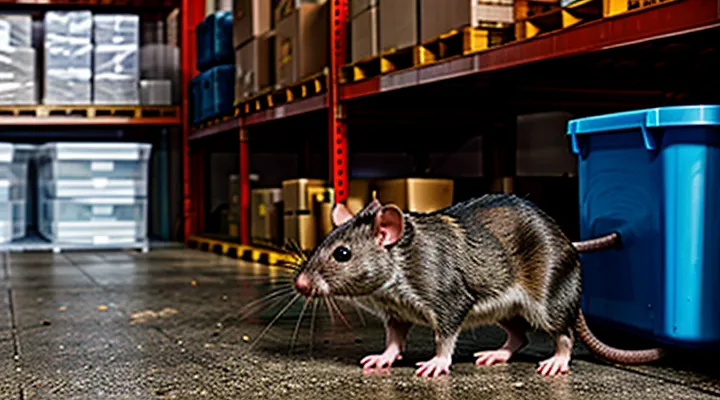
Understanding the Rat Problem in Warehouses
Why Rats are Attracted to Warehouses
Food Sources
Food availability drives rodent activity in storage facilities. Rats locate and exploit any unsecured edible material, allowing populations to establish and expand.
Typical attractants include:
- Spilled grains, cereals, and powders
- Open pallets of packaged goods with damaged packaging
- Fresh produce left uncovered
- Pet food or bait left in break‑room areas
- Waste containers that are not sealed or are overfilled
- Residual crumbs and debris on shelving, floors, and equipment
Control measures focus on eliminating access to these resources:
- Implement a strict housekeeping schedule that mandates immediate cleanup of spills and debris.
- Store bulk items in sealed, rodent‑proof containers; inspect packaging for tears before placement on shelves.
- Keep all food‑related areas separate from inventory, with dedicated, locked storage for consumables.
- Use waste bins equipped with tight‑fitting lids; empty them regularly and position them away from the main storage zone.
- Conduct routine inspections to identify and repair any compromised packaging or structural gaps that could permit entry.
- Train personnel on proper food‑handling and waste‑disposal protocols, reinforcing accountability for maintaining a clean environment.
By removing or securing all potential food sources, the warehouse becomes inhospitable to rats, reducing the likelihood of infestation and supporting long‑term rodent management.
Shelter and Hiding Spots
Rats thrive in warehouses because they find numerous shelter and hiding spots. These areas protect rodents from predators, weather, and human activity, allowing populations to grow unnoticed.
Common shelter sources include:
- Gaps around doors, windows, and loading docks larger than ¼ inch
- Cracks in walls, floor joists, and roof panels
- Unsealed utility penetrations for pipes, ducts, and wiring
- Stacked pallets, boxes, or debris that create enclosed voids
- Overhead beams and ceiling voids where insulation is loose
Eliminating these refuges requires systematic sealing and organization. Begin by inspecting the exterior envelope, applying steel wool, caulk, or metal flashing to close openings. Replace deteriorated weather‑stripping on doors and install door sweeps. Inside, remove clutter, keep aisles clear, and store goods on pallets with space between rows to prevent nesting. Install shelving that does not touch walls, reducing contact points for rodent movement.
Regular maintenance reinforces these measures. Schedule monthly walkthroughs to detect new cracks, repair damaged seals promptly, and keep storage areas orderly. By denying rats access to shelter and hiding places, the environment becomes inhospitable, reducing infestation risk and supporting long‑term pest management.
Access Points
Identifying and sealing access points is essential for preventing rodent intrusion in storage facilities. Rats exploit any opening larger than a quarter‑inch, including gaps around doors, windows, utility penetrations, and ventilation ducts. Regular inspections should focus on the following areas:
- Door and window frames: Install weather‑stripping and replace damaged screens.
- Loading docks: Fit tight‑closing doors and ensure dock levelers are recessed.
- Utility entries: Use metal flashing or concrete sealant around pipes, cables, and conduit.
- Wall and roof cracks: Apply expanding foam or cement‑based filler to fill voids.
- Ventilation openings: Fit mesh with openings smaller than ¼ in; secure with rust‑resistant hardware.
After sealing, verify integrity by conducting a smoke test or using a flexible inspection camera to detect hidden gaps. Maintain a schedule of quarterly reviews, especially after seasonal temperature changes or heavy freight activity, to ensure that newly created openings are promptly addressed. This systematic approach eliminates the primary pathways rats use to enter a warehouse, reducing the likelihood of infestation.
Risks Associated with Rat Infestations
Health Hazards and Disease Transmission
Rats in storage facilities introduce pathogens that contaminate products, equipment, and the environment. Direct contact with rodent urine, feces, or saliva can transfer infectious agents to workers and consumers, compromising food safety and occupational health.
Common diseases associated with rodent infestations include:
- Leptospirosis – bacterial infection transmitted through contaminated water or surfaces.
- Salmonellosis – bacterial contamination of food items from rodent droppings.
- Hantavirus pulmonary syndrome – viral illness spread by inhalation of aerosolized rodent excreta.
- Lymphocytic choriomeningitis – viral infection transferred via contact with rodent secretions.
Beyond disease, rodents damage packaging, breach structural integrity, and create conditions for mold growth, all of which increase the risk of product rejection and regulatory penalties. Immediate control measures, regular monitoring, and sanitation protocols are essential to mitigate these health hazards and protect the supply chain.
Damage to Goods and Infrastructure
Rats in a warehouse compromise product integrity and structural reliability. Their incisors can gnaw packaging, seals, and containers, exposing contents to contamination. Chewed packaging often leads to moisture ingress, microbial growth, and spoilage, which translates into direct financial loss for manufacturers and distributors.
Damage to goods includes:
- Punctured bags or crates that render items unsellable.
- Contaminated surfaces where urine or feces introduce pathogens.
- Compromised seals that allow pests or insects to infiltrate stored products.
Infrastructure suffers equally severe effects. Rodents gnaw through electrical wiring, creating short‑circuit hazards and increasing fire risk. Insulation and ductwork are shredded, reducing thermal efficiency and promoting dust accumulation. Structural components such as wooden beams and drywall are weakened by persistent chewing, potentially leading to costly repairs and reduced building lifespan.
Recognizing these impacts underscores the urgency of comprehensive rodent control measures. Early detection of gnaw marks, droppings, or nesting material enables swift intervention, preventing escalation of damage and protecting both inventory value and facility safety.
Reputation and Compliance Issues
Rats in a storage facility damage brand perception. Customers associate pest presence with poor hygiene, leading to lost contracts and negative reviews. Suppliers may reconsider partnerships if inspections reveal infestation, reducing market opportunities.
Regulatory bodies enforce strict standards for food‑grade and industrial warehouses. Non‑compliance triggers fines, mandatory shutdowns, and increased scrutiny during future audits. Documentation of pest‑control actions is required for certification renewal and insurance claims.
Key compliance and reputation risks include:
- Violation of local health codes
- Failure to meet industry‑specific GMP or HACCP requirements
- Exposure to legal liability from product contamination
- Diminished trust among clients and partners
Mitigation measures:
- Implement a documented rodent‑management program reviewed quarterly.
- Conduct unannounced inspections and retain records of findings and corrective actions.
- Engage certified exterminators with proven response times.
- Train staff on sanitation practices that deter rodent activity.
- Report compliance status to stakeholders promptly to demonstrate accountability.
Comprehensive Rat Elimination Strategies
Prevention is Key
Sealing Entry Points
Sealing entry points blocks the primary routes rats use to infiltrate a storage facility. Unsealed cracks, gaps around doors, and openings around utility lines provide direct access to food and shelter, making prevention impossible without a comprehensive sealing strategy.
- Conduct a thorough inspection of the building envelope. Examine walls, foundations, roof edges, vent screens, and pipe sleeves for openings larger than ¼ inch.
- Prioritize high‑traffic zones such as loading docks, receiving areas, and perimeter walls adjacent to exterior structures.
- Select durable materials appropriate to each location: steel mesh for vent openings, cement‑based sealant for concrete cracks, expanding foam for irregular gaps, and weather‑striped doors for moving panels.
- Apply sealants according to manufacturer specifications. Ensure surfaces are clean, dry, and free of debris before application to achieve optimal adhesion.
- Install metal flashing or lintels over larger voids that cannot be filled with sealant alone. Secure flashing with corrosion‑resistant fasteners to prevent future displacement.
After sealing, implement a routine verification program. Inspect sealed areas quarterly, repair any new damage promptly, and document findings to maintain an uninterrupted barrier against rodent intrusion. This systematic approach eliminates the most common access points, reducing the likelihood of rat colonization throughout the warehouse.
Proper Sanitation and Waste Management
Effective sanitation reduces food sources and shelter that attract rodents in storage facilities. Regular cleaning eliminates crumbs, spills, and debris that can sustain rat populations.
- Sweep floors daily; use industrial vacuums to remove fine particles.
- Mop with disinfectant solutions after each sweep.
- Wipe down shelving, pallets, and equipment with approved cleaners.
- Inspect and seal cracks, gaps, and holes in walls, floors, and ceilings.
- Maintain a schedule for deep cleaning of high‑traffic zones.
Proper waste management prevents rodents from accessing refuse. Containers must be designed, placed, and maintained to deny rats entry and reduce odor.
- Install metal or heavy‑duty plastic bins with tight‑fitting lids.
- Position bins away from walls and loading docks; keep a minimum clearance of 12 inches.
- Empty waste daily; transport to external collection points promptly.
- Clean and disinfect bins after each emptying cycle.
- Label waste zones clearly; restrict unauthorized access.
Combining rigorous sanitation with disciplined waste handling creates an environment where rats cannot locate food, water, or nesting sites, thereby supporting long‑term rodent exclusion in warehouse operations.
Storing Goods Safely
Safe storage of inventory directly reduces the likelihood of rodent activity in a warehouse. Sealed containers, organized aisles, and regular sanitation create an environment that denies rats access to food and shelter.
- Use metal or heavy‑duty plastic bins with tight‑fitting lids.
- Store pallets on racks, not on the floor, to keep goods off potential burrow sites.
- Keep aisles clear of debris; maintain a minimum clearance of 18 inches for inspection.
Packaging must be rodent‑proof. Wrap bulk items in tamper‑resistant film, seal cardboard boxes with reinforced tape, and avoid using paper that can be gnawed. Label each package with a date to facilitate first‑in‑first‑out rotation, preventing stale products from attracting pests.
Facility layout should separate raw materials from finished goods. Designate a dedicated receiving area where incoming shipments undergo inspection for droppings or gnaw marks. Install drip edges on exterior walls to prevent water accumulation, which otherwise creates humid zones favorable to rats.
Implement a monitoring program. Place motion‑activated traps at strategic points, check them daily, and record findings. Conduct quarterly inspections of walls, ceilings, and ventilation ducts for signs of gnawing. Replace damaged seals promptly and schedule professional pest‑control services when activity exceeds baseline levels.
Regular Inspections and Monitoring
Regular inspections form the backbone of any effective warehouse rodent‑control program. Inspectors should walk every aisle, examine storage racks, and check loading docks at least once per shift. Look for gnaw marks, droppings, and nesting material; record findings immediately.
- Verify integrity of doors, windows, and ventilation openings.
- Inspect sealant and concrete joints for cracks or gaps.
- Examine food‑handling areas for spillage and improperly stored feed.
- Check drainage systems for standing water that attracts rodents.
- Review waste containers for proper lids and placement.
Monitoring devices complement visual checks by providing continuous data. Install electronic motion sensors and chew‑resistant bait stations at strategic points, such as near entryways, loading bays, and high‑traffic storage zones. Calibrate devices weekly and replace batteries without delay.
- Motion sensors alert staff to nocturnal activity.
- Bait stations log removal events and capture rates.
- Infrared cameras document movement patterns.
- Sticky traps placed in concealed corners confirm presence in hard‑to‑reach areas.
Combine inspection records with monitoring reports to adjust control measures promptly. Increase trap density in zones with rising activity, seal newly identified entry points, and schedule targeted pesticide applications only where data indicate infestation. Consistent documentation creates a traceable history, enabling predictive adjustments and reducing the likelihood of a full‑scale rat outbreak.
Trapping Methods
Snap Traps
Snap traps provide a rapid, humane method for reducing rat activity in storage facilities. The mechanism delivers an instantaneous strike, eliminating the need for prolonged exposure to poison. Reusable construction allows multiple deployments, reducing long‑term costs.
Key considerations for effective use:
- Choose a trap sized for Norway or roof rats; a 2‑inch steel bar is standard.
- Position traps perpendicular to walls, with the trigger end facing the expected travel path.
- Place devices behind pallets, near loading docks, and along utility lines where rodents seek shelter.
- Secure traps to prevent accidental displacement by forklifts or personnel.
Routine maintenance ensures continued performance:
- Inspect traps at the start of each shift; remove any captured rodents promptly.
- Wear disposable gloves, place carcasses in sealed containers, and dispose of them according to local regulations.
- Reset the trigger mechanism and replenish bait—peanut butter, dried fruit, or small meat pieces—before the next inspection.
- Clean the spring and trigger area with a mild disinfectant to prevent rust and loss of sensitivity.
Safety protocols protect workers and comply with occupational standards. Label each trap clearly, keep them out of high‑traffic zones, and provide training on proper handling. Adhering to these practices maximizes the effectiveness of snap traps while maintaining a secure warehouse environment.
Live Traps
Live traps provide a humane method for removing rats from a warehouse without contaminating stored goods. The devices consist of a cage with a trigger mechanism that closes the door when the animal enters, allowing capture and later release away from the premises.
Effective use of live traps requires careful selection and placement. Choose models constructed from sturdy metal or heavy‑duty plastic, equipped with a sensitive trigger and a secure latch. Position traps along walls, near known runways, and close to food sources; rats prefer concealed paths and will investigate any structure that offers shelter.
Key practices for optimal results:
- Use fresh, high‑protein bait such as peanut butter, bacon bits, or dried fruit.
- Set traps at dusk, when rat activity peaks, and check them every 2–4 hours.
- Release captured rats at least 5 miles from the warehouse to prevent re‑entry.
- Clean and disinfect cages after each use to avoid disease transmission.
Integrating live traps with sanitation, exclusion, and rodent‑proofing measures reduces the overall population more rapidly than any single approach. Regular monitoring of trap captures informs adjustments to bait, placement, or density, ensuring sustained control of the infestation.
Glue Traps
Glue traps provide a rapid, non‑chemical method for capturing rats in storage facilities. The adhesive surface immobilizes rodents that step onto the trap, allowing immediate removal and reducing the chance of disease spread.
Effective deployment requires precise placement. Position traps along established runways, near wall junctions, beneath shelving, and close to entry points such as doors or vent openings. Secure each trap to a flat surface to prevent shifting, and ensure it is out of reach of personnel and non‑target animals.
Advantages:
- Immediate capture without awaiting poison action
- No residue affecting stored goods
- Simple installation and low purchase cost
Limitations:
- Traps capture only one rat each; high infestations demand many units
- Dead rodents may decompose, creating odor or attracting insects
- Risk of accidental contact by workers or pets
Safety measures include:
- Wearing gloves when handling traps
- Labeling trap‑infested zones clearly
- Using protective barriers or covers if traps are placed in high‑traffic areas
Inspection should occur daily. Remove captured rats, replace the adhesive surface, and relocate traps if activity shifts. For large populations, combine glue traps with other control tactics—such as exclusion, sanitation, and bait stations—to achieve comprehensive rodent management in the warehouse environment.
Strategic Placement of Traps
Effective rat control in a warehouse depends on positioning traps where rodents are most likely to travel and feed. Identify high‑traffic zones by observing droppings, gnaw marks, and food spillage. Place traps along walls, behind shelving, and near entry points such as loading docks and ventilation openings. Ensure each trap is within a few inches of the suspected pathways; rats prefer to run close to surfaces for safety.
Select trap types that match the environment. Snap traps provide rapid kill and are suitable for open aisles, while electronic traps offer containment and easy disposal in confined spaces. Bait each device with a small amount of protein‑rich attractant, avoiding excess that could deter rats. Replace baits daily to maintain potency.
Maintain a systematic layout:
- Map the warehouse floor, marking all potential routes.
- Divide the area into zones of equal size.
- Install at least two traps per zone, spaced 3–4 feet apart.
- Rotate trap locations weekly to prevent trap shyness.
- Record capture data to identify hotspots and adjust coverage.
Regular inspection confirms trap effectiveness. Remove captured rodents promptly, reset or replace devices, and monitor for new activity. Consistent, data‑driven trap placement reduces rodent populations and safeguards inventory integrity.
Baits and Rodenticides
Types of Rodenticides
Effective rat control in storage facilities relies on selecting appropriate rodenticides. Understanding each class, mechanism of action, and operational constraints ensures reliable results and minimizes risk to personnel and non‑target species.
Anticoagulant compounds interrupt blood clotting, leading to fatal hemorrhage. First‑generation agents (warfarin, chlorophacinone) require multiple feedings; second‑generation agents (bromadiolone, difenacoum) act after a single dose and exhibit higher potency. Use of second‑generation products demands strict compliance with label restrictions and monitoring for resistant populations.
Bromethalin disrupts mitochondrial function, causing rapid neurological failure. It is effective against anticoagulant‑resistant rats but has a narrow safety margin; application should be confined to sealed bait stations inaccessible to humans and livestock.
Zinc phosphide releases phosphine gas upon ingestion, producing acute respiratory toxicity. It is suitable for outdoor or bulk grain treatments where bait stations can be securely placed. Protective equipment is mandatory during handling.
Cholecalciferol (vitamin D₃) induces hypercalcemia, leading to organ failure. It offers a non‑anticoagulant alternative with low secondary poisoning potential. Formulations are available as pellets and blocks for controlled placement.
Selection criteria include:
- Target resistance profile
- Environmental conditions (temperature, humidity)
- Accessibility of bait stations
- Regulatory limits for residue in stored products
- Safety protocols for workers
Application best practices involve pre‑baiting to assess activity, deploying tamper‑proof stations at identified runways, rotating active ingredients to prevent resistance, and conducting periodic inspections to verify consumption and replace depleted units. Documentation of product type, batch number, and placement location supports compliance audits and facilitates rapid response if unintended exposure occurs.
Safety Precautions for Using Baits
When applying rodent baits inside a storage facility, strict adherence to safety protocols protects personnel, non‑target animals, and product integrity.
All personnel handling baits must wear chemical‑resistant gloves, eye protection, and disposable coveralls. Access to treated zones should be limited to authorized staff only, and entry must be logged. Ventilation systems must remain operational to prevent aerosol accumulation.
- Store baits in sealed containers away from food, feed, and packaging materials.
- Place bait stations at least 12 inches above the floor and 6 inches away from walls to deter accidental contact.
- Label each station with hazard symbols and usage instructions visible from a distance.
- Conduct a pre‑application inspection to verify that no open food containers or vulnerable wildlife habitats exist nearby.
- After placement, schedule regular inspections—minimum weekly—to replenish depleted stations and remove damaged units.
- Dispose of expired or unused baits in accordance with local hazardous waste regulations; never discard them in regular trash.
Maintain a written record of bait type, concentration, placement dates, and inspection outcomes. Review the record weekly to identify trends and adjust placement density accordingly. Compliance with these measures ensures effective rodent control while minimizing health and safety risks.
Placement and Monitoring of Bait Stations
Effective rodent management in a warehouse relies heavily on correctly positioned bait stations and systematic observation of their performance.
Placement should follow these principles:
- Locate stations along walls, behind pallets, and near known travel routes; rats avoid open spaces.
- Space stations 10–15 feet apart to create overlapping coverage.
- Position devices 2–4 inches above the floor to match rodent foraging height while remaining out of reach of workers.
- Install stations away from food processing zones, loading docks, and high‑traffic aisles to prevent accidental contact.
- Secure stations to shelving or concrete surfaces to resist displacement by moving inventory.
Monitoring must be consistent and documented:
- Inspect each station weekly, recording bait quantity, signs of gnawing, and any droppings or urine marks.
- Replace depleted or contaminated bait immediately; use fresh, sealed cartridges to maintain potency.
- Log observations in a centralized spreadsheet, noting date, location, and any changes in activity levels.
- Adjust station density or relocation based on trends, increasing coverage in hotspots where activity persists.
- Conduct monthly audits of the entire bait network, confirming that all units remain functional and properly secured.
By adhering to precise placement criteria and maintaining a rigorous inspection schedule, warehouse operators can sustain effective control over rat populations and minimize the risk of infestation spreading.
Professional Pest Control Services
When to Call an Exterminator
Effective pest control in a storage facility hinges on recognizing the point at which professional intervention becomes essential. Early signs—such as droppings, gnaw marks, or audible activity—can often be addressed with sanitation and exclusion measures. However, certain conditions demand the expertise of a licensed exterminator.
- Infestation density exceeds 10 sightings per 100 sq ft or more than 20 droppings per trap line.
- Damage to structural components, electrical wiring, or stored goods is evident.
- Repeated failure of traps, bait stations, or rodent‑proofing attempts after a two‑week trial.
- Presence of disease‑carrying species (e.g., Norway rats) that pose health risks to staff.
- Regulatory compliance deadlines require documented eradication within a specified timeframe.
When any of these criteria are met, immediate contact with a certified pest‑management professional is warranted. Prompt professional action limits product loss, safeguards employee safety, and prevents regulatory penalties.
Benefits of Professional Intervention
Professional pest‑control services provide outcomes unattainable through DIY measures. Certified technicians assess structural vulnerabilities, identify entry points, and apply targeted treatments that comply with safety regulations. Their expertise reduces the likelihood of recurrence, safeguarding inventory and preventing contamination.
Key advantages of engaging experts include:
- Comprehensive inspection using specialized equipment, locating hidden activity.
- Use of licensed rodenticides and baits that ensure rapid mortality while minimizing non‑target exposure.
- Implementation of exclusion techniques (sealants, door sweeps) that block future ingress.
- Documentation of actions for regulatory compliance and insurance verification.
- Ongoing monitoring and follow‑up visits that maintain a rodent‑free environment.
Investing in professional intervention translates into lower long‑term costs, reduced product loss, and protection of employee health, delivering measurable value for warehouse operations.
Integrated Pest Management (IPM) Approach
Integrated Pest Management (IPM) provides a systematic framework for controlling rats in storage facilities. The approach combines scientific monitoring with targeted interventions, reducing reliance on broad‑spectrum chemicals while maintaining product safety.
Key components of an IPM program include:
- Regular inspection and population monitoring
- Identification of entry points and harborage areas
- Implementation of sanitation and waste‑management practices
- Physical exclusion measures such as sealing gaps and installing door sweeps
- Strategic use of traps and bait stations calibrated to activity levels
- Continuous evaluation of effectiveness and adjustment of tactics
Implementation proceeds through distinct steps. First, conduct a thorough survey of the warehouse interior and perimeter to locate signs of rodent activity. Second, eliminate food and water sources by enforcing strict housekeeping standards and securing waste containers. Third, install exclusion devices to block ingress routes identified during the survey. Fourth, deploy a combination of mechanical traps and bait stations, positioning them along walls, near suspected runways, and at potential entry points. Fifth, maintain detailed records of trap counts, bait consumption, and any sightings to gauge progress and inform future actions.
Adopting IPM yields measurable advantages: reduced chemical exposure for personnel, compliance with food‑safety regulations, lower long‑term control costs, and minimized risk of product contamination. The methodology emphasizes prevention, precise action, and ongoing assessment, ensuring sustainable rat management in warehouse environments.
Maintaining a Rat-Free Warehouse
Ongoing Monitoring and Maintenance
Regular Inspections for Signs of Rats
Conduct inspections on a fixed schedule—daily in high‑risk zones, weekly in storage aisles, and monthly in peripheral areas. During each visit, examine the following indicators:
- Droppings: dark, rice‑shaped pellets near food sources, entry points, and along walls.
- Gnaw marks: fresh cuts on cardboard, wood, plastic, or insulation.
- Burrows: soil displacement or holes in concrete flooring.
- Nest material: shredded paper, fabric, or insulation fibers.
- Tracks: greasy footprints or tail marks on smooth surfaces.
Use a flashlight with a focused beam and a handheld magnifier to detect subtle signs. Record findings on a standardized form, noting location, type of evidence, and date. Assign a severity rating (low, medium, high) to prioritize remedial actions.
When evidence reaches a medium or high rating, initiate immediate control measures: seal entry openings, remove food residues, and place bait stations or traps as prescribed by the pest‑management plan. Update the inspection log with corrective actions taken and schedule a follow‑up check within 48 hours.
Maintain a digital archive of all inspection records for trend analysis. Review the data quarterly to identify hotspots, adjust inspection frequency, and refine preventive strategies. Consistent documentation ensures accountability and supports rapid response to emerging infestations.
Sustained Sanitation Practices
Effective rodent control in a warehouse relies on continuous sanitation. Maintaining a clean environment removes food sources, nesting materials, and shelter that attract rats.
Key sanitation actions include:
- Collecting waste daily and storing it in sealed containers.
- Removing spillage promptly using appropriate cleaning agents.
- Sweeping floors and vacuuming corners at least twice a shift.
- Disinfecting surfaces after any leakage or contamination event.
Structural upkeep supports sanitation efforts. Inspect roofs, walls, doors, and windows weekly for cracks or openings; seal identified gaps with steel wool, caulk, or metal flashing. Install door sweeps and maintain loading‑dock thresholds to prevent entry.
Documentation and monitoring complete the program. Record cleaning times, waste‑removal logs, and inspection results in a centralized ledger. Review data weekly to identify trends and adjust schedules before conditions become favorable for infestation.
Employee Training and Awareness
Effective employee training is essential for maintaining a rodent‑free warehouse. Workers must understand the risks associated with rodent activity, recognize signs of infestation, and follow standardized procedures that prevent entry and eliminate attractants.
Training should cover the following core elements:
- Identification of rodent indicators such as droppings, gnaw marks, and nesting material.
- Proper waste handling practices, including sealed containers, regular removal schedules, and segregation of food‑related debris.
- Inspection routines that specify frequency, inspection points (loading docks, storage aisles, ventilation openings), and documentation requirements.
- Immediate response actions when evidence of rodents is found, detailing reporting channels, containment steps, and coordination with pest‑control professionals.
- Personal hygiene standards, emphasizing hand washing, protective clothing, and avoidance of food consumption in non‑designated areas.
Regular refresher sessions reinforce knowledge and adapt to changes in facility layout or pest‑control strategies. Performance metrics—such as inspection compliance rates and incident reports—provide measurable feedback, allowing supervisors to target additional instruction where gaps appear.
A documented training program, signed by each employee, creates accountability and supports compliance audits. When staff consistently apply the prescribed practices, the warehouse environment remains hostile to rodents, reducing the likelihood of infestation and protecting product integrity.
Long-Term Prevention Measures
Structural Improvements
Structural modifications provide the most reliable barrier against rodent intrusion in storage facilities. By eliminating entry points and creating an environment unsuitable for nesting, the likelihood of infestation drops dramatically.
Key improvements include:
- Installing weather‑stripping and tight seals on all exterior doors and service entries.
- Repairing cracks and gaps in walls, foundations, and ceilings with durable, rodent‑proof materials such as steel wool, metal flashing, or cement mortar.
- Replacing damaged or perforated roofing panels and ensuring eaves are closed with metal flashing.
- Securing loading dock thresholds with hinged or sliding doors that close automatically after each delivery.
- Upgrading ventilation openings with mesh screens rated for rodent exclusion.
- Elevating flooring where possible and sealing joints with epoxy or polyurethane sealants.
Regular structural audits are essential. Inspections should occur quarterly, focusing on high‑traffic zones, utility penetrations, and areas where utilities enter the building. Any newly discovered openings must be sealed immediately, and existing repairs should be monitored for wear. Maintaining a documented schedule of repairs ensures accountability and prevents gaps that could serve as future entry points.
Landscape Management Around the Warehouse
Effective landscape management reduces shelter and food sources for rodents, directly supporting rodent control in storage facilities. Trim vegetation to within three feet of building walls; dense shrubs and tall grasses provide nesting sites and concealment. Maintain a clear zone by removing debris, leaf litter, and standing water that attract pests. Store pallets, crates, and waste away from the building perimeter, and keep them elevated on concrete platforms to prevent ground contact. Implement regular mowing schedules and inspect the perimeter after each cycle for new growth or waste accumulation.
Key practices include:
- Cutting back woody plants and vines that touch the structure.
- Removing compost piles, feed bins, and other organic material from the immediate vicinity.
- Installing drainage to prevent water pooling and soil saturation.
- Using gravel or crushed stone as a barrier between soil and building foundations.
- Conducting monthly visual inspections and documenting findings.
These measures create an environment hostile to rats, limiting their ability to establish colonies near the warehouse and simplifying subsequent control efforts.
Record Keeping and Trend Analysis
Effective rodent control in a warehouse depends on systematic documentation of all activities and observations. Accurate records create a factual basis for evaluating interventions, allocating resources, and complying with safety regulations.
Critical data to capture include:
- Date, time, and location of each inspection or trap placement.
- Species identified, number of sightings, and evidence of activity (droppings, gnaw marks).
- Types of control measures employed (bait stations, traps, sanitation actions) and their deployment details.
- Maintenance logs for equipment, including calibration dates and service records.
- Environmental conditions such as temperature, humidity, and recent deliveries that may influence rodent behavior.
Analyzing the collected information reveals patterns that inform proactive decisions. Trend analysis identifies hotspots, peak activity periods, and the effectiveness of specific tactics. By comparing successive intervals, managers can detect rising infestations before they become critical and adjust strategies accordingly.
To implement a robust record‑keeping and trend‑analysis program:
- Deploy a digital log accessible to all staff; enforce mandatory entry after each inspection.
- Standardize entry fields to ensure uniform data across shifts and locations.
- Generate weekly summary reports that highlight increases in sightings or trap failures.
- Correlate incident spikes with operational variables (e.g., delivery schedules) to pinpoint causative factors.
- Review quarterly performance metrics and revise control plans based on documented outcomes.
Consistent documentation and analytical review transform reactive pest control into a data‑driven prevention system, reducing rodent presence and safeguarding inventory.