
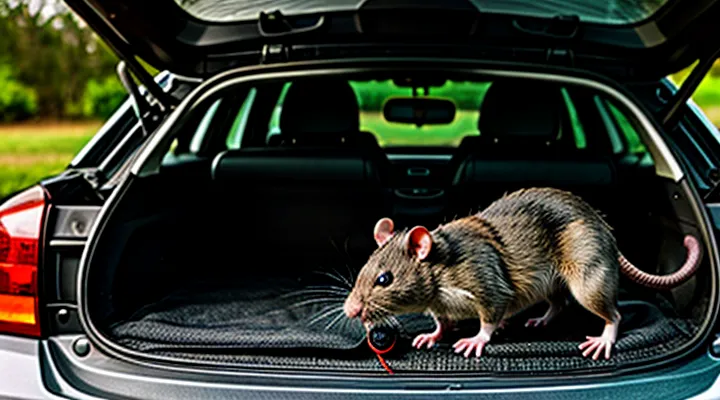
Understanding the Problem: Why Rats Choose Your Car
Attractants and Entry Points
Food Sources
Rats are drawn to the engine compartment by readily available food residues. Grease splatters from exhaust systems, spilled fuel, and crumbs from previous repairs create a nutrient-rich environment. Pet food left in the vehicle, even in sealed containers, can emit odors that attract rodents. Insects and small carrion that accumulate in the heat of the engine bay also serve as protein sources.
To eliminate these attractants, begin by cleaning the engine surface with a degreasing agent that dissolves oil buildup. Apply the cleaner to the exhaust manifold, valve covers, and any metal components where grime collects, then wipe with a lint‑free cloth. Inspect the interior for trapped debris; use compressed air to dislodge particles from tight spaces. Remove any containers of pet food, snacks, or waste before each trip, and store them in airtight, rodent‑proof packaging.
Maintain a routine of weekly inspections. During each check, look for fresh droppings, gnaw marks, or new grease deposits. If any are found, repeat the cleaning process immediately. Consistent removal of food sources deprives rats of sustenance, reducing the likelihood of nesting under the hood and encouraging them to seek alternative habitats.
Shelter and Warmth
Rats are drawn to the engine compartment because it offers protection from predators and a stable, elevated temperature. The metal housing retains heat after the vehicle runs, creating an ideal nest site. When the area remains undisturbed, rodents can establish long‑term burrows, making eradication more difficult.
To deprive rodents of shelter and warmth, apply the following measures:
- Seal all gaps around the firewall, vents, and cable pass‑throughs with metal mesh or high‑temperature silicone.
- Install a removable engine cover made of insulated material that blocks heat buildup while allowing airflow.
- Clean the compartment regularly; remove debris, insulation scraps, and any nesting material.
- Store the vehicle in a garage or covered area to lower ambient temperature and reduce heat retention.
- Use heat‑absorbing pads or reflective foil under the hood to dissipate residual warmth after engine shutdown.
- Apply a non‑toxic rodent deterrent spray on metal surfaces; reapply according to manufacturer guidelines.
By eliminating the combination of shelter and consistent warmth, the engine bay becomes an inhospitable environment, reducing the likelihood of rat infestation and facilitating long‑term control.
Easy Access Points
Rats reach the engine compartment through openings that are often overlooked. Common routes include gaps beneath the firewall, vent grills, seams of wheel wells, loose under‑carriage shields, cracks around the exhaust pipe, and any space where wiring or hoses pass through the body. Each opening, even as narrow as a quarter‑inch, can serve as a conduit for rodents.
To eliminate these pathways, follow a systematic inspection and sealing process:
- Lift the vehicle and examine the underside for torn grommets, rusted bolts, or missing trim pieces.
- Remove the engine cover and check the firewall for drilled holes or worn sealant.
- Inspect the front grille and cooling vents for damaged mesh or loose fasteners.
- Look around the wheel arches for gaps between the inner fender and the chassis.
- Verify that the exhaust hangers and heat shields are intact and securely fastened.
After identification, close the openings with durable materials. Use stainless‑steel mesh or heavy‑gauge wire to block larger gaps, then reinforce with silicone sealant or automotive‑grade epoxy. For wiring and hose passes, install grommets made of metal or reinforced rubber. Replace any corroded or missing shields with OEM‑specified panels, securing them with stainless bolts to prevent future loosening.
Regularly repeat the inspection, especially after off‑road travel or severe weather, to ensure that no new entry points have formed. Maintaining a sealed engine compartment removes the primary incentive for rats to inhabit the area, thereby reducing the risk of gnaw‑damage and associated mechanical failures.
Initial Inspection and Safety Precautions
Identifying Signs of Infestation
Droppings and Urine
Rats leave feces and urine beneath a vehicle’s hood, creating health hazards and attracting further infestation. Recognize the signs: dark, pellet‑shaped droppings near the engine, a strong ammonia odor, and wet stains on metal or wiring. Immediate removal prevents disease transmission, corrosion, and electrical failures.
- Wear disposable gloves and a mask; seal them in a plastic bag after use.
- Vacuum loose droppings with a HEPA‑rated unit; dispose of the collection bag in a sealed container.
- Scrub remaining residue with a detergent solution, then rinse with clean water.
- Apply an enzymatic cleaner to break down urine crystals; allow a minimum of 15 minutes before wiping dry.
- Inspect wiring and connectors for corrosion; replace damaged components promptly.
After cleaning, eliminate attractants. Store food, pet feed, and garbage away from the garage. Seal entry points such as gaps around the radiator, wiring harnesses, and under‑body panels with steel wool and caulk. Install motion‑activated lights or ultrasonic deterrents to discourage re‑entry.
Regular inspection—monthly visual checks and quarterly deep cleaning—maintains a rat‑free engine compartment and protects vehicle performance.
Nesting Materials
Rats choose the engine compartment as a shelter because it provides warmth, protection from predators, and easy access to food sources. The primary attraction is the availability of suitable nesting materials, which the rodents collect from the vehicle’s interior and the surrounding environment.
Typical nesting materials found under a car hood include:
- shredded fabric from upholstery or seat covers that fall through gaps,
- paper, cardboard, or insulation debris blown onto the engine bay,
- plant fibers such as dried grass, leaves, or twine that accumulate in the wheel well,
- soft debris like foam padding or rubber strips loosened from the vehicle’s components.
These items serve as insulation, allowing rats to maintain body temperature while they gnaw on wiring and hoses. Removing and preventing the presence of such materials is essential for effective rodent control.
Steps to eliminate nesting media:
- Conduct a thorough inspection of the engine compartment, wheel wells, and surrounding chassis for any loose fibers, paper, or plant matter.
- Vacuum or brush away all debris, paying special attention to crevices, air ducts, and battery terminals where material can collect unnoticed.
- Seal gaps in the firewall, undercarriage, and interior panels with metal mesh or silicone sealant to block entry points that allow debris to be drawn inside.
- Replace damaged upholstery or interior trim that sheds fabric, opting for materials that do not produce loose fibers.
- Install a protective cover over the engine bay when the vehicle is parked for extended periods; covers made of tightly woven fabric prevent wind‑blown debris from settling.
- Apply a non‑toxic rodent repellent spray to metallic surfaces; the scent deters rats from gathering and building nests.
By systematically removing existing nesting media and preventing new material from entering the engine space, the likelihood of rodent infestation diminishes, protecting electrical wiring and mechanical components from damage.
Gnaw Marks
Gnaw marks are shallow, crescent‑shaped cuts on plastic, rubber, and metal surfaces. Their edges are rough, often exposing the underlying material. In an engine compartment they appear on wiring insulation, fuel lines, and hose bundles, especially near the firewall and under the hood where rodents seek shelter.
These markings confirm that rodents have accessed the space and are chewing to sharpen teeth or create nests. Continuous chewing can expose wires, leading to short circuits, and can compromise hoses, causing leaks or loss of coolant. Early detection prevents costly repairs and vehicle downtime.
To identify gnaw marks, follow a systematic inspection:
- Remove the engine cover and visually scan all exposed cables and hoses.
- Use a flashlight to highlight shadows that reveal irregular cuts.
- Run a fingertip gently along insulation; a rough texture indicates chewing.
- Check the underside of the hood and the area around the air intake for fresh bite marks.
Once gnaw marks are located, take corrective action:
- Cut away damaged sections of wiring and replace with heat‑shrink protected cables.
- Replace any compromised hoses or reinforce them with metal sleeves.
- Clean the area with a rodent‑repellent spray, then seal entry points such as gaps in the firewall, vent openings, and underbody panels.
- Install a physical barrier—metal mesh or stainless‑steel tape—around vulnerable components to deter future chewing.
Regular monitoring of gnaw marks, combined with preventative barriers, reduces the likelihood of rodent damage and maintains engine reliability.
Ensuring Your Safety
Wearing Protective Gear
When tackling rodent infestations in the engine bay, protective equipment is essential to prevent injury and disease transmission.
A basic protection set includes:
- Heavy‑duty gloves resistant to puncture and chemicals.
- Safety goggles or a full face shield to guard against droppings, saliva, and debris.
- Disposable coveralls or a sturdy work shirt and trousers to avoid skin contact with urine or parasites.
- Respirator or mask rated for particulate matter when cleaning nests or using rodenticides.
- Steel‑toed boots with slip‑resistant soles to maintain stability on the vehicle’s underside.
Before beginning, inspect each item for tears, cracks, or compromised seals. Replace damaged components immediately. After the task, remove gear in a controlled sequence: gloves first, then coveralls, and finally goggles, to contain contaminants. Dispose of disposable items in sealed bags and wash reusable gear according to manufacturer instructions.
Proper use of protective gear reduces the risk of bites, allergic reactions, and exposure to pathogens such as hantavirus, ensuring the removal operation proceeds safely and efficiently.
Disconnecting the Battery
Disconnecting the battery is the first safety step before any inspection or treatment beneath a vehicle’s engine cover. Removing power eliminates the risk of accidental short circuits when tools contact exposed wiring, and it prevents rats from triggering electrical components that could cause sparks or fire.
To disconnect the battery safely:
- Ensure the vehicle is parked on a flat surface, engine off, and keys removed.
- Open the hood and locate the negative terminal, usually marked with a minus sign or black cable.
- Loosen the terminal clamp with an appropriate wrench; do not pull the cable directly.
- Remove the negative cable and secure it away from the positive terminal to avoid accidental reconnection.
- If the vehicle has a battery disconnect switch, engage it instead of manually removing the cable.
After the battery is isolated, proceed to inspect the engine bay for signs of rodent activity—chewed wires, droppings, or nests. With power removed, any damage discovered can be addressed without the danger of live circuits, and subsequent rat‑deterrent measures can be applied safely. Once the area is cleared and repairs completed, reconnect the negative cable, tighten the clamp, and verify proper electrical function before restarting the engine.
Humane Rat Removal Methods
Repellents and Deterrents
Peppermint Oil and Other Natural Scents
Peppermint oil, clove oil, and eucalyptus oil are commonly cited as non‑chemical deterrents for rodents that seek shelter in a vehicle’s engine compartment. Their strong volatile compounds overwhelm the olfactory receptors rats use to locate safe nesting sites, causing them to avoid treated areas.
- Choose a pure, undiluted essential oil; synthetic fragrances lack the same repellent potency.
- Soak small cotton balls or gauze pads in the oil; each pad should hold 5–10 ml.
- Place pads in accessible locations around the engine bay, such as the battery compartment, near the air filter housing, and under the hood liner.
- Replace pads every 2–3 weeks, or sooner if the scent diminishes noticeably.
Safety considerations include preventing oil contact with hot engine components, which could cause smoke or fire hazards. Secure pads to avoid drifting into moving parts, and wear gloves when handling concentrated oils to avoid skin irritation.
Effectiveness varies with environmental factors; high temperatures may accelerate oil evaporation, reducing duration of protection. Combining natural scents with physical barriers—steel wool in exhaust openings, mesh over wiring—enhances overall control. Regular inspection of the engine compartment for signs of gnawing or droppings remains essential, as scent‑based methods alone cannot guarantee complete eradication.
Ultrasonic Devices
Ultrasonic repellents emit high‑frequency sound waves that rodents cannot tolerate. The frequencies typically range from 20 kHz to 50 kHz, a band beyond human hearing but uncomfortable for rats. When installed near the engine bay, the device creates a hostile acoustic environment that discourages nesting and foraging.
Key considerations for selecting an ultrasonic unit:
- Frequency spectrum covering at least 20 kHz to target adult rats and juveniles.
- Adjustable output power to adapt to varying engine compartment sizes.
- Weather‑proof housing to withstand heat, vibration, and moisture.
- Battery or direct‑current supply compatible with vehicle electrical systems.
Installation steps:
- Locate a mounting point on the inner fender or engine cover where the speaker faces the space under the hood.
- Secure the device with automotive‑grade brackets or zip ties, ensuring the sound source is not obstructed by wiring or hoses.
- Connect the power lead to a switched 12 V source, such as the ignition line, so the unit activates only when the engine is running.
- Test the unit by listening for a faint high‑pitched tone using a frequency‑meter; adjust orientation if the signal is blocked.
Limitations:
- Effectiveness diminishes if the device is shielded by metal components that reflect sound.
- Rats may become habituated after several weeks; rotating devices or combining with physical barriers restores deterrence.
- Ultrasonic emitters do not eliminate existing infestations; they prevent new entries and encourage departure.
Regular maintenance includes checking the power connection for corrosion, cleaning the exterior surface of dust, and verifying that the frequency output remains within the specified range. Replacing the unit annually ensures consistent performance and reduces the risk of rodent damage to the vehicle’s under‑hood components.
Commercial Repellents
Commercial repellents provide a practical option for preventing rodents from nesting in the engine compartment of a vehicle. They are formulated to deter rats through sensory disruption, toxicity, or a combination of both, allowing owners to protect wiring, hoses, and other critical components without resorting to invasive measures.
Typical products fall into three categories:
- Ultrasonic emitters – generate high‑frequency sound waves that are uncomfortable for rodents but inaudible to humans. Placement near the hood latch or inside the engine bay maximizes coverage.
- Chemical deterrents – include spray‑on formulations and powder granules containing natural oils (peppermint, capsicum) or synthetic compounds that create an unpleasant odor or taste. Application follows the manufacturer’s dosage instructions, covering metal surfaces, clamps, and insulation.
- Bait stations with rodenticides – contain anticoagulant or bromethalin pellets designed to attract and eliminate rats. Stations are sealed to prevent accidental exposure to pets or humans and should be positioned away from the vehicle’s heat sources.
Effective use requires adherence to the product’s schedule. Sprays typically need reapplication every 30 days, especially after heavy rain or car washes. Ultrasonic devices should be powered continuously; battery‑operated units must have their batteries replaced according to the label. Bait stations demand regular inspection to replace consumed pellets and to verify that no non‑target species have accessed the traps.
Safety considerations are paramount. Chemical repellents must be compatible with rubber, plastic, and painted surfaces to avoid corrosion. Ultrasonic devices should be installed where they cannot interfere with electronic control units. Rodenticides are regulated by federal agencies; users must follow label warnings, wear protective gloves during handling, and store products out of reach of children and pets.
Performance data from field trials indicate that a layered approach—combining an ultrasonic emitter with a scent‑based spray—reduces rodent activity by up to 80 % compared with untreated vehicles. Limitations include reduced efficacy in extremely cold climates, where ultrasonic output diminishes, and the possibility of habituation to scent repellents over time. Integrating repellents with physical barriers, such as mesh screens over vent openings, enhances long‑term protection.
Trapping Strategies
Live Traps
Live traps provide a humane method for removing rodents that have taken shelter beneath a vehicle’s engine cover. Choose traps designed for small mammals, preferably those with a secure latch and a clear viewing window. Stainless‑steel or heavy‑duty plastic models resist rust and can endure the heat generated by the engine.
Placement is critical. Position the trap directly in the path the animal uses to access the engine bay, such as near the intake manifold, firewall openings, or cable bundles. Secure the trap to a sturdy surface to prevent movement when the vehicle vibrates. Ensure the bait is attractive but safe; peanut butter, dried fruit, or bits of cheese work well. Place the bait at the far end of the trap to force the rodent to step fully inside.
Check traps every 12–24 hours. Prompt removal reduces stress on the captured animal and prevents it from gnawing the trap. When a rat is caught, wear thick gloves, cover the trap with a blanket, and transport it to a release site at least five miles from the vehicle. Release the animal in a wooded area with ample cover and food sources.
After each capture, disinfect the trap with a solution of one part bleach to nine parts water. Rinse thoroughly and dry before re‑baiting. Rotate trap locations periodically to cover all potential entry points and discourage new activity.
Key points for effective live‑trap use:
- Select rust‑resistant, heat‑tolerant traps with a reliable latch.
- Position traps near known rodent pathways in the engine compartment.
- Use strong, non‑toxic bait and place it at the rear of the trap.
- Inspect traps at least once per day; release captured rodents promptly.
- Clean and sanitize traps after each use; relocate traps to maintain coverage.
Implementing these steps maximizes capture rates while preserving the safety of both the vehicle and the animal.
Baiting Live Traps
Baiting live traps is a reliable method for removing rats that have taken shelter beneath a vehicle’s engine compartment. Select traps that are sized for rodents, feature a secure latch, and allow quick release without harming the animal. Place traps along the most traveled routes—typically the underside of the hood, near the exhaust pipe, and adjacent to any access holes.
- Use a strong, aromatic attractant such as peanut butter, dried fruit, or commercial rodent bait. Apply a thin layer to the trap’s trigger plate; excess bait can cause premature activation.
- Position each trap with the bait side facing the expected direction of movement. Ensure the trap sits flat on a stable surface to prevent tipping.
- Secure traps with zip ties or wire to prevent displacement by vibration or vehicle motion.
- Check traps at least twice daily. Remove captured rats promptly, following local wildlife regulations, and reset the trap with fresh bait.
Safety considerations include wearing gloves when handling bait and captured rodents, disinfecting traps after each use, and avoiding placement where the trap could interfere with moving parts or cause injury to the operator. Regularly inspect the engine bay for new entry points; sealing gaps reduces the need for repeated trapping. By maintaining consistent bait placement and monitoring, live traps effectively reduce rat activity under the car hood without resorting to lethal measures.
Releasing Trapped Rats
When a rodent becomes confined beneath a vehicle’s engine cover, immediate release is essential to prevent injury, stress‑induced disease spread, and further damage to wiring or hoses. The animal’s panic can cause it to gnaw additional components, so a calm, controlled extraction is the safest option.
First, secure the vehicle. Engage the parking brake, turn off the ignition, and disconnect the battery to eliminate accidental contact with live wires. Place a sturdy, flat surface—such as a wooden board or thick cardboard—directly under the engine compartment to create a stable platform for the animal’s exit.
Next, locate the rat’s position. Use a flashlight to identify its exact spot, avoiding sudden movements that could provoke a defensive reaction. If the rodent is behind a heat shield or inside a tight cavity, gently pry the shield with a non‑metallic tool to create a narrow passage.
Proceed with the release:
- Wear disposable gloves to protect against bites and disease transmission.
- Slowly open the engine cover enough to provide a clear exit route.
- Encourage the rat forward with a soft brush or a piece of cardboard, never with force.
- Once the animal reaches the opening, allow it to exit independently; do not chase or grab it.
- Close the engine cover promptly after the rodent has left the compartment.
After the animal is free, inspect surrounding wiring, hoses, and insulation for bite marks. Replace any compromised parts before re‑connecting the battery and restarting the vehicle. Finally, implement preventative measures—such as sealing entry points, using rodent‑deterrent devices, and maintaining a clean engine bay—to reduce the likelihood of future entrapments.
Exclusion and Prevention
Sealing Entry Points
Inspecting for Gaps and Openings
Inspect the vehicle’s lower body and engine bay for any openings that could admit rodents. Begin at the front bumper and work upward along the radiator support, noting cracks, rusted seams, or damaged weatherstripping. Pay special attention to the firewall, firewall grommets, and the area where wiring harnesses pass through the chassis.
Check under the hood for gaps around the air intake, vent tubes, and the top of the radiator. Examine the underside of the hood for loose clamps or missing screws that create exposure. Inspect the engine compartment’s plastic covers, especially those protecting the battery and fuse box, for holes or torn edges.
Use a flashlight and a mirror to view hidden corners. A thin, flexible inspection camera can reveal concealed spaces behind the radiator fan and within the engine mounts. Record each defect on a checklist, then prioritize sealing based on size and proximity to food sources such as oil residues or wiring insulation.
Seal identified gaps with appropriate materials: stainless‑steel mesh for larger openings, high‑temperature silicone for seams near exhaust components, and automotive-grade foam for small cracks. Apply sealant evenly, allow curing time as specified by the manufacturer, and verify that the repair eliminates the entry point.
Regularly repeat the inspection after each seasonal change or after any collision repair, because new gaps may appear over time. Maintaining a sealed engine compartment reduces the likelihood of rodent infestations and protects vital vehicle components.
Using Wire Mesh and Sealants
Rats that gnaw in the engine compartment cause wiring damage, coolant leaks, and fire hazards. Installing a physical barrier and sealing entry points prevents infestation without relying on chemicals.
- Choose stainless‑steel or galvanized wire mesh with openings no larger than ¼ inch; this size blocks even juvenile rodents.
- Cut the mesh to fit the space beneath the hood, allowing clearance for moving parts and ventilation ducts.
- Secure the mesh with self‑drilling screws, spacing fasteners every 4–6 inches to avoid sagging.
- Apply a high‑temperature silicone sealant around each screw head and along seams where the mesh meets the metal body.
- Inspect the hood latch and any service panels; fill gaps with the same sealant to eliminate hidden routes.
- After installation, conduct a visual check for loose edges and reapply sealant as needed, especially after the first wash or extreme temperature shift.
The combination of a tightly fitted mesh and durable sealant creates a permanent exclusion system, reducing the likelihood of future rodent activity beneath the vehicle’s hood. Regular inspection ensures the barrier remains intact and effective.
Maintaining a Clean Environment
Removing Food Sources
Rats are attracted to any food residue that accumulates around the engine area. Eliminating these attractants cuts off a primary motivation for rodents to enter the compartment.
- Clean spilled oil, coolant, and grease from the engine surface after each maintenance session. Use a degreaser that removes film without damaging components.
- Remove any pet food, birdseed, or garbage stored in the trunk or rear cargo space. Even small crumbs can travel upward through ventilation ducts.
- Inspect and seal openings where external debris might be drawn in, such as vent scoops and under‑carriage panels. Preventing accumulation reduces the likelihood of food particles reaching the hood.
- Wash the underside of the vehicle regularly, focusing on the wheel wells and suspension parts where organic matter can collect.
- Apply a non‑toxic deterrent spray to areas prone to residue buildup. Choose products approved for automotive use to avoid corrosion.
Consistently denying rodents access to edible material removes the incentive for them to nest beneath the hood, thereby supporting long‑term prevention.
Trimming Vegetation
Rats seek shelter in dense foliage surrounding parked vehicles; the vegetation offers concealment, easy access to the engine compartment, and a source of food. Reducing plant growth near the car limits the pathways rodents use to reach the underside of the hood.
- Identify shrubs, tall grass, and vines within a three‑foot radius of the vehicle.
- Cut back foliage to a height of six inches or lower, ensuring no branches touch the car body.
- Remove all leaf litter, mulch, and fallen branches that could serve as nesting material.
- Dispose of trimmed material away from the parking area; compact or burn it to eliminate hiding places.
- Inspect the trimmed zone weekly and repeat cutting as needed during warm months.
Maintaining a clear perimeter deprives rats of cover, forces them to travel across open ground, and makes detection by owners or pest‑control professionals easier. Consistent vegetation management, combined with regular engine‑bay inspections, forms a practical barrier against rodent intrusion.
Regular Vehicle Maintenance
Checking for Damage
Rats that gnaw in the engine compartment can compromise vehicle safety. Before applying any control measures, inspect the area for structural and functional damage.
- Remove the hood and illuminate the space with a bright, portable light.
- Examine all wiring harnesses for chewed insulation, exposed conductors, or missing sections.
- Trace coolant hoses, brake lines, and fuel tubes for cuts, abrasions, or displaced clamps.
- Check the radiator, fan shroud, and air‑intake ducts for holes or missing fasteners.
- Look at the battery terminals and ground straps for stripped wires or corrosion caused by gnawing.
If damage is found, verify electrical continuity with a multimeter, pressure‑test hoses for leaks, and confirm coolant flow by running the engine briefly while monitoring temperature. Replace compromised components before proceeding with any rodent‑removal strategy, as untreated damage may lead to engine failure or fire hazards.
Engine Bay Cleaning
Cleaning the engine compartment is essential when dealing with rodent activity beneath the hood. A thorough removal of debris, droppings, and nesting material eliminates food sources and discourages further habitation.
- Disconnect the battery and secure the vehicle to prevent accidental movement.
- Inspect all visible areas for gnaw marks, nests, and droppings; use a flashlight for hidden spots.
- Remove loose debris with a vacuum equipped with a HEPA filter to contain contaminants.
- Apply a biodegradable degreaser to oil‑stained surfaces; let it soak for 5‑10 minutes.
- Scrub with a stiff‑bristled brush, focusing on heat shields, wiring harnesses, and the underside of the hood.
- Rinse with low‑pressure water or a pressure‑less spray; avoid saturating electrical components.
- Dry with compressed air or clean rags; verify that no moisture remains on connectors.
After cleaning, seal entry points such as gaps in the firewall, vent openings, and cable bundles with steel wool, copper mesh, or silicone caulk. Regularly repeat the inspection and cleaning cycle—ideally every month—to maintain a hostile environment for rodents and protect engine performance.
Dealing with Damage Caused by Rats
Inspecting for Wiring Damage
Rats chewing on engine‑compartment wires can cause intermittent power loss, misfires, or complete failure of critical systems. Before applying any rodent‑control measures, verify the condition of the wiring harnesses located beneath the hood.
- Visually scan all exposed cables for frayed insulation, exposed conductors, or gnawed sections. Pay special attention to bundles near the battery, fuse box, and ignition coils.
- Use a flashlight and a mirror to reach tight corners where rodents often nest. Look for chew marks, droppings, or urine stains that indicate recent activity.
- Gently flex each suspect wire; cracked or brittle insulation will crack audibly or feel unusually stiff.
- Employ a multimeter to test continuity across each wire segment. A sudden drop in resistance suggests internal damage even when the outer sheath appears intact.
- Document any compromised sections with photos and note their exact location for repair or replacement.
If damage is detected, isolate the affected circuit, replace the damaged wire with a rodent‑resistant sleeve, and reinstall protective covers. Re‑inspection after treatment confirms that the repair restores proper electrical function and prevents future failures.
Checking for Hose and Belt Damage
Inspect hoses and belts before attempting any rodent‑removal measures. Damage to these components can cause engine failure, making it essential to verify their condition after a rat infestation.
Begin by locating all rubber hoses, coolant lines, and drive belts in the engine bay. Look for the following signs of gnawing:
- Frayed or chewed edges
- Visible bite marks or holes
- Softened sections that feel mushy to the touch
- Discoloration or cracking near attachment points
If any abnormality appears, replace the affected part immediately. Use only OEM‑specified hoses and belts to maintain proper tension and temperature resistance. Install new components following the manufacturer’s torque specifications to avoid future failure.
After replacement, run the engine briefly to confirm that all belts track correctly and that hoses remain intact under pressure. A clean, undamaged engine compartment reduces the likelihood that rodents will return, supporting a long‑term solution to the rodent problem.
Professional Repair Considerations
Professional repair after a rat infestation demands systematic assessment, precise disassembly, and thorough cleaning. Technicians must first isolate the engine compartment, disconnect the battery, and cover exposed electrical components to prevent short‑circuit damage during inspection.
A detailed inspection should verify the condition of the following items:
- Wiring harnesses for gnaw marks, exposed conductors, and insulation loss.
- Vacuum and coolant hoses for perforations or weakened walls.
- Sensors, especially oxygen and mass‑air‑flow units, for compromised mounting or contamination.
- Radiator and condenser fins for nesting material that can obstruct heat exchange.
- Fuel lines for bite damage that could cause leaks.
If any component shows structural compromise, replace it rather than attempt repair, because rodent‑induced fractures often hide micro‑cracks that lead to premature failure. When cleaning, use a vacuum equipped with a HEPA filter to remove droppings, urine, and nesting debris, then apply an alcohol‑based sanitizer to all accessible surfaces. After cleaning, re‑apply a rodent‑deterrent coating—such as a non‑toxic, petroleum‑based spray—on wiring bundles and metal brackets to discourage re‑infestation.
Reassembly must follow the manufacturer’s torque specifications, especially for bolt‑on engine accessories that may have shifted during disassembly. Conduct a functional test of all electronic systems, confirming sensor outputs and verifying that no error codes persist. Finally, document the condition of each inspected part, the corrective actions taken, and the preventive measures applied; this record supports warranty claims and guides future maintenance schedules.
Long-Term Prevention and Monitoring
Routine Checks
Routine checks form the backbone of any strategy aimed at preventing rodent activity beneath a vehicle’s engine cover. Regular inspection cycles allow early detection of gnaw marks, droppings, or nesting material before an infestation becomes entrenched.
Key elements of an effective inspection routine include:
- Visual sweep of the engine bay each time the vehicle is serviced or after long periods of inactivity. Look for chew damage on wiring, hoses, and insulation.
- Examination of the underside of the hood for fresh gnaw holes or shredded insulation.
- Inspection of the air intake and exhaust manifolds for signs of blockage or tampering.
- Verification that all cable ties, clamps, and protective covers remain intact and securely fastened.
- Monitoring of the battery compartment for droppings or urine stains, which indicate recent rodent presence.
A consistent schedule—weekly checks for daily drivers, monthly for occasional use—ensures that any emerging problem is identified promptly. Document findings after each inspection, noting location, severity, and any corrective actions taken. This record provides a reference for pattern analysis and helps refine preventive measures over time.
In addition to visual checks, employ a tactile test of wiring insulation and rubber components. Gently probe for soft spots or exposed metal that may result from gnawing. Replace compromised parts immediately to eliminate attractive food sources and shelter for rodents.
By integrating these routine examinations into regular vehicle maintenance, the likelihood of rats establishing a foothold under the hood diminishes dramatically, safeguarding both performance and safety.
Continuous Deterrent Use
Continuous deterrent application is the most reliable method for preventing rodents from nesting in a vehicle’s engine compartment. Effective control requires a regimen that extends beyond a single treatment; it must be maintained throughout the season when rats are most active.
-
Choose a deterrent that matches the operating environment:
• Rodent‑repellent sprays or granules formulated for automotive use, applied to wiring, hoses, and metal surfaces.
• Ultrasonic emitters designed for placement under the hood, powered continuously while the vehicle is parked.
• Physical barriers such as steel mesh or wire netting wrapped around vulnerable components. -
Establish a schedule that aligns with the product’s longevity:
• Apply spray or granules at the start of each month or after any major service that removes previous residues.
• Replace ultrasonic units every six months or per manufacturer recommendation, ensuring batteries remain charged.
• Inspect barriers quarterly for corrosion, displacement, or gaps that could permit entry. -
Integrate deterrent use with routine vehicle maintenance:
• During oil changes, wipe sprayed surfaces to verify even coverage.
• After winter storage, reactivate ultrasonic devices before the vehicle is driven.
• Record each application in a log to track effectiveness and adjust intervals as needed. -
Monitor for signs of activity:
• Look for gnaw marks, droppings, or nesting material on the engine bay floor.
• If evidence appears, increase application frequency by 50 % and consider adding a complementary deterrent type.
Consistent implementation of these measures creates an inhospitable environment for rats, reducing the likelihood of damage to wiring, hoses, and other critical components under the hood.
Seeking Professional Pest Control
Professional pest‑control services provide the most reliable means of removing rodents that have nested in an engine compartment. Technicians have access to approved baits, traps, and exclusion materials that are unsafe for DIY use. Their expertise ensures that the infestation is eradicated without damaging wiring, hoses, or sensors.
When contacting a pest‑control company, request a written inspection report. The report should include:
- Identification of entry points such as gaps in the firewall, vent openings, or damaged seals.
- Recommended sealing methods and materials.
- Placement of bait stations or trap systems specific to the vehicle’s layout.
- Follow‑up schedule to verify that activity has ceased.
Choosing a provider with automotive experience reduces the risk of collateral damage. Verify that the firm holds a license for rodent control, carries liability insurance, and can supply references from clients with similar vehicle issues. Ask about the chemicals used; opt for products approved for use around automotive components.
After the service, keep the area clean and inspect the vehicle regularly for signs of re‑entry. Maintaining sealed vents, installing mesh screens, and storing the car in a dry environment complement the professional treatment and prevent future infestations.