
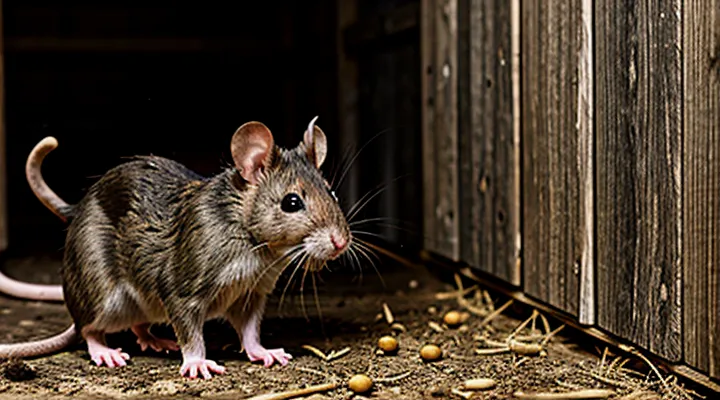
Understanding the Rodent Problem in Barns
Identifying Signs of Infestation
Droppings and Urine
Droppings and urine are primary indicators of rodent activity in a barn and present significant health hazards. Their presence confirms infestation, contaminates feed, and creates conditions conducive to disease transmission among livestock and workers.
Identify droppings by their size, shape, and color: rat feces are larger, cylindrical, and dark brown; mouse feces are smaller, about the size of a grain of rice, and black. Urine stains appear as yellowish or brownish discolorations on surfaces, often accompanied by a strong ammoniacal odor. Both substances can be found on bedding, feed bins, equipment, and structural beams.
Address contamination promptly:
- Wear disposable gloves, N‑95 respirator, and protective eyewear.
- Ventilate the area by opening doors and windows for at least 15 minutes before beginning work.
- Remove solid droppings with a disposable scoop or damp paper towel; place waste in a sealed plastic bag.
- Apply a disinfectant approved for agricultural settings—such as a 1:10 dilution of bleach (sodium hypochlorite) or a commercial rodent‑specific sanitizer—to all affected surfaces.
- Scrub surfaces with a stiff brush for a minimum of two minutes, ensuring complete coverage.
- Rinse with clean water, then allow the area to dry fully before restocking feed or bedding.
- Dispose of all contaminated materials, including gloves and cleaning tools, in sealed containers for incineration or approved hazardous waste removal.
Implement preventive measures to reduce future droppings and urine accumulation:
- Seal gaps larger than ¼ inch in walls, doors, and ventilation openings.
- Elevate feed storage off the ground and use rodent‑proof containers.
- Keep the barn floor dry; repair leaks and improve drainage.
- Regularly inspect high‑traffic zones for fresh droppings, recording findings to track activity patterns.
Consistent monitoring, thorough decontamination, and structural exclusion together minimize the risks associated with rodent excreta and support a healthier barn environment.
Gnaw Marks
Gnaw marks are the most reliable indicator of rodent activity in a barn. They appear on wood, plastic, wire, and feed containers where animals test the integrity of materials before entering. Recognizing the size, shape, and location of these marks allows you to assess the severity of an infestation and prioritize control measures.
Typical characteristics include:
- Parallel or V‑shaped incisions about ¼‑½ inch deep, matching the incisors of rats or mice.
- Rough edges on softer substrates, smoother cuts on metal or hard plastic.
- Concentration near food sources, water lines, and structural openings.
When gnaw marks are detected, follow these steps:
- Document the exact positions and dimensions of each mark. Photographs and sketches aid in tracking progress.
- Identify the material type and evaluate the damage. Replace compromised components that could serve as entry points.
- Install tamper‑resistant barriers (steel mesh, metal flashing) over the affected areas to prevent further chewing.
- Deploy bait stations or snap traps within a 10‑foot radius of the marks, positioning devices perpendicular to the gnaw lines for maximum encounter probability.
- Monitor the sites daily for new marks. A reduction in fresh gnawing indicates that the rodent population is declining; persistent activity requires additional sealing or increased trap density.
Understanding gnaw marks as a diagnostic tool enables targeted interventions, reduces unnecessary pesticide use, and accelerates the elimination of rats and mice from the barn environment.
Nests and Burrows
Rats and mice establish nests and burrows in barns to protect offspring and store food. These structures are typically located in dark, undisturbed areas such as under loft insulation, within stored hay, behind feed bins, or in the soil beneath the building. Recognizing the signs—chewed wood, shredded bedding material, droppings, and gnaw marks—allows rapid intervention before populations expand.
Key actions for eliminating nests and burrows include:
- Remove all organic debris that can serve as nesting material; replace straw or shavings with clean, dry bedding.
- Disassemble and clean storage containers; discard any food that shows signs of rodent contamination.
- Inspect the floor and foundation for entry holes; seal openings larger than ¼ inch with metal flashing, cement, or hardware cloth.
- Apply a targeted rodenticide or bait station near identified burrows, following label instructions and safety guidelines.
- Install motion‑activated traps at regular intervals along walls and in corners where tunnels converge.
After initial removal, maintain a hostile environment for re‑establishment:
- Keep feed in sealed containers; limit spillage on the ground.
- Conduct weekly inspections of lofts, feed rooms, and the barn perimeter.
- Rotate bedding material to prevent accumulation of scent trails that attract rodents.
- Employ natural predators, such as barn owls or feral cats, in accordance with local regulations.
Consistent monitoring and prompt repair of structural gaps prevent new burrows from forming, ensuring long‑term control of rodent activity within the barn.
Rodent Sightings
Rodent sightings in a barn provide the earliest indication that a pest problem is developing. Typical signs include fresh droppings (approximately ½‑inch long, black or brown), gnaw marks on wood, feed bags, or wiring, and shredded insulation or bedding material. Tracks may appear in dusty aisles or on smooth surfaces, and a distinctive musky odor often signals a growing population. Observing these clues promptly enables targeted intervention before damage escalates.
When evidence appears, follow a systematic response:
- Confirm species by examining droppings, tail length, and ear size; rats leave larger, coarser feces than mice.
- Map locations of activity to identify travel routes and nesting sites.
- Eliminate food sources by storing feed in sealed containers and cleaning spilled grain daily.
- Seal entry points larger than ¼ inch with metal flashing, steel wool, or cement; inspect roof vents, gaps around utility lines, and door thresholds.
- Deploy snap traps or electronic traps along identified pathways, positioning them perpendicular to walls where rodents travel.
- Monitor trap success for at least 48 hours, then adjust placement based on new sightings.
Continual observation of rodent signs, combined with immediate corrective actions, reduces the likelihood of infestation and protects structural integrity, livestock health, and stored feed quality. Regular inspections—weekly during peak seasons and monthly otherwise—maintain control over rodent activity in the barn environment.
Why Barns Attract Rodents
Food Sources
Rats and mice are attracted to any accessible feed. Eliminate these incentives by securing all food items and removing residues that can sustain rodent populations.
- Store grain, feed, and supplemental nutrients in airtight, rod‑proof containers. Metal drums with sealed lids or heavy‑duty plastic bins equipped with latch locks provide the necessary barrier.
- Keep feed bins off the ground on concrete pads or metal stands. Elevation prevents rodents from gnawing through floorboards and reaching supplies.
- Clean spillages immediately. Sweep floors, sweep out feed troughs, and vacuum crevices after each feeding cycle to eradicate crumbs and droppings.
- Install vestibules or double‑door entryways at feed storage rooms. The outer door should remain closed while the inner door opens, limiting direct access.
- Rotate stock regularly. Use the oldest feed first and discard any material that shows signs of moisture, mold, or rodent damage.
- Employ bait stations only in areas where food is not stored. Position them away from livestock feed to avoid accidental consumption.
By removing edible attractants, the barn becomes an inhospitable environment for rodents, reducing the likelihood of infestation and supporting long‑term pest‑free operations.
Shelter and Warmth
Rats and mice occupy barns because the structures provide protection from predators and a stable, warm environment. Reducing these attractions removes the primary incentive for infestation.
Seal all openings larger than ¼ inch with metal flashing, steel wool, or concrete. Repair cracked walls, broken doors, and damaged roofing. Remove stored materials that create hidden cavities, such as piles of hay, feed bags, and discarded equipment. Keep the interior tidy; clutter offers concealment and nesting sites.
Control temperature by improving ventilation. Install ridge vents, sidewall openings, or exhaust fans to promote airflow and lower interior humidity. Insulate only where necessary, avoiding gaps that could become concealed spaces. Eliminate heat-producing devices—such as malfunctioning lighting, electrical panels, or machinery—when not in use.
Key actions
- Inspect the barn exterior quarterly; document all gaps and schedule repairs.
- Apply rodent‑proof mesh (½ inch) to ventilation openings and utility penetrations.
- Store feed in sealed metal containers; keep it off the floor.
- Trim vegetation within three feet of the barn to reduce cover.
- Maintain a regular cleaning regimen to remove droppings, nesting material, and debris.
By eliminating shelter and moderating warmth, the barn becomes inhospitable to rodents, supporting long‑term pest‑free conditions.
Water Access
Rats and mice require water to survive; eliminating easy sources reduces the likelihood of infestation. Identify all containers, troughs, and drainage points that hold standing water. Remove or repair leaks in roof, walls, and plumbing. Store feed in sealed containers to prevent spillage that creates moisture.
- Drain puddles in the yard, around feed bins, and near livestock shelters.
- Install splash‑proof lids on water troughs; fill only as needed and clean regularly.
- Use absorbent bedding that does not retain moisture; replace wet material promptly.
- Direct runoff away from the barn with grading or gutters, ensuring water does not pool near entry points.
By denying rodents access to water, you limit their ability to establish colonies and make the barn environment less attractive for future invasions.
Prevention Strategies
Sealing Entry Points
Inspecting Barn Structure
Inspecting the barn’s structure is the first line of defense against rodent infestations. Gaps, cracks, and openings provide direct routes for rats and mice to enter feeding areas, nesting sites, and storage zones. Identifying and sealing these access points removes the primary means of ingress, forcing pests to seek alternative habitats.
Effective inspection proceeds in a systematic order:
- Walk the exterior perimeter. Look for holes in foundations, damaged siding, and gaps around doors, windows, and ventilation shafts. Measure openings; any gap larger than ¼ inch permits entry.
- Examine the roof and eaves. Check for missing shingles, loose flashing, and openings around chimneys or skylights. Rodents can climb trees or fences and drop onto the roof, then exploit any weakness.
- Inspect utility penetrations. Pipes, cables, and conduit often pass through walls and floors. Seal the space around each penetration with steel wool and caulk, or install metal flashing.
- Review the flooring and floor joists. Look for sagging boards, rotted wood, and gaps between joists and walls. Replace compromised sections and apply metal mesh where needed.
- Assess storage areas. Verify that feed bins, hay stacks, and grain silos have tight lids and sealed seams. Reinforce any cracks in concrete or metal containers.
After completing the visual survey, repair all identified defects with materials resistant to gnawing—steel mesh, metal flashing, or cementitious sealants. Follow each repair with a brief re‑inspection to confirm that no new openings have emerged. Maintaining a sealed structure reduces the likelihood of future rodent activity and supports long‑term pest‑free conditions in the barn.
Repairing Gaps and Cracks
Effective rodent control in a barn begins with sealing every opening that permits entry. Small gaps around doors, windows, vents, and utility penetrations provide easy access for rats and mice. Repairing these breaches removes the primary pathway and forces pests to seek alternative, less suitable habitats.
Identify all potential entry points by conducting a systematic visual inspection. Use a flashlight to examine interior walls, roof trusses, and exterior siding. Pay particular attention to:
- Gaps surrounding pipe sleeves and conduit.
- Cracks between foundation blocks and the floor.
- Openings around door frames and weatherstripping.
- Spaces behind ventilation fans and exhaust ducts.
Select repair materials based on location and exposure. For exterior walls and roof edges, apply stainless‑steel mesh (¼‑inch galvanized or welded wire) covered with a weather‑resistant sealant. Interior cracks can be filled with high‑grade expanding foam or cement‑based mortar, ensuring the filler adheres firmly to the substrate. Where metal components are involved, use steel wool or copper mesh before applying sealant to prevent gnawing.
Follow these steps to execute a durable repair:
- Clean the area of debris, dust, and loose material.
- Insert a backing material (steel wool, mesh) into the opening if the gap exceeds ¼ inch.
- Apply sealant or mortar, pressing firmly to fill the void completely.
- Smooth the surface, allowing it to cure according to the product’s specifications.
- Inspect the repaired section after curing; reinforce any weak spots immediately.
Routine maintenance reinforces the barrier. Schedule quarterly inspections, especially after severe weather or barn renovations, and reapply sealant where cracks reappear. Consistent attention to gaps and cracks eliminates the most common route for rodent intrusion, supporting a long‑term, rodent‑free environment.
Installing Rodent-Proof Materials
Installing rodent‑proof materials is a critical step in securing a barn against rats and mice. Choose products that withstand moisture, temperature fluctuations, and mechanical stress typical of agricultural environments.
- Steel mesh with openings no larger than ¼ inch for vents, windows, and gaps around doors.
- Rigid metal flashing to seal seams where roofing meets walls.
- Heavy‑duty PVC or metal conduit for cable entry points; seal with silicone or expanding foam.
- Concrete or sealed wood blocks to close larger openings in foundations and floorboards.
- Self‑adhesive metal sheeting for the undersides of feed troughs and equipment platforms.
Installation guidelines:
- Inspect the entire structure, marking every opening larger than ¼ inch.
- Remove damaged or corroded material before fitting new barriers.
- Overlap mesh edges by at least 2 inches; secure with stainless‑steel staples or screws.
- Apply a continuous bead of sealant around each attachment point to prevent gaps.
- Verify that all joints, corners, and penetrations are fully sealed; test by probing with a thin rod.
Regular maintenance includes checking for corrosion, loosening fasteners, and repairing any new damage promptly. A fully rodent‑proofed barn eliminates common entry routes, reducing the likelihood of infestation.
Food Storage and Management
Securing Feed Bins
Secure feed bins to prevent rodents from accessing food sources. Use metal or heavy‑duty plastic containers with tight‑fitting lids. Inspect seals regularly for cracks, rust, or warping and replace damaged parts immediately.
Place bins on raised platforms at least 12 inches above the ground. Elevation eliminates direct contact with droppings and makes it harder for rats and mice to climb. Install smooth, non‑porous surfaces under the platform to discourage gnawing.
- Choose containers with lockable closures that require a key or latch.
- Apply a continuous bead of silicone or food‑grade sealant around lid edges.
- Store feed in smaller, sealed packages inside the main bin to reduce exposure.
- Perform weekly visual checks for signs of chewing, droppings, or gnaw marks.
- Keep the area around bins clear of straw, hay, or debris that could serve as shelter.
Maintain a clean perimeter by sweeping spilled feed and removing waste promptly. Consistent vigilance eliminates the primary attraction for rodents and supports long‑term control in the barn environment.
Cleaning Up Spills
Spills in a barn create moisture and food residues that attract rats and mice. Prompt removal eliminates a primary source of nourishment and reduces shelter opportunities.
- Sweep solid debris immediately after any feed or grain spill.
- Use a wet mop or absorbent pads to collect liquid waste; discard pads in sealed containers.
- Apply a non‑toxic disinfectant to the cleaned area; allow it to dry completely before allowing livestock back into the space.
- Inspect drainage channels and gutters weekly; clear blockages that could cause pooling.
Regular monitoring prevents small messes from becoming persistent attractants. Integrate spill‑response procedures into daily barn routines to maintain an environment hostile to rodent activity.
Eliminating Outdoor Food Sources
Rats and mice are drawn to any accessible food outside the barn. Eliminating these sources reduces the likelihood of infestation and limits the need for chemical controls.
Secure livestock feed in sealed containers; metal or heavy‑duty plastic bins with tight lids prevent rodents from chewing entry points. Store feed on raised platforms to keep it away from ground moisture and burrowing activity.
Manage waste promptly. Remove grain spills, hay clippings, and feed residues daily. Place waste in metal bins with lockable lids and relocate them at least 30 feet from the barn structure.
Control compost piles. Keep compost covered with wire mesh that resists gnawing, turn the material regularly, and maintain a temperature above 130 °F to deter rodent habitation.
Eliminate fallen fruit and vegetable matter from surrounding fields. Collect debris weekly and dispose of it in sealed containers.
Maintain vegetation. Trim grass, weeds, and low branches within a 10‑foot perimeter of the barn to reduce shelter and foraging opportunities.
Practical steps
- Inspect all outdoor storage areas for gaps; seal openings with steel wool and caulk.
- Install motion‑activated lights near feeding zones to discourage nocturnal activity.
- Use bait stations only inside the barn; keep them away from any outdoor food sources.
- Conduct monthly audits of feed storage, waste management, and vegetation control to ensure compliance.
Consistent removal of outdoor food eliminates the primary attractant for rodents, making the barn environment less hospitable and reducing the need for further intervention.
Maintaining a Clean Environment
Decluttering and Organization
Keeping a barn free of rats and mice begins with eliminating the conditions that attract them. Excess material, disorganized feed storage, and cluttered work areas provide shelter, nesting sites, and easy access to food. Removing these opportunities reduces the likelihood of infestation and supports the effectiveness of traps, baits, and exclusion measures.
- Store feed in sealed, rodent‑proof containers; place containers on pallets or shelves to keep them off the floor.
- Clear aisles and walkways of debris, broken equipment, and stray bedding; maintain a minimum clearance of three feet around walls.
- Consolidate tools and supplies on sturdy racks; label each rack to prevent random placement of items that could create hiding spots.
- Dispose of waste daily in metal bins with tight‑fitting lids; relocate bins away from the building’s exterior walls.
- Inspect and repair any gaps, cracks, or holes in the structure before arranging stored items; use steel wool or metal flashing to seal openings.
Organized storage also simplifies routine inspections. When items are grouped logically and labeled, staff can quickly identify irregularities such as gnaw marks or droppings. Regular audits of the layout allow early detection of rodent activity and prompt corrective action before populations expand.
A disciplined decluttering routine, combined with proper storage solutions, creates an environment that discourages rodents from establishing a foothold. Consistent application of these practices sustains a barn that remains clean, functional, and resistant to rat and mouse infestations.
Regular Cleaning Routines
Regular cleaning disrupts the food sources and nesting sites that attract rodents to a barn. Removing debris, spilled grain, and wet bedding eliminates the conditions that sustain populations.
A systematic cleaning schedule should include:
- Daily removal of feed leftovers from troughs and floor surfaces.
- Weekly sweeping of aisles, stalls, and storage areas to dislodge hidden crumbs.
- Bi‑weekly washing of equipment, containers, and water troughs with hot, soapy water followed by a disinfectant rinse.
- Monthly deep cleaning of lofts, vents, and corners using a vacuum equipped with a HEPA filter to capture droppings and urine residues.
- Seasonal inspection of roof gutters and drainage channels; clear blockages to prevent moisture buildup.
Each cleaning session must be documented in a log, noting date, area covered, and any signs of rodent activity. Consistent record‑keeping allows early detection of problem zones and supports corrective action before infestations expand.
Integrating these routines with proper waste management—sealed containers, prompt removal of manure, and controlled ventilation—creates an environment where rats and mice cannot thrive.
Removing Debris and Hiding Spots
Removing debris and eliminating hiding places are essential steps in reducing rodent activity in a barn. Loose straw, broken feed bags, and accumulated wood shavings provide shelter and nesting material; their presence encourages rats and mice to establish colonies.
- Sweep floors daily to clear spilled grain, feed, and dust.
- Collect and dispose of discarded bedding, damaged pallets, and rotting wood.
- Store hay and feed in sealed containers; keep them off the ground on pallets with a gap of at least 6 inches for ventilation.
- Trim overgrown vegetation around the structure; cut back vines, shrubs, and weeds that reach the roof or walls.
- Repair cracks, gaps, and holes in walls, floors, and ceilings; use steel wool, metal flashing, or cement to seal openings larger than ¼ inch.
- Install smooth, metal or concrete surfaces on low walls and corners where rodents could cling.
Regularly inspecting the barn for accumulated material and promptly removing it deprives rodents of shelter and food sources, making the environment hostile to infestation. Consistent maintenance of a clean, unobstructed space dramatically lowers the likelihood of rat and mouse colonization.
Predator Encouragement
Barn Cats
Barn cats provide a reliable, low‑maintenance method for controlling rodent populations in agricultural outbuildings. Their predatory instincts target both rats and mice, reducing damage to feed, equipment, and structural components.
Effective use of barn cats requires attention to health, environment, and integration with other control measures:
- Select cats with proven hunting ability; mixed‑breed or feral‑type individuals often perform best.
- Provide shelter that protects against weather and predators while allowing easy access to stored feed areas.
- Offer a balanced diet supplemented with high‑protein food; supplemental feeding prevents starvation but does not diminish hunting drive.
- Maintain a regular veterinary schedule: vaccinations, parasite control, and health checks reduce disease transmission to livestock.
- Install scratching posts and climbing structures to encourage activity and reduce stress.
- Monitor rodent activity; a decline in sightings indicates successful predation, while persistent infestations may require additional traps or baits.
- Keep cats distinct from livestock handling zones to avoid injury and contamination.
When combined with proper sanitation—securing feed in rodent‑proof containers, sealing entry points, and removing debris—barn cats become a cost‑effective component of an integrated pest‑management program. Their presence also deters new rodent incursions, sustaining long‑term protection for the barn environment.
Encouraging Wild Predators
Encouraging wild predators provides a natural, self‑sustaining method for reducing rodent populations in a barn. Predatory birds, such as owls and hawks, and small carnivores, like foxes and weasels, instinctively hunt rats and mice, creating continuous pressure on pest numbers without chemical intervention.
To attract these hunters, follow these actions:
- Install sturdy perch rods or platforms at barn entrances and along ridge lines; height of 10–12 feet offers optimal viewing and landing spots.
- Mount simple owl boxes or raptor nesting shelters on the roof or in nearby trees, ensuring cavities are 6–8 inches wide and protected from rain.
- Maintain open, unobstructed flight paths by trimming low branches and removing debris that could impede access.
- Keep the barn interior clean of excess feed and spilled grain; limited food sources concentrate predator activity near remaining hotspots.
Safety considerations include sealing all small gaps and vents to prevent predators from entering the livestock area, and monitoring for any aggressive behavior toward farm animals. Regularly inspect perches and nesting boxes for damage, replacing them promptly to avoid loss of the attracted hunters.
By establishing a habitat that meets the needs of local raptors and carnivores, the barn benefits from ongoing predation, reducing reliance on traps and poisons while supporting ecological balance.
Eradication Methods
Trapping Techniques
Snap Traps
Snap traps provide a rapid, mechanical method for reducing rat and mouse populations in agricultural structures. Their immediate kill mechanism eliminates pests without reliance on chemicals, making them suitable for environments where food safety is a concern.
Select traps that match the target species. For rats, choose models with a spring force of at least 5 lb and a trigger plate of 2–3 inches. For mice, opt for lighter‑spring devices with a 1‑inch trigger plate. Stainless‑steel construction resists corrosion in humid barn conditions.
Effective placement follows predictable rodent pathways. Position traps:
- 1–2 inches from walls, aligned with the base of the structure.
- In corners where walls and ceilings intersect.
- Directly behind feed bins, water sources, and nesting material.
- Near visible gnaw marks, droppings, or runways.
Bait should be attractive yet simple to apply. Peanut butter, rolled oats, or dried fruit work well. Apply a pea‑sized amount to the trigger plate; avoid excess that could prevent activation.
Handle traps with disposable gloves to prevent scent transfer. Mount devices out of reach of livestock and children, using protective covers where necessary. Check traps at least once daily; replace or reset promptly after a catch.
Dispose of captured rodents in sealed bags, then incinerate or discard according to local regulations. Clean trap surfaces with a mild disinfectant to maintain efficacy and reduce disease risk. Regular inspection of trap integrity ensures consistent performance throughout the control program.
Live Traps
Live traps provide a humane alternative to lethal devices and allow for targeted removal of rats and mice from agricultural structures.
Select traps constructed of sturdy wire mesh or plastic with a spring‑loaded door that closes securely when an animal enters. Models featuring a hinged front panel simplify loading and cleaning. Choose sizes appropriate to the target species: larger cages for rats, smaller ones for mice.
Place traps along established runways, near food sources, and at entry points such as gaps in walls or doors. Position them with the trigger side facing the wall so rodents approach head‑first. Secure traps on a flat surface to prevent tipping.
Effective bait includes high‑fat items (peanut butter, cheese) or grain mixtures. Apply a pea‑sized amount to the trigger plate to ensure activation without allowing the animal to escape.
Check traps at least twice daily. Remove captured rodents promptly to reduce stress and prevent scent buildup, which can deter further activity. Release captured animals at least five miles from the barn, in a habitat lacking shelter and food sources.
Maintain trap efficacy by cleaning mesh with mild detergent after each use and inspecting spring mechanisms for wear. Replace damaged traps immediately to avoid failure.
Integrate live trapping with complementary measures: seal entry points, store feed in sealed containers, and keep the barn floor free of debris. This combined approach reduces rodent populations while preserving animal welfare.
Multi-Catch Traps
Multi‑catch traps are reusable devices that capture several rodents before requiring emptying. They consist of a sturdy cage with a spring‑loaded door that closes when a mouse or rat triggers a pressure plate. Because the cage remains closed, captured animals stay alive, allowing humane disposal or relocation.
Key benefits include:
- High capture capacity – a single unit can hold 5–10 rodents, reducing the number of traps needed.
- Cost efficiency – reusable design eliminates recurring purchase of disposable snap traps.
- Safety – enclosed mechanism prevents accidental contact with the trigger, protecting workers and pets.
- Ease of monitoring – transparent or mesh panels allow quick visual inspection without opening the trap.
Effective deployment in a barn requires strategic placement. Position traps along walls, near feed storage, and in dark corners where rodent activity is evident. Install traps on stable surfaces to prevent tipping, and secure them with zip ties or brackets if vibrations from equipment could disturb the trigger.
Bait selection influences capture rates. Preferred baits are high‑protein items such as peanut butter, dried fish, or commercial rodent attractants. Apply a pea‑sized amount to the trigger plate; excess bait can cause rodents to avoid the trap.
Maintenance protocol:
- Check traps daily for captures.
- Wear disposable gloves, then release or euthanize trapped rodents according to local regulations.
- Clean the cage with a mild detergent solution to remove scent trails.
- Re‑bait and reset the trigger before redeployment.
Integrating multi‑catch traps with complementary measures—such as sealing entry points, removing food debris, and employing rodent‑proof storage—enhances overall control. Regular inspection of structural gaps, proper waste management, and consistent trap monitoring create a comprehensive approach that minimizes rodent populations in barn environments.
Trap Placement and Baiting
Effective rodent control in a barn hinges on strategic trap positioning and appropriate bait selection. Place traps along established runways, typically the edges of walls, under beams, and near feed storage. Target locations where droppings, gnaw marks, or chew evidence are visible. Install traps perpendicular to the wall, with the trigger side facing the wall, to force rodents to run into the mechanism. Space traps 10‑15 feet apart in high‑traffic zones; increase density near nesting sites or food sources.
Use bait that appeals to both rats and mice while resisting spoilage in a barn environment. Preferred options include:
- Peanut butter mixed with rolled oats
- Fresh apple slices or dried fruit chunks
- Commercial rodent attractants containing hexanol or soy protein
Apply a small amount of bait—just enough to coat the trigger plate—so rodents can grasp it without removing the trap. Replace bait daily in warm conditions to maintain freshness. Rotate trap locations weekly to prevent trap shyness and to discover new activity corridors. Regular inspection, prompt disposal of caught rodents, and immediate rebaiting sustain trap effectiveness throughout the facility.
Safety Precautions with Traps
Effective rodent control in a barn demands strict safety measures when using traps. Improper handling can cause injury to workers, damage equipment, and compromise the trap’s efficacy.
- Wear thick‑walled gloves and protective eyewear before setting or retrieving any device.
- Position traps on stable, level surfaces away from walkways, feed storage, and livestock pens to prevent accidental contact.
- Secure traps with non‑slip mats or brackets to avoid tipping when animals or humans brush against them.
- Inspect each trap for cracks, rust, or worn springs before deployment; replace damaged units immediately.
- Use bait containers that seal securely, preventing spillage that could attract non‑target species or contaminate feed.
- Mark trap locations with high‑visibility tape or signs, ensuring all personnel recognize hazardous zones.
- Schedule regular checks—at least twice daily—to remove captured rodents, reset mechanisms, and clear debris that could cause blockages.
- Dispose of captured rodents in sealed bags, following local regulations for animal waste; avoid handling with bare hands.
- Keep a first‑aid kit nearby, equipped with antiseptic wipes and bandages in case of accidental puncture or snap injuries.
- Train all barn staff on trap operation, emergency procedures, and proper reporting of malfunctions.
Adhering to these precautions minimizes risk, protects livestock and workers, and maintains the effectiveness of the trapping program.
Baits and Rodenticides
Types of Baits
Effective rodent control in a barn depends on selecting baits that match the target species, feeding habits, and environmental conditions.
Common baits include:
-
Anticoagulant blocks – solid pellets containing warfarin‑derived compounds. They provide delayed mortality, allowing rodents to return to the nest and distribute the toxin to others. Suitable for long‑term programs where multiple infestations are expected.
-
First‑generation anticoagulants – such as diphacinone or chlorophacinone. Fast‑acting, they are effective against rats and mice that are highly bait‑averse. Use with caution to avoid secondary poisoning of predators.
-
Non‑anticoagulant rodenticides – zinc phosphide and bromethalin. Immediate lethal action, useful in situations where rapid reduction of activity is required. These agents demand strict handling protocols to protect humans and livestock.
-
Food‑based attractants – grain, corn, or peanut butter mixed with a low‑dose rodenticide. Mimic natural barn feed, increasing acceptance by cautious individuals. Rotate attractant types to prevent habituation.
-
Electronic bait stations – sealed units that house pre‑measured pellets. Prevent non‑target access while allowing precise placement along walls, feed alleys, and entry points.
-
Biological baits – live‑trap baited with fresh produce or catnip. Employed when chemical control is restricted, such as in organic operations. Requires regular monitoring and humane disposal.
Selection criteria:
- Target species – mice prefer finer, grain‑based bait; rats accept larger blocks.
- Seasonal feeding patterns – summer feed may shift toward fresh produce, winter to stored grain.
- Safety considerations – place toxic baits away from feed storage, water sources, and livestock pens.
- Resistance management – alternate anticoagulant classes annually to reduce tolerance development.
Integrating multiple bait types within a strategic layout—stations near walls, in corners, and along rodent pathways—maximizes exposure while minimizing waste. Regular inspection and replenishment sustain efficacy throughout the infestation cycle.
Safe Application and Placement
Effective rodent control in a barn requires precise placement of traps, baits, and deterrents while protecting livestock, workers, and feed supplies. Apply products only where rodents travel, avoid contact with feed, water, and animal bedding. Use bait stations with built‑in locks to prevent accidental ingestion by non‑target species.
- Position snap traps along walls, behind feed bins, and near entry points; rodents prefer concealed routes.
- Install bait stations on the floor, not on elevated surfaces, and keep them at least 12 inches from feed troughs.
- Place ultrasonic or scent deterrents at ventilation openings and in dark corners where rodents hide.
- Locate rodent‑proof mesh or metal flashing around gaps in the foundation, doors, and windows; secure with stainless‑steel screws to resist gnawing.
When handling chemical rodenticides, wear gloves, eye protection, and a respirator if dust is generated. Follow label instructions for dosage; do not exceed recommended concentrations. Store all products in locked containers, out of reach of children and animals. Dispose of used traps and contaminated materials in sealed, puncture‑proof bags and follow local hazardous‑waste guidelines.
Regularly inspect placement sites for signs of activity, damage, or non‑target interference. Adjust locations based on observed rodent pathways and replace depleted baits promptly. Consistent, correctly positioned control measures minimize infestation risk while maintaining a safe environment for barn operations.
Risk of Secondary Poisoning
Rodent control in a barn often involves anticoagulant baits, but these substances can transfer to non‑target animals that consume the dead or dying rodents. This secondary poisoning poses health risks to livestock, hunting dogs, feral cats, and wildlife such as birds of prey.
To minimize the danger, follow these steps:
- Locate bait stations away from feed troughs, water sources, and areas where livestock graze.
- Use tamper‑resistant, enclosed bait containers that prevent accidental access by larger animals.
- Choose low‑toxicity anticoagulants (e.g., first‑generation compounds) when possible, and limit dosage to the minimum effective amount.
- Monitor bait consumption daily; remove any uneaten bait before it degrades or becomes accessible to unintended species.
- Implement an integrated pest‑management plan that includes trapping, habitat modification, and sanitation to reduce reliance on chemical baits.
- Educate barn personnel about the signs of secondary poisoning, such as unexplained bleeding, lethargy, or sudden death in animals that have scavenged rodents.
Regular record‑keeping of bait placement, consumption rates, and any incidents of non‑target exposure helps assess risk and adjust control measures promptly. By restricting bait access and combining chemical control with physical and environmental strategies, the likelihood of secondary poisoning can be kept to a minimal level.
Handling and Disposal of Rodenticides
When using rodenticides in a barn, safety and environmental responsibility are paramount. Select products that are specifically labeled for agricultural structures and verify that they are approved by regulatory agencies. Store the chemicals in their original containers, sealed tightly, and keep them in a locked, well‑ventilated area away from feed, water, and livestock.
Before application, read the label thoroughly. Wear appropriate personal protective equipment—gloves, goggles, and a respirator if indicated. Apply bait stations at locations where rodents travel but livestock cannot reach them, such as along walls, in corners, and near entry points. Ensure stations are secured to prevent accidental disturbance.
After the bait has been consumed and the rodent population is reduced, follow these steps for disposal:
- Collect all empty containers and any leftover bait.
- Place items in a sealed, puncture‑resistant bag.
- Label the bag with “hazardous waste – rodenticide” and the date of collection.
- Transport the bag to a certified hazardous‑waste disposal facility; do not discard in regular trash or pour down drains.
- Document the disposal date, quantity, and facility name for record‑keeping and compliance audits.
If a spill occurs, act immediately:
- Evacuate personnel from the area.
- Contain the spill with absorbent material approved for chemical residues.
- Dispose of contaminated absorbent in the same hazardous‑waste container used for the original product.
- Decontaminate the affected surface with a neutralizing solution recommended on the label, then rinse with clean water.
- Report the incident to the appropriate regulatory authority according to local guidelines.
Regularly inspect bait stations and replace them as needed. Maintain accurate logs of rodenticide usage, including product name, concentration, application dates, and disposal records. This documentation supports effective pest management and demonstrates compliance with safety regulations.
Professional Pest Control
When to Call an Expert
When a barn shows signs of rodent activity, the first step is to evaluate the severity of the problem. Small, isolated sightings may be managed with traps and sanitation, but certain conditions demand professional intervention.
- Damage to structural elements such as beams, walls, or flooring that compromises safety.
- Evidence of burrowing beneath the foundation or within feed storage areas.
- Continuous droppings, urine stains, or gnaw marks despite ongoing DIY measures.
- Presence of disease vectors (e.g., fleas, mites) that pose health risks to livestock and workers.
- Legal or insurance requirements that specify certified pest‑control services for documented infestations.
Regulatory compliance often mandates expert treatment when rodents threaten food safety standards or when the infestation spreads across multiple zones of the facility. Professional exterminators bring licensed chemicals, integrated pest‑management plans, and liability coverage that DIY methods lack.
If any of the listed indicators appear, contact a qualified pest‑control provider promptly. Schedule an on‑site assessment, obtain a written eradication plan, and follow up with recommended monitoring to ensure long‑term control.
Benefits of Professional Services
Professional pest‑control operators bring specialized knowledge of rodent biology, behavior, and the most effective eradication techniques for agricultural buildings. Their training enables precise identification of entry points, nesting sites, and food sources, which reduces the likelihood of recurrence.
- Certified technicians apply baiting and trapping methods that meet safety standards for livestock and workers.
- Integrated pest‑management plans combine chemical, mechanical, and environmental controls, ensuring comprehensive coverage.
- Service contracts include regular inspections, allowing early detection of new infestations before they spread.
- Legal compliance is maintained through documentation of pesticide use, meeting federal and state regulations for food‑producing facilities.
- Guarantees or warranties protect the investment by offering remediation at no additional cost if rodents reappear within the agreed period.
Long‑term results stem from systematic monitoring and prompt corrective actions, minimizing damage to stored feed, structural components, and animal health. Engaging qualified experts eliminates the need for trial‑and‑error approaches, delivering reliable, repeatable outcomes for barn environments.
Integrated Pest Management (IPM) Approaches
Integrated Pest Management (IPM) provides a systematic framework for controlling rodent populations in agricultural structures while minimizing environmental impact. The process begins with thorough inspection to identify entry points, nesting sites, and activity patterns. Data collected during inspection guide subsequent actions and allow progress to be measured over time.
Sanitation reduces food availability and eliminates conditions that favor rodent survival. Steps include removing spilled grain, storing feed in sealed containers, and regularly cleaning hay racks and equipment. Proper waste disposal and routine removal of debris further diminish shelter options.
Exclusion focuses on physical barriers that prevent rodents from entering the barn. Recommended measures comprise sealing gaps larger than ¼ inch, installing metal flashing around doors and vents, and fitting self‑closing latches on access points. Regular maintenance checks ensure the integrity of these barriers.
Trapping and baiting constitute the direct control component. Snap traps positioned along walls, near runways, and at known activity sites deliver immediate reductions. When using anticoagulant baits, place tamper‑proof stations away from livestock and follow label directions to limit non‑target exposure. Rotate trap locations to avoid habituation.
Biological control is limited for rodents but can involve encouraging natural predators such as barn owls by installing nesting boxes. This indirect pressure supports long‑term population suppression.
Chemical interventions serve as a last resort. Apply rodenticides only after confirming that other methods have failed, and restrict use to enclosed bait stations to protect animals and workers. Document all applications for regulatory compliance.
A successful IPM program integrates these elements, monitors outcomes, and adjusts tactics based on observed effectiveness. Continuous documentation and staff training sustain low rodent activity and protect barn productivity.
Post-Eradication Management
Monitoring for Re-infestation
Regular Inspections
Regular inspections are a cornerstone of any effective rodent‑control program in a barn. They provide early detection, allowing swift intervention before populations become entrenched.
Inspections should occur at least once a month, with additional visits after major weather changes or after introducing new livestock. Schedule checks during daylight when rodents are less active, ensuring thorough coverage of all areas.
Key inspection points include:
- Entry points: gaps around doors, windows, vents, and utility penetrations; seal any openings larger than ¼ inch.
- Food storage: spilled grain, uncovered feed bins, and cracked containers; keep feed elevated and sealed.
- Nesting sites: piles of straw, hay, or debris; remove excess material and maintain clean aisles.
- Droppings and gnaw marks: presence on beams, wiring, and equipment; record locations for targeted treatment.
- Structural damage: weakened flooring, rotted wood, or compromised insulation that could harbor rodents.
Document each visit with dates, observed conditions, and corrective actions taken. Review records regularly to identify patterns and adjust preventive measures accordingly. Prompt repair of identified issues eliminates shelter and food sources, reducing the likelihood of infestation.
Using Tracking Powders
Tracking powders provide a reliable method for confirming rodent activity and directing control measures in a barn environment. The fine, non‑toxic particles adhere to the footpads and fur of rats and mice as they move across treated surfaces, leaving visible trails that can be inspected with a UV light or simply by visual examination.
Application guidelines:
- Identify high‑traffic zones such as feed troughs, water lines, entry points, and the perimeter of storage areas.
- Clean each surface of debris, feed residue, and moisture to ensure powder adhesion.
- Evenly dust a thin layer of powder using a hand‑held applicator or a low‑pressure sprayer; avoid clumping that could deter animal movement.
- Allow the powder to settle for 10–15 minutes before permitting livestock or equipment back into the area.
Interpretation of results:
- Fresh tracks appear as dark streaks or specks on the powder; recent activity is indicated by crisp, uninterrupted lines.
- Multiple parallel tracks suggest a well‑established run; isolated single tracks may point to occasional foraging.
- Absence of tracks after 48 hours signals either successful elimination or a shift in rodent pathways, prompting a reassessment of bait placement and exclusion efforts.
Maintenance and safety:
- Reapply powder after cleaning, heavy rainfall, or when tracks become indistinct.
- Store powder in a sealed container away from feed to prevent accidental ingestion.
- Use gloves and eye protection during application; the product is safe for livestock when used as directed.
Integrating tracking powders with bait stations and physical barriers enhances detection accuracy and improves overall rodent management in agricultural structures.
Ongoing Prevention Measures
Maintaining Housekeeping Standards
Effective rodent control in a barn begins with strict housekeeping practices. Regular removal of spilled feed, grain, and hay eliminates the primary food sources that attract rats and mice. Store all feed in sealed, rodent‑proof containers and keep them off the floor. Clean equipment after each use and dispose of waste in metal bins with tight-fitting lids.
Maintain a clutter‑free environment. Stack bedding, tools, and supplies on pallets or racks, leaving at least a 12‑inch gap between the floor and the bottom of the pile. Inspect the structure weekly for debris, broken boards, and accumulated dust; address any issues immediately.
Implement a routine inspection schedule that includes:
- Daily sweep of aisles and work areas to remove crumbs and droppings.
- Weekly deep clean of stalls, feed troughs, and storage rooms.
- Monthly check of ventilation ducts, crawl spaces, and exterior walls for signs of gnawing or nesting material.
Adhering to these standards reduces shelter and nourishment for rodents, making other control measures more effective and sustainable.
Continuous Structural Maintenance
Continuous structural maintenance is essential for preventing rodent entry and nesting in agricultural outbuildings. Regular assessment of the barn’s envelope reveals openings, deteriorated materials, and conditions that attract rats and mice.
A systematic inspection should occur monthly, focusing on the foundation, walls, roof, ventilation shafts, and utility penetrations. Inspectors record any damage, note weather‑related wear, and verify that previous repairs remain effective.
- Seal gaps larger than ¼ inch with metal flashing, cement, or expanding foam.
- Repair cracked or missing siding, roofing, and flooring promptly.
- Install self‑closing doors on all exterior entries; maintain hinges and latches.
- Elevate feed bins and water containers to prevent spillage onto the floor.
- Keep stored grain in sealed, rodent‑proof containers; use metal shelving where possible.
- Maintain clear zones around the building perimeter; remove debris, vegetation, and standing water that provide shelter.
Document each maintenance action in a log that includes date, location, materials used, and responsible personnel. Review the log quarterly to identify recurring problem areas and adjust the maintenance schedule accordingly.
Consistent structural upkeep reduces shelter and food availability for rodents, lowers infestation risk, and supports overall barn hygiene and livestock health.