
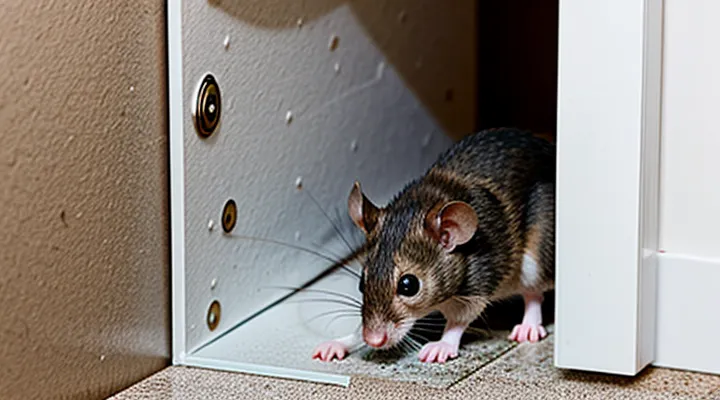
Understanding the Mice Problem
Signs of Mice in Walls
Sounds of Mice
Mice produce distinct noises that reveal their presence within wall cavities. The most common sounds include:
- Scratching: rapid, high‑pitched scratches on insulation or framing, often heard when mice move along wood or drywall.
- Gnawing: repetitive, coarse chattering as they chew through wiring, plaster, or plastic. The sound is louder at night when activity peaks.
- Scurrying: quick, intermittent footfalls on hollow surfaces, resembling small beads rolling across a hard floor.
- Squeaking: short, sharp vocalizations during mating or territorial disputes, typically audible during the early morning hours.
Identifying these noises helps pinpoint infestation zones. To isolate the source, follow these steps:
- Quiet the environment: turn off appliances and close doors to reduce background noise.
- Listen at multiple points: move along the wall, noting variations in volume and pitch.
- Mark the loudest area: use a piece of tape or chalk to indicate where the sound is strongest.
- Confirm by visual inspection: look for droppings, gnaw marks, or entry holes near the marked spot.
Accurate interpretation of mouse sounds enables targeted treatment, reduces unnecessary wall demolition, and increases the effectiveness of elimination strategies.
Droppings and Odor
Droppings and odor are immediate signs that rodents occupy wall cavities. Their presence confirms infestation, signals contamination, and creates unpleasant indoor air quality.
Typical mouse feces measure 3‑5 mm, are dark brown to black, and have a tapered shape. Spotting clusters near baseboards, vents, or insulation indicates active movement within walls.
Health hazards stem from pathogens carried in feces, including Hantavirus, Salmonella, and leptospirosis. Inhalation of dried particles or contact with contaminated surfaces can trigger respiratory issues and allergic reactions.
Cleaning protocol:
- Wear disposable gloves, N‑95 respirator, and eye protection.
- Vacuum dry droppings with a HEPA‑rated unit; discard bag securely.
- Spray droppings with a 10 % bleach solution; let stand 5 minutes.
- Wipe area with the same solution, then rinse with clean water.
- Allow surface to dry completely before sealing.
Odor reduction requires source elimination and environmental treatment. After removal, increase airflow by opening windows or installing exhaust fans. Apply enzymatic cleaners to break down organic residues that emit smells. Finally, seal cracks, gaps, and utility penetrations to prevent re‑entry and future odor buildup.
Gnaw Marks
Gnaw marks are the most reliable visual indicator that rodents are present within wall cavities. They appear as shallow, V‑shaped incisions on wood, insulation, or plastic sheathing, typically ranging from 1 mm to 5 mm in depth. The width of the bite correlates with the size of the animal; a ¼‑inch gap usually points to a mouse, while larger openings suggest a rat.
When inspecting walls, follow these steps:
- Locate fresh gnaw marks by checking for clean, light-colored edges; older marks darken from dust and moisture.
- Trace the direction of the cuts; mice tend to chew outward from nesting sites toward exit routes.
- Measure the spacing between parallel marks; regular intervals (2–4 inches) indicate repeated feeding or travel paths.
- Document the material type; soft insulation is preferred for nesting, while hardwood framing may serve as a structural pathway.
Identifying gnaw marks enables precise placement of traps or bait stations. Position devices a few inches beyond the outermost visible bite to intercept the animal before it reaches the interior cavity. After removal, seal each gnaw site with steel wool, copper mesh, or expanding foam to prevent re‑entry. Clean the area with a disinfectant solution to eliminate scent trails that could attract other rodents.
Regular monitoring of gnaw marks, combined with structural sealing and targeted trapping, eliminates the primary conduit for mice inside walls and reduces the likelihood of recurrence.
Why Mice Enter Walls
Seeking Shelter and Warmth
Mice enter wall cavities because the space offers protection from predators and external weather while retaining heat generated by home heating systems. The insulation material, coupled with limited airflow, creates a micro‑environment that maintains a temperature higher than the surrounding exterior, making walls an ideal refuge during cold periods.
When rodents establish nests inside walls, they compromise structural integrity, gnaw electrical wiring, and contaminate insulation with urine and feces. The presence of a warm, sheltered nest also encourages rapid population growth, turning a single intruder into a sizable infestation.
Effective control focuses on eliminating the conditions that attract rodents:
- Locate and seal all gaps larger than ¼ in. around pipes, vents, and utility penetrations; use steel wool or copper mesh before applying caulk or expanding foam.
- Reduce temperature differentials by installing insulated covers on exterior vents and ensuring HVAC ducts are sealed.
- Remove accessible food sources and maintain a clean environment to discourage foraging inside walls.
- Deploy snap traps or electronic deterrents directly within known entry routes, positioning them near the interior side of sealed openings.
- Conduct periodic inspections of insulation for signs of nesting material, droppings, or gnaw marks, and replace compromised sections promptly.
By removing shelter and warmth, the wall environment becomes hostile to mice, decreasing the likelihood of entry and encouraging any remaining rodents to seek alternative, less destructive habitats.
Access to Food and Water
Mice survive in wall voids primarily because they locate food residues and water leaks. Eliminating these resources cuts the incentive to remain hidden and forces the population to relocate or perish.
- Seal cracks, gaps, and utility penetrations that connect walls to kitchens, pantries, and bathrooms.
- Store dry goods in airtight containers; discard crumbs and spills immediately.
- Install metal or heavy‑duty trash cans with tight lids; empty them regularly.
- Keep pet feeding stations away from walls; remove uneaten food after each meal.
Water sources often arise from condensation, leaking pipes, or faulty appliances. Controlling moisture eliminates a critical survival factor.
- Repair all pipe leaks and faucet drips; test for hidden condensation behind insulation.
- Insulate cold water lines to prevent condensation droplets that collect in wall cavities.
- Use a dehumidifier in damp areas; monitor humidity levels and keep them below 50 %.
- Replace broken or cracked appliances that may drip, and ensure dishwasher and washing‑machine hoses are secure.
Ongoing vigilance ensures that food and water do not reappear. Conduct monthly inspections of wall seals, storage practices, and moisture levels. Promptly address any breach to maintain an environment that denies mice the sustenance they need.
Structural Vulnerabilities
Mice gain access to interior wall cavities through defects in the building envelope. Any opening larger than a quarter‑inch provides a potential pathway, and even minor imperfections can become a conduit when rodents gnaw and enlarge them.
- Gaps around plumbing, electrical, and HVAC penetrations
- Unsealed utility openings (cable sleeves, conduit entries)
- Cracks in studs, joists, and sheathing
- Damaged or missing weather‑stripping on exterior doors and windows
- Openings in attic or crawl‑space access points
- Vents and exhaust fans lacking proper mesh screens
Inspecting these areas requires a systematic visual survey and tactile assessment. Use a flashlight to trace the path of mouse activity, looking for fresh gnaw marks, droppings, or nesting material. Probe suspect seams with a thin probe or a flexible inspection camera to verify the size of the opening. Confirm continuity of insulation and seal integrity by feeling for cold drafts or air movement.
Repair actions must eliminate each identified breach. Apply stainless‑steel mesh or metal flashing to seal gaps around pipes and wiring. Fill cracks with high‑quality expanding polyurethane foam or cementitious mortar, ensuring the material hardens to a solid barrier. Install durable weather‑stripping on all exterior openings, and replace damaged vent covers with louvered screens rated for rodent exclusion. After sealing, treat the interior surface with a rodent‑resistant sealant to discourage future gnawing.
Addressing structural vulnerabilities removes the primary incentive for mice to inhabit wall spaces, thereby enhancing the effectiveness of any subsequent trapping or baiting measures. Regular maintenance inspections prevent the reappearance of entry points and sustain a rodent‑free environment.
Preparing for Elimination
Identifying Entry Points
Inspecting Exterior Walls
Inspecting the exterior of a building is the first step in preventing rodents from entering wall cavities. A systematic visual survey identifies entry points, structural damage, and conditions that attract mice.
Key inspection actions:
- Walk the perimeter at ground level and up to the eaves, noting cracks, gaps, and holes larger than ¼ inch.
- Examine the foundation for voids, deteriorated mortar, and displaced bricks.
- Check siding, trim, and soffits for loose panels, torn screens, or missing flashing.
- Inspect utility penetrations—cable, pipe, and vent openings—for inadequate sealing.
- Look for signs of activity: droppings, gnaw marks, shredded insulation, and fresh burrows near the building envelope.
Use a flashlight and a magnifying lens to reveal hidden fissures. A flexible inspection mirror can access recessed areas behind trim. Document each defect with photographs and a brief description to prioritize repairs.
After identification, seal openings with steel wool, copper mesh, or silicone‑based caulk, then apply a durable exterior sealant. Replace damaged siding or flashing, and install metal flashing around vents and utility entries. Regularly repeat the exterior survey after seasonal changes to maintain a barrier against future infestations.
Examining Interior Walls and Gaps
Inspecting interior walls begins with a systematic visual survey. Remove any removable panels, baseboard sections, or trim to expose the underlying surface. Look for gnaw marks, droppings, shredded insulation, and fresh urine stains, all of which indicate rodent activity. Use a flashlight at an angle to reveal hidden tunnels and nesting material behind drywall or within wall cavities.
Identify gaps that could serve as entry points. Measure openings around pipes, electrical conduits, ventilation ducts, and seams between studs. Common dimensions range from ¼ inch to 1 inch; even the smallest breach can admit mice. Record each gap’s location and size for targeted sealing.
- Apply steel wool or copper mesh to fill narrow cracks, then seal with silicone caulk or expanding foam.
- Install metal flashing around larger openings, such as utility penetrations, before covering with drywall compound.
- Replace damaged drywall sections with new, tightly fastened panels to eliminate existing pathways.
Complete the examination by testing sealed areas with a motion-activated camera or infrared detector for at least 48 hours. Persistent activity signals missed openings, prompting a repeat of the inspection cycle. This disciplined approach isolates and removes the structural routes mice exploit within wall systems.
Sealing Small Openings
Sealing small openings is a critical step in preventing rodents from accessing wall cavities. Begin by inspecting the interior and exterior of the building for gaps larger than ¼ inch. Common entry points include gaps around utility lines, vent openings, and cracks in the foundation.
- Use steel wool or copper mesh to fill the hole, then apply a high‑quality silicone or polyurethane sealant to create a permanent barrier.
- For gaps around pipes, wrap the pipe with expandable foam, then cover the foam with metal flashing to resist chewing.
- Apply cement‑based mortar to cracks in masonry, smoothing the surface to eliminate crevices.
- Install metal or hard‑plastic mesh over vent louvers and exhaust openings, securing it with stainless‑steel screws.
After sealing, re‑examine the area for missed openings, then conduct a pressure test by blowing air through a smoke pencil or a handheld blower to confirm airtightness. Repeat the inspection quarterly to address new cracks caused by settling or temperature changes. Maintaining a sealed environment eliminates the primary pathways rodents use to infiltrate wall spaces.
Safety Precautions
Protecting Children and Pets
Mice nesting in wall cavities pose a direct hazard to children and pets because they can contaminate surfaces with urine, droppings, and disease‑carrying parasites. Eliminating the infestation while safeguarding vulnerable family members requires methods that avoid toxic chemicals and unsecured traps.
- Install snap traps or live‑capture traps in wall voids, positioning them behind insulation or inside access panels where children and pets cannot reach them. Use steel‑wool or copper mesh to block the trap’s trigger from accidental contact.
- Apply bait stations that feature lockable lids and tamper‑resistant designs. Place stations at least three feet above floor level or inside wall openings that are inaccessible without tools.
- Seal all entry points with steel mesh, cement, or heavy‑duty caulk. Reinforce gaps around pipes, vents, and electrical conduits to prevent future ingress.
- Consider ultrasonic repellents that emit frequencies uncomfortable to rodents but inaudible to humans and most pets. Verify that the device’s coverage reaches the affected wall sections.
- If chemical control is unavoidable, select rodenticides approved for indoor use with child‑proof packaging, and place them in sealed containers far from reach. Follow label instructions precisely and monitor the area continuously.
Professional pest‑control services can perform wall inspection, install tamper‑proof devices, and conduct thorough decontamination. Their expertise reduces the risk of accidental exposure and ensures complete removal of rodents and associated debris.
Regular maintenance—checking for new gnaw marks, keeping food storage sealed, and monitoring trap activity—maintains a safe environment for children and pets while preventing re‑infestation.
Wearing Protective Gear
When working inside wall cavities to remove rodents, exposure to dust, droppings, urine, and possible pathogens is inevitable. Protective equipment reduces health risks and prevents contamination of surrounding areas.
- Disposable gloves resistant to puncture and chemicals
- N95 or higher‑efficiency respirator with a tight seal
- Eye protection such as safety goggles or a full face shield
- Disposable coveralls or a thick work shirt and pants with sealed seams
- Waterproof boots or shoe covers that can be discarded after use
Each item should be inspected for damage before entry, worn correctly, and removed in a controlled manner to avoid spreading contaminants. Follow local safety regulations and dispose of single‑use gear according to hazardous waste guidelines.
Handling Rodenticides Safely
When using chemical rodent control agents inside wall cavities, strict safety protocols protect occupants and applicators.
First, select a product approved for indoor use and verify the active ingredient’s toxicity level. Read the label thoroughly; all warnings and dosage instructions are legally binding.
Before application, wear appropriate personal protective equipment: chemical‑resistant gloves, goggles, and a disposable respirator rated for the specific toxin. Ensure adequate ventilation; if possible, create a temporary airflow path to prevent accumulation of fumes.
Apply the bait only in sealed, tamper‑resistant stations placed behind insulation or within wall voids where mice travel. Avoid scattering loose poison; this reduces secondary poisoning risks to pets and wildlife.
After placement, record the exact locations, quantities used, and date of deployment. Store any remaining product in its original container, tightly closed, and out of reach of children and animals. Keep the container in a locked cabinet labeled with hazard symbols and the expiration date.
When the bait stations are empty or the product reaches its shelf life, follow local hazardous waste regulations for disposal. Do not pour chemicals down drains or discard in regular trash.
Key safety steps:
- Verify product registration and read the label.
- Wear gloves, goggles, and a suitable respirator.
- Use sealed bait stations, not loose bait.
- Document placement details and dates.
- Store remaining material in original, sealed containers, locked away.
- Dispose of waste according to municipal hazardous‑waste guidelines.
Adhering to these measures minimizes health hazards while effectively reducing mouse activity within wall structures.
Proven Elimination Methods
Trapping Strategies
Types of Traps
Mice inhabiting wall cavities require targeted trapping to prevent damage and disease. Selecting the appropriate device maximizes capture rates while minimizing disruption to the structure.
- Snap traps – spring‑loaded mechanisms that deliver a rapid, lethal strike; ideal for tight spaces where quick placement is possible.
- Electronic traps – battery‑powered units that emit a high‑voltage pulse upon contact, ensuring instant death and allowing easy disposal of the carcass.
- Glue boards – adhesive surfaces that immobilize rodents; useful for monitoring activity but less humane and harder to clean.
- Live‑catch traps – cage‑style enclosures that confine mice without harming them; suitable when relocation is preferred, though release must comply with local regulations.
- Bait stations – sealed containers holding anticoagulant or acute poison; effective for hidden populations, requiring careful placement to avoid non‑target exposure.
Each trap type presents distinct advantages and limitations. Snap and electronic models offer rapid results with minimal mess, whereas glue boards provide low‑cost detection. Live‑catch devices support humane control, and bait stations deliver broad coverage when access points are numerous. Proper placement—directly against suspected entry holes or along established runways—enhances effectiveness and reduces the likelihood of secondary infestations.
Baiting Techniques
Effective baiting requires precise selection, strategic placement, and diligent monitoring. Choose baits that attract mice quickly and contain potent anticoagulant or acute toxins. Common options include:
- Peanut butter mixed with dry cat food, offering strong scent and flavor.
- Commercial rodent blocks formulated with bromadiolone or diphacinone.
- Soft gel baits containing brodifacoum for hard‑to‑reach cavities.
Secure each bait in a tamper‑resistant station to prevent accidental contact by children or pets. Position stations within 1–2 feet of known entry points, such as gaps around pipes, vent openings, or damaged drywall. When targeting concealed wall spaces, insert bait through drilled access holes, ensuring the station rests against the interior surface to avoid falling into voids.
After deployment, inspect stations daily for removal or damage. Replace depleted or contaminated baits promptly to maintain constant pressure on the mouse population. Record observations—date, location, and bait status—to identify activity hotspots and adjust placement density accordingly.
When activity declines, gradually reduce bait density over a two‑week period to avoid resurgence. Dispose of used stations according to local hazardous‑waste regulations, wearing gloves and a mask to limit exposure to rodent‑borne pathogens.
Trap Placement within Walls
Effective mouse control inside cavity spaces depends on strategic trap positioning. Place traps where rodent activity is most evident: near entry points, along established runways, and adjacent to food sources. Install traps flush against interior wall surfaces to prevent mice from bypassing them. Secure each device to a sturdy backing board to maintain alignment and resist displacement by building vibrations.
Key considerations for trap placement:
- Entry proximity – position traps within 12‑18 inches of known gaps or cracks.
- Runway alignment – align traps perpendicular to the wall, matching the typical direction of mouse travel.
- Height selection – set traps at 6‑8 inches above the floor, the average height of mouse movement.
- Accessibility – ensure traps can be reached from an access panel or removable wall section for regular checking and resetting.
- Safety – use tamper‑resistant housings in areas where children or pets might encounter them.
When installing, cut a precise opening in the wallboard, insert the trap, and seal the gap with a thin layer of steel wool and caulk to block re‑entry. Monitor trap activity daily; replace or relocate any device that shows no captures after 48 hours. Consistent placement following these guidelines maximizes capture rates and accelerates the elimination of mice from concealed wall spaces.
Baits and Rodenticides
Choosing the Right Bait
Effective bait selection determines the success of any wall‑based rodent control effort. Choose a product that matches the target species’ dietary preferences, the environment inside the cavity, and any safety constraints of the building.
- Palatability: Use foods that mice regularly consume, such as peanut butter, high‑fat seed mixes, or dried fruit. Freshness enhances attraction; replace stale bait every few days.
- Toxic vs. non‑toxic: For occupied structures, opt for low‑risk, non‑poisonous options (e.g., snap traps with appealing bait) to prevent accidental exposure. In unoccupied, sealed areas, licensed rodenticides may be appropriate, provided they are placed in tamper‑proof stations.
- Placement: Position bait near known entry points, ventilation openings, or along concealed pathways. Secure the lure to a solid surface to prevent displacement by movement of insulation or wiring.
- Size and quantity: Apply a pea‑sized amount per station; excess bait can deter mice by creating a “full” appearance or attract other pests.
- Weather resistance: In wall voids with temperature fluctuations, select bait that remains stable and does not dry out or melt, ensuring consistent effectiveness.
Evaluate the results after a 48‑hour period. If activity persists, rotate to a different flavor or switch from a food‑based lure to a protein‑rich option, such as canned fish. Continuous monitoring and bait adjustment maintain pressure on the infestation until all signs of activity cease.
Safe Application of Rodenticides
Applying rodenticides inside wall cavities demands strict adherence to safety protocols to protect occupants, pets, and the environment while achieving effective control. Use only products registered for indoor structural use and follow label instructions precisely; deviations void the guarantee of safe operation.
Select a bait formulation that matches the target species and the specific conditions of the wall void. Gel or block baits placed in tamper‑resistant stations reduce accidental exposure. Position stations at least 12 inches away from any known food preparation or storage areas, and secure them behind removable panels or within sealed access points to prevent unauthorized contact.
Before placement, wear appropriate personal protective equipment—gloves, eye protection, and a disposable gown if the product is classified as hazardous. Wash hands thoroughly after handling, and avoid eating, drinking, or smoking in the work area. Store all unused rodenticides in their original containers, locked away from children and animals.
Maintain a written log that includes:
- Product name, concentration, and expiration date.
- Exact location of each bait station (room, wall section, and access point).
- Date of installation and any subsequent inspections.
- Observations of rodent activity and any removal actions taken.
Inspect stations weekly. Replace bait that shows signs of moisture, contamination, or depletion. If non‑target species are captured, remove the bait immediately and report the incident according to local regulations.
Dispose of used bait and contaminated materials in accordance with hazardous waste guidelines. Do not discard rodenticides in regular trash or flush them down drains. When the infestation is resolved, remove all bait stations, clean the cavity surfaces, and seal any entry points to prevent re‑infestation.
By following these procedures, rodenticide use within wall structures remains controlled, minimizes risk to humans and animals, and supports a comprehensive pest‑management strategy.
Monitoring and Replenishment
Effective wall‑infestation control relies on continuous observation of rodent activity and timely replacement of control agents. Install sealed inspection ports at strategic points to allow visual checks without damaging wall surfaces. Use infrared cameras or motion‑sensing devices that transmit data to a central monitor, enabling detection of nocturnal movements that are otherwise invisible.
Maintain a log of sightings, trap captures, and bait consumption. Record date, time, and location for each event; patterns emerging from this data guide targeted interventions and prevent unnecessary resource expenditure.
When monitoring indicates declining bait levels or inactive traps, replenish immediately:
- Replace exhausted bait blocks with fresh, rodent‑specific formulations.
- Reset or relocate traps that have not captured pests within a predetermined interval (e.g., 48 hours).
- Refresh electronic sensors’ batteries or calibrate detection thresholds to preserve sensitivity.
Regularly audit the entire system—inspection ports, sensors, traps, and bait stations—to verify functionality. Consistent monitoring coupled with prompt replenishment reduces mouse populations within wall cavities and minimizes the risk of re‑infestation.
Natural Deterrents
Peppermint Oil and Essential Oils
Peppermint oil is a widely cited natural repellent for rodents, including mice that nest within wall cavities. The oil’s strong menthol scent overwhelms a mouse’s olfactory receptors, causing discomfort and prompting the animal to vacate the area. Research indicates that concentrations of 10‑15 % peppermint oil in water, applied with a spray bottle, produce a temporary deterrent effect lasting several hours.
Effective use of peppermint and other essential oils requires systematic application:
- Prepare a solution of 10 % peppermint oil mixed with water and a few drops of dish‑soap to emulsify.
- Spray the mixture directly onto visible entry points, insulation, and any accessible sections of the wall cavity.
- Reapply every 48 hours, or after heavy cleaning, to maintain potency.
- Combine peppermint with complementary oils—such as eucalyptus, clove, or citronella—to broaden the olfactory assault and reduce the chance of habituation.
Safety considerations include wearing gloves and eye protection during preparation, ensuring adequate ventilation, and avoiding direct contact with pets or children. Essential oils can degrade certain plastics and rubber seals; verify compatibility before widespread application. While peppermint oil can suppress mouse activity, it does not eradicate an established infestation; mechanical sealing of openings and professional removal remain necessary for long‑term resolution.
Ultrasonic Devices
Ultrasonic devices emit high‑frequency sound waves that rodents cannot tolerate, creating an uncomfortable environment within wall cavities. The sound propagates through solid structures, reaching gaps, insulation, and nesting sites without visible exposure.
Effectiveness depends on frequency, power output, and installation geometry. Frequencies between 20 kHz and 60 kHz are most disruptive to mice; lower frequencies may be audible to humans, while higher frequencies attenuate quickly in dense material. Sufficient power ensures the wave penetrates insulation and reaches hidden chambers, but excessive intensity can damage wiring or acoustic insulation.
- Choose a device rated for wall‑cavity use, not merely open‑space models.
- Position emitters at regular intervals (approximately 3 ft apart) along the wall’s length to eliminate dead zones.
- Secure units at the midpoint of cavity depth to maximize coverage.
- Connect to a continuous power source; battery operation reduces reliability over time.
- Verify that the device complies with local safety regulations and does not interfere with electronic equipment.
Ultrasonic emitters should complement physical exclusion methods such as sealing entry points and installing traps. When used together, they reduce the likelihood of mice re‑establishing a presence inside walls, providing a multi‑layered approach to rodent control.
Steel Wool and Caulk
Steel wool provides a physical barrier that mice cannot chew through. The dense, fibrous composition resists gnawing, forcing rodents to seek alternative entry points. When placed in wall cavities, gaps, and around pipes, steel wool blocks pathways that are too small for other sealing materials.
Caulk complements steel wool by sealing remaining cracks and gaps after the wool is installed. Silicone‑based or acrylic‑latex caulk adheres to wood, concrete, and drywall, creating an airtight seal that prevents mice from squeezing through minute openings. The combination of steel wool and caulk creates a two‑layer defense: the wool stops chewing, and the caulk eliminates residual spaces.
Application guidelines
- Cut steel wool into short lengths (2‑3 inches).
- Push the wool tightly into each hole, crack, or gap, ensuring no space remains on the surface.
- Apply a generous bead of caulk over the wool, smoothing it to fully embed the fibers and eliminate air pockets.
- Allow the caulk to cure according to the manufacturer’s instructions before exposing the area to moisture or heat.
Safety considerations
- Wear gloves to avoid irritation from steel wool fibers.
- Use a well‑ventilated area when applying caulk, especially silicone varieties that emit fumes.
- Verify that the steel wool does not interfere with electrical wiring; keep a safe distance from live conductors.
By integrating steel wool and caulk in all potential ingress points, homeowners create a durable, mouse‑proof seal within wall structures, reducing the likelihood of future infestations.
Post-Elimination and Prevention
Cleaning and Sanitization
Removing Dead Rodents
Removing dead rodents from wall cavities is a critical step in any comprehensive rodent control program. Decomposing bodies emit foul odors, attract insects, and can cause structural damage through corrosion of insulation and wiring. Prompt removal eliminates these hazards and prevents secondary infestations.
Preparation
- Wear disposable gloves, a mask rated for particulates, and eye protection.
- Seal off the work area with plastic sheeting to contain dust and contaminants.
- Gather tools: flashlight, flexible inspection camera, long-handled grabber, heavy‑duty trash bags, and disinfectant solution.
Extraction Procedure
- Locate the carcass using a flashlight or camera inserted through a small access hole.
- Enlarge the opening only enough to accommodate the grabber, preserving wall integrity.
- Grasp the remains firmly with the grabber, pull slowly to avoid tearing tissue that could spread contamination.
- Place the carcass directly into a sealed bag, expel excess air, and tie securely.
Post‑Removal Actions
- Clean the cavity with a disinfectant spray, allowing adequate contact time as specified by the product label.
- Inspect surrounding insulation and wiring for damage; replace compromised materials.
- Dispose of the sealed bag according to local regulations for animal waste, typically by placing it in a designated trash receptacle for hazardous material.
Following these steps ensures the elimination of health risks associated with dead rodents and supports the overall effectiveness of wall‑based rodent eradication efforts.
Disinfecting Contaminated Areas
After rodents have been removed from wall cavities, the surrounding space must be treated to eliminate pathogens, urine, and fecal residues that can cause health hazards. Effective disinfection restores a safe environment and prevents secondary infestations.
- Identify all contaminated zones, including insulation, drywall, and adjacent structural components. Use a UV light or fluorescent marker to locate hidden droppings.
- Equip personnel with gloves, N‑95 respirators, disposable coveralls, and eye protection. Containment suits reduce exposure to bacterial and viral agents.
- Choose an EPA‑registered disinfectant labeled for rodent‑borne pathogens. Common options include a 1 % sodium hypochlorite solution, quaternary ammonium compounds, or hydrogen peroxide formulations.
- Apply the disinfectant thoroughly with a low‑pressure sprayer or saturated wipes. Ensure coverage of all surfaces, seams, and crevices where urine or feces have penetrated.
- Observe the manufacturer‑specified dwell time, typically 5–10 minutes, to achieve full microbial kill. Do not rinse unless the product instructions require it.
- Remove and discard contaminated insulation or drywall that cannot be fully decontaminated. Replace with new, clean materials.
- Allow the area to dry completely before sealing walls or reinstalling fixtures. Use dehumidifiers or fans to accelerate drying.
- Conduct a post‑treatment inspection. Verify that no visible stains or odors remain and that the disinfectant residue is within safe limits.
Document the disinfection process, including dates, products used, and personnel involved. Maintaining records supports compliance with health regulations and provides a reference for future maintenance.
Odor Control
Mice nesting within wall cavities emit strong, lingering odors that signal infestation and attract additional pests. Prompt odor mitigation reduces the likelihood of secondary problems and improves indoor air quality.
- Increase airflow by installing temporary vent grilles or using a high‑capacity fan to draw stale air outward.
- Apply activated‑charcoal bags or zeolite packets near suspected entry points; replace them every 30 days for maximum absorption.
- Clean all visible droppings with an enzymatic solution; enzymes break down urine proteins that cause the characteristic smell.
- Seal cracks and gaps after removal of debris; use silicone‑based caulk to prevent re‑entry and contain residual odor.
- Deploy odor‑neutralizing sprays containing cyclodextrin or ozone‑free formulations; spray directly onto contaminated surfaces and allow drying.
Maintain a regular inspection schedule. Inspect wall openings weekly for fresh droppings or dampness, and repeat the ventilation and cleaning steps until the scent disappears completely. Consistent application of these measures eliminates odor and supports long‑term rodent‑free walls.
Sealing All Entry Points
Repairing Cracks and Holes
Repairing cracks and holes in wall cavities stops mice from re‑entering after removal.
First, locate all openings. Inspect interior surfaces, baseboards, and any penetrations for visible gaps, shredded material, or gnaw marks. Use a flashlight and a mirror to view hidden sections.
Gather supplies: steel wool, copper mesh, expanding polyurethane foam, caulk, cement patch, sandpaper, and a utility knife. Choose materials that resist chewing and seal tightly.
Follow these steps:
- Clean the area. Remove debris, droppings, and loose plaster.
- Fill narrow gaps (up to ¼ in) with steel wool, then apply a thin layer of caulk to lock the filler in place.
- For larger openings (¼ in–2 in), insert copper mesh, press it against the wall, and cover with expanding foam. Allow foam to cure, then trim excess.
- Repair damaged plaster or drywall using a cement patch. Smooth the surface, let it set, and sand to match surrounding texture.
- Apply a final coat of waterproof sealant around repaired zones to deter moisture, which attracts rodents.
After sealing, conduct a visual check and run a smoke test or use a thin stream of air to confirm no air passes through the repaired sections. Re‑inspect periodically, especially after seasonal temperature changes, to ensure the barriers remain intact.
Installing Mesh and Barriers
Installing mesh and physical barriers creates a continuous blockade that prevents rodents from entering wall cavities and moving between rooms. The approach relies on durable, tightly woven materials that mice cannot chew through, combined with strategic placement around entry points, utility penetrations, and structural gaps.
Key considerations:
- Material selection: Use stainless‑steel or heavy‑gauge galvanized steel mesh with openings no larger than ¼ inch. Plastic or fiberglass barriers are unsuitable because mice can gnaw them.
- Thickness: Choose mesh at least 0.015 mm thick; thicker gauges increase resistance to bite force.
- Coating: Apply a rust‑inhibiting finish to metal mesh to maintain integrity in damp environments.
Installation steps:
- Identify all potential pathways: gaps around pipes, electrical conduits, vent ducts, and seams where wall panels meet.
- Cut mesh to size, allowing a 1‑inch overlap on each side of the opening.
- Secure mesh with stainless‑steel screws or heavy‑duty staples, ensuring a flush fit against the wall surface.
- Seal the edges with a rodent‑proof caulk or expanding foam to eliminate micro‑cracks.
- For larger openings, attach a rigid steel barrier (e.g., 1/8‑inch plate) behind the mesh to add structural strength.
Maintenance:
- Inspect barriers quarterly for signs of wear, corrosion, or displacement.
- Replace compromised sections immediately to preserve the integrity of the defense system.
By integrating tightly woven metal mesh with solid barriers at every conceivable ingress, the wall environment becomes inhospitable to mice, effectively halting their movement and preventing re‑infestation.
Regular Inspections
Regular inspections are essential for early detection of mouse activity within wall cavities. Detecting gnaw marks, droppings, or fresh burrows before an infestation expands prevents structural damage and reduces the need for extensive remediation.
Key components of an inspection routine:
- Visual scan of interior walls for small holes, especially near baseboards, plumbing, and electrical fixtures.
- Use of a flashlight and mirror to examine hidden spaces behind removable panels.
- Placement of motion‑activated cameras or infrared sensors to capture nocturnal movement.
- Monitoring of acoustic devices that record scratching or gnawing sounds.
- Documentation of findings with timestamps to track patterns and identify entry points.
Inspectors should repeat the process at least once a month in high‑risk areas and increase frequency to weekly during peak rodent seasons. Promptly sealing newly discovered openings, coupled with sanitation measures, halts colony establishment. Consistent scheduling of inspections ensures that any resurgence is caught swiftly, maintaining a mouse‑free wall system.
Ongoing Prevention
Maintaining Cleanliness
Maintaining a clean environment inside and around wall cavities reduces the likelihood of mouse infestations. Food particles, grease, and debris that accumulate in wall voids provide a reliable food source, encouraging rodents to establish nests. Regular removal of these attractants disrupts the conditions mice need to thrive.
To keep wall spaces free of contaminants, follow these steps:
- Seal gaps around pipes, electrical boxes, and vents to prevent debris from entering concealed areas.
- Vacuum insulation and cavity surfaces using a HEPA‑rated filter to eliminate dust, crumbs, and shredded material.
- Clean behind appliances and furniture quarterly, focusing on the floor and baseboard zones that border wall openings.
- Dispose of waste promptly in sealed containers; avoid leaving food packaging near wall junctions.
- Apply a mild detergent solution to interior wall surfaces when performing repairs, wiping away any residue that could attract rodents.
Implementing these practices creates an inhospitable habitat for mice, complementing structural sealing and trapping methods. Consistent cleanliness eliminates the nutritional incentives that drive rodents to inhabit wall cavities, thereby reinforcing overall pest‑control efforts.
Storing Food Properly
Proper food storage directly reduces the attraction of rodents to wall cavities. Sealed containers made of glass, metal, or heavy‑wall plastic prevent scent leakage and deny mice access to nutritional sources. Store all dry goods—cereals, grains, nuts, and pet food—in airtight bins with lockable lids. Keep perishable items in the refrigerator or freezer, and discard expired products promptly.
Maintain a clean environment around storage areas. Sweep crumbs from countertops, vacuum pantry shelves, and wipe spills immediately. Use a dedicated trash container with a tight‑fitting lid; empty it daily and keep it outside the home when possible.
Implement the following practices:
- Label containers with purchase dates; rotate stock to use older items first.
- Place food storage units away from wall edges and baseboards to eliminate direct contact points.
- Inspect containers regularly for cracks or worn seals and replace compromised units without delay.
- Use metal shelving in pantries to deter gnawing; wooden shelves can be damaged easily.
By eliminating accessible food sources, you remove a primary incentive for mice to infiltrate wall spaces, supporting long‑term rodent control without reliance on traps or chemicals.
Landscaping Considerations
Proper landscaping reduces the likelihood that rodents will find entry points into a home’s interior walls. Maintaining a clear zone between the foundation and vegetation eliminates hiding places and limits access routes.
- Trim back shrubs, vines, and tree branches so they do not touch or overhang the building envelope. Direct contact provides a bridge for mice to climb onto the roof and reach gaps in siding or soffits.
- Keep the ground level at least six inches below the bottom of exterior walls. Use gravel or a hard‑scaping material to create a dry, uninviting surface near the foundation; moisture attracts rodents and soft soil facilitates burrowing.
- Remove debris, leaf piles, and compost heaps within ten feet of the house. These sources supply food and shelter, encouraging mice to explore nearby openings.
- Install a physical barrier such as a metal flashing or concrete apron at the base of the foundation. The barrier should extend outward and be buried a few inches into the soil to prevent burrowing beneath the structure.
- Ensure proper grading slopes away from the building. A slope of at least one inch per foot directs rainwater away, preventing water accumulation that softens soil and creates a conducive environment for rodent activity.
By implementing these measures, the exterior environment becomes hostile to mice, decreasing pressure on wall cavities and supporting long‑term exclusion efforts.