
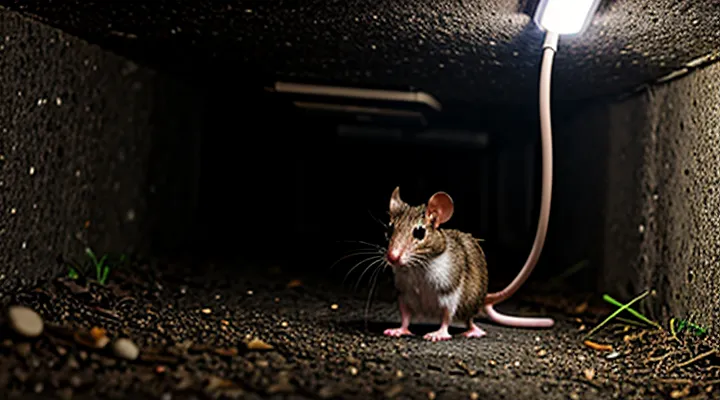
Understanding the Problem: Why Mice Invade Underground Spaces
Identifying Entry Points
Cracks and Gaps in Foundations
Cracks and gaps in foundations create direct pathways for mice to enter subterranean spaces. Even hairline fissures allow rodents to detect shelter, food sources, and nesting sites. Identifying all openings is the first decisive action in any rodent‑control program for underground environments.
Inspection should include:
- Visual examination of concrete walls, footings, and slab edges.
- Use of a flashlight to reveal shadowed fissures.
- Application of a thin probe or wire to test continuity of gaps.
- Documentation of each defect with location and dimensions.
Sealing methods must match the size and material of the opening. For gaps wider than ¼ inch, install heavy‑duty steel mesh or metal flashing, then apply hydraulic cement to lock the mesh in place. For smaller fissures, inject expanding polyurethane foam, allowing it to cure fully before covering with a cementitious patch. All sealants should be rated for underground use and resistant to moisture infiltration.
Routine maintenance reduces re‑entry risk. Schedule quarterly inspections, repair any new cracks promptly, and ensure drainage systems direct water away from the foundation to prevent moisture‑induced expansion of existing gaps. Consistent execution of these measures limits mouse access and supports long‑term pest‑free conditions in underground facilities.
Utility Openings and Pipes
Utility openings and pipe penetrations constitute the most frequent pathways for rodents to access underground facilities. Gaps around conduit sleeves, service manholes, and vent stacks allow mice to move between street level and confined spaces, where food, water, and shelter are readily available.
Effective control begins with a systematic survey of all openings. Identify each entry point, record its dimensions, and note the material of surrounding structure. Prioritize locations that show signs of gnawing, droppings, or recent activity.
- Install stainless‑steel or heavy‑gauge copper flashing around pipe sleeves.
- Apply high‑density polyurethane foam sealant to fill irregular gaps.
- Fit compression‑type metal collars on vent stacks, tightening to eliminate voids.
- Use cement‑based mortar or epoxy grout for concrete encasements where movement is minimal.
Regular maintenance reinforces these barriers. Schedule quarterly visual inspections, verify the integrity of seals after seismic events or heavy traffic vibrations, and replace degraded materials promptly. Integrate monitoring devices such as motion‑activated cameras or passive infrared sensors in high‑risk zones to detect re‑entry attempts early.
Combine sealed utility penetrations with habitat reduction strategies—remove standing water, store materials off the floor, and limit food sources. When openings are secured, the overall effectiveness of bait stations, traps, and biological controls improves, leading to sustained reduction of mouse populations in subterranean environments.
Unsealed Vents and Ducts
Unsealed vents and ducts provide direct pathways for rodents to enter subterranean facilities, compromising sanitation and structural integrity. Gaps, cracks, and missing covers allow mice to travel from surface openings to hidden areas where food, water, and shelter are abundant. Addressing these vulnerabilities reduces infestation risk and limits the spread of disease‑carrying pests.
- Inspect all ventilation shafts, HVAC ducts, and utility conduits for openings larger than ¼ inch.
- Apply stainless‑steel mesh or hardware cloth with ¼‑inch or smaller apertures to cover each opening.
- Seal cracks and joints with high‑temperature silicone sealant or expanding foam designed for metal and concrete surfaces.
- Install removable access panels that lock securely, permitting maintenance while preventing rodent entry.
- Conduct quarterly visual checks and pressure tests to verify the integrity of sealed components.
By systematically eliminating gaps in airflow systems, underground environments become inhospitable to mice, supporting long‑term pest‑free operation.
Risks Associated with Mice Infestation
Structural Damage
Mice inhabiting tunnels, subways, basements, and other underground facilities cause significant structural damage that compromises safety and increases maintenance costs. Their gnawing behavior weakens load‑bearing components, erodes insulation, and creates pathways for moisture infiltration.
Typical damage includes:
- Chewed steel reinforcement bars, reducing tensile strength of concrete slabs.
- Severed electrical wiring, leading to short circuits and fire hazards.
- Compromised plastic and rubber seals, allowing water penetration and corrosion of metal elements.
- Deteriorated concrete and masonry caused by nesting material and urine corrosion.
Preventing these effects requires immediate removal of the rodent population and reinforcement of vulnerable structures. Effective strategies for rodent control in subterranean environments involve:
- Installing stainless‑steel mesh and hard‑plastic barriers at entry points to block access.
- Applying non‑toxic, long‑acting rodenticides in sealed bait stations placed along known runways.
- Deploying ultrasonic deterrents calibrated for confined spaces to discourage activity without harming humans.
- Conducting regular inspections with infrared cameras to detect early signs of gnawing or nesting.
After eradication, repair work should prioritize:
- Replacing damaged reinforcement with corrosion‑resistant alloys.
- Re‑routing or insulating severed wiring according to electrical codes.
- Applying waterproofing membranes to restored concrete surfaces.
- Installing chew‑resistant conduit and pipe sleeves to protect future installations.
Consistent monitoring and maintenance of these control measures sustain structural integrity and reduce the likelihood of recurring rodent‑induced damage.
Health Hazards and Disease Transmission
Mice inhabiting sub‑surface facilities introduce a range of pathogenic threats that jeopardize worker safety and public health. Direct contact with droppings, urine, saliva, or contaminated surfaces can transmit microorganisms capable of causing severe illness.
- Hantavirus – carried in urine and feces; inhalation of aerosolized particles leads to hemorrhagic fever with renal syndrome or hantavirus pulmonary syndrome.
- Leptospirosis – bacteria present in urine; skin abrasions or mucous membranes exposed to contaminated water or soil result in flu‑like symptoms and potential kidney failure.
- Salmonellosis – bacteria spread through fecal contamination of food or surfaces; ingestion produces gastrointestinal distress and fever.
- Lymphocytic choriomeningitis virus (LCMV) – transmitted via saliva or urine; infection may cause meningitis, encephalitis, or congenital defects.
- Streptobacillus moniliformis (rat‑bite fever) – although more common in rats, mice can harbor the bacterium; bites or scratches introduce it, causing fever, rash, and arthritis.
In underground environments, limited ventilation and confined spaces amplify aerosol formation when cleaning or disturbing mouse nests. Accumulated waste settles on structural components, equipment, and ventilation ducts, creating persistent reservoirs for pathogens. Workers entering these areas without protective gear increase the likelihood of exposure.
- Implement sealed containment for waste removal; use HEPA‑filtered vacuum systems to capture airborne particles.
- Apply disinfectants effective against viruses and bacteria to all surfaces after rodent activity is confirmed.
- Provide personal protective equipment (gloves, N95 respirators, eye protection) for personnel conducting inspections or cleaning.
- Establish routine monitoring for rodent signs and conduct microbial testing of dust samples.
- Integrate engineering controls such as improved airflow, moisture reduction, and exclusion barriers to limit habitat suitability.
Addressing health hazards requires immediate containment of contamination sources, systematic sanitation, and ongoing surveillance to prevent disease transmission in subterranean settings.
Contamination of Stored Items
Mice in subterranean facilities frequently contaminate stored goods, compromising safety and usability. Their droppings, urine, and gnaw marks introduce pathogens such as Salmonella, Hantavirus, and Leptospira, while hair and saliva create allergens that degrade product quality. Contamination can spread to packaging, leading to costly recalls and regulatory violations.
Effective control of this risk requires a combination of sanitation, physical barriers, and monitoring:
- Seal all entry points with steel‑wool or cement‑based material; gaps larger than 6 mm allow passage.
- Install metal shelving and airtight containers to prevent gnawing and direct contact.
- Employ regular cleaning schedules that include disinfecting surfaces with EPA‑approved rodent‑specific agents.
- Place snap traps or electronic devices in strategic locations, ensuring they are positioned away from food stocks to avoid accidental contamination.
- Use motion‑activated cameras or sensor pads to verify activity levels and adjust interventions promptly.
When contamination is detected, isolate affected inventory immediately, discard items that show visible signs of rodent exposure, and decontaminate storage areas with a two‑step process: (1) mechanical removal of debris, (2) application of a broad‑spectrum disinfectant with a minimum contact time of 10 minutes. Document all actions to satisfy audit requirements and to inform future prevention strategies.
Prevention Strategies: Sealing and Exclusion
Sealing Exterior Gaps
Using Rodent-Proof Materials
Rodent‑proof materials provide a physical barrier that prevents mice from entering tunnels, utility vaults, and other subterranean environments. Selecting the appropriate material depends on durability, resistance to gnawing, and compatibility with existing structures.
- Metal mesh (stainless steel or copper): 1‑mm gauge wire resists chewing; install with overlapping seams and secure with stainless‑steel screws. Seal joints with silicone‑based sealant to eliminate gaps.
- Steel wool: Effective for sealing small apertures around pipe penetrations. Compress tightly and cover with a metal mesh or concrete patch to protect against moisture degradation.
- Concrete and cementitious coatings: Apply a minimum 2‑inch thickness to walls and floors prone to cracks. Use polymer‑modified concrete for enhanced flexibility and reduced cracking under ground movement.
- Rigid foam insulation with foil backing: Provides a smooth, impermeable surface that mice cannot tunnel through. Attach to structural members with mechanical fasteners and seal edges with expanding foam.
- Metal flashing: Wrap around the perimeter of access hatches and vent openings. Overlap flashing pieces by at least 2 inches and seal with high‑temperature caulk.
Installation guidelines ensure long‑term effectiveness:
- Inspect all potential entry points: Identify gaps larger than ¼ inch, including seams, joints, and utility penetrations.
- Prepare surfaces: Remove debris, rust, and loose material. Apply a primer compatible with the chosen barrier to improve adhesion.
- Apply barrier material: Fit material tightly against the substrate; avoid slack that could create tunnels.
- Seal seams and fasteners: Use corrosion‑resistant sealants and washers to prevent future openings.
- Conduct post‑installation verification: Perform a visual check and, if possible, a low‑light inspection to confirm continuity of the barrier.
Regular maintenance includes periodic visual inspections, resealing of joints after ground settlement, and replacement of damaged sections. By integrating these materials into the construction and upkeep of underground spaces, the risk of mouse intrusion is significantly reduced.
Inspecting and Repairing Foundations
Inspecting foundation integrity is the first step in preventing mouse intrusion in subterranean environments. Look for cracks, gaps, and deteriorated sealants along concrete walls, footings, and slab edges. Identify signs of moisture infiltration, such as damp patches or mold, which can attract rodents and compromise structural stability.
Repair actions focus on eliminating entry points and reinforcing vulnerable sections. Apply hydraulic cement or epoxy filler to seal cracks no wider than a quarter‑inch; larger openings require steel mesh reinforcement before patching. Replace damaged sealants with rodent‑resistant polyurethane caulk, ensuring a continuous bead around pipe penetrations, utility conduits, and vent stacks. Install metal flashing at the base of foundation walls to direct water away and deter burrowing.
Typical inspection checklist:
- Visual survey of all exterior and interior foundation surfaces.
- Measurement of crack width and depth.
- Verification of proper drainage slope away from the structure.
- Assessment of existing barrier materials for wear or gaps.
Implementing these measures reduces habitat suitability for mice and strengthens the overall defense against infestations in underground spaces.
Securing Entry Points
Installing Mesh Screens
Installing mesh screens provides a physical barrier that prevents mice from entering tunnels, basements, and other underground areas. The barrier must be constructed from stainless‑steel or galvanized steel with a mesh opening no larger than ¼ inch, which is small enough to stop adult mice while allowing airflow and water drainage.
Key installation steps:
- Inspect all potential entry points, including utility openings, vent shafts, pipe penetrations, and access doors.
- Cut mesh to fit each opening, allowing a 2‑inch overlap on all sides.
- Secure the mesh with heavy‑duty staples, self‑tapping screws, or stainless‑steel wire, ensuring a tight seal without gaps.
- Apply a rust‑inhibiting sealant around fasteners to maintain integrity in humid underground conditions.
- Install a removable flap or hinged panel at high‑traffic access points to preserve functionality while retaining the barrier.
Regular maintenance includes visual checks for tears, corrosion, or displacement caused by vibrations or settlement. Replace damaged sections promptly to avoid compromising the enclosure. Combining mesh screens with other control measures—such as trapping and sanitation—creates a comprehensive approach that significantly reduces mouse activity in subterranean spaces.
Covering Vents and Drains
Effective rodent control in subterranean environments requires sealing all potential entry points, especially ventilation shafts and drainage systems. Open vents and uncovered drains provide direct pathways for mice to access confined spaces, where food, water, and shelter are abundant. By installing appropriate barriers, the likelihood of infestation drops dramatically.
Key considerations for securing vents and drains:
- Material selection – Use stainless‑steel mesh (¼‑inch opening) or heavy‑gauge hardware cloth that resists gnawing. For high‑traffic ducts, consider solid metal caps with gasketed seals.
- Fit and coverage – Ensure the barrier fully encloses the opening; overlap edges by at least two inches and fasten with corrosion‑resistant screws or rivets.
- Access for maintenance – Incorporate removable hinges or quick‑release latches that allow periodic cleaning without compromising security.
- Weather resistance – Apply waterproof sealants around the perimeter to prevent moisture infiltration, which can attract rodents.
Installation steps:
- Measure the diameter or dimensions of each vent and drain opening.
- Cut the chosen mesh or cap material to exceed the measured size, allowing for overlap.
- Position the barrier over the opening, align edges, and secure with appropriate fasteners.
- Apply a sealant bead around the joint to create an airtight, watertight seal.
- Test the closure by applying gentle pressure; the assembly should remain rigid and free of gaps.
Regular inspection is essential. Check for rust, torn mesh, or displaced fasteners at least quarterly. Replace compromised components promptly to maintain an uninterrupted barrier. By consistently applying these measures, underground facilities can significantly reduce mouse ingress through ventilation and drainage routes.
Maintaining the Surroundings
Removing Debris and Vegetation
Removing debris and vegetation from underground passages directly reduces shelter and food sources that attract rodents. Accumulated garbage, broken pipe sections, and overgrown roots create hidden niches where mice can nest and travel unnoticed. Clearing these elements eliminates the structural complexity that supports infestation.
Practical actions:
- Conduct a thorough inspection of tunnels, basements, and utility corridors to identify all piles of waste, discarded materials, and plant growth.
- Remove all non‑essential items, disposing of them in sealed containers to prevent re‑entry.
- Trim or eradicate roots, weeds, and moss that penetrate cracks or joints; use mechanical cutters or approved herbicides where appropriate.
- Seal openings left by removed debris with concrete, steel mesh, or expanding foam to block future entry points.
- Schedule regular maintenance sweeps, documenting cleared zones and any recurring growth patterns.
Consistent execution of these steps maintains a hostile environment for rodents, supporting broader control measures in subterranean settings.
Storing Food and Waste Properly
Proper storage of food and waste is a critical factor in preventing mouse infestations in subterranean environments. Rodents are attracted to accessible nutrients and odors; eliminating these attractants reduces the likelihood of colonization.
Food should be kept in containers that are airtight, made of metal or heavy‑walled plastic, and equipped with secure lids. Store items on shelving that is elevated from the floor to avoid contact with moisture and debris. Label containers with dates and rotate stock to ensure older products are used first. Keep raw ingredients separate from prepared foods to prevent cross‑contamination.
Waste management requires sealed receptacles with tight‑closing lids. Position bins away from food‑storage areas and ensure they are emptied regularly, preferably daily in high‑traffic zones. Use liners that can be removed without tearing, and store full bags in a locked, ventilated area before disposal. Separate organic waste from non‑organic material to limit decomposition odors that attract rodents.
Key practices for effective storage
- Use only airtight, rodent‑proof containers for all edibles.
- Elevate storage units at least 12 inches above the floor.
- Implement a strict schedule for waste removal; do not allow bins to overflow.
- Maintain a clean perimeter around storage and disposal zones, removing spills immediately.
- Conduct routine inspections to verify container integrity and seal performance.
Adhering to these protocols creates an environment where mice find no viable food sources or shelter, thereby supporting long‑term pest‑free underground spaces.
Active Elimination Methods
Trapping Techniques
Snap Traps: Placement and Baiting
Snap traps remain one of the most reliable tools for reducing mouse populations in confined, below‑ground areas. Their immediate kill mechanism prevents disease spread and eliminates the need for repeated chemical applications.
Effective trap positioning follows a few principles:
- Install traps along walls where mice travel, typically within 2 inches of the baseboard.
- Place traps perpendicular to the wall, with the trigger side facing the mouse’s entry route.
- Target known activity zones such as near food storage, drainage pipes, and ventilation shafts.
- Space traps 12–18 inches apart in high‑traffic corridors; increase density in heavily infested sections.
- Secure traps on stable surfaces to avoid displacement by vibrations or moisture.
Bait selection and application influence capture rates:
- Use high‑protein foods (peanut butter, canned tuna, cooked egg) as primary attractants.
- Apply a pea‑sized amount directly onto the trigger mechanism to ensure immediate contact.
- Rotate bait types every 3–4 days to counter bait fatigue.
- Avoid sugary or fatty baits that may attract non‑target insects.
- Replace dead rodents promptly to maintain trap effectiveness and reduce odor buildup.
Live Traps: Ethical Considerations and Release
Live traps provide a humane alternative to lethal devices when addressing rodent activity in subterranean settings. The traps capture mice without killing them, allowing for subsequent release. Their use demands strict adherence to ethical standards and practical guidelines to ensure both animal welfare and public safety.
Key ethical considerations include minimizing stress, preventing injury, and avoiding prolonged confinement. Traps should be inspected at least once every two hours during active periods. Captured mice must be handled with gloves to reduce disease transmission and placed in a secure container before transport.
Effective release procedures consist of the following steps:
- Select a release site at least 1 km from the underground facility to prevent immediate re‑entry.
- Choose a habitat offering shelter, food sources, and natural cover, such as a field or woodland area.
- Release the mouse during daylight hours to reduce predation risk.
- Observe the animal for a few minutes to confirm it exits the container voluntarily.
- Record the release location and date for future monitoring.
Legal compliance varies by jurisdiction; many regions require permits for live capture and release of wildlife. Operators must verify local regulations before deploying traps and maintain documentation of each capture and release event.
Regular cleaning of trap interiors eliminates residual odors that could deter future captures. Replacing bait with fresh, non‑allergenic food items sustains trap effectiveness while preserving humane treatment. By integrating these practices, personnel can control mouse populations in underground environments responsibly and efficiently.
Glue Traps: Limitations and Effectiveness
Glue traps are a common choice for rodent control in confined environments such as tunnels, subways, and utility vaults. Their design consists of a high‑adhesion surface that immobilizes mice upon contact, allowing immediate removal from the area.
Effectiveness
- Captures mice quickly when placed along active runways.
- Provides visual confirmation of capture rates, facilitating monitoring.
- Requires no electricity or chemical agents, making installation simple in low‑visibility spaces.
Limitations
- Non‑selective: captures non‑target species and can cause suffering to trapped animals.
- Placement sensitivity: effectiveness drops sharply if traps are not positioned on established pathways.
- Maintenance demand: traps must be inspected and replaced regularly; accumulated debris reduces adhesion.
- Environmental constraints: high humidity, dust, or oily surfaces diminish stickiness, leading to frequent failure.
- Legal and ethical considerations: many jurisdictions restrict or prohibit the use of glue devices for pest control due to animal welfare concerns.
In underground settings, glue traps can contribute to a broader integrated pest‑management strategy, but reliance on them alone is insufficient. Combining traps with exclusion measures, habitat modification, and, where appropriate, bait stations yields more reliable population suppression.
Baits and Rodenticides
Types of Baits and Their Application
Effective rodent control in subterranean environments relies on selecting baits that match the conditions of tunnels, basements, or sewer systems and the behavior of resident mice.
Anticoagulant rodenticides, such as diphacinone and brodifacoum, act by disrupting blood clotting. They are formulated as pellets or blocks that can be placed in sealed bait stations to prevent non‑target exposure. In underground passages, stations should be mounted on walls or ceilings at least 6 inches above the floor to avoid interference from debris and water runoff.
Bromethalin, a neurotoxic agent, is available in wax blocks and liquid concentrate. Its rapid action suits areas with high mouse activity where quick population reduction is required. Apply the wax blocks inside tamper‑resistant containers positioned near known runways; the liquid form can be mixed with sand and spread in crevices where mice forage.
Cholecalciferol (vitamin D3) induces hypercalcemia leading to fatal organ failure. Granular formulations disperse evenly in loose soil or sediment typical of sewer lines. Broadcast the granules along the perimeter of the affected section, then cover with a thin layer of sand to protect the bait from washout.
Zinc phosphide releases phosphine gas when ingested. It is supplied as tablets or coated bait. Use only in sealed, ventilated chambers because the gas can accumulate in confined spaces. Place tablets inside metal bait boxes that lock shut after a mouse enters, ensuring the gas remains contained until the mouse is removed.
Snap traps equipped with attractive food items—peanut butter, sunflower seeds, or dried fruit—provide immediate kill without chemicals. Position traps perpendicular to travel paths, with the trigger end facing the wall to maximize contact. Replace bait daily to maintain freshness and prevent mold in damp underground zones.
Live‑catch traps require bait that encourages entry but does not harm the animal. Use a small amount of soft cheese or oat mash placed at the rear of the cage. Locate traps in low‑traffic corridors, check them every few hours, and release captured mice at a safe distance from the facility to avoid re‑infestation.
Mechanical baits, such as wax‑coated steel wool, combine physical irritation with toxicants. Insert the bait into cracks and joints where mice gnaw. The steel wool damages the oral cavity while the wax delivers a secondary poison, providing dual action in hard‑to‑reach spots.
When deploying any bait, follow these universal practices:
- Seal bait stations to exclude insects, birds, and humans.
- Label each station with the active ingredient and concentration.
- Rotate bait types every 30 days to prevent resistance development.
- Monitor trap success rates and adjust placement based on observed activity patterns.
Adhering to these guidelines ensures that bait selection and application remain effective, safe, and compliant with regulatory standards for underground pest management.
Safety Precautions for Use
Eliminating rodents in confined underground environments requires strict adherence to safety protocols to protect personnel, equipment, and structural integrity.
- Verify that all ventilation systems are functional before applying chemical agents; inadequate airflow can increase inhalation risk.
- Equip workers with respirators rated for the specific toxins used, and ensure tight-fitting seals.
- Wear chemical‑resistant gloves, goggles, and protective clothing; replace disposable items after each exposure.
- Isolate the treatment zone with physical barriers and signage to prevent unauthorized entry.
- Conduct a full inventory of nearby utilities; shut down or shield electrical, gas, and water lines that could be compromised by traps or baits.
- Store pesticides and rodenticides in locked, labeled containers away from food storage and living quarters.
- Follow manufacturer‑specified dosage limits; excessive quantities raise the likelihood of accidental poisoning.
- Perform a leak test on any liquid delivery system before deployment; repair any breaches immediately.
- Maintain a documented emergency response plan, including first‑aid procedures and spill containment measures.
- Record all safety checks, personnel training, and incident reports for regulatory compliance and continuous improvement.
Regular audits of these measures ensure that rodent control actions remain effective while minimizing health hazards and property damage.
Monitoring and Replenishment
Effective control of rodent activity in subterranean environments depends on continuous observation and timely replacement of control measures.
Monitoring should combine visual inspections, motion‑activated cameras, and sensor‑based detection of gnaw marks or droppings. Sensors placed at strategic points—vent shafts, tunnel junctions, and service corridors—record activity levels and transmit data to a central dashboard. Real‑time alerts trigger immediate investigation, preventing small populations from expanding unnoticed.
Replenishment involves restocking traps, bait stations, and exclusion barriers before their efficacy declines. A systematic schedule ensures that each device remains within its optimal performance window:
- Inspect traps weekly; replace any that show reduced spring tension or damaged trigger mechanisms.
- Rotate bait formulations every 30 days to counteract habituation and maintain attraction.
- Repair or reinforce sealing materials at identified entry points within 48 hours of detection.
Integration of monitoring data with a replenishment calendar automates ordering of supplies, reduces downtime, and sustains a hostile environment for mice. Consistent application of these practices limits population growth, minimizes damage to infrastructure, and supports long‑term pest‑free conditions in underground facilities.
Professional Pest Control
When to Call an Expert
Professional pest‑control services become necessary when a mouse infestation exceeds the capacity of DIY measures. Indicators include:
- Persistent activity despite traps, bait stations, or sealing attempts.
- Evidence of nesting in inaccessible zones such as deep utility tunnels, ventilation shafts, or wall cavities.
- Presence of droppings, gnaw marks, or urine stains in large quantities, suggesting a colony of more than a few individuals.
- Structural damage or compromised electrical wiring caused by chewing.
- Health‑related concerns, such as contamination of water supplies or food storage areas.
When any of these conditions are observed, a qualified exterminator should be engaged. Experts bring calibrated equipment, such as infrared cameras and ultrasonic detectors, to locate hidden populations. They apply licensed rodenticides and implement integrated pest‑management plans that combine exclusion, population reduction, and ongoing monitoring. Professional intervention also ensures compliance with safety regulations and minimizes risk to personnel working in underground facilities.
Choosing an experienced provider guarantees rapid containment, prevents recurrence, and protects critical infrastructure from the long‑term effects of rodent damage.
Integrated Pest Management (IPM) Approaches
Integrated Pest Management (IPM) provides a structured framework for reducing mouse activity in tunnels, subways, and other subterranean environments. The approach combines scientific monitoring with targeted actions, minimizing reliance on chemicals while maintaining operational safety.
Key components of an IPM program include:
- Regular population assessments using bait stations and visual inspections.
- Physical barriers such as sealed conduit openings, reinforced door sweeps, and mesh screens.
- Sanitation practices that eliminate food residues, waste accumulation, and water sources.
- Mechanical controls, including snap traps, live‑capture devices, and electronic deterrents.
- Selective chemical applications, limited to certified rodenticides placed in tamper‑proof stations.
Implementation steps for underground facilities:
- Conduct a comprehensive site survey to locate entry points, nesting sites, and food sources.
- Prioritize exclusion measures by sealing cracks, repairing utility penetrations, and installing door curtains.
- Deploy a calibrated mix of mechanical traps and bait stations, positioning them along travel corridors and near identified hotspots.
- Establish a monitoring schedule that records trap catches, bait consumption, and signs of activity, adjusting tactics based on data trends.
- Review sanitation protocols regularly, enforcing strict waste handling and cleaning routines to deny rodents sustenance.
Applying IPM in confined subterranean spaces yields consistent reductions in mouse populations, limits chemical exposure, and supports long‑term infrastructure integrity.
Follow-Up and Prevention Plans
Effective follow‑up after an initial mouse eradication effort ensures that the problem does not reappear in tunnels, basements, or other subterranean facilities. A structured prevention plan combines regular monitoring, environmental management, and corrective actions.
Monitoring should occur at defined intervals. Inspectors record signs of activity, such as droppings, gnaw marks, or fresh burrows, and compare findings with baseline data. Early detection allows rapid response before populations expand.
Environmental management reduces attractants. Actions include:
- Sealing all utility penetrations, conduit openings, and pipe gaps with steel wool, cement, or appropriate sealants.
- Removing food sources by storing waste in rodent‑proof containers and maintaining strict housekeeping protocols.
- Controlling humidity levels to discourage nesting; install dehumidifiers where moisture accumulates.
- Clearing vegetation and debris near entry points to eliminate shelter.
Corrective actions follow any positive detection. Deploy targeted bait stations or traps in the affected zone, replace compromised seals, and reassess the surrounding environment for additional vulnerabilities.
Documentation completes the cycle. Log each inspection, corrective measure, and outcome in a centralized database. Trend analysis highlights recurring problem areas and informs adjustments to the prevention strategy.
By adhering to a disciplined schedule of observation, habitat modification, and record‑keeping, underground facilities maintain long‑term protection against mouse reinfestation.
Post-Elimination: Cleaning and Sanitization
Removing Carcasses and Droppings
Protective Gear and Disposal
When working in tunnels, basements, or other confined underground areas, exposure to rodent droppings, urine, and pathogens is inevitable. Proper protective equipment prevents inhalation of aerosolized particles, skin contact with contaminants, and accidental bites.
- Disposable nitrile gloves, sealed at the wrist
- N95 or higher‑efficiency respirator with a tight seal
- Full‑face shield or safety goggles to guard eyes and face
- Tyvek or other disposable coveralls with sealed cuffs
- Waterproof boots with steel toe caps and sealed ankles
Disposal of captured mice and contaminated materials must follow biohazard protocols to avoid secondary infestations and disease spread.
- Place live‑trapped rodents in sealed, puncture‑proof containers; transport to an approved release site or euthanasia facility.
- Transfer dead rodents, droppings, and nesting material into double‑bagged, biohazard‑labeled waste bags.
- Seal bags, label with date and location, and store in a designated decontamination area.
- Arrange for pickup by a licensed hazardous‑waste service within 24 hours.
- After removal, clean and disinfect all equipment and work surfaces with a 10 % bleach solution or an EPA‑registered rodent‑control disinfectant.
Adhering to these measures safeguards personnel health and ensures that eradication efforts do not create additional contamination risks.
Deodorizing and Disinfecting Surfaces
Deodorizing and disinfecting surfaces are essential steps after mouse activity in underground environments. Residual urine, feces, and nesting material release odors that attract additional rodents and create health hazards for personnel. Proper cleaning eliminates these attractants and reduces the risk of disease transmission.
- Remove all visible debris, droppings, and nesting material using disposable gloves and a stiff brush.
- Apply an enzymatic cleaner specifically formulated for rodent waste; these products break down organic matter and neutralize odor molecules.
- Rinse the area with clean water and allow it to dry completely; moisture encourages microbial growth and can mask lingering scents.
- Follow with a broad‑spectrum disinfectant approved for use in confined spaces; contact time must meet the manufacturer’s specifications to ensure pathogen elimination.
- Seal the treated surface with a non‑porous coating (e.g., epoxy or polyurethane) when possible, preventing future absorption of odors and facilitating easier maintenance.
Frequency of treatment should correspond to inspection schedules: conduct a thorough deodorizing and disinfection after any confirmed mouse sighting, and repeat weekly in high‑traffic zones until no signs of activity remain. Use personal protective equipment—respirator, goggles, and gloves—to safeguard workers from aerosolized chemicals and residual contaminants. Proper documentation of each cleaning cycle supports compliance with occupational safety standards and provides a record for ongoing pest‑management assessments.
Preventing Re-infestation
Ongoing Monitoring
Continuous surveillance after initial eradication is essential for maintaining a mouse‑free underground environment. Without regular observation, hidden activity can quickly lead to re‑infestation, undoing previous efforts.
Effective monitoring combines several tools:
- Electronic motion detectors installed in tunnels and utility shafts detect nocturnal movement.
- Bait stations equipped with RFID tags record each visit and transmit data to a central hub.
- Infrared camera modules capture visual evidence in low‑light conditions, allowing verification of species and activity patterns.
- Scheduled physical inspections of vents, conduit openings, and drainage areas identify signs such as gnaw marks or droppings.
- Centralized data loggers aggregate inputs, generate trend graphs, and flag deviations from baseline activity.
When a threshold is exceeded—e.g., an increase of 20 % in detector triggers over a 48‑hour period—the system automatically notifies pest‑control personnel, prompting targeted intervention. Integration with the overall rodent‑management program ensures that response actions are proportionate and timely.
Early detection reduces chemical usage, limits structural damage, and preserves the integrity of ventilation and electrical systems. Ongoing monitoring therefore transforms a reactive approach into a proactive maintenance strategy, safeguarding underground facilities against future mouse incursions.
Reinforcing Exclusion Measures
Effective exclusion prevents mice from entering subterranean areas, reducing the need for chemical control and limiting damage to infrastructure. Reinforcing barriers creates a physical environment that rodents cannot exploit.
- Seal all utility penetrations with steel wool, copper mesh, or cement‑based caulk.
- Install heavy‑duty lintels and door sweeps on access doors; ensure a minimum clearance of 0.5 cm.
- Replace deteriorated concrete slabs with reinforced concrete that includes a minimum 150 mm thickness and integrated steel rebar.
- Apply stainless‑steel flashing around pipe sleeves and conduit openings to eliminate gaps.
- Use rodent‑proof vent covers made of welded wire mesh with 6 mm openings.
Routine inspection identifies emerging breaches before they become functional entry points. Schedule visual surveys monthly, focusing on high‑traffic zones such as stairwells, utility shafts, and drainage tunnels. Document any signs of gnawing or displacement and repair immediately with the materials listed above.
Integrating these measures into the design phase eliminates retrofitting costs. Specify exclusion‑compatible components in construction documents, and enforce compliance through third‑party audits. Continuous maintenance, combined with robust sealing, sustains a hostile environment for mice throughout the lifecycle of underground facilities.