
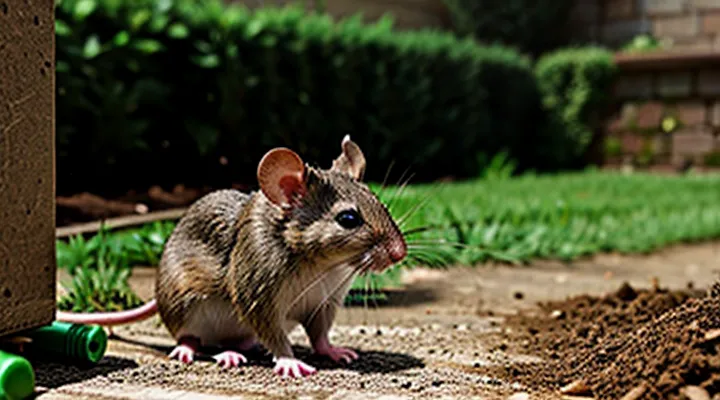
Understanding the Underground Threat
Identifying Mouse Activity
Signs of Presence
Mice leave distinct evidence that indicates their activity beneath garden beds and along root zones.
- Small, crescent‑shaped droppings, typically 2–5 mm long, found near planting rows, compost piles, or under mulched areas.
- Gnaw marks on wooden garden structures, irrigation tubing, and plant stems; fresh cuts display a reddish‑brown edge.
- Burrow entrances, often 1–2 cm in diameter, concealed by soil mounds or hidden beneath leaf litter.
- Tracks in soft soil or sand, showing paired front and hind footprints with a characteristic toe‑to‑heel spacing.
- Chewed seeds, nuts, and tender seedlings, especially those with missing or partially eaten foliage.
- Unexplained damage to stored garden supplies, such as grain, dried herbs, or pet food placed outdoors.
Observing these indicators promptly helps target subterranean control measures before populations expand.
Common Species in Gardens
Garden composition directly affects the presence of mice below the soil surface. Certain plants create dense root systems, abundant seed production, or ground-level cover that can serve as food sources or hideouts for rodents. Understanding which species are most common in residential gardens helps target underground control measures effectively.
- Tomato (Solanum lycopersicum) – vigorous foliage offers shelter; fruit drop provides a seasonal food source.
- Lettuce (Lactuca sativa) – shallow roots create easy burrowing paths; leaves are readily consumed.
- Carrot (Daucus carota) – taproots attract foraging mice; discarded tops add organic debris.
- Strawberry (Fragaria × ananassa) – ground-hugging runners generate dense mats that conceal entry points.
- Raspberry (Rubus idaeus) – thorny canes deter larger predators but create protected tunnels for small rodents.
- Mint (Mentha spp.) – aggressive spread forms thick ground cover, offering both cover and aromatic foliage that mice may gnaw.
- Rosemary (Salvia rosmarinus) – woody stems and low-lying branches limit soil disturbance but provide shelter near the surface.
- Petunia (Petunia × hybrida) – foliage clusters create microhabitats in garden beds.
- Marigold (Tagetes spp.) – dense leaf arrangement can conceal burrow openings.
- Clover (Trifolium repens) – low-growing, dense sod reduces soil exposure while supplying seed material.
- Creeping thyme (Thymus serpyllum) – mat-forming habit produces a compact cover that can mask mouse activity.
Identifying these species enables precise placement of underground traps, barriers, or bait stations, reducing the likelihood that mice will exploit common garden habitats.
Why Mice Are a Problem for Gardens
Damage to Plants and Roots
Mice feeding on seedlings, tender shoots, and fruit cause immediate loss of marketable produce and reduce overall garden yield. Their gnawing creates entry wounds that expose plants to fungal infection and bacterial wilt, accelerating decline. Repeated chewing on stems weakens structural support, making plants prone to lodging and breakage under wind or rain. Root systems suffer when mice tunnel beneath the soil surface, severing fine roots that transport water and nutrients, leading to wilting, stunted growth, and eventual death.
Effective underground control targets the behaviors that produce this damage. By installing deep, rigid barriers around plant rows, gardeners prevent burrowing that disrupts root zones. Chemical or biological rodent repellents applied to the subsoil deter tunneling without harming crops. Trapping devices positioned at known tunnel exits capture individuals before they reach the root zone, limiting further injury. Continuous monitoring of tunnel activity and prompt removal of debris maintain a hostile environment for rodents, preserving plant health and root integrity.
Disease Transmission Risks
Underground rodent control can introduce pathogens into garden soil, increasing exposure for gardeners, pets, and wildlife.
Key diseases associated with mice include:
- Hantavirus, spread through inhalation of aerosolized droppings or urine.
- Salmonella, transmitted by direct contact with contaminated feces.
- Leptospirosis, contracted through skin contact with urine‑laden water or soil.
- Lymphocytic choriomeningitis virus, transferred by handling infected rodents or their secretions.
Transmission occurs when burrowing traps or bait stations disturb nesting material, releasing microscopic particles into the air or embedding them in the soil. Activities such as digging, planting, or harvesting can bring these contaminants into contact with open wounds or mucous membranes. Pets that dig or ingest contaminated material can serve as secondary vectors, extending the risk to human occupants.
Risk reduction measures:
- Wear disposable gloves and a particulate‑filtering mask while installing or checking underground devices.
- Disinfect tools and surfaces with a bleach solution (1 % sodium hypochlorite) after each use.
- Locate traps at least 30 cm below the surface to limit aerosol formation.
- Remove and incinerate droppings and nesting material rather than composting.
- Store bait in sealed containers to prevent accidental ingestion by non‑target species.
Implementing these practices confines rodent control to the subterranean environment while minimizing the potential for disease spread.
Non-Lethal Underground Deterrents
Barrier Methods
Underground Fencing
Underground fencing creates a physical barrier that prevents mice from burrowing into garden beds. The barrier consists of a continuous strip of impervious material installed below the soil surface, forcing rodents to seek alternative routes that lead away from cultivated areas.
Effective fences use galvanized steel mesh, high‑density polyethylene, or concrete slabs. Mesh should have openings no larger than 6 mm, extending at least 30 cm below ground and 15 cm above to block entry points. The material must resist corrosion and remain intact under soil pressure.
Installation steps:
- Excavate a trench 45 cm deep and 20 cm wide along the perimeter of the garden.
- Lay the chosen barrier material, ensuring seams overlap by at least 10 cm and are secured with stainless‑steel staples or concrete mortar.
- Backfill the trench, compacting soil to eliminate gaps.
- Extend the barrier around trees, raised beds, and structures, maintaining continuous coverage.
Regular inspection detects displacement, corrosion, or animal damage. Repair any compromised sections promptly, and clean debris that could create shortcuts. Periodic soil testing verifies that the barrier remains at the intended depth, especially after heavy rains or landscaping work.
When combined with surface traps, habitat reduction, and proper waste management, underground fencing significantly lowers mouse activity, protecting crops and reducing the need for chemical controls.
Burying Hardware Cloth
Burying hardware cloth creates a physical barrier that prevents mice from tunneling beneath plant beds, compost piles, and irrigation lines. The mesh, typically ½‑inch or ¼‑inch galvanized steel, resists corrosion and remains intact for years when buried at the proper depth.
Installation steps:
- Excavate a trench 6–12 inches deep around the perimeter of the area to protect.
- Lay a strip of hardware cloth inside the trench, ensuring the mesh faces outward toward potential entry points.
- Overlap adjacent pieces by at least 2 inches and secure the joints with stainless‑steel staples or wire ties.
- Backfill the trench, compacting soil to eliminate gaps that could allow mice to squeeze through.
- Extend the barrier vertically by folding the bottom edge of the cloth upward 2–3 inches and anchoring it with garden stakes; this deters climbing rodents.
Key considerations:
- Choose a mesh size small enough to block juvenile mice; ¼‑inch openings are optimal for comprehensive protection.
- Maintain a continuous seal around underground utilities; use additional clamps or metal brackets where pipes intersect the barrier.
- Periodically inspect the cloth for rust spots or tears, especially after heavy watering or soil movement.
- Combine the buried barrier with surface traps or natural repellents for layered control.
Cost efficiency stems from the durability of hardware cloth and its reusability across multiple seasons. Properly installed, the underground fence eliminates the need for chemical rodenticides and reduces crop loss caused by burrowing activity.
Repellent Plants
Alliums and Mint
Alliums, including garlic, onions, and chives, emit sulfur‑rich compounds that mice find repellent. Plant bulbs 6–8 inches deep along garden borders and near underground burrow entrances. Space plants 12 inches apart to allow full root development; mature alliums create a dense, aromatic barrier that discourages rodent tunneling. Mulch with straw or shredded bark to retain moisture and prevent mice from exposing the bulbs.
Mint produces menthol and other volatile oils that irritate rodent sensory receptors. Establish mint in raised beds or confined containers to limit its aggressive spread. Position pots at ground level adjacent to vegetable rows and along fence lines. Water mint regularly, keeping soil consistently moist but not waterlogged; excessive dryness reduces oil production and weakens the deterrent effect.
Combining alliums and mint enhances protection. Interplant chives between lettuce and carrots, then place mint pots at the perimeter of the same plot. This layered arrangement creates overlapping scent zones that reduce the likelihood of mice locating food sources below the soil surface.
Maintenance considerations:
- Replace any allium foliage that dies back to maintain chemical output.
- Trim mint weekly to prevent flowering, which lowers menthol concentration.
- Monitor for unintended attraction of insects that may feed on the plants; apply targeted, low‑impact controls if necessary.
When integrated with underground traps or bait stations, these plants provide a non‑chemical front line that lowers mouse activity before rodents encounter more invasive control measures.
Other Natural Repellents
Natural repellents that complement underground control strategies focus on scent, texture, and habitat disruption.
- Crushed garlic or garlic powder, scattered around tunnels, releases a sulfurous odor that mice avoid.
- Ground cayenne pepper or hot paprika, applied thinly to soil surfaces, creates an irritant barrier.
- Dried herbs such as mint, rosemary, thyme, or lavender, placed in mesh bags and buried near entry points, emit volatile oils that deter rodents.
- Citrus peels, especially orange or lemon, broken into small pieces and interspersed in the root zone, produce a sharp acidity mice find unpleasant.
- Coffee grounds, mixed into the topsoil, combine a strong smell with a coarse texture that hampers burrowing.
- Diatomaceous earth, spread lightly over exposed soil, dries the exoskeleton of small mammals, causing discomfort without chemicals.
- Predator scent products, derived from fox or owl urine, mimic natural fear signals and discourage exploration of the garden area.
Each item can be introduced gradually to assess effectiveness and prevent habituation. Combining several repellents increases the likelihood of sustained mouse avoidance while preserving ecological balance.
Scent-Based Deterrents
Peppermint Oil Soaked Cotton Balls
Peppermint oil infused cotton balls offer a non‑chemical deterrent for rodents that frequent garden beds and underground tunnels. The strong menthol scent overwhelms mice’ olfactory receptors, causing them to avoid treated zones.
- Prepare cotton balls of medium size; saturate each with 10‑15 ml of pure peppermint essential oil.
- Place balls at the entrance of burrows, along garden pathways, and near vegetable rows where mice activity is observed.
- Replace or re‑soak the cotton balls weekly, or sooner if the scent fades noticeably.
The method works without harming beneficial insects or soil microbes, making it compatible with organic garden practices. Peppermint oil does not eradicate established colonies; it creates a hostile scent barrier that discourages further infiltration. For best results, combine soaked cotton balls with physical barriers such as mesh or underground traps, and maintain a clean garden environment to reduce food attractants.
Predator Urine Granules
Predator urine granules are a chemical deterrent derived from the urine of natural rodent predators such as foxes, coyotes, and feral cats. The granules contain volatile compounds that mimic the scent marks left by these animals, creating an environment that rodents perceive as occupied by a threat.
When applied to the soil around garden beds, the granules release scent molecules slowly, maintaining a persistent olfactory cue. This discourages mice from tunneling into the root zone and from establishing nests beneath plant rows. The product is typically spread at a rate of 1‑2 kg per 100 m², incorporated lightly into the top 5 cm of soil, and re‑applied after heavy rain or every four weeks during peak activity periods.
Key benefits include:
- Non‑toxic to plants, humans, and most beneficial insects.
- No need for physical traps or poisons, reducing maintenance.
- Compatibility with mulches, compost, and other biological controls.
Potential drawbacks:
- Effectiveness diminishes as the scent degrades; regular re‑application is required.
- Some rodent populations may habituate after prolonged exposure, necessitating rotation with alternative deterrents.
- Strong odor may be noticeable to nearby residents, requiring discreet placement.
Safety considerations demand that granules be stored in sealed containers, kept out of reach of pets, and applied using gloves to avoid direct skin contact. Integration with complementary underground methods—such as deep‑buried wire mesh barriers and habitat modification—enhances overall control by combining scent repulsion with physical exclusion.
Lethal Underground Elimination Methods
Trapping Strategies
Mole-Type Traps
Mole-type traps mimic the natural burrowing behavior of rodents, offering a direct method for underground pest control. The devices consist of a cylindrical cage with a trigger mechanism that activates when a mouse pushes through the tunnel entrance. Once triggered, a weighted plate drops, sealing the animal inside the cage.
Key design features that enhance effectiveness:
- Sensitive trigger – calibrated to respond to the light pressure of a mouse, reducing accidental activation by larger animals.
- Smooth interior walls – prevent the mouse from escaping after capture.
- Burial depth – installed 6–8 inches below the soil surface, aligning with typical mouse tunnel levels.
- Durable construction – corrosion‑resistant materials sustain performance in moist garden environments.
Installation steps:
- Locate active mouse tunnels by observing fresh soil mounds and chew marks.
- Dig a shallow trench following the tunnel direction, maintaining the recommended depth.
- Place the trap with the entrance aligned to the tunnel opening, then backfill and tamp soil to conceal the device.
- Check the trap daily; remove captured rodents and reset the mechanism promptly.
Maintenance considerations include regular inspection for debris blockage, periodic cleaning of the interior to eliminate odor buildup, and replacement of the trigger spring after extensive use. Properly deployed mole-type traps provide a reliable, non‑chemical solution that integrates seamlessly with other subterranean control measures.
Burying Snap Traps
Burying snap traps provides a direct, low‑maintenance solution for underground mouse control in garden beds and borders. The method positions the lethal mechanism beneath the soil surface, targeting the rodents where they burrow and travel.
Placement guidelines:
- Select a snap trap with a sturdy, rust‑resistant spring.
- Dig a shallow trench (5–8 cm deep) along known runways or near vegetable roots.
- Position the trap with the trigger plate facing upward and the bait compartment exposed.
- Cover the trap with loose soil, leaving a thin layer (1–2 cm) uncovered to allow scent diffusion.
- Space traps 1–2 m apart in high‑activity zones; adjust spacing based on observed activity.
Bait recommendations:
- Use high‑protein items such as peanut butter, dried fruit, or cooked meat.
- Apply a pea‑sized amount directly on the trigger plate to ensure immediate contact.
Maintenance protocol:
- Check traps daily; replace dead rodents and reset the mechanism.
- Re‑bury any displaced traps after each check to maintain concealment.
- Rotate trap locations every two weeks to prevent mouse habituation.
Safety considerations:
- Wear gloves when handling traps to avoid accidental activation.
- Keep traps out of reach of children and non‑target wildlife by marking the area with discreet signs.
By integrating buried snap traps into a garden’s pest‑management plan, gardeners achieve targeted removal of mice with minimal disturbance to plants and soil structure.
Bait Selection for Underground Traps
Choosing the right bait determines the success of underground traps for garden mice. Effective bait must attract mice quickly, remain stable in moist soil, and pose no risk to non‑target wildlife or humans.
Key criteria include:
- High protein or fat content to stimulate immediate feeding.
- Low moisture loss to prevent rapid drying or mold.
- Minimal scent dispersion to keep the lure localized around the trap.
- Compatibility with trap design, ensuring the bait does not block the trigger mechanism.
Proven bait options:
- Peanut butter mixed with oats – strong odor, adheres to trap surfaces.
- Sunflower seeds – natural mouse favorite, resistant to spoilage.
- Dried meat flakes – concentrated protein, compact size.
- Soft cheese cubes – potent scent, easy to place in small chambers.
- Commercial rodent attractant gels – formulated for underground use, long‑lasting.
Preparation steps:
- Portion bait into ½‑inch pieces to fit trap chambers.
- Coat solid pieces lightly with a non‑toxic adhesive (e.g., petroleum jelly) to reduce scattering.
- Insert bait directly onto the trigger plate, ensuring it contacts the mouse’s nose when the trap is sprung.
Placement guidelines:
- Position traps 12–18 inches deep, near known mouse pathways.
- Space traps 5–10 feet apart to cover the entire garden perimeter.
- Cover trap openings with a thin layer of soil to conceal them from predators while allowing mouse access.
Monitoring protocol:
- Check traps daily; replace bait that appears dried or contaminated.
- Rotate bait types every 3–4 days to prevent habituation.
- Record capture data to identify high‑activity zones and adjust trap density accordingly.
Baits and Poisons
Rodenticide Granules
Rodenticide granules are a chemical control option designed for subterranean placement where mice travel underground. The granules contain anticoagulant or bromethalin active ingredients that disrupt the rodents’ physiology after ingestion. Because the product is formulated as a granular matrix, it can be scattered directly into burrow entrances, tunnels, or along the perimeter of garden beds without surface visibility.
Application guidelines:
- Distribute granules at a rate of 0.5 kg per 100 m², adjusting for soil type and mouse density.
- Target active burrow openings identified by fresh soil mounds or visible tunnels.
- Incorporate granules into the top 5–10 cm of soil using a hand cultivator or a narrow spade.
- Re‑apply after rainfall or irrigation that may leach the product from the soil.
Safety considerations:
- Wear gloves and a dust mask during handling to prevent dermal and inhalation exposure.
- Keep the product away from edible plants, children, and non‑target wildlife.
- Store in a locked, dry container labeled with the active ingredient and hazard statements.
Advantages:
- Direct delivery to the mouse’s feeding zone reduces the chance of bait avoidance.
- Long‑lasting residual effect, typically 30–45 days, maintains pressure on the population.
- Minimal surface disturbance preserves garden aesthetics and plant health.
Limitations:
- Chemical resistance can develop in mouse populations exposed to repeated treatments.
- Non‑target poisoning risk requires strict adherence to placement guidelines.
- Effectiveness declines in highly acidic or alkaline soils that degrade the active ingredient.
Integrating rodenticide granules with other underground tactics—such as mechanical tunnel collapse, habitat modification, and biological control—creates a layered approach that improves overall success rates while limiting reliance on any single method.
Bait Stations for Underground Use
Bait stations designed for subsurface deployment provide a controlled delivery system that targets mice while protecting non‑target organisms. The units consist of a sealed housing, a tamper‑proof latch, and a removable tray that holds anticoagulant or non‑anticoagulant bait. The housing is constructed from UV‑stabilized polyethylene, ensuring durability against soil moisture and temperature fluctuations.
Proper installation maximizes efficacy. Follow these steps:
- Select a location 1–2 m from known mouse activity, avoiding direct contact with vegetable roots or irrigation lines.
- Dig a shallow pit (10–15 cm deep) and place the station at ground level, then backfill to conceal the unit while leaving the access panel exposed.
- Load the tray with 2–3 g of bait, ensuring even distribution to prevent clustering.
- Secure the latch, record the station’s GPS coordinates, and note the installation date for future inspections.
Safety considerations include:
- Using bait formulations approved for underground use, with concentrations that meet regulatory limits.
- Positioning stations at least 30 cm below the surface to deter pets and wildlife.
- Wearing disposable gloves during loading and checking for contamination.
Maintenance requires weekly checks: open the latch, assess bait consumption, replace depleted trays, and record observations. Replace the entire unit annually or after significant soil disturbance. By adhering to these protocols, bait stations become a reliable component of an integrated underground strategy for mouse control in garden environments.
Safety Precautions for Baits
When using rodent baits underground, strict safety measures protect humans, non‑target animals, and the environment.
Apply baits only in sealed, pre‑drilled cavities that are inaccessible to children, pets, and wildlife. Cover each cavity with a tamper‑resistant lid or a layer of soil compacted to prevent accidental exposure.
Wear disposable gloves and a mask during bait handling to avoid skin contact and inhalation of dust. Dispose of gloves and any contaminated material in a sealed container before discarding.
Select baits formulated for underground use with low secondary toxicity. Verify the active ingredient concentration and follow the manufacturer’s dosage guidelines; excessive amounts increase risk without improving efficacy.
Label every bait station with a clear warning that includes the product name, active ingredient, and hazard symbols. Store remaining bait in a locked, temperature‑controlled cabinet, away from food, feed, and water sources.
Monitor bait stations regularly. Replace depleted baits promptly, but remove and destroy any that show signs of damage, moisture intrusion, or unauthorized tampering.
When removal is complete, decontaminate the area with a mild detergent solution and rinse thoroughly. Collect all spent baits and packaging for disposal according to local hazardous waste regulations.
Document each step—placement coordinates, bait type, quantity, and inspection dates—to maintain a traceable safety record and facilitate compliance audits.
Preventing Future Infestations
Garden Maintenance Practices
Removing Debris and Hiding Spots
Removing organic debris, mulch piles, and loose stones eliminates the shelters that mice use to navigate underground tunnels. When these cover materials are cleared, the soil surface becomes hostile to burrowing activity, forcing rodents to seek less protected areas where they are more vulnerable to traps and natural predators.
Key actions for debris removal:
- Gather and dispose of fallen leaves, rotting fruit, and excess compost that accumulate near garden borders.
- Rake or till compacted soil to break up hidden cavities and expose any existing tunnels.
- Trim low‑lying vegetation, such as grass clippings and weed stems, that can conceal entry points.
- Store garden waste in sealed containers away from the planting zone to prevent re‑infestation.
Regular inspection and maintenance sustain an open, debris‑free environment. By consistently eliminating hiding spots, gardeners reduce the attractiveness of the garden’s subsurface for mice, thereby enhancing the effectiveness of any underground control measures.
Proper Composting Techniques
Proper composting reduces the likelihood that mice will seek shelter and food beneath garden beds. When a compost pile is managed correctly, it creates an environment that is hostile to rodent habitation while supporting beneficial soil organisms.
- Choose a site at least two meters from vegetable rows and structures. Install a fine‑mesh barrier (1 mm or smaller) around the perimeter to prevent entry.
- Maintain a carbon‑to‑nitrogen ratio of roughly 30:1 by mixing dry leaves, straw, or shredded newspaper with kitchen scraps. Excess nitrogen encourages rapid decay and higher temperatures that deter rodents.
- Keep moisture at a damp‑sponge level; water the pile only enough to sustain microbial activity. Overly wet material attracts mice seeking a moist refuge.
- Turn the compost every two weeks. Regular agitation breaks up compacted zones, eliminates nesting pockets, and distributes heat evenly.
- Cover fresh food waste with a layer of brown material before adding it to the pile. This hides scent and reduces visual cues that draw mice.
Each practice limits the resources mice require for survival. Barriers block physical access, proper ratios and moisture control prevent the soft, fragrant conditions mice prefer, and frequent turning eliminates stable nesting spots. Covering waste conceals attractants, further discouraging intrusion.
Inspect the compost monthly for signs of gnawing or burrows. If activity is detected, reinforce barriers, reduce the amount of readily accessible food, and consider adding a layer of coarse sand or grit to the surface. Continuous monitoring ensures the compost remains a productive, mouse‑free component of garden management.
Securing Food Sources
Protecting Fruit and Vegetable Beds
Mice damage fruit and vegetable beds by gnawing roots, stealing produce, and contaminating soil. Effective underground control reduces these risks without harming crops.
- Install a low‑profile, galvanized steel mesh (¼‑inch openings) around the perimeter of each bed, burying it 12 inches deep. The barrier prevents burrowing while allowing water and air flow.
- Apply a layer of coarse sand or fine gravel at the base of the bed. Mice avoid compact, abrasive substrates, and the material improves drainage.
- Use biodegradable bait stations placed 6–8 inches below the soil surface. Fill with a rodent‑specific anticoagulant approved for garden use; position stations away from edible plants to minimize accidental exposure.
- Deploy ultrasonic emitters underground, spaced 5 feet apart. Devices generate frequencies that deter rodents without affecting beneficial insects.
- Rotate crops annually, moving high‑value vegetables to a different location each season. Rotation disrupts established tunnel networks and forces mice to relocate.
Maintain the barriers by inspecting for gaps after heavy rain or soil settlement. Replace damaged mesh promptly. Remove weeds and debris that provide cover for mice, and keep compost bins sealed. Regularly monitor bait stations and ultrasonic units to ensure continuous operation.
Combining physical exclusion, habitat modification, and targeted underground deterrents creates a robust defense for fruit and vegetable beds, minimizing mouse intrusion while preserving garden productivity.
Storing Pet Food Safely
Storing pet food in a way that does not attract rodents is a critical component of any garden rodent‑control plan. Food left in open containers provides a reliable scent source, encouraging mice to tunnel beneath planting beds and seek shelter. Proper storage eliminates this attraction, reducing the need for underground traps or barriers.
Use airtight, heavy‑duty containers made of metal or thick plastic. Ensure lids seal with a rubber gasket to prevent odor leakage. Keep containers elevated on a concrete or stone platform at least 12 inches off the ground; this prevents mice from gnawing through the base.
Locate storage away from garden edges and compost piles. A distance of at least 10 feet creates a buffer zone that discourages mice from traveling between food sources and root zones. If space is limited, install a shallow, sealed pit with a removable lid; cover the pit with a tight‑fitting metal sheet that can be lifted for access.
Maintain cleanliness around the storage area. Sweep up spilled kibble daily, and dispose of waste in sealed bags placed in a locked trash container. Regularly inspect containers for cracks or worn seals and replace them promptly.
By implementing these measures, pet owners remove a primary lure for mice, allowing underground deterrent methods—such as buried mesh barriers or deep‑placed bait stations—to operate more effectively without competition from readily available food sources.
Monitoring and Early Detection
Regular Garden Inspections
Regular garden inspections are a cornerstone of any underground rodent‑control program. By systematically surveying the soil and plant beds, gardeners can detect early signs of mouse activity before populations expand.
Key inspection actions include:
- Examine soil surface for fresh burrow openings, shredded plant material, and droppings.
- Probe suspected tunnels with a thin rod or garden fork to confirm activity and gauge depth.
- Inspect mulch layers, compost piles, and low‑lying vegetation for nesting material.
- Verify the condition and placement of underground bait stations, ensuring they remain functional and concealed.
- Record findings on a simple log, noting location, date, and observed evidence.
Inspections should occur at least once a week during peak activity periods and bi‑weekly when mouse pressure is low. Consistent documentation enables pattern recognition, allowing targeted interventions such as sealing specific entry points or adjusting bait distribution.
Integrating regular checks with other subterranean tactics—such as barrier installation, natural predators, and strategic baiting—creates a layered defense that reduces mouse presence while preserving garden health.
Setting up Monitoring Stations
Establishing monitoring stations is a prerequisite for any underground rodent control program. Sensors placed at strategic points reveal activity patterns, identify high‑traffic tunnels, and verify the effectiveness of bait or trap deployment.
- Select locations where surface signs (burrows, gnaw marks, droppings) converge. Space stations 10–15 m apart to cover the entire garden area without overlap.
- Use durable, weather‑proof devices such as infrared motion detectors, vibration pads, or low‑power cameras. Connect each unit to a solar panel or long‑life battery to ensure continuous operation.
- Mount sensors at a depth of 15–30 cm, directly above suspected tunnels, and orient them toward the anticipated direction of mouse movement.
- Route cable or wireless transmitters to a central data logger placed in a secure, elevated spot. Enable real‑time alerts via SMS or email for immediate response.
After installation, calibrate each station by recording baseline readings for 48 hours. Compare subsequent data against this baseline to detect increases in traffic that indicate population growth or movement toward new garden sections. Log timestamps, temperature, and humidity, as these factors influence rodent activity.
Regular maintenance includes clearing debris from sensor lenses, checking battery levels, and adjusting placement after seasonal soil shifts. Replace malfunctioning units promptly to prevent gaps in coverage. Periodic review of collected data guides the timing and placement of underground bait stations, ensuring resources are directed where mice are most active.