
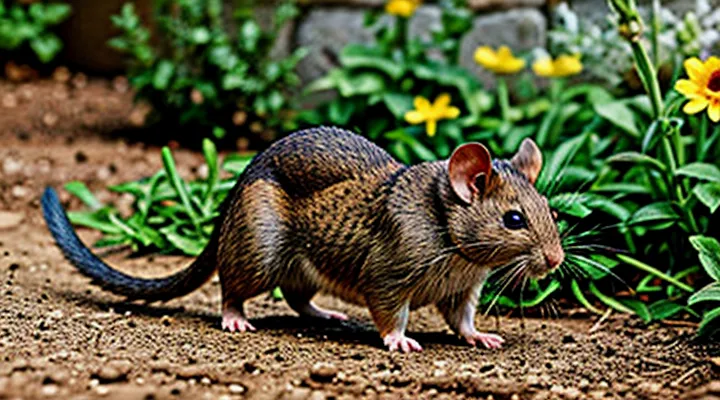
Identifying Ground Rat Presence
Visual Cues
Visual cues serve as immediate signals that influence rodent behavior, allowing gardeners to reinforce traditional deterrents without chemical intervention. By altering the visual environment, rats encounter unfamiliar patterns that trigger avoidance instincts, increasing the effectiveness of folk remedies.
- Brightly colored ribbons or fabric strips placed around planting beds create contrast that rats typically avoid.
- Shimmering foil strips or small mirrors positioned near root zones reflect light, producing disorienting flashes.
- Motion‑activated LED lights flash intermittently when movement is detected, interrupting nocturnal foraging.
- Painted stones or clay pots in vivid hues act as visual barriers, discouraging entry into vulnerable areas.
Integrating these cues with customary practices enhances results. For example, hang garlic cloves in translucent, colored pouches to combine scent and conspicuousness; scatter crushed cayenne in shallow, painted dishes that stand out against the soil; arrange dried mint bundles inside reflective containers to amplify both odor and visual impact.
Regular observation determines cue efficacy. Record rat activity before and after installation, adjust color intensity or placement as needed, and replace deteriorated visual elements to maintain consistent deterrence. Continuous refinement ensures that the visual strategy remains aligned with the overall goal of removing garden rats through time‑tested, non‑synthetic methods.
Damage to Plants and Property
Ground rats inflict direct injury to foliage, stems, and root systems. They gnaw seedlings, strip bark, and consume seeds, leading to stunted growth, reduced yields, and plant death. Their burrowing disrupts soil structure, causing uneven moisture distribution and weakening plant anchorage.
- Chewed leaves and shoots
- Severed stems and broken branches
- Ate or hoarded seeds and tubers
- Root disturbance from tunnels
- Soil compaction around burrows
Beyond vegetation, the rodents compromise garden infrastructure. Burrows undermine pathways, patio slabs, and irrigation lines, resulting in cracks, leaks, and costly repairs. Their nesting material—dry vegetation, mulch, and debris—accumulates in tool sheds and storage boxes, fostering mold and attracting secondary pests. Damage to fences and trellises occurs when animals use them as escape routes, creating gaps that permit further entry.
Why Choose Folk Remedies?
Safety for Pets and Children
When applying traditional rodent‑control methods in a garden, the well‑being of pets and children must be a primary consideration. Many folk remedies contain substances that can cause irritation or toxicity if ingested or contacted directly.
- Use garlic or onion extracts only in low concentrations; place them in sealed sachets or buried shallowly to limit access.
- Peppermint oil deters rodents but can be harmful to small animals when applied undiluted. Dilute with carrier oil (e.g., coconut) at a ratio of at least 1:10 and spray only on ground cover out of reach of pets and children.
- Hot‑pepper sprays should be applied to perimeter fences or mulch, not directly onto foliage where pets may graze. Allow the mixture to dry completely before allowing any contact.
- Diatomaceous earth is effective when spread thinly on pathways. Choose food‑grade material, keep it dry, and wear gloves during application to avoid inhalation. Sweep excess away from pet‑frequent zones.
- Plant deterrents such as rue, marigold, or lavender can be interspersed among vegetables. Ensure these plants are not toxic to the specific species of pets present.
General precautions:
- Store all prepared remedies in sealed containers, out of reach of children and animals.
- Label each container with ingredients, concentration, and date of preparation.
- Conduct a small‑area test before full‑scale application to observe any adverse reactions in pets or children.
- Monitor the garden after treatment; remove any residue that accumulates on low‑lying leaves or soil surface.
- Keep children supervised while they play in treated areas, especially during the first 24 hours after application.
By adhering to these guidelines, folk rodent‑control practices can be employed without compromising the safety of vulnerable garden users.
Environmentally Friendly Approach
Effective control of garden rats can be achieved through natural, low‑impact methods that avoid chemical residues. Traditional remedies rely on substances that repel rodents, disturb their scent trails, or create inhospitable conditions without harming beneficial organisms.
- Garlic‑infused water sprayed on planting beds creates an odor rodents avoid.
- Crushed peppercorns mixed with sand placed around burrow entrances deter entry.
- Dried mint leaves scattered near vegetable rows act as a scent barrier.
- Homemade oil blends (eucalyptus, peppermint, and neem) applied to soil surfaces interfere with rat pheromone communication.
Preparation requires simple steps: combine the chosen ingredient with water or carrier oil in a clean container, allow the mixture to steep for 15 minutes, then strain and transfer to a spray bottle. Apply evenly to soil, mulch, and perimeter plants during early morning or late afternoon to maximize absorption and minimize evaporation.
After treatment, inspect the garden weekly. Record any new burrow activity, adjust placement of deterrents, and reapply sprays after heavy rain. Consistent use of these folk remedies maintains a hostile environment for rats while preserving soil health and pollinator safety.
Preparing Your Garden for Treatment
Removing Food Sources
Eliminating food availability is the first line of defense against garden-dwelling rodents when employing traditional control methods.
Common attractants include ripening fruit, fallen seeds, uncovered compost, pet feed left outdoors, and spilled grains. Each source provides a reliable energy supply that encourages burrowing activity.
Practical measures:
- Harvest fruit and vegetables as soon as they reach maturity; discard any bruised or overripe produce.
- Collect fallen seeds and nuts daily; store them in airtight containers.
- Use sealed compost bins; avoid adding meat scraps or oily waste.
- Relocate bird feeders away from the garden floor; clean trays regularly.
- Keep pet food in metal or plastic containers with tight lids; feed pets indoors when possible.
- Sweep garden paths after rain to remove organic debris that may accumulate.
Supplementary folk tactics reinforce the removal strategy. Sprinkling powdered hot pepper or crushed garlic around planting rows creates an unpleasant scent for rodents. Planting aromatic herbs such as mint, rosemary, or wormwood around the perimeter adds a natural repellent barrier. Regularly inspecting and clearing mulch or leaf litter prevents hidden caches of food.
By systematically denying rodents access to sustenance, the population pressure declines, making subsequent folk deterrents more effective and reducing damage to cultivated plants.
Sealing Potential Entry Points
Sealing potential entry points is a critical step in preventing ground rats from colonizing a garden. Identify all openings that connect the soil to the surface: cracks in garden walls, gaps beneath raised beds, holes around irrigation pipes, and spaces beneath fence posts. Close each opening with materials that deter burrowing while remaining environmentally friendly.
- Apply a mixture of clay and sand to fill small cracks; the dense texture resists gnawing.
- Use shredded straw or dried reed bundles to pack larger gaps; rodents find the fibrous mass difficult to penetrate.
- Coat the exterior of foundations and raised beds with a thin layer of lime; the alkaline surface discourages chewing.
- Install copper mesh (1‑mm gauge) around pipe penetrations; copper’s taste repels rodents and the mesh prevents re‑entry.
- Cover the base of wooden fences with a slurry of boiled potato water and flour; the sticky coating blocks burrows and decomposes harmlessly.
After sealing, inspect the garden weekly for new openings caused by weather or animal activity. Prompt repair maintains the barrier’s integrity and reduces reliance on chemical controls. Consistent application of these folk‑based sealing techniques creates a hostile environment for ground rats, safeguarding crops and soil health.
Effective Folk Remedies for Ground Rat Control
Effective folk remedies provide a practical means of reducing ground rat populations in cultivated areas without resorting to synthetic chemicals. Traditional preparations rely on strong odors, irritants, and natural predators to disrupt rodent activity and deter settlement.
- Predator urine (fox, coyote) applied on the soil surface creates a scent that rodents avoid.
- Cayenne pepper or hot chili powder scattered around planting beds acts as a respiratory irritant.
- Crushed garlic cloves or garlic oil placed in burrow entrances interferes with the rats’ sense of smell.
- Castor oil mixed with water and sprayed on foliage produces a bitter coating that discourages chewing and foraging.
- Peppermint or spearmint essential oil diluted in water and applied to garden borders repels rodents through a strong aromatic cue.
- Food‑grade diatomaceous earth sprinkled along pathways scratches the rodents’ footpads, causing discomfort and reducing movement.
Application guidelines: distribute powders or liquids evenly along known runways, near burrow openings, and around the perimeter of the garden. Reapply after heavy rain or irrigation, typically every 7–10 days during peak activity periods. Use protective gloves when handling concentrated substances to avoid skin irritation.
Combining these remedies with habitat management—removing debris, trimming low vegetation, and securing compost—enhances effectiveness. Regular monitoring of activity signs (droppings, gnaw marks) allows timely adjustment of treatment intensity, ensuring sustained control of ground rat presence.
Herbal Repellents
Peppermint Oil and Other Strong Scents
Peppermint oil deters ground rats by overwhelming their olfactory receptors. Apply a solution of 10 ml peppermint essential oil mixed with 1 liter water; spray along burrow entrances, planting rows, and perimeter fences. Reapply after heavy rain or every 7 days during peak activity.
Other strong scents with proven repellent properties include:
- Clove oil: 5 ml per liter of water, applied to root zones.
- Eucalyptus oil: 8 ml per liter, misted at dusk.
- Citronella oil: 12 ml per liter, spread on mulch surfaces.
For each oil, use a non‑ionic surfactant (e.g., a few drops of mild dish soap) to improve adhesion to soil and plant foliage. Avoid direct contact with edible parts of crops; treat only surrounding soil and structural elements.
Effectiveness peaks when scents are combined with habitat modification. Remove dense ground cover, keep grass trimmed, and install physical barriers such as hardware cloth beneath raised beds. The aromatic barrier disrupts the rats’ navigation, reducing burrow establishment.
Safety considerations: dilute oils to prevent phytotoxicity; test a small area before full application. Wear gloves and eye protection when handling concentrated essential oils. Store solutions in airtight containers away from sunlight to preserve potency.
Monitoring: place motion‑activated cameras or track plates near treated zones. A decline in activity within 2–3 weeks indicates successful repulsion; if activity persists, increase spray frequency or rotate scents to prevent habituation.
Growing Repellent Plants
Planting species that deter ground rats offers a practical, low‑cost component of garden pest management. These plants release volatile compounds that rodents find unpleasant, reducing the likelihood of burrowing and feeding activity near cultivated beds.
Key repellent species include:
- Mint (Mentha spp.) – vigorous spread, prefers moist, partially shaded soil; contain menthol, a strong olfactory deterrent.
- Garlic (Allium sativum) – plant cloves in early spring; releases sulfur compounds that irritate rodent sensory receptors.
- Marigold (Tagetes spp.) – bright flowers thrive in full sun; produce thiophenes that repel a range of pests, including rats.
- Lavender (Lavandula angustifolia) – tolerates dry, well‑drained soil; aromatic oils discourage gnawing.
- Rosemary (Rosmarinus officinalis) – evergreen shrub, suitable for borders; needle‑like foliage emits camphor.
- Tansy (Tanacetum vulgare) – hardy perennial, prefers sunny locations; bitter sesquiterpene lactones act as a feeding deterrent.
- Wormwood (Artemisia absinthium) – thrives in poor, alkaline soils; bitter compounds repel rodents and insects alike.
Effective cultivation requires strategic placement. Position repellent plants along garden edges, pathways, and directly adjacent to vulnerable crops. Maintain dense foliage to maximize volatile emission; regular pruning prevents overgrowth that could shelter rodents. Soil preparation should match each species’ preferences, avoiding excess nitrogen that encourages overly lush growth and may attract other pests.
Integrating these plants with additional folk practices—such as scattering dried herbs, applying crushed garlic to soil, or using aromatic oil sprays—enhances overall deterrence. Consistent monitoring and timely replanting ensure the repellent barrier remains active throughout the growing season, limiting ground rat presence without chemical intervention.
Physical Barriers and Traps
DIY Exclusion Methods
Effective exclusion of ground rats from a garden relies on physical barriers, habitat modification, and strategic placement of deterrents. Each method can be implemented with common household tools and natural materials, ensuring a sustainable approach without chemical intervention.
- Install a buried fence: drive ½‑inch hardware cloth around the garden perimeter, submerge the lower edge 6–12 inches deep, and overlap sections by 2 inches. Secure joints with galvanized staples to prevent burrowing.
- Seal entry points: plug cracks in raised beds, under sheds, and around irrigation pipes using expanding foam or tightly packed sand. Replace damaged garden edging with solid wood or stone.
- Create a mulch moat: spread a 4‑inch layer of coarse pine bark around vulnerable beds, then add a 2‑inch ring of sharp-edged stones. The texture discourages gnawing and digging.
- Deploy scent barriers: place sachets of dried peppermint, cloves, or crushed garlic at intervals of 2 feet along the fence line. Refresh monthly to maintain potency.
- Construct a raised platform: elevate seed trays 12 inches above ground on wooden legs, covering the underside with fine mesh to block access from below.
Regular inspection reinforces effectiveness. Check fences for gaps after heavy rain, replace worn mesh annually, and rotate scent sachets to prevent habituation. Consistent upkeep eliminates re‑infestation and preserves garden productivity.
Humane Live Traps
Humane live traps provide a non‑lethal option for removing ground rats from a garden while preserving the ecological balance valued by traditional pest‑control practices.
The traps consist of a sturdy cage with a trigger mechanism that closes the door when the animal steps on a pressure plate. Construction materials such as wood, metal mesh, or sturdy plastic ensure durability against gnawing.
Effective deployment follows a systematic approach:
- Location – Place traps along established runways, near burrow entrances, or beside vegetable rows where activity signs (droppings, gnawed stems) are evident. Position them low to the ground, no more than a few centimeters above soil level, to match the rodent’s height.
- Bait selection – Use natural attractants favored by ground rats, such as sunflower seeds, peanut butter mixed with oats, or a small piece of fresh fruit. Apply a thin layer to the trigger plate to encourage contact without contaminating the surrounding soil.
- Setting the trigger – Adjust the sensitivity so that a weight of approximately 30–50 g activates the door. Test the mechanism before placement to prevent premature closure or failure.
- Monitoring – Inspect traps at least twice daily. Immediate removal of captured animals reduces stress and prevents escape. Record capture times to identify peak activity periods.
- Release protocol – Transfer the live rat to a suitable release site at least 500 m from the garden, preferably in a wooded area with adequate cover and natural food sources. Open the trap gently, allowing the animal to exit on its own.
Integrating live traps with folk remedies enhances overall effectiveness. While traps remove individual rodents, traditional deterrents—such as planting strong‑scented herbs (e.g., mint, rosemary) or scattering dried garlic cloves—disrupt the scent trails that guide rats back to the garden. Rotating trap locations weekly prevents habituation, ensuring that the population remains unsettled.
Maintenance includes cleaning cages with mild soap and water after each use, inspecting hinges for rust, and replacing worn bait plates. Properly managed, humane live traps become a reliable component of a garden‑friendly strategy to curb ground rat infestations without resorting to lethal measures.
Natural Deterrents
Castor Oil Applications
Castor oil, a viscous vegetable oil derived from Ricinus communis seeds, functions as a potent repellent against ground rats when applied correctly in garden settings. Its strong odor and irritant properties discourage rodents from entering treated zones, while the oil’s low toxicity to plants and humans permits safe use in vegetable patches and ornamental beds.
Application methods include:
- Soil drench: Mix one part castor oil with three parts water and a few drops of liquid soap to emulsify. Pour the solution along the perimeter of planting rows and around known burrow entrances. Reapply after heavy rain or every two weeks during peak activity periods.
- Barrier coating: Soak cotton or burlap strips in undiluted castor oil, then lay them around tree trunks, trellis bases, and fence posts. Replace strips monthly to maintain potency.
- Seed treatment: Coat seed pellets with a thin layer of castor oil before sowing. The coating masks seed scent and creates a hostile micro‑environment for foraging rats.
Safety considerations demand protective gloves during preparation, avoidance of direct skin contact, and storage in a sealed container away from children and pets. Do not apply excessive quantities; a thin film suffices to create an effective deterrent without smothering soil aeration.
Combining castor oil with other traditional repellents—such as dried wormwood, garlic infusion, or crushed peppercorns—enhances overall efficacy. Rotate the primary repellent every four weeks to prevent habituation, ensuring that ground rats remain unsettled and the garden remains productive.
predator Urine or Hair
Predator urine and hair serve as natural deterrents for ground rats in garden environments. The scent of a carnivore signals danger, prompting rodents to avoid treated areas.
Urine application:
- Obtain fresh urine from a live or recently deceased predator such as a fox, weasel, or ferret. Commercially available predator urine products provide a standardized alternative.
- Dilute the liquid with water at a ratio of 1:4 to prevent excessive odor that could affect plants or humans.
- Soak cotton pads or small porous bags in the solution and place them along burrow entrances, pathways, and the perimeter of the garden.
- Replace soaked materials every 5‑7 days, or after heavy rain, to maintain potency.
Hair usage:
- Collect hair from a predator’s coat, ensuring it is free of parasites and debris.
- Distribute bundles of hair in shallow depressions near known rat activity zones. The static presence of the hair continues to emit a low-level scent.
- Refresh hair supplies monthly, or when the odor diminishes.
Safety considerations:
- Store urine and hair in sealed containers away from children and pets.
- Test a small garden patch for phytotoxic reactions before full deployment.
- Combine with habitat modification—remove debris, trim vegetation, and secure food sources—to enhance effectiveness.
Limitations:
- Effect diminishes over time; regular reapplication is required.
- Highly scented environments (e.g., strong fertilizers) may mask predator cues, reducing impact.
When used consistently and in conjunction with good garden hygiene, predator urine and hair can significantly reduce ground rat presence without resorting to chemical poisons.
Maintenance and Prevention
Regular Garden Inspections
Regular garden inspections form the backbone of any traditional strategy for managing ground rat populations. By systematically surveying the garden, you can identify early signs of activity, locate burrow entrances, and detect food sources that attract rodents.
A practical inspection routine includes:
- Walking the perimeter and interior paths each morning and evening to spot fresh droppings, gnaw marks, or disturbed soil.
- Examining mulch, compost piles, and leaf litter for hidden tunnels; lift a small section of material to verify the presence of burrows.
- Checking the base of vegetable and fruit plants for chewed stems, wilted leaves, or gnawed roots, which indicate feeding activity.
- Inspecting water features, bird feeders, and stored produce for spillage or crumbs that provide easy sustenance.
- Recording observations in a simple log: date, location, evidence type, and any immediate corrective action taken.
Consistent documentation enables pattern recognition. If inspections reveal recurring hotspots, targeted folk remedies—such as planting strong-smelling herbs (mint, rosemary) around vulnerable areas or applying natural deterrents like crushed garlic and hot pepper flakes—can be deployed precisely where they are needed.
Finally, integrate inspection findings into a broader garden maintenance plan. Remove excess debris, keep grass trimmed, and rotate crops regularly to disrupt the rodents’ habitat. The disciplined observation schedule ensures that folk-based controls remain effective and that infestations are addressed before they become severe.
Continuous Application of Repellents
Continuous use of natural repellents is essential for keeping ground rats out of a garden. Repellents lose potency as weather, soil microbes, and rodent activity degrade their active compounds; regular re‑application maintains a hostile environment that discourages settlement.
- Garlic paste: crush several cloves, mix with water, spray on plant bases and garden borders. Reapply every 3–4 days, or after heavy rain.
- Hot pepper solution: blend hot chilies, dilute with water, spray foliage and mulch. Renew weekly, increasing frequency during warm periods.
- Peppermint oil: dilute 1 ml oil in 1 L water, mist around burrow entrances and garden edges. Reapply after each irrigation or rainfall event.
- Strong vinegar spray: mix equal parts white vinegar and water, apply to pathways and low‑lying plants. Reapply bi‑weekly, or after any soil disturbance.
Monitoring rodent activity guides the schedule. Observe fresh droppings, gnaw marks, or burrow expansion; increase application frequency if signs reappear. Rotate two or more repellents to prevent rodents from habituating to a single scent.
Consistent execution creates a layered barrier that repels ground rats without chemicals. When each repellent is refreshed according to weather conditions and observed activity, the garden remains unattractive to rodents and productive for cultivated plants.
When to Seek Professional Help
Persistent Infestations
Persistent ground‑rat infestations develop when a small initial population finds shelter, food, and water, then reproduces unchecked. The result is a stable colony that resists single‑action measures and quickly rebounds after a brief disturbance.
Traditional garden remedies remain effective against such entrenched colonies because they target multiple aspects of rat ecology without creating chemical resistance. Natural deterrents degrade slowly, maintaining pressure on the pest population over weeks rather than days, which disrupts breeding cycles and reduces recolonization.
- Capsaicin paste: Mix hot pepper powder with water and a little oil. Apply a thin layer around burrow entrances and along fence lines. Capsaicin irritates mucous membranes, causing rats to avoid treated zones.
- Garlic‑onion slurry: Blend equal parts crushed garlic and onion with vinegar. Soak cotton balls in the mixture and place them in tunnels. Strong odor masks food scents and repels rodents.
- Mint oil spray: Dilute peppermint essential oil (1 % solution) in water. Spray daily on plant stems and ground cover. Mint interferes with rats’ scent trails, discouraging movement.
- Ash barrier: Spread a shallow line of wood ash around garden beds. Ash dries fur and desiccates scent markers, making the area less attractive for nesting.
Implement the following protocol to break a chronic infestation:
- Identify all active burrows and feeding stations.
- Apply the chosen deterrent(s) directly to each point.
- Reinforce barriers after rain or irrigation.
- Conduct weekly inspections; reapply remedies where activity resumes.
- Remove excess vegetation and store organic waste in sealed containers to eliminate food sources.
Consistent application of these folk methods, combined with habitat management, reduces rat numbers to a level where conventional control becomes unnecessary. Regular monitoring ensures that any resurgence is detected early and addressed before the colony re‑establishes.
Large-Scale Damage
Ground rats can devastate a garden when their activity expands beyond isolated patches. Their burrowing undermines plant stability, leading to uprooted seedlings and collapsed root systems. The resulting soil disturbance accelerates erosion, reduces water retention, and creates pathways for additional pests. Large populations also increase the risk of disease transmission, contaminating crops with pathogens that affect both plants and humans.
Key manifestations of extensive damage include:
- Root destruction: tunnels break or sever roots, impairing nutrient uptake and causing wilting or death of affected plants.
- Plant loss: repeated gnawing on stems, leaves, and fruits reduces yield and can eliminate entire rows of crops.
- Soil degradation: compacted tunnels diminish aeration, promote water runoff, and foster fungal growth.
- Disease spread: droppings and urine introduce bacteria and parasites that infect vegetables and ornamental species.
Traditional folk remedies—such as planting garlic clove barriers, dispersing powdered cayenne, and applying fermented milk traps—target the rats’ sensory cues and feeding habits. By disrupting their foraging patterns, these methods limit the size of colonies before they inflict widespread harm. Implementing such low‑toxicity measures early in the season curtails population growth, preserving soil integrity and protecting crop productivity without resorting to chemical pesticides.