
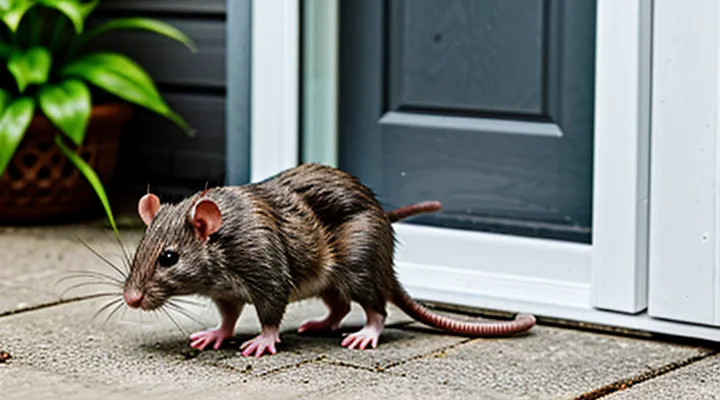
Understanding the Rat Problem
Identifying Rat Infestation Signs
Droppings and Urine
Droppings and urine are primary indicators of a rat presence and pose health risks that must be addressed promptly during any rat control effort. Visible clusters of dark, pellet‑shaped feces signal active foraging areas; fresh deposits are moist and may emit a strong ammonia odor. Urine stains appear as yellowish rings on surfaces and can permeate porous materials, leaving persistent contamination.
Identifying contaminated zones guides sanitation and disinfection procedures. Follow these steps to eliminate hazards and reduce attractants:
- Wear disposable gloves and a N‑95 respirator before entering infested spaces.
- Collect all droppings with a damp paper towel; seal in a plastic bag for disposal in a closed trash container.
- Apply an EPA‑registered disinfectant (e.g., a quaternary ammonium solution) to the cleaned area; maintain contact time as specified on the label.
- For urine‑soaked fabrics or insulation, discard irreversibly contaminated items; otherwise, launder washable textiles at 60 °C with a bleach additive.
- Treat porous surfaces (wood, drywall) with a penetrating enzymatic cleaner; if absorption is extensive, remove and replace the material.
After decontamination, ventilate the space for at least 30 minutes to disperse residual fumes. Conduct a final inspection to confirm the absence of fresh droppings or urine stains before sealing entry points and deploying trapping or exclusion measures. Proper handling of rat excreta eliminates disease vectors and removes a key lure that otherwise undermines eradication attempts.
Gnaw Marks and Damage
Rats leave distinctive gnaw marks that reveal the extent of their intrusion. Teeth are continuously growing, so they chew on wood, plastic, wiring, and insulation to keep them sharp. The resulting bite holes are usually clean‑cut, ranging from a few millimeters to several centimeters, and often appear in clusters along running boards, baseboards, and behind appliances.
Identifying gnaw damage serves two purposes: confirming a rat presence and prioritizing areas that require immediate attention. Common indicators include:
- Rounded holes in wooden framing or furniture, usually ¼‑½ inch in diameter.
- Shredded or frayed electrical cords, sometimes exposing copper strands.
- Chewed plastic pipe sleeves or PVC fittings with jagged edges.
- Crushed insulation material, leaving exposed fibers or powdery residue.
Assessing the damage involves inspecting these zones, documenting hole sizes, and tracing any compromised wiring back to the source. Electrical sabotage poses fire hazards; any cut or exposed wire must be isolated and replaced before further action.
Mitigation steps:
- Seal each gnaw opening with steel wool or copper mesh, then cover with a hard‑shell material such as cement or metal flashing.
- Replace damaged wiring, following local electrical codes, to eliminate fire risk and prevent rats from using the conduit as a pathway.
- Repair or replace compromised insulation to restore thermal efficiency and remove nesting material.
- Remove chewed structural components and reinforce them with rodent‑resistant materials, such as steel plates or concrete blocks.
Documenting the pattern of gnaw marks helps predict future activity zones, allowing targeted placement of traps or bait stations. Prompt repair of the damage not only restores the integrity of the building but also reduces the likelihood of re‑infestation by eliminating the pathways rats exploit.
Strange Noises
Rats produce distinctive sounds that indicate activity, nesting, or distress. Recognizing these noises helps pinpoint infestation zones and guides targeted removal measures.
Typical rat noises include:
- Scratching on walls, ceilings, or pipes, especially at night.
- High‑pitched squeaks when startled or communicating.
- Gnawing sounds on wood, plastic, or insulation.
- Rattling of debris in concealed cavities.
Each sound conveys a specific condition:
- Persistent scratching suggests movement through structural voids; concentrate traps and seal openings near the source.
- Repeated squeaking often occurs near food sources; place bait stations within a few feet of the noise.
- Continuous gnawing indicates material damage; replace compromised sections and inspect adjacent areas for additional entry points.
- Rattling debris points to active nesting; remove clutter, clean the area, and deploy snap traps or electronic devices directly in the nest location.
Monitoring equipment such as ultrasonic detectors or motion‑activated recorders can verify the presence of these sounds, confirming the effectiveness of control actions and preventing reinfestation.
Sightings
Rat sightings provide the first reliable indicator that a rodent problem exists and guide subsequent control measures. Visible evidence includes live rats moving along walls, in ducts, or across open floor space. Fresh droppings, typically dark and about the size of a grain of rice, appear near food sources, along travel routes, and under appliances. Gnaw marks on wood, plastic, or wiring reveal active foraging, while greasy smears along baseboards indicate frequent passage. Nesting material— shredded paper, fabric, or insulation—found in concealed areas such as attics, crawl spaces, or wall voids confirms breeding activity.
When a sighting occurs, record the exact location, time of day, and behavior observed. This data enables targeted placement of traps or bait stations, reduces waste of resources, and limits exposure of non‑target species. Immediate actions after a confirmed sighting should include:
- Securing all food in sealed containers.
- Eliminating standing water and fixing leaks.
- Blocking entry points larger than a quarter‑inch with steel wool, metal flashing, or cement.
- Deploying snap traps or electronic devices along identified runways, preferably perpendicular to walls.
- Monitoring trap success daily and adjusting placement based on continued sightings.
Consistent documentation of sightings, combined with prompt exclusion and trapping, accelerates the eradication process and prevents re‑infestation.
Common Rat Entry Points
Gaps in Foundations
Gaps in a building’s foundation serve as primary entry routes for rats, allowing them to infiltrate interior spaces with minimal resistance.
These openings appear when concrete settles, when footings are improperly poured, or when soil erosion removes support around the perimeter. Cracks, joint separations, and unsealed utility penetrations also contribute to the formation of accessible voids.
Inspection should focus on the exterior wall‑to‑ground interface, the underside of crawl spaces, and any point where pipes or vents intersect the foundation. Use a flashlight and a flexible mirror to trace the perimeter, and employ a moisture meter to detect hidden voids where water accumulation may have enlarged cracks.
To eliminate the pathways:
- Clean debris from the gap to ensure adhesive contact.
- Apply a high‑quality hydraulic cement or expanding foam sealant, pressing material deep into the opening.
- For larger fissures, install steel mesh or metal flashing before sealing to reinforce structural integrity.
- Verify the seal by conducting a smoke test or using a pressure‑sensitive tape strip to confirm no airflow persists.
Sealing foundation gaps removes the most reliable source of rat access, enhancing the effectiveness of any trapping or baiting program and preventing future infestations.
Open Vents and Pipes
Open vents and pipes serve as primary pathways for rodents seeking shelter and food sources. Rats exploit any gap larger than a quarter of an inch, entering through dryer exhausts, bathroom vents, and utility conduits. Unsealed openings compromise any pest‑control effort and allow continuous re‑infestation.
Typical entry points include:
- Dryer exhaust ducts without metal mesh
- Bathroom and kitchen exhaust fans lacking protective screens
- Sewer and storm‑drain pipes with cracked or missing caps
- Wall voids where plumbing penetrates the building envelope
To eliminate these routes, follow a systematic approach:
- Conduct a thorough visual inspection of all ventilation and plumbing fixtures, noting gaps, rusted edges, or missing covers.
- Install stainless‑steel mesh or hardware cloth with openings no larger than ¼ in. over each vent opening; secure with corrosion‑resistant screws.
- Replace broken vent covers with sealed, rat‑proof models that feature hinged doors for maintenance access.
- Apply expandable foam sealant around pipe sleeves and conduit entries, ensuring a continuous barrier without obstructing airflow.
- Schedule quarterly checks to verify integrity of screens, caps, and sealants; replace damaged components promptly.
Consistent maintenance of vent and pipe closures removes the most accessible entry routes, significantly reducing the likelihood of a rat presence within the premises.
Damaged Screens and Doors
Damaged window screens and compromised door seals create direct pathways for rats to enter a building. Cracks, torn mesh, and gaps allow nocturnal foragers to slip inside, bypass the exterior barriers, and establish nesting sites. Once inside, rats exploit the same openings to move between rooms, increasing the likelihood of widespread infestation.
Repairing or replacing these vulnerabilities eliminates the primary access points. Reinforced screens with fine mesh prevent entry while preserving ventilation. Door frames should be inspected for warped wood, broken weatherstripping, or loose hinges; any defect must be sealed with metal flashing or silicone caulk. A solid, latch‑secured door blocks forced entry and reduces the chance that a rat can push through when the building is unoccupied.
The following actions secure entry points effectively:
- Inspect all windows; replace torn screens with heavy‑gauge material.
- Fit door sweeps and weatherstripping to close gaps at the bottom and sides of doors.
- Seal cracks around door frames using expanding foam or steel wool followed by caulk.
- Verify that hinges are tight; reinforce with longer screws that reach the framing studs.
- Conduct a final walk‑through to confirm no visible openings remain.
By systematically addressing damaged screens and doors, the structural integrity of the building improves, removing the most common routes rats use to infiltrate indoor spaces. This preventative measure reduces the need for chemical controls and traps, supporting a long‑term solution to rodent problems.
Preparation for Rat Removal
Safety Precautions
Protecting Pets and Children
Rats pose a direct threat to both young children and household pets. Secure all food sources by storing pantry items in metal containers with tight-fitting lids; rodents cannot gnaw through steel. Remove standing water and eliminate clutter that offers shelter, thereby reducing hiding places.
When selecting control methods, prioritize non‑toxic options if pets or children are present. Mechanical traps—snap or multi‑catch devices—should be placed along walls, behind appliances, and in concealed areas where rodent activity is evident. Bait stations containing anticoagulant rodenticides must be locked in tamper‑resistant boxes, out of reach of paws and small hands, and used only as a last resort.
Supervision is essential during the eradication process. Keep children away from trap locations and educate them about the dangers of handling unfamiliar objects. Pets should be confined to safe zones while traps are set and inspected, preventing accidental injuries.
Maintain vigilance after removal:
- Inspect traps daily; dispose of captured rats promptly in sealed bags.
- Clean and disinfect areas where rats have been active to eliminate pathogens.
- Re‑seal entry points with steel wool and caulking to block future incursions.
By controlling food access, employing safe trapping techniques, and enforcing strict supervision, households can protect vulnerable members while effectively eliminating rat problems.
Wearing Protective Gear
When confronting a rat infestation, personal safety depends on proper protective equipment. Gloves made of thick, puncture‑resistant material prevent bites and contact with urine or feces that can transmit diseases. Respirators rated N95 or higher filter airborne particles, shielding the lungs from droplet‑borne pathogens and dust stirred up during removal. Eye protection—safety glasses or goggles—guards against splashes and debris.
Additional barriers reinforce defense. Disposable coveralls create a sealed barrier, reducing skin exposure; ensure seams are sealed and garments are removed carefully to avoid contaminating clothing. Boots with steel toe caps and waterproof uppers protect feet from bites and prevent tracking contaminants into other areas. All gear should be inspected for tears, cracks, or compromised seals before each use.
Correct usage maximizes effectiveness. Don gloves before handling traps or rodents, then secure the respirator and adjust the seal to eliminate leaks. Wear eye protection throughout the operation, and keep coveralls and boots on until the work zone is cleared. After completion, discard single‑use items in sealed bags, wash reusable equipment according to manufacturer instructions, and perform thorough hand hygiene.
Handling Deceased Rats
When a rat dies in a home or building, prompt and safe disposal prevents disease spread and eliminates odors. Use protective gloves and a mask to avoid direct contact with bodily fluids. Place the carcass in a sealed, heavy‑duty plastic bag, then double‑bag to contain any leakage.
- Remove the dead animal with disposable tools; do not reuse equipment.
- Seal the inner bag, then place it inside a second bag and tie tightly.
- Dispose of the sealed bags in an outdoor trash container that is emptied regularly.
- Clean the area with a disinfectant solution (e.g., 1 % bleach) and allow it to air dry.
- Wash hands thoroughly after removing gloves and disposing of the bags.
Maintain a routine inspection of potential hiding spots to detect future deaths early. Regular cleaning and prompt removal of any carcasses support overall pest‑control efforts.
Essential Tools and Materials
Traps (Types and Placement)
Effective rodent control relies heavily on selecting appropriate traps and positioning them strategically.
Snap traps provide rapid mortality, feature a spring‑loaded bar, and work best when baited with peanut butter or dried fruit. Live‑catch traps encase the animal without injury; they require frequent inspection and immediate release far from the property. Electronic traps deliver a high‑voltage shock that kills instantly and are reusable after cleaning. Glue boards immobilize rats but may cause prolonged suffering, making them less humane. Bait stations contain poisoned blocks; they must be placed where children and pets cannot access them, and used in accordance with local regulations.
Placement determines success more than trap type. Effective locations include:
- Along baseboards and walls, where rodents travel edge‑to‑edge.
- Adjacent to visible droppings, gnaw marks, or grease stains.
- Near food storage areas, pantry shelves, and garbage containers.
- Inside concealed spaces such as behind appliances, under sinks, and within wall voids.
- At known entry points, including gaps around pipes, vents, and door frames.
When deploying traps, space them 2–3 feet apart to cover multiple pathways, and set each bait side toward the wall to align with the rat’s natural movement. Replace or reset traps daily to prevent bait desiccation and to confirm capture rates. Consistent monitoring and adjustment of both trap type and location sustain a reliable reduction in rat activity.
Baits (Choosing Effective Lures)
Effective bait selection determines the success of a rat control program. Rats respond to foods that mimic their natural diet, exhibit strong scent, and retain moisture. Freshness is critical; stale or contaminated material loses attractiveness within hours.
Key considerations when choosing lures:
- Protein sources: dried fish, canned meat, or pet food provide high nitrogen content that draws rats quickly.
- Grain products: rolled oats, wheat germ, or cracked corn appeal to omnivorous habits, especially in outdoor settings.
- Sweet attractants: peanut butter, honey, or fruit jam create a strong olfactory cue, useful for trap placement near nesting sites.
- Fatty substances: bacon grease or lard produce a lingering odor that can sustain interest over several days.
Placement strategy influences effectiveness. Position bait within 1–2 feet of suspected pathways, ensuring the scent reaches the travel corridor. Secure bait to prevent removal by non‑target animals; use a small amount attached to a clip or sealed container with a tiny opening.
When using poisoned bait, select a formulation with an anticoagulant or bromethalin active ingredient. Verify legal restrictions for indoor versus outdoor use, and label containers clearly. For non‑chemical approaches, combine edible lure with a snap trap or live‑capture device; the bait must fill the trigger mechanism without obstructing movement.
Monitor bait performance daily. Replace any material that shows signs of drying, contamination, or consumption by other wildlife. Rotate bait types every 3–4 days to prevent habituation, maintaining a high level of attraction throughout the eradication effort.
Exclusion Materials (Sealants, Wire Mesh)
Effective rat control relies on preventing entry points. Exclusion materials create barriers that block rodents from accessing structures, reducing the need for repeated trapping or poisoning.
Sealants fill gaps and cracks where rats can squeeze through. Recommended products include:
- Polyurethane foam expanding sealant, applied with a nozzle to fill irregular openings up to ½ in.
- Silicone caulk for joints around windows, doors, and utility penetrations; remains flexible and adheres to metal, wood, and concrete.
- Cement‑based mortar for larger voids in foundations; cures to a hard, water‑resistant plug.
Wire mesh provides a physical shield over openings too large for sealant alone. Effective specifications are:
- Galvanized steel mesh with ¼‑inch (6 mm) openings, sufficient to stop rats while allowing airflow.
- Stainless‑steel mesh for areas exposed to moisture or chemicals; maintains integrity over time.
- Heavy‑duty hardware cloth (½‑inch openings) for vent covers and crawl spaces where durability is essential.
Installation guidelines:
- Inspect exterior and interior walls, roof eaves, floor joists, and utility entry points for any breach.
- Clean surfaces of dust and debris before applying sealant; allow the material to cure fully according to manufacturer instructions.
- Secure mesh with rust‑resistant screws or staples, overlapping edges by at least 2 in. to eliminate gaps.
- Use a combination of sealant and mesh where structural movement may create future cracks; mesh covers the area while sealant fills smaller fissures.
Regular maintenance includes visual checks after severe weather, re‑application of sealant to any new cracks, and replacement of damaged mesh sections. Consistent exclusion eliminates the primary pathway rats use to invade buildings, supporting long‑term pest‑free conditions.
Cleaning Supplies
Effective rat control relies on a clean environment that eliminates food sources, shelter, and scent trails. Proper cleaning supplies neutralize attractants and disrupt the pathways rats use to navigate a property.
Use a disinfectant with strong degreasing power to remove greasy residues from countertops, floors, and appliance exteriors. Follow manufacturer instructions for dilution and contact time to ensure microbial and odor elimination. Apply the solution with a microfiber mop or cloth, allowing the surface to dry completely before re‑stocking food items.
Select an enzymatic cleaner for areas contaminated by urine or droppings. Enzymes break down organic compounds, erasing the pheromonal cues that rats follow. Spray the product on affected zones, scrub lightly, and let it sit for the recommended period before wiping away excess.
Recommended cleaning supplies:
- Heavy‑duty degreaser (e.g., citrus‑based or industrial‑strength ammonia‑free formula)
- Enzymatic odor neutralizer (concentrate or ready‑to‑use spray)
- Disinfectant wipes with bleach or hydrogen peroxide for quick spot treatment
- Disposable gloves and sealed trash bags to prevent cross‑contamination
- High‑efficiency particulate air (HEPA) vacuum for removing dust and droppings without dispersing particles
Maintain a routine of wiping down surfaces, disposing of waste promptly, and inspecting hidden corners weekly. Consistent application of these supplies removes the conditions that support rat activity, thereby enhancing any trapping or exclusion measures.
Methods for Rat Removal
Non-Lethal Approaches
Live Traps and Relocation
Live traps provide a humane method for removing a single rat without using poison. Choose a trap made of sturdy wire mesh or plastic with a spring‑loaded door that closes securely when the animal triggers the trigger plate. Bait the trap with high‑fat foods such as peanut butter, bacon, or dried fruit; place the bait at the far end to ensure the rat fully enters before the door snaps shut.
Proper placement maximizes capture rates. Locate traps along walls, behind appliances, or near visible runways, positioning them perpendicular to the wall with the entry side facing the suspected travel route. Set traps at night when rats are most active, and check them every few hours to prevent stress or injury.
When a rat is captured, relocate it according to local wildlife regulations. Most jurisdictions require release at least ten miles from the original site, in a habitat that offers shelter and food sources but lacks human structures. Wear thick gloves, place the trap in a sturdy container, and transport it promptly to the release location. Release the animal near dense vegetation, allowing it to escape quickly.
After relocation, disinfect the trap with a bleach solution (1 part bleach to 9 parts water) and rinse thoroughly. Clean the surrounding area, seal entry points, and remove potential food sources to discourage re‑entry. Regular monitoring of trap locations and environmental sanitation helps maintain a rat‑free environment without recurring infestations.
Repellents (Natural and Commercial)
Repellents form a critical component of rodent control strategies, providing a non‑lethal means to discourage rats from inhabiting a space. Their effectiveness depends on proper selection, placement, and maintenance.
Natural repellents
- Peppermint oil: Apply a few drops on cotton balls and position them in entry points; the strong scent interferes with a rat’s olfactory receptors.
- Ammonia: Place open containers of undiluted ammonia near suspected routes; the vapour creates an inhospitable environment.
- Predator urine: Distribute sachets containing fox or ferret urine around the perimeter; the scent signals danger.
- Citrus peels: Scatter fresh orange or lemon peels in cabinets; the acidic aroma deters foraging.
- Capsaicin spray: Mix chili powder with water and spray onto surfaces; the irritant causes discomfort on contact.
Commercial repellents
- Synthetic rodent‑repellent sprays: Formulated with concentrated volatile compounds; spray directly on baseboards, vents, and outdoor perimeters.
- Granular bait additives: Blend with standard bait to reduce consumption by non‑target species while maintaining deterrent effect for rats.
- Ultrasonic emitters: Install devices that emit high‑frequency sound waves; continuous operation creates an auditory field rats avoid.
- Electrical repellent mats: Lay under cabinets; the low‑voltage shock discourages crossing.
- Sealant‑based repellents: Apply foam or silicone sealants infused with repellent chemicals to close gaps while emitting a continuous deterrent odor.
When choosing a repellent, assess the environment, exposure risk to humans and pets, and the need for persistent action. Natural options suit indoor, short‑term applications and pose minimal toxicity. Commercial products deliver stronger, longer‑lasting effects, particularly in outdoor or industrial settings. Combine repellents with exclusion measures—such as sealing entry points and maintaining cleanliness—to maximize reduction of rat activity.
Habitat Modification
Habitat modification reduces the attractiveness of a property to rats by eliminating shelter, food, and water sources.
- Seal cracks, gaps, and openings in foundations, walls, and roofs with steel wool, caulk, or metal flashing.
- Install door sweeps and weather stripping to block entry points beneath doors and windows.
- Store food in airtight containers; clean spills and crumbs promptly.
- Keep garbage in sealed bins and remove waste regularly.
- Repair leaky pipes, eliminate standing water, and ensure proper drainage.
- Remove clutter such as piles of cardboard, firewood, and debris that provide nesting sites.
- Trim vegetation, vines, and tree branches that contact the building, creating pathways for rodents.
After implementing structural and sanitation changes, conduct periodic inspections to verify that seals remain intact and that no new sources of sustenance appear. Promptly address any re‑emerging gaps or sanitation lapses to maintain an environment that discourages rat habitation.
Lethal Approaches
Snap Traps (Effective Placement)
Snap traps deliver rapid, humane termination when positioned correctly. Placement determines capture rate; misplacement yields wasted effort and continued infestation.
Identify high‑traffic zones by observing droppings, gnaw marks, and nesting material. Install traps along walls, where rodents travel parallel to surfaces, not across open spaces. Position the trigger end approximately 1–2 inches from the wall to align with a rat’s natural path.
Optimal locations include:
- Behind appliances, under sinks, and within cabinets where food residues accumulate.
- Near entry points such as gaps around pipes, vents, and door frames.
- Along established runways marked by fresh droppings or urine streaks.
Secure each trap firmly to prevent movement; a loose device allows escape. Use a small amount of attractive bait—peanut butter, dried fruit, or cooked meat—applied directly to the trigger mechanism. Replace bait daily to maintain potency.
Monitor traps at least once daily. Remove captured rodents promptly, reset the device, and re‑bait. Rotate trap positions if capture rates decline, focusing on newly identified pathways. Consistent, strategic deployment maximizes effectiveness and accelerates eradication.
Electronic Traps
Electronic traps provide a rapid, humane solution for rat control. These devices deliver a high‑voltage shock that instantly incapacitates the animal, eliminating the need for poisons or snap traps. Their operation relies on a sensor that detects the presence of a rodent, then releases a controlled electric pulse.
Key considerations when selecting an electronic trap:
- Voltage rating of at least 2,000 V to ensure immediate lethality.
- Capacity to hold multiple catches, reducing the frequency of service.
- Built‑in safety features, such as a sealed chamber and child‑proof lock.
- Battery or mains power options; mains‑powered units guarantee continuous operation.
- Durability of the housing, especially for placement in damp or outdoor environments.
Effective placement maximizes capture rates. Position traps along established runways, near walls, behind appliances, and close to food sources. Align the entry slit with the direction of natural movement; rats typically travel parallel to walls. Avoid clutter that could obstruct the sensor.
Maintenance involves regular inspection, removal of deceased rodents, and cleaning of the interior with mild detergent. Replace batteries promptly if using a cordless model. Verify that the power source remains uninterrupted; a brief outage can allow survivors to escape.
Cost analysis should include the initial purchase price, the expected lifespan (often 2–3 years), and the expense of consumables such as batteries. Although electronic traps carry a higher upfront cost than traditional snap traps, they reduce labor time and eliminate the need for repeated baiting.
Overall, electronic traps deliver swift, reliable results for rat eradication when chosen wisely, installed strategically, and maintained consistently.
Poison Baits (Risks and Safe Usage)
Poison baits remain a common method for rat control, but their effectiveness depends on strict adherence to safety protocols.
Risks associated with rodent poisons include:
- Accidental ingestion by children, pets, or non‑target wildlife.
- Secondary poisoning when predators consume poisoned rats.
- Environmental contamination from runoff or improper disposal.
- Development of bait aversion if rats encounter sub‑lethal doses.
Safe usage requires the following measures:
- Select baits approved by regulatory agencies and labeled for indoor or outdoor use as appropriate.
- Place bait stations in concealed locations inaccessible to non‑target species, such as behind appliances or within wall voids.
- Use the minimum amount necessary to achieve lethal exposure, following label instructions precisely.
- Monitor stations regularly, removing spent baits and disposing of them in sealed containers.
- Keep a detailed record of bait locations, dates of placement, and observed rat activity to assess effectiveness and adjust placement.
Compliance with local regulations, proper labeling, and diligent monitoring minimize hazards while maintaining the bait’s intended impact on rat populations.
Professional Pest Control Services
Professional pest control firms specialize in rat elimination through systematic procedures that combine expertise, equipment, and regulatory compliance. Technicians begin with a thorough inspection to locate entry points, nesting sites, and activity trails, documenting conditions that support infestation.
The treatment phase employs licensed rodenticides, bait stations, and mechanical traps placed according to the inspection data. Solutions are calibrated to target rats while minimizing risk to non‑target species and occupants. After application, technicians implement a monitoring schedule that records trap captures and bait consumption, allowing adjustments before the problem recurs.
Benefits of engaging a certified service include:
- Certified use of EPA‑approved products
- Reduced exposure for residents and pets
- Documentation for insurance or health‑code audits
- Warranty on eradication outcomes
When selecting a provider, verify the following criteria:
- State‑issued pest‑control license
- Proven track record with residential or commercial rat cases
- Adoption of Integrated Pest Management (IPM) principles
- Clear response time and post‑treatment follow‑up
Adhering to these guidelines ensures a swift, safe, and lasting resolution to rat infestations.
Preventing Future Rat Infestations
Sealing Entry Points
Repairing Gaps and Cracks
Sealing openings eliminates the most common pathways rats use to enter a building. Once entry points are blocked, the likelihood of reinfestation drops dramatically.
Identify all potential gaps by inspecting the exterior and interior for cracks in walls, foundations, floors, and around utility penetrations. Pay special attention to areas where pipes, cables, and vents pass through structures, as well as gaps beneath doors and windows.
- Clean debris from the opening to ensure adhesion.
- Choose a sealant appropriate for the material (e.g., silicone for small cracks, expanding foam for larger voids, cement mortar for foundation fissures).
- Apply the sealant according to manufacturer instructions, filling the gap completely and smoothing the surface.
- Allow the material to cure fully before exposing the area to moisture or stress.
- Re‑inspect after curing to confirm no residual openings remain.
Use durable, rodent‑resistant products such as steel wool backed with caulk, metal flashing, or hardware cloth for larger openings. Schedule periodic checks, especially after severe weather or building renovations, to maintain a continuous barrier against future incursions.
Installing Barriers on Vents and Pipes
Installing barriers on vents and pipes blocks common entry points used by rodents, reducing the likelihood of infestation. Metal mesh with openings no larger than ¼ inch prevents a rat from squeezing through while allowing airflow. Secure the mesh with stainless‑steel screws and seal edges with silicone caulk to eliminate gaps.
Key actions:
- Identify all exterior vents, dryer exhausts, and utility pipe penetrations.
- Measure each opening and cut mesh to size, leaving a ½‑inch margin for attachment.
- Attach mesh firmly, ensuring it is taut and flush with the surrounding surface.
- Apply a continuous bead of weather‑resistant sealant around the perimeter.
- Inspect installations quarterly for damage or corrosion and replace compromised sections promptly.
By consistently sealing these pathways, the building removes one of the most accessible routes for rodent ingress, supporting a comprehensive eradication strategy.
Reinforcing Doors and Windows
Reinforcing doors and windows creates a physical barrier that prevents rats from entering a building. Solid core doors, metal frames, and tight-fitting hinges eliminate gaps larger than ¼ inch. Install door sweeps that extend to the floor and seal the bottom edge of each entry point. Use stainless‑steel mesh or hardware cloth with openings no larger than ¼ inch to cover vent openings and window screens; attach the material with corrosion‑resistant staples or screws.
- Replace hollow‑core doors with solid wood or metal doors.
- Add continuous weatherstripping around door frames.
- Fit window screens with reinforced mesh; repair any tears immediately.
- Secure basement and crawl‑space egress points with metal grates.
- Apply expanding foam sealant to seal cracks around door jambs and window casings.
Regular inspection identifies new gaps caused by wear or settlement. Promptly repair damaged seals, replace compromised hardware, and verify that all closures close flush. Maintaining these barriers reduces the likelihood of rat intrusion and complements other control measures.
Sanitation and Food Storage
Proper Waste Management
Effective waste management directly reduces rat attraction and limits food sources. Secure containers, regular removal, and proper segregation prevent rodents from locating edible material.
Rats exploit unsecured trash, overflowing bins, and compost piles. Storing waste in rigid, lid‑equipped containers eliminates entry points. Position containers on impermeable surfaces to avoid seepage. Schedule pickups to avoid accumulation beyond 24‑48 hours.
- Use bins made of metal or heavy‑wall plastic with tight‑fitting lids.
- Inspect lids weekly for cracks or gaps; replace damaged containers immediately.
- Keep bins at least 18 inches from building foundations and walls.
- Separate organic waste into sealed composters; add a carbon layer (dry leaves, sawdust) to deter gnawing.
- Empty indoor trash daily; store outdoor bins in a locked enclosure.
- Clean bin interiors with a diluted bleach solution monthly to remove residues.
Maintain a log of waste collection dates and container inspections. Promptly address spills, broken bags, or exposed food remnants. By consistently applying these practices, the environment becomes inhospitable to rats, supporting broader eradication efforts.
Storing Food in Airtight Containers
Storing food in airtight containers removes a primary attractant for rodents, thereby reducing the likelihood of infestation. When food is sealed, rats cannot detect scent cues, limiting their motivation to enter kitchens and pantries.
Airtight containers should meet the following criteria:
- Durable material that resists gnawing (e.g., heavy‑wall plastic, stainless steel).
- Secure locking mechanism that creates a vacuum or tight seal.
- Size appropriate for the quantity of food stored to avoid excess headspace.
Implementing these containers consistently creates an environment where edible waste is inaccessible. Regularly inspect seals for damage and replace compromised units promptly to maintain effectiveness.
Combine sealed storage with routine cleaning, prompt disposal of leftovers, and removal of clutter. Together, these actions form a comprehensive strategy for rat control, targeting both food sources and habitat suitability.
Cleaning Up Spills and Crumbs
Cleaning up spills and crumbs removes food sources that attract rats, reducing the likelihood of an infestation. Promptly wiping counters, sweeping floors, and mopping any liquid messes eliminates moisture that rodents use for drinking and for locating hidden food. Storing food in sealed containers prevents accidental scattering during preparation or storage.
- Collect and dispose of fallen food particles immediately.
- Use a damp cloth or disposable wipes for liquid spills; avoid leaving wet surfaces for more than a few minutes.
- Vacuum or sweep under appliances, cabinets, and furniture where crumbs can accumulate.
- Seal garbage bins with tight‑fitting lids and remove trash regularly.
- Inspect pantry shelves for small debris; clean with a brush or vacuum attachment.
Consistent removal of edible residues deprives rats of sustenance, making the environment hostile to their survival and supporting broader rodent‑control efforts.
Landscaping and Yard Maintenance
Trimming Vegetation
Overgrown vegetation creates hiding places, travel routes, and food sources that enable rats to thrive near structures. Reducing plant density removes these advantages and forces rodents to seek less hospitable environments.
Trimming grass to a height of 2–3 inches eliminates low‑level cover. Keeping shrubs at least 12 inches away from walls prevents rats from climbing onto foundations. Pruning vines and cutting back tree limbs that touch buildings severs potential pathways. Disposing of clippings promptly and avoiding compost piles that retain moisture further discourages rodent activity.
- Cut lawn regularly, especially after rain.
- Trim shrubs and maintain a clear perimeter around structures.
- Remove or relocate dense groundcover such as weeds and tall grasses.
- Prune trees and eliminate overhanging branches.
- Clear debris, leaf litter, and fallen fruit that could serve as food.
Perform these actions in early spring and repeat every 4–6 weeks during the growing season. Consistent vegetation management, combined with sealing entry points and proper sanitation, dramatically lowers the likelihood of rat infestations.
Removing Debris and Clutter
Removing debris and clutter creates an environment where rats cannot find shelter, food, or pathways for movement. Open spaces expose potential entry points and eliminate hidden nesting sites, forcing rodents to seek alternative locations that are easier to monitor and control.
Key actions include:
- Clear ground‑level objects such as cardboard boxes, paper piles, and discarded packaging that provide cover.
- Eliminate standing water by fixing leaks, draining puddles, and storing containers upside down.
- Organize stored items on shelves or in sealed containers; keep the floor free of loose materials.
- Trim vegetation near foundations, removing overgrown bushes, vines, and grass that bridge gaps to the building.
- Dispose of waste promptly in tightly sealed bins; avoid leaving garbage bags or compost heaps accessible to rodents.
Regularly inspecting and maintaining a tidy area sustains the deterrent effect. By consistently applying these measures, the likelihood of rat habitation diminishes, simplifying any additional control strategies.
Securing Outdoor Structures
Securing outdoor structures prevents rats from establishing nests and accessing food sources, thereby reducing the likelihood of infestation.
Rats exploit gaps, cracks, and unprotected openings in sheds, garages, decks, and storage units. Typical entry points include:
- Gaps larger than ¼ inch around doors, windows, and vents
- Unsealed seams in roofing, siding, or foundation walls
- Openings around utility lines, pipes, and drainage systems
Address each vulnerability with the following actions:
- Install metal flashing or hardware cloth (½‑inch mesh) over all gaps and cracks.
- Fit tight‑closing doors and windows with self‑latching latches that eliminate gaps when shut.
- Seal foundation cracks using cement‑based mortar or epoxy sealant.
- Fit vent covers with durable wire mesh; reinforce loose screens.
- Wrap utility penetrations with steel wool followed by a layer of metal sheeting.
Conduct quarterly inspections to verify that seals remain intact and that no new openings have formed. Replace damaged hardware promptly, and keep stored materials elevated and away from walls to limit shelter opportunities. Consistent maintenance of these barriers sustains a rat‑free perimeter around the property.