
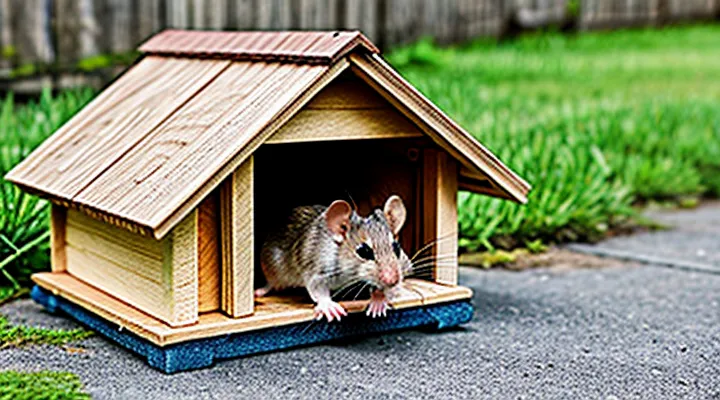
Understanding the Mouse Problem in Wooden Houses
Why Wooden Houses Attract Mice
Food Sources and Shelter
Mice are drawn to wooden dwellings by readily available food and secure nesting sites. Identifying and eliminating these attractants is essential for successful rodent control.
Food sources often include:
- Unsealed pantry containers, especially those holding grains, cereals, nuts, and dried fruit.
- Pet food left out overnight or stored in open bowls.
- Crumbs and spills on countertops, floors, and under appliances.
- Garbage bins without tight-fitting lids, particularly those containing organic waste.
Shelter opportunities arise from the structure of timber buildings:
- Gaps larger than ¼ inch in floorboards, wall panels, or roof sheathing provide entry points.
- Uninsulated crawl spaces and attics retain warmth and moisture, creating ideal nesting environments.
- Piles of firewood or stored building materials placed against the exterior wall offer concealment.
- Damaged insulation, loose wiring, and exposed ductwork create hidden cavities for nesting.
Mitigation measures focus on both food and shelter:
- Store all dry goods in airtight containers of metal or heavy‑wall plastic.
- Clean surfaces after each meal; sweep crumbs and vacuum regularly.
- Keep pet feeding stations empty at night; use sealed feeders when possible.
- Install tight‑fitting lids on all waste containers; empty them frequently.
- Seal entry points with steel wool, copper mesh, or expanding foam; prioritize gaps around pipes, vents, and foundation cracks.
- Insulate crawl spaces and attics; replace damaged insulation and repair compromised sheathing.
- Relocate firewood and building supplies at least 18 inches from the house exterior; elevate them on pallets.
- Maintain a regular inspection schedule to detect new openings or signs of activity, such as droppings or gnaw marks.
By systematically removing food incentives and denying nesting habitats, the likelihood of mouse infestation in timber structures diminishes dramatically. Continuous vigilance and prompt repair of structural deficiencies sustain long‑term protection.
Ease of Entry and Nesting
Mice exploit the natural characteristics of timber construction. Gaps around window frames, door jambs, and baseboards often exceed a quarter‑inch, allowing rodents to slip inside. Utility penetrations—cable, pipe, and vent openings—frequently remain unsealed, providing direct pathways from exterior to interior spaces. Roof eaves, soffit vents, and chimney flues present additional routes, especially when weather‑stripping or flashing is deteriorated.
Nesting behavior aligns with the concealed, insulated zones of wooden structures. Attic rafter spaces, wall cavities filled with insulation, and underfloor voids retain warmth and protect offspring from predators. Loose lumber, stored firewood, and debris piles near foundations create temporary shelters that evolve into permanent nests once access is secured.
Key actions to reduce entry and nesting opportunities:
- Inspect exterior perimeters weekly; seal cracks with steel wool and expanding foam.
- Install fine‑mesh screens on vents and chimneys; verify integrity of existing hardware.
- Apply weather‑stripping to doors and windows; replace damaged thresholds.
- Remove debris, trim vegetation, and store firewood elevated from ground level.
- Maintain attic ventilation; clear insulation gaps that expose structural members.
By systematically eliminating entry points and disrupting preferred nesting sites, the likelihood of infestation diminishes, supporting long‑term rodent control in wooden dwellings.
Structural Vulnerabilities
Mice exploit structural weaknesses that are common in timber constructions. Small gaps around window frames, door thresholds and utility penetrations provide entry points as narrow as ¼ inch. Deteriorated or missing weather‑stripping creates a continuous pathway from exterior to interior. Unsealed cracks in foundation walls, especially where concrete meets wood, allow rodents to burrow beneath the building envelope. Openings around vent pipes, chimney flues and electrical conduits often lack metal flashing, leaving a direct route to attic spaces. Gaps at the junction of floor joists and subfloor panels appear when nails loosen or boards shift over time.
Key vulnerabilities include:
- Unfinished or damaged soffit vents that can be enlarged by chewing.
- Roof eaves with loose shingles or siding that expose underlying sheathing.
- Crawl‑space access points where insulation is absent or compressed.
- Exterior cladding seams that have separated due to moisture or settlement.
- Floorboards that have warped, creating lift and gaps.
Remediation requires sealing all identified openings with appropriate materials: steel wool, copper mesh, or silicone‑based caulk for narrow gaps; heavy‑duty metal flashing for larger penetrations; and replacing compromised weather‑stripping. Reinforcing joist and stud connections with screws or bolts reduces movement that creates new cracks. Installing rodent‑proof vent covers and securing chimney caps eliminates common attic entry routes. Regular inspection of the building envelope, especially after seasonal weather changes, ensures that emerging vulnerabilities are addressed before mice can establish a foothold.
Identifying a Mouse Infestation
Signs of Mouse Presence
Droppings and Urine Stains
Mice droppings and urine stains provide the most reliable evidence of an active infestation in wooden dwellings. Their presence indicates recent feeding, nesting, or movement, and they pose significant health hazards because they can carry Hantavirus, salmonella, and other pathogens. Prompt identification and thorough remediation are essential components of any rodent control strategy.
Key characteristics for recognition:
- Dark, cylindrical feces, 3‑5 mm long, often found along walls, behind appliances, and in concealed corners.
- Yellow‑brown urine spots that may appear as wet stains on wood, insulation, or fabric.
- Unpleasant, musky odor intensifying in warm, humid conditions.
Health risks associated with contamination:
- Inhalation of dried droppings releases aerosolized particles capable of causing respiratory illness.
- Direct contact with urine can lead to skin irritation or infection.
- Secondary contamination of food stores, utensils, and surfaces jeopardizes overall household hygiene.
Effective cleaning protocol:
- Seal off the affected area, wear disposable gloves, N‑95 respirator, and eye protection.
- Saturate droppings and urine with a disinfectant solution (e.g., 1 % bleach in water) for at least 10 minutes to inactivate pathogens.
- Remove solid waste with a disposable scoop or damp paper towels; dispose of material in a sealed plastic bag.
- Scrub the stained surface using a stiff brush and the same disinfectant mixture; rinse with clean water.
- Allow the wood to dry completely; consider applying a wood‑safe antimicrobial sealant to prevent re‑contamination.
Preventive measures:
- Install metal flashing or sealant around entry points to block further ingress.
- Maintain low humidity levels (< 60 %) to discourage urine staining.
- Conduct regular inspections of attics, crawl spaces, and interior walls for fresh droppings.
By integrating meticulous detection, rigorous decontamination, and structural sealing, the risk posed by mouse excreta in timber homes can be substantially reduced, supporting a safe and sanitary living environment.
Gnaw Marks and Damage
Gnaw marks appear as crescent‑shaped bite edges on timber surfaces, typically measuring 2–5 mm in depth. The incision follows the natural curvature of a rodent’s incisors, leaving clean, parallel cut lines that differ from accidental cuts or saw marks.
In wooden houses, gnaw activity concentrates on structural and utility components. Common sites include:
- Baseboards and skirting boards
- Wall studs and joists behind finished surfaces
- Flooring joists and subfloor panels
- Insulation batts and wiring conduits within wall cavities
- Door frames and window sills
These locations provide easy access to food sources and shelter, while also offering structural material that rodents can bite to enlarge passages.
Repeated gnawing compromises load‑bearing elements, reduces insulation effectiveness, and creates entry points for moisture and pests. Progressive loss of wood fibers weakens joints, potentially leading to sagging floors, cracked walls, and increased fire hazard due to exposed wiring.
Detection relies on visual inspection of exposed timber, tactile examination of suspicious edges, and the presence of accompanying signs such as droppings, urine stains, or nesting material. Infrared cameras can reveal heat patterns associated with active burrows behind walls.
Mitigation measures focus on eliminating access and repairing damage. Steps include:
- Seal all identified entry points with steel‑wool‑filled caulk or metal mesh.
- Replace severely gnawed timber with new, pressure‑treated lumber.
- Reinforce remaining structures with metal brackets where needed.
- Install physical barriers, such as copper mesh, around wiring and insulation.
- Conduct regular inspections to verify the integrity of repairs and to detect new gnaw activity promptly.
Addressing gnaw marks promptly prevents further structural degradation and supports long‑term rodent control in timber constructions.
Strange Noises
Strange noises in timber structures often signal the presence of mice. Early detection relies on recognizing characteristic sounds and correlating them with rodent behavior.
Typical auditory signs include:
- Scratching in walls or ceilings during night hours.
- High‑pitched squeaks emitted when mice move through insulation.
- Soft thudding when rodents drop from rafters onto joists.
- Rapid rustling of nesting material within concealed cavities.
To pinpoint the source, follow a systematic approach:
- Conduct a quiet inspection after dusk, listening from multiple locations inside the building.
- Use a handheld acoustic detector or a simple stethoscope to amplify faint sounds behind panels.
- Mark the area where the noise intensity peaks; repeat the process on adjacent walls to triangulate the exact cavity.
- Verify the finding by visual inspection through small inspection holes or by inserting a flexible camera.
Once the infestation zone is identified, implement targeted measures:
- Seal entry points with steel wool and expanding foam to prevent further ingress.
- Install snap traps or electronic bait stations directly inside the affected cavity.
- Apply a low‑toxicity rodent repellent spray along the perimeter of the noise source.
- Replace compromised insulation with rodent‑resistant material and reinforce structural gaps.
Consistent monitoring of auditory cues, combined with prompt sealing and trapping, reduces the risk of extensive damage caused by mouse activity in wooden houses.
Unpleasant Odors
Unpleasant odors in timber homes often indicate active rodent presence. Mice excrete urine and feces that emit a sharp, ammonia‑like smell, especially in confined spaces such as wall cavities, attics, and floor joists. The odor intensifies after the animals nest, as secretions mix with food debris and moisture.
Key odor sources include:
- Accumulated droppings in insulation or hidden corners.
- Urine stains on wooden surfaces, especially near entry points.
- Decomposing food remnants left in pantry cracks or behind appliances.
- Mold growth fostered by moisture from mouse‑induced damage to roofing or plumbing.
Effective odor control requires simultaneous elimination of the source and ventilation improvement. Steps to follow:
- Locate and remove all droppings and contaminated insulation using protective gloves and a HEPA‑rated vacuum.
- Clean affected wood with a solution of diluted enzymatic cleaner; allow thorough drying.
- Apply a non‑toxic odor‑neutralizing agent, such as activated charcoal or zeolite, within wall cavities.
- Seal cracks and gaps that permit mouse entry, reducing future contamination.
- Install mechanical ventilation or exhaust fans to increase air exchange in high‑risk areas.
Addressing unpleasant smells not only improves indoor air quality but also confirms that rodent mitigation measures are succeeding, providing a healthier environment for occupants of wooden residences.
Locating Entry Points
Gaps and Cracks in Foundations
Mice infiltrate wooden residences primarily through openings in the building’s foundation. Cracks larger than 2 mm and gaps around utility penetrations create direct pathways to interior spaces, where rodents find shelter, food, and nesting material.
Inspection should begin with a visual survey of the perimeter at ground level. Look for:
- Visible fissures in concrete or masonry
- Spaces around pipe sleeves, vent stacks, and drainage lines
- Deteriorated sealant around window and door frames that rest on the slab
When gaps are identified, seal them using materials resistant to chewing and environmental degradation. Recommended products include:
- Polyurethane spray foam for irregular voids, applied in layers to achieve full coverage.
- Cementitious mortar mixed with fine aggregate for linear cracks, smoothed with a trowel to eliminate gaps.
- Steel wool or copper mesh placed behind sealant in larger openings to deter gnawing.
After sealing, apply a durable exterior coating such as elastomeric paint to protect the repaired area from moisture and future deterioration. Regular maintenance—annual re‑inspection and prompt repair of new fissures—prevents re‑entry and reduces the likelihood of infestation throughout the structure.
Openings Around Pipes and Wires
Openings around utility penetrations provide direct pathways for rodents to enter timber structures. Gaps left after installation of pipes, cables, or conduit often measure only a few millimeters, yet they are sufficient for mice to squeeze through. Identifying and sealing these voids is essential for a comprehensive rodent‑prevention strategy.
Typical entry points include:
- Unsealed gaps around water supply lines where they pass through walls or floors.
- Spaces surrounding electrical wiring that exits the building envelope.
- Holes left by HVAC ducts, ventilation shafts, or sprinkler pipes.
- Openings around gas or oil lines, especially where they intersect joists or studs.
Effective sealing methods:
- Inspect all penetrations visually and with a flashlight, focusing on low‑level and concealed areas.
- Apply steel wool or copper mesh into gaps no larger than ¼ inch, creating a barrier that rodents cannot gnaw through.
- Cover the mesh with a durable, fire‑rated sealant such as silicone‑based caulk or expanding polyurethane foam, ensuring a smooth, continuous surface.
- For larger openings, install metal flashing or hardware cloth (¼‑inch mesh) before applying sealant, providing structural reinforcement.
- Repeat the inspection after seasonal changes, as wood movement can reopen previously sealed joints.
Regular maintenance of these sealed areas prevents re‑entry and reduces the likelihood of infestation in wooden dwellings.
Damaged Screens and Vents
Damaged screens and vents provide direct entry points for rodents seeking shelter in timber structures. Even small tears or gaps allow mice to bypass exterior barriers, leading to rapid colonisation of interior spaces. Regular inspection of all openings, including attic vents, basement grates, and screened windows, identifies vulnerabilities before infestations develop.
Key actions for remediation:
- Seal all tears with durable material such as steel mesh or heavy‑duty hardware cloth, ensuring overlaps of at least two inches.
- Replace cracked or broken vent covers with reinforced models that incorporate fine mesh screens.
- Install self‑closing latches on doors and windows to maintain airtight seals when not in use.
- Apply weather‑resistant caulk around frame joints and around any installed mesh to prevent moisture damage and future deterioration.
Prompt repair of «Damaged Screens and Vents» eliminates the primary access route for mice, reducing the need for chemical controls and limiting structural damage caused by gnawing. Consistent maintenance of these barriers sustains long‑term rodent resistance in wooden homes.
Roof and Attic Access
Effective rodent control in timber structures begins with thorough examination of the roof and attic. Access points provide the primary route for mice to enter living spaces, making regular inspection indispensable.
Inspect all roof openings, including ventilation shafts, chimneys, and skylights. Identify gaps larger than ¼ inch and record their locations. Seal each opening with steel wool, copper mesh, or appropriate caulking to prevent re‑entry.
Implement a layered defense within the attic:
- Place snap traps or electronic devices along established travel corridors.
- Deploy bait stations in concealed corners, ensuring they are out of reach of children and pets.
- Install metal flashing around eaves and roof joists to block hidden pathways.
Maintain a schedule of quarterly checks. During each visit, verify the integrity of seals, replace depleted bait, and remove any dead rodents to discourage secondary infestations. Continuous monitoring of the roof and attic access points sustains long‑term protection against mice.
Prevention Strategies
Sealing Entry Points
Using Steel Wool and Caulk
Steel wool provides a physical barrier that rodents cannot easily gnaw through. When inserted into gaps around pipes, vents, and foundation cracks, it fills irregular spaces and remains intact despite repeated contact. The dense, fibrous material resists chewing, forcing mice to seek alternative entry points that can be sealed more permanently.
Caulk complements steel wool by sealing the outer surface of the blockage. Silicone‑based or acrylic sealants adhere to wood and metal, creating an airtight seal that prevents dust, moisture, and scent trails from attracting rodents. Applying caulk over the steel wool also secures the filler, reducing the risk of displacement during building settlement.
Effective implementation follows these steps:
- Identify all potential entry points in the timber structure, focusing on gaps larger than a quarter‑inch.
- Pack steel wool tightly into each opening, ensuring no voids remain.
- Apply a continuous bead of caulk over the packed area, smoothing it to achieve full coverage.
- Allow the sealant to cure according to manufacturer specifications before exposing the area to normal activity.
Regular inspection of sealed points detects wear or damage early. Repeating the process after major renovations or seasonal changes maintains a robust defense against mouse intrusion in wooden houses.
Repairing Damaged Structures
Effective rodent control in timber homes requires immediate attention to compromised structural elements. Damaged beams, joists, or floorboards provide shelter and pathways for mice, allowing populations to expand despite other mitigation measures.
Assessment begins with a systematic inspection. Inspectors should:
- Identify visible gnaw marks, droppings, and nesting material;
- Probe wood for softness, hollow sounds, or loose fibers;
- Document all compromised components and their locations.
After pinpointing weakened sections, removal and replacement follow a precise sequence. First, isolate the area to prevent further spread. Next, extract infested wood using appropriate tools, discarding material in sealed containers. Then, install new timber that meets moisture‑resistant specifications, ensuring tight fits and proper alignment. Finally, apply a rodent‑proof sealant to joints, gaps, and entry points.
Preventive measures reinforce repaired structures. Use steel‑wool or copper mesh to fill small openings, and apply non‑toxic deterrent sprays to surrounding surfaces. Regular monitoring of repaired zones detects early signs of re‑infestation, allowing prompt corrective action without compromising structural integrity.
Installing Mesh on Vents
Installing mesh on ventilation openings is a critical measure for preventing rodent ingress in timber structures. Mesh creates a physical barrier that blocks mice while allowing airflow, preserving indoor air quality without compromising structural integrity.
Select stainless‑steel or galvanized steel mesh with openings no larger than ¼ inch (6 mm). The material must resist corrosion caused by humidity and resist chewing. Cut the mesh to overlap the vent frame by at least 1 inch (2.5 cm) on all sides to ensure a secure seal.
- Turn off any ventilation system and remove the vent cover.
- Clean the frame to remove dust and debris that could impede adhesion.
- Position the pre‑cut mesh over the opening, ensuring full coverage of the frame.
- Secure the mesh with stainless‑steel screws or corrosion‑resistant staples, spacing fasteners every 2–3 inches (5–7 cm).
- Reattach the vent cover, confirming that the mesh remains taut and unobstructed.
Regular inspection of the mesh is necessary. Look for signs of wear, rust, or gnaw marks. Replace damaged sections promptly to maintain an effective barrier. Cleaning the mesh periodically with a soft brush prevents buildup of dust and debris that could reduce airflow.
Maintaining a Clean Environment
Proper Food Storage
Proper food storage is a fundamental component of any strategy aimed at reducing rodent activity in timber structures. Food sources attract mice; eliminating easy access deprives them of sustenance and discourages infestation.
Secure containers made of metal or heavy‑wall plastic, equipped with tight‑locking lids, prevent gnawing and entry. Containers should be free of cracks and replaceable seals. Avoid glass jars with loose caps, as mice can exploit minor gaps.
Store supplies away from the floor and walls. Shelving units positioned at least six inches above the ground hinder climbing. Keep pantry aisles clear, allowing unobstructed inspection of stored items. Separate bulk purchases into smaller, sealed portions to reduce the amount of exposed material.
Implement a routine of regular inspection and cleaning. Remove crumbs, spills, and expired products promptly. Wipe shelves with a mild detergent after each restocking. Document any signs of damage to containers, and replace compromised units without delay.
Regular Cleaning and Decluttering
Regular cleaning removes food residues and nesting material that attract rodents. Dusting surfaces, sweeping floors, and wiping countertops eliminate crumbs and spills that serve as a food source. Vacuuming upholstery and corners extracts hidden particles and potential larvae, reducing the overall attractiveness of the interior.
Decluttering creates an environment with fewer hiding places. Storing items in sealed containers prevents mice from accessing shelter. Removing piles of newspapers, cardboard boxes, and unused fabrics eliminates potential nests. Organizing storage areas and keeping aisles clear facilitates inspection and treatment.
Key actions for maintaining a hygienic wooden residence:
- Sweep and mop floors daily, focusing on kitchen and pantry zones.
- Empty trash bins regularly, using lids that close tightly.
- Store dry goods in metal or heavy‑plastic containers with airtight seals.
- Consolidate stored items, discarding obsolete materials that could serve as bedding.
- Conduct weekly visual inspections of corners, under cabinets, and behind appliances.
Consistent implementation of these practices lowers the availability of food and shelter, creating conditions unfavorable for rodent colonization. Regular assessment and prompt removal of identified debris sustain the effectiveness of the overall pest‑control strategy.
Managing Outdoor Debris
Managing outdoor debris is essential for reducing rodent activity around timber structures. Accumulated leaves, branches, and yard waste create shelter and food sources that attract mice, increasing the likelihood of entry into the building envelope.
Key actions include:
- Removing leaf piles, grass clippings, and compost heaps from the immediate perimeter of the house.
- Trimming back vegetation that contacts walls, eaves, or rooflines to eliminate climbing routes.
- Storing firewood at least two meters away from the foundation and elevating it on a platform to prevent moisture buildup and rodent habitation.
- Securing garbage containers with tight-fitting lids and placing them on non‑wooden surfaces to discourage foraging.
Regular inspection of the property’s outer area identifies new debris accumulations before they become habitats. Maintaining a clear zone around the structure minimizes hiding places, thereby lowering the pressure on entry points such as cracks, gaps, and openings in the wooden framework.
Natural Deterrents
Peppermint Oil and Other Scents
Peppermint oil serves as a natural repellent for rodents inhabiting timber structures. The volatile compounds in the oil trigger an aversive response in mice, discouraging entry and nesting.
Effective deployment requires a dilution of 5 ml peppermint oil per litre of water. Soaked cotton pads or spray bottles distribute the mixture near entry points, gaps, and stored food areas. Reapplication every 48 hours maintains potency.
Other aromatic agents complement peppermint:
- Eucalyptus oil – strong menthol scent, deters foraging.
- Clove oil – contains eugenol, irritates sensory receptors.
- Citronella oil – citrus notes, disrupts navigation.
- Rosemary oil – woody aroma, reduces exploratory behavior.
Safety measures include testing a small area for wood discoloration, ensuring adequate ventilation, and keeping treated materials away from pets and children. Concentrations above 10 % may cause skin irritation.
Scent deterrents function best when combined with physical barriers, trapping systems, and sanitation practices. Integrated use reduces infestation risk without reliance on chemical rodenticides.
Ultrasonic Repellents
Ultrasonic repellents emit high‑frequency sound waves that are inaudible to humans but disturb the auditory system of rodents, prompting avoidance of the treated area. The devices generate frequencies between 20 kHz and 65 kHz, a range that interferes with the mice’s communication and navigation signals.
In timber constructions, the solid wood framework can reflect and absorb ultrasonic energy, creating zones of reduced efficacy. Placement near open cavities, joists, and entry points maximizes coverage, while dense insulation or furniture may block propagation. Studies indicate a decline in rodent activity when devices operate continuously, yet complete eradication is uncommon without complementary measures.
Installation guidelines:
- Position units at least 12 inches (30 cm) from walls to prevent acoustic dampening.
- Mount devices on interior surfaces of walls, ceilings, or beams, focusing on known travel routes.
- Ensure power supply is uninterrupted; battery‑operated models require weekly charge checks.
- Avoid locating units near large metal objects or appliances that generate electromagnetic interference.
Regular maintenance involves cleaning speaker grills to prevent dust accumulation, verifying that the indicator light confirms active emission, and replacing units after the manufacturer‑specified operational lifespan, typically 2–3 years. Safety considerations include confirming that ultrasonic output complies with local regulations and does not affect pets with sensitive hearing, such as cats or small dogs.
Introducing Natural Predators «Cats, Owls»
Natural predators provide a biologically based method for reducing rodent activity in timber‑frame dwellings. Predatory mammals and birds disrupt mouse populations through direct hunting, territorial marking, and deterrence.
Cats exhibit innate predation skills that translate to consistent mouse capture. Typical indoor‑outdoor breeds adapt to confined spaces, require regular veterinary care, and thrive when provided with access points near suspected entry zones. Their scent marks create an environment hostile to rodents, while nocturnal activity aligns with mouse foraging patterns.
Owls contribute a complementary aerial predation layer. Species such as the barn owl (Tyto alba) favor open lofts and eaves, where nesting boxes can be installed at heights of 2–3 meters. These birds hunt silently, covering larger areas than terrestrial predators. Successful integration demands clear flight paths, protection from domestic pets, and periodic box cleaning to sustain occupancy.
Key considerations for implementing predator‑based control:
- Position cat access routes adjacent to known mouse pathways; avoid obstructing escape routes.
- Install owl nesting boxes with entrance diameters of 12–15 cm; orient openings away from prevailing winds.
- Ensure regular health checks for cats and monitor owl activity to confirm predation effectiveness.
- Combine predator presence with structural sealing of gaps and removal of food sources for comprehensive management.
When applied correctly, the combined presence of felines and owls establishes a sustained pressure on rodent populations, reducing the need for chemical interventions in wooden homes.
Eradication Methods
Trapping Solutions
Snap Traps «Effectiveness and Placement»
Snap traps provide immediate mortality and require no electricity, making them suitable for timber structures where concealment and safety are priorities. Their mechanical action eliminates rodents without chemical residues, allowing rapid reduction of infestation levels.
Effectiveness depends on trigger sensitivity, bait attractiveness, and appropriate size relative to mouse dimensions. High‑sensitivity mechanisms capture even timid individuals, while strong-smelling baits such as peanut butter or dried fruit increase capture rates. Traps sized to the typical body length of house mice ensure reliable jaw closure.
Placement recommendations:
- Align traps parallel to walls, within 2 cm of the baseboard, where mice travel along edges.
- Position at known gnawing sites, including gaps around pipe penetrations and vent openings.
- Install behind appliances, under cabinets, and in dark corners to target concealed pathways.
- Set traps at entry points identified by droppings or rub marks, ensuring the trigger end faces the anticipated direction of travel.
- Use multiple traps spaced 1–2 m apart in high‑activity zones to maximize coverage.
Regular maintenance enhances performance: inspect traps daily, remove captured rodents, replace bait, and reset mechanisms. Proper disposal of carcasses prevents secondary contamination. Consistent monitoring and strategic positioning sustain control over mouse populations in wooden dwellings.
Live Traps «Humane Removal»
Live traps «Humane Removal» offer a non‑lethal method for managing mouse activity in timber homes. The device consists of a hinged chamber triggered by the animal’s entry, securing the rodent without injury. Sensors detect movement, causing the door to snap shut while a transparent lid allows observation.
Effective placement follows these principles:
- Position traps along established runways, typically within 30 cm of walls or baseboards.
- Locate near entry points such as gaps around pipes, vents, or foundation cracks.
- Set traps at night, when mice are most active, and check them at least twice daily.
After capture, release the mouse at least 200 m from the residence, preferably in a wooded area with natural cover. Handle the trap with gloves to prevent stress and disinfect the chamber before reuse.
Key benefits include:
- Preservation of animal life, aligning with humane pest‑management policies.
- Elimination of poison hazards for children, pets, and non‑target wildlife.
- Reduction of secondary infestations caused by dead rodents attracting scavengers.
Integrating live traps «Humane Removal» into a comprehensive control plan minimizes structural damage and maintains a safe, rodent‑free environment in wooden dwellings.
Glue Traps «Considerations and Ethics»
Glue traps remain a common tool in rodent management for timber structures, yet their deployment demands careful planning and ethical scrutiny. Effective use begins with strategic placement: traps should be positioned along established runways, near entry points, and away from food preparation surfaces. Monitoring frequency must be high; daily inspection prevents prolonged suffering and reduces risk of non‑target captures. Disposal procedures require sealed containers and immediate removal to avoid accidental release of trapped animals.
Ethical considerations focus on humane impact and responsibility toward non‑target species. Glue surfaces cause prolonged distress, prompting many professionals to question their suitability as a primary control method. Alternatives such as snap traps, electronic devices, or exclusion techniques often provide quicker, less painful outcomes. When glue traps are employed, the following safeguards are advisable:
- Use bait that specifically attracts the target species, minimizing attraction of insects or small reptiles.
- Install protective barriers around traps to deter accidental contact by children or pets.
- Document each capture, including date, location, and species, to assess effectiveness and adjust strategies.
- Replace traps promptly after a capture, ensuring the animal is euthanized according to recognized humane standards.
Balancing efficacy with compassion requires transparent evaluation of each method’s consequences, prioritizing solutions that resolve infestations while respecting animal welfare.
Baits and Poisons
Safe Application and Placement
Effective mouse control in timber structures requires careful selection and positioning of treatments to protect occupants and preserve the building fabric. Products containing rodenticides, traps, and deterrents must be applied in accordance with safety guidelines.
Key considerations for safe application include:
- Use only EPA‑registered rodenticides formulated for indoor use. Verify expiration dates and store in original containers sealed tightly.
- Apply baits on platforms that prevent access by children, pets, and non‑target wildlife. Elevate bait stations at least 18 inches above the floor and secure them to walls or beams using mounting brackets.
- Position traps along established runways, behind baseboards, and near entry points. Avoid placement on surfaces that could be disturbed by routine cleaning or maintenance activities.
- Wear disposable gloves and protective eyewear when handling chemicals. Dispose of used gloves and contaminated materials in sealed bags before discarding.
- Record each application’s location, date, and product details. Maintain the log for at least 30 days to monitor efficacy and compliance with local regulations.
Placement strategy focuses on targeting mouse activity zones while minimizing exposure risk:
- Install bait stations within concealed cavities, such as wall voids or attic insulation, ensuring they remain out of direct sight.
- Secure traps in corners where walls meet the floor, using non‑adhesive mounts to allow easy removal for inspection.
- Keep all devices at least 12 inches away from food preparation areas, water sources, and ventilation openings.
Regular inspection of installed devices reinforces safety. Replace depleted baits, reset malfunctioning traps, and remove any damaged equipment promptly. Consistent adherence to these practices reduces the likelihood of accidental poisoning and maintains the structural integrity of wooden dwellings.
Types of Rodenticides
Rodenticides represent a critical element in managing mouse infestations within timber constructions. Their chemical action targets the physiological processes of rodents, leading to rapid mortality and reducing the likelihood of population rebound.
• Anticoagulant rodenticides – interfere with blood clotting, causing internal hemorrhage; include first‑generation (warfarin, chlorophacinone) and second‑generation compounds (bromadiolone, difenacoum).
• Bromethalin – disrupts neuronal energy production, resulting in paralysis and death.
• Zinc phosphide – releases phosphine gas in the acidic environment of the stomach, producing lethal toxicity.
• Cholecalciferol (vitamin D₃) – induces hypercalcemia, leading to organ failure.
• Sodium fluoroacetate – impairs the citric acid cycle, causing systemic metabolic collapse.
Effective deployment demands strategic placement of bait stations in concealed wall voids, attics, and crawl spaces where mouse activity concentrates. Bait formulations should match the target species’ feeding habits; palatability enhancers increase uptake. Environmental safety considerations include securing bait from non‑target animals, employing tamper‑resistant containers, and adhering to local regulatory limits on active ingredient concentrations.
Selection criteria prioritize resistance management, toxicity profile, and application method. Anticoagulants remain suitable for long‑term control but may provoke resistance; rotating to bromethalin or zinc phosphide mitigates this risk. Products with rapid action, such as sodium fluoroacetate, are appropriate for acute infestations where swift reduction is essential. Continuous monitoring of bait consumption and regular inspection of structural cavities ensure sustained efficacy and prevent re‑infestation.
Risks to Pets and Children
Mice infestations in timber structures create direct hazards for both pets and children. Rodents can carry pathogens such as hantavirus, leptospirosis, and salmonella, which may be transmitted through bites, scratches, or contaminated surfaces. Young children and small animals are especially vulnerable because of frequent hand‑to‑mouth behavior and lower immunity.
- Physical injury: Mice may bite when cornered, causing puncture wounds that can become infected.
- Toxic exposure: Bait stations and rodenticides placed improperly risk accidental ingestion; children may mistake pellets for candy, and pets may consume poisoned rodents.
- Allergic reactions: Urine, droppings, and shed fur contain allergens that can trigger asthma attacks or skin irritation in sensitive individuals.
- Structural hazards: Burrowing activity weakens wooden beams, increasing the likelihood of collapses that could trap or injure occupants.
Mitigation measures must prioritize safety. Use tamper‑resistant bait containers, position traps out of reach, and seal entry points with materials that do not release harmful fumes. Regular cleaning of droppings with disinfectant reduces microbial load. Veterinary consultation is advisable when employing chemical controls to ensure pet‑compatible products. Continuous monitoring of rodent activity allows prompt adjustment of control methods, minimizing exposure risk for vulnerable household members.
Professional Pest Control
When to Call an Expert
Mice infestations in timber structures can reach a level where DIY measures no longer provide reliable control. Professional involvement becomes necessary when the problem exceeds the capacity of simple traps or exclusion methods.
Typical indicators that an expert should be consulted include:
- Repeated sightings despite ongoing baiting or trapping.
- Evidence of gnaw marks on structural beams, insulation, or wiring.
- Presence of mouse droppings in concealed areas such as attics, wall cavities, or crawl spaces.
- Damage to electrical components or plumbing that poses safety hazards.
- Signs of disease carriers, for example, fleas or mites associated with rodents.
«A certified pest‑management specialist can conduct a comprehensive survey, identify hidden entry points, and implement an integrated control plan that combines sanitation, exclusion, and targeted treatment.» This approach reduces the risk of recurrence and ensures compliance with local health and building regulations.
Before contacting an expert, the property owner should document infestation evidence, secure food sources, and isolate affected zones to prevent further spread. Providing this information enables the professional to assess severity quickly and formulate an effective response.
Benefits of Professional Services
Effective rodent management in timber dwellings often requires expertise beyond DIY measures. Professional services provide specialized advantages that enhance control outcomes and protect structural integrity.
- Targeted inspection identifies entry points, nesting sites, and population density with precision.
- Certified technicians apply approved rodenticides and traps, ensuring compliance with safety regulations.
- Integrated pest‑management plans combine sanitation, exclusion, and monitoring to prevent reinfestation.
- Rapid response reduces damage to wooden components, preserving insulation, framing, and finish work.
- Warranty agreements guarantee follow‑up assessments and corrective actions if activity resumes.
Engaging qualified specialists minimizes health risks, limits property loss, and delivers long‑term assurance that mouse incursions remain suppressed.
Integrated Pest Management Approaches
Integrated Pest Management (IPM) provides a systematic framework for reducing mouse activity in timber‑frame dwellings while minimizing reliance on chemical treatments. The approach begins with regular monitoring to establish population levels and identify entry points. Monitoring devices such as snap traps, live‑catch traps, and motion‑activated cameras should be placed along walls, baseboards, and near suspected nesting sites. Data from these devices guide the selection and timing of subsequent actions.
Exclusion techniques focus on sealing structural gaps that permit rodent ingress. Recommended measures include installing metal flashing around vents, sealing cracks with steel wool and caulking, and fitting door sweeps on all exterior doors. Sanitation practices remove food and water sources that sustain infestations; this involves storing dry goods in airtight containers, promptly cleaning spills, and maintaining moisture‑free environments in basements and crawl spaces.
Control tactics combine mechanical, biological, and limited chemical interventions:
- Mechanical: deploy snap traps or electronic traps at confirmed activity zones; check and reset devices daily.
- Biological: introduce natural predators such as barn owls by installing nesting boxes on eaves, or apply rodent‑specific nematodes in concealed crawl‑space areas.
- Chemical: apply rodenticides only after exclusion and sanitation have reduced access, using bait stations placed in tamper‑resistant containers; rotate active ingredients to prevent resistance.
Evaluation of each step occurs weekly, with adjustments made according to observed reductions in capture rates and signs of activity. Continuous documentation ensures that the IPM program remains effective, economically viable, and compliant with safety regulations.