
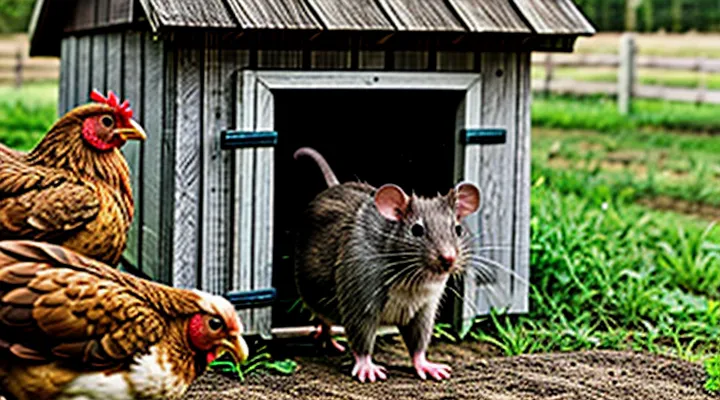
Understanding the Rat Problem in Chicken Coops
Why Rats are a Threat to Chickens and Coops
Health Risks for Poultry
Rats attracted to a coop introduce several direct health threats to chickens. Their presence can lead to the following conditions:
- Salmonellosis – rats carry Salmonella bacteria that can contaminate feed, water, and nesting material, causing diarrhea, dehydration, and high mortality in flocks.
- Hepatitis E virus – transmission occurs through rat feces; infection produces liver inflammation, reduced egg production, and occasional death.
- Leptospirosis – urine from infected rats spreads the spirochete Leptospira, resulting in fever, jaundice, and reproductive failure.
- Parasitic infestations – fleas, mites, and tapeworms hitch rides on rats, then infest birds, leading to anemia, skin lesions, and weakened immunity.
- Stress‑induced immunosuppression – constant rat activity creates noise and disturbance, elevating cortisol levels in chickens and making them more vulnerable to secondary infections.
When folk remedies are applied, additional risks may arise:
- Toxic plant extracts – essential oils or herbal powders used as repellents can be irritating or poisonous if ingested, causing respiratory distress or liver damage.
- Chemical residues – homemade sprays based on vinegar, citrus, or pepper may alter the pH of drinking water, disrupting gut flora and reducing nutrient absorption.
- Physical hazards – dried herbs or powdered deterrents placed near perches can cause inhalation irritation or be swallowed, leading to gastrointestinal blockage.
Mitigation strategies include:
- Regularly clean and disinfect the coop to remove rat droppings and urine.
- Rotate or replace herbal repellents weekly to avoid buildup of harmful residues.
- Monitor flock behavior for signs of respiratory irritation, abnormal droppings, or reduced egg output.
- Conduct veterinary health checks after introducing any new folk remedy.
Understanding these hazards enables producers to balance rat control with the preservation of poultry health.
Damage to Coop Infrastructure
Rats gnawing at the wooden frame, corroding metal hinges, and burrowing through insulation compromise the structural integrity of a chicken coop. Their incisors can sever support beams, causing sagging roofs and unstable perches. Chewed wiring creates short‑circuits that jeopardize lighting and heating systems. Accumulated droppings and urine accelerate rot in floorboards, while nesting tunnels weaken the foundation and allow predators easy entry.
Identifying damage early prevents costly repairs:
- Inspect all wooden members for fresh bite marks or splintered edges.
- Test metal fasteners for rust or missing pieces caused by gnawing.
- Examine electrical cables for exposed conductors or chew damage.
- Look for softened or damp floor sections where urine has seeped.
- Check the coop’s base for tunnels or holes that lead to the ground.
Traditional deterrents address the problem at its source. Applying strong-smelling herbs—such as peppermint oil, garlic powder, or dried rosemary—on the interior surfaces creates an environment rats avoid, reducing further gnawing. Sprinkling powdered cayenne pepper around vulnerable joints discourages chewing. A solution of vinegar and water, sprayed on metal hinges, deters rodents while inhibiting rust formation. Using a mixture of dried mint leaves and powdered chalk on insulation layers repels nesting activity, preserving thermal barriers.
Implementing these folk remedies alongside regular structural inspections limits rat‑induced damage, maintains coop safety, and extends the lifespan of all components.
Feed Contamination
Feed contamination creates a direct attraction for rodents, undermining any effort to clear a poultry enclosure of rats with traditional methods. Rotting grain, spilled seed, or moisture‑laden mash releases odors and nutrients that rats locate from great distances. Once the rats establish a foothold, they spread disease, damage structures, and compromise egg production.
Preventing contamination requires strict control of storage and distribution:
- Store all feed in airtight containers made of metal or heavy‑wall plastic; seal lids after each use.
- Position containers on raised platforms to keep them away from ground moisture.
- Clean spillage immediately with a broom or shovel; sweep the coop floor before adding fresh feed.
- Rotate stock regularly; discard any feed that shows signs of mold, clumping, or foul smell.
Folk remedies reinforce these practices without chemicals:
- Sprinkle dried lavender buds or crushed mint leaves around feed bins; rodents dislike the strong scent, while chickens tolerate it.
- Place a thin layer of powdered cayenne pepper on top of feed; the irritant deters rats from chewing but does not affect poultry.
- Use a mixture of ground garlic and diatomaceous earth on feed trays; the abrasive texture discourages rodent gnawing and adds a mild antimicrobial effect.
Regular inspection completes the strategy. Examine feed for discoloration, moisture, or insect activity at least weekly. Replace any compromised portion promptly, and reset the deterrent herbs or spices after each refill. By eliminating feed contamination, the coop becomes an unattractive environment for rats, allowing folk‑based rodent control to succeed.
Signs of Rat Infestation
Droppings and Tracks
Rat droppings and footprints reveal the extent of infestation. Fresh droppings are dark, ¼‑inch long, and taper to a point; older specimens turn gray and crumble. Tracks appear as small, four‑toed prints in dusty corners, near feed bins, or along the coop’s lower walls. Concentrations of these signs pinpoint the routes rats use to enter and exit the coop.
Identifying the locations of droppings and tracks allows targeted application of traditional deterrents. Place crushed garlic, dried mint, or powdered cayenne directly on fresh droppings; the strong odor masks food scents and repels rodents. Scatter shredded fox or cat fur along identified runways; predator scent discourages further travel. Soak cotton balls in diluted vinegar or peppermint oil and tuck them into crevices adjacent to track marks; the volatile compounds create an inhospitable environment without harming chickens.
After treatment, eradicate all waste. Remove droppings with a disposable scoop, then scrub the area with a solution of one part bleach to nine parts water. Rinse thoroughly, allow to dry, and re‑apply folk repellents weekly until no new droppings or tracks appear. Regular inspection of the coop floor and nesting boxes maintains awareness of any resurgence, ensuring the deterrent measures remain effective.
Gnaw Marks and Burrows
Gnaw marks on wood, wire mesh, or feed containers signal active rat presence. The teeth leave clean, crescent‑shaped bites that often expose the inner material. Inspect coop walls, nesting boxes, and feeder locks weekly; any fresh incision indicates a breach that must be sealed before folk deterrents become effective.
Burrows appear as shallow tunnels in the surrounding soil, typically 2–4 inches wide and extending 6–12 inches deep. Rats create multiple entry points around the coop perimeter, especially near vegetation or debris. Identify each opening, then fill with a mixture of dried herbs (e.g., peppermint, rosemary) and powdered chalk to disrupt scent trails and discourage re‑excavation.
Practical steps:
- Clean all gnawed surfaces with a solution of vinegar and water; the acidity removes odor cues.
- Apply a paste of garlic‑infused oil and powdered cayenne to the interior of each bite; the pungent scent repels rodents.
- Scatter dried lavender or dried mint leaves around burrow entrances; the volatile oils mask rat pheromones.
- Cover repaired holes with hardware cloth (½‑inch mesh) secured by stainless steel staples to prevent future gnawing.
Monitoring after treatment is essential. Record any new gnaw marks or burrow activity daily; a decrease confirms the folk remedies are functioning, while persistent signs require additional barrier reinforcement or alternative natural repellents.
Missing Eggs or Chicks
Rats entering a chicken coop often cause the disappearance of eggs and young birds. Their presence creates stress that leads hens to abandon nests, while rats may directly steal or damage eggs and chicks. Identifying the loss pattern—whether it occurs at night, in specific nesting boxes, or after a rainstorm—helps pinpoint rodent activity.
Typical signs of rodent‑related loss include:
- Eggs with bite marks or missing shells.
- Chicks found dead, showing signs of predation.
- Droppings near nest boxes.
- Gnawed wire, feed containers, or coop walls.
Folk remedies can reduce rat populations without chemicals, thereby protecting the clutch. Effective traditional measures are:
- Dried herbs – Sprinkle powdered peppermint, cayenne, or garlic around nesting areas; rodents find the strong scent repellent.
- Oil‑infused cotton – Soak cotton balls in eucalyptus or citronella oil, place them in corners and under perches; the volatile compounds deter rodents.
- Natural predators – Encourage barn owls by installing a simple perch and nesting box; their presence discourages rats from approaching nests.
- Ground cover – Scatter crushed oyster shells or diatomaceous earth near the coop foundation; the abrasive texture irritates rodent paws and prevents burrowing.
- Sound deterrents – Hang wind‑chimes or metal cans that clang when the wind blows; unpredictable noise disrupts rat foraging routes.
Implementing these measures creates an environment hostile to rats while remaining safe for chickens and their offspring. Regular inspection of nests, prompt removal of damaged eggs, and consistent application of the folk repellents maintain a rat‑free coop and preserve the integrity of the flock’s production.
Preparing for Rat Control
Assessing the Coop Environment
Identifying Entry Points
Rats infiltrate a poultry enclosure primarily through unnoticed openings; locating these gaps is the essential first step in any folk‑based repellent strategy.
Typical entry points include:
- Gaps around doors and windows, even those as narrow as a quarter‑inch.
- Holes in the wire mesh or rusted sections of the coop’s fencing.
- Openings at the roof ridge, vents, and eaves where roofing material is missing or damaged.
- Cracks in the foundation, floorboards, or near feed storage containers.
- Spaces around utility lines, pipes, and ventilation ducts.
Detecting these breaches requires systematic inspection. Conduct a daylight walk‑around, shining a flashlight along interior walls and ceilings to reveal shadows cast by gaps. At night, place a low‑intensity lantern inside the coop; any light escaping indicates a passage. Run a thin piece of chalk or talc along suspected seams; a fresh line of residue on the floor confirms rodent traffic.
Once identified, seal each opening with materials compatible with traditional remedies: use tightly woven natural fibers, such as hemp twine, combined with lime‑based plaster for cracks; apply copper mesh over larger holes before covering with straw or reeds; install weather‑stripping made from untreated wool around doors. Ensure all seals are snug, leaving no space larger than the rat’s whisker width.
By methodically locating and blocking every potential ingress, the coop becomes inhospitable, allowing folk repellents—such as dried mint, garlic infusion, or powdered cayenne—to work without interference from re‑entry routes.
Securing Feed Storage
Proper feed storage is essential for preventing rodent infestations in a chicken coop. Rats are attracted to accessible grain, cracked containers, and moisture; eliminating these cues reduces the likelihood of a population establishing itself.
- Store feed in metal bins with tight‑fitting lids. Metal discourages chewing and does not absorb odors.
- Line the interior of containers with a thin layer of diatomaceous earth before adding grain. The abrasive particles deter rodents and insects.
- Keep bins elevated on a sturdy platform at least 12 inches off the ground. Elevation prevents rats from reaching the feed by jumping or climbing.
- Seal all seams and joints of the storage area with silicone caulk or natural clay. Gaps larger than a quarter inch serve as entry points.
- Place a barrier of crushed peppermint leaves or dried lavender around the perimeter of the feed station. The strong scent is a traditional repellent that rodents avoid.
Regularly rotate feed and discard any spillage within 24 hours. Clean the storage area with a solution of white vinegar and water to remove lingering scents that could attract pests. By combining sturdy containers, physical barriers, and folk‑based repellents, the feed remains protected, depriving rats of their primary food source and supporting a healthier coop environment.
Removing Clutter and Debris
Removing clutter and debris from a chicken coop eliminates hiding places and food sources that attract rats. Loose straw, broken nesting boxes, and scattered feed create a maze of safe zones for rodents; clearing these elements forces rats to seek shelter elsewhere.
- Sweep the floor daily to collect spilled grain and droppings.
- Discard or compost old bedding that is damp or soiled.
- Repair or replace damaged coop sections that leave gaps.
- Store feed in sealed containers and keep it off the ground.
A tidy environment reduces the likelihood of rat infestation, supports the health of the flock, and enhances the effectiveness of any folk remedies applied afterward.
Safety Precautions for Chickens
Ensuring Ventilation
Proper airflow in a chicken coop reduces the scent and humidity that attract rodents. Fresh air dilutes ammonia from droppings, making the environment less appealing to rats. Maintaining a steady exchange of indoor and outdoor air also prevents mold growth, which can provide hidden nesting spots for pests.
Key actions for effective ventilation:
- Install adjustable vents near the roof ridge to allow warm, moist air to escape while preserving heat in colder months.
- Place lower-level openings on opposite walls to create a cross‑draft that moves air through the coop.
- Use fine mesh screens on all openings to keep rats from entering while still permitting airflow.
- Clean vent frames regularly to remove debris that could block passage and create stagnant pockets.
When vents are positioned correctly, the coop’s interior temperature stays within the optimal range for chickens and the odor level remains low, discouraging rats from establishing a foothold. Continuous monitoring of vent function ensures the system remains effective throughout seasonal changes.
Protecting Water Sources
Protecting water sources is essential when applying traditional rodent‑repellent methods to a poultry shelter. Contaminated water can spread disease to chickens and attract additional pests, undermining any effort to clear the coop.
Rats often enter the coop through damp areas, gnawing on pipes or drinking from standing water. Their urine and feces introduce pathogens such as Salmonella and Leptospira into the water supply. Consequently, any folk remedy must avoid adding contaminants or creating moisture that encourages rodent activity.
Effective folk‑based strategies that preserve water quality include:
- Herbal deterrents – Sprinkle dried mint, rosemary, or lavender around the water trough. The strong scent repels rodents without leaching chemicals into the water.
- Citrus peels – Place fresh orange or lemon peels near the water source. The oil released deters rats while the fruit residue remains harmless if it contacts the water.
- Vinegar solution – Wipe the exterior of water containers with a 5 % vinegar mixture. The acidity discourages gnawing and does not alter the water’s pH when applied externally.
- Physical barriers – Fit a fine‑mesh screen over open water containers. The barrier blocks rat entry while allowing free water flow.
- Regularly cleaning troughs with hot water and a mild, food‑safe detergent.
- Inspecting pipes for leaks; repair any cracks promptly.
- Removing standing water in the coop vicinity, such as puddles or spilled feed.
- Rotating herbal deterrents every two weeks to sustain scent potency.
By integrating these low‑cost, traditional measures, the coop remains free of rodents while the chickens’ drinking water stays clean and safe.
Monitoring Poultry Behavior
Monitoring poultry behavior provides the most reliable indicator of rodent activity in a chicken house. Changes in feeding patterns, perch usage, and vocalizations often precede visible signs of infestation. Documenting these variations enables timely application of traditional deterrents before rats cause damage.
Observe the flock at least twice daily. Record the following parameters:
- Feed consumption per bird; sudden decrease may signal competition for food with rats.
- Perching frequency; increased avoidance of certain roosts can indicate hidden burrows.
- Egg‑laying consistency; irregularities often correlate with stress from rodent presence.
- Vocal intensity; heightened alarm calls suggest disturbance near nesting boxes.
Correlate recorded data with environmental cues such as droppings, gnawed feed bags, and burrow entrances. When a pattern emerges—e.g., reduced feed intake alongside fresh gnaw marks—implement folk remedies like garlic‑infused oil, dried mint sachets, or crushed pepper placed near identified hotspots. Re‑evaluate behavior after each intervention; a return to normal feeding and perching confirms efficacy, while persistent anomalies require additional or alternative traditional measures.
Maintain a log that includes date, time, observed behavior, and remedy applied. This systematic approach turns anecdotal observations into actionable intelligence, ensuring that folk‑based rodent control remains targeted and effective.
Folk Remedies for Rat Repellent
Botanical Deterrents
Peppermint Oil and Leaves
Peppermint oil and fresh peppermint leaves are effective, low‑cost deterrents for rodent intrusion in poultry enclosures. Rats dislike the strong menthol scent, which interferes with their olfactory cues and reduces their willingness to explore a coop.
Application methods:
- Diffusion: Place a few drops of pure peppermint essential oil on cotton balls or small cloth pads. Distribute them in corners, near feed storage, and around ventilation openings. Replace every 3–4 days to maintain potency.
- Spray solution: Mix 1 ml of oil with 1 liter of water and a teaspoon of mild dish soap. Spray the mixture on wooden beams, wire mesh, and the exterior of the coop. Reapply after rain or heavy cleaning.
- Leaf bedding: Scatter a thin layer of crushed peppermint leaves on the floor beneath nesting boxes. Refresh the foliage weekly, ensuring it remains dry to prevent mold.
Safety considerations for chickens:
- Use only food‑grade peppermint oil; synthetic variants may contain harmful additives.
- Avoid direct contact of oil with birds’ skin or eyes; keep cotton pads out of reach of chicks.
- Monitor moisture levels when using leaves; excessive dampness can encourage bacterial growth.
Effectiveness indicators:
- Decreased rat sightings within 48 hours of initial treatment.
- Reduced gnaw marks on coop structure.
- Absence of new droppings near feeding stations.
Integrating peppermint oil and leaves with other folk tactics—such as sealing entry points and maintaining a clean feeding area—creates a multi‑layered barrier that discourages rodents without jeopardizing flock health.
Castor Oil Applications
Castor oil, a thick vegetable oil derived from the seeds of the Ricinus plant, functions as a deterrent when applied to the interior of a poultry enclosure. Its strong, unpleasant odor to rodents interferes with their scent trails, reducing the likelihood of entry and nesting.
Application methods include:
- Direct drizzling: Pour a thin layer of castor oil onto wooden beams, wire mesh, and the perimeter of the coop. Reapply weekly, especially after rain.
- Soaked rags: Soak clean cloth strips in castor oil, squeeze excess liquid, and hang them from the roof or secure them to the coop walls. Replace every 5‑7 days.
- Mixed spray: Combine one part castor oil with three parts water and a few drops of mild dish soap. Transfer to a spray bottle and mist surfaces where rats travel. Shake before each use; spray after cleaning the coop.
When using castor oil, wear gloves to avoid skin irritation, and keep the substance away from the chickens’ feed and water sources. The oil’s viscosity creates a slippery barrier on metal and wood, discouraging rats from climbing. Regular monitoring of oil condition ensures continuous efficacy and prevents buildup of debris that could attract pests.
Garlic and Onion Placement
Garlic and onions emit strong sulfurous odors that rats find repulsive. Positioning these vegetables strategically inside and around the coop maximizes their deterrent effect.
- Cut each bulb into quarters, leaving the skin intact to slow decay. Place the pieces in shallow, ventilated containers such as mesh trays or perforated plastic boxes.
- Distribute containers along the perimeter of the coop, focusing on entry points, feed storage areas, and nesting boxes. A spacing of 30‑45 cm between containers creates a continuous scent barrier.
- Suspend a small bundle of garlic cloves from the top rafters using twine, allowing the aroma to drift downward. Replace the bundle every 5‑7 days to maintain potency.
- Lay thin slices of onion on the floor of the run, covering a total area of roughly 0.5 m² per section. Remove and refresh the slices before they begin to sprout.
Maintain the vegetables dry; moisture accelerates rotting and can attract insects. After each replacement, inspect for signs of rodent activity and adjust placement accordingly. Consistent rotation of the scent sources sustains the repellent environment and discourages rats from establishing nests.
Chili Pepper Sprays
Chili pepper sprays are a widely used folk deterrent for rodents in poultry housing. The active component, capsaicin, irritates the nasal passages and mucous membranes of rats, causing them to avoid treated areas.
To prepare a spray, combine the following ingredients in a clean container:
- 2 tablespoons of finely ground dried chili flakes or cayenne powder
- 1 cup of white vinegar or distilled water
- 1 teaspoon of liquid dish soap (acts as an emulsifier)
Mix the powder into the liquid until fully dissolved, then add the soap and stir gently. Transfer the solution to a spray bottle with a fine mist nozzle.
Application guidelines:
- Empty the coop of chickens and remove all feed, water, and bedding.
- Spray the interior surfaces, focusing on entry points, nesting boxes, and perches.
- Apply a thin, even coat to the exterior walls and surrounding fence line.
- Allow the spray to dry completely before returning the flock.
Repeat the treatment every 3–5 days during peak rat activity, or after heavy rain, to maintain the repellent effect.
Safety considerations:
- Wear gloves and eye protection while mixing and spraying.
- Avoid direct contact with the chickens; the spray is harmless to birds when dry but may cause temporary eye irritation.
- Store the mixture in a sealed container away from children and pets; it remains effective for up to two weeks.
Effectiveness is supported by anecdotal reports from small‑scale producers who observe reduced rat presence within a week of consistent use. The method aligns with low‑cost, environmentally friendly practices and requires no specialized equipment.
Aromatic Barriers
Dryer Sheets and Fabric Softener
Dryer sheets and liquid fabric softener are common household items that emit strong fragrances capable of deterring rats from a poultry shelter. The scent interferes with the rodents’ scent‑tracking ability, making the area less attractive for nesting and foraging.
To employ these products safely:
- Place one dryer sheet at each entry point, under perches, and near feed containers. Replace every 48 hours, or sooner if the scent fades.
- Dilute fabric softener with water at a 1:10 ratio. Soak a clean cloth in the solution, wring out excess liquid, and drape the cloth in corners and behind nesting boxes. Refresh the cloth weekly.
- Keep sheets and cloths out of direct contact with chickens’ feed and water to avoid contamination.
- Monitor for any signs of irritation in birds; discontinue use if feathers become oily or if chickens show respiratory distress.
Both methods rely on volatile compounds that evaporate quickly, providing a short‑term barrier. For lasting protection, combine scent deterrents with structural measures such as sealing gaps, removing debris, and maintaining a clean coop environment.
Used Coffee Grounds
Used coffee grounds emit a potent aroma that rodents find unpleasant and contain caffeine, a natural stimulant that disrupts their nervous system. When spread in a chicken coop, the scent masks food odors and the caffeine deters rats from entering or lingering.
To employ coffee grounds effectively:
- Allow grounds to dry completely to prevent mold growth.
- Sprinkle a thin layer around the coop’s perimeter, focusing on entry points, nesting boxes, and feed storage areas.
- Refresh the layer every 3–4 days, or after heavy rain, to maintain potency.
- Combine with complementary folk repellents such as crushed mint leaves or dried lavender for enhanced effect.
Safety considerations:
- Keep grounds away from the chickens’ feed and water containers to avoid accidental ingestion.
- Store grounds in a sealed container until use to preserve aroma and prevent attracting insects.
- Test a small area first to ensure no adverse reaction from the birds.
By integrating dried, regularly refreshed coffee grounds into a broader set of traditional deterrents, the coop environment becomes hostile to rats while remaining safe for poultry.
Mothballs (with caution)
Mothballs, typically containing naphthalene or paradichlorobenzene, are a traditional rodent deterrent that can be employed in a poultry enclosure. Their strong vapor repels rats by irritating the animals’ respiratory system, prompting them to vacate the area.
When using this method, observe the following precautions:
- Place mothballs in sealed, perforated containers to limit direct contact with chickens and prevent ingestion.
- Position containers at the perimeter of the coop, away from nesting boxes and feeding stations.
- Limit exposure time; remove the containers after 48–72 hours to reduce the risk of toxic buildup.
- Ensure adequate ventilation; open doors and windows during application to disperse vapors safely.
- Wear gloves and a mask when handling mothballs; avoid inhaling fumes directly.
Mothballs should not replace comprehensive pest management. Combine them with structural repairs, predator attraction, and regular cleaning to achieve lasting rat control. Misuse can lead to health hazards for both poultry and humans, so strict adherence to safety guidelines is essential.
Mechanical Deterrents (Non-Lethal)
Noise-Making Devices
Noise‑making devices serve as a practical folk method for discouraging rats from entering a chicken shelter. The principle relies on creating unpredictable sounds that rats interpret as a predator presence, prompting them to avoid the area.
Commonly employed items include:
- Empty metal cans or aluminum foil strips struck together at irregular intervals.
- Small wooden clappers or hand‑made rattles suspended from the coop frame.
- Wind‑driven chimes made from bamboo or tin, positioned where airflow is constant.
- Low‑frequency ultrasonic emitters powered by batteries, calibrated to frequencies rats find uncomfortable but chickens cannot hear.
Installation guidelines are straightforward. Secure the device to a sturdy part of the coop, ensuring it does not interfere with door hinges or nesting boxes. Space multiple devices evenly around the perimeter to prevent rats from finding a silent entry point. Activate the devices at dusk, when rats are most active, and maintain a random rhythm by manually shaking or using a simple wind‑powered mechanism.
Effectiveness depends on consistency. Rats quickly habituate to repetitive, predictable noises; therefore, vary the timing and intensity of the sounds weekly. Combine noise makers with other traditional deterrents—such as peppermint oil sachets or crushed garlic—to reinforce the aversion response.
Precautions include monitoring the chickens for signs of stress. If birds become agitated, reduce the volume or relocate the device farther from roosting areas. Regularly inspect the devices for rust or wear, replacing damaged components to preserve sound quality.
When applied correctly, noise‑making tools provide a low‑cost, non‑chemical strategy that aligns with folk practices for protecting poultry from rodent intrusion.
Bright Lighting Solutions
Bright lighting can deter rodents from a poultry enclosure by creating an environment that rodents find hostile. Rats prefer dim, sheltered spaces; exposure to intense illumination disrupts their activity cycles and reduces nesting attempts.
- High‑intensity white LEDs mounted on the coop roof, angled to cover entry points and interior corners.
- Solar‑powered floodlights positioned near external doors, programmed for dusk‑to‑dawn operation.
- Motion‑activated bulbs that flash briefly when movement is detected, startling intruders.
- Reflective tape or mirror strips placed on the coop walls to scatter light and eliminate shadowed zones.
Installation should prioritize uniform coverage without creating glare that harms chickens. Lights must be positioned at least 12 inches above perches to avoid direct exposure to birds. Wiring should be weather‑sealed; battery‑backed systems ensure operation during power outages. Regular cleaning of lenses maintains brightness levels, while periodic checks of mounting hardware prevent loosening that could create entry gaps.
Consistent use of bright illumination, combined with other folk deterrents such as strong odors and predator silhouettes, forms an integrated strategy that lowers rat presence while preserving a safe environment for the flock.
Implementing and Maintaining Rat Control
Strategic Placement of Remedies
High-Traffic Rat Areas
Rats concentrate activity where food, water and shelter intersect. In a chicken coop these zones create predictable pathways that can be disrupted with traditional deterrents.
Typical high‑traffic rat zones include:
- Feed containers left open or loosely sealed.
- Water troughs with spillage or standing water.
- Nesting boxes containing soft bedding.
- Gaps beneath roosting bars, door frames, and ventilation openings.
- Exterior run edges where vegetation meets the coop floor.
- Storage piles of straw, corn or grain stacked near the coop.
Folk remedies target each zone directly. Sprinkle powdered cayenne or crushed red pepper on feed surfaces and inside storage bins; the strong irritant discourages gnawing. Apply a few drops of peppermint oil on wooden joints and around ventilation holes; the volatile scent repels rodents without harming birds. Spread a thin layer of diatomaceous earth on the coop floor and at the base of run fences; its abrasive particles damage rat exoskeletons while remaining safe for poultry. Place crushed garlic cloves or a garlic‑infused spray near water sources; the pungent compound reduces rat visitation. Finally, line the perimeter of the run with a mixture of ash and dried herbs such as rosemary; the dry, fibrous barrier impedes movement and adds an additional repellent aroma.
By identifying and treating these high‑traffic areas with the described remedies, the likelihood of rat intrusion diminishes, protecting both the chickens and the coop structure.
Near Food and Water Sources
Rats are drawn to the chicken coop whenever feed or water is left accessible. Open containers, spilled grain, and damp bedding create an environment that supports rodent foraging and breeding. Eliminating these attractants reduces the population pressure and makes folk deterrents more effective.
- Store dry feed in sealed metal or heavy‑duty plastic containers; avoid plastic bags that can be gnawed.
- Place water dishes on raised platforms with a narrow lip; use a drip‑free system to keep the surface dry.
- Clean up spilled seed and crumbs after each feeding; sweep the floor and surrounding area daily.
- Replace bedding with straw or wood shavings that dry quickly; remove soiled material weekly.
Traditional repellents work best when the food and water zones are secured. Sprinkle ground cayenne pepper or chili flakes around the perimeter of feed containers; the strong odor discourages rodents without harming chickens. Soak cotton balls in peppermint oil and hide them near water sources; the volatile oil penetrates the air and creates an unpleasant scent for rats. A mixture of garlic powder and powdered mustard, applied to the exterior of the coop, adds an additional sensory barrier that deters entry.
Consistent maintenance of feed and water stations, combined with these age‑old repellents, creates a hostile environment for rats while preserving a safe habitat for poultry.
Regular Monitoring and Replenishment
Checking for Fresh Rat Activity
Monitoring recent rat activity is essential before applying any traditional deterrent. Fresh signs indicate that rodents are still using the coop, which means remedies must be timed correctly.
- Small droppings, shiny and dark, found near feed, water, or nesting boxes.
- Gnaw marks on wood, wire, or plastic, especially fresh cuts with smooth edges.
- Chewed or displaced bedding, feathers, or feed containers.
- Tracks in dusty corners or on fresh straw, visible as light footprints.
- Odor of urine, pungent and distinct, lingering near entry points.
Inspect the structure systematically. Begin at the ground level, examine the perimeter for holes or gaps, then move upward to roosting areas, feeding stations, and nesting compartments. Use a flashlight to reveal shadows and a thin stick to probe suspected openings. Turn over loose bedding and sift through feed to expose hidden droppings or gnaw evidence. Conduct this sweep at dawn and dusk, when rodents are most active, to maximize detection of fresh traces.
Document each observation with date, location, and type of sign. Record patterns over several days to determine whether activity is increasing, stable, or declining. This data guides the selection and timing of folk remedies, ensuring they target an active infestation rather than a resolved one.
Reapplying Folk Remedies
When initial applications of traditional deterrents lose potency, a systematic reapplication schedule restores effectiveness. Begin by monitoring rodent activity for 24‑48 hours after the first treatment; renewed gnawing, droppings, or scent marks signal diminishing impact.
Reapply the following remedies according to the schedule below, ensuring each step respects the health of the poultry:
- Herbal powders (e.g., peppermint, cayenne): Sprinkle a thin layer on the coop floor and in nesting boxes every three days. Light dusting prevents buildup while maintaining an irritating aroma for rats.
- Essential‑oil soaked cloth strips: Soak cotton strips in a blend of eucalyptus and clove oil, then hang them from beams. Replace strips weekly, as oil evaporates and potency wanes.
- Fermented garlic solution: Dilute one cup of fermented garlic juice in ten gallons of water and mist the interior surfaces. Reapply twice weekly; the volatile compounds dissipate quickly in ventilation.
- Ground chili flakes: Disperse a quarter‑cup of dried chili flakes around entry points and feeding stations every five days. Rats avoid the burning sensation, while chickens remain unaffected.
Observe the coop for any signs of irritation in the birds; adjust concentrations if feather pecking or respiratory signs appear. Rotate remedies each cycle to prevent rats from acclimating to a single scent. Document each application date, method, and observed rodent activity to refine the reapplication timetable for long‑term control.
Long-Term Prevention Strategies
Sealing Gaps and Cracks
Sealing gaps and cracks eliminates entry points that rats exploit to access a chicken coop. Identify all openings, including those around doors, windows, ventilation slats, and foundation joints. Use steel wool or copper mesh to fill narrow spaces, then apply a durable sealant such as silicone or epoxy to prevent rodents from chewing through.
- Inspect the coop interior and exterior for holes larger than a quarter‑inch.
- Pack steel wool tightly into each opening, then overlay with expanding foam or caulk.
- Reinforce larger gaps with hardware cloth secured by nails or staples.
- Apply a final coat of weather‑resistant sealant to protect the treatment from moisture.
Regularly re‑examine the coop after heavy rain or seasonal temperature changes. Repair any new fissures promptly to maintain an airtight barrier that discourages rat intrusion without relying on chemical deterrents.
Elevated Feeders and Waterers
Elevated feeders and waterers reduce rodent access by placing food and water above ground level, where rats cannot reach them. Mounting containers on sturdy brackets or wooden platforms forces chickens to climb, while rats remain confined to the floor.
The design should include the following features:
- Secure brackets fastened to the coop frame; avoid loose screws that rats could loosen.
- Smooth, non‑porous surfaces on the feeding platform to prevent gnawing.
- Drainage holes covered with fine mesh to keep water fresh and block small pests.
- Adjustable height, allowing the farmer to raise the apparatus as chickens grow.
Elevated placement also discourages rats from nesting near feed sources, a common attractant. When combined with traditional deterrents such as dried herbs, garlic paste, or oil‑infused cotton balls, the elevated system creates a physical barrier and an unappealing environment for rodents. Regular inspection of the mounting points and cleaning of the platform prevent debris buildup, which could otherwise provide hiding spots for rats.
Regular Coop Cleaning
Regular cleaning of a chicken coop removes the primary resources that attract rats. Food scraps, spilled feed, and moist bedding create a scent trail that rodents follow; eliminating these elements deprives them of sustenance and shelter.
- Remove all feed containers, discard uneaten grain, and store feed in sealed metal bins.
- Sweep the floor, collect droppings, and discard any moldy bedding.
- Replace litter with fresh, dry material such as straw or wood shavings.
- Scrub walls, perches, and nesting boxes with a solution of hot water and vinegar; rinse thoroughly.
- Apply a thin layer of diatomaceous earth to the floor after drying to deter crawling insects that may serve as secondary food for rats.
Cleaning reduces odor, moisture, and visible food sources, all of which are critical attractants for rodents. A dry, odor‑free environment discourages rats from establishing a foothold and makes the coop less appealing than surrounding fields.
Combine the cleaning routine with traditional deterrents for maximum effect. After the coop is dry, place cotton balls soaked in peppermint oil near entry points, and sprinkle crushed garlic cloves or ground cayenne pepper around the perimeter. These folk remedies add scent barriers that rats find uncomfortable, reinforcing the physical cleanliness of the coop.
Perform the thorough cleaning schedule at least once every two weeks, with spot cleaning (removing droppings and spilled feed) daily. Consistent maintenance, paired with natural repellents, creates a hostile environment that prevents rat colonization without relying on chemical poisons.
When Folk Remedies Aren«t Enough
Recognizing Persistent Infestations
Continued Rat Sightings
Continued rat sightings indicate that the current folk‑based deterrent strategy is insufficient. Rats often return after an initial decline because they adapt to single‑method approaches, locate new entry points, or find alternative food sources within the coop.
Key factors to assess:
- Barrier integrity – inspect wire mesh, gaps around doors, and ventilation openings; even a ¼‑inch opening permits entry.
- Food availability – ensure feed is stored in sealed containers, remove spilled grain, and clean droppings promptly.
- Shelter conditions – eliminate nesting material such as straw or shredded paper that can attract rodents.
If the problem persists, modify the remedy protocol:
- Combine repellents – rotate herbal sachets (e.g., dried mint, rosemary, and garlic) with mineral oil sprays to prevent habituation.
- Increase frequency – refresh herbal bundles every three days rather than weekly.
- Introduce predator cues – hang dried owl feathers or place small predator urine patches near suspected pathways.
- Apply physical traps – set up snap traps or live‑catch cages in concealed corners, checking them twice daily.
Monitoring should include daily visual checks and weekly counts of droppings to gauge effectiveness. When sightings decline for at least two weeks, maintain the revised regimen for an additional month before scaling back. Continuous vigilance prevents re‑infestation and safeguards the poultry’s health.
Increasing Damage
Traditional rodent‑control techniques for a chicken enclosure often rely on natural substances that irritate, repel, or incapacitate rats. When these agents are applied repeatedly, the physiological stress inflicted on the animals intensifies, producing a progressive increase in damage to the pests’ nervous and digestive systems. This escalation accelerates mortality rates and reduces the likelihood of survivors developing tolerance.
Key mechanisms that contribute to rising damage include:
- Concentrated essential oils (e.g., peppermint, eucalyptus). Initial exposure causes mild disorientation; successive applications saturate olfactory receptors, leading to severe respiratory distress.
- Herbal powders (e.g., cayenne, mustard). Small doses deter feeding; cumulative buildup on fur and paws creates abrasions, impairing mobility and causing internal irritation when ingested.
- Fermented plant extracts (e.g., garlic‑vinegar mash). Early use produces temporary aversion; repeated contact lowers gut pH, resulting in ulceration and systemic toxicity.
To harness increasing damage without endangering the flock, follow these precautions:
- Apply agents only to exterior surfaces, avoiding direct contact with bedding or feed.
- Rotate substances every 3‑5 days to prevent habituation while maintaining cumulative stress on rats.
- Monitor for signs of excessive collateral harm, such as dust inhalation in chickens or contamination of water sources, and discontinue use immediately if detected.
By strategically intensifying the physiological impact of folk remedies, operators can achieve a self‑reinforcing deterrent effect that drives rats out of the coop while preserving the health of the poultry.
Considering Professional Assistance
Pest Control Services
Professional pest‑control providers specialize in eliminating rodents from poultry housing while respecting the desire for natural, low‑toxicity solutions. Their process begins with a thorough inspection of the coop’s structure, identifying entry points such as gaps around doors, vents, and wire mesh. After documenting these vulnerabilities, technicians recommend sealing methods—metal flashing, hardware cloth, or weather‑proof caulking—that block future invasions without harming the birds.
A typical service package includes:
- Installation of live‑catch traps positioned near known rat pathways; traps are checked and emptied daily to prevent suffering.
- Deployment of deterrent devices that emit ultrasonic frequencies or ultrasonic vibrations, which discourage rodent activity without chemicals.
- Application of rodent‑repellent botanicals (e.g., peppermint oil, dried rosemary, or crushed garlic) in accordance with safety guidelines for poultry.
- Guidance on coop sanitation: regular removal of spilled feed, secure storage of grain in metal containers, and routine cleaning of nesting boxes to eliminate attractants.
Professional teams also advise on ongoing maintenance. They schedule periodic follow‑up visits to verify that seals remain intact, traps function correctly, and repellent applications retain potency. By combining structural fortification, humane trapping, and approved folk‑based repellents, pest‑control services deliver a comprehensive, low‑risk strategy for keeping rats out of chicken coops.
Humane Trapping Options
Rats in a chicken coop can be removed without lethal methods by employing traps that capture the animal alive and allow release far from the poultry area. Live‑catch cages, constructed from wood or sturdy wire mesh, feature a one‑way entry door; a rat pushes the door inward, becomes trapped, and can be relocated after a short holding period. Bucket traps combine a baited ramp with a suspended container; the rodent climbs the ramp, loses balance, and falls into the bucket, where a lid prevents escape. Wooden box traps use a hinged lid that snaps shut when the rat reaches the bait placed at the far end, providing a secure enclosure for later release.
- Reusable snap‑free cage: Durable, easy to clean, fits under coop roosts.
- Bucket‑and‑ramp device: Simple materials, minimal maintenance, effective for larger populations.
- Hinged‑lid wooden box: Quiet operation, low visibility, suitable for indoor coop sections.
When deploying any humane trap, position it along established rat pathways—near feed, water lines, or wall edges—and use attractants such as unsalted peanut butter, dried fruit, or a small piece of cheese. Check traps at least twice daily to prevent stress or injury. After capture, transport the animal at least two miles away, release in a wooded area, and seal the release point to discourage return. Combining these live‑capture tools with traditional deterrents—like dried lavender sprigs, crushed peppermint leaves, or a rotating garlic oil diffuser—creates a comprehensive, non‑lethal strategy for keeping the coop rat‑free.