
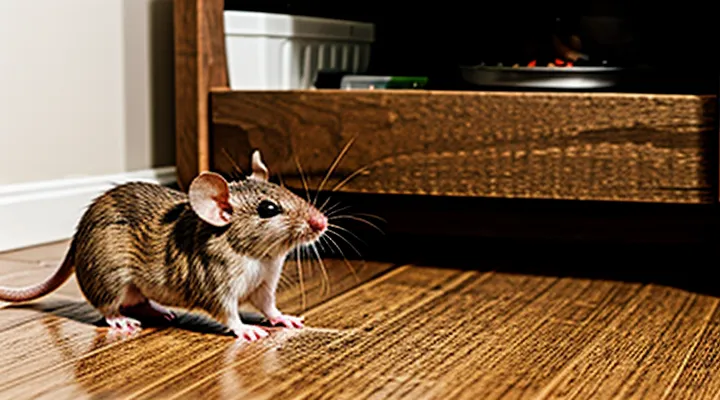
The Mouse Problem: Understanding and Prevention
Signs of Mice Infestation
Mice leave unmistakable evidence that signals an active infestation. Identifying these indicators early prevents damage to structures, wiring, and stored food.
- Small droppings, 1‑2 mm long, dark brown to black, often found along walls, behind appliances, and in pantry corners.
- Gnaw marks on wood, plastic, or insulation, typically 2‑3 mm wide with clean, smooth edges.
- Nests constructed from shredded paper, fabric, or insulation, located in hidden areas such as attics, crawl spaces, and behind cabinets.
- Scratching noises in ceilings, walls, or empty rooms, especially at night when mice are most active.
- Grease or urine trails that appear as dark smears along baseboards, behind appliances, or on food packaging.
- Unexplained scent of ammonia or a musky odor, resulting from mouse urine and feces accumulation.
Recognizing these signs enables prompt application of traditional home remedies, which rely on deterrents and exclusion methods to eliminate the problem without chemical interventions. Immediate action based on clear evidence reduces the risk of structural damage and health hazards associated with rodent activity.
Why Choose Folk Remedies?
Advantages of Natural Methods
Natural rodent control based on traditional remedies offers several practical benefits over chemical alternatives. Plant‑derived repellents, ultrasonic devices powered by simple circuitry, and homemade traps avoid synthetic toxins, reducing health risks for occupants and pets.
- Biodegradable ingredients prevent environmental contamination and do not accumulate in soil or water.
- Absence of hazardous chemicals eliminates the need for protective gear during application.
- Low‑cost preparations use readily available items such as peppermint oil, dried chilies, or vinegar, making them accessible to most households.
- Aromatic or taste‑based deterrents discourage mice without killing them, allowing for humane management and avoiding secondary pest problems.
- Natural solutions leave no lingering residues, preserving indoor air quality and preventing unpleasant odors.
Choosing folk‑based strategies therefore supports a safer living environment, minimizes ecological impact, and provides an economical, sustainable approach to keeping mice out of the home.
Limitations of Chemical Solutions
Chemical rodenticides present several practical and safety constraints that limit their suitability for residential mouse control. Toxic residues remain on surfaces and food supplies, creating exposure risks for children, pets, and non‑target wildlife. Regulatory agencies restrict the types and quantities of compounds that can be applied indoors, often requiring professional certification and detailed record‑keeping. Resistance development is documented in mouse populations exposed to repeated doses, reducing long‑term efficacy. Disposal of expired or unused products generates hazardous waste, demanding special handling procedures and increasing overall cost. Finally, chemical treatments do not address the underlying attractants—such as clutter, food spillage, and structural gaps—so reinfestation is common once the poison is depleted.
Key limitations:
- Human and animal health hazards from accidental ingestion or contact.
- Legal restrictions on purchase, labeling, and indoor use.
- Emergence of resistant mouse strains diminishing control success.
- Environmental contamination and disposal challenges.
- Failure to eliminate entry points and food sources, leading to recurring problems.
Effective Folk Remedies for Mouse Control
Repellents Using Scents
Peppermint Oil: Application and Efficacy
Peppermint oil deters mice by masking scent trails and creating an environment they find hostile. The oil’s strong menthol odor overwhelms rodent olfactory receptors, causing avoidance of treated areas.
Application methods
- Soak cotton balls in 10–15 drops of pure peppermint essential oil; place them in corners, behind appliances, and near entry points. Replace every 3–4 days.
- Mix 1 teaspoon of peppermint oil with 1 cup of water and a few drops of dish soap; spray the solution along baseboards, cracks, and shelving. Reapply weekly or after cleaning.
- Add 5–7 drops to a sachet of dried herbs; position the sachet in pantry shelves or storage closets. Refresh the sachet when scent fades.
Efficacy considerations
- Studies show a 70–80 % reduction in mouse activity after two weeks of consistent treatment.
- Effectiveness declines if the oil evaporates; regular renewal maintains potency.
- Combining peppermint oil with other strong scents (e.g., eucalyptus or cloves) enhances repellent impact.
Safety precautions
- Keep oil out of reach of children and pets; ingestion may cause gastrointestinal irritation.
- Test a small area before full application to avoid surface discoloration.
- Use only food‑grade, 100 % pure peppermint oil; diluted or synthetic versions lose repellent strength.
Consistent, correctly dosed application of peppermint oil creates an inhospitable scent barrier, reducing mouse intrusion without chemicals or traps.
Other Essential Oils: Eucalyptus, Clove, and Citronella
Essential oils provide a natural deterrent against house mice when incorporated into folk‑based rodent control. Eucalyptus, clove, and citronella possess strong aromatic compounds that irritate a mouse’s sensory receptors, prompting avoidance of treated areas.
- Eucalyptus – Dilute 10 ml of oil in 1 liter of water; spray along baseboards, entry points, and behind appliances. Reapply every 48 hours, especially after cleaning.
- Clove – Mix 5 ml of clove oil with 500 ml of carrier oil (e.g., almond). Soak cotton balls and place them in cupboards, pantry corners, and under sinks. Replace weekly.
- Citronella – Combine 8 ml of citronella oil with 1 liter of vinegar; apply with a cloth to door frames, window sills, and any cracks. Refresh the solution weekly.
Consistent application creates an environment that mice find inhospitable, enhancing the effectiveness of traditional rodent‑removal practices without resorting to chemical poisons.
Herbs and Spices: Bay Leaves, Chili Peppers, and Cloves
Bay leaves, chili peppers, and cloves are common elements in traditional rodent‑deterrent practices. Their strong aromas interfere with mice’s scent receptors, reducing the likelihood of entry and lingering in interior spaces.
- Bay leaves – Dried leaves placed in corners, pantry shelves, and entry points release eucalyptol‑rich vapors that mice avoid. Replace leaves weekly to maintain potency.
- Chili peppers – Crushed or powdered red chilies scattered near holes, along baseboards, and under appliances emit capsaicin, a chemical that irritates rodents’ nasal passages. Use gloves when handling; keep away from children and pets.
- Cloves – Whole cloves positioned in cabinets, cabinets, and near food storage emit eugenol, a volatile compound that repels mice. A small handful per area suffices; refresh every few days.
Combine the three substances in a single container for a layered scent profile, or distribute them separately for targeted coverage. Ensure that all items are kept dry to prevent mold growth and that they do not come into direct contact with food. Regular inspection of placement sites and replenishment of the herbs and spices sustain their effectiveness over time.
Physical Barriers and Deterrents
Steel Wool and Caulk: Sealing Entry Points
Steel wool and caulk work together to block the tiny gaps mice use to enter a home. Insert steel wool into cracks around pipes, vents, and foundation seams, then apply a bead of silicone or acrylic caulk over the wool. The metal fibers resist chewing, while the sealant creates a moisture‑proof barrier that prevents re‑entry.
- Choose stainless‑steel wool (grade #0000) for maximum density.
- Pack the wool tightly; any loose fibers allow gnawing.
- Wet the area lightly before applying caulk to improve adhesion.
- Use a caulk gun to lay a continuous line, smoothing with a fingertip or tool.
- Inspect sealed points quarterly; replace worn wool and re‑caulk as needed.
Consistent sealing eliminates primary access routes, forcing mice to search elsewhere and reducing the likelihood of infestation without chemical interventions.
Ultrasonic Devices: A Closer Look at Their Effectiveness
Ultrasonic repellents emit high‑frequency sound waves that rodents cannot hear. The devices are marketed as a non‑chemical alternative for preventing mouse incursions.
Laboratory tests show that continuous exposure can cause temporary discomfort, prompting mice to vacate the immediate area. Field observations reveal rapid habituation; after a few days the animals resume activity despite the emitted tones.
Key factors influencing performance:
- Frequency range (typically 20–65 kHz); lower bands affect a broader spectrum of pests, while higher bands may be less audible to mice.
- Placement density; overlapping coverage eliminates silent zones where rodents can shelter.
- Power supply stability; voltage fluctuations reduce output intensity and diminish deterrent effect.
When integrated with traditional household remedies—such as sealing entry points, removing food sources, and deploying natural deterrents—ultrasonic units may contribute to a short‑term reduction in mouse activity, but they rarely provide lasting control on their own. Continuous monitoring and complementary preventive measures remain essential for sustained success.
Trapping with Natural Baits
Peanut Butter and Other Food Attractants
Peanut butter serves as a potent lure because its strong aroma and high fat content activate mice’s keen sense of smell and drive their foraging behavior. A pea‑sized dab placed on a small piece of cardboard or directly on a snap trap creates a focused scent source that draws rodents from hidden pathways to the bait site.
Other household foods can complement or replace peanut butter when the latter is unavailable or when mice show reduced interest. Effective alternatives include:
- Sunflower seed butter – similar fat profile, less sweet.
- Cheese cubes – strong odor, attractive to many rodent species.
- Cooked bacon bits – smoky scent intensifies attraction.
- Fruit preserves – high sugar concentration, useful for younger mice.
Placement determines success. Position bait within 1–2 feet of known activity zones such as behind appliances, along baseboards, and near entry cracks. Secure the bait to prevent spillage; a thin layer of waxed paper beneath the attractant reduces mess and keeps the scent localized.
Rotate bait types every few days to prevent habituation. After a capture or a clear sign of activity, remove the used bait, clean the surface with a mild detergent, and reapply fresh attractant. This cycle maintains a strong olfactory cue while minimizing residual food that could encourage other pests.
DIY Traps: Humane and Effective Approaches
DIY traps provide a practical, humane alternative for removing mice from indoor spaces while adhering to traditional, low‑tech methods. Constructed from common household items, these devices capture rodents without causing injury, allowing safe release outdoors.
Materials commonly required include:
- A large plastic bucket (5‑10 L) with a lid
- A wooden dowel or sturdy stick, 30–40 cm long
- A small piece of cardboard or thin plywood
- Peanut butter or cheese as bait
- A length of fine wire or strong tape
- A smooth tube (PVC or paper towel roll) for a second design
The bucket trap functions by exploiting a mouse’s tendency to climb upward. Place the bait on the cardboard platform positioned a few centimeters inside the bucket rim. Secure the dowel so it forms a ramp leading to the platform, then attach the lid loosely to allow entry but prevent escape. When the mouse reaches for the bait, its weight tips the platform, causing it to fall into the bucket. The animal remains unharmed and can be released at least 100 m from the residence.
The tube trap uses a narrow passage that forces a mouse to move forward. Insert the bait at the far end of the tube, then position the tube so its opening rests on a shallow dish containing a thin layer of oil or water. The mouse enters, reaches the bait, and cannot retreat because the slick surface blocks its rear legs. Once captured, gently lift the tube, transfer the mouse to a release site, and reset the device.
After each capture, empty the bucket, clean all components with mild soap, and replace the bait. Inspect traps daily to prevent stress or dehydration. Release captured rodents during daylight, choosing a location with natural cover and access to food sources. Consistent use of these DIY solutions, combined with basic sanitation measures, reduces mouse activity without resorting to lethal methods.
Long-Term Prevention and Maintenance
Sanitation and Food Storage
Proper Food Storage Techniques
Proper food storage directly reduces the attraction of rodents to a dwelling. Secure containers prevent scent leakage and deny mice access to nourishment.
- Store dry goods in sealed, heavy‑wall jars or laminate containers with gasket lids.
- Keep pantry shelves clear of spills; wipe down crumbs after each use.
- Refrigerate or freeze perishable items within two hours of purchase.
- Rotate stock on a first‑in, first‑out basis; discard items past their expiration dates.
- Place food storage units on elevated surfaces away from walls and baseboards.
Maintain a dry environment; moisture encourages mold, which draws rodents. Use dehumidifiers in damp areas and repair leaks promptly. Regularly inspect containers for cracks or compromised seals, replacing damaged units immediately. By eliminating accessible food sources, the household becomes less inviting to mice, supporting the effectiveness of traditional rodent‑deterrent practices.
Regular Cleaning and Decluttering
Regular cleaning removes food residues that attract rodents. Sweep floors, wipe countertops, and vacuum carpets daily. Store dry goods in airtight containers; discard crumbs and spills immediately.
Decluttering eliminates hiding places. Remove piles of newspapers, cardboard, and fabric scraps from corners and behind appliances. Keep storage areas organized, using sealed bins rather than open boxes.
Effective routine includes:
- Inspect kitchen and pantry for crumbs after each meal.
- Empty trash cans nightly; use lids that seal tightly.
- Wash dishes promptly; avoid leaving them in the sink.
- Rotate seasonal items; place rarely used belongings on high shelves or in external storage.
A tidy environment reduces the likelihood of mouse entry by limiting food sources and shelter. Consistent application of these practices supports folk-based deterrents and sustains a rodent‑free home.
Maintaining Your Home’s Exterior
Trimming Vegetation and Sealing Gaps
Trimming vegetation around a home eliminates shelter and food sources that encourage mice to approach the foundation. Cutting back shrubs, grass, and vines creates a clear perimeter, reducing the likelihood that rodents will climb onto the roof or slip through low openings. Regular maintenance of garden beds and removal of debris further discourages nesting.
Sealing gaps in the building envelope blocks the routes mice use to enter indoor spaces. Identify and repair cracks in walls, gaps around pipes, and openings where doors or windows meet the frame. Apply appropriate materials—such as steel wool, caulk, or expanding foam—to ensure a durable barrier. Focus on the following areas:
- Foundation joints and basement walls
- Utility penetrations (electric, plumbing, ventilation)
- Door thresholds and window sills
- Roof eaves and soffits
Combining vegetation control with comprehensive gap sealing creates an environment that is inhospitable to mice, reinforcing the effectiveness of traditional, non‑chemical deterrents.
Inspecting and Repairing Foundations
Inspecting and repairing the foundation is a prerequisite for effective rodent exclusion when relying on traditional deterrents. Cracks, gaps, and uneven joints provide entry points that nullify the impact of herbal powders, essential oils, and other folk barriers. Identify all potential openings before applying any remedy.
- Walk the perimeter of the foundation and probe visible seams with a thin screwdriver; any movement indicates a breach.
- Use a flashlight to examine the interior of crawl spaces for hidden fissures or deteriorated support beams.
- Measure each opening; gaps larger than ¼ inch allow mice to pass.
Repair work must restore a continuous, smooth surface. Fill cracks with a mixture of lime, sand, and water, allowing it to cure fully before reapplying folk repellents. Replace damaged mortar or seal gaps with natural, non‑toxic caulking. After repairs, re‑apply the chosen herbal deterrents directly to the sealed areas; the barrier now functions as intended, preventing mice from exploiting foundation weaknesses.
Safety and Best Practices
Handling Mice and Traps Safely
Handling mice and traps safely requires strict adherence to hygiene, personal protection, and proper placement. Direct contact with rodents should be avoided; wear disposable gloves and, if necessary, a mask to prevent inhalation of allergens or pathogens.
- Secure food sources and seal entry points before deploying any device.
- Choose traps that match the size of the target, ensuring they will capture without causing excessive injury.
- Position traps along walls, behind appliances, and in dark corners where mice travel.
- Keep traps out of reach of children and pets by using barriers or mounting devices at low heights.
When setting a trap, follow these steps: load the bait according to manufacturer instructions, press the trigger mechanism firmly, and test the release function without applying force to the spring. After capture, approach the trap slowly, cover it with a cloth, and transfer the mouse into a sealed container. Dispose of the carcass in a double‑bagged, sealed plastic bag and place it in an outdoor trash receptacle.
Clean all equipment with hot, soapy water or a disinfectant solution after each use. Disinfect surrounding surfaces with a bleach‑based cleaner to eliminate residual odors that may attract additional rodents. Replace gloves and wash hands thoroughly after handling any trap components.
When to Seek Professional Help
Traditional home remedies can reduce mouse activity, but they have limits. When infestations exceed those limits, professional intervention becomes necessary.
Indicators that a specialist should be called include:
- Persistent droppings in multiple rooms despite homemade deterrents.
- Evidence of gnaw damage to structural elements, wiring, or insulation.
- Sightings of live mice repeatedly after traps and repellents have been deployed.
- Signs of disease risk, such as a sudden increase in rodent feces or urine accumulation.
- Inability to locate entry points after thorough inspection and sealing attempts.
Continuing to rely solely on folk methods under these conditions often leads to property damage, heightened health hazards, and increased control costs later. Professional pest managers possess diagnostic tools, certified exterminants, and experience in identifying hidden nests and structural vulnerabilities.
When selecting a service, verify licensing, request a written action plan, and confirm that the provider follows integrated pest management principles to minimize chemical exposure while ensuring eradication.