
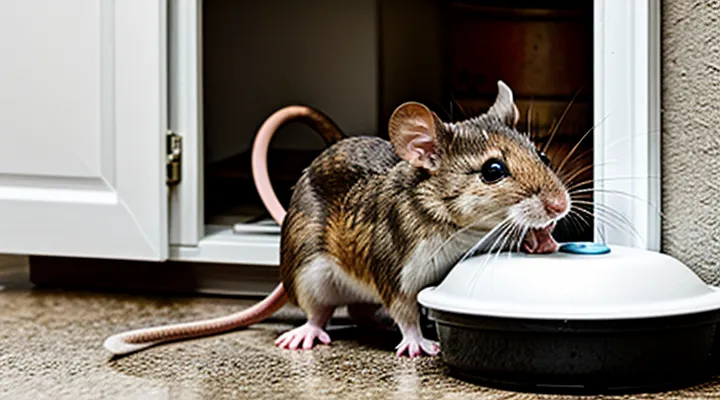
Why Do Mice Appear?
Common Causes of Rodent Infestations
Food Sources
Mice persist in residences because they locate and exploit readily available nourishment. Removing those food opportunities eliminates the primary incentive for infestation.
Secure all edible items in airtight containers made of metal or heavy‑wall plastic. Do not leave cereal, grains, pet food, or snacks exposed on countertops, tables, or floors. Store pantry goods on high shelves, away from walls, to prevent easy access.
Maintain rigorous cleaning routines. Sweep crumbs and vacuum debris daily, especially in kitchens, dining areas, and under appliances. Wipe surfaces with a damp cloth after meals; dry residues attract rodents.
Dispose of waste promptly. Use bins with tight‑fitting lids and empty them at least once daily. Keep outdoor trash cans sealed and positioned away from doors and windows to avoid drawing mice toward entry points.
Eliminate secondary food sources. Remove birdseed, fruit trees, or compost piles from the immediate perimeter of the house and cottage. Trim vegetation that contacts the building, as it can serve as a bridge for rodents carrying food.
Implement these measures consistently to deprive mice of sustenance, thereby encouraging them to vacate the premises without resorting to chemical deterrents.
Shelter and Warmth
Mice seek out places that provide shelter and retain heat. Eliminating these conditions reduces the likelihood that rodents will enter residential or cottage spaces.
Secure openings. Inspect walls, foundations, vents, and utility penetrations; seal gaps with steel wool, copper mesh, or weather‑resistant caulk. Even small cracks act as entry points for rodents seeking protection.
Remove nesting materials. Store firewood, lumber, and garden debris at least two meters from the building. Keep storage areas elevated off the ground and covered with impermeable sheeting to prevent mice from using them as shelters.
Control indoor temperature gradients. Avoid leaving heat‑producing appliances running unattended. Insulate pipes and ducts to eliminate warm surfaces that attract rodents. Use draft excluders on doors and windows to prevent warm air from escaping, which creates cold spots that mice exploit for shelter.
Maintain a clean environment. Dispose of food waste promptly, keep countertops free of crumbs, and store pantry items in airtight containers. Clean up spilled grain or pet food to eliminate additional shelter and warmth sources.
Practical actions
- Install door sweeps and window seals.
- Replace damaged siding or roof sheathing.
- Elevate firewood on pallets and cover with a tarp.
- Use insulated pipe sleeves where plumbing runs through exterior walls.
- Conduct monthly inspections of potential entry points.
By systematically removing shelter opportunities and limiting heat sources, occupants can achieve effective, chemical‑free rodent exclusion.
Easy Access Points
Mice enter homes and cottages through tiny openings that are often overlooked. Identifying and sealing these easy access points is essential for a non‑chemical exclusion strategy.
Typical entry routes include:
- Gaps around exterior doors and windows, especially where weather‑stripping is missing or damaged.
- Cracks in foundation walls, brickwork, or siding, even those as narrow as a pencil’s width.
- Openings around utility penetrations such as pipe sleeves, vent pipes, and electrical conduits.
- Gaps beneath or behind appliances that sit on the floor, like refrigerators, stoves, and dishwashers.
- Unsealed spaces around crawl‑space vents, attic hatches, and roof eaves.
To eliminate these pathways:
- Conduct a thorough visual inspection inside and outside the building, using a flashlight to reveal hidden cracks.
- Measure each opening; any gap larger than ¼ inch (6 mm) should be considered a potential mouse entry.
- Apply appropriate sealing materials: steel wool combined with caulk for small cracks, hardware cloth or metal flashing for larger gaps, and expanding foam for irregular spaces.
- Install door sweeps and weather‑stripping on all exterior doors, ensuring a tight seal when closed.
- Maintain the exterior perimeter by trimming vegetation away from the foundation and removing debris that could conceal gaps.
By systematically addressing these easy access points, mice are denied the routes needed to infiltrate the structure, achieving effective removal without reliance on chemical agents.
Natural and Humane Methods of Rodent Control
Prevention is Key
Sealing Entry Points
Effective mouse exclusion begins with eliminating every possible opening that rodents can exploit. Begin by conducting a thorough inspection of the building envelope: examine foundations, walls, roofs, vents, utility penetrations, and any gaps around doors and windows. Pay special attention to areas where pipes, cables, or HVAC ducts enter the structure, as these are frequent access points.
Create a prioritized list of identified gaps and rank them by size and proximity to food sources. Seal each opening using appropriate materials:
- Steel wool or copper mesh for gaps larger than a quarter‑inch; compress the material tightly before covering with caulk or expanding foam.
- Silicone or acrylic caulk for cracks up to ⅛‑inch; apply a smooth, continuous bead to ensure airtight closure.
- Hardware cloth (¼‑inch mesh) for larger holes around vents or utility openings; secure with screws and a sealant strip.
- Self‑adhesive flashing tape for seams around windows and doors; press firmly to prevent peeling.
After sealing, verify integrity by conducting a visual check and, if necessary, a smoke test: introduce a thin stream of smoke near suspected areas and observe any movement indicating remaining leaks. Repeat inspections seasonally, as building settlement and weathering can create new openings over time.
Maintain a clear perimeter by trimming vegetation, storing firewood away from the structure, and keeping outdoor debris to a minimum. These practices reduce the likelihood of rodents locating fresh entry points and complement the sealed barriers, ensuring long‑term, chemical‑free mouse control.
Food Storage
Secure food storage is a primary barrier against rodent entry. Mice locate nutrition sources quickly; eliminating accessible food forces them to search elsewhere and reduces the likelihood of infestation.
- Use containers with snap‑tight lids made of glass, metal, or heavy‑wall plastic. Verify that seams are intact and that no gaps exist around the closure.
- Store bulk items such as grains, cereals, and pet food in containers that cannot be punctured or gnawed. Transfer only the amount needed for immediate use to open bowls.
- Keep pantry shelves clear of debris. Arrange items so that each product is visible and reachable without moving other goods.
- Clean spills immediately. Wipe down surfaces with a damp cloth after handling food, and vacuum crumbs from floor edges and behind appliances.
- Place trash cans with fitted lids inside the kitchen or pantry. Empty them daily and keep exterior bins sealed with a tight‑fit cover.
- Relocate outdoor feeding stations for pets or wildlife away from building foundations and elevate them on sturdy platforms to prevent rodents from climbing.
Regular inspection of storage areas completes the strategy. Look for signs of gnaw marks, droppings, or displaced lids, and repair any cracks or openings in walls, floors, or cabinets promptly. Consistent application of these practices sustains a chemical‑free environment that deters mice from inhabiting residential and cottage spaces.
Maintaining Cleanliness
Maintaining a clean environment directly reduces the attractiveness of a dwelling to mice, making it a core component of non‑chemical rodent exclusion.
- Store food in sealed containers; eliminate crumbs and spills promptly.
- Remove standing water sources; fix leaks and dry damp areas.
- Dispose of garbage in tightly closed bins and empty them regularly.
- Keep pantry shelves clear of packaging debris; sweep and vacuum weekly.
- Declutter storage spaces; keep boxes off the floor and away from walls.
- Clean behind appliances, inside cabinets, and under furniture where grains may accumulate.
Regular sanitation removes the scent trails and food residues that mice follow, thereby discouraging entry and nesting. Implementing a disciplined cleaning schedule complements structural sealing and trap placement, creating a comprehensive, chemical‑free strategy for rodent control.
Natural Repellents
Essential Oils
Essential oils provide a natural method for discouraging mice from entering residential and rural structures. Their strong aromas interfere with the rodents’ scent trails, making the environment unattractive.
- Peppermint oil – most widely reported as a mouse repellent; apply several drops on cotton.
- Eucalyptus oil – sharp scent disrupts nesting behavior; use in a diffuser or on fabric.
- Clove oil – potent odor deters rodents; dilute before spraying near entry points.
- Citronella oil – repels many pests, including mice; place soaked pads in corners.
- Lavender oil – mild scent that discourages activity; combine with other oils for broader effect.
Prepare a repellent solution by mixing 10‑15 ml of essential oil with 250 ml of water. Soak cotton balls or small fabric squares, then position them behind appliances, under sinks, and along baseboards. For continuous coverage, operate a low‑output diffuser in rooms where activity is observed. Replace soaked materials every 3‑5 days to maintain potency.
Avoid direct contact with skin; wear gloves when handling concentrated oil. Keep preparations out of reach of children and pets, as ingestion can cause toxicity. Store bottles in a cool, dark place to preserve aromatic compounds.
Inspect the premises weekly. If mouse signs persist, increase the number of oil‑treated sites or rotate oils to prevent habituation. Regular renewal of the scent barrier sustains the deterrent effect without resorting to synthetic chemicals.
Plants and Herbs
Botanical deterrents provide an effective, chemical‑free approach for removing mice from homes and cottages. Certain plants and herbs emit odors or produce compounds that rodents find unpleasant, reducing the likelihood of entry and nesting.
- Mint (Mentha spp.) – strong volatile oils repel mice; fresh leaves in kitchen windowsills or dried sachets in cupboards work well.
- Lavender (Lavandula angustifolia) – scent discourages rodents; dried spikes placed near entry points are practical.
- Rosemary (Rosmarinus officinalis) – aromatic leaves deter foraging; potted rosemary near doors adds both deterrence and aesthetic value.
- Catnip (Nepeta cataria) – contains nepetalactone, a known mouse repellent; crushed leaves in corners create a hostile environment.
- Pennyroyal (Mentha pulegium) – potent oil repels rodents; use dried herb in small cloth bags, avoiding prolonged indoor exposure due to toxicity.
- Eucalyptus (Eucalyptus globulus) – essential oil applied to cotton balls near gaps acts as a barrier; ensure ventilation.
Implementation requires strategic placement. Position potted herbs at primary ingress sites—under doors, along baseboards, and beside windows. For dried material, seal in breathable fabric and distribute in attic corners, pantry shelves, and garage storage areas. Essential oil droplets applied to cotton or wood splints should be refreshed weekly to maintain potency.
Regular maintenance preserves efficacy. Trim potted herbs weekly to sustain vigorous growth and strong aroma. Replace dried sachets every two to three months, monitoring for mold or loss of scent. Verify that any oil‑based applications do not irritate occupants or pets; use minimal quantities and keep away from food preparation surfaces.
Combining multiple botanical agents enhances coverage, creating a consistent olfactory barrier that deters mice without resorting to toxic substances.
Ultrasonic Devices
Ultrasonic devices provide a non‑chemical option for repelling mice from homes and cottages. They emit high‑frequency sound waves that are inaudible to humans but cause discomfort to rodents, prompting them to vacate the area.
The devices generate frequencies between 20 kHz and 65 kHz, a range detected by mouse auditory systems. Continuous exposure interferes with feeding, nesting and communication, leading to reduced activity and eventual abandonment of the treated space.
Effective deployment requires careful placement. Recommendations include:
- Position units at least 12 inches above the floor, away from furniture that could block sound.
- Install one device per 500 sq ft; larger structures may need additional units to ensure overlapping coverage.
- Place devices near entry points, such as gaps under doors, vents, and utility openings.
- Keep units away from metal surfaces that reflect ultrasonic waves.
- Connect units to a reliable power source; battery‑operated models should be checked weekly.
Field observations show that ultrasonic repellents reduce mouse presence when used in sealed rooms with minimal acoustic leakage. Their efficacy diminishes in open spaces, through solid walls, or when multiple obstacles obstruct the wave path. Combining devices with physical exclusion measures—sealing cracks, installing door sweeps—enhances overall results.
Maintenance consists of regular power checks, cleaning speaker grills to prevent dust buildup, and periodic verification that the unit emits sound (most models include an indicator light). Replace units after the manufacturer’s recommended service life, typically 2–3 years, to maintain output intensity.
Trapping and Release
Live Traps
Live traps provide a humane alternative for removing mice from residential and cottage environments without resorting to poisons. These devices capture rodents alive, allowing for relocation away from the property.
Effective use of live traps involves several key actions:
- Choose a trap sized for the target species; standard mouse traps have a chamber of 3–4 inches in diameter.
- Position traps along walls, behind appliances, and near known gnawing sites, as mice travel close to surfaces.
- Bait with high‑fat foods such as peanut butter, sunflower seeds, or small pieces of cheese; apply a pea‑sized amount to the trigger plate.
- Set the trap according to the manufacturer’s instructions, ensuring the door closes securely when the mouse enters.
- Check traps at least twice daily; prolonged confinement can cause stress or injury.
- Release captured mice at least 2 miles from the dwelling, preferably in a wooded or field area where they cannot re‑enter the building.
- Clean and disinfect traps after each use to prevent disease transmission and maintain effectiveness.
Additional considerations improve outcomes. Seal entry points discovered during inspection to prevent re‑infestation. Maintain a tidy interior, storing food in sealed containers and removing clutter that offers hiding places. Regular monitoring of trap locations helps identify new activity zones and adjust placement accordingly. By following these practices, homeowners can achieve rodent control that aligns with non‑chemical, humane standards.
Proper Release Techniques
When mice are captured humanely, the next critical step is releasing them safely and responsibly. Proper release techniques minimize stress on the animal and reduce the likelihood of the rodent returning to the home or cottage.
First, select a release site at least 200 meters (650 feet) from the building. Ideal locations are fields, wooded edges, or abandoned structures where shelter and food sources are available. Avoid areas near other residences, schools, or public paths to prevent future conflicts with humans.
Second, prepare a sturdy container with ventilation holes. Place the trapped mouse inside, cover it loosely to keep the animal calm, and transport the container upright to prevent injury. Keep the journey short; prolonged exposure to heat or cold can be fatal.
Third, release the mouse during daylight hours. Open the container on the ground, allow the animal to exit on its own, and step back immediately. Do not chase or handle the mouse after release, as this increases stress and the risk of bites.
Key considerations for successful release:
- Distance: Minimum 200 m from the original location.
- Habitat: Areas with vegetation, natural debris, and limited predator exposure.
- Timing: Daylight, preferably early morning or late afternoon.
- Container: Ventilated, secure, and sized appropriately for a mouse.
- Transport: Direct route, minimal time, temperature‑controlled if necessary.
Following these steps ensures humane treatment of captured rodents while maintaining a pest‑free indoor environment without the use of chemical deterrents.
Post-Extermination Measures
Cleaning and Disinfection
Removing Droppings and Urine
Removing mouse droppings and urine is a critical step in discouraging further infestation. Contaminated material attracts rodents, signals a safe habitat, and poses health risks to occupants.
Preparation
- Wear disposable gloves and a mask to prevent inhalation of pathogens.
- Ventilate the area by opening windows for at least 15 minutes before cleaning.
Collection
- Use a stiff paper towel or disposable cloth to gather solid droppings.
- Place material directly into a sealable plastic bag; avoid shaking to reduce aerosol formation.
- For urine‑soaked fabrics, fold the item, seal in a bag, and launder at the highest temperature the fabric tolerates.
Cleaning
- Apply hot water (≥ 60 °C) to the affected surface; steam cleaners are effective for hard floors and countertops.
- Scrub with a stiff brush; rinse thoroughly.
- For porous surfaces, pour boiling water over the area, let it sit for several minutes, then vacuum the residue.
Disinfection
- Use ultraviolet (UV) light exposure for at least 15 minutes on non‑metal surfaces.
- Apply a solution of diluted white vinegar (1 part vinegar to 4 parts water) if a mild acid is acceptable; allow to air‑dry.
Disposal
- Seal the bag containing droppings and any contaminated cloths.
- Dispose of the sealed bag in an outdoor trash container away from the dwelling.
Prevention
- After cleaning, place steel wool or copper mesh in gaps and entry points; rodents cannot chew through these materials.
- Keep food storage airtight and eliminate standing water to reduce attractants.
Following these steps eliminates the immediate health hazards and removes the scent cues that encourage mice to remain, supporting a chemical‑free approach to rodent control.
Disinfecting Surfaces
Disinfecting surfaces removes scent trails, droppings, and food residues that attract mice and encourage nesting. Cleanliness eliminates markers that rodents use to navigate and communicate, making the environment less inviting.
- Sweep floors, vacuum carpets, and wipe down countertops with hot, soapy water.
- Use a diluted vinegar solution (1 part vinegar to 3 parts water) on countertops, cabinets, and baseboards; the acidity disrupts odor cues.
- Apply steam to hard surfaces such as tile, wood, and laminate. The high temperature destroys residual proteins and eliminates hidden crumbs.
- Dry all treated areas thoroughly; moisture can foster mold, which also draws rodents.
- Dispose of vacuum bags or containers in sealed trash bags immediately after cleaning to prevent re‑contamination.
Regularly schedule these actions, especially after meals, during seasonal changes, and after any detected rodent activity. Consistent surface sanitation reduces the likelihood of mouse presence without resorting to chemical repellents.
Long-Term Prevention Strategies
Regular Inspections
Regular inspections form the backbone of any non‑chemical mouse‑removal program. They reveal entry routes, nesting sites, and food sources before populations expand.
- Examine exterior walls, foundations, and roof eaves for cracks, gaps around pipes, vents, and utility lines. Seal openings with steel wool, mesh, or expanding foam.
- Inspect interior walls, cabinets, and pantry shelves for gnaw marks, droppings, or shredded material. Remove debris and clean surfaces with hot water.
- Check stored food containers for integrity; replace paper packages with airtight plastic or glass containers.
- Survey attic, basement, and crawl spaces for insulation damage, loose wiring, or accumulated clutter that offers shelter.
- Look for signs of activity around appliances, especially refrigerators and dishwashers, where moisture may attract rodents.
Perform inspections at least once a month, increasing to bi‑weekly during peak breeding periods (late summer to early winter). Use a bright flashlight and a small mirror to view concealed areas. Document findings in a simple log, noting location, type of breach, and corrective action taken. Follow each inspection with immediate repairs; unresolved gaps invite reinfestation.
Consistent, systematic checks keep mouse populations below detectable levels, reducing the need for chemical interventions and preserving a healthy living environment.
Landscape Maintenance
Effective landscape maintenance reduces the likelihood of mice entering residential and cottage structures without resorting to chemicals. By managing the exterior environment, homeowners create conditions that discourage rodent habitation and limit access points.
Key maintenance actions include:
- Trimming shrubs, tree branches, and groundcover away from walls and eaves to eliminate climbing routes.
- Removing leaf litter, grass clippings, and other organic debris that provide shelter.
- Storing firewood, lumber, and garden tools on raised platforms or inside sealed sheds.
- Keeping compost piles well‑covered and located at least 15 feet from the building.
- Ensuring gutters and downspouts direct water away from foundations to prevent moisture‑rich zones favored by rodents.
- Sealing cracks, gaps, and openings in foundations, siding, and rooflines with steel wool, caulk, or metal flashing.
Regular monitoring supports these measures:
- Inspecting the perimeter weekly for new vegetation growth or debris accumulation.
- Checking for gnaw marks, droppings, or nesting material near entry points.
- Verifying that drainage systems remain functional after heavy rain.
- Conducting seasonal reviews of fence integrity and gate closures.
Consistent application of these landscape practices maintains a hostile environment for mice, minimizes indoor intrusion, and eliminates the need for chemical deterrents.